REVIEW · BIKE & E-BIKE TOURS
Kyoto: Higashiyama Slow Cycling Tour along the quiet waterfront
Book on Viator →Operated by BROMPTON SLOW CYCLING TOURS · Bookable on Viator
Kyoto looks different from a bicycle seat. This slow cycling tour threads through Higashiyama’s water edges and quiet back streets, so you spend more time taking it in and less time jostling in crowds. I like that the pace is genuinely easy to follow, and I like that you ride a BROMPTON (plus they handle the gear). The main catch is simple: it depends on good weather, and you’ll want at least a moderate comfort level with cycling.
You’ll cover about 12 km over roughly 4 hours, with frequent stops to rest your legs, see famous places up close, and learn how the city’s water shaped daily life. The small group size (up to 6) helps you move smoothly, even on narrower roads. One other consideration: not every temple fee is included, so plan for small add-ons along the way.
In This Review
- Key things to know before you ride
- Why Higashiyama and a slow bike ride beat the sightseeing shuffle
- BROMPTON setup and what it means for your comfort
- Kamogawa River: starting Kyoto with water and breathing room
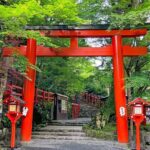
- Shimogamo Jinja and the quiet forest glow
- Philosopher’s Walk: seeing the canal side of Higashiyama
- Nanzen-ji and the Suirokaku aqueduct: where water meets architecture
- Keage Incline: preserved industry, seasonal lines, and slow pacing
- Kyoto Gyoen National Garden: a calmer capstone near the palace grounds
- Food along the way: how the navigator helps you eat like a regular
- Price and value: what you’re really paying for
- Who should book this slow cycling tour (and who should skip)
- Should you book this Kyoto Higashiyama slow cycling tour?
- FAQ
- How long is the Kyoto Higashiyama slow cycling tour and how far do we ride?
- Where does the tour start, and when?
- What’s included with the biking?
- Is insurance included in the tour price?
- Are temple or shrine tickets included?
- What fitness level do I need?
- What happens if the weather is bad?
- Can I cancel for free?
Key things to know before you ride
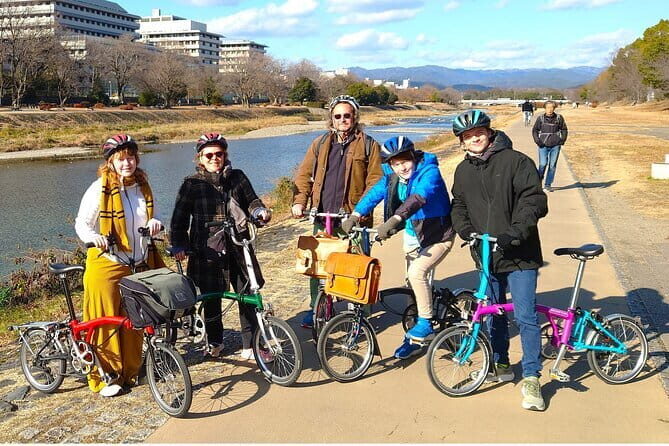
- BROMPTON bikes, helmet, and bags provided: you show up ready to ride, not ready to shop.
- Slow pace with a navigator: the route prioritizes quiet lanes and calmer alternatives.
- Max 6 people: it feels like a small day out, not a cattle-car tour.
- A 12 km / 4-hour format: long enough to feel like a “Kyoto day,” not so long you dread the next hill.
- Water-focused Higashiyama route: rivers, canals, and preserved industrial heritage show Kyoto’s water story from multiple angles.
- Most stops are free, with one major exception: Nanzen-ji’s admission isn’t included.
Why Higashiyama and a slow bike ride beat the sightseeing shuffle
Kyoto’s top sights are beautiful—but many of them come with lines, tour buses, and that heavy feeling of being rushed. This tour flips that pattern. By moving at bicycle speed with a guide, you get to experience the city the way locals do: noticing side streets, small bridges, and the way water changes the air and the light.
The Higashiyama area is perfect for this style because it’s close to rivers and canals, and because the streets can be narrow. A car or bus just can’t go where a bike can, and that matters for atmosphere. You end up on the calmer edges of the city, where the day feels softer.
And then there’s the “slow” part, which is not marketing fluff here. The ride is designed to be manageable if you’re not super athletic. Still, there is cycling involved, so you shouldn’t book this if you expect a completely sedentary outing.
You can also read our reviews of more cycling tours in Kyoto

BROMPTON setup and what it means for your comfort
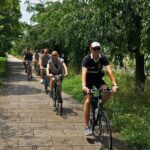
You get the bike and the safety basics: helmets and equipment for riding, plus bags for wheeled transport. That’s a big value point, because in Kyoto you often spend time figuring out rental details, pickup spots, and how to carry your stuff. Here, you can focus on the day.
The BROMPTON also changes the feel of the ride. It’s compact and easy to handle, and that helps on tighter turns and lanes you’d never enjoy on a big rental bike. The result is practical: you can actually look around while riding instead of only thinking about balance.
One more comfort factor is the tour style itself. It’s built around stops—river, shrines, walks, temples, and the preserved incline—so even if your legs are not used to regular cycling, you still get breaks built into the schedule.
Kamogawa River: starting Kyoto with water and breathing room
The tour begins at Demachiyanagi Station and then heads to the Kamogawa River, one of the city’s main waterways. This is a strong opening because the river gives you instant context. Kyoto isn’t just temples and streets; it’s water channels, seasonal moods, and neighborhoods shaped by flow.
Kamogawa is also a “reset button” stop. Even if you arrive with temple fatigue, looking at moving water and the city’s riverside rhythm helps you recalibrate. Plus, the stop is free and short, which makes it easy to absorb the setting without turning it into an all-day lecture.
A practical tip for this kind of start: keep your eyes up as you ride along the waterfront. You’ll often spot bridges and views that are easy to miss when you’re walking or stuck behind a group.
Shimogamo Jinja and the quiet forest glow
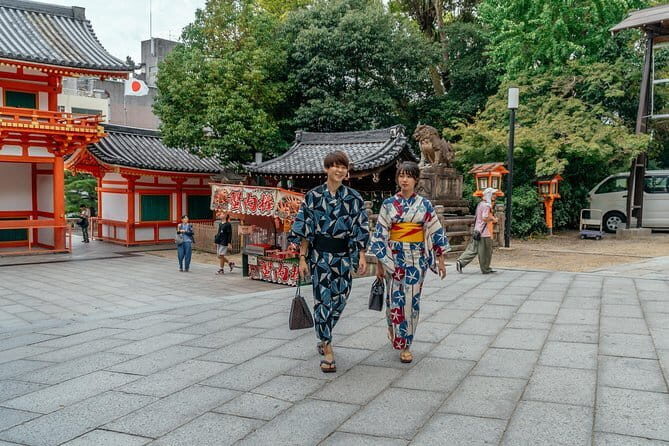
Next comes Shimogamo Jinja, a UNESCO World Heritage Site north of the Kamogawa delta. This stop is especially useful because it’s not just another shrine photo moment. You get a sense of the place as a lived-in spiritual landscape, with a forested area called Tadasunomori where sunlight filters through trees.
The time here is 45 minutes, which is long enough to slow down and actually notice the space. If you’re the kind of traveler who likes to stand still for a few minutes and just watch, this stop will fit your style.
The only real drawback is the same as any outdoor shrine visit: you’re walking and standing as part of the stop. The tour is still “easy cycling,” but the best experience comes when you’re comfortable with a bit of foot time in natural surroundings.
Philosopher’s Walk: seeing the canal side of Higashiyama
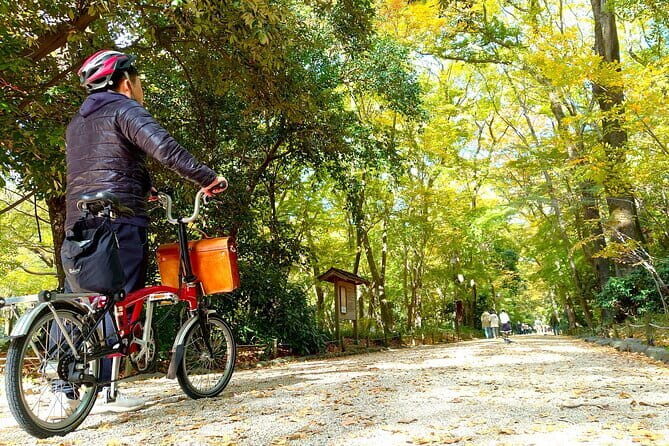
Then you move to the Philosopher’s Walk, also known as the path along the Lake Biwa Canal at the foot of Mount Higashiyama. It’s called the Philosophy Path because philosophers once strolled there in contemplation. That background gives the place a calmer tone than the typical tourist route.
The stop is 30 minutes, which is just enough to get your bearings and enjoy the canal edge without turning it into a long hike. In my experience, this kind of stop works well inside a cycling tour, because you’re not committed to a full walking day. You can savor a specific portion and then get back on your bike feeling refreshed.
A note on expectations: this path is famous for a reason, so it can feel busy at peak times. The upside is that the tour format helps you reach it as part of a planned flow, instead of arriving at the exact moment crowds peak.

Nanzen-ji and the Suirokaku aqueduct: where water meets architecture
Two of the tour’s most memorable segments are tied to Nanzen-ji. First is the temple itself (30 minutes), and then comes Nanzenji Suirokaku, the brick aqueduct in the temple precincts.
Here’s the practical detail that matters for value: Nanzen-ji Temple admission is not included. The Suirokaku stop is listed as free, so you’ll likely feel the cost is concentrated in one place rather than many.
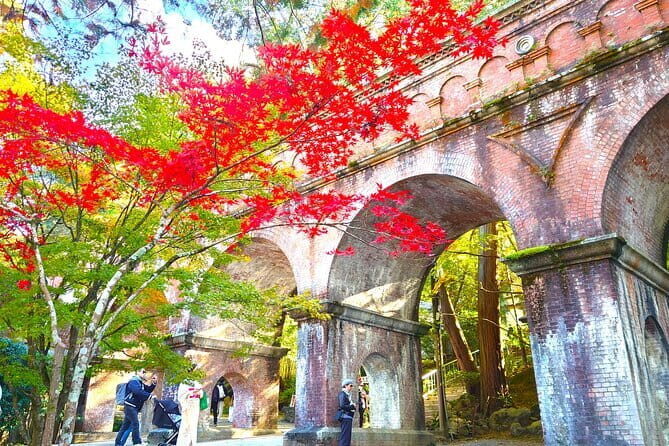
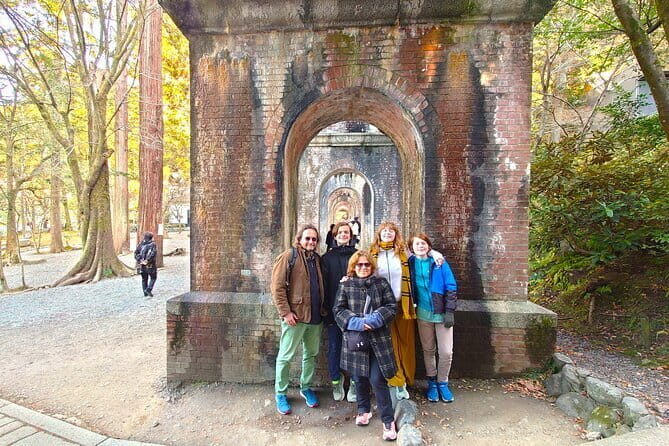
Why this matters? Because Nanzen-ji is not just another entry fee stop. It’s famous for the garden and for its Sanmon Gate, and you’ll also get the chance to see how the area connects to Kyoto’s water modernization story. The Suirokaku aqueduct played a major role in modernizing Kyoto in the Meiji era and is still in use today.
Even if you’re not a history buff, the aqueduct is visually satisfying. Brickwork, arches, and the way water is carried through the city in a designed channel make it feel like Kyoto engineering with soul. The stop length is 30 minutes, and that’s a good pace for taking photos and reading the atmosphere without feeling rushed.
Keage Incline: preserved industry, seasonal lines, and slow pacing
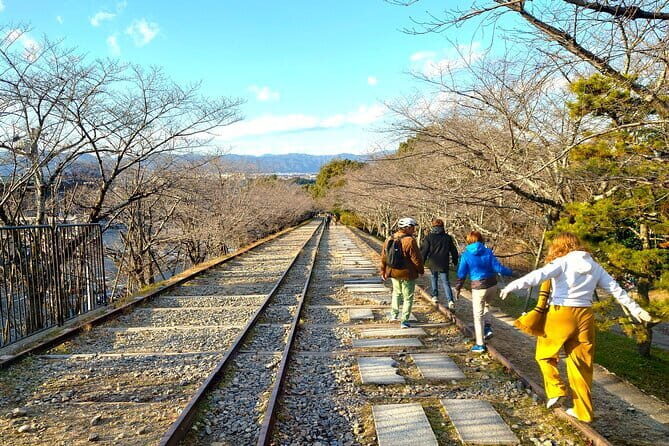
After the temple precincts, the tour heads to Keage Incline. This is an incline railway preserved as industrial heritage, and it’s also a sightseeing area lined with cherry blossom trees.
The key value here is contrast. Kyoto can feel overly “old” in tourist photos, but Keage Incline reminds you that the city’s modernization is part of the story too—especially how it connected to boat transport on the Lake Biwa Canal route.
The stop is 30 minutes and marked free, which is a nice rhythm after paying attention to temple gardens and gates. You also get a different kind of scene to photograph: not just buildings and statues, but built infrastructure in a scenic setting.
One consideration: if you’re visiting when blossoms are not in season, it will still be interesting, but the visual impact will shift. The site’s preserved function is the constant; seasonal color changes the mood.
Kyoto Gyoen National Garden: a calmer capstone near the palace grounds
The final major stop is Kyoto Gyoen National Garden, tied to the Kyoto Imperial Palace grounds where the emperor lived until the mid-19th century. The stop is 1 hour, which signals that it’s meant as a relaxed ending, not a quick token.
This long finish time matters because it helps your whole day land. After temples and aqueducts, you get breathing room in the kind of space that usually feels more orderly and less crowded than shrine streets.
Also, the garden stop is free, so the day doesn’t suddenly ask you for more money right at the end. You can take it easy, walk slowly where you want, and review what you liked most about the water-and-hills vibe of Higashiyama.
Food along the way: how the navigator helps you eat like a regular
One of the smartest parts of a cycling tour is that you’re not limited to whatever restaurant sits right next to a temple entrance. The navigator can suggest lunch during the tour based on your wishes.
The data here also implies a gentle reality: snacks are not included, and lunch is something you choose. That’s normal for this kind of experience. The value is that you’re not doing guesswork. Your guide can steer you toward shops that fit the day’s pacing and your preferences, instead of pulling you into whatever is closest to the busiest intersection.
If you’re sensitive to crowds, plan to treat food as flexible. A guided suggestion often means you eat somewhere slightly off the worst traffic zones, which can make the difference between a pleasant meal and a rushed one.
Price and value: what you’re really paying for
The tour price is $129 per person for about 4 hours and roughly 12 km of riding. On paper, that can look like “just a bike day.” In reality, the value comes from three combined pieces:
1) Bike rental and gear are included, including helmet and riding equipment.
2) You’re paying for a dedicated navigator (exclusive), which is what turns a route into a story and a ride into a plan.
3) You’re getting access to a water-and-temple route that would be harder to piece together yourself quickly, especially in narrow lanes where the wrong turn wastes time.
You should also budget for the things listed as not included: an insurance fee of 500 yen, and Nanzen-ji admission (since that specific ticket is not included). Most other stops are marked free, which helps keep costs predictable.
Net result: if you want Kyoto with less stress, more local routing, and a comfortable ride setup, this price starts to make sense. If you’re the kind of traveler who loves self-planning and doesn’t want to pay for guidance, you might feel the cost more keenly.
Who should book this slow cycling tour (and who should skip)
This is a great fit if:
- you like quiet streets, water views, and walking time that isn’t too long
- you want a local navigator to steer you toward calm alternatives and avoid the worst bottlenecks
- you’re curious about Kyoto’s mix of shrine tradition and water-based modernization
- you want a small-group experience (up to 6 travelers) that feels relaxed
It’s less ideal if:
- you can’t handle cycling at all, even at a slow pace
- you’re only comfortable visiting places with fully included tickets (because Nanzen-ji admission is not included)
- you don’t want to travel on days that might require good weather (the tour requires it)
Think of it as an active sightseeing day that still leaves space for photos, rest breaks, and real observation.
Should you book this Kyoto Higashiyama slow cycling tour?
I think you should book it if your ideal Kyoto day has three things: water, quiet, and a rhythm that doesn’t feel like you’re sprinting from one crowd magnet to the next. The BROMPTON setup means you’re not stuck managing rental hassle, and the small group size keeps the route calm.
You should also book it if you enjoy learning while you move. Stops like Shimogamo Jinja, the Philosopher’s Walk canal path, and the Suirokaku aqueduct all connect in a way that walking alone might not make as clear.
But if you’re hoping for a totally low-effort, ticket-free day with zero weather sensitivity, you may want to look for a different style of tour. Here, the best experience comes when you’re ready for a gentle ride and a little bit of temple walking time.
FAQ
How long is the Kyoto Higashiyama slow cycling tour and how far do we ride?
It runs for about 4 hours and covers approximately 12 km.
Where does the tour start, and when?
You start at Demachiyanagi Station (32-1 Tanaka Kamiyanagichō, Sakyo Ward, Kyoto). The start time is 10:00 am, and the tour ends back at the meeting point.
What’s included with the biking?
Bike rental is included, along with bicycle equipment such as helmets and bags for wheeled transport. You also get an exclusive navigator fee.
Is insurance included in the tour price?
No. The insurance fee is listed as 500 yen.
Are temple or shrine tickets included?
Most stops are free. Nanzen-ji Temple admission is not included, while other listed stops are free.
What fitness level do I need?
You should have a moderate physical fitness level. Slow cycling is described as easy enough for people who are not confident about their fitness.
What happens if the weather is bad?
The experience requires good weather. If it’s canceled due to poor weather, you’ll be offered a different date or a full refund.
Can I cancel for free?
Yes. You can cancel up to 24 hours in advance for a full refund.