REVIEW · GEISHA & MAIKO TOURS
Kyoto: Gion World of the Geisha Guided Walking Tour
Book on GetYourGuide →Operated by Japan Wonder Travel · Bookable on GetYourGuide
Geisha culture has a way of pulling you in. This small-group Gion walking tour is built to help you read Kyoto’s geisha districts on the ground, with stops that make the stories make sense fast. You’ll hear how geiko (geisha in Kyoto) and maiko (apprentices) fit into daily life, then you’ll move through the lanes that shape Kagai.
I love the practical flow: it’s not just photo stops. The route layers spiritual landmarks like Yasaka Shrine with classic streets and canal views, so you understand why Gion looks the way it does. I also like the small-group format, since it makes it easier to ask questions and get tailored tips as you walk.
One drawback to plan around: the tour involves walking and stairs, so it’s not suitable for wheelchair users or people who have trouble with steps.
In This Review
- Quick Highlights I’d Prioritize
- Why This Gion Tour Works Better Than a Self-Guided Stroll
- Meeting Point Options: Choose the Start That Matches Your Day
- Yasaka Shrine in 40 Minutes: The Calm Start That Sets Context
- The Big Gion Segment: Two Geisha Districts and the Geiko vs Maiko Picture
- Short Photo Stop and a Quick Sightseeing Pause: Where the Timing Helps
- Shirakawa Canal Sightseeing: A Gentle Change of Pace
- Gion Corner: Turning What You Saw Into Cultural Understanding
- Drop-Off at Gion Kōbu Kaburenjō: Plan Your Next Step
- Price and Value: What $29 Actually Buys You
- How Long It Takes and What the Pace Feels Like
- Rain or Shine: What That Means for Your Gear
- Who Should Book, and Who Should Skip This Walk
- Should You Book This Kyoto Gion World of the Geisha Guided Walking Tour?
- FAQ
- What language is the tour guide?
- How long is the Kyoto Gion World of the Geisha tour?
- Where can I meet the tour?
- If I choose the kimono rental option, what happens next?
- Will the tour operate in bad weather?
- Can I see geiko or maiko during the tour?
- Is this tour suitable for wheelchair users or mobility impairments?
Quick Highlights I’d Prioritize
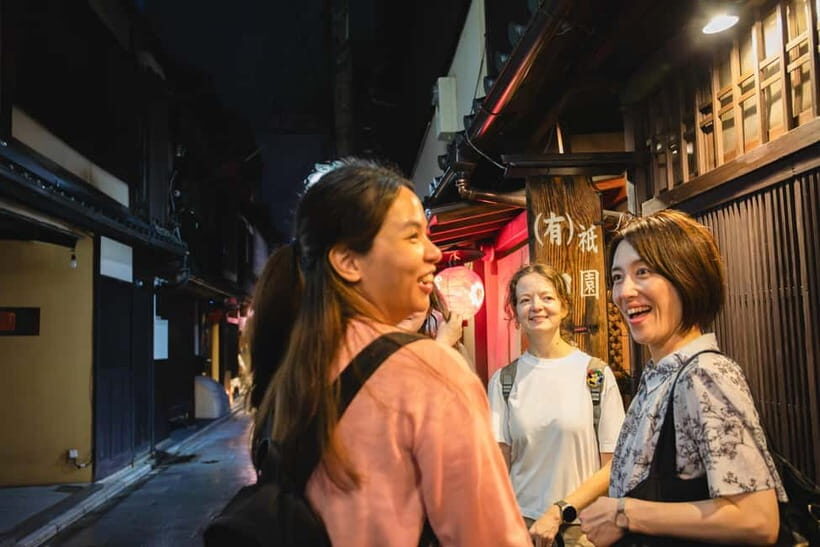
- Small-group pacing that keeps the walk enjoyable instead of rushed
- Geiko and maiko storytelling tied to what you’re seeing in Gion
- Yasaka Shrine + two Gion-focused segments so you get more context than a quick loop
- Shirakawa Canal sightseeing with a calm counterpoint to the shopping streets
- Gion Corner as a cultural stop that helps you connect the dots after the walk
- Chance to spot geiko or maiko and learn what to watch for (no guarantees)
Why This Gion Tour Works Better Than a Self-Guided Stroll
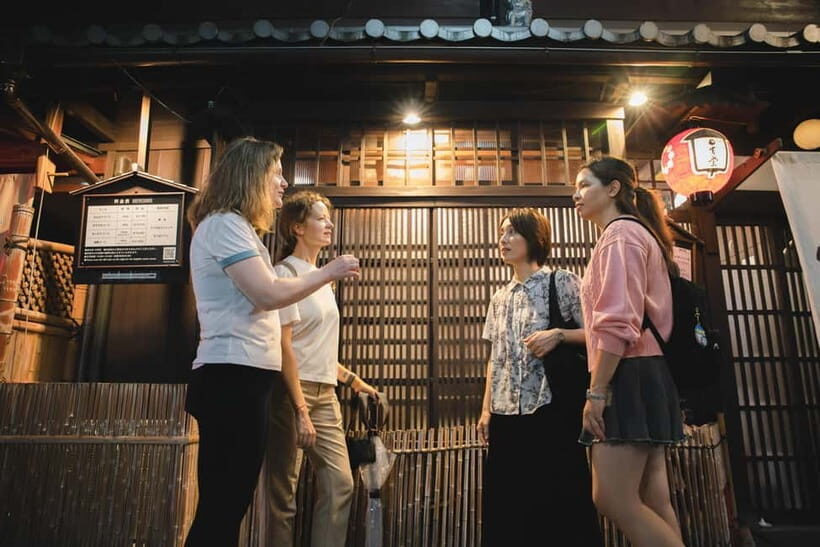
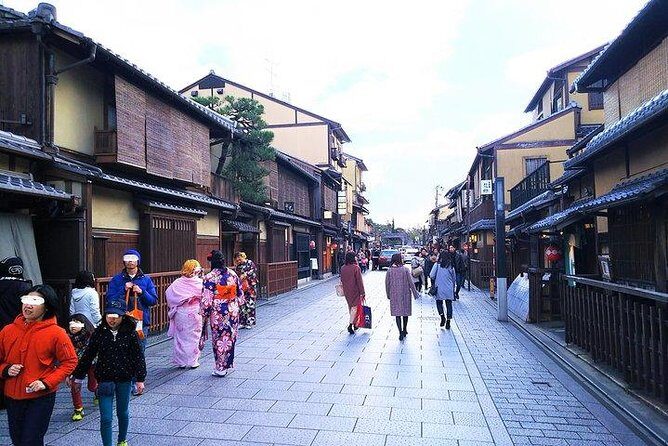
Gion can feel like a movie set until you learn what you’re looking at. This tour helps you decode the neighborhood: the lanes, the shrines, the canal views, and the places where geiko and maiko culture shows up in the real world. With a local guide, you don’t just walk past scenery. You learn the meaning behind it.
For me, the best part is the way the guide links culture to location. When you hear about Kagai (Kyoto’s geisha district area) and the roles of geiko versus maiko, those terms stop being abstract. The walking route keeps translating the stories into street-level observations.
If you like cultural tours that stay respectful and not overly theatrical, this one fits. It’s designed as a guided walk through Kyoto’s historic geisha districts, with enough structure that you feel oriented by the end.
You can also read our reviews of more walking tours in Kyoto



Meeting Point Options: Choose the Start That Matches Your Day
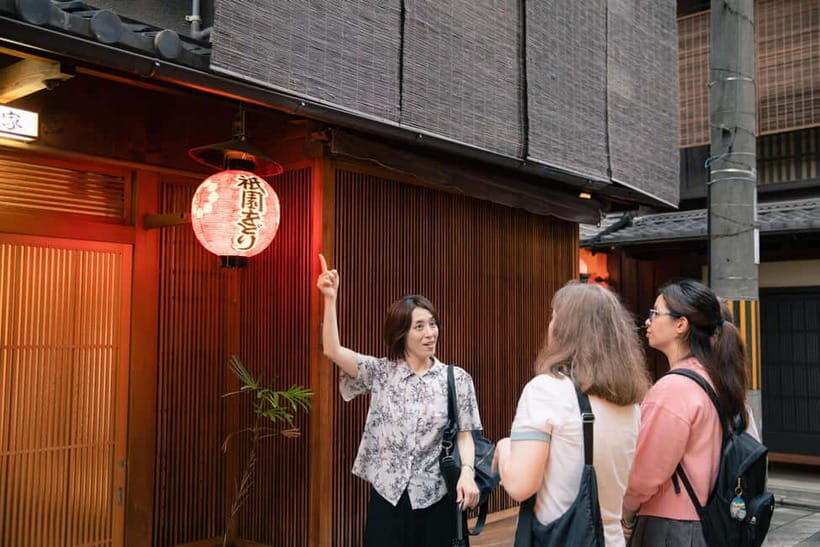
This tour uses multiple starting locations, so your best choice depends on how you want your day to run.
You’ll see three main starting options:
- Statue of Izumo-no-Okuni
- wargo Kyoto Kimono Rental Kyoto Gion Store
- 漢検漢字博物館・図書館(Kanji Museum & Library)
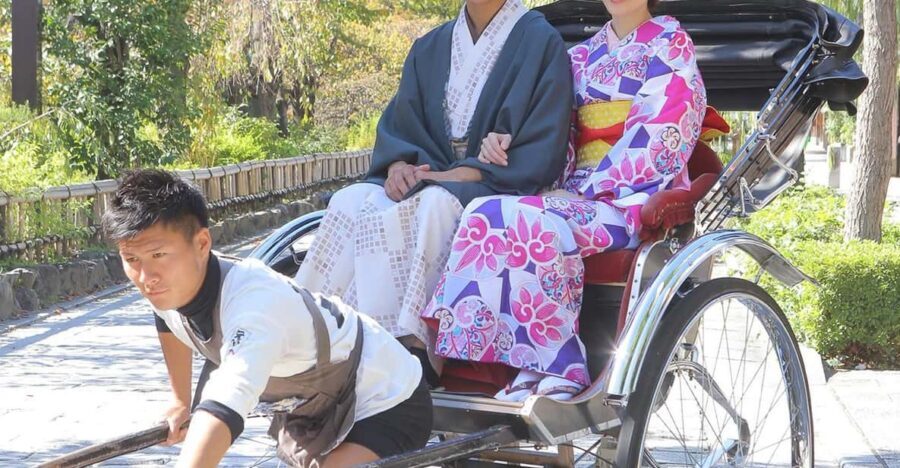
If you pick the kimono rental option, here’s the important part: after you change into your kimono, you’ll go to the Japan Kanji Museum & Library by yourself, and your guide will be waiting there. That means you should plan a little buffer time for the change process.
The other two starting options are simpler: you show up at the selected meeting point and begin the walking portion from there. Since the meeting point “may vary depending on the option booked,” double-check your confirmation so you arrive at the right place on your chosen route.
Yasaka Shrine in 40 Minutes: The Calm Start That Sets Context
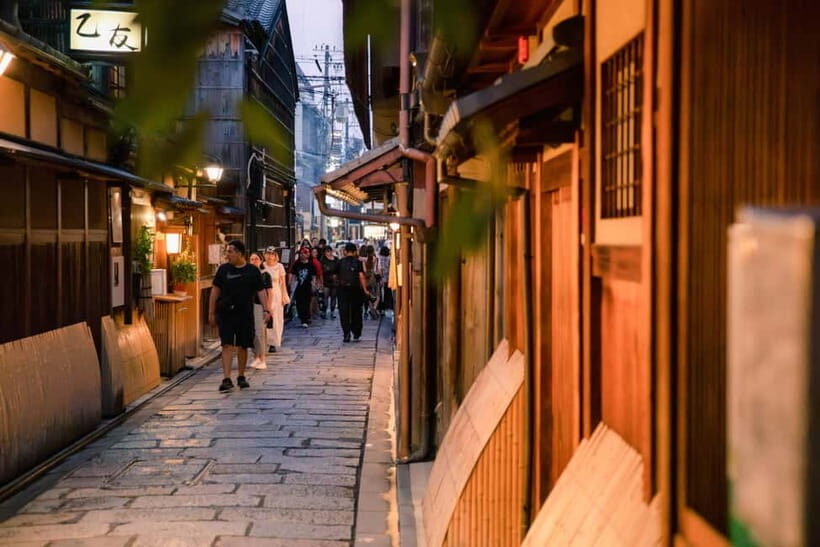
The tour begins with Yasaka Shrine (about 40 minutes of guided time). Even if you’ve seen shrine gates before, this stop matters because it grounds you before you head deeper into Gion’s geisha district culture.
This is a smart opening because Yasaka Shrine connects to the larger Kyoto vibe: tradition, local practice, and the sense that you’re entering a living neighborhood rather than a staged tourist zone. You’ll be walking afterward anyway, so starting here helps your brain shift from sightseeing mode into learning mode.
Practical note: wear comfortable walking shoes. Kyoto sidewalks can be uneven, and you’ll be on your feet for most of the experience.
The Big Gion Segment: Two Geisha Districts and the Geiko vs Maiko Picture
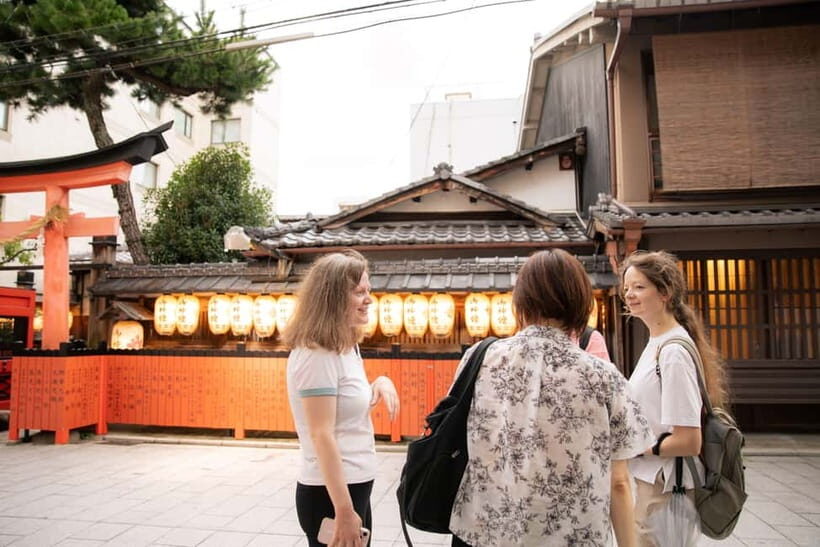
After Yasaka Shrine, you’ll spend about 80 minutes in Gion on a guided walk, then you’ll continue with additional short sightseeing segments throughout the district. The tour’s core goal is to help you understand geisha culture in Kyoto with a focus on what you can see and where it fits.
What you can expect here:
- Stories about the geisha lifestyle, with attention to both maiko and geiko
- Explanation of the geisha district (Kagai) and how the area works culturally
- Time spent in the streets and atmosphere of Gion, not just a single highlight street
This matters because many visitors learn a few facts about maiko and geiko, then stop there. This tour is built to connect those facts to the real geography of Gion—so you start recognizing patterns as you walk. You’ll also get guidance on what to watch for if you want to spot maiko in action.
Luck can play a role with sightings. The tour doesn’t promise you’ll see geiko or maiko, but if you’re lucky, you may encounter them. What the guide can do is make your observation skills better, which is the difference between seeing nothing and noticing something.
Short Photo Stop and a Quick Sightseeing Pause: Where the Timing Helps
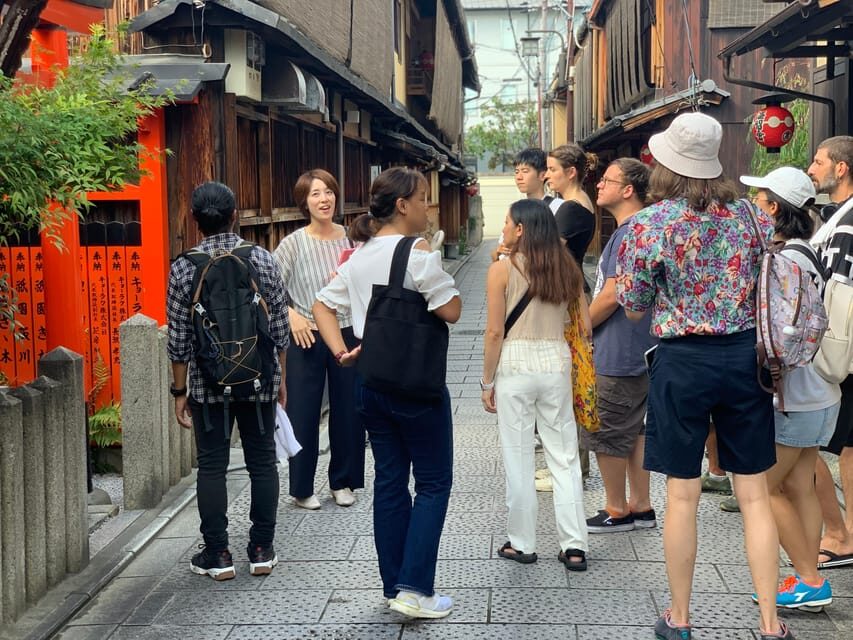
There’s a 5-minute guided sightseeing segment and then a 5-minute photo stop during the Gion portion. Those short breaks might sound minor, but they’re actually useful in Kyoto’s pedestrian rhythm.
Why? Because Gion moves fast for tourists and slow for locals. A scheduled photo stop helps you capture the scene without feeling like you’re sprinting between viewpoints. It also prevents the “wait too long, then rush” problem that ruins photos and patience.
If you care about photos, this is the moment to be ready. Keep your camera accessible, and don’t get stuck turning around. The group route keeps flowing, and your best shots usually happen when you follow the guide’s positioning.
You can also read our reviews of more guided tours in Kyoto





Shirakawa Canal Sightseeing: A Gentle Change of Pace
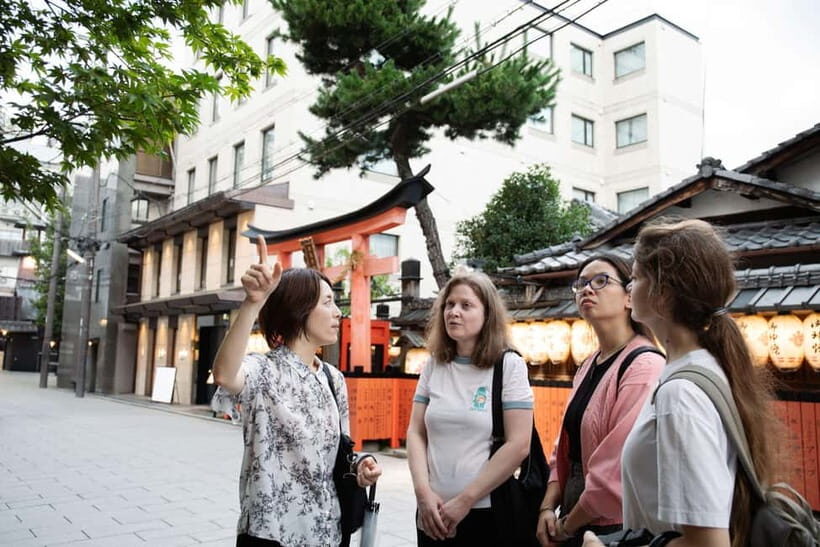
Next comes Shirakawa Canal for sightseeing. This part is a nice contrast after shrine and street walking. The canal area gives you that Kyoto quiet-feel—water, reflections, and a slower mood that helps you digest what you just learned.
Even if you only spend a short time here, it’s a meaningful stop because it changes the visual tone of the experience. It also helps you see why Gion draws people: it’s not only about performers and traditions. It’s also about how the neighborhood is shaped.
Practical tip: expect light changes as you move. If you’re photographing, be ready for shifting brightness between shaded lanes and open canal sightlines.
Gion Corner: Turning What You Saw Into Cultural Understanding
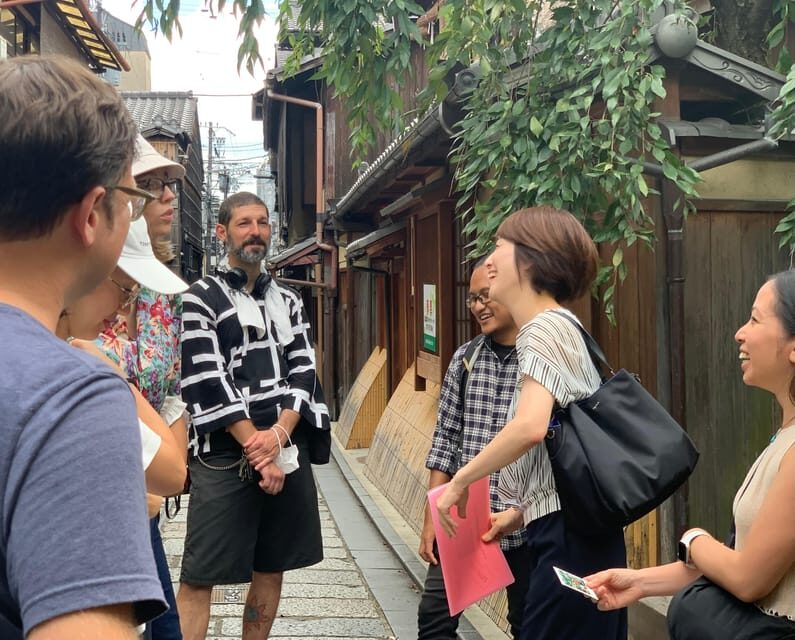
Later, you’ll visit Gion Corner as part of the guided route. This stop is there to connect the dots. You’ve been learning about geiko and maiko culture in everyday street settings, and then Gion Corner helps you step back and see how Kyoto frames performance and traditional arts for visitors and locals alike.
What I like about this placement is that it gives you closure. After you’ve walked the district and absorbed the stories, you’re in a better position to appreciate cultural forms you might otherwise treat as just another tourist show.
If you’re someone who enjoys context—why a tradition exists and how it’s presented—this part will click.
Drop-Off at Gion Kōbu Kaburenjō: Plan Your Next Step
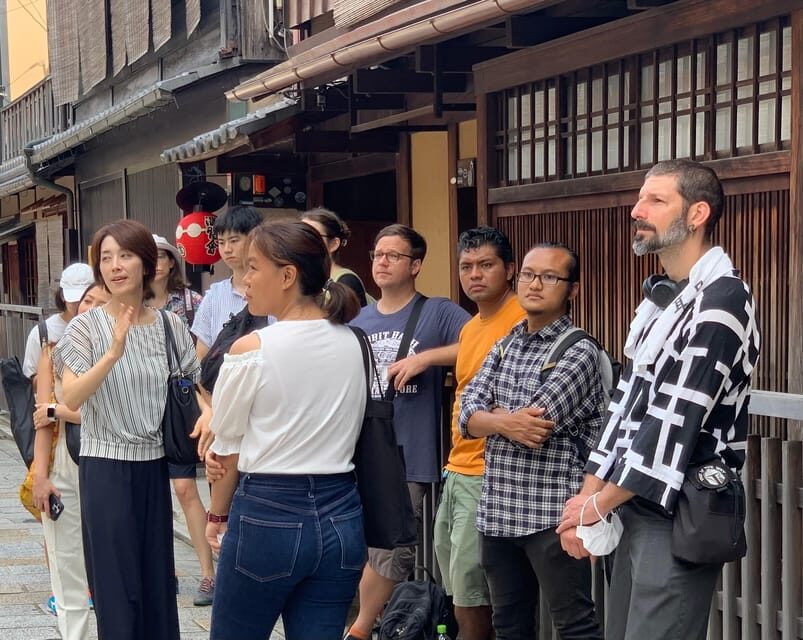
The tour ends with drop-off at Gion Kōbu Kaburenjō (祇園甲部歌舞練場), address 605-0801, Japan.
This matters because it influences what you can do afterward. When the experience ends in a central Gion cultural area, you can often keep exploring without relocating by bus or taxi. It’s a convenient finishing point for extending your evening with nearby sights and calm wandering.
Price and Value: What $29 Actually Buys You
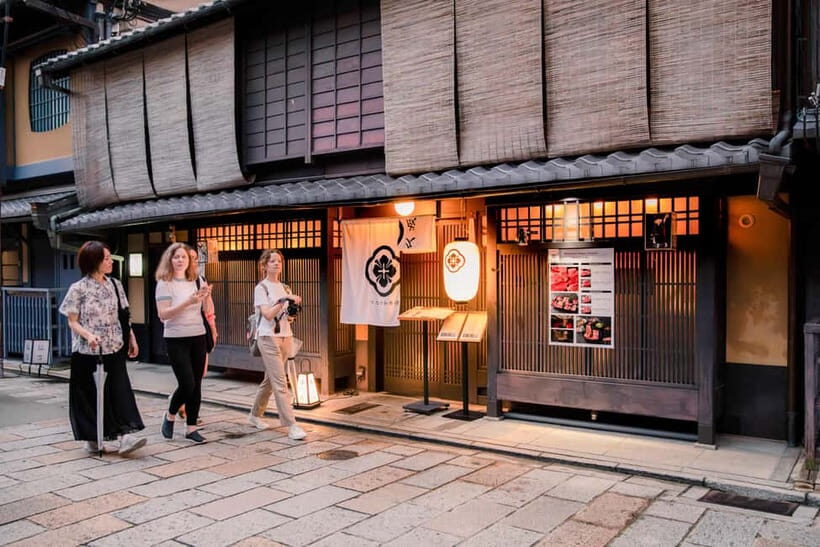
At $29 per person, this tour sits in the “good value” range for Kyoto. The key isn’t just the duration. It’s the fact that you’re paying for interpretation: a local guide turning a complicated cultural neighborhood into something you can actually read as you walk.
You’re getting:
- A live English guide
- A small-group walk through Gion with geisha-district context
- A structured route that includes multiple meaningful stops (not just one street)
If you were planning to guide yourself, you’d need to spend time figuring out where Kagai-related culture is most visible, how geiko and maiko differ, and which streets best support a deeper understanding. This tour compresses that learning into a couple of hours to a longer walking window (the stated duration range is 2 hours to 270 minutes).
If you’re visiting Kyoto for a short time and you want more than surface-level Gion photos, this price feels fair.
How Long It Takes and What the Pace Feels Like
The duration is listed as 2 hours to 270 minutes, which suggests some timing flexibility depending on your start option and the day’s flow. Either way, you should plan for a walking-focused morning or afternoon.
Because it’s a walking tour and the route includes shrine areas and district lanes, pacing matters. A small group helps keep the walk from turning into a shuffle. You also get more usable time for questions, especially during the guided Gion segments.
If you’re the type who likes to stop and stare at every detail, you may find yourself wanting longer free time than the scheduled photo and sightseeing moments allow. That’s not a flaw—just a planning reality. You’ll still leave with a better sense of where to return on your own.
Rain or Shine: What That Means for Your Gear
The tour takes place rain or shine, so pack smart:
- Bring a small umbrella or a light rain jacket
- Keep shoes that handle damp ground comfortably
- Avoid anything too slippery
Rain can actually improve Gion’s atmosphere, but it also makes surfaces trickier. You’ll be happier if you treat this like a weather-aware walking day.
Who Should Book, and Who Should Skip This Walk
This tour is a great fit if you want:
- An efficient way to understand Kyoto’s geisha districts
- A guided explanation of geiko and maiko culture tied to real locations
- A route that includes key stops like Yasaka Shrine, Shirakawa Canal, and Gion Corner
You should skip it if:
- You use a wheelchair or need to avoid stairs
- You have mobility impairments that make walking up and down stairs difficult
- You’re looking for a mostly seated experience (this is not that)
Children must be accompanied by an adult, so it can work for families who want a cultural walk and can handle the pace.
Should You Book This Kyoto Gion World of the Geisha Guided Walking Tour?
If your goal is to understand Gion beyond the postcard look, I’d book it. The guide’s storytelling, the structured route through two geisha district-focused experiences, and the chance to get tips on where to see maiko in action all make this feel like more than a simple sightseeing walk.
If you’re short on time, this also helps. You can cover multiple culturally important stops without building your own plan from scratch. And if you want an English guide, the live guided format is the simplest way to get real context while you’re walking.
Just be honest about the walking and stairs. If mobility is an issue, look for a different tour format.
FAQ
What language is the tour guide?
The tour has a live English guide.
How long is the Kyoto Gion World of the Geisha tour?
The duration is listed as 2 hours to 270 minutes, depending on the schedule and your starting time.
Where can I meet the tour?
The meeting point may vary depending on which option you book, with options including the Statue of Izumo-no-Okuni, wargo Kyoto Kimono Rental Kyoto Gion Store, and the Kanji Museum & Library.
If I choose the kimono rental option, what happens next?
After changing into kimono, you’ll go to Japan Kanji Museum & Library by yourself, and your guide will be waiting there.
Will the tour operate in bad weather?
Yes, the tour takes place rain or shine.
Can I see geiko or maiko during the tour?
If you are lucky, you might encounter geiko and maiko. The guide will also share tips on where you can see maiko in action.
Is this tour suitable for wheelchair users or mobility impairments?
No. It’s not suitable for people with mobility impairments, and it’s not suitable for wheelchair users due to stairs.