REVIEW · WORKSHOPS
Private Art Sushi Roll Class in Kyoto
Book on Viator →Operated by SAKURA Experience Japanese Culture Nijo Home · Bookable on Viator
Sushi art in Kyoto starts with pigments. In a private 60-minute kazarimaki roll class, you’ll learn to shape a peach flower pattern using edible plant colors, then take home a booklet and certification. I love the hands-on structure and the English-speaking guidance from Aya and her team. One thing to plan for: you’ll need to bring socks for the tatami space, and you can’t join if you’re more than 15 minutes late.
You also get more than just food—there’s a cultural layer. Aya provides traditional garments (kimono for women, other traditional wear for men and children), so you don’t just learn sushi; you step into the setting. If you want a class that’s mostly “sit and watch,” this isn’t that. It’s hands-on, and it moves at a friendly but real cooking pace.
In This Review
- Private Art Sushi Roll Class in Kyoto: What You’ll Really Do
- Key Points at a Glance
- Arriving at the Nijo Home: Location, Timing, and the Socks Rule
- Your Private Instructor and How the Class Stays Easy to Follow
- The Kazarimaki Sushi Art: How Edible Pigments Create a Peach Flower
- What “Certification” Means for You (and Why It’s Not Just a Souvenir)
- Traditional Garments: Wearing Kimono and the Quiet Culture Layer
- Included Drinks and Ingredients: What You Don’t Have to Worry About
- What the Hour Feels Like: A Practical Timeline
- The Setting: Traditional Home, Tatami Floor, and Family-Friendly Notes
- Price and Value: Is $93.32 Worth It?
- Tips to Get the Best Result (So Your Roll Looks Like the Plan)
- Should You Book This Kyoto Sushi Art Class?
- FAQ
- How long is the Private Art Sushi Roll Class in Kyoto?
- Where does the class start?
- What time does the class begin?
- Is this a private class?
- Is there an English-speaking instructor?
- What should I bring to the class?
- What happens if I arrive late?
- What’s included in the price?
- Do you provide a booklet or certificate?
- Are vegan or vegetarian options available?
- Can children participate?
- Can I cancel for a full refund?
Private Art Sushi Roll Class in Kyoto: What You’ll Really Do
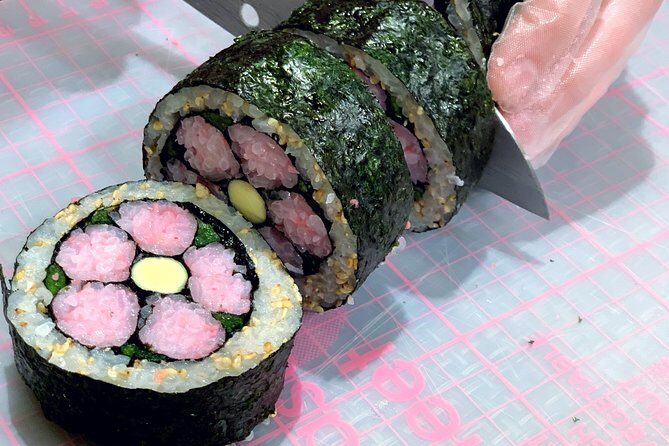
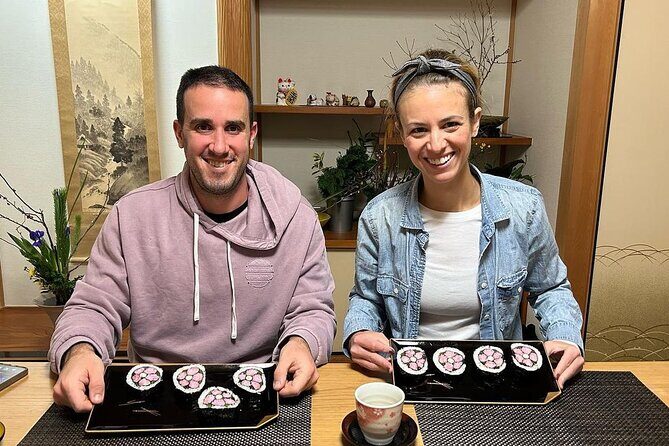
This class is built around one idea: Japanese sushi can be more than taste—it can be design. You’ll create an art sushi roll with patterns made inside the rice and ingredients, using natural food pigments drawn from plants. The goal isn’t chef-level perfection. It’s learning the method so you can reproduce the look at home and understand what makes these rolls different from regular sushi.
You’ll make a peach flower pattern roll in about 60 minutes, and the instructor walks you through the steps and the choices behind them. The class runs as a private group activity, so the focus stays on your questions, your pace, and your finished roll.
The experience also includes bottled water plus tea or coffee, and all sushi ingredients. So you’re not spending your evening hunting for supplies or paying extra for basics.
Key Points at a Glance
- Kazarimaki technique: learn design work inside the sushi roll using edible plant pigments
- Peach flower pattern roll: a clear, achievable project in around 60 minutes
- Private, English-speaking instruction: your group gets guided attention throughout
- Take-home booklet and certification: a method guide you can use later
- Traditional garments provided: kimono (women) and other traditional wear (men/children)
- Socks required for tatami: don’t forget them, and arrive on time
You can also read our reviews of more private tours in Kyoto



Arriving at the Nijo Home: Location, Timing, and the Socks Rule
Your class meets at SAKURA Experience Japanese Culture Nijo Home, listed as 660- Izumichō, Nakagyō Ward, Kyoto (near public transportation). Start time is 4:30 pm, and the activity ends back at the meeting point. That means you can plan the rest of your Kyoto evening without feeling trapped in long transfers.
Here’s the practical part that matters: the class takes place in a tatami room, and you must wear socks to enter. If you forget, you’ll be stuck outside the space where the class happens. It’s also stated that baby and toddler can sit or sleep on the tatami mat, which is useful if you’re traveling as a family and want everyone included.
Late arrival is another clear rule: if you arrive more than 15 minutes late, you won’t be able to join the class. That’s not a “maybe” guideline—it’s the stated cutoff—so I’d build in extra buffer time, especially if you’re navigating Kyoto transit.
Your Private Instructor and How the Class Stays Easy to Follow
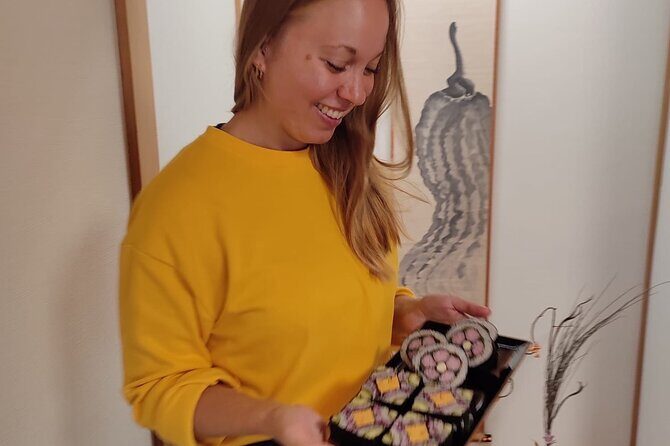
This is a private class, meaning only your group participates. That’s a big deal for sushi art, because design work is easier when you’re not watching from the sidelines. In a small, private setup, you get step-by-step guidance and faster correction when something looks off—especially with the placement of colored ingredients.
Aya is the instructor name connected with the class, and her team includes Manabu Ito (mentioned in host replies). In one host response, they describe how tools are handled and dishes/cleanup are managed, which hints at how smoothly the logistics are set up around your instruction.
English support is also part of the offering: the experience is operated by an English speaker, which matters for culinary terms, timing, and the “why” behind each technique. When you’re working with pigments and shaping patterns, understanding the reasoning makes it easier to copy later.
From a pacing standpoint, one review described the instructor as patient and the steps as easy to follow, which matches the class design here: you get a specific pattern (peach flower), you learn a repeatable process, and you get help as needed.
The Kazarimaki Sushi Art: How Edible Pigments Create a Peach Flower
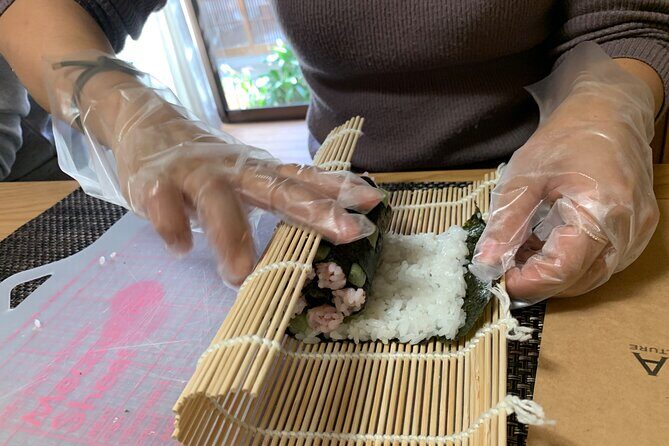
The heart of this experience is kazarimaki, the Japanese art of making designs within a sushi roll. The class uses edible pigments extracted from plants, which is a fancy way of saying the colors are food-based and intended for eating—not decorative inks or non-edible effects.
The pattern you’ll make is described as a peach flower pattern roll. That’s ideal for beginners because it’s visually rewarding without being complicated like a full scene or portrait. The instructor also provides guidance for shaping picture-perfect rolls, which is where sushi art classes often succeed or fail.
The class is hands-on: you’ll create colorful designs in sushi using edible materials, then shape the roll during your own private session. You’re not just assembling ingredients; you’re learning how the pigment elements affect the look inside the final slice.
Also included: the class notes you’ll have vegan and vegetarian options. So if your group has dietary preferences, you’re not stuck choosing between “art roll” and “no roll.”
What “Certification” Means for You (and Why It’s Not Just a Souvenir)
You’ll receive a booklet and certification at the end of the class. The practical value here is that you’re leaving with a written reference for the steps, ingredients, and process logic. That matters because sushi art is easier to repeat when you have a calm, home-friendly guide rather than trying to remember in a rush the next day.
Think of it as your “I can do this again” document. Even if your first attempt at home isn’t identical, you’ll know the method and the sequencing, which is the part that actually transfers.
You can also read our reviews of more tours and experiences in Kyoto

Traditional Garments: Wearing Kimono and the Quiet Culture Layer
One of the more memorable parts is the cultural dressing. Aya provides a kimono for women and other traditional garments for men and children. This is not just a photo prop in the description—it’s part of the experience setting, and it gives the class a ceremony-like feel.
If you’ve done cooking classes before, this one adds a different kind of attention: how you arrive, how you sit, and how the room feels. It also helps the timing make sense—this class happens in a traditional home setting, and the tatami detail keeps that tone consistent.
In other words, you’re not only learning sushi. You’re learning it in the environment that sushi art classes often try (and sometimes fail) to recreate.
Included Drinks and Ingredients: What You Don’t Have to Worry About
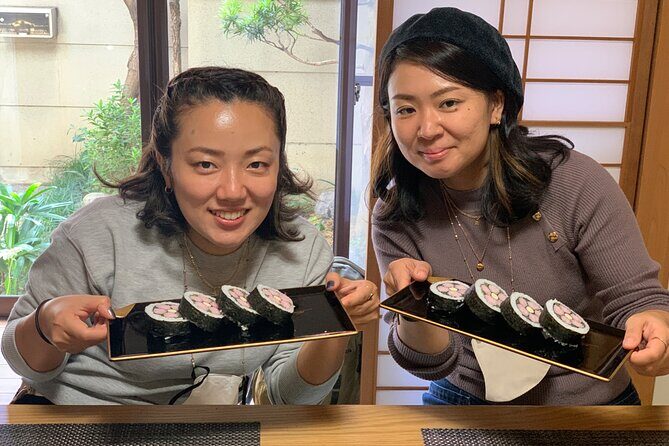
You’re not showing up to a “bring your own” class. Bottled water plus tea or coffee are included, and all sushi ingredients are provided. That removes a lot of friction from your planning, especially if you’re already walking around Kyoto that afternoon.
There’s also a clear focus on the project: peach flower pattern roll, edible pigments, and the steps to shape and finish it. Since you’re not spending mental energy on procurement, you can stay present for the learning part.
If you’re a beginner, this is exactly what you want: materials handled, method explained, and a guided outcome.
What the Hour Feels Like: A Practical Timeline
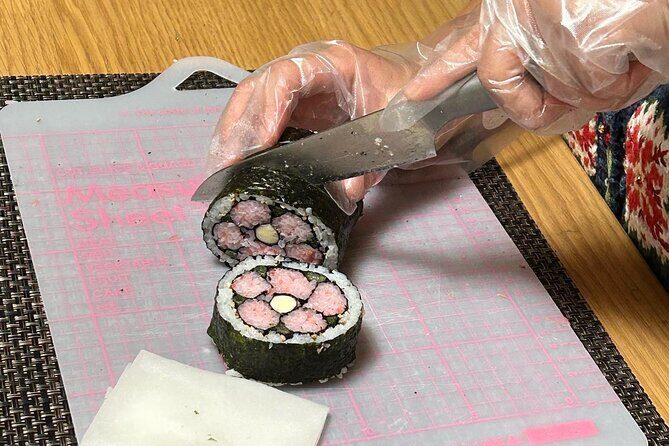
The class runs about 1 hour. In a cooking class, that can be either fast and stressful or efficiently structured. Based on how the class is framed—specific pattern, private pacing, English guidance—it’s designed to move quickly but not chaotically.
Here’s how the time usually breaks down in a class like this, and what to expect from the structure:
- You’ll start with setup and instruction on the kazarimaki method, including how the edible pigments are used.
- You’ll work on the design portion that makes the roll look like a peach flower pattern.
- You’ll shape the roll during instruction so it slices cleanly and keeps the pattern visible.
- You’ll finish with the take-home booklet and certification, plus the chance to review what you learned.
One important timing note: with the 4:30 pm start and the 15-minute late cutoff, you’ll want to arrive with enough breathing room to get settled and start without rushing.
The Setting: Traditional Home, Tatami Floor, and Family-Friendly Notes
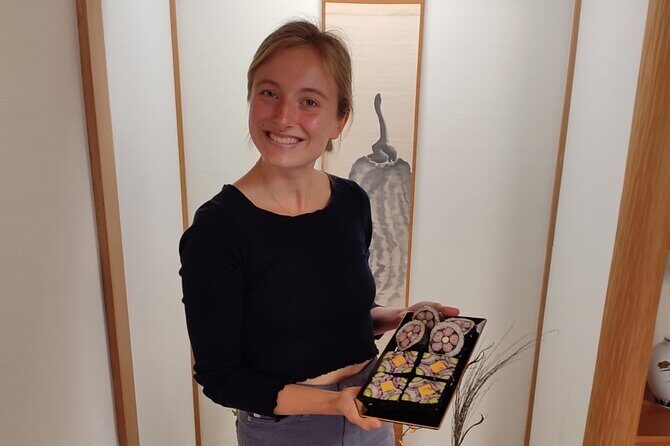
This class takes place in a traditional tatami room inside the SAKURA Experience Japanese Culture Nijo Home setting. Again: socks are required, and baby/toddler can sit or sleep on the tatami mat.
It’s also stated that under-18 participants must come with a parent or guardian over 21. So if you’re booking as a mixed-age group, you’ll want to confirm your guardian arrangements before you lock it in.
If you’re traveling with teens or grandparents, a private class can be a good fit because everyone works at the same table. The design project is engaging, and the garment component adds a cultural feel that doesn’t require everyone to be “food nerds” to enjoy it.
Price and Value: Is $93.32 Worth It?
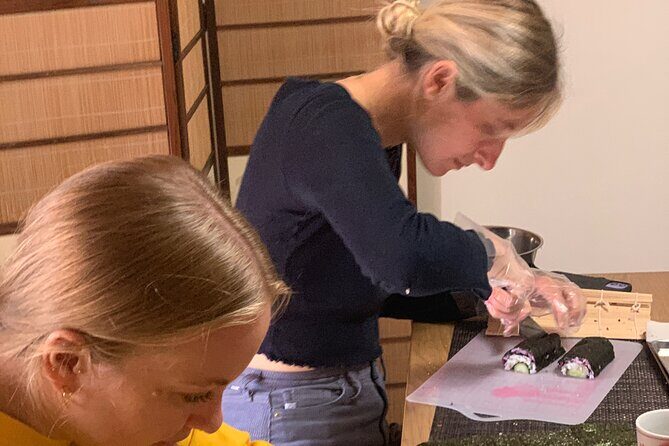
At $93.32 per person for about a 60-minute private class, the value comes from what’s included and what you’re paying for.
You’re paying for:
- Private instruction (not a public demo)
- Edible pigment design work with a defined pattern
- A take-home booklet and certification
- Bottled water, tea or coffee, and all ingredients
- Traditional garments during the class
Cooking classes often charge extra for ingredients or leave you figuring out what to buy afterward. Here, the class provides the full kit—so the price is more predictable.
You’re also paying for the private, English-speaking guidance that makes sushi art doable even if you’re a beginner. If you want the experience to stick, that instruction matters. You’ll leave with both a finished roll and a way to repeat it.
If you’re traveling on a strict budget, you might decide this is a “one special class” kind of splurge. But if you want hands-on culture with a clear outcome and a take-home guide, it’s a strong match.
Tips to Get the Best Result (So Your Roll Looks Like the Plan)
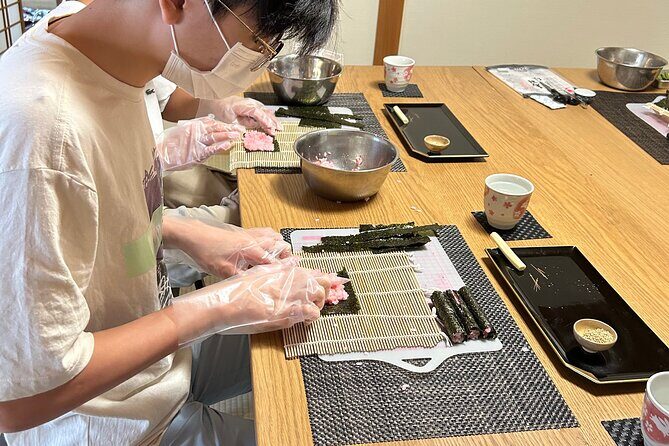
Sushi art can be humbling in the best way. A few practical tips will help you get a better final result:
- Wear socks and arrive early. You want time to settle and start on the right footing.
- Pay attention to placement, not just shaping. In kazarimaki, design visibility comes from where the colored materials go.
- Ask questions mid-step. Private instruction is only useful if you use it.
- Don’t rush the pattern section. The hour is long enough for a beginner when the design work is steady.
- Plan to take the booklet seriously at home. That’s where your learning becomes repeatable.
And if you’re the type who likes insider-friendly humor: there’s a fun host note in the past host replies about a character they call the long hair guy. It’s not essential information for success, but it does signal the vibe—friendly, welcoming, and a little playful while keeping the class moving.
Should You Book This Kyoto Sushi Art Class?
Book it if you want a hands-on art sushi experience with real instruction, a defined project (peach flower pattern), and take-home materials that help you recreate it later. It’s especially good if your group includes a mix of skill levels, because the class format and private setup make it easier to adjust.
Skip it if you need a class that’s mostly passive, or if you’re likely to run late on the 4:30 pm schedule. The tatami socks rule is also non-negotiable, so if that’s a hassle for your travel style, plan for it.
If you’re building a Kyoto day around evening plans, this one is straightforward: one meeting point, about one hour, and you return to the same place when you’re done—with an edible piece of art and the paper tools to make it again.
FAQ
How long is the Private Art Sushi Roll Class in Kyoto?
The class lasts about 1 hour.
Where does the class start?
It starts at SAKURA Experience Japanese Culture Nijo Home, 660 Izumichō, Nakagyō Ward, Kyoto 604-0015, Japan.
What time does the class begin?
The start time is 4:30 pm.
Is this a private class?
Yes. It’s a private class/activity, and only your group participates.
Is there an English-speaking instructor?
Yes, the experience is operated by an English speaker.
What should I bring to the class?
Bring socks. You cannot enter the tatami room without wearing socks.
What happens if I arrive late?
If you arrive more than 15 minutes late, you will not be able to join the class.
What’s included in the price?
The class includes bottled water, tea or coffee, and all sushi ingredients.
Do you provide a booklet or certificate?
Yes. You’ll receive a booklet and certification at the end of the class.
Are vegan or vegetarian options available?
Yes, the class offers vegan and vegetarian options.
Can children participate?
Under 18 years old needs to come with the parent or guardian over 21 years old. Baby and toddler can sit or sleep on the tatami mat.
Can I cancel for a full refund?
You can cancel up to 24 hours in advance for a full refund. If you cancel less than 24 hours before the experience start time, the amount paid will not be refunded.