REVIEW · DESSERT TOURS
Traditional Tea Ceremony with Matcha and Sweets in Kyoto
Book on Viator →Operated by Japan Wonder Travel · Bookable on Viator
Tea ceremonies can feel heavy with formality. This one keeps the meaning, then makes it easy to join in right in Gion. You’ll get a guided look at chanoyu and Zen ideas, plus hands-on matcha and traditional sweets, all wrapped in a friendly, approachable format. One thing to consider: it’s a short, one-hour experience, so if you want a super-long, highly ritualized event with floor seating and all the extra steps, this may feel like a taste rather than the full ceremony.
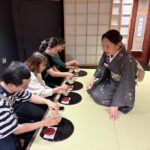
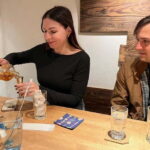
I especially like that you sit on chairs, not on the floor. That single design choice makes it far more travel-friendly, especially if your knees are not thrilled about traditional seating. Another big plus is the teaching style: you’re close enough to see techniques up close, and then you practice making matcha yourself, so the steps actually stick.
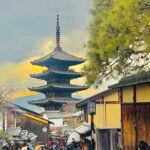
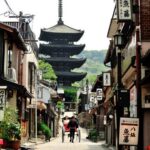
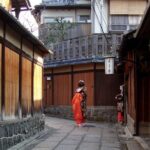
The setting is in the historic Gion area, but the experience is presented in a modern, welcoming way. If you’re very serious about strict tradition and want zero explanation, you might prefer a more formal class. That said, the vibe here seems built for real people on real vacations.
In This Review
- Key Highlights You Should Know
- Gion Setting With Chairs: A Tea Ceremony That Fits Real Travel
- Meet Your Tea Master and the Chanoyu Flow
- History of Tea Meets Zen: Why This Ritual Feels Calm
- Matcha Making and Sweets Break: What You Taste (and Why It Matters)
- Q&A and Omotenashi: Leave With Questions Answered
- Price and Logistics: Is $22.86 Good Value?
- Who Should Book This Kyoto Matcha Ceremony?
- Should You Book This Kyoto Tea Ceremony?
- FAQ
- How long is the traditional tea ceremony experience?
- Where is the meeting point in Kyoto?
- What group size should I expect?
- Is seating available for people who cannot do floor seating?
- What will I do during the session?
- Can I cancel and get a refund?
Key Highlights You Should Know
- Gion District, modern comfort: You’ll be in Kyoto’s classic tea-country neighborhood without the usual stiffness.
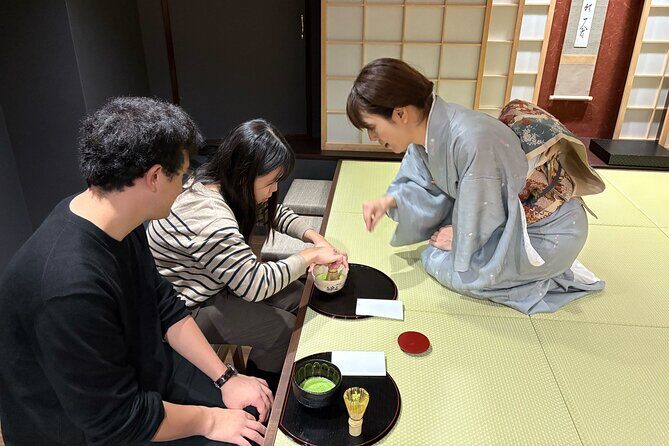
- Chair seating: You can join even if floor seating is not your thing.
- Hands-on matcha: Watch first, then whisk your own bowl.
- History + Zen philosophy: You learn why tea rituals matter, not just what to do.
- Traditional sweets included: You taste carefully selected sweets from long-established artisans.
- Small group size: Maximum of 13 travelers keeps the experience personal.
Gion Setting With Chairs: A Tea Ceremony That Fits Real Travel
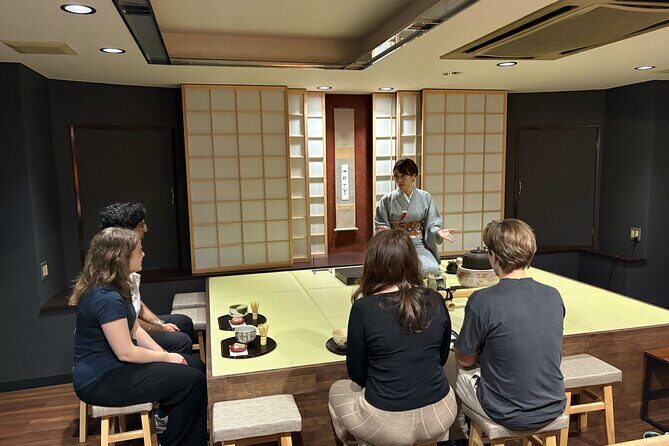
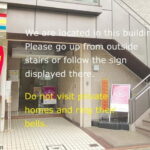
Meeting in Kyoto’s Higashiyama Ward, in the Gion area, you get the best of both worlds: a place steeped in tradition and a tea lesson that doesn’t punish you for being a visitor. The address is at Yamatochō in Higashiyama Ward, and the experience ends back at the same meeting point, so you’re not wandering around Kyoto wondering where to pick back up your day.
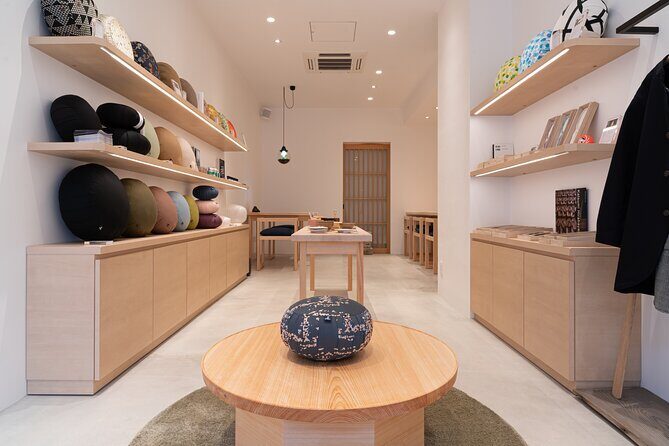
The big practical win is the chair seating. Traditional tea ceremony usually assumes floor seating, but this version is designed so you can follow the ritual without constant discomfort. In travel terms, it means you can focus on the teaching and the pacing instead of squirming through the session.
You also get a small-group feel. With a maximum of 13 travelers, the host can actually guide you while still keeping the mood calm. That matters, because matcha making is hands-on. If the group is too large, it turns into watching and waiting. Here, you’re more likely to feel like a participant.
You can also read our reviews of more tours and experiences in Kyoto
Meet Your Tea Master and the Chanoyu Flow
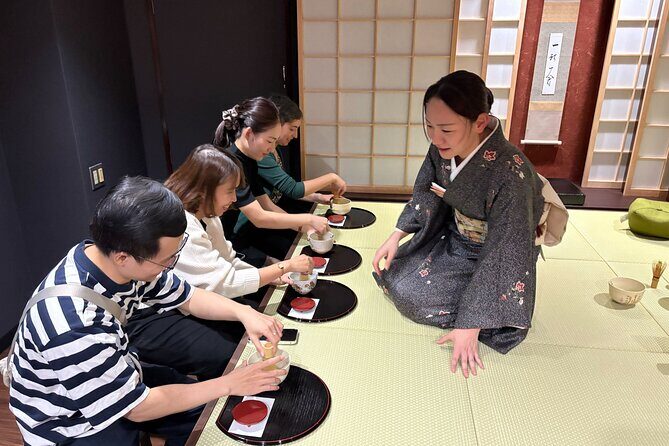
This is guided by a tea master with experience in tea ceremony (sado), and the session is built in two clear halves. First you observe. Then you do. That structure is one reason this kind of experience works for first-timers: you don’t need background knowledge to start making sense of the ritual.
In the opening segment, you’ll learn how to prepare and enjoy matcha in a serene setting that reflects Kyoto culture. You’ll also get to observe authentic techniques performed up close. For me, that closeness is the difference between reading about tea ceremony and actually understanding what people mean when they say it’s about form, timing, and attention.
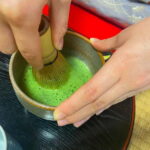
Then comes your turn. You’ll whisk your own bowl of matcha, with step-by-step guidance. Matcha is very sensitive to technique—how you whisk, how much air you create, and how evenly you mix all affect the cup. This format helps you connect the motions you see with the taste you’ll feel.
The experience also includes a Q&A at the end. That’s a smart way to turn the session from a one-time show into real learning, especially if you have questions about tea, Zen ideas, or the etiquette behind hospitality (omotenashi).
History of Tea Meets Zen: Why This Ritual Feels Calm
Tea culture in Japan is not just about a drink. It’s a way of thinking. This class makes that point early by talking about the history of tea in Japan and the role Zen philosophy plays in shaping the heart of the tea ceremony.
You’ll hear explanations of how the ceremony links to Zen values—attention, simplicity, and respect in small actions. Even if Zen is not your usual topic, the lesson is presented in an approachable way, not like a lecture. The goal isn’t to overwhelm you. It’s to help you understand why someone would spend time on a bowl of tea like it’s worth real effort.
I also appreciate the emphasis on omotenashi, hospitality. In many travel experiences, hospitality is a buzzword. Here it’s connected to what you observe and what you practice. When the host explains the spirit behind the movements, it becomes easier to read the ceremony as more than a sequence of steps.
The overall tone stays welcoming and accessible. Traditional tea ceremonies can feel solemn, but this one focuses on comfort—so you’re more likely to enjoy the calm without feeling like you’re doing something wrong.
Matcha Making and Sweets Break: What You Taste (and Why It Matters)
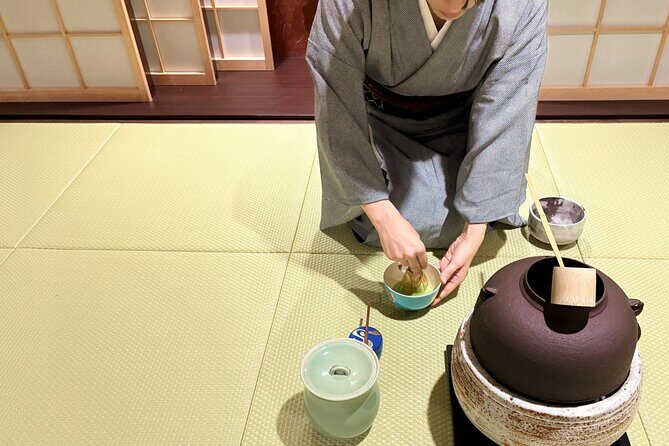
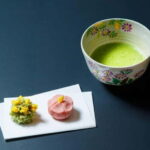
The second half is where the experience turns from learning to savoring. You’ll enjoy carefully selected traditional sweets from long-established artisans. Including sweets isn’t random. In tea ceremony culture, the sweets are often part of the pairing experience—something to balance the bitterness of matcha and set the mood.
Then you make your own bowl of matcha using premium tea sourced from a family-run farm. That detail matters for two reasons. First, it supports the idea that tea quality isn’t an afterthought. Second, it gives you a chance to taste the difference that good sourcing can make.
When you’re shown how to whisk and then do it yourself, you’ll start to notice that matcha is not just about taste. It’s about texture and presentation too. A smooth, well-mixed bowl feels different from something clumped or uneven. Even in a short session, practice helps you understand what the ritual is optimizing for.
Also, this is a good choice if you’re a visitor who wants both sides of Japanese culture in one hour. You get technique plus flavor. You don’t leave with just photos; you leave with a clearer sense of what makes matcha special and why the ceremony has stayed relevant for centuries.
One more practical note: the session is about one hour (approx.). That’s the right length for most people. It’s enough time to observe, participate, taste, and ask questions. It’s short enough that it won’t steal the whole day from you in Kyoto.
Q&A and Omotenashi: Leave With Questions Answered
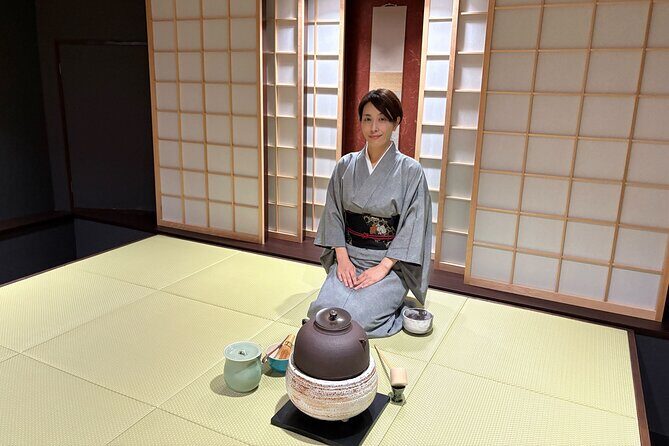
The Q&A part isn’t just a nice add-on. It helps you convert the session into something you can use right away—whether you’re visiting more temples and gardens or just walking around Gion trying to understand what you’re seeing.
You’ll have a chance to ask for clarification on the history of tea, the Zen ideas behind the ceremony, and how omotenashi shows up in real actions. If you’re the kind of traveler who likes to connect dots—why people behave a certain way, why a ritual exists, why it’s still practiced—this part is especially useful.
It also supports a relaxed vibe. When the host welcomes questions, the ceremony feels less intimidating. That aligns with the experience’s goal: making tea ceremony approachable without stripping away the meaning.
If you happen to be guided by Mitsune, for example, the style described in feedback focuses on friendliness, clarity, and a warm teaching tone. If you’re guided by Yuki, the vibe is described as strongly connected to philosophy, with a concise presentation that still feels meaningful. Either way, the structure keeps the lesson organized.



Price and Logistics: Is $22.86 Good Value?
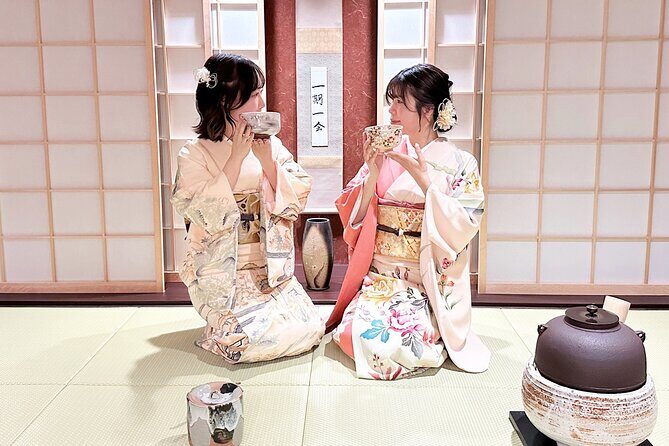
At $22.86 per person, this is priced like a focused cultural workshop rather than a full-day activity. The value depends on what you expect.
Here’s what you get in the box:
- A guided tea ceremony experience in the Gion area
- Explanation of tea history and Zen philosophy
- Watching authentic techniques up close
- Making your own matcha bowl
- Traditional sweets from established artisans
- A Q&A to deepen understanding
- A chair-friendly setup designed for easy participation
- A small group (up to 13 people)
For many people in Kyoto, the best value comes from experiences where you actively participate. Matcha whisking is participation. Tasting sweets is participation. And the Q&A helps you keep learning even after the main steps are done.
The one trade-off is time. At about one hour, it’s not trying to be a multi-hour immersion class. Think of it as a strong introduction or a calm reset in the middle of a busy itinerary. If you want a long, deep, extremely traditional format with more time to practice, you may want a longer class elsewhere. But as a one-hour, beginner-friendly, hands-on tea ceremony with sweets included, the price feels reasonable.
Who Should Book This Kyoto Matcha Ceremony?
You’ll likely love this if:
- You’re in Kyoto for the first time and want a short, high-impact cultural lesson.
- You want something traditional but not stiff or intimidating.
- You want chair seating because floor seating is a barrier.
- You like experiences that teach you the why, not just the how.
- You want both matcha making and sweets in one session.
- You’re traveling with mixed ages or mobility needs and want everyone included.
You might skip it if:
- You’re chasing the longest, most formal tea ceremony format with strict tradition and lots of time.
- You’re not interested in explanations and would rather just watch a ceremony silently.
- You’re looking for a full evening event with atmosphere rather than a one-hour workshop.
Should You Book This Kyoto Tea Ceremony?
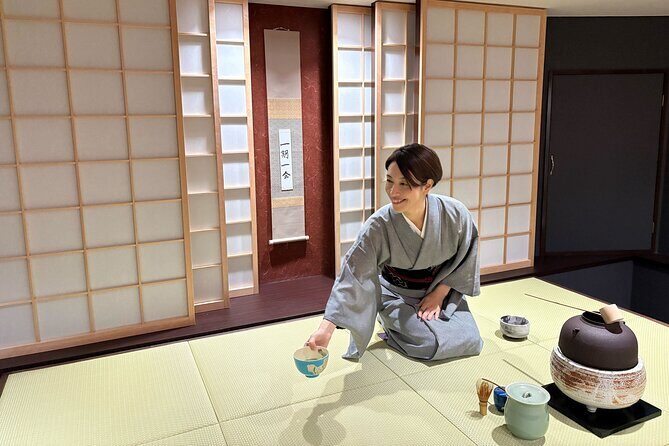
I’d book it if you want a reliable, beginner-friendly Kyoto experience that actually teaches you something and lets you participate. The combination of chair seating, hands-on matcha whisking, included sweets, and a Q&A makes it a practical choice for real travel days—especially in Gion, where your schedule can get tight.
If you’re the type who enjoys slow, thoughtful cultural moments and you’d rather learn than just observe, this one fits well. It’s not pretending to be a full multi-hour ritual, but it does a solid job giving you the core of Japanese tea culture in a way you can feel and remember.
FAQ
How long is the traditional tea ceremony experience?
It lasts about 1 hour.
Where is the meeting point in Kyoto?
You’ll meet at Japan, 605-0802 Kyoto, Higashiyama Ward, Yamatochō, 1 祇園田中屋ビル. The activity ends back at the meeting point.
What group size should I expect?
The tour has a maximum of 13 travelers.
Is seating available for people who cannot do floor seating?
Yes. The experience is designed for guests to be seated on chairs, so you can participate without floor seating.
What will I do during the session?
You’ll learn about the history of tea in Japan and the influence of Zen philosophy, watch authentic techniques up close, whisk your own matcha, enjoy traditional sweets, and then attend a Q&A.
Can I cancel and get a refund?
Yes. You can cancel for free up to 24 hours in advance for a full refund.