REVIEW · GION DISTRICT WALKING TOURS
Kyoto Early Bird English Tour: Gion & Higashiyama(Private opt)
Book on Viator →Operated by OTAKU hopper · Bookable on Viator
Kyoto looks better before the crowds. This early bird route gets you into Gion and Higashiyama with a guide, plus professional photos, so you spend less time figuring out where to go.
I like that it is built around landmark stops, not a vague stroll. You get a clear sequence through the old Kyoto streets, shrines, and the UNESCO highlight.
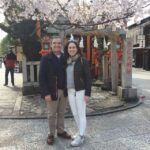
A standout perk is the guide experience, especially if you get Ikki Kataoka, known for clear English and a patient, helpful way of leading. The tour also includes professional photos during the walk, which turns your morning out into something you can actually keep.
One consideration: it is a walking tour for about 3 hours, and the big-ticket site (Kiyomizu-dera) has an extra entry fee you’ll pay on site.
In This Review
- Key things to know before you go
- Why Gion and Higashiyama in the morning feels different
- Price and value: what $64.01 buys you
- Logistics that affect your experience (in the real world)
- Stop by stop: what you’ll actually see and why it matters
- 1) Gion: machiya streets and the geisha district vibe
- 2) Hanamikoji Street: a classic photo corridor
- 3) Yasui-Konpiragu: praying for cut ties and better connections
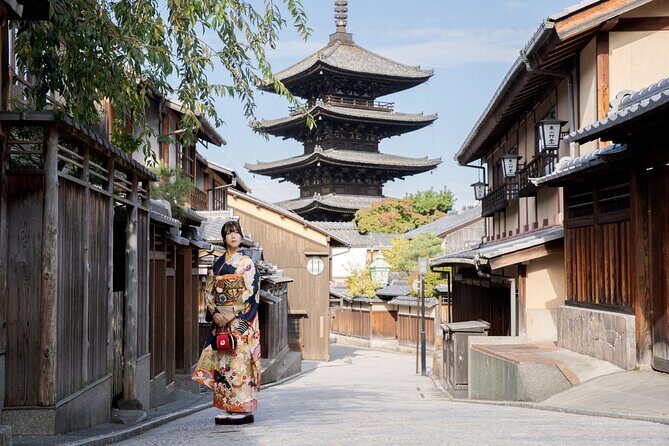
- 4) Yasakanoto (Hokanji Temple’s Yasaka Pagoda): a nail-free legend
- 5) Sannenzaka and Ninenzaka: stone steps, old Kyoto shops
- 6) Kiyomizu-dera: the UNESCO must-see, plus the extra fee
- 7) Yasaka Koshin-Do: colorful decorations in a quieter pocket
- 8) Yasaka Shrine: prosperity and the finish line
- The guide and photos: why this tour gets 5-star attention
- Who should book this early bird Gion and Higashiyama walk
- Quick planning tips to make the morning smoother
- Should you book this Kyoto Early Bird English Tour?
- FAQ
- How long is the Kyoto Early Bird English Tour?
- Is this tour private, or can it be a small group?
- Where does the tour start and where does it end?
- What’s included in the price?
- Do I need to pay for Kiyomizu-dera Temple?
- Can I cancel and get a full refund?
Key things to know before you go
- Early timing helps you see classic Kyoto without the thickest crowds.
- Private or small-group choice gives you control over how personalized the pace feels.
- Ikki Kataoka’s guiding style is a big reason people rate this tour so highly.
- Professional photos included, so you do not need to hunt for the perfect shot plan.
- Kiyomizu-dera visit is included in the itinerary, but the admission fee is not.
- Walking route through several neighborhoods means comfy shoes matter.
Why Gion and Higashiyama in the morning feels different
Kyoto’s best moments often happen early. This tour is designed for the first wave of the day, when the lanes in Gion and the approaches to Higashiyama feel calmer and easier to read. That matters because these areas are not just “places” on a map. They are experiences made of small street turns, temple sightlines, and the way crowds quietly change the mood.
You also get a guide telling you what you are looking at. That is a real shortcut in Kyoto. Without a guide, you can still enjoy the sights, sure, but you may miss why a shrine is famous, what a pagoda signals, or what makes a temple approach so iconic. With a guided plan, you get context fast, then you can slow down yourself for photos and wandering.
You can also read our reviews of more private tours in Kyoto
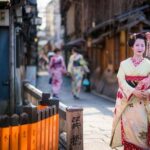
Price and value: what $64.01 buys you
At $64.01 per person for about 3 hours, this sits in the “worth it if you want help” category. You are paying for four things:
- a local English-speaking guide,
- a structured route across multiple neighborhoods,
- time saved from route-planning,
- and professional photos taken during the tour.
The photos and guide time are the value drivers. In Kyoto, a good guide can turn a morning of standing around into a morning where you actually understand what you are seeing. And photos taken for you remove a lot of stress. You can focus on landmarks and walkways instead of spending energy on camera angles.
The one cost you should plan for is Kiyomizu-dera admission (¥500 per person). If you budget for that up front, the total feels fair for a guided early circuit.
Logistics that affect your experience (in the real world)

This is a walking tour, with plenty of time on foot to explore. The route is designed to be manageable for people with a moderate fitness level, but you are still covering several stops in a compact area of eastern Kyoto.
The tour starts at the Statue of Izumo-no-Okuni, Kawabatacho, Higashiyama Ward, Kyoto. It ends back at the meeting point. That is convenient because you do not have to worry about a complicated drop-off. It also means you can combine the tour with your own plans afterward, since you are back near the start zone.
One practical note: this is a private tour/activity, meaning only your group participates. If you like a more tailored pace, that is a plus.
Stop by stop: what you’ll actually see and why it matters
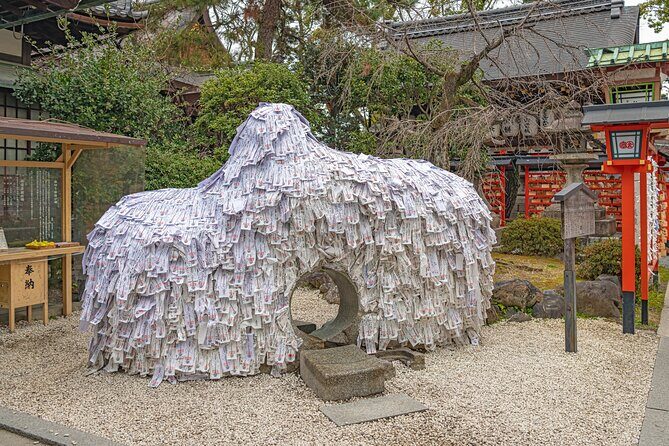
1) Gion: machiya streets and the geisha district vibe
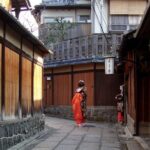
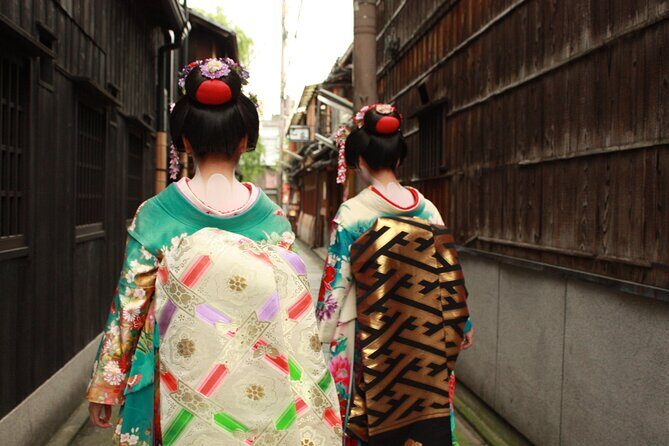
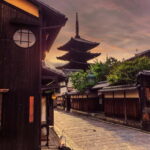
The tour begins in Gion, Kyoto’s most famous geisha district. This is where the atmosphere feels old-school Kyoto. You’ll notice traditional wooden machiya townhouses, historic streets, and the quiet sense that this neighborhood still runs on tradition.
The goal here is not to “tour Gion” like a checklist. It is to get your bearings early, because the rest of the morning connects naturally from here. If you arrive already knowing nothing, this first stop is what helps everything click.

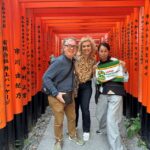
2) Hanamikoji Street: a classic photo corridor
Next is Hanamikoji Street. This is one of the best-known Gion lanes, lined with traditional teahouses and historic storefronts. It is also a spot where you might spot geisha or maiko, depending on timing.
Even if you do not spot anyone, you still get value. The street itself is the point: narrow lanes, old-style facades, and photo angles that look great in morning light. And since the tour includes photography during the walk, you can treat this like a real photo stop rather than a quick glance.
3) Yasui-Konpiragu: praying for cut ties and better connections
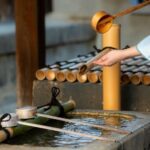
Then you shift toward a shrine with a reputation for helping people sever bad relationships. Yasui-Konpiragu is known as a powerful shrine for ending negative ties and starting positive ones.
This is the kind of stop that makes the guide matter. The “why” behind the shrine is the interesting part. It’s not just a building you pass. It’s a place people come to for a very specific hope. Even if your own reason for visiting is different, it gives the morning emotional texture.
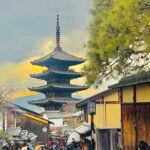
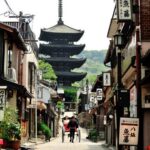
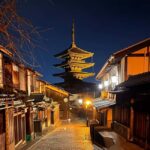
4) Yasakanoto (Hokanji Temple’s Yasaka Pagoda): a nail-free legend
Yasakanoto, also associated with Hokanji Temple, is the stop for the pagoda viewpoint. It is described as one of Japan’s oldest wooden structures, built without nails. The scale can feel hard to believe when you stand close.
For a walking tour, this is a good mid-morning anchor. You get a strong visual landmark before moving into the winding streets and temple approach paths.
5) Sannenzaka and Ninenzaka: stone steps, old Kyoto shops
Next come Sannenzaka and Ninenzaka, the famous stone-paved slopes lined with souvenir shops and restaurants in historic wooden buildings. Walking them feels like stepping into a preserved street scene.
Here’s the practical angle: these streets can be tempting, but they also get busy. If you want photos, move with purpose and give yourself small pockets of time to stop. A guide helps keep you from lingering too long in a place that is only “pretty,” so you reach Kiyomizu-dera feeling ready rather than rushed.
6) Kiyomizu-dera: the UNESCO must-see, plus the extra fee
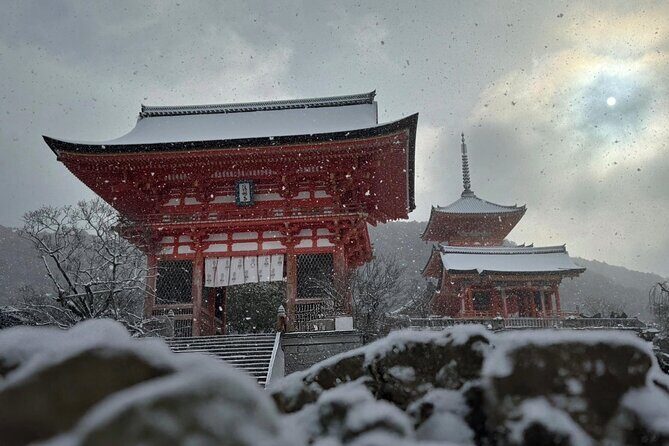
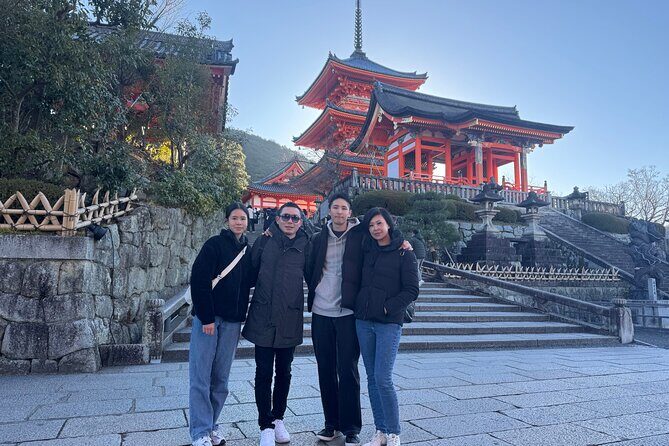
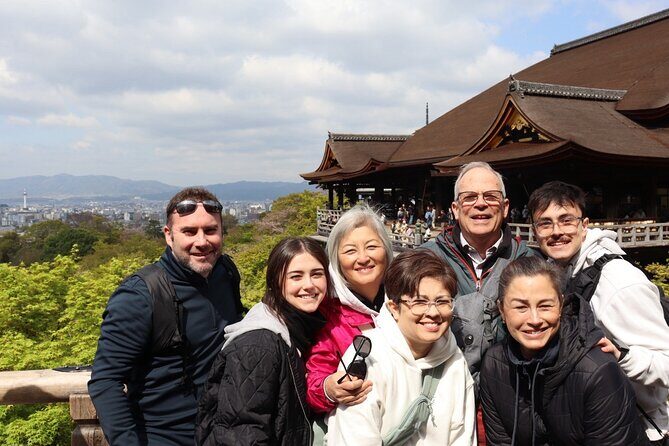
You then spend about 1 hour at Kiyomizu-dera Temple. This is the big one on the route. It sits high above the city and is known for dramatic views over Kyoto.
This is also where the UNESCO World Heritage part really becomes tangible. The temple’s setting and the way you approach it create the iconic feeling you see in so many Kyoto photos. It’s also why the time block is longer than the other stops. It needs time for walking around and taking in the views.
Remember: Kiyomizu-dera admission is not included and is listed at ¥500 per person. I’d plan for that as a normal part of the day, not a surprise expense.
7) Yasaka Koshin-Do: colorful decorations in a quieter pocket
After Kiyomizu-dera, the route moves to Yasaka Koshin-Do, a temple of unknown construction date. What gets your attention here is the colorful decoration, especially since many temples you see in Kyoto are more subdued.
This is a good stop for a short reset. You get a different visual mood after the large landmark of Kiyomizu-dera. If you like detail, you’ll appreciate how the colors shift the feel of the morning.
8) Yasaka Shrine: prosperity and the finish line
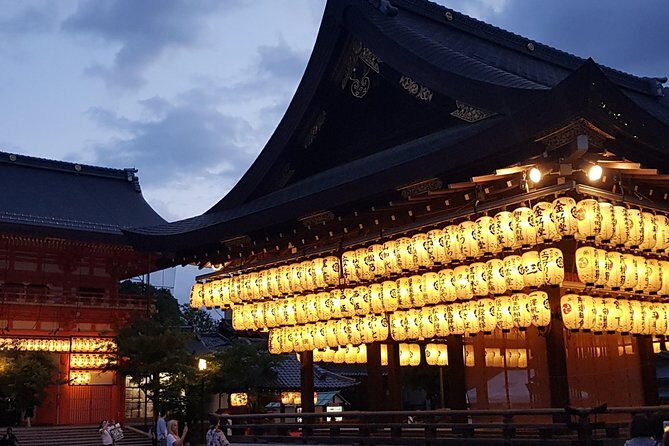
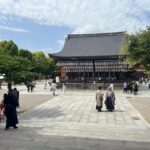
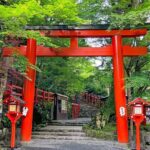
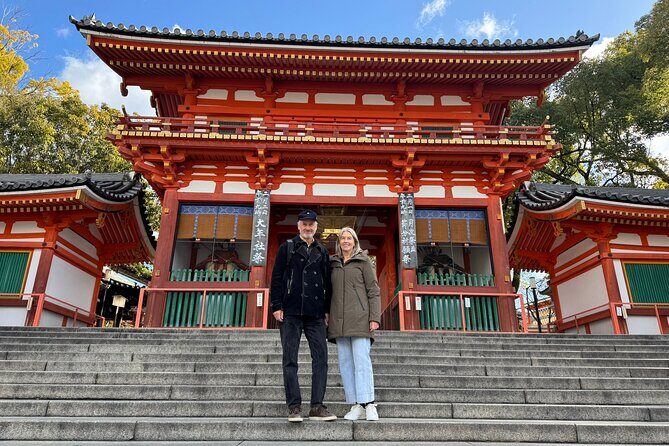
Finally, you reach Yasaka Shrine, described as the headquarters for 2,300 related shrines across Japan. The shrine is dedicated to gods of prosperity and protection, and it has been a vital part of Kyoto’s culture for centuries.
This end point makes sense. After a morning of streets and temples, you land at a major shrine where the atmosphere feels ceremonial. It also gives you a clear “done” moment for your itinerary, since the tour ends back at the original meeting point area.
The guide and photos: why this tour gets 5-star attention
This is where the experience earns its top ratings. People consistently highlight the same strengths: clear English, a guide who explains what you are seeing, and the ability to keep things comfortable for older visitors. That last point matters more than you’d think. Kyoto can involve standing, walking, and waiting for the right angle. A patient guide makes the difference between frustration and a relaxed morning.
A name that comes up strongly is Ikki Kataoka. One reason people are impressed is that he goes beyond “talking facts.” He is described as also acting like a professional photographer for the morning, producing photos people feel proud to keep.
Even if you are confident with your camera, there’s a practical benefit: you stop trying to direct yourself while walking. The tour handles the flow, and you get photos from that flow.
Who should book this early bird Gion and Higashiyama walk
This tour fits best if you:
- want a guided route through multiple neighborhoods without route-planning headaches,
- like photos but do not want to manage every camera moment,
- prefer an early start to avoid the heaviest crowds,
- and enjoy a mix of streets, shrines, and one major landmark temple.
It may be less ideal if you prefer independent pacing and you hate walking between stops. Also, because Kiyomizu-dera admission is extra, you’ll want that cost in your budget.
Quick planning tips to make the morning smoother
- Wear comfortable walking shoes. This is a walking-first route.
- If you care about photos, be ready to stop when the guide signals. Morning timing helps.
- Plan on paying Kiyomizu-dera’s ¥500 entry fee so there are no delays in your flow.
- Keep your phone charged. A mobile ticket is part of the experience, and you’ll want it handy.
Should you book this Kyoto Early Bird English Tour?
If you want a clean, confidence-building way to see Gion and Higashiyama early, I’d book it. The combination of a guided route, professional photos, and a stop list that flows naturally from Gion into Higashiyama is exactly how a great morning in Kyoto should feel.
I would book it especially if you value clear explanations and a patient approach from the guide. That is the kind of comfort that lets you enjoy Kyoto instead of managing logistics.
If you are the type who loves wandering without structure, you might find the hour at Kiyomizu-dera and the fixed sequence less flexible than you’d like. But for most people, the structure is the whole point.
FAQ
How long is the Kyoto Early Bird English Tour?
The tour lasts about 3 hours.
Is this tour private, or can it be a small group?
It is a private tour/activity, and the experience also offers the option to pick a small-group tour.
Where does the tour start and where does it end?
It starts at the Statue of Izumo-no-Okuni in Higashiyama Ward and ends back at the meeting point.
What’s included in the price?
The price includes a passionate local English-speaking guide and professional photos taken during the tour.
Do I need to pay for Kiyomizu-dera Temple?
Yes. Kiyomizu-dera admission is listed as ¥500 per person and is not included.
Can I cancel and get a full refund?
Yes. You can cancel up to 24 hours in advance for a full refund.