REVIEW · HIKING & TREKKING
Kyoto: Hike and Hot Springs in Kurama
Book on GetYourGuide →Operated by Kyoto Fun · Bookable on GetYourGuide
Kurama can feel like Kyoto, but quieter. This half-day trek gives you a mountain train ride, a climb through cedar shade, and a stop at Kurama Temple high above the valley. I love how the day mixes nature and ritual without turning into a tour-bus checklist, and I love that the finish can be as simple as a long onsen soak. The main drawback: the climb involves steps and is not for low-energy days or anyone who struggles with moderate hiking.
You start at Demachiyanangi Station and head north toward the legendary river valleys of rural Kyoto. Along the way you’ll stop for the good relationships prayer at Kibune shrine, then continue up to the mountaintop for centuries-old legends and views. Plan on comfortable shoes, water, and long pants if bugs are active—especially in warmer months.
In This Review
- Key highlights in plain language
- From Kyoto to the trail by train through the mountains
- Cedar shade up to Kurama Temple: the hike you feel in your legs
- Kibune shrine and the relationships prayer you’ll actually remember
- The mountaintop payoff: Kurama Temple views and legends
- Kurama village after the climb: lunch, strolls, and onsen time
- Guides make the difference: who leads and what they add
- Price and value: is $80 fair for 4 hours?
- What to pack and how to pace yourself
- Seasons change the feel, but the point stays the same
- Who should book this Kurama hike and hot springs
- Should you book this tour?
- FAQ
- How long is the Kurama hike and hot springs tour?
- Where do I meet the tour?
- What’s included in the price?
- What should I bring for the hike?
- What fitness level do I need?
- What languages are available for the guide?
- Can children join this tour?
Key highlights in plain language
- Eizan mountain-area train ride that sets the tone before you even hike
- Cedar-forest trail with frequent chances to pause and take in the valley
- Kurama Temple on a mountaintop “power spot” stop with great views down to the gorge
- Kibune shrine prayer focused on relationships (a meaningful cultural moment)
- Kurama village finish with flexible options for lunch, wandering, or onsen time
- English or French live guide in private or small groups
From Kyoto to the trail by train through the mountains
The best part about this tour starts before you lace up. You meet at Demachiyanangi Station exit 7 (in front of the Eizan railway), then ride through the mountainous north of Kyoto toward the start of your hiking area. That train segment matters more than you might think. It gently pulls you away from the city’s pace and drops you into the kind of landscape where walking feels natural, not forced.
Because the tour is only 4 hours, the pacing is tight—but not rushed. The rail ride helps you save energy for the steps later. It also gives you a first view of how the region works: valleys, river corridors, and steep slopes lined with towering trees.
What I’d watch out for is timing. The tour ends in Kurama village, not back at the meeting point. So if you want to keep things simple, be ready to make your own way back to central Kyoto after the hike—usually by train.
You can also read our reviews of more tours and experiences in Kyoto Prefecture.


Cedar shade up to Kurama Temple: the hike you feel in your legs
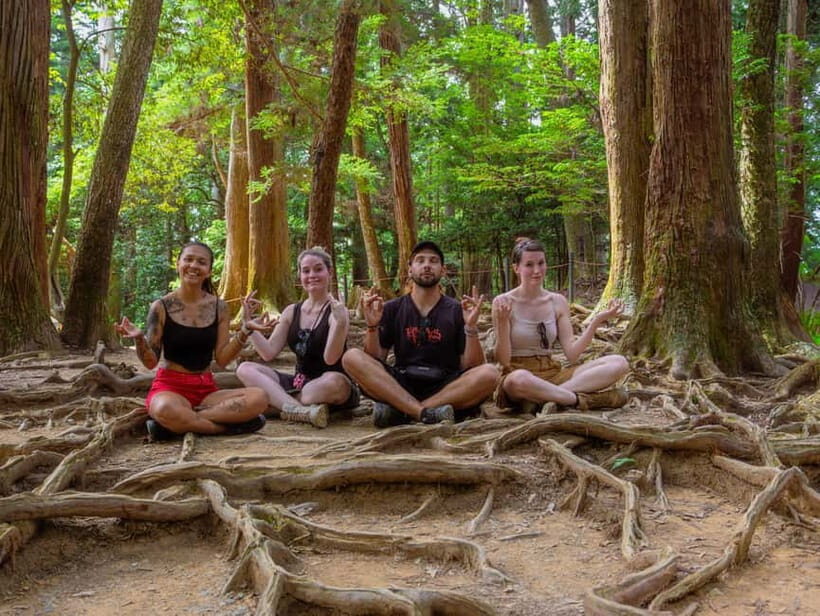
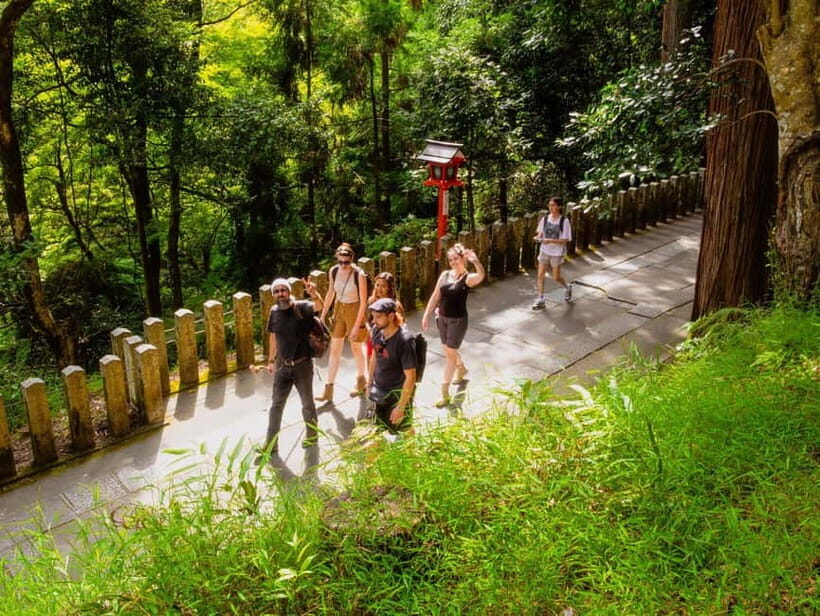
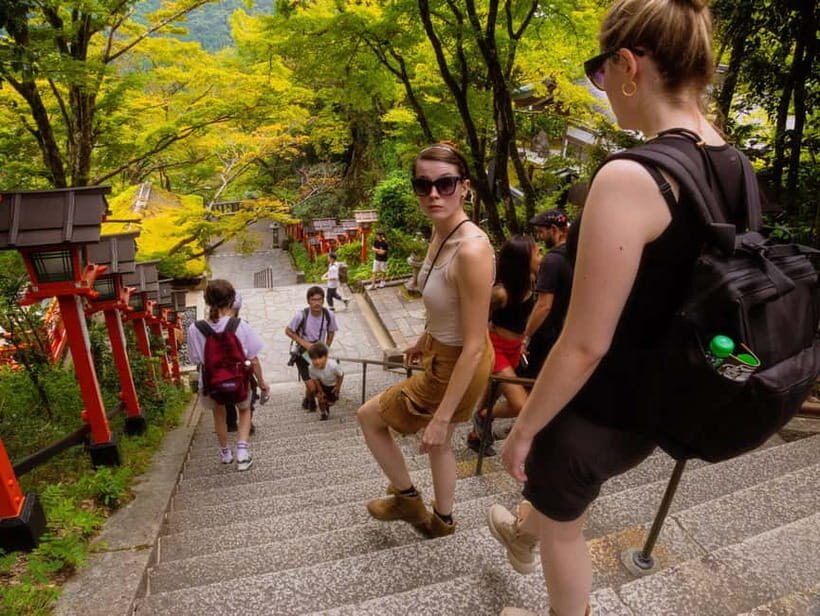
Once you’re on the trail, the vibe shifts to quiet work. The route climbs from a sacred starting point and then follows a scenic uphill path through an ancient forest of cedar. You’ll likely notice that the air feels cooler and cleaner once you get off the road and into the trees. In winter, even small snowfall can make the whole thing look cinematic—one group described light snow on a sunny day, with deer sighted on the way up.
The climb includes steps to the mountaintop. Your guide leads the way and the pace is usually adjusted with stops for scenery and features along the route. Reaching the peak is typically 30 to 40 minutes, but your effort level depends on weather and your own comfort with steps. If it’s hot, the hike feels harder than the calendar suggests—some hikers noted that heat makes it tough even on a moderate outing.
Practical note: bring water and wear comfortable shoes with solid grip. If you’re the type who hates bug bites, pack long pants. The route runs through natural areas, and the tour guidance specifically recommends long pants to avoid bites.
Kibune shrine and the relationships prayer you’ll actually remember
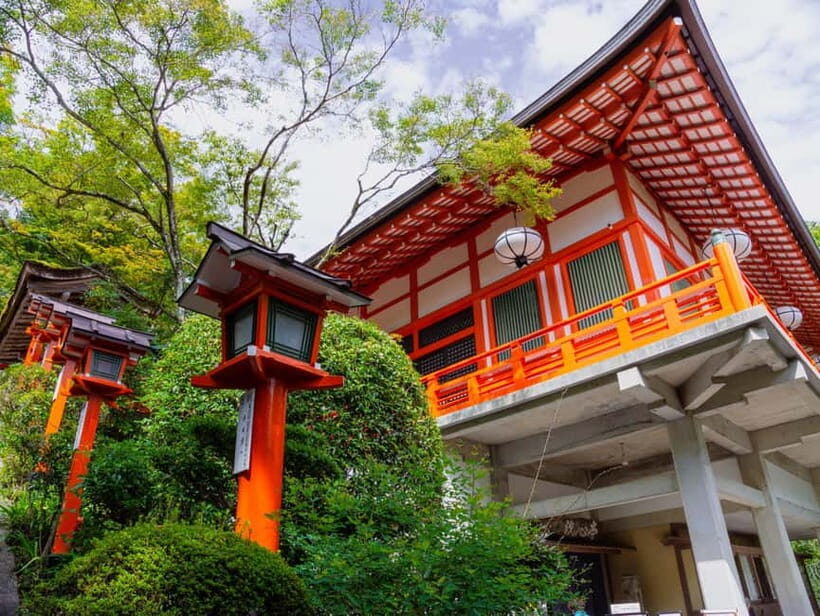
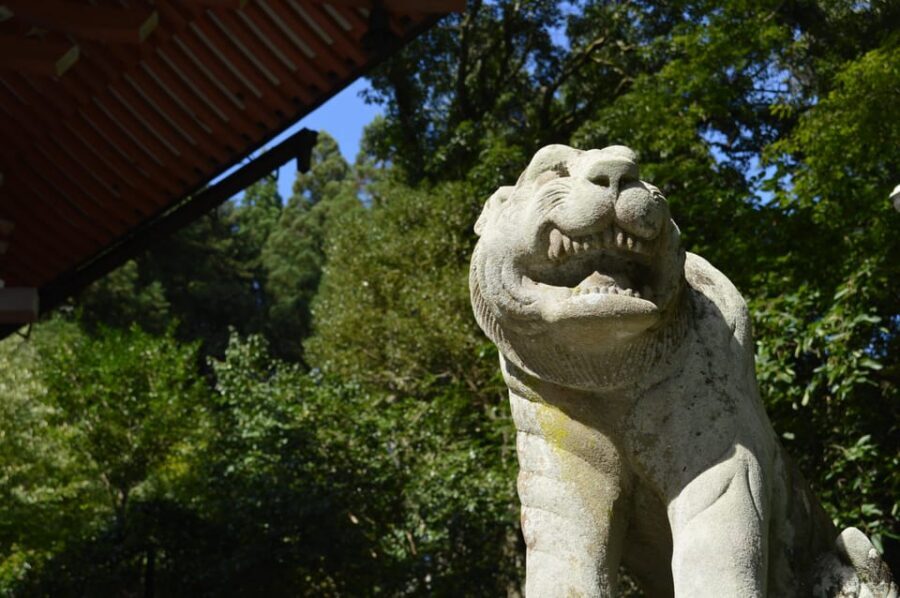
A big reason people love this tour is that it doesn’t treat shrines as photo backdrops. You’ll make a stop at Kibune shrine and do a prayer for good relationships. It’s a simple moment, but it’s also one of those cultural pauses that helps you understand why the locals still come here.
In practice, this means you’re not just climbing to a view—you’re walking a path that has meaning for generations. The guide usually ties these stops to local legends and the cultural logic behind worship in this region, including why mountain-top sites feel spiritually important to people living nearby.
If you’re sensitive to religious space etiquette, follow the normal shrine rules: keep voices low, be respectful around offerings, and don’t rush the prayer moment. You’ll get more out of it, and you’ll feel less like you’re speed-walking through history.
The mountaintop payoff: Kurama Temple views and legends
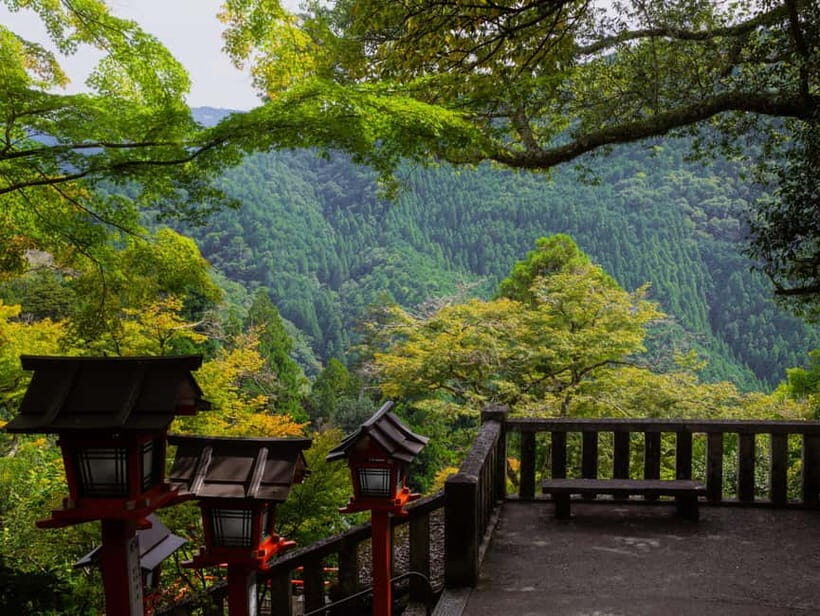
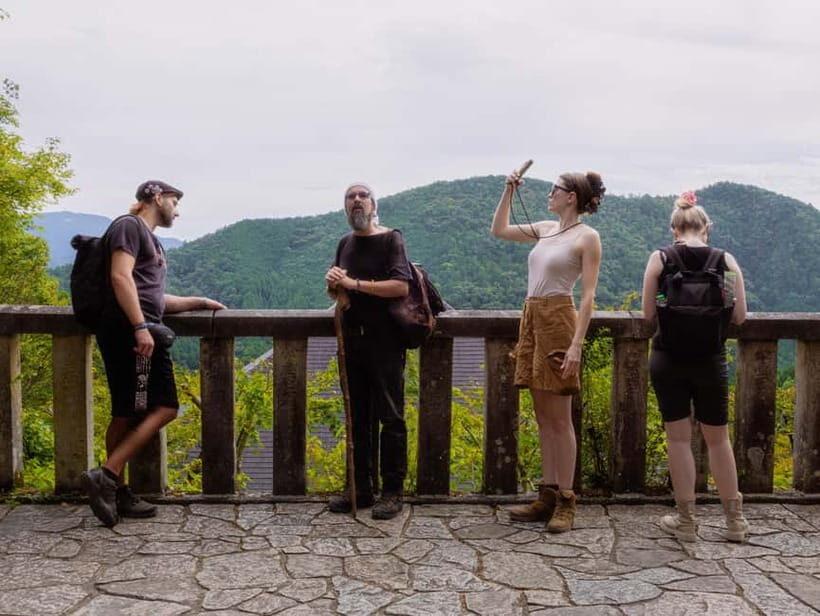
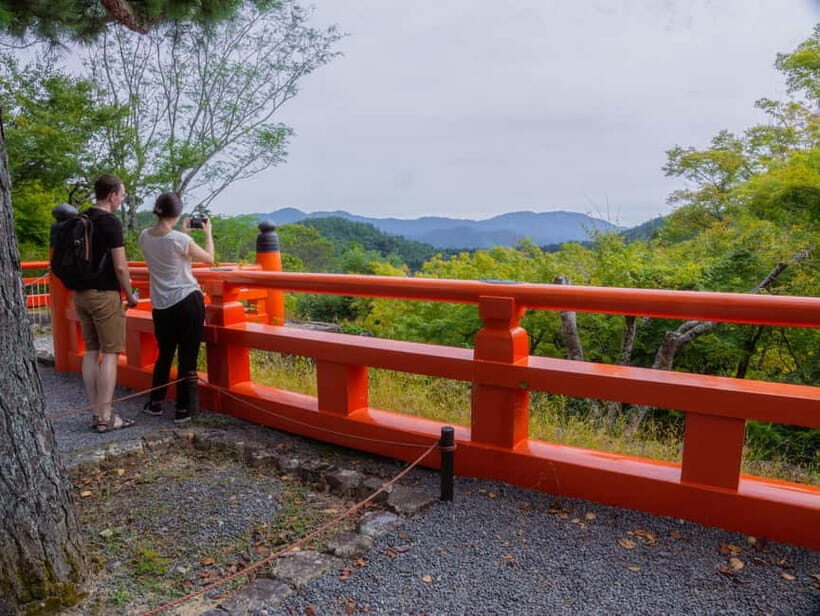
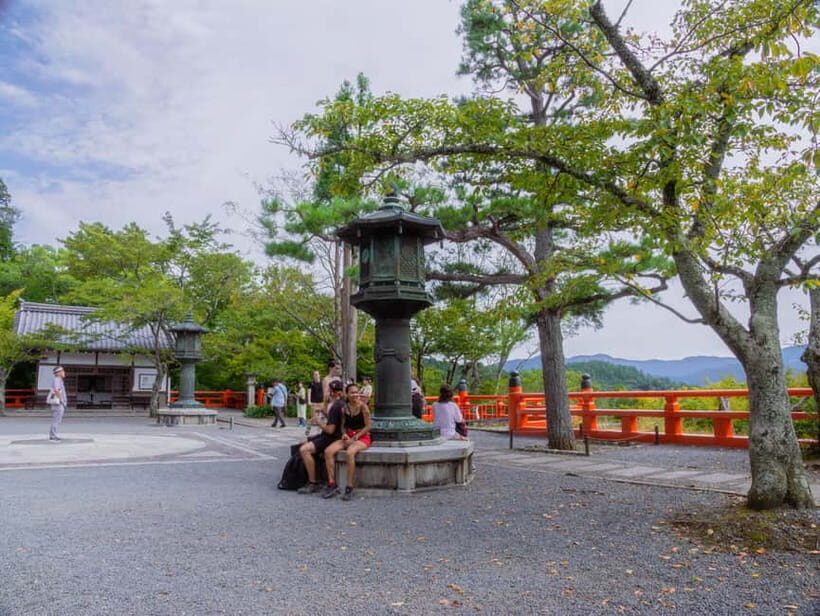
At the top, the air changes again. Kurama Temple sits high above the valley, and you get the classic north-Kyoto feeling: gorge views, layers of trees, and a sense that the mountain is doing something to your mood. Locals describe the area as a power spot, and the guide may explain why people connect this kind of place with spiritual energy and reflection.
This is also where the tour becomes more than a hike. You’ll have time at the mountaintop temple, including the chance to offer a prayer and learn about the site’s stories. One standout detail from past trips: some guides have managed to show visitors special areas such as the crypt or maze underneath the temple—not every visit may include the same access, since access can be affected by maintenance or operating conditions, but it’s worth asking your guide what’s open.
You might also find temporary maintenance impacts. One review mentioned Kurama Temple scaffolding due to upkeep, with reduced visibility of parts of the temple exterior. The tour still includes temple access, but if seeing a pristine façade is your main goal, be ready for real-world temple maintenance in Japan.
If ringing a bell is on your personal checklist, that can be part of the experience too. One group noted they rang a large bell above the temple, and the whole moment sounded like a peak memory.
Kurama village after the climb: lunch, strolls, and onsen time
After you descend from the temple area, you end in Kurama village, which is the smart move. You’re not dropped back into the train station and sent on your way. You have options, and they’re exactly the kinds of choices you want after a stair-heavy morning/afternoon.
You can:
- take time for late lunch nearby
- stroll the village
- choose the Kurama hot spring (onsen)
The onsen is not included in the price, but it’s strongly worth considering. The logic is simple: your body will feel the hike, and the outdoor bath view helps you decompress in a way that walking around Kyoto streets just can’t. Past groups called the onsen glorious and specifically mentioned the mountain views from the bath.
If you’re tight on time, you can still do a short village stroll and then train back. But if you want the full “nature reset,” plan on onsen time. It’s the part that turns a hike into a true break.



Guides make the difference: who leads and what they add
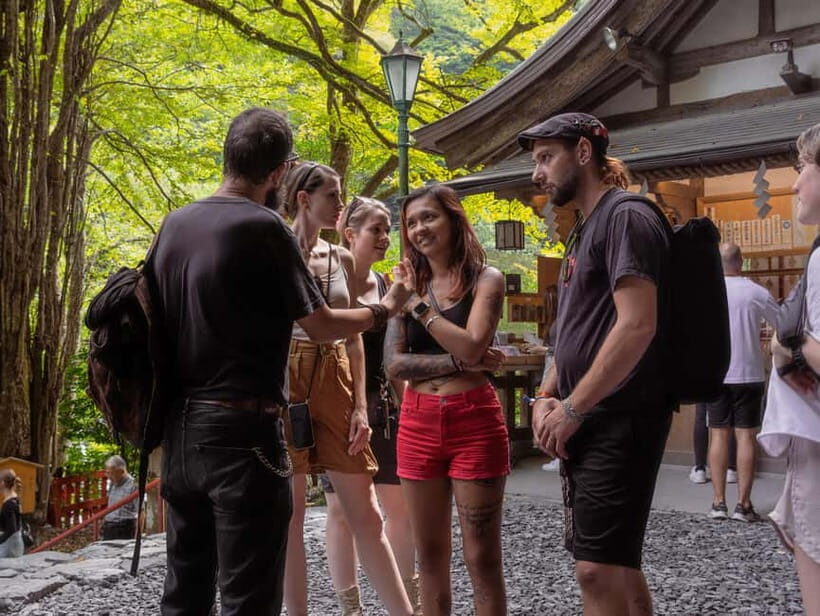
This is a small-group or private-style tour with a live guide. Languages listed are English and French, and the tour’s review history shows a strong emphasis on good guiding and local storytelling.
You’ll hear different guide styles, but some names have shown up repeatedly in past trips, including Chris, Philippe, Kevin, and Salome. The pattern in the feedback is consistent: the best guides explain the history and legends in a way that connects to what you’re seeing right now, not just facts thrown at you.
One reason these guides score so well is customization. In at least one small-group scenario, the guide adjusted the plan and gave extra time in Kurama. In another, the guide’s hiking familiarity helped the route feel smooth even when the climb felt daunting.
There’s also a caution worth saying out loud: if you’re uncomfortable with smoking during a tour or you strongly prefer guides to avoid drinking while leading, make that preference clear from the start. One review described a guide smoking and drinking earlier in the day, and it affected the experience. You can’t control everything, but you can choose a tour style where your expectations match the guide’s behavior.
Price and value: is $80 fair for 4 hours?
At $80 per person for 4 hours, you’re paying for more than a hike. The tour includes the guide fee, temple admission, and transportation (but not the transportation back to the meeting point). Lunch and the onsen fee are also not included.
So is it a good deal? Often, yes—because you’re not paying just to walk. You’re paying for:
- route planning through a mountain area
- English/French guide context (shrines, temples, legends)
- temple admission handled for you
- the transport portion that helps you access the hiking area efficiently
Where you might feel the cost: if you don’t care about the temple/shrine narration and you’d rather hike independently. In that case, you could save money and DIY with trains and trail maps. But if you want meaning, not just steps, the guide component is usually the difference between a nice walk and a day that sticks.
Think of the $80 as buying less hassle plus cultural interpretation. Then budget extra for lunch and the onsen if you want the full reset.
What to pack and how to pace yourself
This is a moderate climb with steps, so you don’t need to be a summit athlete—but you do need basic stamina. The guidance is clear that it’s not suitable for people without experience, and it’s not a fit for wheelchair users or people with mobility impairments. Children under 11 aren’t recommended either.
For everyone else, keep it practical:
- Comfortable shoes with grip
- Water
- Long pants for bug protection
- A light layer for mornings if the mountain air feels cooler than Kyoto city
On the day, use the guide’s stop rhythm. If you rush the climb, you’ll burn energy you’ll want later at the temple and village. One useful mental trick: aim to arrive at the peak feeling like you still have juice for photos and a calm prayer moment.
Seasons change the feel, but the point stays the same
The Kurama experience varies a lot by season. That’s part of the charm. Past trips included light snow while it was still sunny, which made the hike and views feel extra crisp. In hotter months, the same trail can feel like hard work, even though the hike duration stays short.
Here’s the steady theme you can count on: the experience is about getting out of Kyoto city mode. You’ll trade traffic noise for forest shade and temple quiet. If you time it when the air is comfortable, you’ll feel a bigger payoff from the onsen afterward.
Who should book this Kurama hike and hot springs
Book this if you want:
- a half-day escape from Kyoto crowds
- a hike with real stops at shrines and temples
- a guide to explain why the sites matter, not just where to stand for a photo
- the option to finish with onsen relaxation
Skip it if:
- stairs are a deal-breaker
- you want a totally stroller-friendly plan
- you’re only looking for flat sightseeing
Also, if you’re going as a small group or private party, you’ll often get more flexibility. The tour history includes cases where groups were the only participants and the guide adjusted the time and focus.
Should you book this tour?
I think it’s a strong choice for most active Kyoto visitors who want a calm, nature-and-ritual day. The combination works: train ride to set the mood, cedar forest hike to Kurama, a meaningful stop at Kibune shrine, then village time with optional hot spring soaking.
The only reasons I wouldn’t book are if you’re avoiding stairs, you have mobility limitations, or you’d rather hike without a guide. If that’s you, DIY might fit better. But if you want the mountain story explained as you walk it—and you’re happy to budget a bit extra for lunch and onsen—it’s a high-value way to see rural Kyoto in just 4 hours.
FAQ
How long is the Kurama hike and hot springs tour?
The tour lasts about 4 hours.
Where do I meet the tour?
You meet at Demachiyanangi Station exit 7, in front of the Eizan railway in Kyoto.
What’s included in the price?
The price includes the guide fee, temple admission, and transportation. Lunch and the hot springs fee are not included.
What should I bring for the hike?
Bring comfortable shoes and water. Long pants are recommended to help avoid bug bites.
What fitness level do I need?
The tour involves a moderate hike with steps to Kurama Temple. It requires a decent level of fitness and experience on hikes.
What languages are available for the guide?
Live guides are available in English and French.
Can children join this tour?
No. The tour is not suitable for children under 11.