REVIEW · COOKING CLASSES
Near Fushimiinari: Kyoto Home Cooking Class & Supermarket tour
Book on Viator →Operated by Japanese cooking class & walking tour · Bookable on Viator
Want Kyoto lunch with a shop-and-cook twist? This class mixes hands-on cooking in a traditional Japanese home with a short supermarket tour afterward, so the meal isn’t just a one-off. I especially like the small group size (max 6), which means you can actually ask questions while you’re chopping, mixing, and tasting. One thing to consider: there’s no hotel pickup, so you’ll need to get to the meeting point on your own.
You’ll start near Fushimiinari at 9:30 am for about 4 hours of English-led instruction from licensed guide interpreters. The lesson begins with dashi, then you’ll prepare about five dishes, eat in a tatami-room setting with garden views, and finish by exploring the local supermarket where your ingredients come from. It’s a great pick if you want practical skills you can repeat at home, not just photos.
In This Review
- Quick hits before you book
- A small-group Kyoto home kitchen near Fushimiinari
- First lesson: why dashi matters in Japanese cooking
- Hands-on lunch: cooking about five dishes together
- Traditional tatami dining and the mochi moment
- The supermarket tour: learning what Japanese labels actually mean
- Price and value: what you’re really paying for
- English instruction that keeps the day flowing
- Who should book this cooking class near Fushimiinari?
- Should you book this Kyoto home cooking class?
- FAQ
- Where does the experience start?
- What time does the class start?
- How long is the experience?
- How many people are in the group?
- Is the cooking class taught in English?
- What’s included in the price?
- Are drinks included?
- Is hotel pickup available?
- What happens if weather is poor?
Quick hits before you book
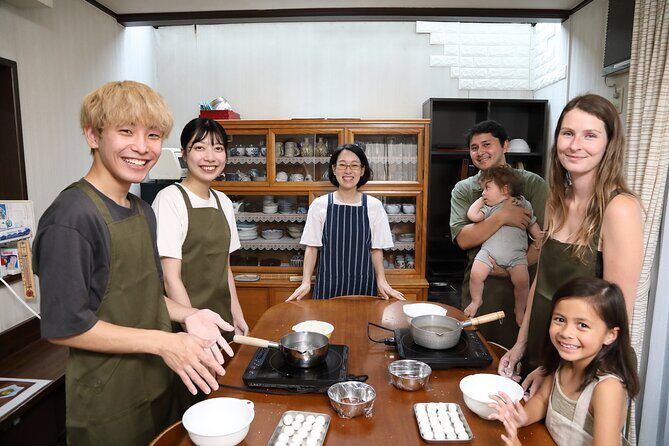
- Max 6 people means more hands-on attention and time for questions
- English instruction taught by licensed guide interpreters, so language is rarely a barrier
- Dashi-focused start helps you understand the building block behind lots of Japanese cooking
- Tatami dining with garden views, plus a hands-on finish that can include mochi
- Supermarket tour (~30 minutes) connects what you cooked to what you’ll buy later
A small-group Kyoto home kitchen near Fushimiinari
The meeting point is at 38-4 Fukakusa Watamorichō, Fushimi Ward, Kyoto. Start time is 9:30 am, and the activity ends back at the meeting point. It’s listed as near public transportation, but because there’s no hotel pickup, plan your morning route in advance.
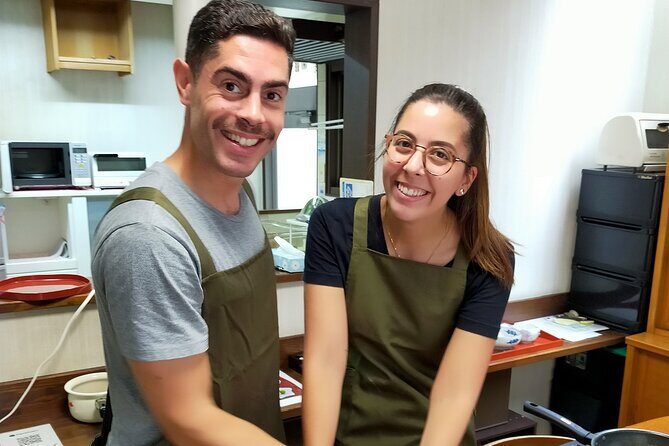
This is capped at 6 travelers, which changes the feel of the experience. You’re not watching from the side. You’re cooking alongside your instructor and partner, and the setup makes it easier to ask about tiny details like seasoning, texture, and timing.
Also, you’re doing this near Fushimiinari without feeling like you’re stuck in a tourist-only area. That’s a real value for Kyoto. You can do the cooking class, then walk it off later around the shrine area.
You can also read our reviews of more cooking classes in Kyoto

First lesson: why dashi matters in Japanese cooking
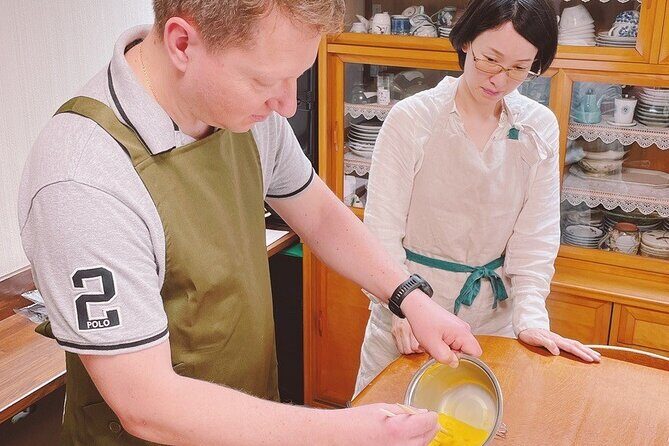
The class begins with dashi, Japanese soup stock. If you’ve ever eaten Japanese food and wondered why it tastes so clean and satisfying, dashi is a big part of the answer.
In the lesson, you’ll learn what dashi is and how it shows up in nearly all Japanese cuisine. Then you get to see how that flavor base influences what you cook next. This is the kind of learning that pays off later, because it gives you a framework, not just a recipe list.
Even if you’re not chasing perfection at home, understanding the role of dashi helps you adjust seasoning. You can more easily fix a dish that’s too salty, too flat, or missing that subtle depth.
Hands-on lunch: cooking about five dishes together
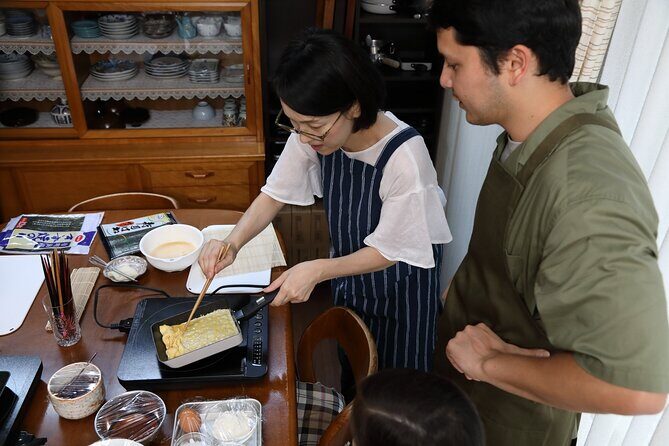
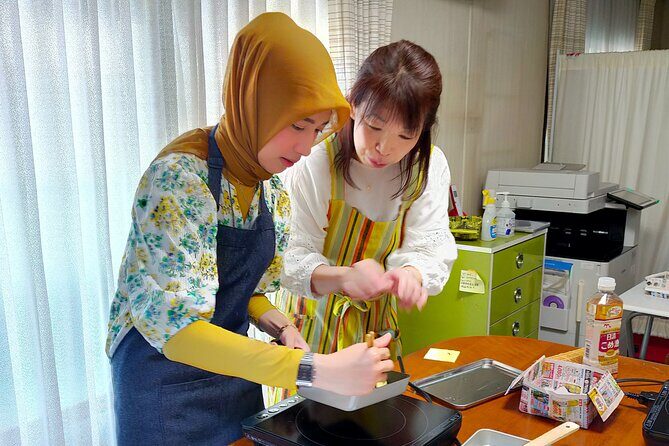
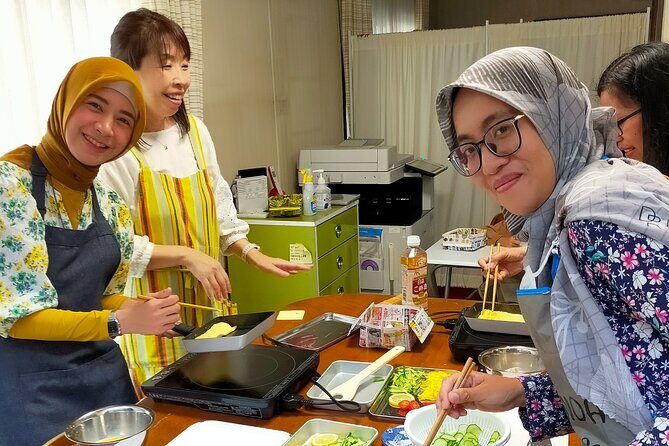
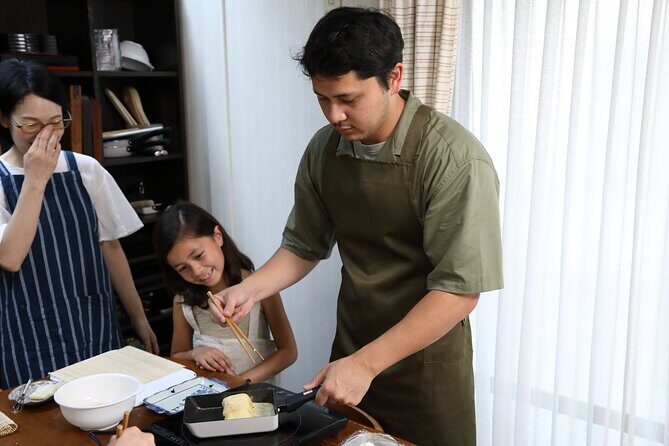
After the dashi introduction, the pace turns practical. You’ll prepare about 5 dishes yourself or with your partner, with instructors demonstrating parts in front of you first.
From past sessions, dishes can include miso soup, sushi, spinach salad, matcha, and tempura. Not every class may produce the exact same mix, but the common thread is variety—savory, fresh, fried, and sweet—so you get a rounded set of techniques.
Here’s what makes this format work: you do both. You watch key steps, then you repeat them with guidance. That’s how you learn skills you can actually use when you’re back home staring at a kitchen counter with no instructor beside you.
Vegetarian diners should note that the class can cater to vegetarians. If you have dietary needs, it’s smart to confirm when you book so the team can plan accordingly.
Traditional tatami dining and the mochi moment
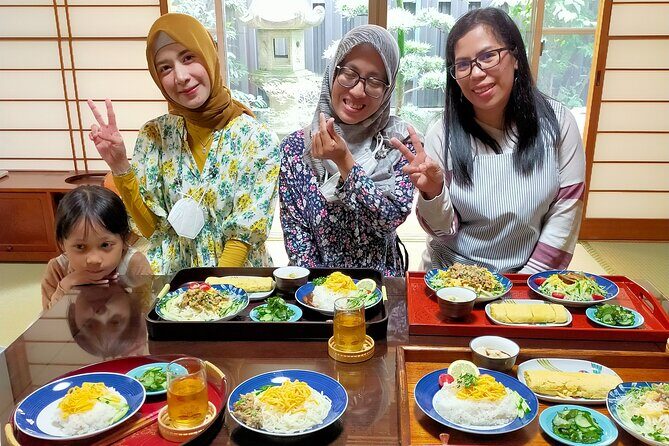
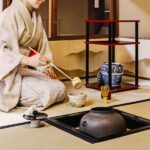
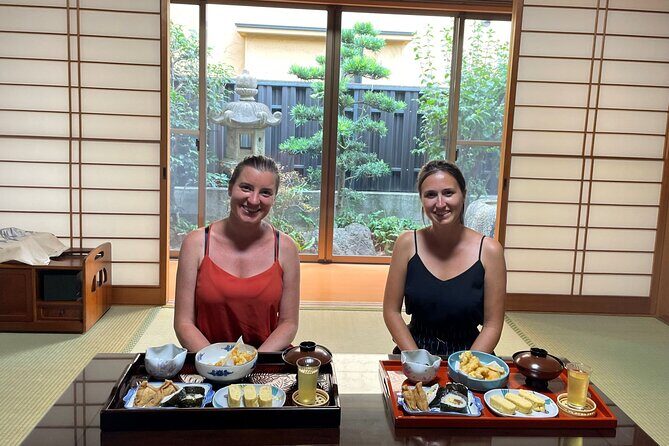
Once the cooking is done, you sit down together to eat in a traditional Japanese room. Expect tatami mat flooring and a serene room view that can include a garden, plus a tokonoma display area in the space.
This part matters more than it sounds. It’s easy to treat cooking classes like a workshop that ends with paper recipes. Here, you get to experience the meal as it’s meant to be served and shared.
Many sessions also include a hands-on sweet finish, such as mochi made by you. That’s a fun way to end, because it’s tactile and rewarding, and it helps the whole day feel like more than lunch with activities.
Also, since the class runs about 4 hours, you’re not rushing from one station to the next. The break to eat lets the flavors settle and gives you time to ask questions while everything’s warm.
The supermarket tour: learning what Japanese labels actually mean
After lunch, you go to a local supermarket together for about 30 minutes. This is the most practical add-on you can ask for, because it turns ingredients into a real-world shopping skill.
You’re walking through the store with someone who understands what the dishes require and what matters when you buy them. You’ll look at the kinds of items used in Japanese cooking—ingredients, seasonings, and packaged basics—so you can connect what you did in the kitchen to what you’ll find on shelves.
The class also gives you a chance to buy the ingredients you want to take home for family and friends, if you’d like. Even if you don’t buy much, you’ll leave with a clearer idea of what to look for, which saves time and guesswork later.
If you’re someone who likes structure, this part gives it to you. You’re not just tasting Kyoto; you’re learning how to recreate Kyoto-style flavors at home.
You can also read our reviews of more tours and experiences in Kyoto



Price and value: what you’re really paying for
At $118.92 per person for about 4 hours, this isn’t the cheapest way to spend a morning in Kyoto. But the cost makes more sense when you break down what’s included.
You get lunch, plus all seasonings and ingredients for cooking. You also get an English-speaking instructor, and you’re paying for the grocery walkthrough that turns ingredients into usable knowledge. That’s different from paying for a meal alone, where you may leave with leftovers but no real method.
The only common budget gap is drinks, since they’re not included. Gratuity isn’t included either, though that’s typical for many tours.
For solo people, this is often good value because you’re combining learning, eating, and conversation in one small-group format. For couples, it’s one of those days where you both cook, then share the results.
English instruction that keeps the day flowing
The class is conducted entirely in English. In addition, the instructors are licensed guide interpreters, so explanations should be clear and easy to follow even if you’re new to Japanese cuisine.
That matters when you’re dealing with cooking steps that sound simple but are timing- and texture-dependent. Having English instruction reduces the stress of not knowing what to do next, and it makes it easier to ask why something works the way it does.
English and non-English speakers can both join, which tells you the team is used to mixed language needs. With a group of up to 6, you also get more personal attention than in bigger cooking formats.
Who should book this cooking class near Fushimiinari?
This experience fits best if you want practical cooking skills without a huge time commitment. You’ll be in and out in about 4 hours, and the focus stays on what you need to cook, eat, and shop.
It’s also a smart choice if you’re traveling alone. A small group format makes it easier to meet like-minded people without awkward icebreakers. You’re working side-by-side, so conversation happens naturally.
If you’re visiting Kyoto for the first time, this adds variety beyond temples and streets. If you’re a foodie who already plans restaurant meals, this gives you something hands-on and repeatable at home.
If you care about vegetarian options, you can ask about vegetarian catering before you go.
Should you book this Kyoto home cooking class?
Book it if you want real skills: how dashi fits in, how a few classic dishes come together, and how to find the ingredients afterward. The supermarket tour is the part that turns the class into a lasting reference point, not just a one-day memory.
Skip it only if you strongly prefer flexible pacing or you’re not ready to travel to a fixed meeting point on your own. Also, since the experience requires good weather, have a backup plan in case the schedule shifts.
If you’re aiming for a memorable Kyoto morning that feels local and hands-on, this is a strong choice—especially with the small-group setup and English-friendly guidance.
FAQ
Where does the experience start?
The meeting point is listed as 38-4 Fukakusa Watamorichō, Fushimi Ward, Kyoto, 612-0022, Japan.
What time does the class start?
The start time is 9:30 am.
How long is the experience?
The duration is approximately 4 hours.
How many people are in the group?
The class has a maximum of 6 travelers.
Is the cooking class taught in English?
Yes. The class is conducted entirely in English, and instructors are licensed guide interpreters.
What’s included in the price?
Lunch is included, along with all seasonings and ingredients for cooking, English-speaking instruction, all fees and taxes, and a local supermarket tour for about 30 minutes.
Are drinks included?
No. Drinks are not included.
Is hotel pickup available?
No. Hotel pick-up and drop-off service are not included.
What happens if weather is poor?
This experience requires good weather. If it’s canceled due to poor weather, you’ll be offered a different date or a full refund.