REVIEW · TEA CEREMONY EXPERIENCES
A Unique Antique Kimono and Tea ceremony Experience in English
Book on Viator →Operated by Miyagawa Tokusaburo Shoten · Bookable on Viator
Antique kimono and matcha, calmly done.
This Kyoto experience mixes a visit inside a 100-year-old private house with an in-depth matcha lesson and tea ceremony etiquette, all in English, capped at six people.
I especially love that the antique kimono rental is included, so you’re not juggling logistics with a separate shop. I also like how the hosts teach with patience and detail, including practical manners and the story behind tea culture, without rushing you out the door.
One thing to consider: this is not a big, showy venue with a staged garden. It’s a real, lived-in neighborhood setting near Katsura Imperial Villa, so if you want a highly theatrical setup or extra-long tea making practice, you may find the 1.5-hour format a bit tight.
In This Review
- Key Highlights at a Glance
- Kyoto’s Quiet Tea House Near Katsura Imperial Villa
- The Antique Kimono Fitting Is the Story’s First Chapter
- Meet Toku and His Team, and Learn How Tea Manners Really Work
- Inside the Ceremony: A Calm Lesson in Steps, Timing, and Respect
- Matcha Tea, Actually Made: What You Learn and What to Watch For
- Green Tea and Japanese Sweets: The Tasting Moment Counts
- English, Small Group Size, and the Photo-Friendly Pace
- Price and Value: What You’re Paying For at $99.10
- Who Should Book This, and Who Might Skip It
- Should You Book the Antique Kimono and Matcha Tea Ceremony?
- FAQ
- How long is the tea ceremony experience?
- Is the experience available in English?
- What’s included in the price?
- How many people are in the group?
- Where does the tour start?
- Does lunch or dinner come with the experience?
- Can I cancel for a full refund?
- Are service animals allowed?
Key Highlights at a Glance
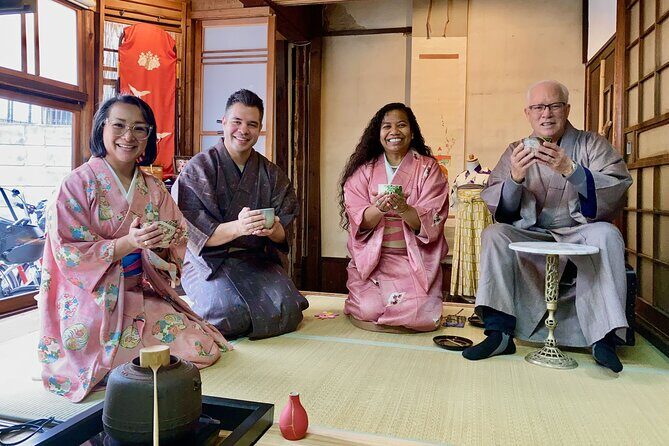
- Antique kimono rental included (rare pieces, 80+ years old)
- Small group size (max six) for calmer pacing and more attention
- English-language guidance with an owner who teaches with years of experience
- Matcha lesson focused on how tea is made and how to handle each step
- 100-year-old house near Katsura Imperial Villa for a quieter atmosphere
- Green tea + Japanese sweets included with your ceremony
Kyoto’s Quiet Tea House Near Katsura Imperial Villa
Kyoto can feel busy fast. That’s why I like this format: you shift away from the main crowds and into a calmer pocket near Katsura Imperial Villa, where the tone of the ceremony stays low-key and respectful.
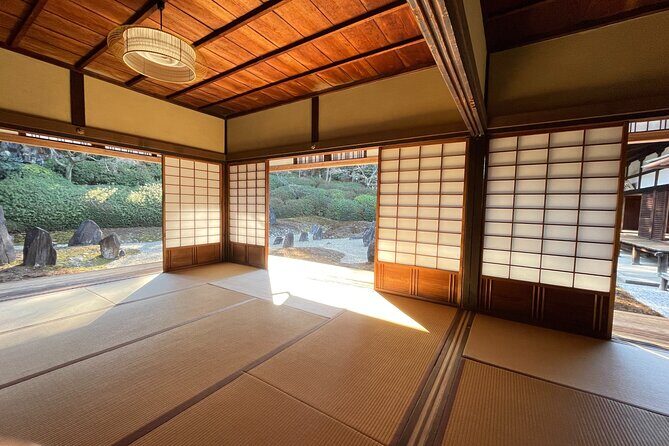
The ceremony takes place in an old private house run by Miyagawa Tokusaburo Shoten, and that matters more than it sounds. A quiet space changes how you pay attention. You slow down when the room itself asks for it, and the etiquette lesson lands better because you’re not trying to hear over footsteps and tour-group chatter.
The setting also helps you connect tea culture to daily life. It’s not presented as a theme park. It’s presented as something people still do, with real care, in a real home.
You can also read our reviews of more tours and experiences in Kyoto.



The Antique Kimono Fitting Is the Story’s First Chapter
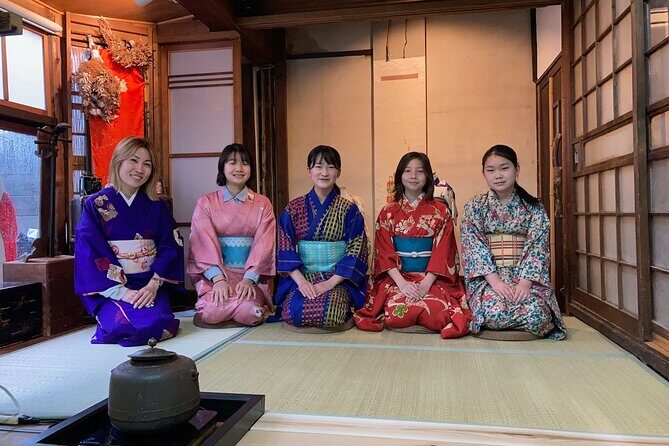
The kimono part is a big reason to book. You don’t just “put on a costume” and pose for photos. The hosts help you choose what suits you, then style you so you can actually enjoy the ceremony comfortably.
You’ll be guided through selecting a kimono and obi, and you’ll get help with details like fit and accessories. From the way people describe the experience, the styling includes care for things like hair and photo-ready presentation, which makes the whole moment feel intentional rather than rushed.
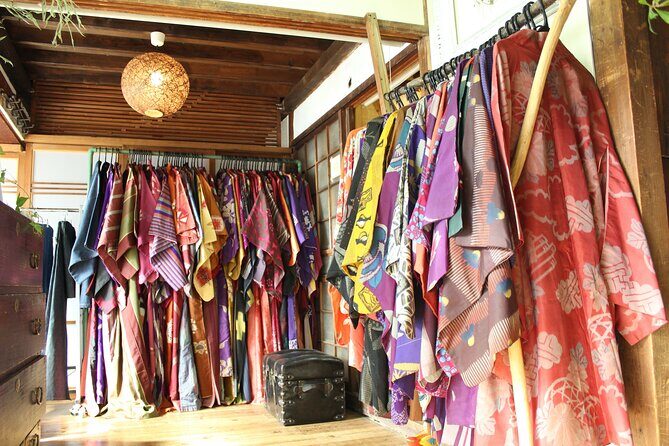
One practical note: the kimono selection is real and workable, not staged like a museum. If you’re expecting everything to be perfectly displayed like shop-window glam, manage that expectation. In a working setting, garments can be stored and handled the way families do when they run a business day to day.
Still, the value here is strong. The rental fee is included, and the experience is centered on rare antique kimono—pieces reported as over 80 years old. You’re paying for access to a particular kind of authenticity, not just a standard souvenir outfit.
Meet Toku and His Team, and Learn How Tea Manners Really Work
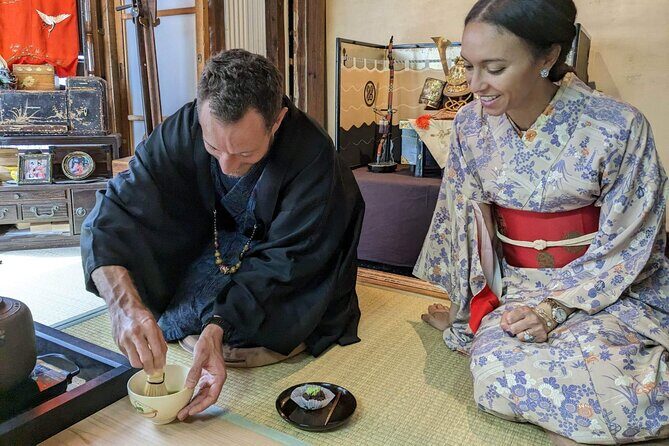
The owner, often referred to as Toku, teaches with the kind of calm that fits the ceremony itself. People mention that he explains his background and how his life led him into kimono fitting and tea work, which gives the lesson more weight than a scripted explanation.
What I like most is the mix of etiquette and story. You don’t only learn what to do with your hands or when to bow. You learn why these actions matter, including interesting connections between samurai life and the tea ceremony. That context helps you stop seeing manners as random rules and start seeing them as a code of respect.
Because it’s a small group (six max), you also get room to ask questions. That’s huge in English-language experiences where you might otherwise feel rushed. The hosts can slow down, clarify, and guide you in a way that feels personal rather than assembly-line.
If you have mobility concerns, it’s worth knowing that the hosts make adjustments. One participant noted they adapted the ceremony for someone who couldn’t kneel. So if you need a modification, speak up early. The whole point is to make the experience workable for you.
Inside the Ceremony: A Calm Lesson in Steps, Timing, and Respect
A tea ceremony can look simple from the outside. Up close, it’s structured. This experience teaches you the rhythm: how to behave in the space, how to handle the tea moment politely, and how to follow along without worrying you’ll mess up.
Expect a slow pace. Even when you know you’re “learning,” the ceremony is still solemn. The hosts explain each part step by step and keep things steady so you can match the timing instead of guessing.
Because you’re in a 100-year-old private house near a quieter area of Kyoto, the ceremony feels more grounded. You’re less likely to feel like you’re performing for a crowd. That quiet environment is part of the teaching tool.
If you’re the type who likes cultural details, you’ll also appreciate the way the hosts link tea manners to everyday values: patience, respect for the host, and attention to the moment. The ceremony is a practice, not just a demonstration.
Matcha Tea, Actually Made: What You Learn and What to Watch For
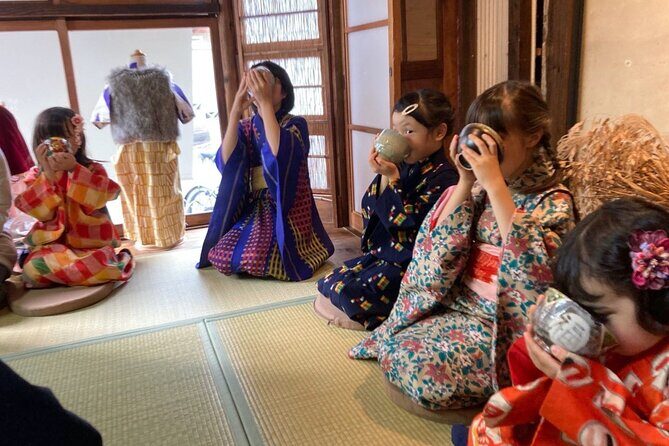
The matcha portion is a core highlight. The experience is specifically set up so you learn how matcha tea is made, and that makes the ceremony more than just etiquette and sipping.
You’ll be guided through matcha preparation basics and how to participate during the process. Focus on the sequence and the care behind it. Even if you don’t leave with a full home recipe, you should come away understanding how matcha preparation becomes a formal ritual.
Here’s what to watch for so you get value from the lesson:
- How the host explains the order of steps (it helps you understand the ritual logic)
- How the host encourages you to participate rather than just observe
- How they connect the making process to the feeling of the ceremony
One balanced warning: a small number of people felt the matcha-making instruction could be more extensive within the 1.5 hours. If your goal is hands-on, long-form matcha practice, you may want to set expectations for a guided introduction rather than an extended workshop with lots of repeated making.
Still, the experience is built around learning matcha preparation and participating in the ceremony in a way that fits the setting’s calm pace.




Green Tea and Japanese Sweets: The Tasting Moment Counts
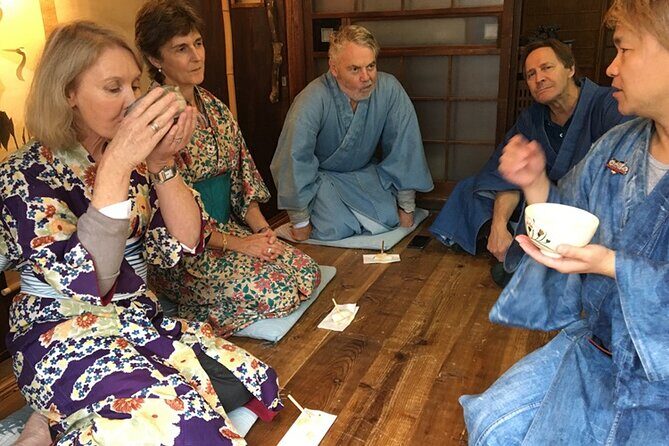
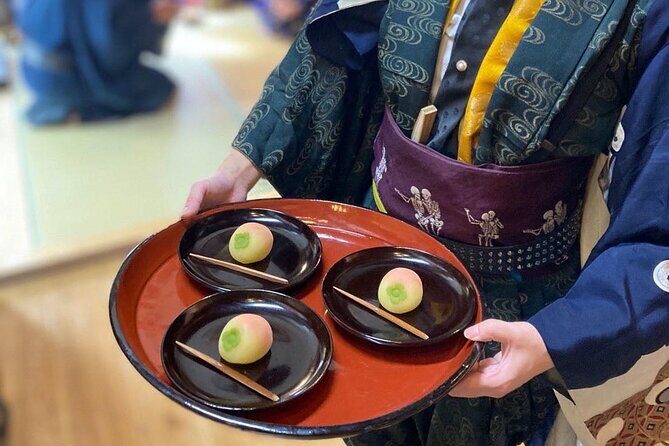
You’re not just learning how to do things—you’re tasting. The tea ceremony experience fee includes green tea and Japanese sweets, served as part of the ceremony flow.
I like that this keeps the experience balanced. You see the process, learn the manners, and then you get the payoff: the flavor and the texture, paired with the ritual context.
Also, included sweets matter because they help you understand how tea time works as a whole experience. Tea culture isn’t just one drink. It’s a sequence of moments that includes what you eat, how you wait, and how you accept hospitality.
If you have dietary restrictions, you should ask ahead. The tour information confirms sweets are included, but it doesn’t state ingredient specifics.
English, Small Group Size, and the Photo-Friendly Pace
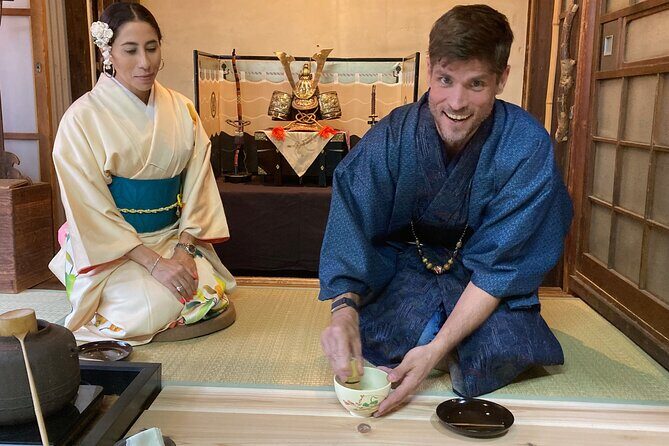
This is available in English and capped at six people. That combo is a win for anyone who wants to learn without feeling lost, and it’s especially important if you don’t already know Japanese tea terminology.
Small-group size also changes the vibe. You’re more likely to get personal guidance—like help choosing a kimono that fits you well, extra clarification on etiquette, and time for questions.
Photography is also part of the experience. People mention that the hosts take plenty of photos, and that there’s time to capture your kimono and ceremony moments. That’s helpful if you want memories without dragging the entire ceremony into a photo session.
One more practical detail: this is a mobile-ticket experience, so you can keep things simple on your phone.
Price and Value: What You’re Paying For at $99.10
Let’s talk value without pretending it’s always equal. At $99.10 per person, you’re paying for:
- Antique kimono rental (included)
- The tea ceremony experience fee
- Green tea and Japanese sweets
- English instruction
- A small-group limit (max six)
- A quiet ceremony setting near Katsura Imperial Villa
- Guidance from the owner (over 20 years of tea ceremony experience)
If you compare that to piecing together kimono rental plus a standard tea ceremony elsewhere, the bundled approach is the key value. You’re not just paying for a drink lesson. You’re paying for access to rare antique kimono and a more private-feeling teaching environment.
Does it feel worth it for someone who wants lots of intense practice? The 1.5-hour duration can feel short if you’re looking for a long, repeat-heavy class. If you want a calm, personal, well-explained tea introduction with strong cultural presentation, the price starts to make sense fast.
Who Should Book This, and Who Might Skip It
This experience is best for you if you:
- Want a tea ceremony that feels personal, not crowded
- Appreciate kimono culture and want an antique rental included
- Prefer learning etiquette and the meaning behind tea, not only watching from afar
- Like calm, quiet settings rather than the busiest tourist zones
- Travel with kids, since people report the hosts can include young participants smoothly
You might reconsider if you:
- Are expecting a garden, scenic outdoor setting, and a highly staged show
- Want a long, highly technical workshop that covers every matcha-making detail with repeated practice
- Think 90 minutes must include tasting multiple teas beyond the included green tea and sweets
In short: this is a respectful cultural experience built around learning and atmosphere, not a checklist of tourist highlights.
Should You Book the Antique Kimono and Matcha Tea Ceremony?
If you want something more thoughtful than the usual tea stop, I’d book it. The included antique kimono rental and the calm setting near Katsura Imperial Villa make it feel like you’re stepping into a slower, more intentional side of Kyoto.
Go for it especially if your travel style is: ask questions, learn manners, enjoy quiet moments, and take home better context for what you’re seeing. If your idea of the perfect tea class is maximum hands-on time and multiple varieties, set expectations for a guided introduction.
Overall, this is the kind of experience that sticks because it’s personal—kimono first, then etiquette and matcha—done at a human pace.
FAQ
How long is the tea ceremony experience?
It lasts about 1 hour 30 minutes.
Is the experience available in English?
Yes, it’s available in English.
What’s included in the price?
The antique kimono rental fee and the tea ceremony experience fee are included, along with green tea and Japanese sweets.
How many people are in the group?
The experience is capped at a maximum of six travelers.
Where does the tour start?
The meeting point is Miyagawa Tokusaburo shoten, 32-4 Katsuranozatochō, Nishikyo Ward, Kyoto, 615-8073, Japan.
Does lunch or dinner come with the experience?
No. Lunch and dinner are not included.
Can I cancel for a full refund?
Yes. You can cancel up to 24 hours in advance for a full refund.
Are service animals allowed?
Yes, service animals are allowed.