REVIEW · COOKING CLASSES
Kyoto: Wagashi (Japanese sweets) Cooking near Fushimiinari
Book on GetYourGuide →Operated by iroHa cooking studio · Bookable on GetYourGuide
Kyoto sweet dreams come with instructions. In a small class near Fushimi Inari, you’ll learn how to make wagashi in a traditional Japanese home, then sit down to enjoy what you make with matcha and garden views. The best part is the practical, hands-on pacing: you watch a demo first, then do the mixing, shaping, and finishing yourself.
One thing to plan for: this experience is not suitable for wheelchair users, and it’s set up around a traditional Japanese room layout.
In This Review
- Key Things I’d Put on Your Kyoto Bucket List
- Wagashi Near Fushimi Inari: Why This Feels More Like a Visit Than a Tour
- Inside the Traditional Room: Garden Views and the Tea Rhythm
- The 150 Minutes That Actually Work: Demo, Make, Sit, Enjoy
- What You’ll Make: Seasonal Wagashi and the Types to Expect
- English-Friendly Cooking with Miho and Cultural Tips
- Diets and Restrictions: Vegetarian and Vegan Wagashi Without Guesswork
- Price and Value: Is $84 Worth 150 Minutes in a Real Kyoto Home?
- Who Should Book This Wagashi Class (and Who Should Skip It)
- Should You Book iwOhA Cooking Studio for Wagashi Near Fushimi Inari?
- FAQ
- How long is the Kyoto wagashi cooking class?
- What is the price per person?
- Is the class taught in English?
- Is the class vegetarian or vegan friendly?
- What age is this class suitable for?
- Is the class wheelchair accessible?
Key Things I’d Put on Your Kyoto Bucket List
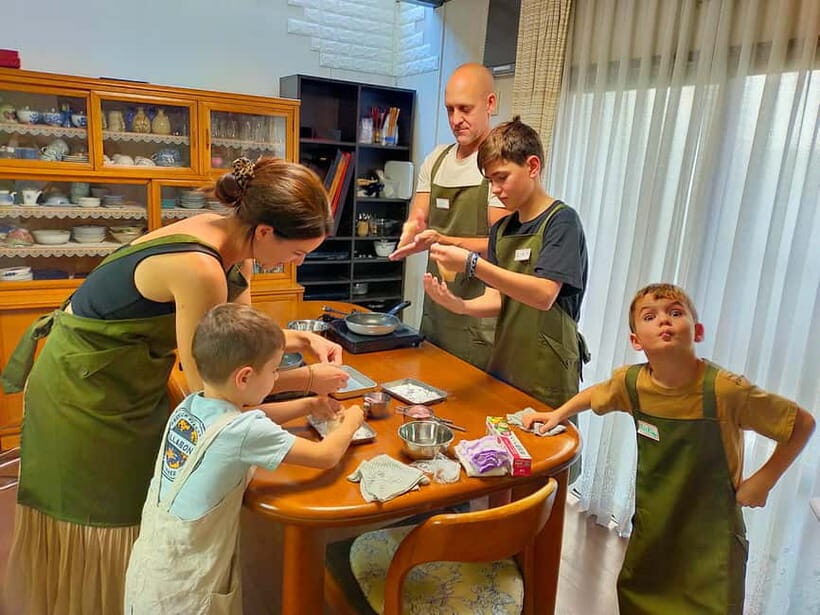
- Small group (max 6) keeps it calm and hands-on
- English-only instruction with licensed guide interpreters
- About 3 types of wagashi made yourself, not just watched
- Traditional room + garden view while you eat with tea
- Vegetarian and vegan friendly, with menu changes by season
- Matcha tea time before and after, plus cultural chat
Wagashi Near Fushimi Inari: Why This Feels More Like a Visit Than a Tour
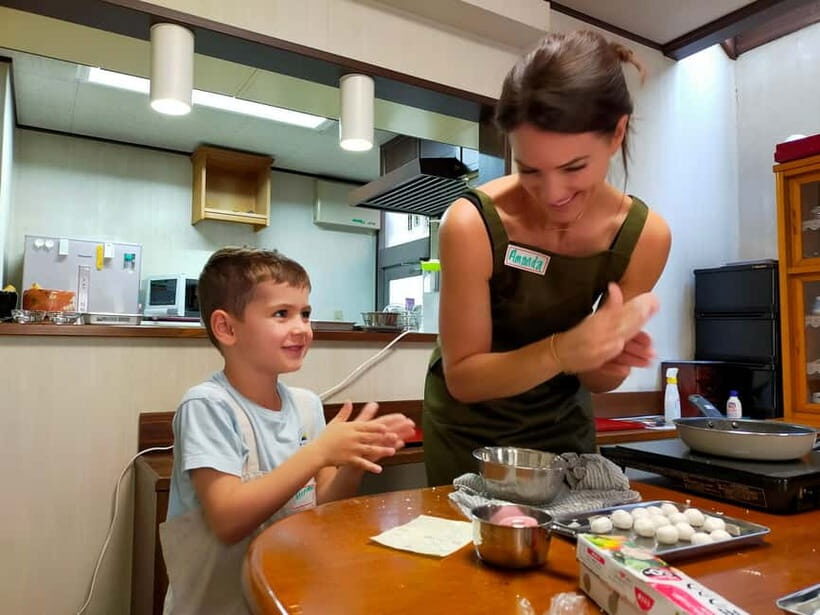
Kyoto has plenty of ways to “try sweets.” This is different. Instead of buying a pretty box and calling it done, you get the step-by-step method behind Japanese sweets, in a home setting.
You’ll be working in a real Japanese house with authentic tatami-style rooms and a calm feel. In the middle of a city known for temples and crowds, that matters. It gives you space to focus on textures—what “mochi-like” chew feels like, how fillings set, and why the shape matters in wagashi.
Also, you’ll make your sweets in a small group setting (up to 6 people). That size keeps the class from feeling rushed, and it helps you actually complete things yourself rather than hovering in the back.
You can also read our reviews of more cooking classes in Kyoto


Inside the Traditional Room: Garden Views and the Tea Rhythm
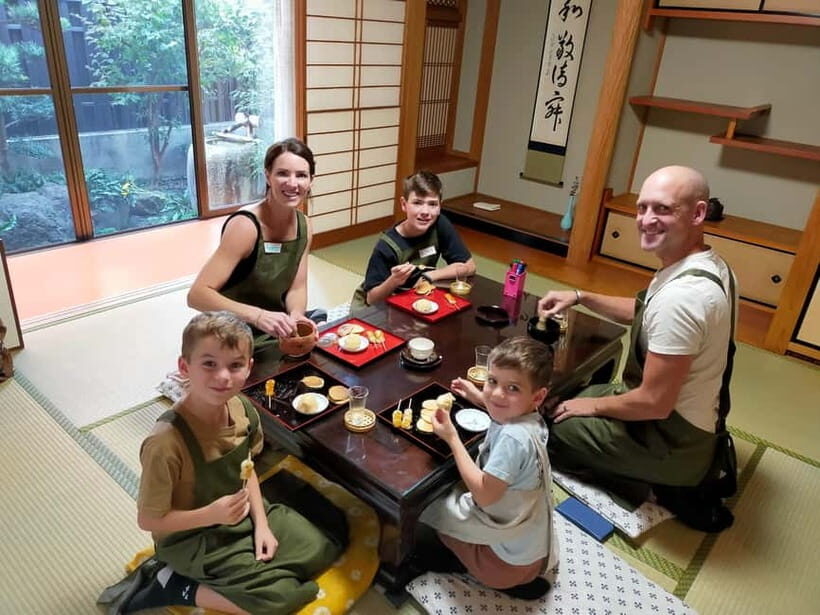
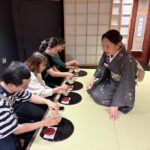
The atmosphere is part of the lesson. You’ll relax in a traditional room (often described as a washitsu) with a garden view that makes the whole session feel steady and unhurried.
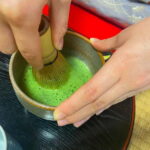
Tea isn’t just an afterthought. You’ll get matcha during the class, and there’s typically tea timing before and after cooking. Some participants also describe a warm welcome with something like sweet potato as a starter, which makes the start feel personal rather than transactional.
Then comes the eating part: you’ll sit together and enjoy the sweets you made, with matcha and the quiet surroundings. That’s when wagashi starts to make sense. It’s not only about sweetness. It’s about balance—taste, texture, and how the dessert fits the season and the occasion.
Practical note: because you’re in a traditional home setting, be ready to follow the host’s pace and setup. The experience is designed around that environment, not modern accessibility.
The 150 Minutes That Actually Work: Demo, Make, Sit, Enjoy
This class runs about 150 minutes, and the structure is simple enough to remember. First, you settle in and get oriented in the room.
Then the instructor demonstrates key steps in front of you. The “watch me” portion matters because wagashi is technique-heavy. Even if you’ve seen recipes online, you’ll learn the small choices that affect results—how to handle stickiness, how to shape evenly, and when to stop cooking so the texture lands right.
After the demo, you go hands-on. You and your partner (if you’re paired) will prepare about three different wagashi items. The class is designed so you’re not just doing one easy step. You’ll take real ownership of your sweets.
Finally, you all sit together to enjoy what you made with a cup of matcha. A few people also mention taking some sweets home, so if you want to extend the experience later, you may want to ask what takeaway options are available on the day.
What You’ll Make: Seasonal Wagashi and the Types to Expect
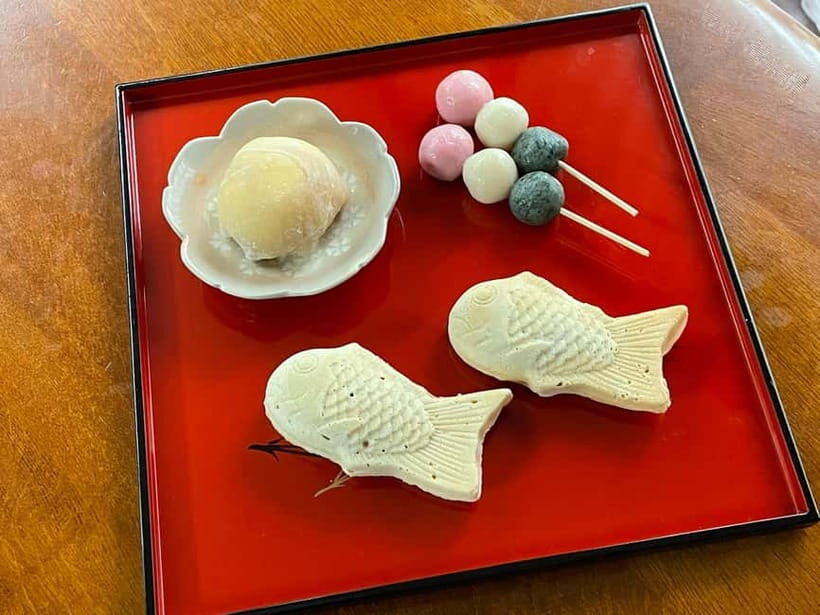
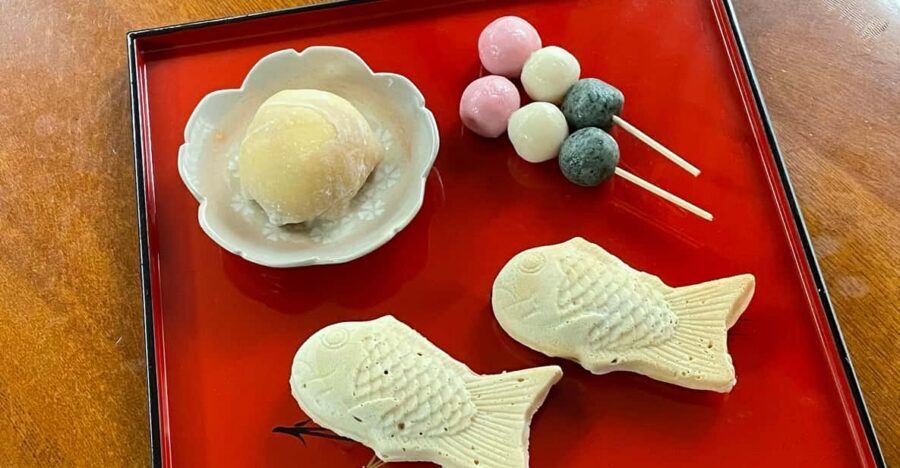
The menu can change with the season, so don’t expect the exact same sweets year-round. But you should expect a guided selection of classic Japanese confections that show off different textures and methods.
Based on what’s been made in classes at this studio, you might see items such as:
- Dango (often shaped and cooked with method-focused guidance)
- Mochi (described as doable and approachable, with technique explained clearly)
- Dorayaki (a sweet that rewards careful preparation)
- Mochi ice cream (in at least some sessions)
- Flavor variations like sweet potato in seasonal menus
The real value isn’t memorizing a recipe name. It’s learning why wagashi uses certain ingredients and how the method changes the final bite. Once you’ve shaped and cooked a couple items yourself, you’ll spot the differences between types of sweets much more easily when you’re sightseeing later.
And because you’ll prepare about three kinds during one session, you’ll get a nice range: one item might be more about texture and chew, another about filling and assembly. That makes the class feel like a mini crash course in wagashi craft.
English-Friendly Cooking with Miho and Cultural Tips
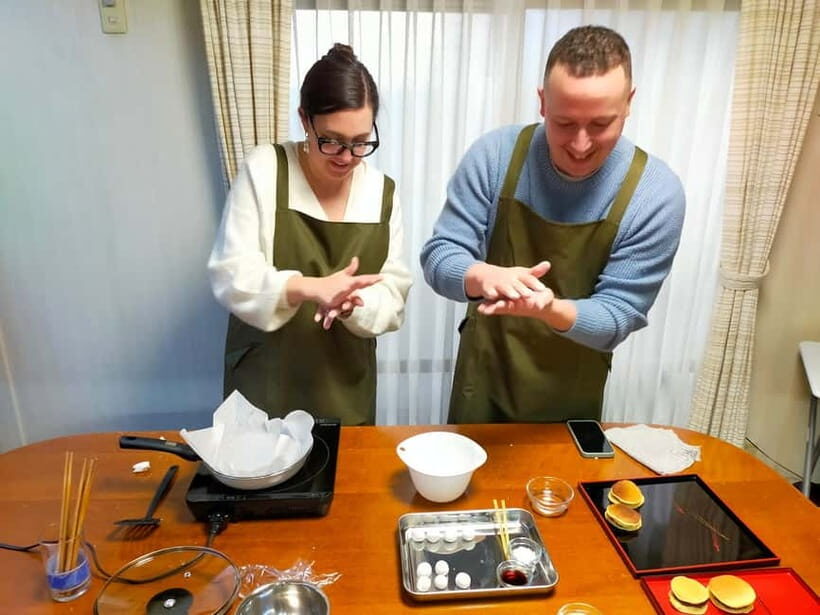
Language can make or break a cooking class. Here, the instruction is entirely in English. The instructors are licensed guide interpreters, so the teaching stays clear and the explanations don’t get watered down.
In many recent sessions, the host and teacher is Miho, and her style comes through strongly in the way the class is described: friendly, patient, and organized. You’re not left guessing. You’re guided, and you’re given room to do the work yourself.
This is also where the class becomes more than food. You can ask questions, and you’ll likely get cultural context alongside the cooking. That might include practical pointers like where to find ingredients, or how to think about matcha as more than just a flavor.
If you’ve got zero Japanese cooking background, you’re still in the right place. The class is built for understanding technique in real time, with the instructor translating the steps into normal everyday language.
You can also read our reviews of more tours and experiences in Kyoto

Diets and Restrictions: Vegetarian and Vegan Wagashi Without Guesswork
If you eat vegetarian or vegan, this matters. The class is vegetarian welcome and vegan friendly. The key detail is that you need to tell the provider in advance about any food restrictions so the menu and ingredients can be handled properly.
Because the menu changes by season, you can’t assume the same ingredients will always be used. But you can assume the studio is aware of dietary needs and will adapt if you communicate early.
This is one of those travel situations where advance notice saves you stress. If you know you’re avoiding dairy, egg, or specific ingredients, send the details before you arrive so the instructor isn’t scrambling mid-class.
Price and Value: Is $84 Worth 150 Minutes in a Real Kyoto Home?
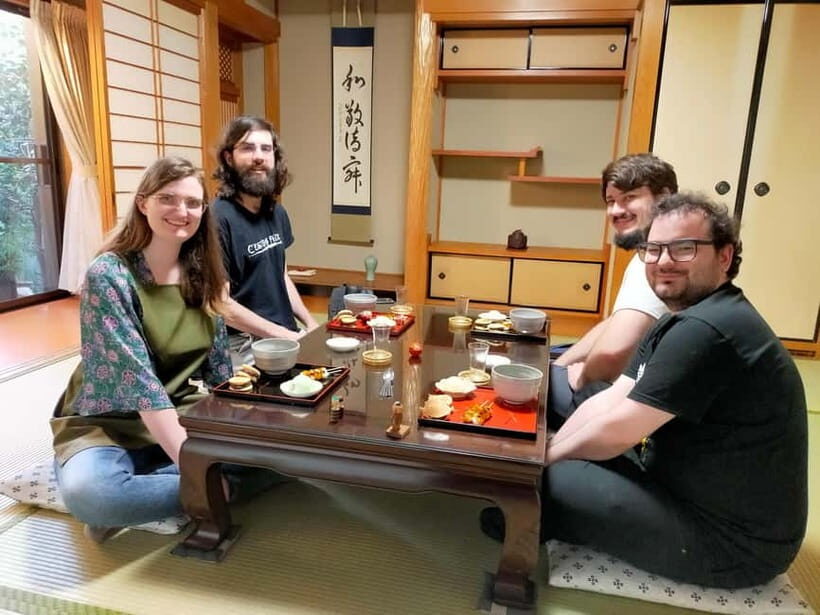
At $84 per person for about 150 minutes, you’re paying for more than “dessert.” You’re paying for instruction, ingredients, tea, and the use of a real home kitchen setup.
Here’s what’s included:
- All seasonings and ingredients for cooking
- Tea
- English-speaking instructor
- All fees and taxes
What’s not included:
- Hotel pickup and drop-off
That means the value is strongest if you’re the type of traveler who wants skill, not just sugar. This class gives you the method and the hands-on practice, and you get to eat the results right away—plus potentially take some home.
Is it “cheap”? No. But for a small group class (up to 6) in a traditional setting, with a full cooking + tea experience included, it’s a fair price for a high-touch experience.
Who Should Book This Wagashi Class (and Who Should Skip It)
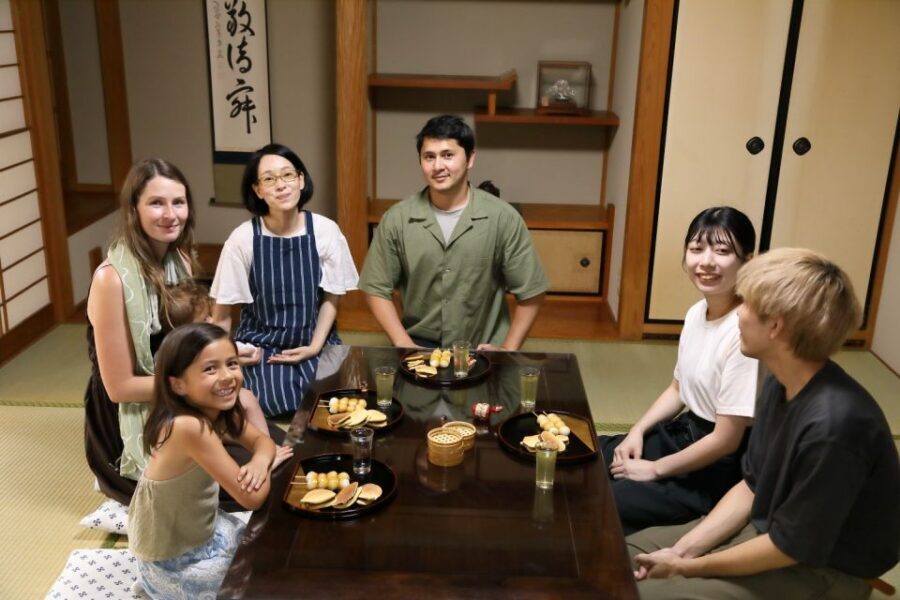
This class is a great match if:
- You have a sweet tooth and want more than store-bought tasting
- You want a hands-on Kyoto activity that feels personal
- You like Japanese food culture and want to understand the why behind wagashi
- You prefer smaller groups where you can actually do the cooking
- You need a class that can work with vegetarian or vegan preferences
It may be a poor match if:
- You use a wheelchair (it’s not suitable)
- You’re traveling with very young kids—children under 6 are not suitable, and kids 12 and under need a guardian
If you’re traveling as a couple, the partner setup can be fun because you’ll make and shape sweets together. Solo travelers also fit well since the group stays small and the instructor can guide step-by-step.
Should You Book iwOhA Cooking Studio for Wagashi Near Fushimi Inari?
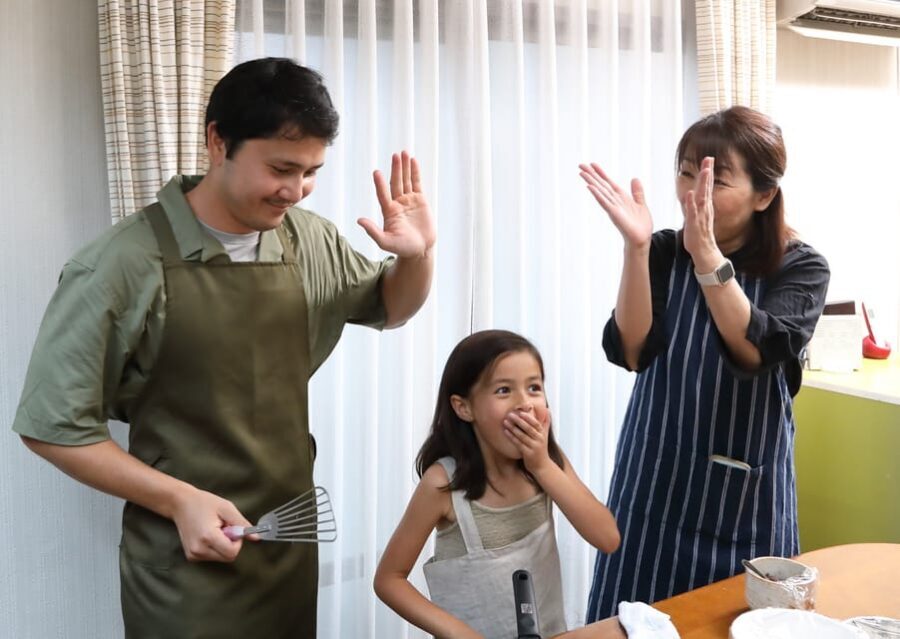
If you want Kyoto to go beyond sightseeing photo stops, I think this is a strong booking. The combination of hands-on wagashi practice, English instruction, and tea in a traditional room with garden views makes it feel like a real experience rather than a scripted show.
Book it if your goal is to learn methods you can repeat later at home, and to leave Kyoto with more than memories—you’ll leave with skills and recipes you actually understand.
Skip it only if mobility/access is a concern or if you’d rather do simpler tastings with no cooking. Otherwise, this is the kind of class that turns a sweet detour into a real Kyoto highlight.
FAQ
How long is the Kyoto wagashi cooking class?
The class lasts 150 minutes.
What is the price per person?
The price is $84 per person.
Is the class taught in English?
Yes, the class is conducted entirely in English.
Is the class vegetarian or vegan friendly?
Yes. Vegetarian participants are welcome and the class is vegan friendly. Let the provider know in advance if you have food restrictions.
What age is this class suitable for?
Children under 6 years are not suitable. Children aged 12 and below must participate with a guardian.
Is the class wheelchair accessible?
No. It is not suitable for wheelchair users.