REVIEW · TEA CEREMONY EXPERIENCES
Experience a tea ceremony in an authentic tearoom, in Kyoto!
Book on Viator →Operated by Japanese Cooking Class Roujiya · Bookable on Viator
Step into a calmer Kyoto ritual. This 45-minute matcha tea ceremony happens inside a 130-year-old Kyoto townhouse, with a private-feeling vibe thanks to a max group size of 10. You’ll start with a small moment of entering from the garden, taste dried sweets, then learn the tea steps and make your own matcha.
I especially love the hands-on part: you’re not just watching, you’re making matcha. I also love how the host breaks things down clearly, including how to appreciate and drink it, plus tips for enjoying tea at home even without the usual utensils. One thing to consider: at $39.63 for about 45 minutes, it’s a short lesson, so go in with curiosity, not expectations of a long performance.
In This Review
- Key highlights worth your time
- A 130-year-old Kyoto townhouse tea room (not a generic venue)
- What happens during the ceremony lesson (the flow, step by step)
- Sweets and matcha: the flavors that make the ritual stick
- How Kaori (and the small group) keeps it from feeling awkward
- Group size, timing, and where to meet in Kyoto
- Price and value: does $39.63 make sense?
- Who should book this Kyoto tea ceremony, and who might skip
- Quick FAQ before you go
- FAQ
- Where does the tea ceremony meet?
- How long is the experience?
- What does the experience include?
- Is there a mobile ticket?
- How many people are in the group?
- Will I be confirmed after booking?
- Is it near public transportation?
- Is it beginner-friendly?
- What’s the cancellation refund timing?
- Who operates the experience?
- Should you book this Kyoto townhouse tea ceremony?
Key highlights worth your time
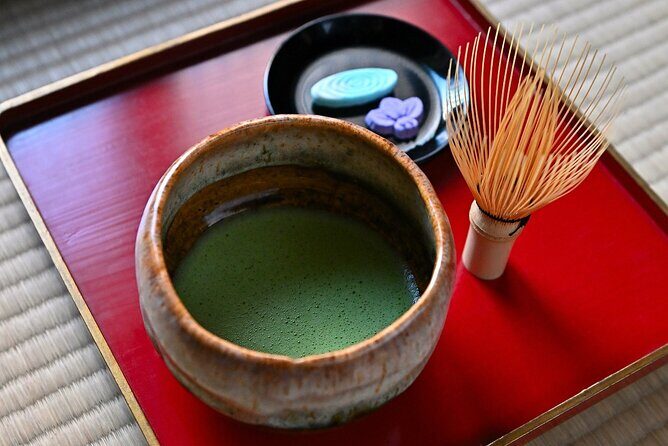
- 130-year-old townhouse setting: a real Kyoto domestic space, not a staged room.
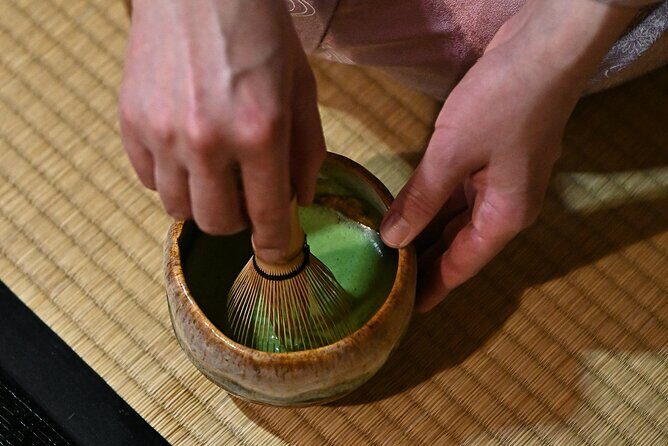
- You make your own matcha: taste first, then whisk and serve with guidance.
- Wasanbon sweets served with the lesson: a distinct Kyoto-style sweetness paired with the tea.
- Beginner-friendly instruction: you’ll get steps and practical do’s as you go.
- Small group feel (max 10): easier conversation with the host.
- Accessible support: a stool is available if knees need help.
A 130-year-old Kyoto townhouse tea room (not a generic venue)
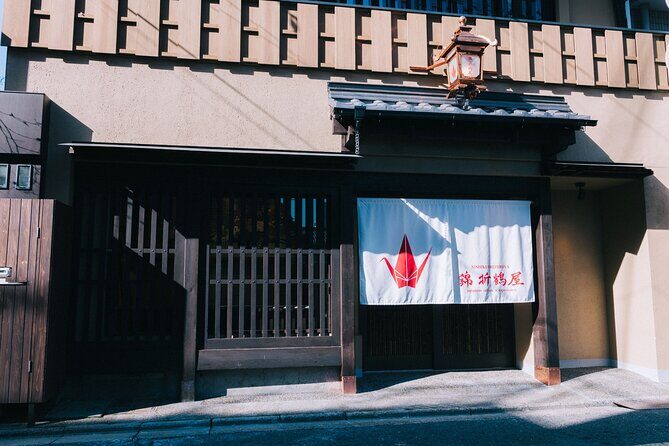
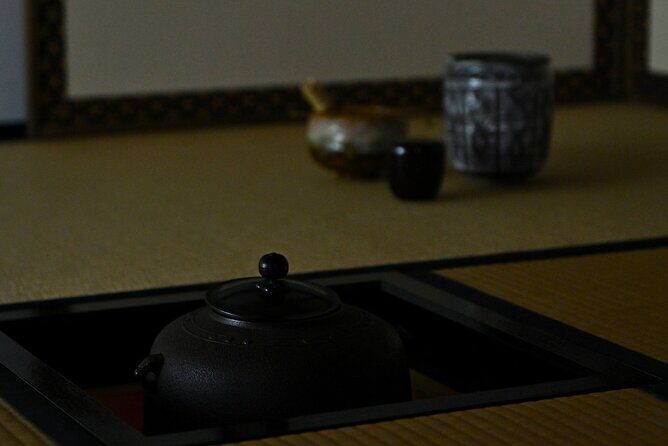
Kyoto’s tea culture isn’t only about the drink. It’s about the space, the pace, and the small rules that help you slow down. This ceremony takes place in the authentic tea room of a 130-year-old Kyoto townhouse, with the experience starting when you enter from the garden area. That detail matters. It helps the whole thing feel like you’re stepping into someone’s world for a short while, rather than hopping between tourist stops.
You’ll also like the tone of the host. In the reviews, people describe Kaori as calm, welcoming, and patient, with English that makes the whole ritual easier to understand. If you’ve ever felt intimidated by formal traditions, this is the right kind of setup: you’re taught what to do, and you’re given room to follow along without rushing.
The one practical caution: this is a compact experience. If you’re hoping for a long, multi-course evening or an all-day cultural immersion, this won’t be that. Plan for a focused, structured lesson with a serene finish, not a marathon of tea moments.
You can also read our reviews of more tours and experiences in Kyoto.



What happens during the ceremony lesson (the flow, step by step)
The timing is straightforward: it’s about 45 minutes (approx.), and that lines up with the idea of a “lesson + hands-on practice” format. Here’s the sequence you can expect.
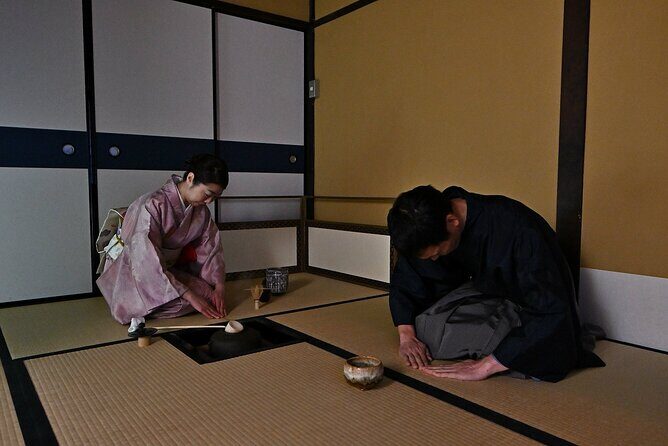
First, you settle into the tea room. Then comes the instructor’s demonstration. Before you touch the tools, you’ll watch how the host prepares the tea and how the ritual moves from simple movements to something that feels surprisingly meaningful.
After the demonstration, you’ll enjoy dried sweets while you watch the tea steps unfold. The sweets aren’t random snacks; they connect to the tea experience itself. Then it’s your turn to make matcha. You’ll be guided through how to prepare it, and the host also shares the history and culture of tea ceremony so you understand what you’re doing beyond muscle memory.
A big plus for beginners: the instruction is built for people who are new to this. You’ll learn how to appreciate and drink matcha, not just how to whisk it. And you’ll get tips for enjoying tea at home without the usual utensils, which is great if you’re the type who wants the memory to turn into an actual habit after your trip.
Sweets and matcha: the flavors that make the ritual stick
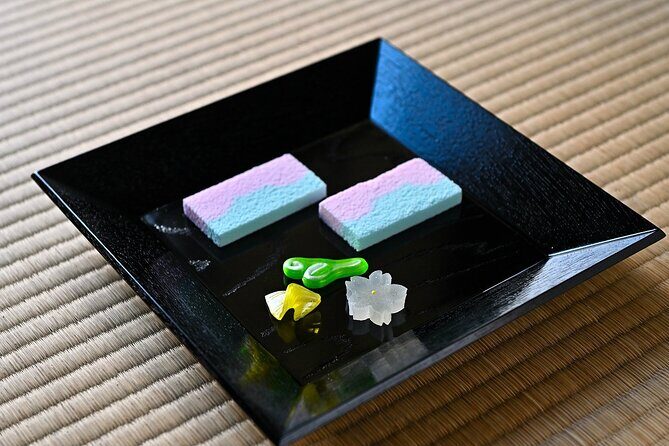
Tea ceremony in Kyoto is often remembered by taste. Here, that happens in two layers: sweets first, then matcha.
You’ll be served beautiful Japanese sweets that are tied to a long-established confectionery shop in Kyoto. In one host response, Kaori explains the sweets are made with wasanbon sugar, which is a traditional Japanese sugar type. She also names the shop as 塩芳軒 Shioyoshi-ken. That kind of detail is a clue that this isn’t a generic “tour snack.” It’s part of a real tea pairing.
Then comes the matcha. You’ll enjoy delicious matcha green tea from a historic shop in Kyoto, and you’ll learn how to make matcha yourself. People often say matcha tastes different once you’ve seen how it’s prepared and served. Even when you’re new to the world of matcha, you’ll likely understand the logic quickly: fresh, properly mixed tea plus a mindful pace.
Practical tip for your senses: give the matcha a second before you decide what you think. It’s easy to judge too fast when you’re still learning the steps. If you pause, the flavor shifts from sharp to balanced, and you’ll be able to describe what you like when you compare it later at home.
How Kaori (and the small group) keeps it from feeling awkward

A tea ceremony can go one of two ways: either it feels like a strict show, or it feels like a guided lesson. This one leans toward guided and comfortable.
Several reviews highlight Kaori’s presence as welcoming and calming, plus her ability to explain carefully. One person noted the group was small—just a few family members—so the ceremony felt intimate. That matters in practice because it reduces the pressure. You can watch the movements, ask questions, and follow the pace without feeling like you’re performing.
The language piece is also important. Reviews specifically praise English clarity, including comments that the host’s English is perfect. If you don’t speak Japanese, that’s a big quality-of-life factor. You’ll spend your attention on learning and drinking, not guessing what’s expected.
And if you have mobility concerns, there’s a thoughtful note: in at least one case, a stool was available for someone with bad knees. It’s a useful reminder to bring a flexible mindset. The ritual includes kneeling and floor sitting in many tea traditions, but you’re not left stranded if your body needs an adjustment.
Group size, timing, and where to meet in Kyoto
The activity runs for about 45 minutes (approx.) and uses a mobile ticket. Maximum group size is 10, which keeps it from turning into a conveyor-belt experience. For a short activity, that cap is a real quality factor.
The meeting point is:
22-26 Nishinokyō Ikenouchichō, Nakagyo Ward, Kyoto, 604-8375, Japan
The start-to-finish format is simple: it ends back at the meeting point.
You’ll also find it convenient that it’s near public transportation. Kyoto can be a maze, and “near transit” helps you avoid spending your best energy on navigation.
One timing note: you’ll get confirmation within 48 hours of booking, subject to availability. If your trip is tight, it’s a good idea to double-check your time slot once you get the message, because tea ceremony schedules are fixed.





Price and value: does $39.63 make sense?
At $39.63 per person for around 45 minutes, you’re paying for three things:
1) A real space (the townhouse tea room)
2) Guided cultural education (history, customs, how to appreciate matcha)
3) Hands-on practice (you make your own matcha)
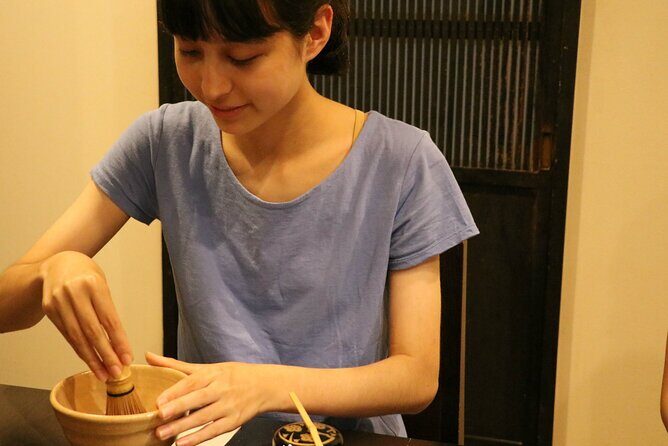
The strongest value is the last one. Many cultural activities in Kyoto are “watch and leave.” Here, you do the whisking and the serving steps with instruction. That turns the experience into something you can recreate—especially because you also get tips for enjoying tea at home without special utensils.
Also, the small group size matters for value. If you’re in a group of 10, you’re more likely to ask questions and actually follow along. If you’re in a larger group, the lesson often becomes harder to personalize.
Potential mismatch: if you want a long program with multiple courses, or if you’re expecting a guaranteed costume moment, this may feel too short or too basic. One review specifically mentioned that they didn’t see kimono included. Since kimono use wasn’t clearly listed in the main description, treat it as a possible bonus rather than part of what you’re guaranteed to get.
Who should book this Kyoto tea ceremony, and who might skip
This fits best if you want a calm, structured Kyoto experience where you learn something small and real. Here are the types of travelers who tend to love it:
- First-time Japan visitors who want a tradition lesson that doesn’t require prior knowledge
- People who like hands-on activities more than passive sightseeing
- Food-and-tea minded travelers who enjoy learning why flavors work together
- Families looking for an activity that stays educational and not too physically intense (with stool support when needed)
Consider skipping or choosing a different style of tea experience if you:
- Want a longer performance-style program
- Are mainly chasing photos and don’t care much about learning steps
- Prefer high-energy tours over seated calm
A balanced way to think about it: this is a tea-focused lesson. If you treat it that way, the value feels strong.
Quick FAQ before you go
FAQ
Where does the tea ceremony meet?
It starts at 22-26 Nishinokyō Ikenouchichō, Nakagyo Ward, Kyoto, 604-8375, Japan, and ends back at the same meeting point.
How long is the experience?
It runs for about 45 minutes (approx.).
What does the experience include?
You’ll watch the instructor’s demonstration, taste dried Japanese sweets, then learn to make matcha and how to appreciate and drink it.
Is there a mobile ticket?
Yes, it’s listed as a mobile ticket.
How many people are in the group?
The tour/activity has a maximum of 10 travelers.
Will I be confirmed after booking?
You’ll receive confirmation within 48 hours of booking, subject to availability.
Is it near public transportation?
Yes, it’s near public transportation.
Is it beginner-friendly?
The experience includes detailed instructions on making matcha even for beginners, plus tips on enjoying tea at home without traditional utensils.
What’s the cancellation refund timing?
Free cancellation is available. You can cancel up to 24 hours in advance for a full refund. Canceling less than 24 hours before start time is not refunded.
Who operates the experience?
The provider is Japanese Cooking Class Roujiya.
Should you book this Kyoto townhouse tea ceremony?
If you want one simple, high-quality cultural experience in Kyoto, I think this is a strong bet—especially because it’s short, well-taught, and truly hands-on. The townhouse setting gives you the authentic feeling, while the matcha lesson gives you something you can carry home.
Book it if you’ll enjoy learning etiquette, taste pairings, and the practical “how” of making matcha. Skip it if you’re hunting for something longer, more theatrical, or more photo-driven. Either way, go in calm and curious. Tea ceremony rewards that mindset fast.