REVIEW · DESSERT TOURS
2 Types of Japanese Sweets making and Tea Ceremony
Book on GetYourGuide →Operated by B.B.Advisors Inc. AN KYOTO · Bookable on GetYourGuide
If you want a quick taste of Japanese craft, this is it. I like that you make two seasonal sweets yourself, and I especially like the matcha part, where you grind your own and take part in a tea moment. One thing to consider: the session can feel a bit structured and, depending on the day, you may share the room with other visitors who get noisy.
Near Kyoto’s go-to sweet ingredients, this workshop keeps things practical. The bean paste comes from long-established shops in Kyoto, and the matcha is single-origin special matcha. The setting is not a quiet, private studio, so if you want total calm, book with that in mind.
You’ll also appreciate the value. For about $28, you get three experiences in one go: Ohigashi (dried-type wasanbon sweets), Nerikiri (bean-paste-based seasonal sweets), and a tea ceremony-style session with matcha. If you hate stairs, note there’s no elevator in the building.
In This Review
- Key things I’d prioritize before you book
- Where this workshop fits in Kyoto-style eating
- What you make: Ohigashi with wasanbon sugar
- Nerikiri: shaping bean-paste sweets in seasonal forms
- Tea ceremony without the pressure: grinding matcha and serving tea
- Instructor help and the translation factor
- Price and what you truly get for $28
- Small logistics that affect your comfort
- Who this workshop is best for
- Should you book this 2-sweets-and-matcha workshop?
- FAQ
- How long is the experience?
- What sweets and tea do I make?
- Is the tea ceremony hands-on or just watching?
- Where is the meeting point?
- What’s included in the $28 price?
- Are there extra costs during the workshop?
- Is English available, and is it wheelchair accessible?
Key things I’d prioritize before you book
- Kyoto bean paste used for the Nerikiri sweets, sourced from long-established shops
- Wasanbon-based Ohigashi (dried-type sweets) so you learn a traditional sugar approach
- Two Nerikiri sweets that match the season, not a one-size-fits-all class
- Single-origin special Matcha, plus hands-on grinding before tea
- A time-built flow with short breaks and a clear end point for eating your creations
- English support as much as possible, and in past sessions the translation has been clear and helpful
Where this workshop fits in Kyoto-style eating
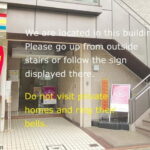
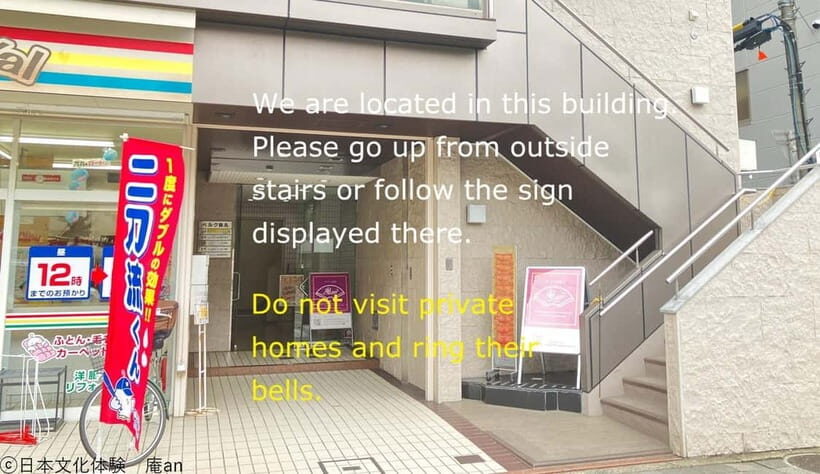
This experience happens in Honshu, based out of Kyoto, with the meeting point just a one-minute walk from Gojo Station (Karasuma Line), Exit 1. The shop entrance faces Gojo-dori, which makes it easy to spot once you get off the train.
The overall duration is 125 minutes, which is a sweet spot if you want something hands-on without losing half your day. The workshop also runs 10:00 to 17:00, and reservations received after 17:00 are processed the next day, so match your timing to the window.
What makes this class feel “Kyoto” in a practical way is how the ingredients are chosen. The bean paste is produced by Kyoto’s long-established shops, and the matcha is described as single-origin special matcha. That matters because sweets and tea are where taste starts, not just where photos end.
You can also read our reviews of more tours and experiences in Kyoto
What you make: Ohigashi with wasanbon sugar
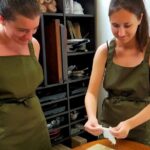
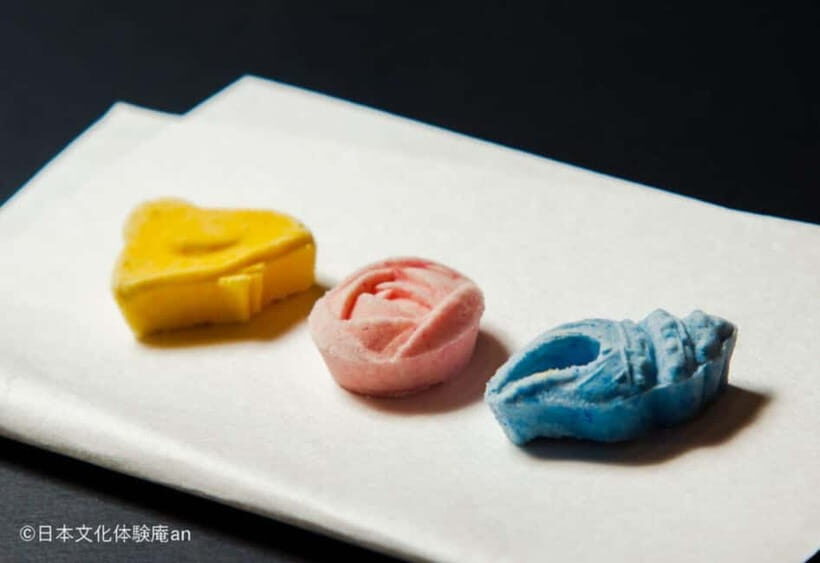
You start with an overview of Japanese traditional sweets. Then you jump into Ohigashi, which are dried-type sweets made using traditional Japanese sugar called Wasanbon.
Why I think this part is worth doing: many workshops only focus on soft dough shaping or decorating. Here, the Ohigashi angle teaches a different side of Japanese confectionery. Wasanbon is a key ingredient story, and working with a dried-style sweet helps you understand how texture and sweetness are handled differently than in Western-style baking.
Also, Ohigashi is where you can get the fastest wins. It’s typically less messy than dough-based crafting, and you can see your progress sooner. You get a break around the 20-minute mark, which helps reset you before the Nerikiri stage.
Small reality check: if you’re expecting heavy artistry painting and complex decorating, this part is more about making and understanding than elaborate “showpiece” work. The goal is learning the craft, not turning the session into a long art class.
Nerikiri: shaping bean-paste sweets in seasonal forms
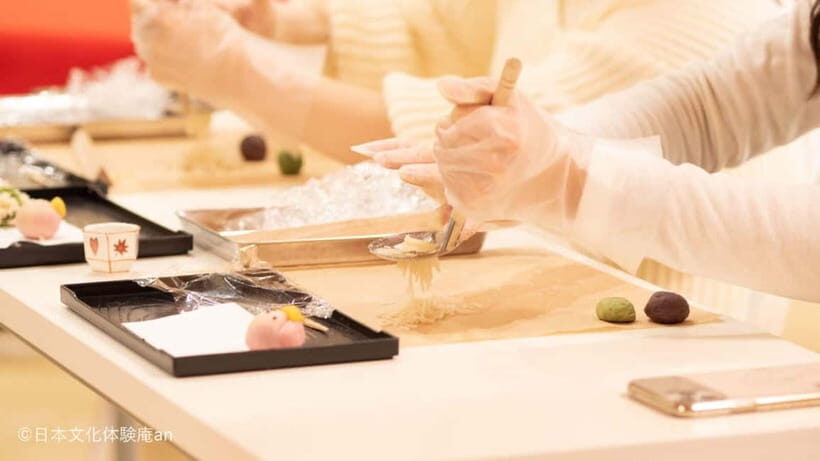
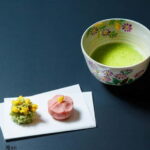
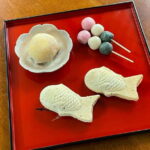
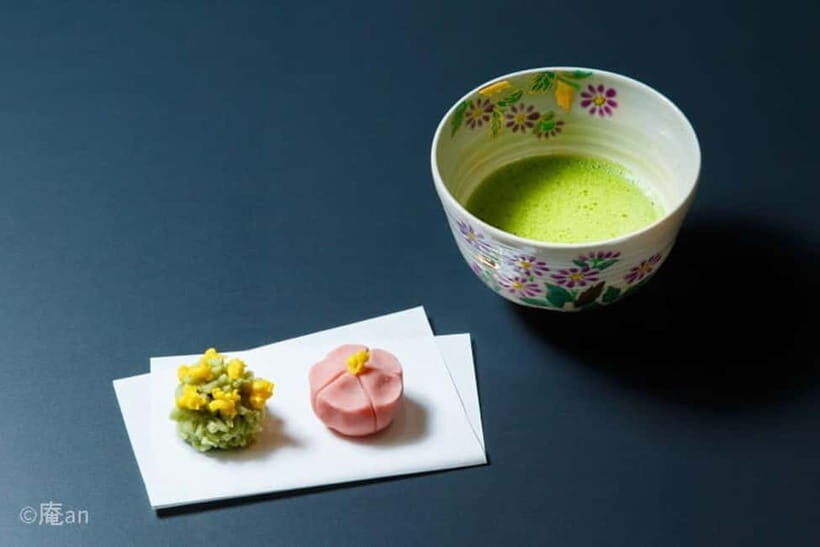
Next comes Nerikiri, made from white/red bean paste, and you make two seasonal Japanese sweets. These are the sweets that show up in photos for a reason: the forms can be gentle and flower-like, not just cookie-like.
The schedule gives you a clear sequence:
- After the Ohigashi break, you make a flower-shaped Nerikiri sweet around the 30-minute point
- You then continue through Kinton Nerikiri making
- You get another break around 85 minutes
- After that, tea time begins
There’s a big reason Nerikiri is such a good workshop topic: it teaches molding and shaping. Even if you’ve never worked with bean paste before, you can learn how softness, pressure, and timing affect the final shape.
I also like that the workshop matches the season. That turns the class from generic sweet-making into something more tied to Japanese culture and timing. If you’re in Japan for a limited time, seasonal sweets help you connect what you eat with what’s happening in the year.
Potential drawback: Nerikiri can be a little more delicate than you expect. If you push too hard, you might end up adjusting your shape. That’s normal. The value here is learning the rhythm with your instructor’s guidance.
Tea ceremony without the pressure: grinding matcha and serving tea
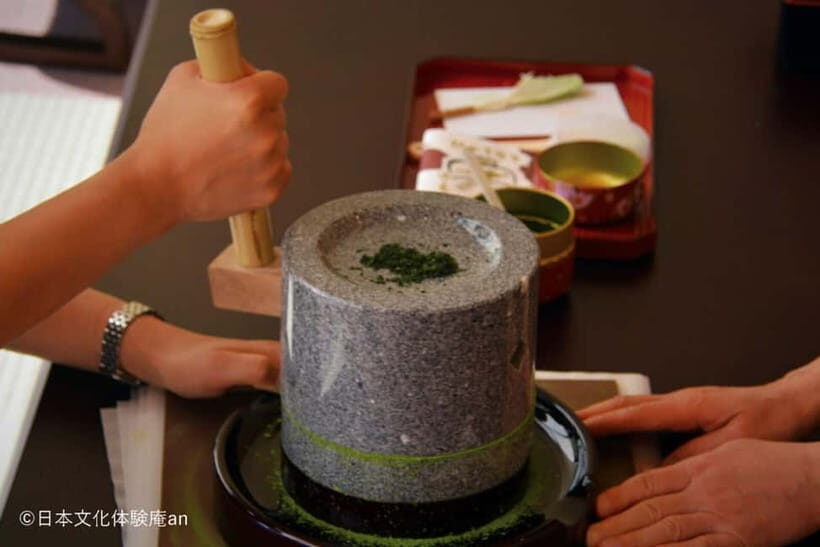
The tea portion starts after the 95-minute mark, and it’s built around a few steps: explanation, matcha grinding, then the tea ceremony experience.
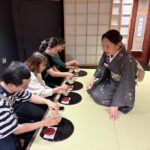
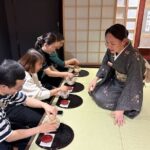
Here’s the part I’d circle on your mental map: you do a matcha grinding demonstration, and you experience the tea ceremony casually. That means you’re not just watching someone pour and sip. You get the connection between grinding, texture, and the way tea tastes.
Matcha quality is also part of the pitch. The workshop uses single-origin special Matcha, which helps explain why the taste can feel different from generic matcha you might buy later.
And yes, you’ll eventually eat and drink your creations. The schedule shows picture time at 115 minutes, then you’re done making at about 115 minutes and you continue with eating/drinking time until 125 minutes, when you leave the room.
One thing I’ll flag from the practical side: a tea ceremony setting can range from very formal to fairly relaxed depending on the day and the group. One review experience described it more like an informative session where you make a cup of matcha rather than an ultra-traditional performance. That might be a plus if you prefer learning over ceremony rules.
Instructor help and the translation factor
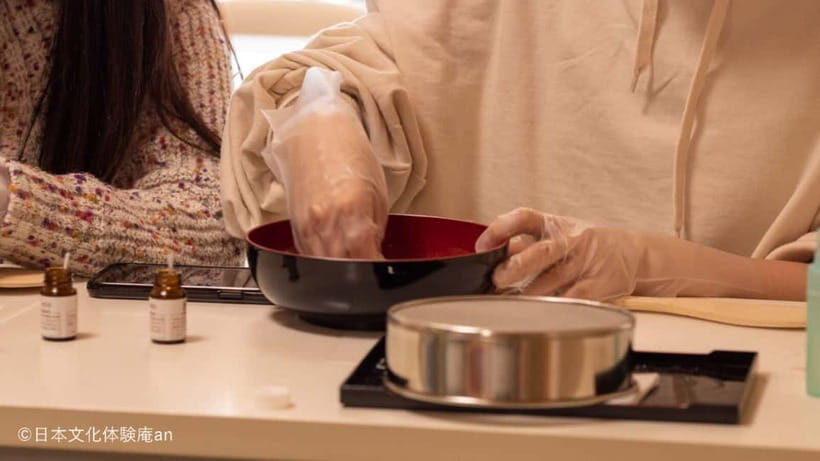
The program lists the instructor as Japanese, and it includes English translation as much as possible. In one recent experience, the instructor Maiko was described as attentive and the English was good. That’s a big deal because sweets and tea have small terms that matter, like ingredient names and process steps.
Still, there are two realities. First, the class language is Japanese, so translation depends on how the day runs. Second, the room can be shared. One review mentioned a room full of tourists being noisy and disrespectful, which can make it harder to focus if you’re sensitive to chaos.
My advice: if you care about clarity, sit where you can hear the instructor easily. Keep your phone away during key steps. You’ll get more from the lesson if you treat it like a working station, not a casual show.






Price and what you truly get for $28
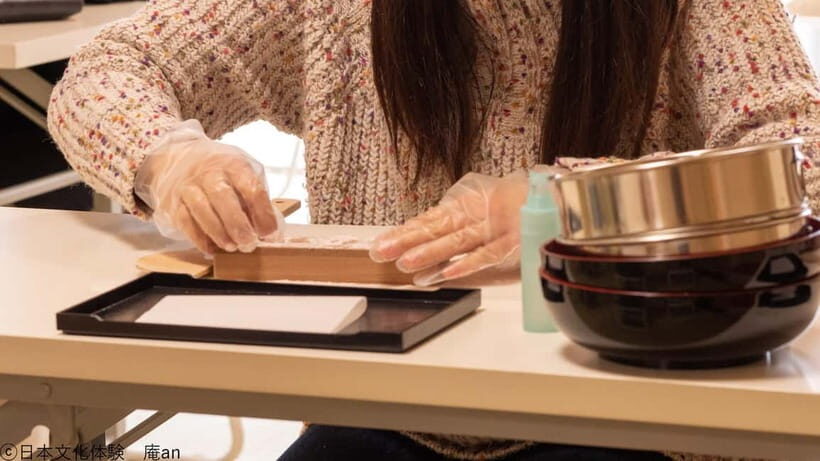
At $28 per person for 125 minutes, this is priced like a craft workshop, not like a private lesson. You’re paying for materials, instruction, and the big practical components: two sweets you shape plus matcha prep and tea participation.
What makes the price feel fair is the “three-for-one” structure:
- Ohigashi making (dried-type sweets using Wasanbon sugar)
- Two Nerikiri sweets (seasonal, made from Kyoto-sourced bean paste)
- Matcha and tea ceremony experience, including grinding and then tasting
Not included add-ons exist:
- Adding color: 200 JPY
- Take-out box: 100 JPY
- Experience completion certificate: 300 JPY
So if you want extra decoration or to bring sweets home, budget a little more. But you don’t need those add-ons to get full value. You’ll still leave with sweets to eat on-site during the final time window.
If you compare it to buying matcha and sweets separately, the difference is you’re buying learning and making time, not just products. That’s the real value—hands-on experience you can talk about later.
Small logistics that affect your comfort
This workshop includes a few practical points that are easy to miss until you’re there.
- No elevator: there’s no elevator in the building, and you’ll need to take stairs to reach each venue.
- Room departure at the end: the schedule ends with room departure at about 125 minutes, so don’t assume you can linger.
- No event held for delays: the workshop can’t hold the event to accommodate delays, so try not to run late.
- Participation is required: if you don’t participate, you won’t be allowed into the experience.
Also, if you’re buying souvenirs, ask yourself early whether you want take-out. It’s listed as available for 100 JPY, but it’s not included automatically.
Who this workshop is best for
This is a great fit if you want:
- A hands-on Kyoto-flavored food experience without booking multiple tours
- A class that links sweets and tea instead of treating them as separate activities
- A structured activity that ends on time, with a clear “make, taste, go” flow
It might be less ideal if you’re:
- Looking for a fully private, quiet, high-end tea performance
- Sensitive to group energy and noise (some rooms can be busy)
- Hoping for a lot of free-form creative freedom beyond the intended shapes and process
It’s also a smart choice for people who like understanding ingredients. Wasanbon sugar, bean paste sourcing from Kyoto, and matcha quality aren’t just labels here—they’re part of the craft you practice.
Should you book this 2-sweets-and-matcha workshop?
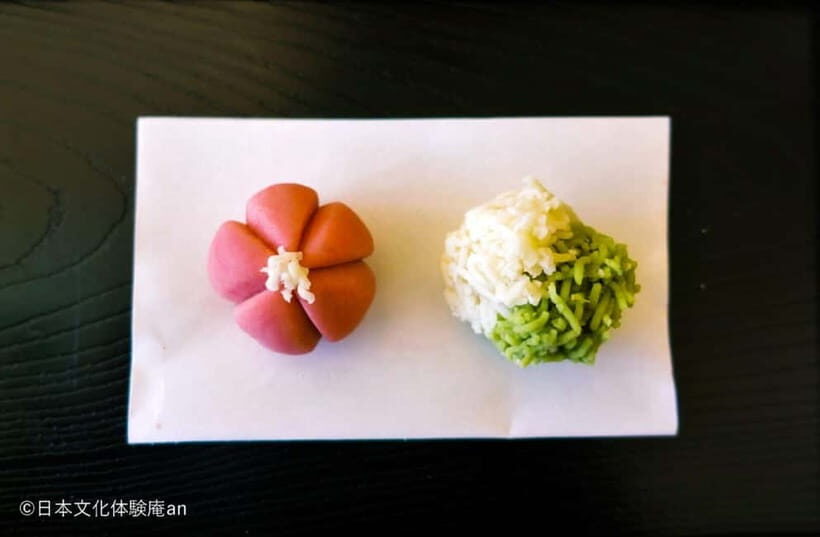
I’d book it if you want real value in 125 minutes: Ohigashi + two Nerikiri sweets + matcha grinding and tea in one session, with Kyoto ingredients doing the heavy lifting. The translation support is usually helpful, and the pacing includes breaks so you’re not stuck working the whole time without air.
Skip it or at least adjust expectations if you’re expecting a silent, intimate tea ceremony. Some sessions can feel more classroom-like and group-focused. If that will bother you, aim for a time slot when you’ll be less likely to feel rushed or overwhelmed.
If you can handle stairs and you’re game to get a little involved in shaping sweets, this workshop is one of those “good at both learning and tasting” experiences that makes a short Kyoto stay feel longer.
FAQ
How long is the experience?
The duration is 125 minutes.
What sweets and tea do I make?
You make Ohigashi (dried-type sweets using Wasanbon sugar), plus two seasonal Nerikiri sweets made from white/red bean paste. You also make matcha and take part in a tea ceremony experience.
Is the tea ceremony hands-on or just watching?
You do not only watch. The program includes a matcha grinding demonstration and a tea ceremony experience, and the day ends with eating/drinking time.
Where is the meeting point?
Meet 1 minute walk from Exit 1 of Subway Karasuma Line Gojo Station. The store entrance faces Gojo-dori.
What’s included in the $28 price?
The price includes a set experience of 2 types of Japanese sweets making and the tea ceremony (three components total).
Are there extra costs during the workshop?
Yes. Options listed as not included are adding color (200 JPY), a sweets take-out box (100 JPY), and an experience completion certificate (300 JPY).
Is English available, and is it wheelchair accessible?
English translation is provided as much as possible. The workshop is wheelchair accessible, but there is no elevator, and you will need to take stairs to reach each venue.