REVIEW · VIP
Kyoto Day Tour with Certified Tour Guide & Luxury vehicle
Book on GetYourGuide →Operated by Japan Travel and Tour · Bookable on GetYourGuide
Kyoto in one day can feel intense. The fun part here is that I like a private guide who helps you run the schedule your way, riding in an air-conditioned vehicle that keeps the day comfortable instead of tiring. You get a big sweep of Kyoto’s top areas, but with enough flexibility to lean toward temples, shopping, photos, or quiet streets.
There is one thing to sanity-check before you go: the vehicle is marketed as luxury, and at least one booking reported an older mini van instead of what they expected. If car type matters to you, ask ahead what you’ll actually be driving in.
In This Review
- Key highlights I’d focus on
- Price and group value for a 10-hour Kyoto day tour
- Pickup around Osaka, Kyoto, Nara, and Kobe (and why it affects your day)
- Arashiyama: bamboo-area photos, shopping time, and the train ride
- Kinkaku-ji (Golden Pavilion) and the arts-and-crafts market stop
- Fushimi Inari Taisha: red-gate walking with a guided pace
- Kiyomizu-dera: viewpoints, guided time, and a short class moment
- Gion in 45 minutes: photo stops, guided walking, and atmosphere
- Ginkaku-ji at sunset: evening light and slower temple time
- Nishiki Market finish: shopping, a guided walk, and local finds
- How customization works when you want temples, shops, or quieter side streets
- Vehicle comfort: air-conditioned rides and the luxury question
- Guides and real-world strengths to look for
- What you should plan for: tickets, food, and comfortable walking
- Who should book this private Kyoto day tour
- Should you book it? My quick decision guide
- FAQ
- How long is the Kyoto day tour?
- How much does it cost, and how many people can fit?
- Where can you be picked up and dropped off?
- What languages does the guide speak?
- What’s included in the price?
- What’s not included?
- Is it wheelchair accessible, and are there any rules about alcohol?
Key highlights I’d focus on
- Private, customizable route so you can prioritize temples, shopping, or photo stops
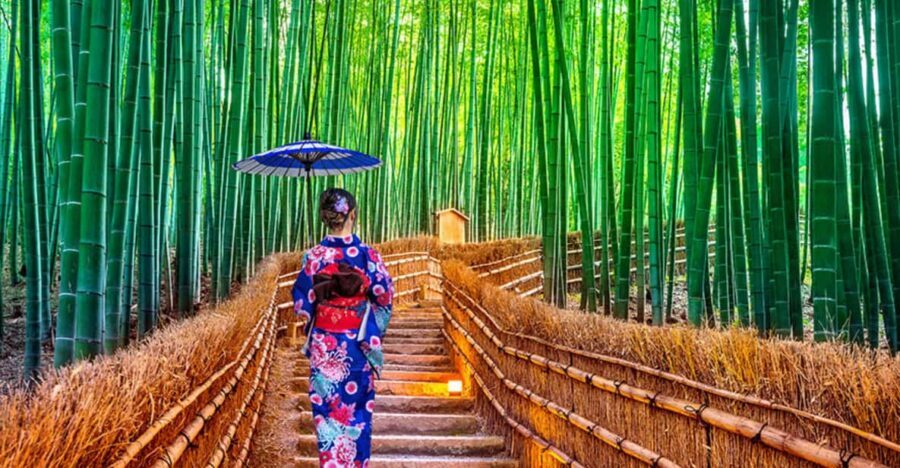
- Arashiyama time (1.5 hours) with a bamboo-area visit and a panoramic train ride
- Golden Pavilion + craft market for more than just photos at Kinkaku-ji
- Fushimi Inari walk (1 hour) with guided pacing through the red gates
- End in Nishiki Market to shop and wrap up your day on a local-food street
Price and group value for a 10-hour Kyoto day tour
This is priced at $490 per group, sized for up to 6 people, for a full 10-hour day. On paper, that’s not cheap. In real life, it can be a smart use of money if you’re splitting between friends, traveling as a couple with another pair, or you have a family with kids who’d rather not lose time with train transfers.
What you’re really buying is time plus coordination. Kyoto’s sights aren’t all in one neighborhood, and public transit can turn into a “walk, wait, transfer, repeat” kind of day. With a private driver-guide and pickup included, you can keep moving while still getting explanations at the stops (instead of reading signs and guessing).
One practical point: the tour can include “skip the ticket line,” but entry tickets are not included. That means you should still budget for temple/shrine fees on your own, even if the guiding helps your time feel smoother.
You can also read our reviews of more guided tours in Kyoto
Pickup around Osaka, Kyoto, Nara, and Kobe (and why it affects your day)
You have several pickup options: Nara, Kyoto, Kobe, and Osaka. The provider also notes free pickup from Osaka, Kyoto, and Nara, so if you’re starting in Kobe, double-check the exact pickup terms with your operator.
The tour runs with a simple rhythm: a ride segment between major districts, then a guided portion at each stop, then enough walking time to actually see what you came for. There are multiple van legs (some around 35 minutes, plus one around 38 minutes), so you’ll feel the day is “one continuous route” rather than scattered half-days.
And here’s a detail that matters in Kyoto: if traffic causes delays, you get additional time at no extra charge. That’s useful because Kyoto isn’t a city where you can always predict timing, especially around peak sightseeing hours.
Arashiyama: bamboo-area photos, shopping time, and the train ride
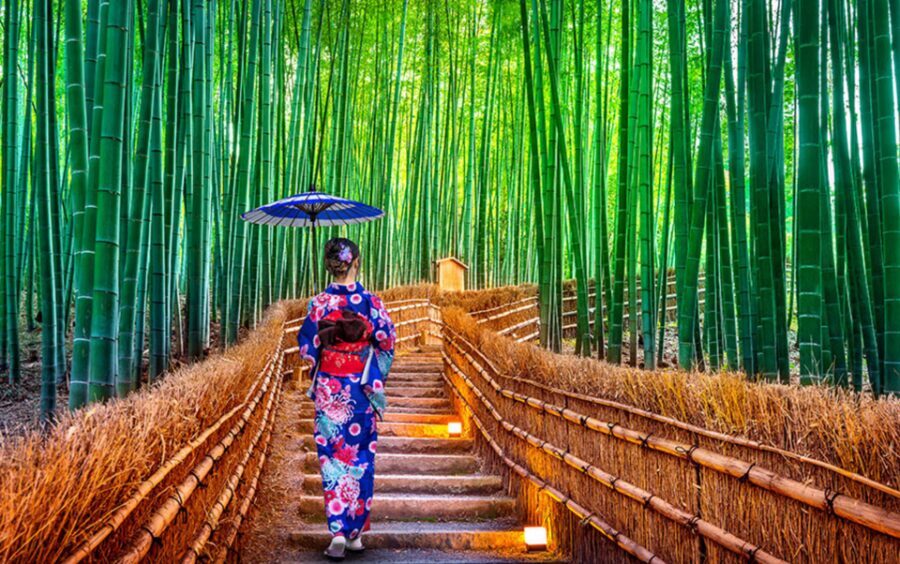
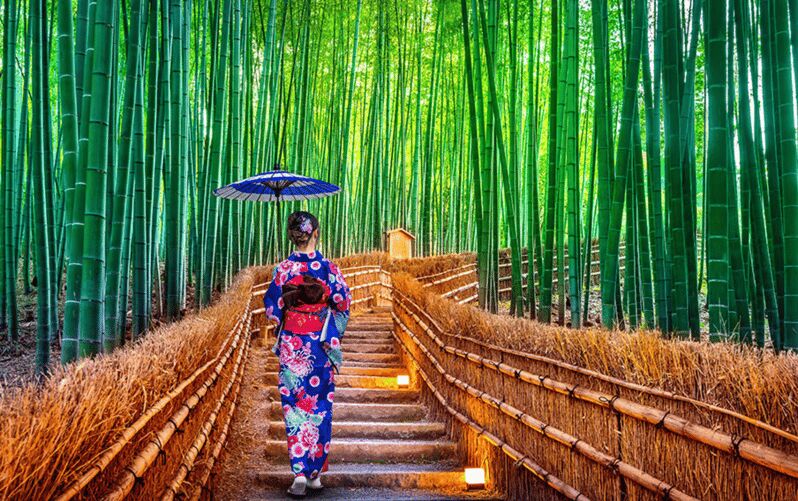
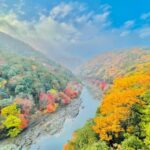
I like starting in Arashiyama because it sets a calmer mood early. Your stop includes a photo stop, a visit, guided walking time, shopping, and sightseeing, with around 1.5 hours total. You also get scenic views on the way and a panoramic train ride, plus time for wildlife viewing if conditions allow.
Arashiyama is where many people want the classic Kyoto images, but the guide’s job is to keep it from turning into a crowd bottleneck. With structured time—photo moments plus walking—you can get the photos you want without feeling like you’re rushing past everything.
Potential drawback to keep in mind: if you strongly dislike walking or prefer to stay mostly seated, this stop includes multiple forms of movement (walk + sightseeing + train ride). You’ll want to tell your guide early how you want to pace it.
Kinkaku-ji (Golden Pavilion) and the arts-and-crafts market stop
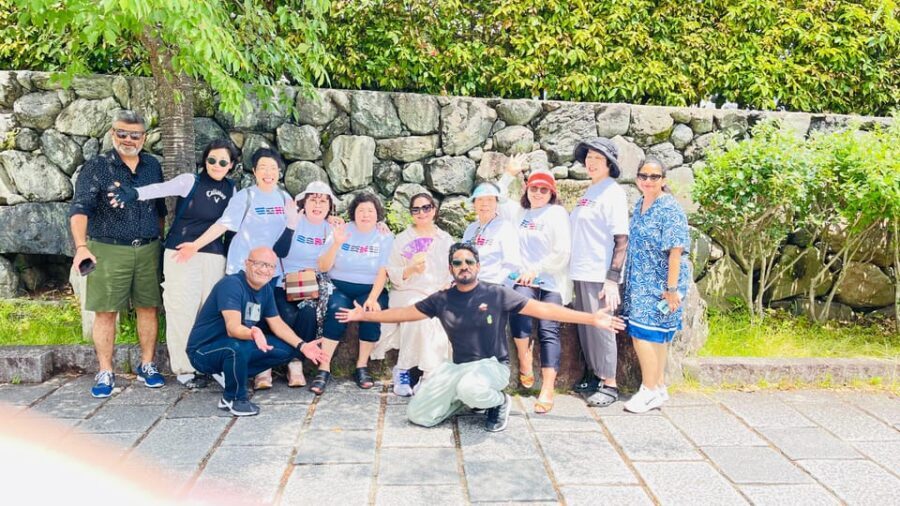
Next up is Kinkaku-ji, with time for guided viewing and sightseeing, plus an arts & crafts market visit lasting about 1 hour. If you’re the type who likes to understand what you’re looking at, the guided portion helps you move beyond the postcard version of the Golden Pavilion.
The craft market is the part I think many people underestimate. A temple stop can feel like a quick photo and done. Here, you get a longer add-on that turns it into a shopping-and-story moment: what people make, what locals value, and what you can bring home that actually connects to the area you visited.
Tip: wear comfortable shoes. The market time is where you’ll naturally drift and browse, and you’ll want your feet to be happy.
Fushimi Inari Taisha: red-gate walking with a guided pace
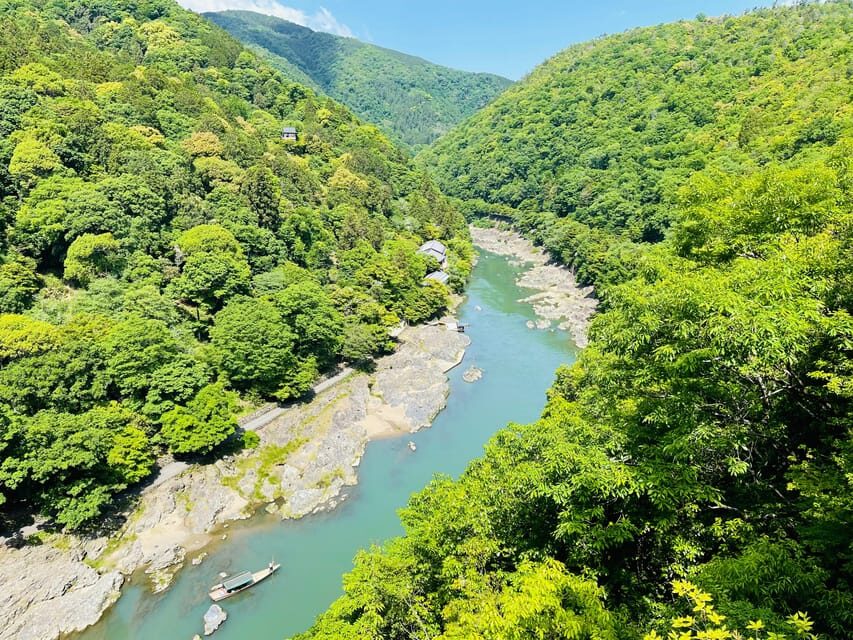
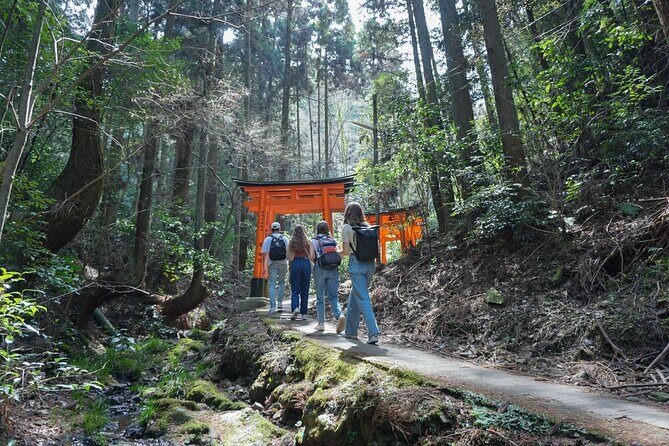
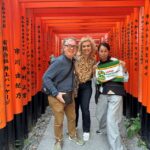
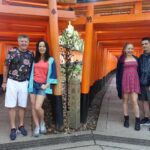
Fushimi Inari Taisha is the “walk through the gates” highlight, and your time here is about 1 hour. The schedule includes guided time, scenic views on the way, and walking.
This is one of those Kyoto places where a guide can change your experience. With a guided pace, you’re more likely to:
- find the right angles for photos without backtracking,
- understand the route flow,
- and know where to pause so you’re not just moving because everyone else is.
Consideration: walking is part of this stop. If you have mobility limits, it’s still worth doing, but you should communicate your comfort level at the start of the day so the guide can adjust how much of the walk you attempt.
You can also read our reviews of more tours and experiences in Kyoto
Kiyomizu-dera: viewpoints, guided time, and a short class moment
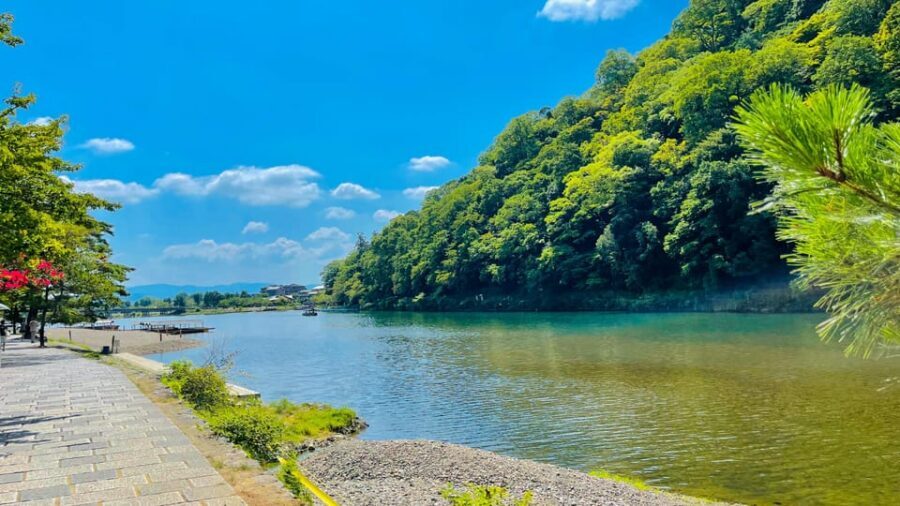
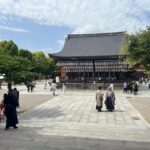
Your Kiyomizu-dera segment includes a photo stop, guided tour, sightseeing, and a walk, plus a class component and scenic views (about 1 hour total). Kiyomizu-dera is where the viewpoints feel dramatic, and having guide context helps you appreciate why the place is set up the way it is.
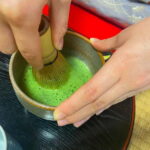
The “class” part is a nice curveball. Even if it’s short, it can shift the day from only watching to briefly participating, which often makes the memory stick longer than another quick temple visit.
Quick practical note: this stop will likely involve stairs or uneven ground. I’d go in with good walking shoes and plan to slow down for the viewpoints.
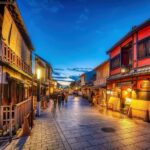
Gion in 45 minutes: photo stops, guided walking, and atmosphere
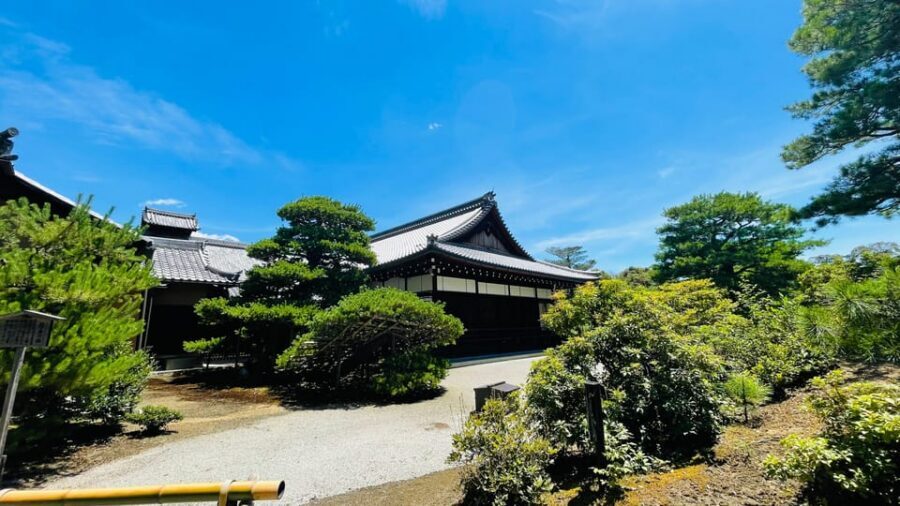
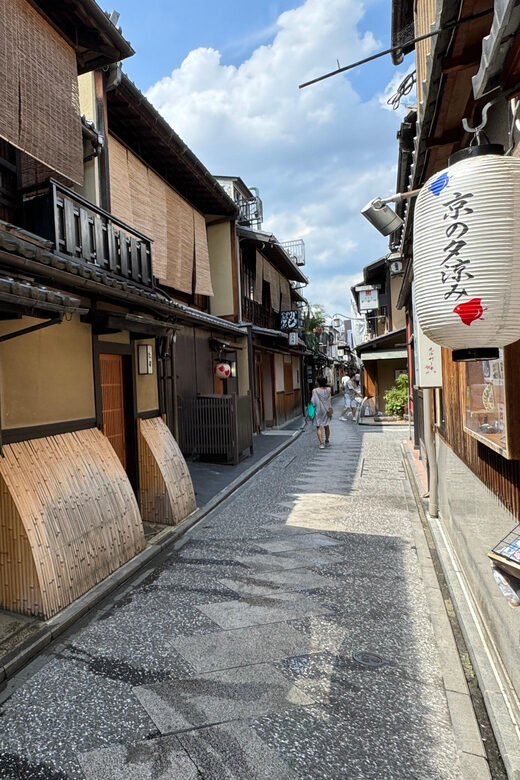
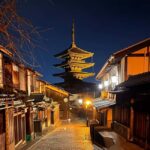
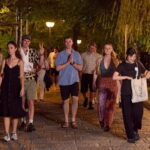
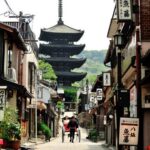
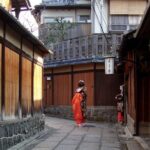
You’ll then head to Gion, with about 45 minutes for photo stop, guided tour, sightseeing, and walking. Gion is famous for its traditional streetscape and the feeling of a different Kyoto era.
With limited time, the guide’s job is to keep you moving to the most worthwhile spots—without turning it into a checklist where you barely notice anything. This is where I’d lean into photo pacing: take your time at a couple of viewpoints, then enjoy the street-level atmosphere without sprinting.
Small reality check: Gion is busy at popular times, so if you prefer quieter walking, ask the guide for slightly different angles and side lanes.
Ginkaku-ji at sunset: evening light and slower temple time
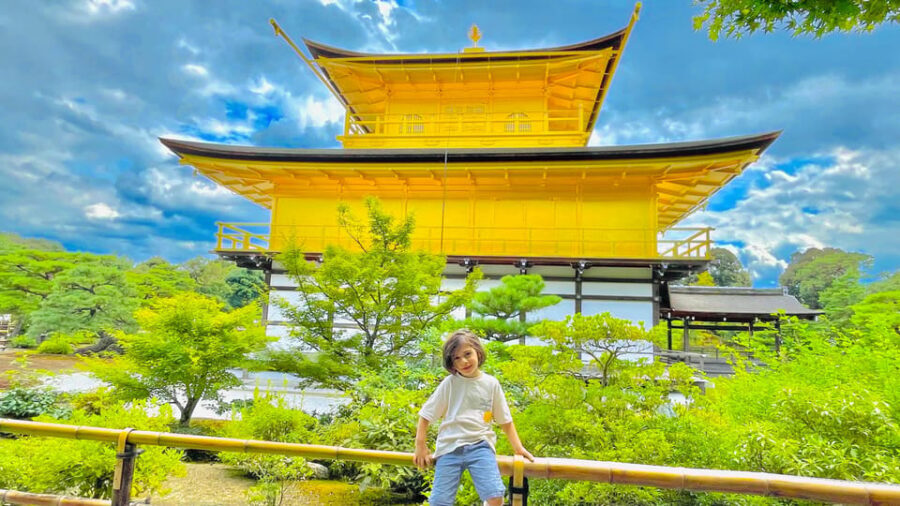
Later in the day, you go to Ginkaku-ji, including photo stop, visit, guided tour, sightseeing, and walking, with time for sunset and scenic views (about 1 hour). Temple light near sunset can be magical, and the schedule is built around that timing.
This stop is best when you slow down. With guided context and a bit of breathing room, you can actually notice details instead of just taking photos and moving on.
Practical tip: if you care about sunset photos, you’ll want to arrive ready—camera charged, layers ready, and your questions queued up early for your guide while you’re still in daylight.
Nishiki Market finish: shopping, a guided walk, and local finds
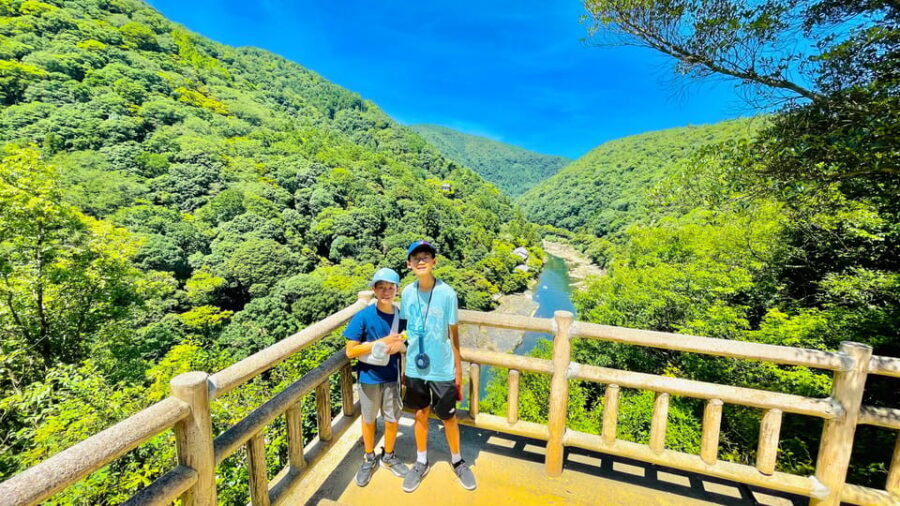
End your day at Nishiki Market for about 1 hour. You’ll have a photo stop, visit, guided tour, and walking, with sunset timing and a class component again.
Nishiki is where Kyoto feels everyday. It’s also where you can turn your day into personal shopping: snacks, small gifts, and items you might not find the same way elsewhere.
Because food and drinks aren’t included, treat this as your flexible zone. Ask your guide what’s worth trying here, or what to skip if you’re sensitive to strong flavors. (And if your guide is someone like Dhanush or Sam—both were praised for helping with practical plans—use that strength to get a lunch or shopping direction that fits your taste.)
How customization works when you want temples, shops, or quieter side streets
The headline promise is that you take the reins of your itinerary, with a private driver-guide translating your interests into a day that feels right for you. In practice, “customizable” means you can steer toward:
- the temples you care about most,
- shopping style (souvenirs vs crafts vs snack stops),
- and even less-crowded side routes.
In the day I’d aim to use that power early. Tell your guide up front what matters most: how many photos you want, whether you prefer more walking or more viewpoints, and whether you want the day to feel fast and efficient or slower and more atmospheric.
Also, ask for help with timing choices. One person’s idea of a perfect day is another person’s long queue headache. A good guide can often reshape your priorities so you hit key sights with fewer interruptions.
Vehicle comfort: air-conditioned rides and the luxury question
The tour includes air-conditioned vehicle and private transportation. That matters in Kyoto because you’ll be in transit between neighborhoods, and summer can be hot and busy.
Still, the one drawback that came up is the mismatch between the marketing of a luxury vehicle and what some people expected versus what showed up (an older Nissan mini van was reported). You don’t have to be a car snob to care about this. Comfort and expectations matter.
If this is your top priority, message ahead and confirm the vehicle type before you lock in your plans. Otherwise, keep your focus on the bigger value: a private day with a guided flow across multiple districts.
Guides and real-world strengths to look for
Your guide can be fluent in English, Hindi, Japanese, and Urdu. That language range is genuinely helpful if your group includes different native languages.
From the way different guides have been described, a few strengths show up again and again:
- Photo help for couples and small groups: some guides were specifically praised for framing shots, including at Arashiyama.
- Professional, calm handling of timing and drop-offs: multiple people called out smooth pickup and reliable transport.
- Flexibility when you change the plan: people enjoyed when the day included extra stops because the route stayed efficient.
- Strong history and on-the-ground context: at least one guide (Dhanush) was singled out for being extremely knowledgeable in how they explained what you were seeing.
If your guide has that photo skill, let them know right away. The best time to request photo help is before you’re at the busiest moment.
What you should plan for: tickets, food, and comfortable walking
Here’s what’s on you vs what’s covered.
Included:
- pickup and drop-off
- English-speaking guide (plus other languages noted)
- air-conditioned vehicle
- private transportation
Not included:
- food and drinks
- entry tickets
Because entry fees aren’t included, I’d set aside a budget for temple/shrine admissions and any special experiences that require separate payment. And for food, plan to stop for lunch on your own with guidance from your driver-guide. The schedule has enough time blocks that a lunch recommendation can work well without wrecking the day.
Also: plan for walking. This is a “see Kyoto” day, not a “sit in a van” day. Comfortable shoes will do more for your enjoyment than any other single item.
Who should book this private Kyoto day tour
This tour is a good fit if you:
- want a one-day overview of major Kyoto highlights,
- prefer private pacing over public transit juggling,
- are traveling in a small group of up to 6 and can split the cost,
- care about learning what you’re seeing (not just collecting photos),
- and want the flexibility to shift toward shopping or side streets.
It’s also suitable for wheelchair access, since the tour is marked wheelchair accessible. If mobility is a concern, tell the guide early so the walking portions can be adjusted.
Should you book it? My quick decision guide
If you’re choosing between a DIY day and paying for a private guided route, I’d lean toward booking this when time matters. The value is strongest when you’ll benefit from:
- a private guide who shapes the day,
- smooth transfers between distant neighborhoods,
- and guided time at each major stop, including Arashiyama, Kinkaku-ji, Fushimi Inari, Kiyomizu-dera, Gion, Ginkaku-ji, and Nishiki Market.
I would hesitate if:
- you’re on a tight budget and won’t split the group cost,
- you strongly need a specific vehicle type (since vehicle expectations may vary),
- or you’d rather skip walking and do a slower, fewer-stop day.
If those points don’t apply, this is a solid way to get Kyoto’s highlights without the stress of planning every transit hop.
FAQ
How long is the Kyoto day tour?
The tour runs for 10 hours.
How much does it cost, and how many people can fit?
It costs $490 per group for a group size of up to 6 people.
Where can you be picked up and dropped off?
Pickup options include Nara, Kyoto, Kobe, and Osaka. Drop-off locations include Nara, Osaka, Kyoto, and Kobe.
What languages does the guide speak?
The live guide is available in English, Hindi, Japanese, and Urdu.
What’s included in the price?
Included are pickup and drop-off, an English-speaking guide, an air-conditioned vehicle, and private transportation.
What’s not included?
You’ll need to budget for food and drinks, and entry tickets are not included.
Is it wheelchair accessible, and are there any rules about alcohol?
Yes, the tour is marked wheelchair accessible. Alcohol and drugs are not allowed.