REVIEW · DESSERT TOURS
Japanese Traditional Sweets ”Nerikiri” making
Book on GetYourGuide →Operated by B.B.Advisors Inc. AN KYOTO · Bookable on GetYourGuide
One bite of Kyoto tradition starts with your hands. This nerikiri workshop turns seasonal wagashi into something you can actually shape, plate, and taste. You’ll follow a clear flow, from basics to two finished sweets.
I especially like that the sweets use white/red bean paste produced by Kyoto’s long-established shops. I also like the hands-on payoff: you make two designs that match the season, then you can eat what you make right there.
One thing to consider: the instruction is Japanese, and while English translation is provided as much as possible, you might want to ask for slower, clearer help if you’re aiming for very exact details.
Key points to know before you go
- Two seasonal sweets: you’ll make flower-shaped nerikiri plus a second style called Kinton nerikiri
- Real Kyoto bean paste: made with white/red bean paste from long-established Kyoto shops
- Eat onsite: you’re welcome to try the sweets, so the workshop isn’t just for show
- Fast, focused timing: about 65 minutes from start to eating and departure
- Close to transit: a 1-minute walk from Gojo Station (Karasuma Line, Exit 1)
- Stairs inside: no elevator, so plan for steps even though the venue is labeled wheelchair accessible
In This Review
- Why Nerikiri Season Matters at This Kyoto Workshop
- What You Actually Make: Flower-Shaped Nerikiri and Kinton Nerikiri
- The 65-Minute Flow: Explanation, Shaping, Photos, and Eating
- Ingredients From Kyoto’s Long-Established Shops
- Eating Onsite: The Part That Actually Feels Worth It
- Location Near Gojo Station: Easy In, Easy Out
- Price and Value: What $11 Gets You (and What Costs Extra)
- Language Style: Japanese Instruction With English Support
- Who This Nerikiri Workshop Suits Best
- Should You Book This Nerikiri Making Experience?
- FAQ
- How long is the nerikiri making experience?
- What do I make during the workshop?
- Is the bean paste included, and where is it from?
- Can I eat the sweets onsite?
- What is the meeting point and how do I get there?
- What languages are offered?
- Is there a lift/elevator in the building?
- What costs are included in the price?
- When can I book, and what are the operating hours?
- Can I get a full refund if I cancel?
Why Nerikiri Season Matters at This Kyoto Workshop
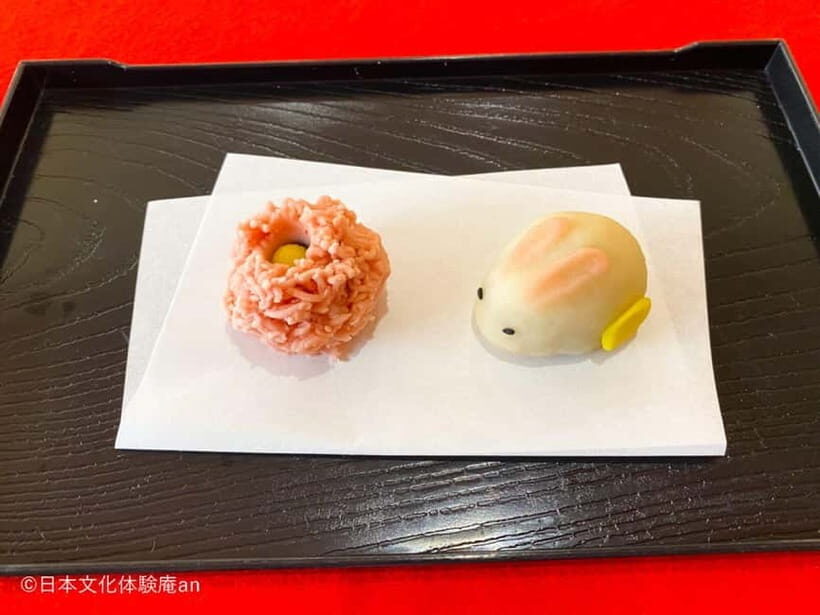
Nerikiri is all about timing. Not just the clock on your schedule, but the season on the plate. Here, you’ll create two seasonal Japanese sweets, so your finished work fits the moment instead of feeling like a generic craft project.
This is also a workshop built for calm progress. You get explanation time, then you shape, form, and refine until your sweets look ready for a photo. The rhythm matters because it keeps the session relaxing, not rushed, and it makes the final plating feel like a real “result,” not a half-finished demo.
If you’re the type who likes to do something hands-on but still wants structure, this format tends to work well. You’re not wandering around trying to figure things out alone. You’ll be guided through the process step by step.
The only real drawback is communication style. The session is Japanese, with English help provided as much as possible. If you’re someone who needs lots of fine-grain instruction to feel confident, be ready to point, ask, and slow things down with your questions.
What You Actually Make: Flower-Shaped Nerikiri and Kinton Nerikiri
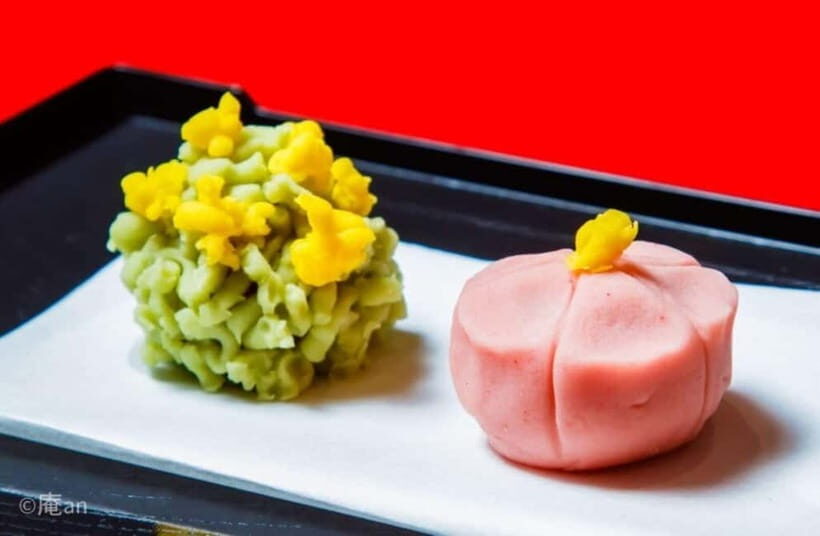
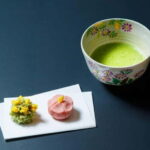
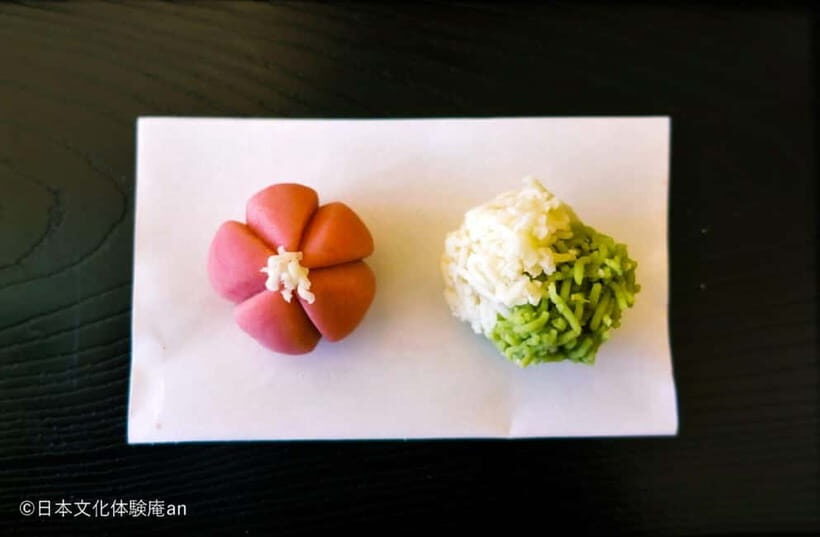
You’ll make two sweets during your session. The first one is a flower-shaped nerikiri, and the second is Kinton nerikiri. Those names aren’t just decorative labels. They signal two different shaping styles, so you’ll practice more than one technique.
The workshop uses white/red bean paste from Kyoto’s long-established shops. That matters because the paste is the core “material” you’ll be working with. When you’re shaping nerikiri, your results depend on how the paste behaves under your hands, and using a serious ingredient source tends to make the process feel more consistent.
You’ll also get a clear sense of completion. Once you place your handmade sweets on a plate, the workshop treats that moment as the finish line—your work becomes art, and then you get to enjoy it.
One practical tip: if you’re traveling with someone who gets frustrated by strict craft tasks, this still can work. The activity is short, guided, and focused on tasting the outcome, which reduces that pressure to be perfect.
You can also read our reviews of more tours and experiences in Kyoto
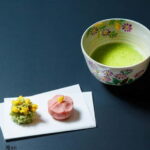
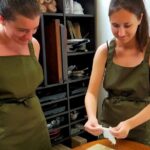
The 65-Minute Flow: Explanation, Shaping, Photos, and Eating
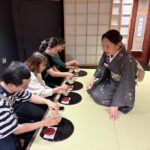
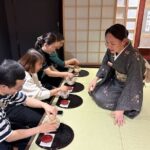
The schedule is designed to keep you moving without feeling rushed. You start with a short explanation about Japanese traditional sweets, then you move straight into making.
A typical run looks like this:
- Start of the experience (about 0 minutes): introduction and explanation
- Flower-shaped nerikiri making: your first hands-on shaping
- Kinton nerikiri making: your second sweet
- Picture time (around 55 minutes): you get a moment for photos once your sweets are plated
- Eating time (around 65 minutes): you can try the sweets onsite
- Room departure: you’ll wrap up and leave after eating
That picture time is more than a nice extra. It gives you a “pause” moment before eating, when you can check how things turned out. It’s also helpful if you want to share your results, or if you’re traveling with family and want the sweets to look their best on arrival.
The eating part is the payoff. Unlike some craft classes where you only take a souvenir, you’re encouraged to enjoy what you make immediately.
One timing note: the venue says they can’t hold the event to accommodate delays. So try to arrive a bit early—especially if you’re navigating Kyoto streets and need a minute to confirm you’re at the right entrance.
Ingredients From Kyoto’s Long-Established Shops
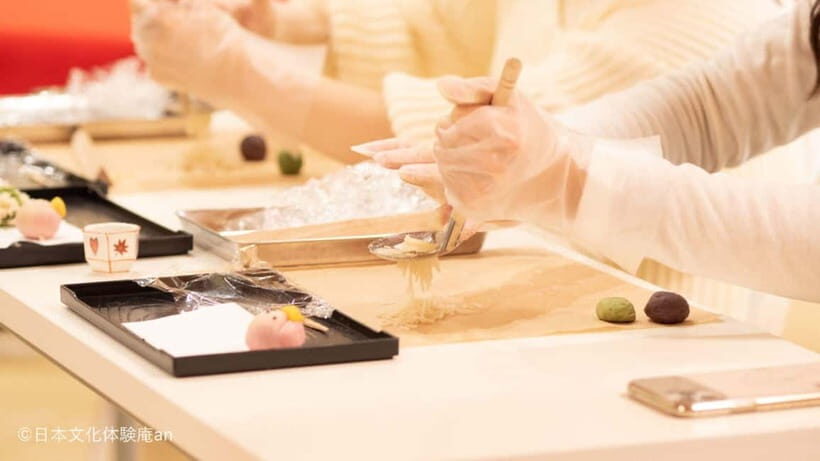
I like workshops that don’t cut corners on materials. Here, the workshop uses white/red bean paste produced by Kyoto’s long-established shops. That’s a meaningful detail because bean paste is central to how nerikiri feels and shapes.
When a workshop uses a reputable ingredient source, it generally helps you focus on technique rather than fighting unpredictable materials. You’re not guessing whether the paste will crumble, crack, or behave oddly. Instead, you can pay attention to forming, shaping, and finishing.
Also, because you’ll make two sweets in one session, you’ll likely notice differences in how each style responds to your touch. That’s the learning: you’re practicing shaping with the same core ingredient, then comparing the results across two designs.
If you’re a foodie, this is one of those experiences where the “craft” is also a flavor experience. You end with tasting your own work, so you can connect what you did with what it tastes like.
Eating Onsite: The Part That Actually Feels Worth It
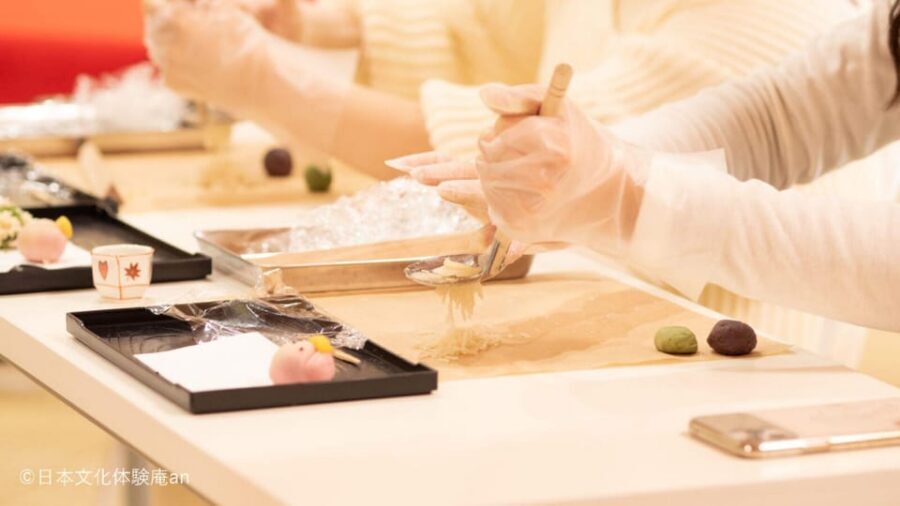
This is one of the most practical reasons to book. The workshop explicitly encourages you to try the sweets and you can eat them on the spot. That turns the experience into a full circle: make it, shape it, plate it, then taste it.
I also like that this isn’t framed as just a photo-op. People often take workshops in Japan to get a souvenir, but if you can eat what you make, the class feels more honest. You’re not paying mostly for packaging or a takeaway box.
Yes, there is a sweets take-out box option for 100 JPY if you want to bring extras. But the main experience is still the onsite taste.
If you’re deciding between a longer class and a short one, this is a strong argument for the short session. You get a satisfying finish in about an hour, and the final reward is edible.
Location Near Gojo Station: Easy In, Easy Out
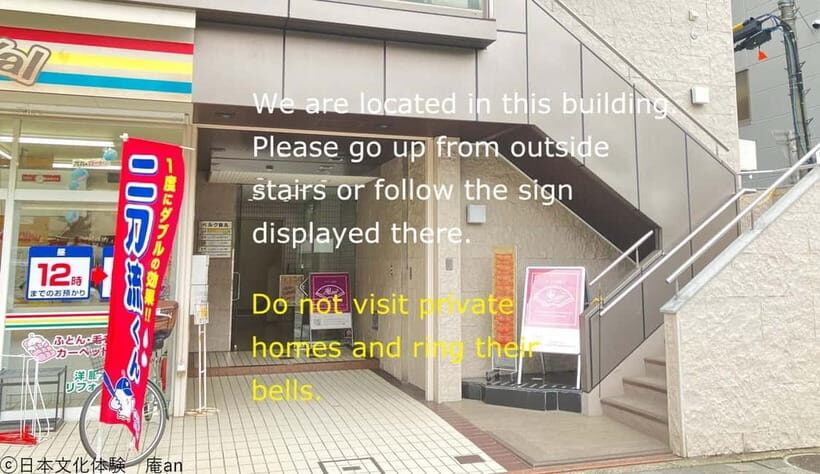
You’ll meet at a spot that’s very easy to use once you’re in the neighborhood. It’s a 1-minute walk from Exit 1 of the Subway Karasuma Line Gojo Station. The store entrance faces the main street, Gojo-dori.
If you like to navigate using a map pin, the provided coordinates are 34.99641932143154, 135.76180263178597. That’s handy if you’re arriving by transit and don’t want to wander.
One logistical detail to plan for: there is no elevator in the building. You’ll need stairs to reach each venue. Even though the activity is described as wheelchair accessible, the lack of elevator is important for anyone who uses a wheelchair or needs step-free access.
Given the short total time, arriving on schedule matters. If you’re tight on your Kyoto day, this workshop’s close transit access is a real advantage.






Price and Value: What $11 Gets You (and What Costs Extra)
At about $11 per person for roughly 65 minutes, this workshop is priced like a practical cultural activity—short enough to fit most travel schedules, and structured enough that you’ll finish with two plated sweets.
Included in the price is the set of nerikiri making. That’s the core value: you’re paying for materials and instruction to create two seasonal sweets, then taste them.
Optional add-ons are clearly listed:
- Sweets take-out box: 100 JPY
- Experience completion certificate: 300 JPY
- Tatedashi matcha: 500 JPY
Here’s how I’d think about it: if you want a souvenir, the take-out box makes sense. If you want to remember it more formally, the certificate is there. If you want a more classic pairing, the matcha is available.
If you don’t need any extras, you can keep it simple and just enjoy the main workshop and onsite sweets.
Language Style: Japanese Instruction With English Support
The session language is Japanese, and the organizers say English translation will be provided as much as possible. If you want to add English translation, you’ll need to contact them.
This is important for your expectations. You may not get fluent, detailed explanations at every step, so your best strategy is to be hands-on and ask questions when something doesn’t make sense. Pointing at what you’re seeing and asking what to do next can work better than trying to translate everything word-for-word.
The workshop is also designed to be learnable through demonstration, not just speech. Since you’re making the sweets yourself, you can follow along visually even when translation is limited.
If you’re traveling with kids or teens, this format can still work well. The activity is short, approachable, and ends with tasting your results, which helps keep energy levels steady.
Who This Nerikiri Workshop Suits Best
This is a good fit if you want a short, hands-on Kyoto experience that ends with something you eat. It’s also a solid choice if you like artsy tasks with structure: you’ll be guided through making two specific seasonal sweets instead of a vague craft.
It may suit different skill levels because the workshop is built around a clear process—explanation, then shaping, then plating and photos. Even if you don’t consider yourself “good at crafts,” you still get a finish you can be proud of.
It’s especially practical if you:
- want a Kyoto food activity that’s not a long full-day commitment
- enjoy working with dough-like textures and forming shapes
- like experiences you can do solo or in a group
- prefer tasting what you make rather than taking home only a package
If you’re someone who needs lots of technical instruction in English, plan to be proactive with questions. The teacher is described as kind and supportive, but English depth may vary.
Should You Book This Nerikiri Making Experience?
Book it if you want a compact Kyoto activity with real results. The strongest reasons are simple: two seasonal sweets, Kyoto-produced bean paste, and the best part—you get to eat what you make.
Skip it or rethink it if:
- you need guaranteed in-depth English instruction at every step
- stairs inside are a problem for you
- you’re the type who can’t handle schedule pressure and might delay arriving
If your goal is a calm, structured, edible craft experience near Gojo Station, this one makes a lot of sense.
FAQ
How long is the nerikiri making experience?
The experience lasts about 65 minutes, including making, picture time, and eating time.
What do I make during the workshop?
You make two seasonal Japanese sweets called nerikiri, including a flower-shaped nerikiri and a Kinton nerikiri.
Is the bean paste included, and where is it from?
Yes. The workshop uses white and/or red bean paste produced by Kyoto’s long-established shops.
Can I eat the sweets onsite?
Yes. You can try and eat the sweets on the spot.
What is the meeting point and how do I get there?
Meet at a location 1 minute walk from Exit 1 of the Subway Karasuma Line Gojo Station. The store entrance faces Gojo-dori.
What languages are offered?
The instructor language is Japanese. English translation is provided as much as possible. If you want to add English translation, you can contact them.
Is there a lift/elevator in the building?
There is no elevator in the building, and you’ll need to take stairs to reach each venue.
What costs are included in the price?
The price includes the nerikiri making set. Optional items include a sweets take-out box (100 JPY), an experience completion certificate (300 JPY), and tatedashi matcha (500 JPY).
When can I book, and what are the operating hours?
Operation hours are 10:00 to 17:00. Reservations received after 17:00 are processed the next day.
Can I get a full refund if I cancel?
Free cancellation is available up to 24 hours in advance for a full refund.