REVIEW · DESSERT TOURS
Kyoto: Traditional Tea Ceremony with Matcha & Sweets in Gion
Book on GetYourGuide →Operated by Japan Wonder Travel · Bookable on GetYourGuide
A quiet cup can teach you a lot, fast. In Kyoto’s Gion, this tea ceremony keeps the tradition intact while making it comfortable with chair seating, so you can focus on the details. I really like the close-up way you watch the tea master work, and I also like that you get hands-on matcha whisking instead of just watching. One thing to consider: because matcha is caffeinated, it’s not a great fit for children under 5.
This experience also hits a sweet spot between elegant and friendly. You’ll get stories about tea, you’ll taste traditional sweets, and you’ll leave with a simple recipe to recreate the ritual later. If you’re short on time, the lesson still works because it’s built as a clear, guided session rather than a long performance.
In This Review
- Quick take: what makes this Kyoto matcha lesson worth your time
- Tea Ceremony in Kyoto’s Gion: the relaxed way to learn matcha
- Why chair seating matters more than you think
- The atmosphere: elegant without the museum attitude
- Up close with the tea master’s techniques
- Japanese sweets: the palate lesson you won’t get on your own
- Making your own bowl of matcha: hands-on, step-by-step
- Zen philosophy in plain language: what you can actually take home
- Q&A with the tea master: the fastest way to clear up confusion
- Timing and logistics in Kyoto: how to plan your day
- Optional kimono experience: how the fixed times work
- Price and value: what $22 buys you in real terms
- Who this Kyoto matcha ceremony is best for
- Quick prep tips before you go
- Should you book this tea ceremony in Gion?
Quick take: what makes this Kyoto matcha lesson worth your time
- Chair seating in Gion: less strain, more calm focus
- Watch + make: you observe the process up close, then make your own bowl
- Tea history with Zen context: not just facts, but meaning
- Local sweets and matcha pairing: you learn the balance, not just the taste
- Take-home recipe: practice after your trip
- English guidance with small group size: easy questions, no rush
Tea Ceremony in Kyoto’s Gion: the relaxed way to learn matcha
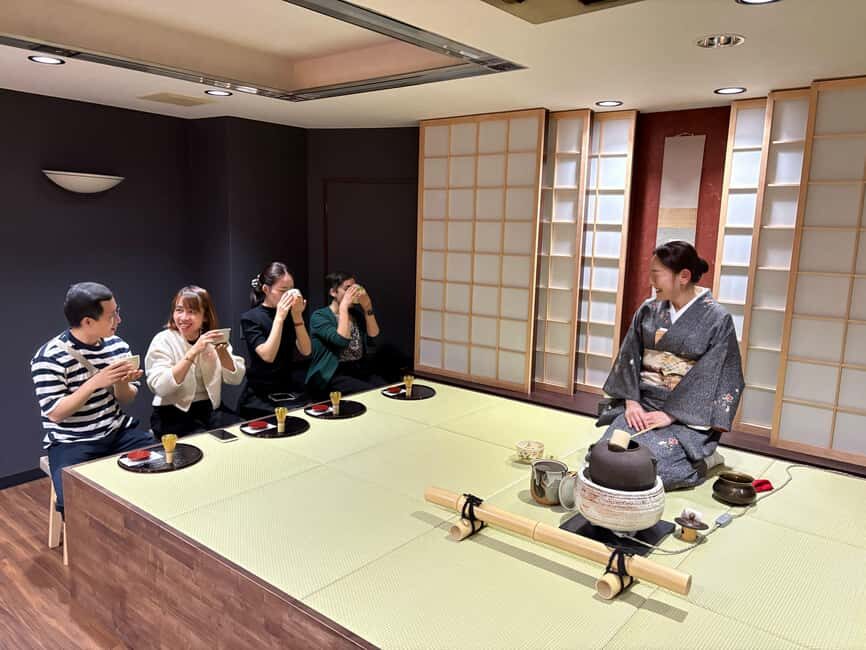
Kyoto’s Gion district has a way of slowing your pace down. Even before the teacups come out, the vibe helps: you step into a quiet space where the goal is not to impress you, but to explain what’s happening and why it matters. This tea ceremony is designed with that exact mindset—tradition with comfort, so you can actually pay attention.
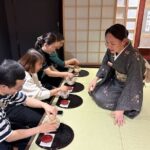
The biggest win here is the chair seating. Traditional ceremonies often mean sitting on the floor, which can be tough even for healthy adults after a day of walking. With chairs, you don’t have to spend your time negotiating your legs. That changes everything. You can relax your shoulders, sit still for the steps, and notice the small movements that make tea ceremony feel like an art.
You also get a clear structure: first you watch, then you participate. That’s the difference between a passive cultural show and a lesson you can use later. The session is guided in English, and it’s offered as a small group experience, so it stays personal enough for questions.
You can also read our reviews of more tours and experiences in Kyoto
Why chair seating matters more than you think
Tea ceremony might look simple—water, powder, whisk, cup. But the ceremony is timed and deliberate, and your body position affects how comfortable you can stay. Sitting on tatami can be fine for some people, yet it’s also the reason many visitors feel tense. When you’re tense, you miss the point.
With this format, you’ll use chairs rather than floor seating, which keeps the atmosphere serene instead of stressful. It also means the experience is easier to enjoy if you have limited mobility, or if you just know your knees and ankles don’t love the floor after a full day in Kyoto.
A final practical note: the experience also makes sense for different ages with clear rules. Infants and toddlers are free, but they don’t get their own matcha to make. If they want to participate, they must use their parent or guardian’s matcha cup, and matcha is not recommended for children under 5 because it’s high in caffeine.
The atmosphere: elegant without the museum attitude
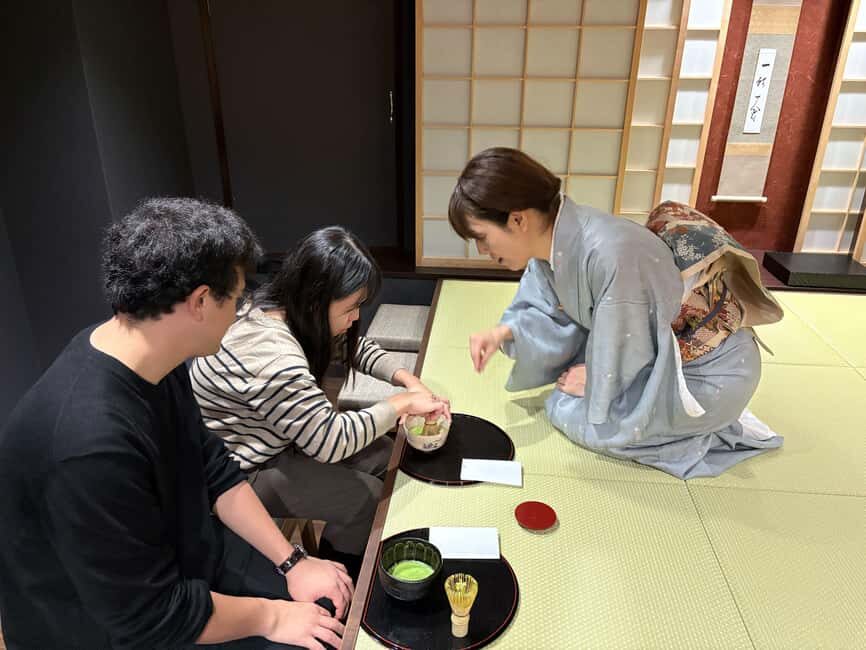
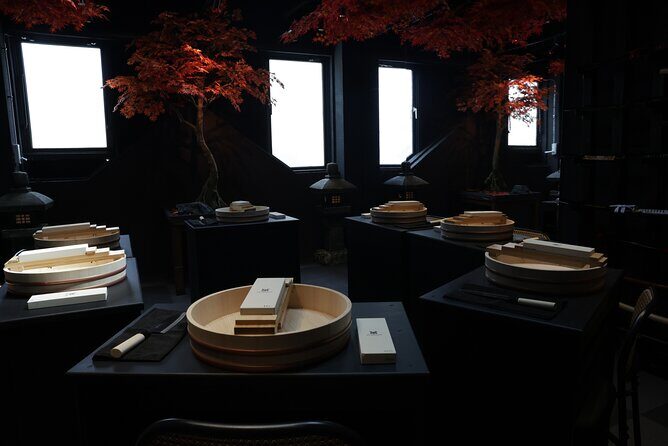
Some “traditional” experiences go so formal you spend the whole time worried about doing something wrong. This one aims for the opposite. The goal is calm, respectful, and welcoming—more like being invited into someone’s craft than being graded on manners.
You can expect quiet attention from the tea master, including story moments about tea’s history and the philosophy behind the ceremony. The Zen influence is explained through the way the steps are performed and the way the room is held in silence. You’ll notice that the ceremony doesn’t rush. Even the pacing of pouring and whisking feels like it has a rhythm.
If you’re the type who likes culture with a human voice, you’ll probably feel at ease. In one session, the host named Mai was described as approachable and passionate, and that kind of warmth fits this style of teaching—clear, friendly, and focused on helping you understand what you’re seeing.
Up close with the tea master’s techniques
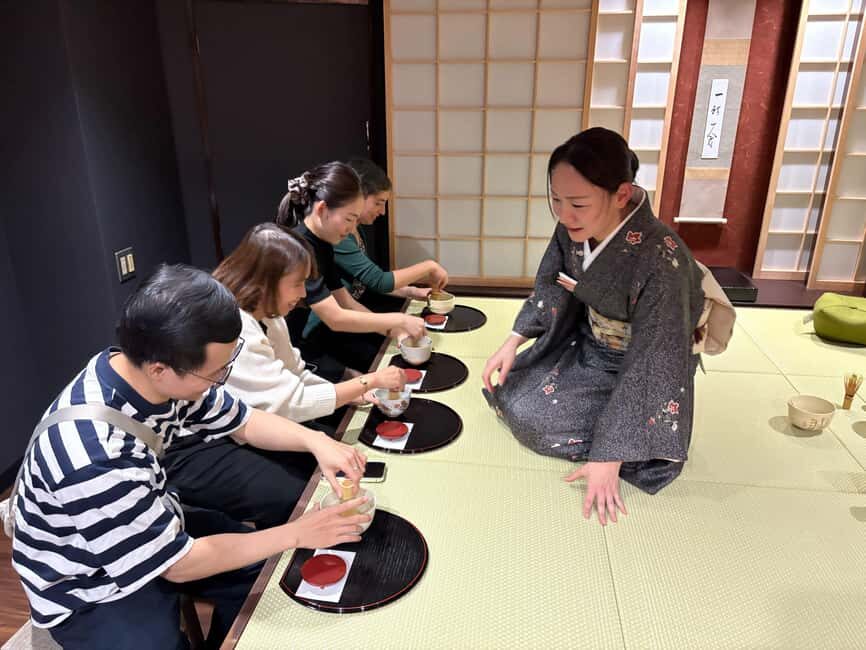
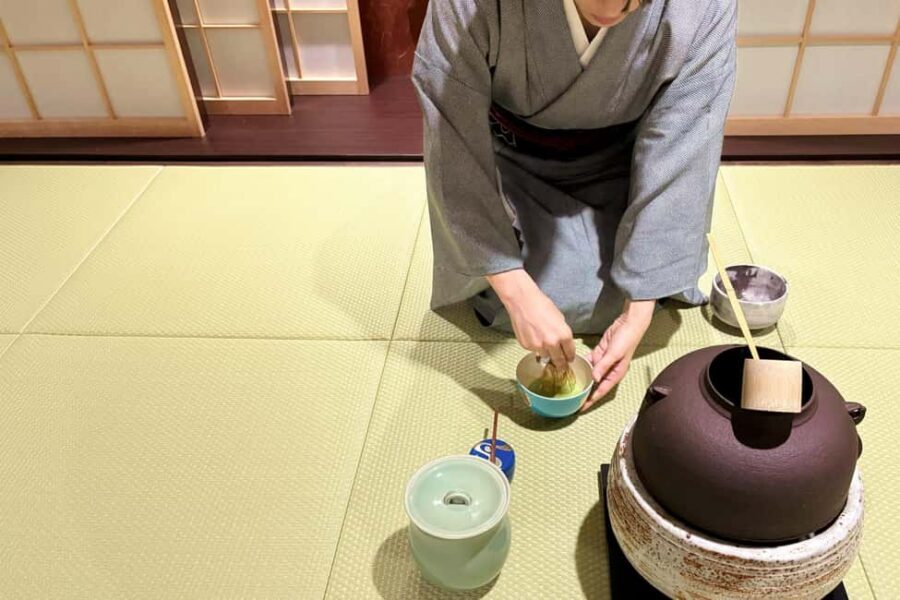
Watching the tea ceremony live is the part that changes your understanding the fastest. From the seating area, you’ll be able to observe the process up close, which is where the craft shows itself. The tea master’s movements are subtle: whisking technique, handling of utensils, and the timing between steps.
This is also where you learn that matcha isn’t just “green powder in a cup.” It’s a specific kind of tea, prepared with care so you can taste it properly. You’ll get guidance on what to look for while the tea master works, so you know what the different steps are trying to achieve.
You’ll also hear explanations tied to the history of tea and the tea ceremony. That context makes the ritual feel less like tradition for tradition’s sake. It becomes a way of paying attention—slow, precise attention.
Japanese sweets: the palate lesson you won’t get on your own
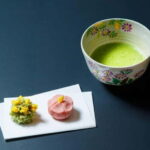
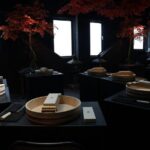
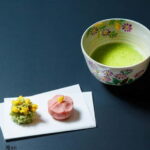
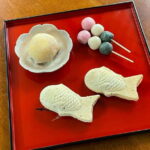
The second half of the experience shifts from technique to taste. You’ll enjoy Japanese traditional sweets selected by the tea master, described as coming from long-established confectioners. The point isn’t just dessert. It’s balance.
In matcha culture, sweets often help you experience the tea’s flavor in a more complete way. The sweetness changes what you notice—bitterness, smoothness, aroma. After tasting the sweets alongside the tea, it becomes easier to understand why matcha preparation is treated like a craft rather than a shortcut.
If you’re used to Starbucks-style sweet matcha drinks, this will feel different. The goal is gentler, more intentional harmony between tea and sweetness—one doesn’t overpower the other.



Making your own bowl of matcha: hands-on, step-by-step
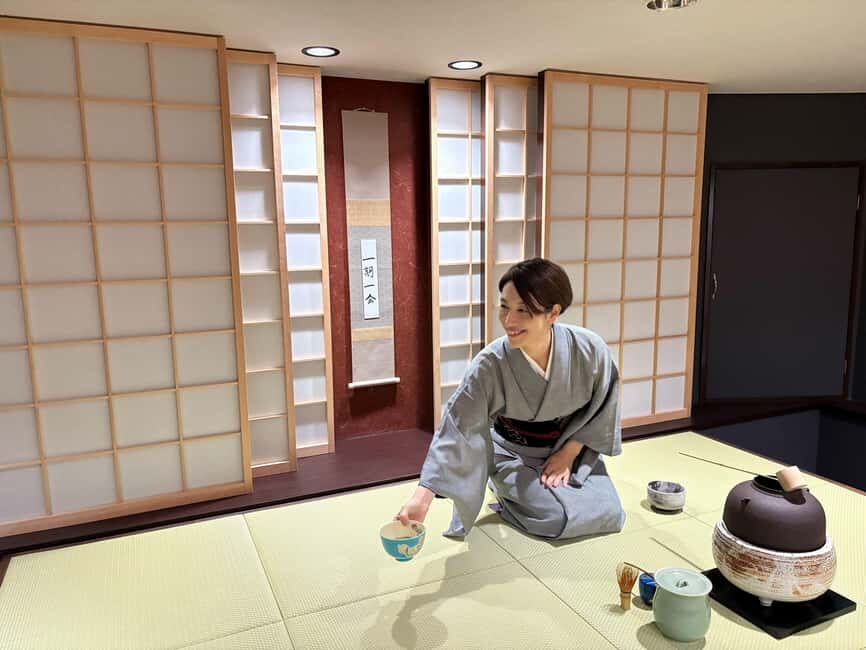
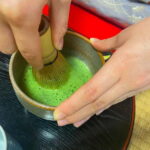
This is where the tour stops being a show and becomes a skill. After you watch the tea master, you’ll make your own bowl of matcha, using matcha powder sourced from a family-run tea farm. You’ll get guidance for making matcha, so you’re not left guessing.
One helpful detail to listen for is whisking technique. The way matcha is mixed affects texture and the overall drinking experience. In previous sessions, people mentioned learning how to properly mix quality matcha into bubbles. That’s a good clue: you’re not just adding powder—you’re building the drink’s texture.
You’ll also learn the basics in a way you can repeat later, which is why the take-home component matters. You’re given a simple recipe so you can recreate the matcha experience after you leave Kyoto.
Practical tip: if you’ve got sensitive taste, go slow during your first few sips. Matcha can taste strong compared to sweetened drinks. Give it a moment, then adjust your pace to what you’re experiencing.
Zen philosophy in plain language: what you can actually take home
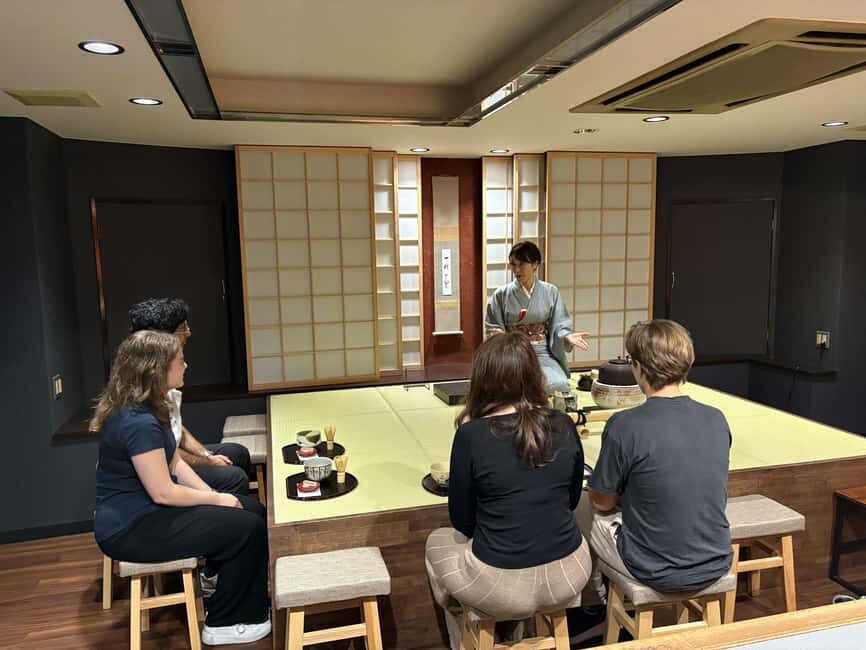
Tea ceremony is connected to Zen ideas, but you don’t need to study philosophy to get value from this lesson. You’ll hear how Zen influences the tradition, and it shows up in real behavior: calm hands, focused timing, and respect for the moment.
Think of it like mindful cooking. You’re not trying to be spiritual. You’re learning to pay attention. When you watch each step carefully—how the tea master handles tools, how the tea is prepared—you start noticing details you would normally miss.
That’s useful on travel days, too. If you’ve been walking hard for hours, this kind of pause resets your head. It’s culture that changes how you feel in your body, not just what you photograph.
Q&A with the tea master: the fastest way to clear up confusion
At the end, you’ll have a Q&A with the tea master. This matters more than it sounds. People often leave tea experiences with a lot of half-answered questions: Why does it taste different from other matcha? What’s the difference between whisking styles? How do people choose sweets?
With Q&A built in, you can ask what you actually want to know. The session is also in English, so you can get direct answers rather than translating in your head.
This is a good moment to ask practical questions too: how to keep matcha tasting good, what to watch for when whisking, or what changes when the tea is prepared differently.
Timing and logistics in Kyoto: how to plan your day
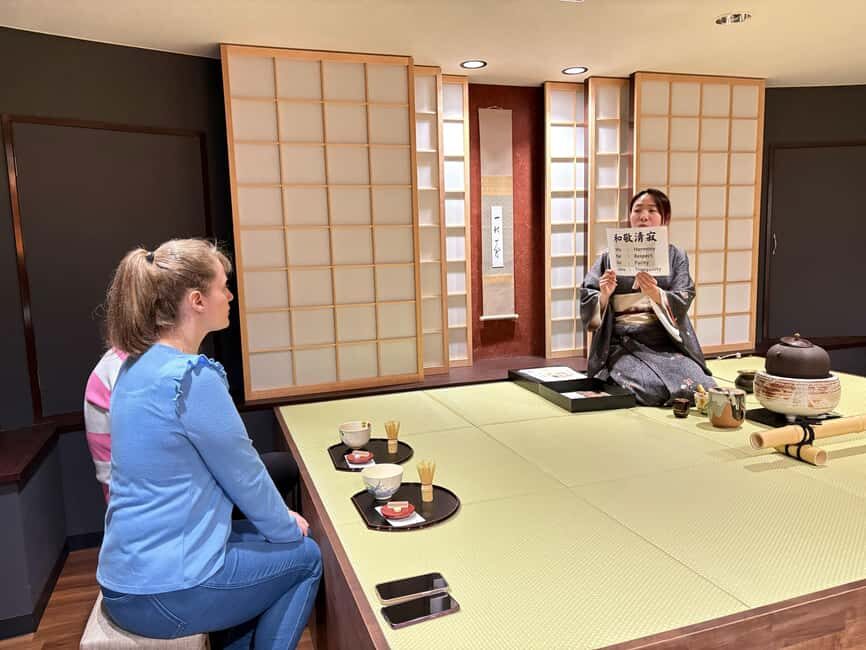
The ceremony runs from 1 hour to 150 minutes, depending on the option and schedule you select. That range is worth planning around. If you’re on a tight itinerary, choose a start time that still gives you breathing room before and after.
Meeting point can vary depending on the option booked, so check your specific instructions when you confirm. Once you’re there, expect a small-group environment where the pace stays calm but purposeful.
Also remember: this is matcha. If you’re sensitive to caffeine, consider how it fits into your day. For adults, a tea ceremony can be a pleasant afternoon event. For kids under 5, matcha is not recommended due to caffeine content.
Optional kimono experience: how the fixed times work
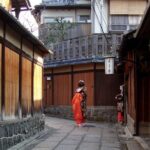
If you want kimono photos, there’s a kimono option paired with the tea ceremony. The process works like this:
- Go to the Kimono Rental Wargo Gion store (you’ll find the Google map pin on the 5th floor).
- After changing into your kimono, walk to the meeting point on your own and arrive about 10 minutes before the tea ceremony starts.
- Your tea ceremony time is fixed based on your kimono start time.
Here’s the schedule mapping:
- If you select 11:00 for kimono, attend the 12:30 tea ceremony.
- If you select 12:00 for kimono, attend the 14:00 tea ceremony.
- If you select 14:00 for kimono, attend the 15:30 tea ceremony.
And one more thing: after the tour, return the kimono by 5:30 pm. That last deadline is easy to forget when you’re enjoying Gion strolls, so plan your afternoon with enough buffer.
Price and value: what $22 buys you in real terms
At $22 per person, this is priced like an activity, not a souvenir shop experience. The real value is in what’s included:
- A matcha drink prepared with matcha powder from a local tea farm
- Guidance for making matcha, plus tea history taught by the tea master
- A simple recipe for matcha so you can repeat the experience after your trip
- Traditional Japanese sweets selected for the ceremony
You’re paying for instruction plus the ingredients and utensils involved in the lesson. You’re also paying for the “watch up close” access—being near the tea master is part of the experience, not just background.
If you’re in Kyoto for a short stay and want one matcha activity that feels authentic and usable later, this is a strong match. It’s also one of those rare cultural activities that doesn’t require you to already know anything. You learn in a friendly environment, with chairs and English guidance.
Who this Kyoto matcha ceremony is best for
This is a great pick if you want:
- A first-time introduction to tea ceremony that doesn’t feel intimidating
- Hands-on matcha making with clear guidance
- A slower, calmer cultural moment inside a busy sightseeing area
- A format that works well if you’re not comfortable sitting on the floor
It also makes sense for couples and small groups who want shared attention without loud chaos. If you’re traveling with someone who likes hands-on crafts, this will likely land well.
If you’re a hardcore tea enthusiast looking for extremely technical training only, you might find this style less advanced. But for most people, the blend of watching, making, and explanation hits the sweet spot.
Quick prep tips before you go
A few practical moves will help you enjoy the session more:
- Wear comfortable clothes. You’ll be sitting still for a bit, and chairs still help, but comfort matters.
- If you’re doing kimono, plan your walk time. You’ll need to arrive about 10 minutes early after dressing.
- If caffeine is a concern, take it seriously. Matcha is high in caffeine, and children under 5 shouldn’t have it.
And come in with one simple mindset: the goal is to notice. The best part of tea ceremony isn’t the cup. It’s the attention.
Should you book this tea ceremony in Gion?
I’d book it if you want a matcha experience that’s easy to enjoy in your body, not just interesting to watch. The chair seating, hands-on matcha making, and take-home recipe make it feel practical. Add the English instruction, the small group format, and the Q&A with the tea master, and you get real value for a reasonable price.
Skip it only if you strongly prefer floor-only traditional setups or if you’re very caffeine-averse. Otherwise, this is exactly the kind of Kyoto activity that turns culture into something you can remember and repeat.