REVIEW · ARASHIYAMA TOURS
Arashiyama’s Best Vegan Ramen & Gyoza Class
Book on Viator →Operated by Kyoto green cuisine · Bookable on Viator
Ramen in Arashiyama can change your cooking habits. This vegan ramen and gyoza class goes way beyond vegan-marketing: it’s built around deep flavor, from-scratch broths, and a method you can repeat at home.
I like two things right away: the focus on a serious secret umami broth using kombu, shiitake, and Kyoto vegetables, and the chance to make crispy gyoza yourself instead of just eating something pre-made. The only real thing to think about is the host’s home includes a dog, so animal allergies are a deal-breaker.
In This Review
- Key things that make this class worth your time
- Arashiyama’s vegan ramen class is built for flavor, not labels
- Price and value: is $65.15 worth it?
- Getting there: Arashiyama Station is your anchor point
- Inside the kitchen: aprons, tea, and a real cooking lesson
- The secret umami broth: dashi-free but still deeply savory
- Two ramen broths: learning what changes the bowl
- Gyoza: from dough work to crispy results
- Lunch or dinner: you cook and you eat the same day
- What about allergies and the dog in the home?
- What you take home: recipes that actually help
- Who this class is perfect for (and who should skip)
- Should you book this vegan ramen and gyoza class in Arashiyama?
- FAQ
- Where does the class start?
- How long is the cooking class?
- What does the class include?
- What do you make during the class?
- Is the ramen broth dashi-free?
- Are gluten-free options available?
- Is it a group tour or private?
- Is it allergy-friendly for people with pets?
Key things that make this class worth your time

- 100% plant-based and dashi-free broth approach that aims for real umami depth
- Two ramen broths taught from scratch, so you taste how small changes change everything
- Kombu + shiitake + Kyoto vegetables as the flavor backbone
- Crispy gyoza from start to finish, with hands-on cooking (not a lecture)
- You cook and eat together during either lunch or dinner reservations
- Recipes included, so you’re not leaving with memories only
Arashiyama’s vegan ramen class is built for flavor, not labels
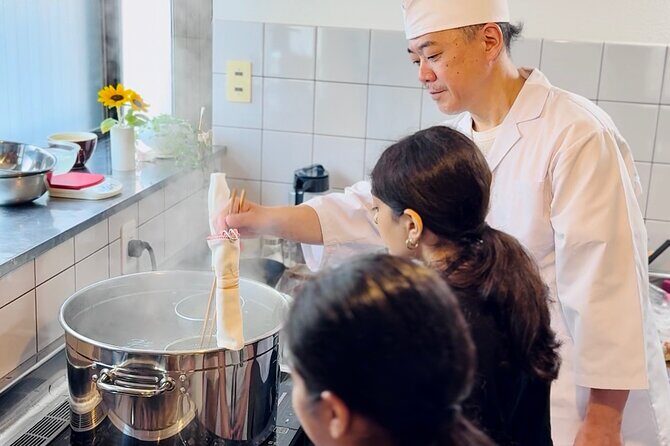
Kyoto has a reputation for refined food, but this experience makes a sharper promise: it’s not trying to be a compromise. The whole class is set up around one idea—if you’re going to do vegan ramen, it should be satisfying to meat-lovers too.
What I find especially interesting is the teaching philosophy. The broth isn’t treated like a sad substitution. It’s treated like the main event. You start with ingredients that bring complexity naturally, then you layer and build until it tastes like it belongs in a serious ramen shop.
You can also read our reviews of more tours and experiences in Kyoto


Price and value: is $65.15 worth it?
At $65.15 per person for about 2 hours, this is in the range where you want the class to feel hands-on, ingredient-focused, and worth doing once. Here’s why it likely makes sense for you:
- You get food (lunch or dinner) as part of the experience, not a tiny tasting.
- You learn to make two kinds of ramen broth plus crispy gyoza from scratch. That’s more cooking time than many short workshops.
- An English-speaking instructor guides you through the steps, and you get recipes to take home. Recipes matter. Without them, a lot of cooking classes become a food memory that fades.
- It’s a private tour/activity, so your group isn’t sharing elbow room with strangers. That’s a big value piece if you care about asking questions or moving at your own pace.
If you’re the type who likes ramen broth science—how umami builds, what to do with ingredients, and how texture changes—you’ll feel like you paid for coaching, not just a meal. If you only want a quick snack, the time might feel like too much.
Getting there: Arashiyama Station is your anchor point
You start at Arashiyama Station in Kyoto, and the activity ends back at the meeting point. That’s helpful because Arashiyama is a popular area and you won’t need a complicated plan to meet up.
The class is described as a mobile ticket experience, and you’ll receive confirmation within 48 hours depending on availability. The practical takeaway: if your Kyoto itinerary is tight, book soon. The schedule is often taken ahead—on average it’s booked about 11 days in advance—so waiting until the last minute can narrow your options.
Inside the kitchen: aprons, tea, and a real cooking lesson
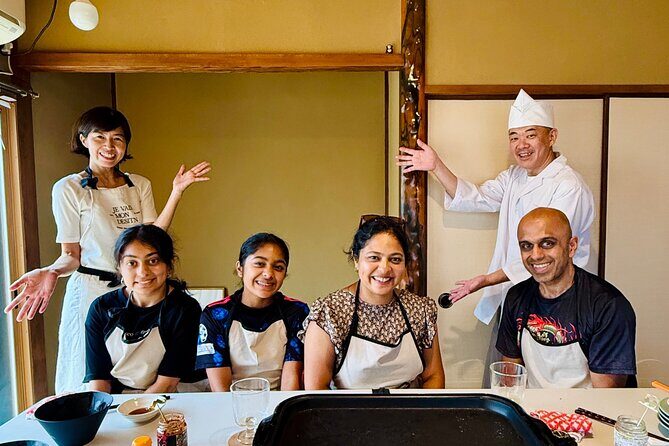
This is held in a home-kitchen style setting, and the tone is relaxed but structured. You’re given aprons and towels, plus bottled water and tea are available freely. That sounds minor, but it matters when you’re cooking—no scrambling for drinks, and you can focus on the steps.
Because it’s a private class, you’re not just watching. You’re working. You’ll be coached through the process as you go, which is the difference between memorizing a list and actually learning how to cook ramen broth and gyoza.
The secret umami broth: dashi-free but still deeply savory
This class is all about broth. Not toppings. Not noodles-first. Broth-first.
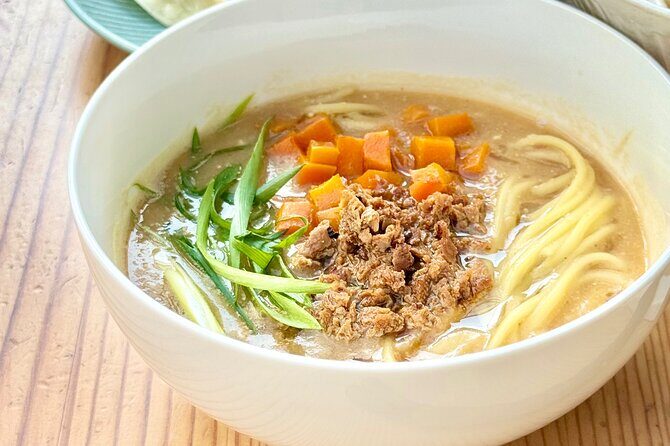
The method is 100% plant-based and explicitly dashi-free. Instead, you build umami using kombu (kelp), shiitake, and fresh Kyoto vegetables. The point is to replace the typical dashi flavor with a layered approach that still reaches that rounded, savory depth people chase in ramen.
If you’ve ever had vegan food that tastes like something is missing, this is trying to fix the source problem: umami concentration and balance. The instructor guides you through how the ingredients work together, so you end up with a broth that doesn’t feel thin or apologetic.
Practical tip for your mindset: treat this like broth-making, not like vegetable soup. The technique and time you give the ingredients are where the class earns its keep.
You can also read our reviews of more tours and experiences in Kyoto




Two ramen broths: learning what changes the bowl

One of the most valuable parts is that you make two types of ramen broth. That’s not just extra food—it’s a lesson you can reuse later.
When you taste two broths side by side, you start to understand how ramen character comes from small shifts. Even if the ingredients overlap, the final flavor profile can land very differently depending on how you layer and finish the broth.
I like this format because it teaches you to think like a cook. You’re not only following steps. You’re noticing what you did and how it showed up in the bowl. That makes your future ramen attempts more confident.
Gyoza: from dough work to crispy results
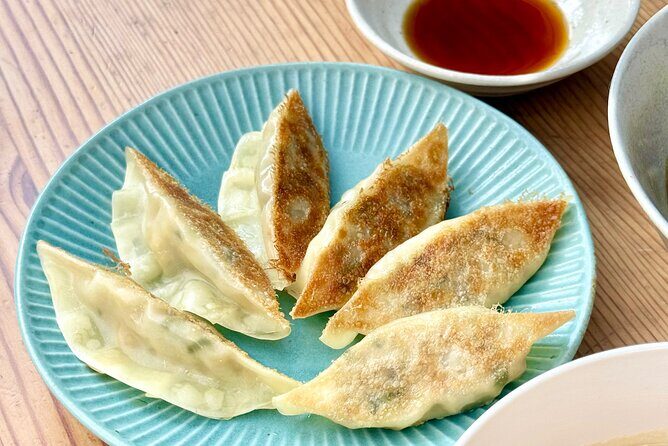
After broth-building, the class moves into gyoza, with the goal of crispy gyoza. Even if you’ve folded dumplings before, Japanese gyoza technique usually rewards attention to small details—how you portion, shape, and cook.
The “crispy” part matters. Many dumplings are fine but not memorable. Crisp gyoza is different: you want texture contrast. The class structure puts you on the path to get that right, so you’re not stuck with soft or uneven results.
This is also where the hands-on element really kicks in. Broth is mostly waiting and monitoring. Gyoza asks for action.
Lunch or dinner: you cook and you eat the same day
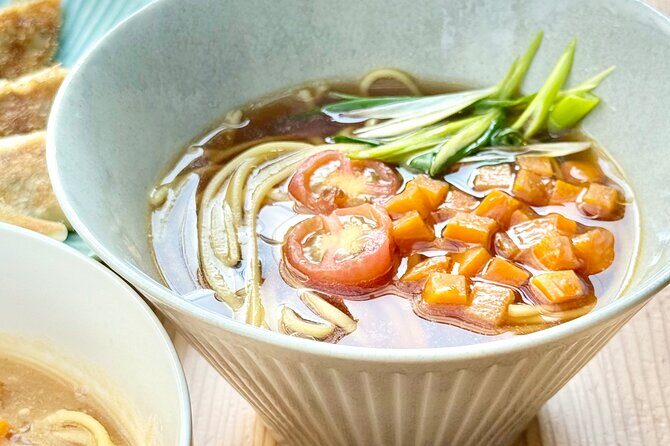
Your reservation time changes the meal format, but the structure stays consistent: you cook and eat with us during either lunch (lunch reservations) or dinner (evening reservations).
This matters because ramen and gyoza are best when everything is made fresh. You’ll avoid that awkward “here’s your class, and then you’ll eat later after it cools” feeling. The class is set up so you get to taste what you made while it still has the right energy—warm broth, proper gyoza texture, and a finished bowl experience.
What about allergies and the dog in the home?
The class notes two important allergy considerations.
First, the home has a dog, and it says the experience is not recommended for people with animal allergies. If that’s you, don’t gamble.
Second, if you have food allergies, you should tell the provider in advance. That’s the practical move if you’re allergic to common ingredients. The class includes both ramen broth ingredients and gyoza components, so accurate planning matters.
Also helpful: the class says there are gluten-free options available. If you need gluten-free, plan ahead so the instructor can guide you with the right approach.
What you take home: recipes that actually help
A cooking class is only as good as what you can recreate later. This one includes cooking recipes, and that’s a real advantage.
Even if you never make gyoza again, the broth method is something you can adapt. Dashi-free plant-based ramen can be hard to nail at home—mostly because umami is tricky—so the recipes are your safety net for future attempts.
Think of it as you buying a blueprint. You’re not just paying for the meal today.
Who this class is perfect for (and who should skip)
This experience fits you best if:
- You care about ramen flavor and want to understand how umami is built, not guessed
- You want a hands-on class in Arashiyama, a classic Kyoto area
- You like cooking with clear steps and an English-speaking instructor
- You want gluten-free options if you need them
- You’d enjoy a private, organized session rather than a large group event
You might want to skip if:
- You have animal allergies due to the dog in the home
- You’re mainly looking for sightseeing, not cooking
- You want a long course. This is about 2 hours, so it’s not a full day commitment
Should you book this vegan ramen and gyoza class in Arashiyama?
My honest take: if you want ramen that tastes like ramen, this class is a smart use of time. The focus on dashi-free but deep-flavored broth, plus learning two broths and making crispy gyoza, makes it feel like you’re learning real technique rather than just collecting a novelty meal.
Book it if your schedule allows and you can handle a home-kitchen setting (including the dog note). If you’re gluten-free, put your needs in writing early so you get the right option.
And one more practical thought: because it’s private and recipe-included, it’s also a solid choice if you’re traveling with someone who enjoys cooking and asking questions. You’ll leave with more than satisfaction—you’ll leave with a method you can repeat.
FAQ
Where does the class start?
It starts at Arashiyama Station in Kyoto, Japan, and the activity ends back at the meeting point.
How long is the cooking class?
The experience lasts about 2 hours.
What does the class include?
You’ll cook and eat either lunch or dinner with the instructor. It also includes aprons and towels, bottled water/tea, an English-speaking instructor, and cooking recipes.
What do you make during the class?
You’ll make two types of rich ramen broth and crispy gyoza from scratch.
Is the ramen broth dashi-free?
Yes. The class notes the broth is 100% dashi-free and plant-based.
Are gluten-free options available?
Yes, the experience notes that gluten-free options are available.
Is it a group tour or private?
It’s a private tour/activity, so only your group participates.
Is it allergy-friendly for people with pets?
The class states the home has a dog and recommends it is not suitable for people with animal allergies. If you have food allergies, you should notify the provider in advance.