REVIEW · COOKING CLASSES
Kyoto Ramen & Gyoza Cooking Class with Professional Chefs
Book on GetYourGuide →Operated by MagicalTrip · Bookable on GetYourGuide
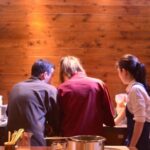
Making ramen in Kyoto is a hands-on shortcut to real food culture. In this Kyoto ramen and gyoza cooking class, you knead, cut, wrap, and plate—then sit down to eat what you made.
I especially like two things: you learn ramen noodles from scratch (not just assembling toppings), and the class stays small—limited to 8 participants—so the chef and English-speaking local guide can keep an eye on what you’re doing.
One heads-up: this experience isn’t set up for vegetarian, vegan, or gluten-free diets, and allergy-free meals aren’t guaranteed since food is prepared outside the MagicalTrip kitchens.
In This Review
- Key highlights I think you’ll care about
- From Scratch Ramen in Kyoto: What You Actually Make
- Price and Value: Why $83 Makes Sense Here
- Meeting Point at Latitude 35° Story Monument: Finding Your Orange Board
- The 150-Minute Flow in Plain English: Noodles to Dumplings to Fried Rice
- Step 1: Ramen noodle work (knead, cut, top)
- Step 2: Gyoza wrapping (your dumplings, your shapes)
- Step 3: Fried rice cooking (heat and seasoning practice)
- Step 4: Eat what you made, with drinks
- Drinks Pairing: Beer, Sake, or Soft Drinks
- The English Guide Factor: Why Translation Changes Everything
- Small Group Comfort: Why Max 8 People Feels Different
- Ramen History Notes You’ll Hear (Before the First Bowl)
- Recipes and Photos: The Part You’ll Appreciate Back Home
- Who Should Book This Kyoto Ramen and Gyoza Class
- Should You Book This Class Before You Leave Kyoto?
- FAQ
- What dishes will I make in this Kyoto class?
- How long is the cooking class?
- What language is the instruction in?
- Are drinks included, and what can I choose?
- Do I get recipes to use at home?
- How many people are in the group?
- Can the class accommodate vegetarian, vegan, or gluten-free diets?
Key highlights I think you’ll care about
- Pro-chef instruction while you make ramen, gyoza, and fried rice from scratch
- Small group size (max 8) for more time at the stations
- Two included drinks: beer, sake, or soft drinks
- Take-home recipes so you can recreate the flavors later
- Tour photos sent by email right after the class
- English guidance through the cooking steps, not just a brief talk
From Scratch Ramen in Kyoto: What You Actually Make
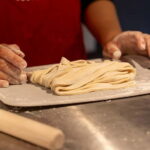
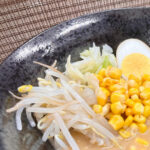
This isn’t a show-you-then-send-you kind of class. You’ll work through the core ramen steps: kneading and cutting the noodles, then adding toppings that turn plain dough into a real bowl you’d actually order.
What makes it feel authentic is that you’re learning how the parts connect. When you knead well, the texture of the noodles changes. When you cut evenly, the noodle bite gets more consistent. And when you top it with the right balance, your bowl tastes like it belongs in Japan—not like a kitchen experiment.
Then you roll right into gyoza. You’ll wrap your own gyoza, and the end result is usually what you’re hoping for: dumplings with a crisped exterior and a filling that’s seasoned enough to stand up to beer or sake.
The third dish is fried rice, rounding out a classic Japanese home-meal trio. It’s also helpful because fried rice is a great way to practice heat control and seasoning without needing advanced cooking skills.
You can also read our reviews of more cooking classes in Kyoto

Price and Value: Why $83 Makes Sense Here
At $83 per person for 150 minutes, you’re paying for more than ingredients. You’re buying three things that are expensive to replicate on your own:
- Chef-guided instruction (hands-on time, not a lecture)
- A full meal: ramen + gyoza + fried rice, all included
- Two drinks (beer, sake, or soft drinks) included in the price
In other words, it’s not just a class you attend—it’s a meal you complete. You leave fed, and you leave with a usable takeaway (the recipe guide).
I also like that the class is capped at 8 people. That matters because ramen dough and gyoza wrapping are time-sensitive. Too large a group usually means waiting while your dough sits. Here, you get enough attention to keep your momentum.
Meeting Point at Latitude 35° Story Monument: Finding Your Orange Board
Your guide meets you in front of the Latitude 35° Story Monument (北緯35°物語). Look for an orange board held by the MagicalTrip team.
This kind of meeting point is practical if you’re already walking around central Kyoto, and it keeps the start from feeling like a scavenger hunt. The key detail is to show up on time; the experience starts promptly, and late arrivals can’t be added once the class begins.
The 150-Minute Flow in Plain English: Noodles to Dumplings to Fried Rice
The class runs for about 150 minutes, and the pace is set so you can actively participate instead of watching from the sidelines. A typical flow looks like this:
Step 1: Ramen noodle work (knead, cut, top)
You begin with ramen dough—kneading first, then cutting noodles so they cook the way you expect. This is the part where many people realize ramen is less about magic and more about process.
Then comes the fun part: topping your noodles. The goal isn’t just to make it edible—it’s to understand how the toppings and flavors come together so your bowl tastes balanced.
You can also read our reviews of more tours and experiences in Kyoto
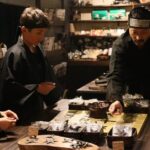
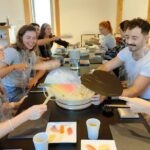
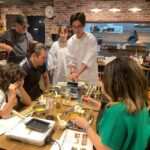
Step 2: Gyoza wrapping (your dumplings, your shapes)
Next, you’ll wrap gyoza. This is where the class feels most interactive. Getting the shape right takes a bit of practice, but the chef and guide walk you through the method.
One practical tip: don’t rush your first few wraps. The dumpling is small, but the folding technique is what seals in the filling. You’ll get more comfortable quickly.
Step 3: Fried rice cooking (heat and seasoning practice)
Then you’ll learn and cook fried rice as part of the included meal. Fried rice is a good skills bridge. It’s familiar enough that beginners can follow along, but it rewards attention to seasoning and timing.
Step 4: Eat what you made, with drinks
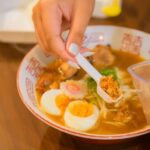
When your dishes are ready, you sit down to enjoy the ramen, gyoza, and fried rice you cooked. The included drinks turn this into the real payoff: you’re not just producing food—you’re tasting the results of your work.
Drinks Pairing: Beer, Sake, or Soft Drinks
The price includes two drinks, and you can choose beer, sake, or soft drinks.
That pairing matters more than you might think. Gyoza often hits best with something crisp and cold, and sake is a classic match for Japanese flavors. If you prefer non-alcoholic, soft drinks keep the meal relaxing without changing the core experience.
Also, the class tends to stay attentive—people describe drink refills happening quickly, so you’re not stuck waiting with an empty glass.
The English Guide Factor: Why Translation Changes Everything
This class is taught in English, but the real win is that translation isn’t an afterthought. The cooking steps happen in real time, and the local guide explains what the chef wants you to do.
If you get a guide like Rika, Yuki, Ayuri, or Shiori (names that show up in previous classes), you’ll likely see what makes this work: the guide keeps the kitchen instructions clear and helps you correct small issues before they become bigger problems—especially with noodle texture and gyoza technique.
In practice, good translation also makes the experience less intimidating. If you’re worried about not knowing Japanese kitchen terms, this format helps you keep up without guessing.
Small Group Comfort: Why Max 8 People Feels Different
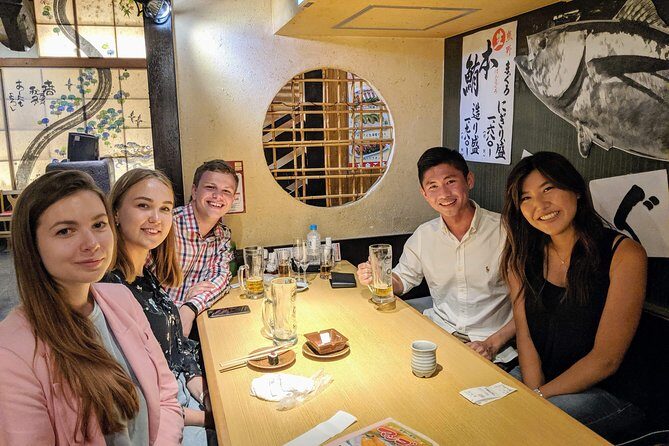
With a limit of 8 participants, you get a calmer experience. There’s less waiting, more hands-on guidance, and you can actually learn instead of just finishing tasks.
It also makes it easier to chat. If you’re a solo cook, you’ll likely have no trouble joining conversations around the shared problem-solving of ramen dough and gyoza folding.
Ramen History Notes You’ll Hear (Before the First Bowl)
You’ll get a bit of ramen context during the session. One story shared in the materials traces ramen’s roots to 1697, tied to Tokugawa Mitsukuni (the Mito Kōmon). Another milestone mentions 1910, when a restaurant in Asakusa helped ramen go mainstream.
The point of these mini-history moments isn’t trivia. It helps you understand why ramen became such a flexible comfort food in Japan—many shops put their own twist on broth, noodles, and toppings. When you make your own bowl in class, those variations start to make sense.
Recipes and Photos: The Part You’ll Appreciate Back Home
You don’t just leave with full stomachs. You also get:
- Downloadable recipes to recreate the dishes later
- Tour photos sent by email after the class
That recipe guide is the difference between a fun memory and a skill you can repeat. Even if you won’t duplicate every ingredient perfectly at home, you can still recreate the method: noodle texture, seasoning balance, and dumpling filling.
And those photos matter too. Many people take class pictures—but a chef-led class tends to capture steps you wouldn’t think to photograph. Seeing your finished dumplings and noodle cutting results is oddly satisfying.
Who Should Book This Kyoto Ramen and Gyoza Class
This works best if you want an active, food-focused Kyoto experience and you’re okay with food being the main event. It’s a great fit for:
- Couples who want a shared activity that isn’t just dinner
- Families with kids 6+, since children must be supervised during knife use or riskier steps
- Solo travelers who like meeting new people in a small group
- Anyone who’s curious about Japanese comfort food beyond just eating it
You should consider skipping or looking for an alternative if:
- You need vegetarian, vegan, or gluten-free accommodations (not available here)
- You require strict allergy-free meal guarantees (not promised, since dishes are prepared outside the MagicalTrip kitchens)
- You have mobility limitations (wheelchair users can’t be accommodated; a private tour is suggested instead)
Should You Book This Class Before You Leave Kyoto?
If you’re the type who gets annoyed by tours that are mostly standing and watching, book this. It’s structured so you’re doing the key tasks—ramen noodles, gyoza wrapping, and fried rice—then eating a real meal you helped create.
The main decision comes down to one question: can you eat what the class cooks? If your diet fits the standard menu, the $83 cost feels fair because you’re getting professional guidance, a full meal, and take-home recipes in one 150-minute session.
If your diet is restrictive, don’t force it. In this case, the best move is to pick a class that can truly match your needs.
FAQ
What dishes will I make in this Kyoto class?
You’ll learn to make ramen, gyoza, and fried rice from scratch, and then you’ll eat the meal you prepared.
How long is the cooking class?
The duration is listed as 150 minutes.
What language is the instruction in?
The class is conducted in English.
Are drinks included, and what can I choose?
Yes. Two drinks are included. You can choose from beer, sake, or soft drinks.
Do I get recipes to use at home?
Yes. You’ll receive downloadable recipes so you can recreate what you made after your trip.
How many people are in the group?
The group is small, limited to 8 participants.
Can the class accommodate vegetarian, vegan, or gluten-free diets?
No. Vegetarian, vegan, and gluten-free requests can’t be accommodated, and allergy-free meals aren’t guaranteed.