REVIEW · KYOTO PREFECTURE
Kyo-arashi Shibori Scarf Class at Kyoto Shibori Museum
Book on GetYourGuide →Operated by KYOTO SHIBORI MUSEUM · Bookable on GetYourGuide
Kyoto’s shibori scarves look hard, but the technique is taught step by step in this small class. You’ll work the tube-and-string method that resists dyeing, aiming for those crisp, intentional patterns. It’s hands-on, and then you get time in the museum while your scarf is setting.
I love that you’re not just watching. You create your own scarf in a class that runs about 30 to 60 minutes, and you can keep learning while it dries. I also like the museum component: it’s a specialty space with tools, samples, and finished pieces you can look at up close.
One possible drawback: the whole experience is short (about an hour), so if you want a slow, no-rush museum wander, you may want to add extra time nearby.
In This Review
- Key highlights you’ll care about
- Kyo-arashi tube-and-string: why the patterns come out so sharp
- Finding Kyoto Shibori Museum from Nijo Castle (and why that matters)
- What you do in the scarf class: tie, dye, then wait while it sets
- The museum time while your scarf dries (and what to look for)
- The upstairs learning angle: watch and compare while you wait
- Shopping at the Kyoto Shibori Museum: what tends to be worth your time
- Value check: how $49 stacks up for a custom scarf + museum admission
- Who this scarf class suits best
- Should you book this Kyo-arashi scarf class?
- FAQ
- How long is the Kyo-arashi shibori scarf class?
- What does the class cost?
- Where is the Kyoto Shibori Museum?
- What technique will I learn in the class?
- What language is the instruction available in?
- Is the class group small?
- What’s included in the price?
- What’s the cancellation policy?
- Is there a reserve now and pay later option?
Key highlights you’ll care about
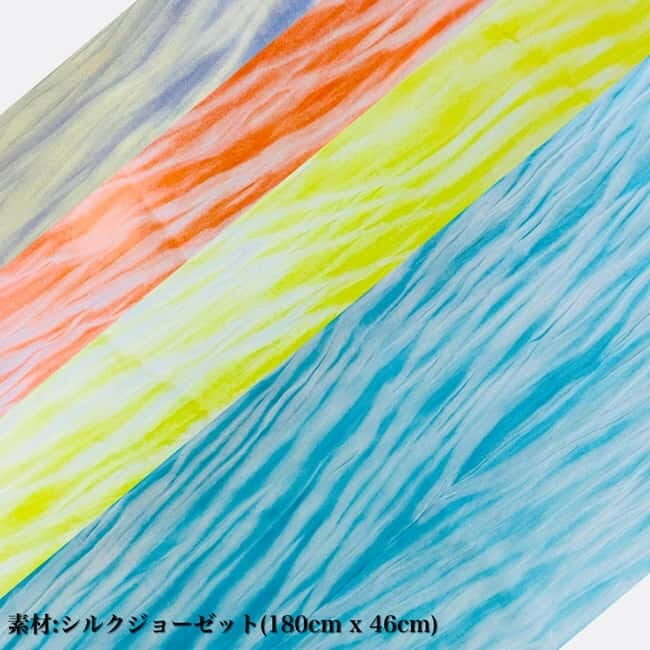
- Make your own Kyo-arashi scarf with the tube-and-string resist method
- See shibori samples and finished pieces while your dye work dries
- Small group (up to 8 people) for hands-on instruction
- English and Japanese instruction during the class
- Museum admission included (normally 1,000 yen) while you wait for your scarf
Kyo-arashi tube-and-string: why the patterns come out so sharp
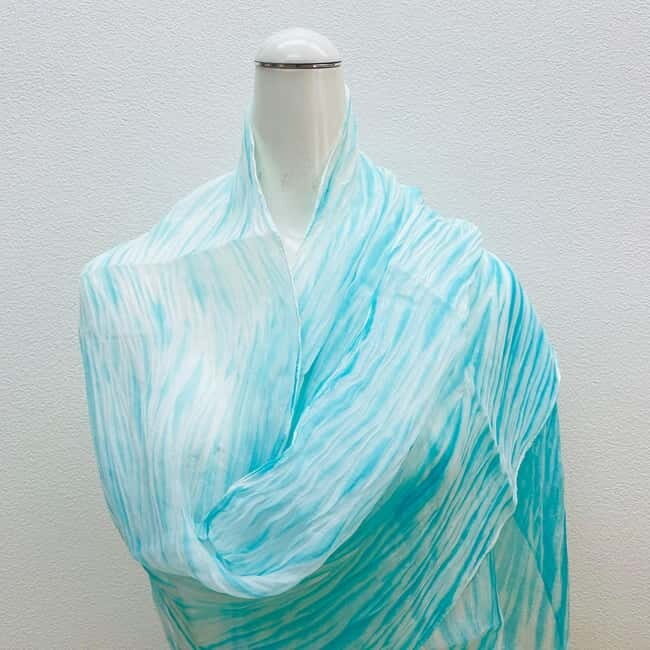
The star of this class is the Kyo-arashi shibori style. This is a resist-dye technique that uses a tube and string to block dye from reaching certain areas of the fabric. The result is a pattern that looks designed, not random.
What makes this technique feel so satisfying is that it’s physical and visual. You’re tying and shaping the fabric as you go, then dye does the rest. Even if you’ve never touched shibori before, the method is built to help you get a clear outcome.
You’re also learning shibori as an art form, not just a craft. The museum’s focus is on showing different perspectives on shibori: how the tools work, how pieces are built, and how finished works translate those steps into pattern.
You can also read our reviews of more museum experiences in Kyoto Prefecture



Finding Kyoto Shibori Museum from Nijo Castle (and why that matters)

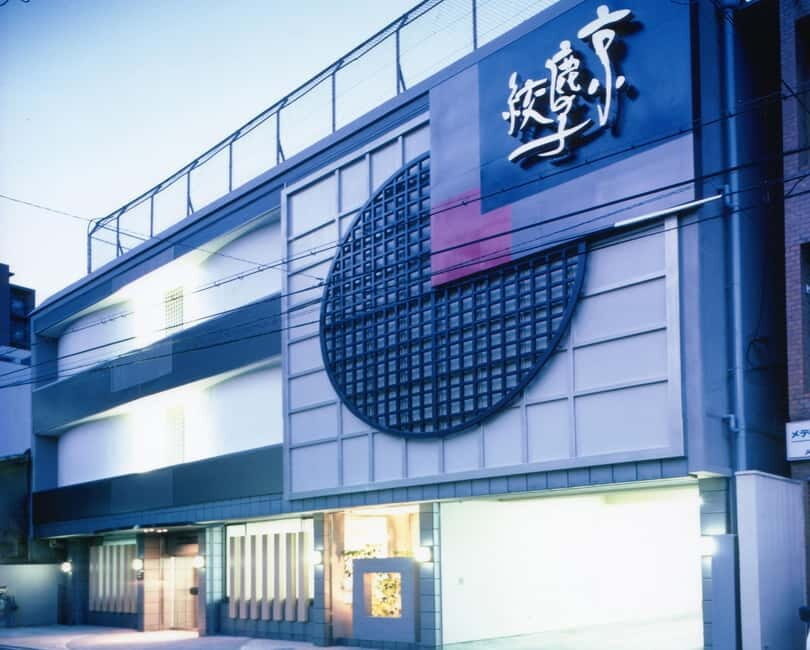
The Kyoto Shibori Museum is about a 5-minute walk from Nijo Castle. That’s a big deal for planning, because you can pair the class with a classic Kyoto stop without burning time in transit.
I like this setup because it keeps your day logical. You can do Nijo Castle first, then walk over for the class, or reverse the order if your timing works better. Either way, the museum is close enough that you’re not guessing at how long you’ll spend getting there.
Also, the museum being a dedicated shibori space helps. You’re not squeezing a “museum moment” between bigger attractions. Instead, you get a focused learning stop where the whole building supports what you’re doing in the workshop.
What you do in the scarf class: tie, dye, then wait while it sets
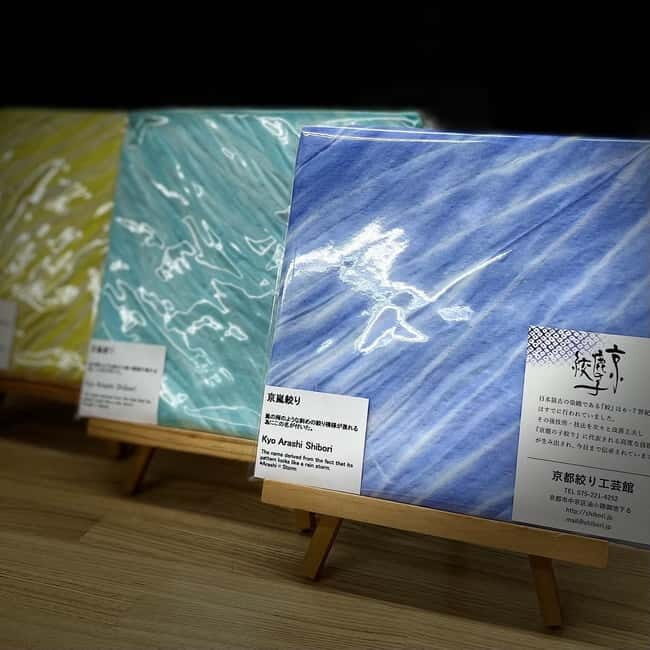
This is a 1-hour experience overall. Within that time, your actual scarf-making session runs about 30 to 60 minutes, and then you spend the rest of the time letting your scarf set while you explore.
The course is small, limited to 8 participants, so the instructor can keep an eye on what you’re doing. That’s especially helpful with any resist technique, since small differences in how things are tied and secured can affect the final look.
Expect instruction in both English and Japanese. The format is designed for beginners, and the teaching approach includes visual support, including a video shown during the session. That video helps you connect the steps you’re doing with the finished style you’re working toward.
A practical note: since dye and fabric work are involved, it’s smart to wear clothes you don’t mind getting near craft materials. If you want to be extra cautious, ask the instructor what to avoid for your specific class day.
The museum time while your scarf dries (and what to look for)
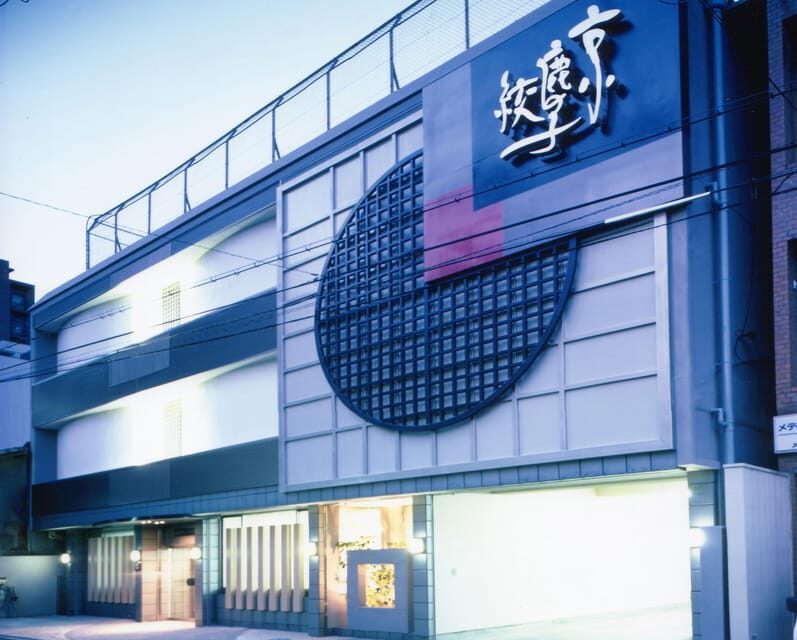
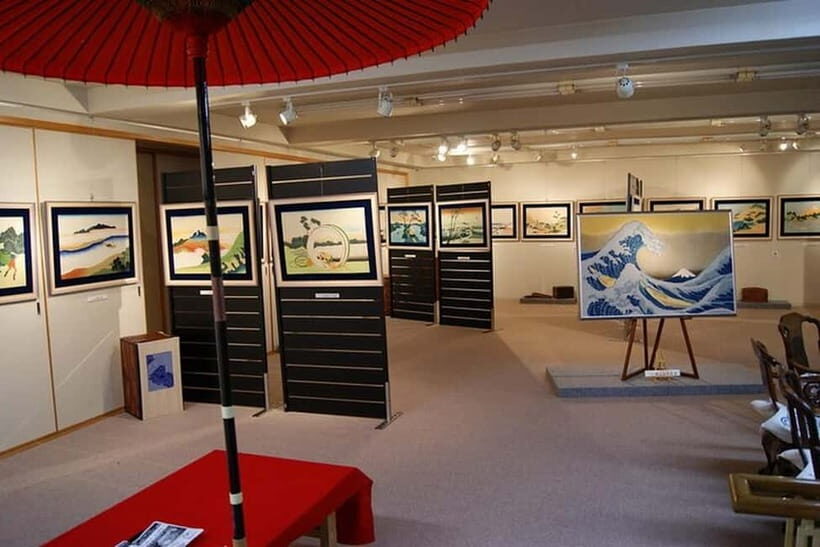
One of the best parts is that you don’t just sit and wait. You get museum time while your piece dries, and there are art pieces and samples on display for you to explore during the wait.
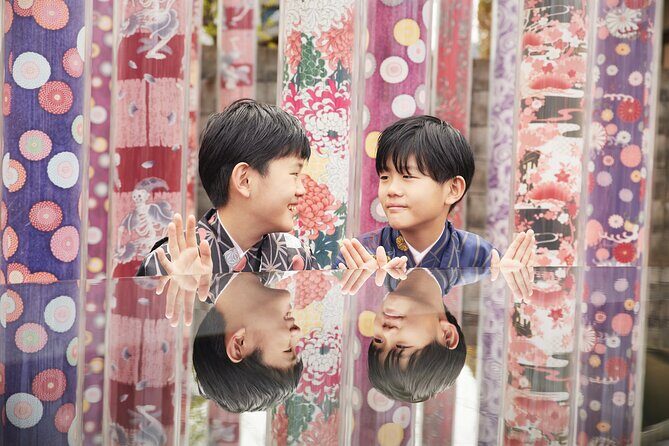
This is where the experience becomes more than a souvenir factory. You can look at how shibori patterns differ from piece to piece, and you start noticing how tools and methods translate into visible design. The museum also displays valuable tools used in the shibori process, which makes the technique feel real instead of abstract.
If you’re the type who likes to understand what you’re buying, this is your moment. The museum opened in 2001, and it’s set up to show shibori in a way that supports learning—spread across exhibits that highlight both craftsmanship and results.
I’d suggest you treat this like an “inspection round.” Spend a few minutes near samples that match what you just attempted with your scarf. Then move to finished works and look for pattern logic: where dye resisted, where it flowed, and how repetition or tension creates rhythm.
The upstairs learning angle: watch and compare while you wait
In practice, the workshop experience is paced so you’re not stuck waiting in one place. A number of classes are structured so you tour the museum area while you’re waiting for your scarf to dry.
This matters because it turns waiting time into learning time. If your scarf is setting, you can still stay focused on shibori. You’ll see textiles and accessories that show what happens when techniques are pushed further than a first-time scarf.
It also keeps the class from feeling like a one-off. Instead of doing one activity and leaving immediately, you get context. That context helps you understand why Kyo-arashi results in those sharp patterned effects and why it’s so popular.




Shopping at the Kyoto Shibori Museum: what tends to be worth your time
The museum shop is part of the payoff. While your scarf dries, you’ll have the chance to browse the original items, souvenirs, and fabrics available for purchase.
I like shopping here because it’s relevant to what you just did. You’re not wandering a generic souvenir store. You’re shopping in the same world as the technique, which makes it easier to spot quality cues.
When you’re browsing fabrics and accessories, spend a moment looking at the clarity of the pattern and how the color areas transition. Even without being able to identify every method, you can usually tell when the resist pattern is clean and intentional.
A simple tip: if you’re buying as gifts, consider small accessories first. Scarves and fabric goods can be a meaningful way to bring Kyoto craft home, but smaller pieces reduce pressure if you’re undecided on size or color.
Value check: how $49 stacks up for a custom scarf + museum admission
The class price is $49 per person for a 1-hour experience. At first glance, that might feel like a craft workshop rather than a full “day activity.” But the value comes from what’s included and how the time is structured.
You also receive free admission to the Kyoto Shibori Museum, which is normally 1,000 yen. That admission credit helps offset the cost, especially if you planned to visit the museum anyway.
Then there’s the real value: you leave with something you made. Many Kyoto craft experiences are either viewing-focused or hands-off. Here, you create a scarf using a distinctive resist method, and you get a guided learning environment to understand what you produced.
Is it worth it for everyone? If your goal is a full museum day, probably not. But if you want a hands-on craft souvenir paired with genuine learning in a dedicated shibori museum, this is a strong deal.
Who this scarf class suits best
This is a great fit if you:
- Want a small-group, hands-on activity in Kyoto
- Like understanding craft processes, not just taking photos
- Want a patterned textile souvenir made through a specific technique, not a generic printed item
- Prefer an experience that combines making and museum time without complicated logistics
It’s also a good match for couples and friends because of the group limit. You’ll still share the moment, but instruction stays practical.
If you’re traveling solo, it works too. A small group format means you’re not lost in a large crowd, and the instructor can keep track of what you’re doing.
Should you book this Kyo-arashi scarf class?
Book it if you want an authentic Kyoto craft that’s actually hands-on, not just a ticket to look around. The tube-and-string Kyo-arashi method is taught in a clear, step-by-step way, and the museum time while your scarf dries makes the whole hour feel purposeful.
Skip it only if you need a longer museum visit or you’re hunting for something that feels like a full multi-hour tour. This experience is compact by design, and it works best when you’re happy to trade extra wandering for making something you can take home.
FAQ
How long is the Kyo-arashi shibori scarf class?
The experience lasts 1 hour total. Your actual scarf-making time is about 30 to 60 minutes, and you can explore the museum while your scarf dries.
What does the class cost?
It costs $49 per person.
Where is the Kyoto Shibori Museum?
The Kyoto Shibori Museum is located in Kyoto (Honshu) and is about a 5-minute walk from Nijo Castle.
What technique will I learn in the class?
This is a Kyo-arashi shibori technique that resists dyeing using a tube and string.
What language is the instruction available in?
The instructor provides instruction in English and Japanese.
Is the class group small?
Yes. It’s limited to a small group of up to 8 participants.
What’s included in the price?
You get the workshop experience, and you also receive free admission to the Kyoto Shibori Museum (normally 1,000 yen).
What’s the cancellation policy?
You can cancel up to 24 hours in advance for a full refund. Free cancellation is offered.
Is there a reserve now and pay later option?
Yes. You can reserve now & pay later, keeping your plans flexible and paying nothing today.