REVIEW · KYOTO
4 hours private tour of Kyoto
Book on Viator →Operated by conectar.kyoto · Bookable on Viator
Kyoto moves faster with a private guide. I like the custom itinerary that lets you steer the pace, and I like that your guide translates so you can actually ask questions while you walk. One thing to consider: a past booking had a reported issue with a guide not arriving, so it’s smart to confirm details and message ahead so your day stays on track.
For $130, you get a focused half-day built around Kyoto’s biggest hits without the stress of group logistics. The itinerary is about 4 hours and includes guide time plus admission where applicable, but you’ll still pay your own transportation to get between stops.
In This Review
- Key Highlights You’ll Feel Right Away
- How a 4-Hour Private Kyoto Tour Actually Works
- Meeting Point at Kyoto Tower Starbucks, Ending in Gion
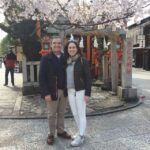
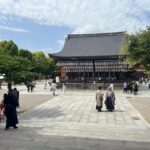
- Stop 1: Tofuku-ji Temple and Its Zen Garden Calm
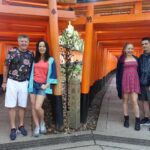
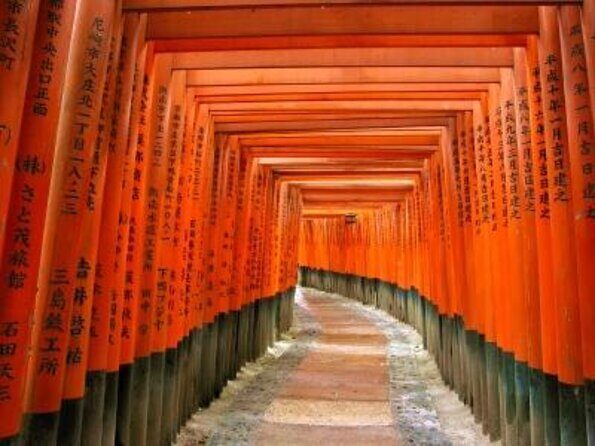
- Stop 2: Fushimi Inari-taisha’s 1,000 Torii Gates (No Rushing Allowed)
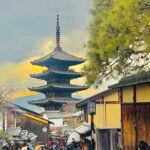
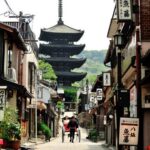
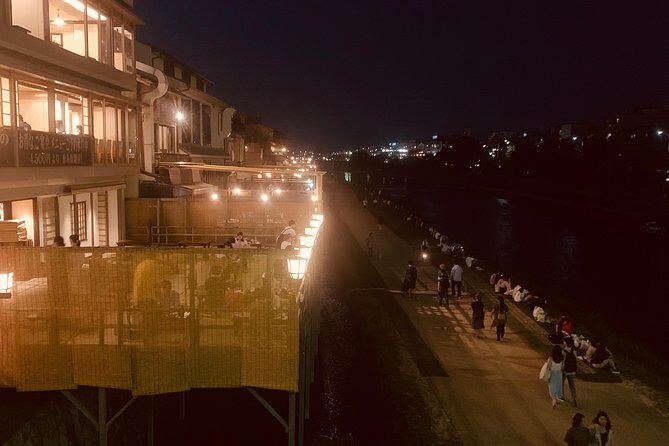
- Stop 3: Gion Streets, Teahouses, and the Real-World Kyoto Look
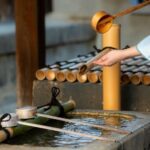
- Stop 4: Yasui-Konpiragu for the Surprise Shrine Stop
- The Real Secret Sauce: No Language Barriers
- Price and Value: What $130 Covers (and What It Doesn’t)
- Timing and Walking Comfort for a Smooth Day
- Who This Tour Fits Best
- A Quick Note on Reliability: Confirm and Communicate
- Should You Book This Private Kyoto Tour?
- FAQ
- How long is the Kyoto private tour?
- What is the price for the tour?
- What does the price include?
- Is transportation included?
- Where do we meet and where does the tour end?
- What are the main stops on the itinerary?
- Is the tour private?
- Do I need to worry about language?
- Do I get an admission ticket or a mobile ticket?
- Is there free cancellation?
Key Highlights You’ll Feel Right Away
- Private and flexible: you choose what fits your interests within the time window
- English translation included so shrines, temples, and street scenes make sense
- Tofuku-ji Temple with a zen garden moment built into the schedule
- Fushimi Inari-taisha time to experience the torii gates without rushing
- Finish in Gion so you can keep wandering after the tour ends
- Guide personality matters: Ryo is noted for humor, fluent English, and city know-how
How a 4-Hour Private Kyoto Tour Actually Works
A half-day private tour is the sweet spot if you want Kyoto highlights but don’t want to spend hours coordinating trains, crowds, and meeting points. This one is designed so your guide can adjust the flow based on what you care about, whether that means temples, foodie stops, or simply getting good photos in the right light.
The private format also matters because Kyoto’s sites are big in different ways. Shrines can be visually overwhelming. Temples can be calming but require a little context. Streets like Gion can feel like a postcard unless someone shows you the practical corners to notice. With a guide who translates, you’re not just passing through—you’re reading the place.
One more practical note: the tour uses a mobile ticket, which usually makes it easier to handle admissions smoothly. You still need to bring the right mindset—this is walking and looking, not just sitting in a van.
You can also read our reviews of more private tours in Kyoto


Meeting Point at Kyoto Tower Starbucks, Ending in Gion
You start at Starbucks Coffee – Kyoto Tower Sando and end in Gionmachi Minamigawa. That start/end combo is handy: it puts you near a major transit landmark on the front end, then lets you land in one of Kyoto’s most atmospheric areas right after.
Why I like this setup: you don’t feel trapped back at the first neighborhood. You finish where you’d likely want to keep exploring anyway—tea houses, side streets, and that classic old-Kyoto feel people come for.
Also, since the tour is private, it’s just your group. No waiting for slow walkers inside a big pack, and no “we’re leaving” pressure that ruins photos and prayers.
Stop 1: Tofuku-ji Temple and Its Zen Garden Calm
Tofuku-ji Temple gets a full 1 hour on this tour, and that time matters. This is one of those Kyoto stops where the main value isn’t only the buildings—it’s the mood. A good guide helps you notice what people mean when they talk about Buddhism here, and how serenity fits into temple design.
You’ll spend time learning the cultural background of Buddhism in Japan, then you’ll be able to slow down with the temple’s zen garden. The zen garden is the kind of scene that rewards patience. If you’re rushing, you’ll just see rocks and lines. If you give it a moment, it feels like a visual pause button.
What to watch for: temple grounds can involve walking on uneven paths. Wear shoes you’d trust for a couple of hours of city walking. And if you’re the type who likes to ask questions, this is a great stop to do it—temples are where the explanations have the most payoff.
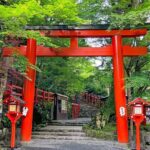
Stop 2: Fushimi Inari-taisha’s 1,000 Torii Gates (No Rushing Allowed)
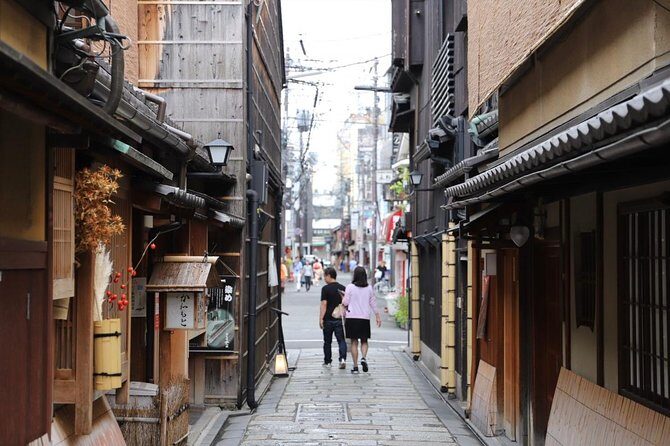
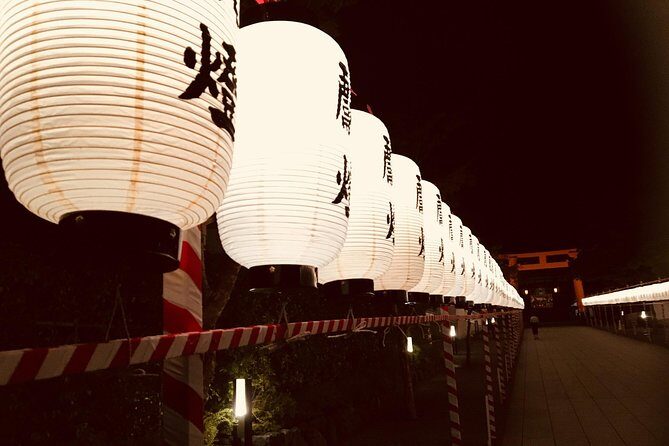
Fushimi Inari-taisha is the star attraction in the itinerary: 1 hour 30 minutes and a deep focus on the 1,000 torii gates. This is where a private guide earns their fee. The torii corridor can be confusing—there are lots of paths, lots of angles, and lots of people trying to shoot the same picture.
A good guide helps you understand the shrine’s Shinto meaning so you’re not just walking through a pretty tunnel. You’ll also get to experience the dynamic scenery with your eyes, meaning you’ll actually move through the area rather than just stand at the most crowded viewpoint.
The key value of the longer time block: you can pace yourself. You can enjoy the gates without feeling like you must sprint to the next spot. If you’re not into steep climbs, you still get plenty of atmosphere. If you do want more walking, the extra time lets you go a bit deeper.
Possible drawback: Inari is famous for a reason, so it can be busy. Going slow in the middle of the corridor is often better than fighting for the best photo. Use the guide to time your pauses so you’re not stuck in the loudest crowd surge.
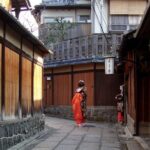
Stop 3: Gion Streets, Teahouses, and the Real-World Kyoto Look
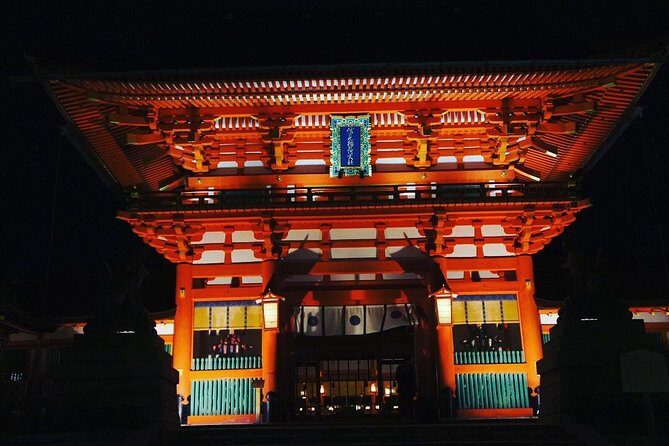
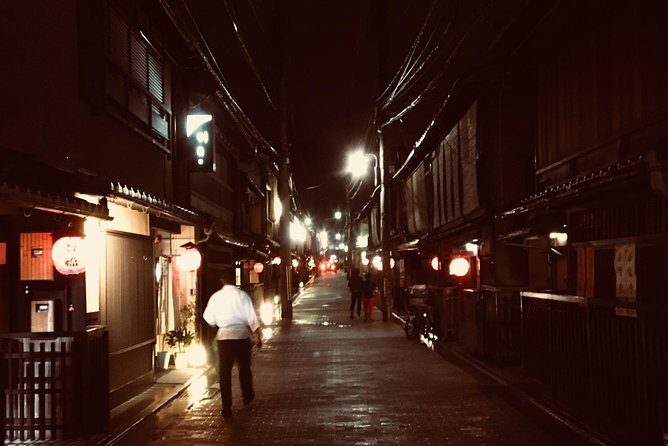
After the shrine intensity, you get a softer landing: Gion for about 30 minutes. This part is shorter on purpose. Gion is best when you have energy left to keep exploring on your own after the tour ends.
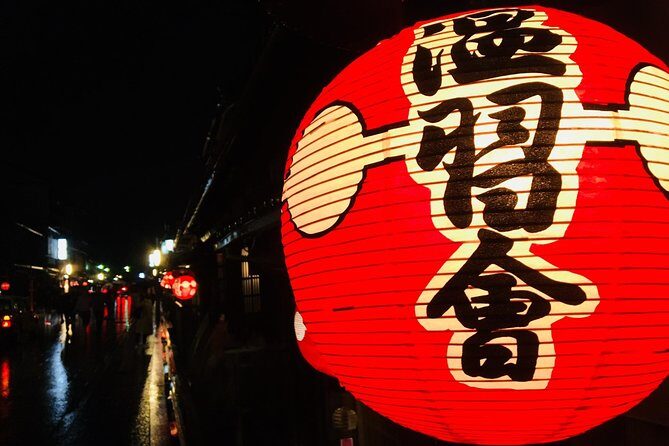
In this stop, you’ll walk the district where restaurants and teahouses sit side by side. Your guide can point out what makes the streets feel old and beautiful—details like the street layout, building styles, and where people naturally slow down.
If you’ve heard about geisha culture, keep expectations realistic. What a guide can do is help you identify the areas where geisha-related activity is more likely, and explain the etiquette and context behind what you might see. You’re not guaranteed a sighting, but you’re far more likely to notice what’s actually going on when someone explains the scene as you walk.
This is also a good break if you’re tired of temple rules and want something more casual: coffee tastes better here, and a snack break feels like a local choice, not a tourist chore.



Stop 4: Yasui-Konpiragu for the Surprise Shrine Stop
The final stop is Yasui-Konpiragu, a quick 20 minutes. It’s described as a short walk from Gion, and that matters: you’re not dragged across town at the end of your tour. You get a last burst of atmosphere without burning your time budget.
This shrine stop is framed as a surprise, meaning it’s not just another big-ticket landmark. It’s the kind of place that reminds you Kyoto isn’t only about the headline sights. A guide helps you see what’s interesting about a smaller stop—why the shrine is there, what makes it distinct, and what to look for as you move through.
Best way to handle a short shrine: don’t treat it like a checkbox. Instead, take one or two moments to notice details, then keep walking. The tour ends soon after, so use this stop to end on a curious note.
The Real Secret Sauce: No Language Barriers
This tour’s standout feature is the private guide who translates. That changes everything about shrine and temple visits. Kyoto can be intense if you can’t read the story. With translation, you can ask why a place matters, not just where it is.
From past experiences with this operator, Ryo has been singled out for fluent English, humor, and a habit of connecting what you see with real context. One review specifically called out her humor and her ability to talk about local history along with current global affairs. That style is great when you want your day to feel like conversation, not a lecture.
Even if you care mostly about photos or food, translation helps. It turns “random pretty street” into “I understand why this is here,” which makes the photos feel earned.
And because it’s private, you don’t have to sit through explanations that don’t fit your interests. If you want Buddhism context, ask for it. If you want the best coffee or the best snack route, that’s also part of the planning.
Price and Value: What $130 Covers (and What It Doesn’t)
This tour is listed at $130 for approximately 4 hours, and what’s included is important. Your price covers guide fee and entrance fees at the shrine or temple. That means you’re not paying separate admission while you’re on site for the included stops.
Tofuku-ji’s admission is explicitly covered, while Fushimi Inari and parts of the later stops are described as admission free. Even so, it’s still a good value because your guide time is part of what you’re really buying: pacing, context, and making the day feel coherent.
The one cost you should plan for is transportation fee. Since transportation isn’t included, you’ll need to cover trains or taxis between the start point, the stops, and your onward plans.
How to think about the value: if you’d otherwise try to combine these sites yourself, you’d spend time figuring out routes and timing. Paying for a guide here isn’t just convenience. It’s also about getting the meaning behind what you’re seeing so your day feels richer, not just longer.
Timing and Walking Comfort for a Smooth Day
The itinerary is tightly packed but not rushed by design:
- Tofuku-ji: 1 hour
- Fushimi Inari: 1 hour 30 minutes
- Gion: 30 minutes
- Yasui-Konpiragu: 20 minutes
That totals about 3 hours 20 minutes of sightseeing time, leaving room for walking between sites, settling in, and getting your bearings.
The main comfort issue is Fushimi Inari. The torii gate paths involve lots of steps and uneven walking. If you’re sensitive to stairs or long climbs, tell your guide early. Since the tour is private, they can help you pace it without losing the experience.
Also, be ready for weather changes. Kyoto can shift quickly between cool mornings and warmer afternoons. Bring a layer you can adjust fast, and carry water.
Who This Tour Fits Best
This experience is a strong match if you’re:
- Short on time but want Kyoto highlights with context
- Traveling as a couple, small family, or friends who prefer a private pace
- Worried about language barriers and want real translation
- Interested in food and side streets, not only monuments
It also works well for first-time Kyoto visitors because the route hits a mix of temple culture, shrine atmosphere, and neighborhood texture. If you’re an experienced Kyoto traveler, you may still like it because the private guide can help you notice things you might skip on your own.
One more practical fit: the tour is described as allowing service animals and being suitable for most travelers. If you have mobility concerns, check with the provider before booking so the pace matches your needs.
A Quick Note on Reliability: Confirm and Communicate
A big reason to plan carefully in any private tour is simple: it’s person-to-person service. One past booking included a complaint that the guide never arrived after repeated contact attempts, and the provider later apologized and said they were trying to coordinate a refund. That’s not enough to write off the experience, but it is enough to tell you how to be smart.
Here’s what you can do:
- Confirm your time slot and meeting details before the day
- Keep a way to contact the guide or company
- Arrive a few minutes early at Starbucks Kyoto Tower Sando
Private tours are great when everything lines up. Your job is making sure it does.
Should You Book This Private Kyoto Tour?
I’d book this if you want a calm, guided route through Kyoto’s most iconic sights in a way that still feels flexible. The combination of translation, private pacing, and a route that ends in Gion makes it ideal for a half-day that you’ll remember, not just one you survive.
Skip it or choose a different option if you know you can’t do much walking, or if you strongly prefer doing everything on your own without a guide’s structure. Also, if you’re the kind of traveler who hates uncertainty, then be proactive with confirmation and communication since this is an individual service rather than a big group bus tour.
If you want Kyoto with context, not chaos, this is a solid choice.
FAQ
How long is the Kyoto private tour?
The tour lasts approximately 4 hours.
What is the price for the tour?
The price is $130.
What does the price include?
It includes the guide fee and entrance fees at the shrine or temple.
Is transportation included?
No. Transportation fees are not included.
Where do we meet and where does the tour end?
You start at Starbucks Coffee – Kyoto Tower Sando and the tour ends at Gionmachi Minamigawa, Higashiyama Ward.
What are the main stops on the itinerary?
The stops are Tofuku-ji Temple, Fushimi Inari-taisha Shrine, Gion, and Yasui-Konpiragu.
Is the tour private?
Yes. It’s a private tour/activity, and only your group participates.
Do I need to worry about language?
No. The private guide translates for you, so there are no language barriers.
Do I get an admission ticket or a mobile ticket?
You’ll have a mobile ticket. Tofuku-ji’s admission is listed as included, while other stops are listed as admission free.
Is there free cancellation?
Yes. You can cancel up to 24 hours in advance for a full refund. Confirmation is received within 48 hours of booking, subject to availability.