REVIEW · EVENING EXPERIENCES
Kyoto Magical Night English Tour: Gion & Fushimi Inari Shrine
Book on Viator →Operated by OTAKU hopper · Bookable on Viator
Lanterns make Kyoto feel unreal. This night tour strings together Fushimi Inari’s glowing torii tunnel and Gion’s old-street atmosphere with a guide who explains what you’re seeing and helps you photograph it. I love that the sights are iconic, but the timing and pacing at night keep the streets calmer than daytime. I also love that you get pro help with photos, so you’re not stuck playing camera-chaos while trying to read shrine lore.
The one thing to think about: this is a walking experience and the pace can feel brisk. Wear shoes you trust, because you’ll cover a lot of ground in about 2 hours 30 minutes, moving between several shrine and neighborhood stops.
In This Review
- Key highlights to look for
- Where the evening starts: the Izumo-no-Okuni statue in Higashiyama
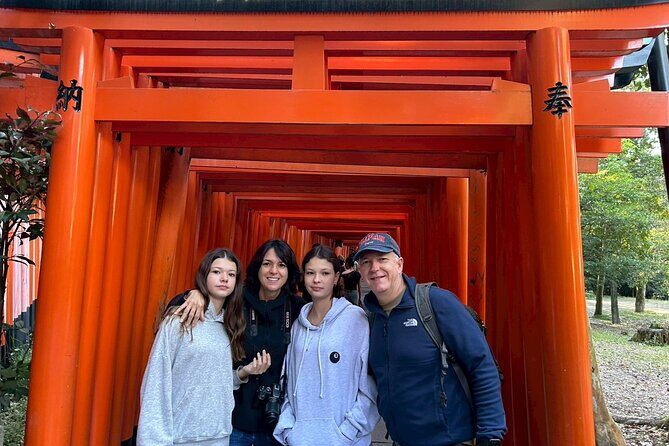
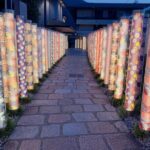
- Fushimi Inari at night: walking through the torii tunnel
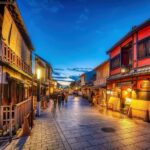
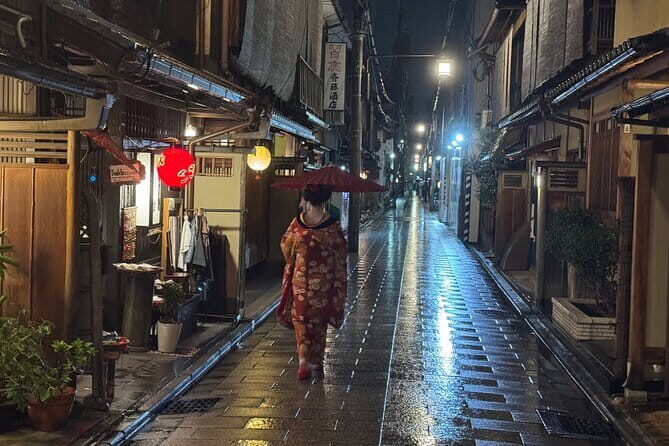
- Hanamikoji Street and Gion: old Kyoto vibes with a chance of geisha sightings
- Yasui-Konpiragu and Yasaka Pagoda: when small shrines carry big feelings
- Sannenzaka, Ninenzaka, and Nene-no-Michi: walk the lanes that feel lived-in
- Yasaka Shrine finale: prosperity prayers and photo-friendly lantern light
- Professional photos and the guide factor (names you might get)
- Price and what you actually pay: a smart night value
- Timing, walking pace, and how to prepare like a pro
- Who should book this Kyoto Magical Night tour
- Should you book Kyoto Magical Night: Gion & Fushimi Inari?
- FAQ
- How long is the Kyoto Magical Night tour?
- Where does the tour start?
- Is the tour private?
- What’s included in the price?
- What isn’t included?
- Are admission fees required for the stops?
- Do I need a mobile ticket?
- What should I bring or wear?
- What if it rains?
- Is there a refund if I cancel?
Key highlights to look for
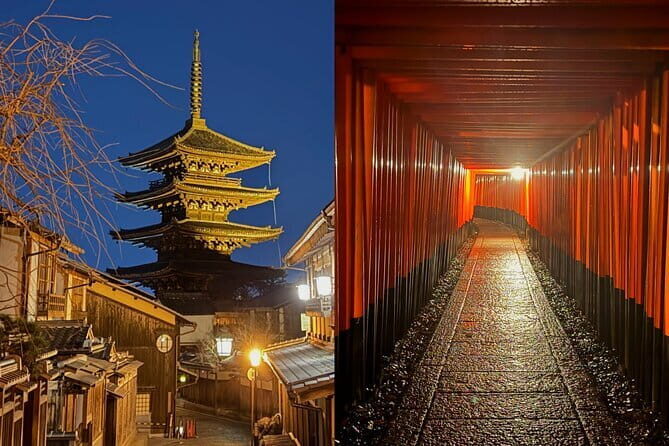
- After-dark torii tunnel at Fushimi Inari with a softer mood than the daytime crush
- Gion at night including Hanamikoji Street views where you might spot geisha or maiko
- Meaningful shrine stops like Yasui-Konpiragu and Yasaka Shrine, explained by your guide
- Photo support during the walk with professional shots taken for you
- Private tour feel since it’s just your group, not a mixed crowd shuffle
Where the evening starts: the Izumo-no-Okuni statue in Higashiyama
You kick things off near the statue of Izumo-no-Okuni in the Higashiyama area. That matters because it puts you in the right neighborhood for the night rhythm of East Kyoto, where you can transition from shrine grounds to classic streets without long, stressful transfers.
You’ll also want to have your mobile ticket ready. The tour is designed to use public transportation, but the start point is near transit, which keeps you from wasting your first hour hunting directions.
One more practical tip: show up on time. The tour notes that if you’re late, you can’t join and there’s no refund—so treat the meeting time like a train departure.
You can also read our reviews of more evening experiences in Kyoto

Fushimi Inari at night: walking through the torii tunnel
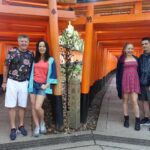
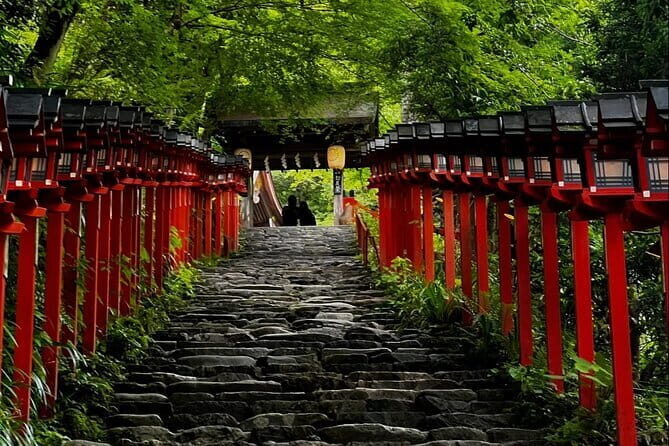
The evening highlight is Fushimi Inari-taisha, one of Kyoto’s most recognizable Shinto shrines. Here, thousands of red torii gates create pathways up Mount Inari, and at night the whole place feels more like a living corridor than a tourist checklist.
Your guide’s job is to make the place make sense. Instead of just pointing at gates, you’ll get context about why Inari is tied to rice and prosperity, and how people approach worship there. It’s the kind of background that turns a famous photo location into something you understand while you walk.
A small tip you can actually use: bring coins if you want to make a wish. More than one guide anecdote in this tour’s history points out that practice, and it’s easy to miss if you arrive without change.
Also, slow down for the steps. Night makes surfaces harder to read, and Fushimi Inari is a lot of walking even if you’re not going to the furthest climbs. If you’re sensitive to crowds or light glare, early evening is often a sweet spot for photos too.
Hanamikoji Street and Gion: old Kyoto vibes with a chance of geisha sightings
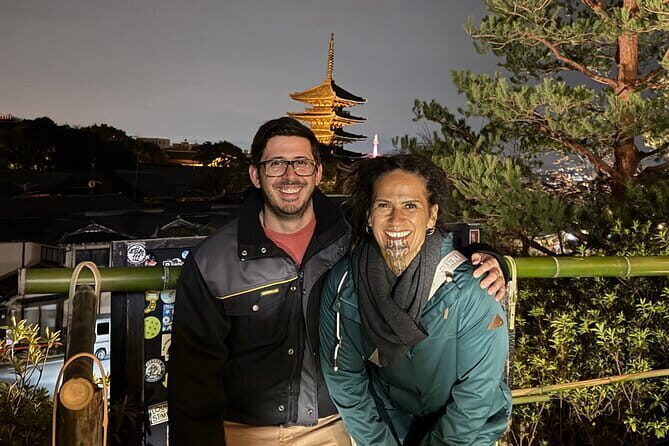
After Fushimi Inari, you shift into the Gion atmosphere—Kyoto’s best-known geisha district. You’ll spend time along Hanamikoji Street, a classic corridor lined with traditional machiya houses and historic teahouse frontage.
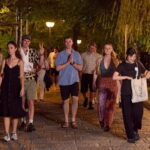
This is where the night tour earns its keep. The same streets that can feel packed during the day can feel calmer after dark, and you get a better feel for how the district actually looks and moves when most visitors have left.
Here’s what I think makes this stop valuable: it’s not just scenery. Your guide helps you read what you’re seeing—why certain building styles matter, and what the area represents culturally. If your interest runs beyond photos into architecture and tradition, this is the part that usually clicks.
Could you see geisha or maiko? The tour describes that possibility. I can’t promise it, but at night the odds can feel more interesting than you’d expect, and even if you don’t spot anyone, you still get a strong sense of place.
Yasui-Konpiragu and Yasaka Pagoda: when small shrines carry big feelings

Next up is Yasui-Konpiragu, known for prayers focused on cutting off bad relationships and swapping them for healthier ties. It’s a striking kind of shrine theme because it’s personal, not abstract. Even if you’re not religious, you can still feel why people would come here.
You’ll also hear about a relationship-stone practice at Yasui-Konpiragu, and many guides will show you how it works in a way that feels respectful rather than gimmicky. If you like learning small ritual details, this is a fun stop.
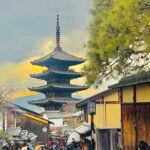
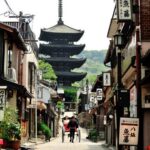
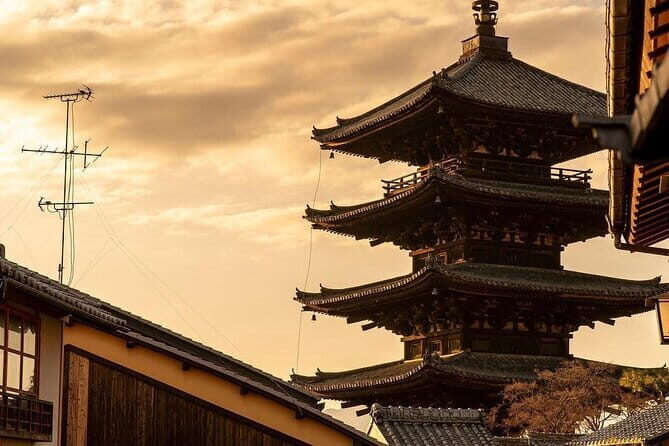
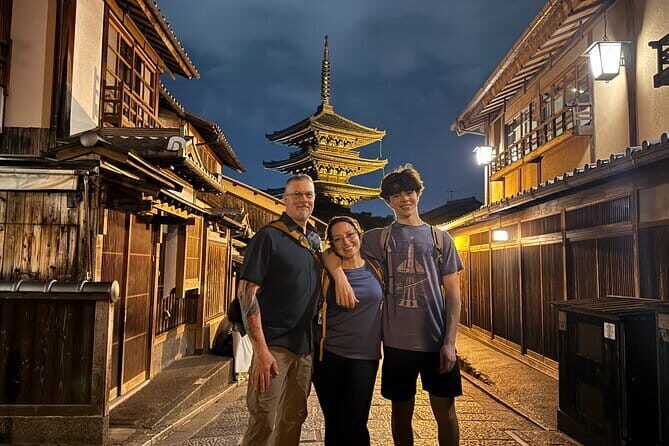
Then you move to Yasaka Pagoda (Hokanji Temple), including the famous multi-story silhouette that many people can spot even without knowing the name. This structure is said to be one of Japan’s oldest wooden buildings, and the scale can be hard to believe when you picture the craftsmanship.
At night, that visual weight lands differently. It’s less about crowds and more about form, shadow, and the feeling that Kyoto’s religious buildings are still central to daily life.
Sannenzaka, Ninenzaka, and Nene-no-Michi: walk the lanes that feel lived-in
Now the tour shifts into Kyoto’s preserved-street charm. You’ll walk Sannenzaka and Ninenzaka, famous stone-paved lanes lined with shops and restaurants in older wooden buildings. Even if you only window-shop, it helps you see how this neighborhood supports visitors while keeping that old street texture.
Then you head to Nene-no-Michi, a calmer path associated with Nene, the wife of a powerful Japanese shogun. This is one of those segments that tends to feel soothing in the evening: fewer distractions, more walking rhythm, and more time to notice temple edges and historic corners.
One practical note from past tour experiences: the ground here is uneven and you’ll want to watch your footing. Guides sometimes remind people to walk carefully down these slopes and steps, especially at night when it’s harder to spot where the stone changes.
If you’re traveling with anyone who needs frequent breaks, this is where your guide’s pacing will matter. The tour moves with intention, but comfort comes first.



Yasaka Shrine finale: prosperity prayers and photo-friendly lantern light
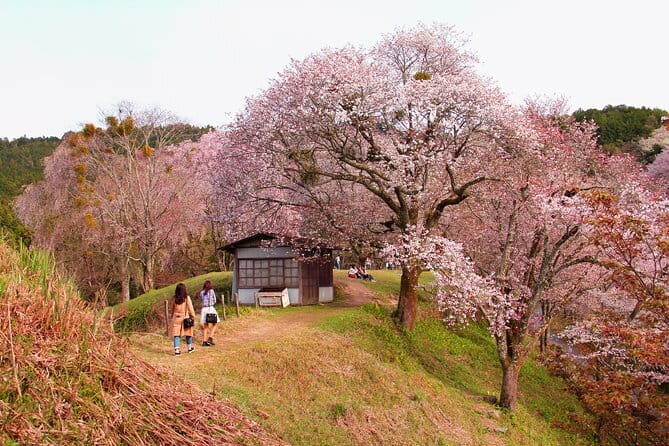
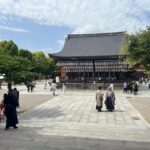
The tour ends at Yasaka Shrine, the headquarters of 2,300 related shrines across Japan. That scale is part of the meaning here—you’re not just visiting a local spot. You’re stepping into a hub that connects to a much bigger religious network.
Yasaka Shrine is tied to prosperity and protection, which gives your final stop a grounded feeling. People come here for reassurance, and it shows in how the shrine space is used.
At night, lantern light does its job. Even if you’ve already taken photos earlier in the evening, the shrine area can create fresh angles—especially once you’ve learned what to look for from your guide.
You’ll finish back where you started at the meeting point. That round-trip structure is handy because you don’t end the night stuck across town with a complicated plan.
Professional photos and the guide factor (names you might get)
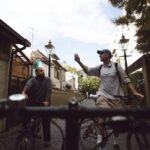
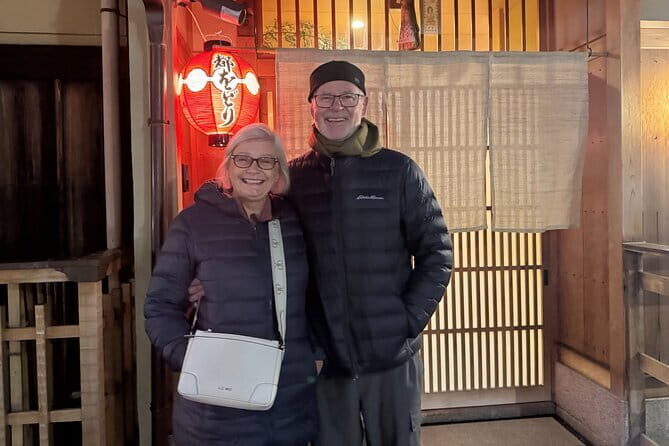
A big reason this tour scores so high is that it isn’t just sightseeing. You get professional photos taken during the tour, and a local English-speaking guide handles the timing so you can enjoy the moment instead of wrestling with your camera.
Your guide can be a game-changer, and this tour has had guides like Ikki, Yui, Yuri, Yuki, Joi, and Mariko listed in past experiences. Some guides arrive with visual aids—one described laminated charts with explanations and graphics. Others are known for fast, clean communication about where to meet and how to proceed.
What you should expect from a strong guide here:
- clear explanations of shrine vs temple meaning as you move between sites
- help finding good photo spots without turning it into a photo-only exercise
- cultural context that makes the rituals feel normal, not confusing
- quick, friendly support if you get turned around
In at least one past group, photos came through very fast—think within about an hour for dozens of shots. That’s not something you should bet your evening on, but it tells you this tour team tends to take delivery seriously.
Price and what you actually pay: a smart night value
The tour price is listed at $26.43 per person. That’s low enough that it can feel like you’re getting a bargain—especially because admission fees for temples and shrines are included, and the tour also includes professional photos.
Still, don’t miss the small cost items. Public transportation isn’t included, and the listed fare is ¥480 per person. Food and drinks aren’t included either, so you’ll want to plan where you’ll eat after the tour ends.
So is it good value? In my view, yes—if you want a guided night orientation to East Kyoto. You’re paying for someone to connect the dots between places like Fushimi Inari, Gion streets, and Yasaka Shrine, plus the time-saving photo support. If you only want to wander on your own, you might not use that value.
Time is also part of the equation. At roughly 2 hours 30 minutes, you get an efficient nighttime mix without spending the entire evening in one neighborhood.
Timing, walking pace, and how to prepare like a pro
This tour is designed as a walking experience, using public transportation and plenty of time on foot. That means your biggest preparation item is gear: shoes with grip and socks you won’t regret by hour two.
Also, the tour’s pace can be brisk. One guide description specifically noted that the guide walks fast, and most of these streets and shrine areas involve steps and uneven stone. If you’re easily fatigued, consider booking with extra buffer time so you don’t rush your day.
Weather is another reality check. Past experiences mention that even in rain or drizzle, the tour still works and can feel magical rather than ruined. Still, bring a light layer and something rain-friendly, because Japan’s evenings can shift fast.
Who should book this Kyoto Magical Night tour
I’d book this if you want:
- an after-dark introduction to Higashiyama and East Kyoto
- clear explanations of Shinto shrine meaning and how people approach worship
- a route that mixes iconic sites with calmer evening street energy
- professional photo help without paying for a separate photographer
You might skip it if you:
- hate walking and prefer short, minimal-distance tours
- need guaranteed slow pacing throughout steps and slopes
- want food included or a drink stop built into the program
Because it’s described as a private tour/activity, you also get the benefit of staying with your group rather than constantly adjusting to strangers. That usually makes the guide’s teaching feel more personal.
Should you book Kyoto Magical Night: Gion & Fushimi Inari?
If you’re doing Kyoto for the first time, and you want one guided night that hits the emotional center of the city—torii gates, Gion streets, and shrine meaning—this is an easy yes. The price is strong for what you get: guidance, included shrine admissions, and professional photos, all wrapped into a compact 2.5-hour evening.
Just go in with the right mindset: this is a walk, and the pace matters. If your feet are ready, the evening will feel like Kyoto with the volume turned down—still famous, but easier to actually enjoy.
FAQ
How long is the Kyoto Magical Night tour?
It lasts about 2 hours 30 minutes.
Where does the tour start?
The meeting point is the Statue of Izumo-no-Okuni at Kawabatacho, Higashiyama Ward, Kyoto.
Is the tour private?
Yes. It’s listed as private, so only your group participates.
What’s included in the price?
A local English-speaking guide, admission fees for temples and shrines, and professional photos taken during the tour.
What isn’t included?
Public transportation fare (listed as ¥480 per person) and food and drinks.
Are admission fees required for the stops?
The stops listed for the tour show admission as free, and admission fees for temples and shrines are included in the tour.
Do I need a mobile ticket?
A mobile ticket is included, so you should have it accessible for check-in.
What should I bring or wear?
The tour is a walking experience, so wear comfortable walking shoes with good grip.
What if it rains?
The tour notes that even if it rains, it can still be enjoyable. Bringing rain protection is a good idea.
Is there a refund if I cancel?
The tour states free cancellation up to 24 hours in advance for a full refund.