REVIEW · KYOTO
Kyoto: Private tour with Kyoto’s licensed guide. Spanish
Book on GetYourGuide →Operated by Kyoto Guide · Bookable on GetYourGuide
Gold-leaf Kyoto, all in one long day. This private tour is built for people who want licensed local context without getting lost, bouncing between Kyoto Station and the city’s biggest sights. I especially like that your guide uses iPad image explanations to help things click fast, including what you’re looking at and why it matters.
The trade-off is that it’s a walking day with public transport and temple stairs. It’s not for everyone, so if you have back issues, limited mobility, or you just need frequent rest breaks, this may be a strain. Plan around comfortable shoes and a steady pace.
In This Review
- Key things you’ll notice on this tour
- Kyoto Station pickup to Gion at night: how the day actually moves
- Kinkaku-ji (Golden Pavilion): gold leaf, Zen mood, and what to look for
- Nijo Castle: Edo-era power and why the interiors feel theatrical
- Nishiki Market lunch break: shopping street energy with a timed pause
- Fushimi Inari Taisha: torii gates, fox statues, and pacing yourself
- Kiyomizu-dera and the Sannenzaka/Ninenzaka streets: UNESCO plus classic Kyoto lanes
- Gion with geiko and maiko: what to spot, and why timing matters
- Price and value: what you’re paying for (and what you still budget)
- Practical tips so you don’t waste the day
- Who this tour is best for (and who should pick something else)
- Should you book this Kyoto private tour?
- FAQ
- Is the tour guided in Spanish?
- Where is the pickup location?
- How long is the tour?
- Which major sights are included?
- Are entrance fees to the temples included?
- Is Fushimi Inari Taisha free on this tour?
- Is Gion included without a fee?
- Do I get lunch included?
- Is the tour okay for people who need to rest frequently?
Key things you’ll notice on this tour
- Kyoto city-licensed guide in Spanish: official guidance through major UNESCO sites and local neighborhoods.
- iPad explanations with images: you get a clear, visual “what am I seeing” guide while you’re there.
- A tight hit list of Kyoto classics: Kinkaku-ji, Nijo Castle, Nishiki Market, Fushimi Inari, Kiyomizu-dera, and Gion.
- Temple photo rules vary: you’ll learn where pictures may be forbidden inside some areas.
- You still explore afterward with confidence: you’ll come away with enough orientation to move on your own.
- Private group format: this is not a cattle-call style day; it’s designed around your pace and questions.
Kyoto Station pickup to Gion at night: how the day actually moves
This tour starts at Kyoto Station, with pickup at the Kyoto Station Building area (and it’s described as in front of Seven Eleven). From there, you hop on public transport to reach the first major temple complex. The schedule is built around efficient transit time between spots, which matters in Kyoto because everything spreads out and crowds can slow you down.
The day runs about 510 minutes (just over 8 hours). That’s long enough to feel like a full-day immersion, but it’s also realistic because you get guided time at the key stops and then shorter breaks where you can regroup.
A nice detail: you’re allowed to take as many pictures of each other as you want, and the guide can help with photos. That turns into a practical benefit in Kyoto—when sights are crowded or photo angles are tricky, having someone who knows where you’ll stand saves time.
Also, the tour runs rain or shine. Some temple outdoor areas don’t care about the weather; your best defense is layers and shoes with real grip.
You can also read our reviews of more guided tours in Kyoto
Kinkaku-ji (Golden Pavilion): gold leaf, Zen mood, and what to look for
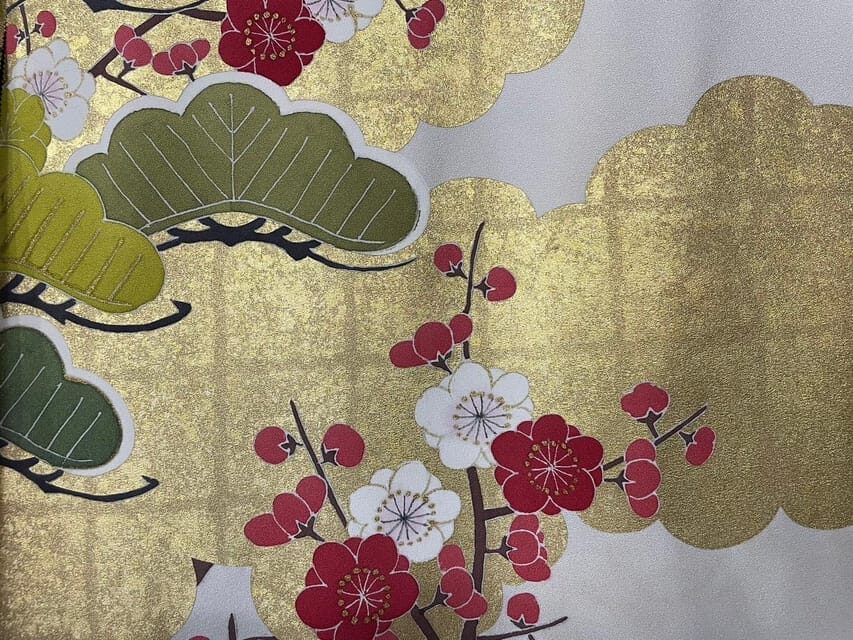
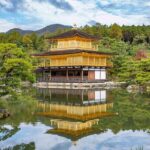
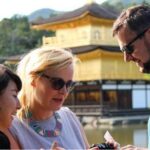
Kinkaku-ji, the Golden Pavilion, is one of Kyoto’s most recognizable landmarks. It’s also a UNESCO World Cultural Heritage site. The big visual hook is the gold leaf: the upper two floors are covered in gold leaf, which historically symbolized wealth, power, and devotion.
A good guide changes how you see places like this. Instead of only “wow, gold,” you learn how the temple fits into Zen Buddhist practice and the ideas behind the architecture. On a short guided visit, you won’t get everything, but you’ll get a framework that makes the pavilion and its grounds more meaningful.
Practical tip: expect crowds. Even if the architecture and mirror-like surfaces are the headline, take a minute to slow down and notice how the temple sits within its surroundings. The guide’s iPad explanation helps here—when you know what part you’re looking at, your photos stop being random and start being intentional.
One consideration: entrance fees for Kinkaku-ji are not included. The tour lists 500 yen (about US$3.10), so budget that into your day.
Nijo Castle: Edo-era power and why the interiors feel theatrical
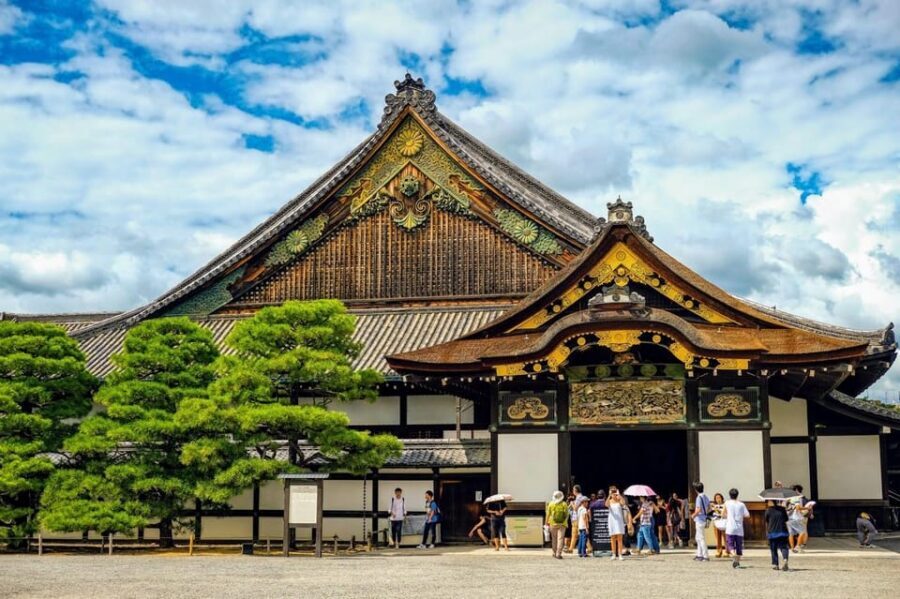
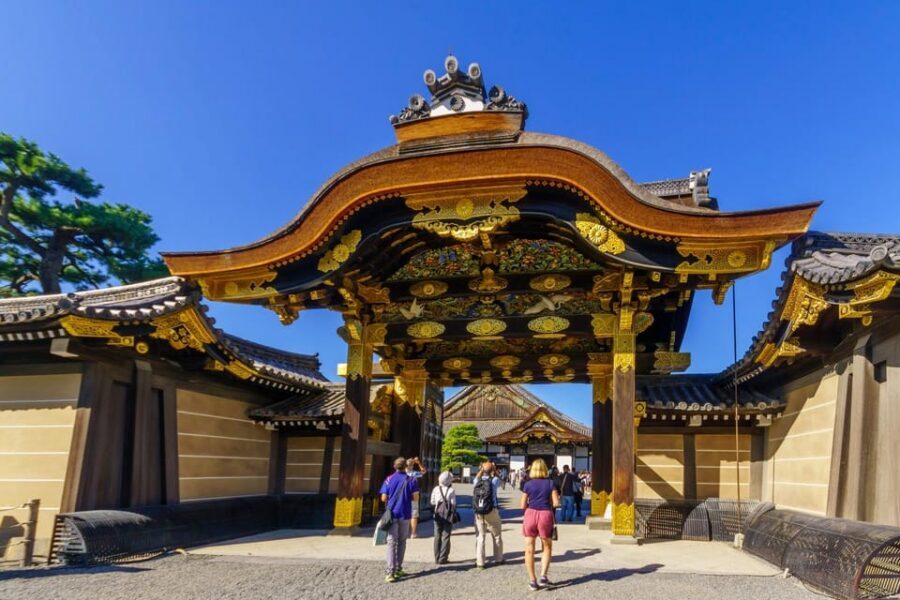
Next comes Nijo Castle, another UNESCO World Heritage site and a powerful reminder of shogunal authority during the Edo period (1603–1867). This stop matters because it turns Kyoto from temple-and-poetry mode into political history. The palace complex was associated with Tokugawa Ieyasu, the founding shogun of the Tokugawa dynasty, and it’s tied to over two centuries of influence.
You’ll get a guided look that focuses on what the castle is communicating—especially the sense of control and hierarchy. Even if you’re not a “history person,” the Edo setting makes the experience feel concrete. You’re not only seeing buildings; you’re seeing a symbol of governance and legitimacy.
Another money note: Nijo Castle entrance is not included, and the tour lists 1,300 yen (about US$8.50). That’s a real line item, but the payoff is high here because the castle is complex and easy to misunderstand without context.
Nishiki Market lunch break: shopping street energy with a timed pause
Then you’ll head to Nishiki Market, often called Kyoto’s kitchen. It’s described as a mix of traditional and modern Japanese food, ingredients, and crafts. Your stop includes a short break time (30 minutes), which is enough to grab something quick or do a quick browse without feeling like you’re stuck in a half-day shopping maze.
Since food and drinks are not included, treat Nishiki as your chance to personalize your lunch. If you love sampling, this is the right place to do small tastings rather than committing to a single heavy meal. If you’re more “walk and snack,” this break works well because the guided portion ends and you can move at your own speed.
One practical warning: the market can be crowded, so keep an eye on your meeting point and your belongings. You’ll enjoy the chaos more if you stay organized.
Fushimi Inari Taisha: torii gates, fox statues, and pacing yourself
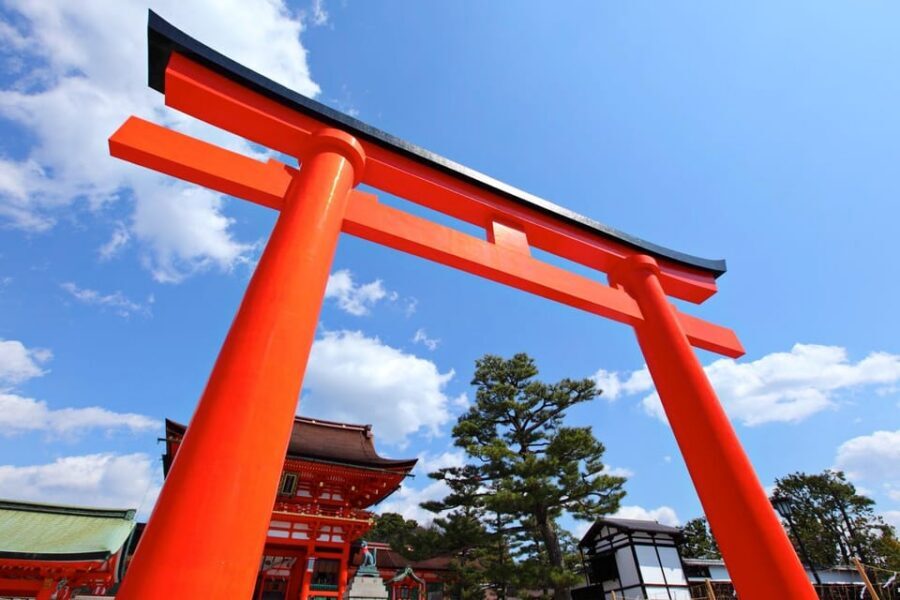
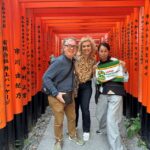
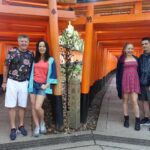
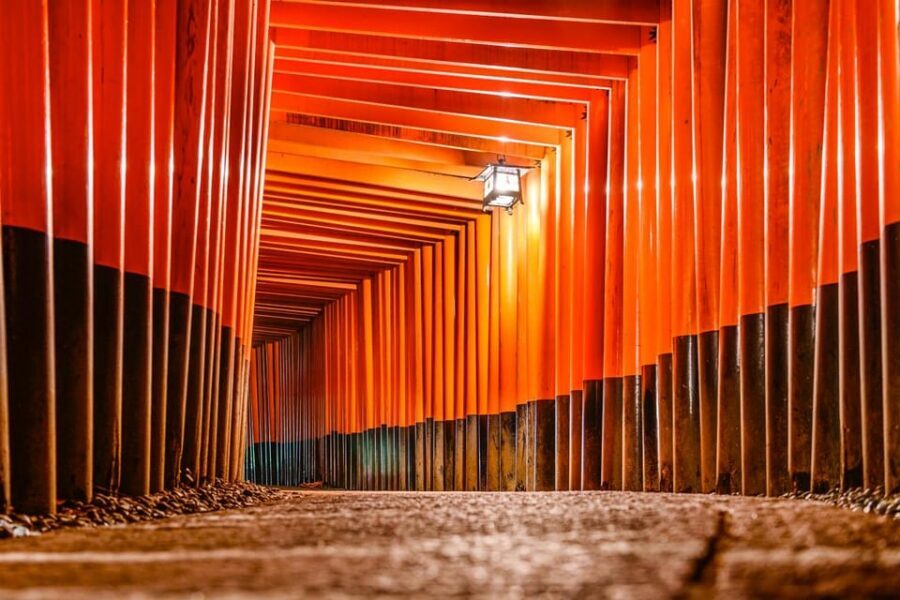
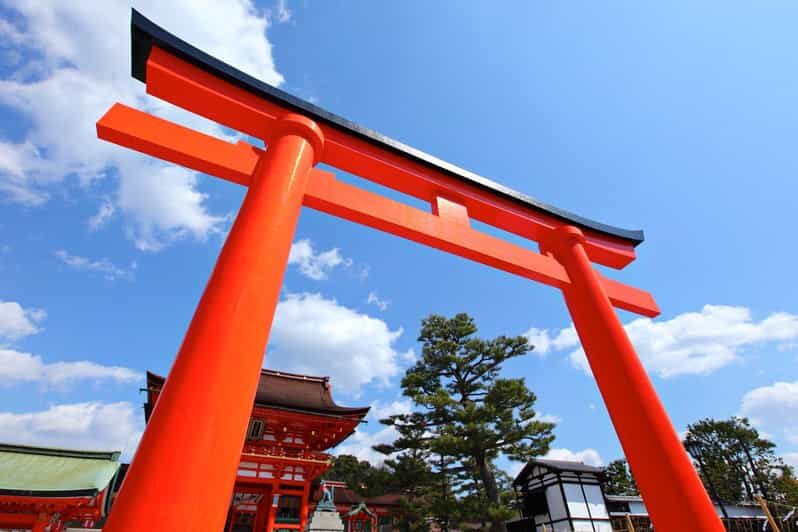
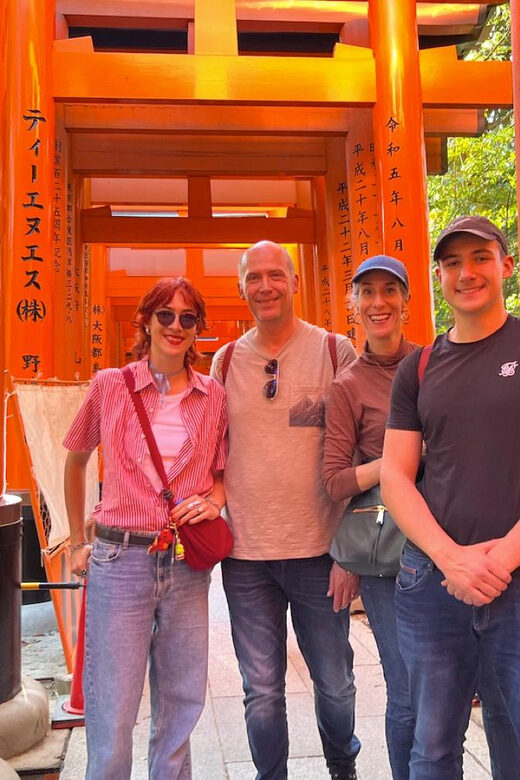
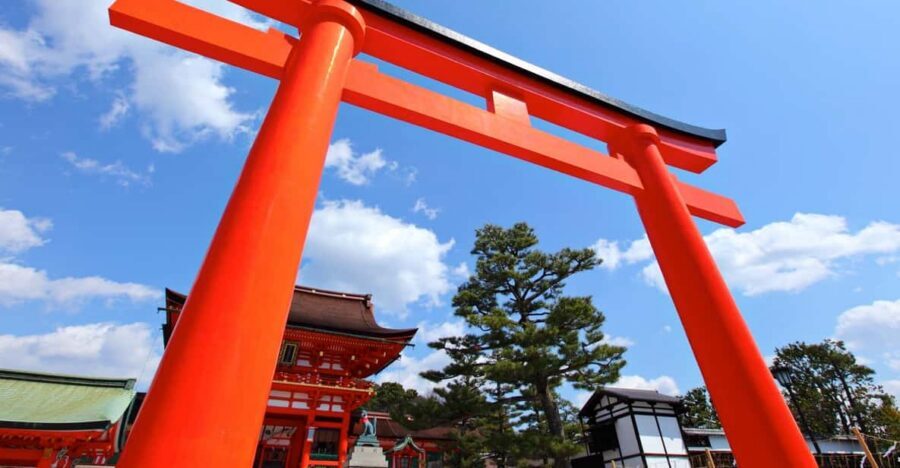
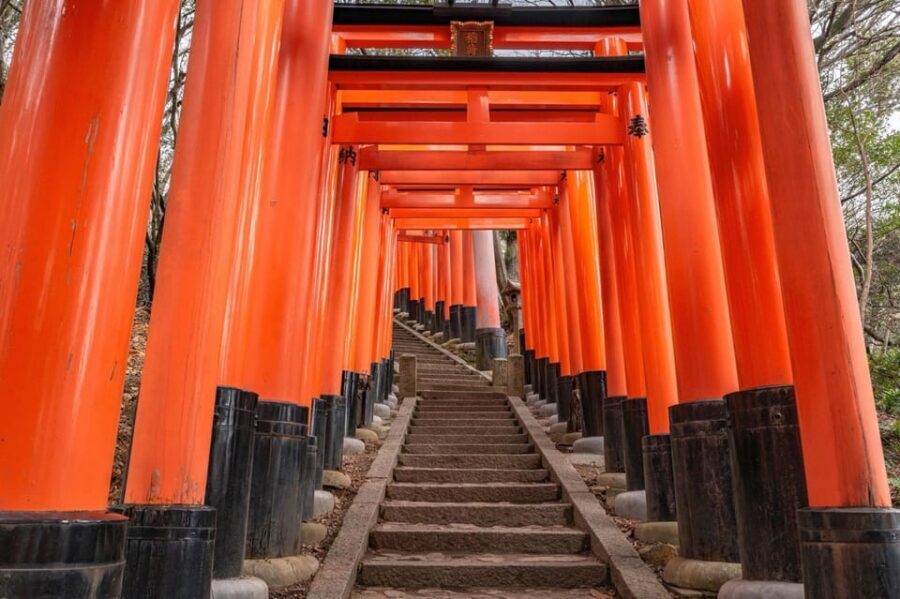
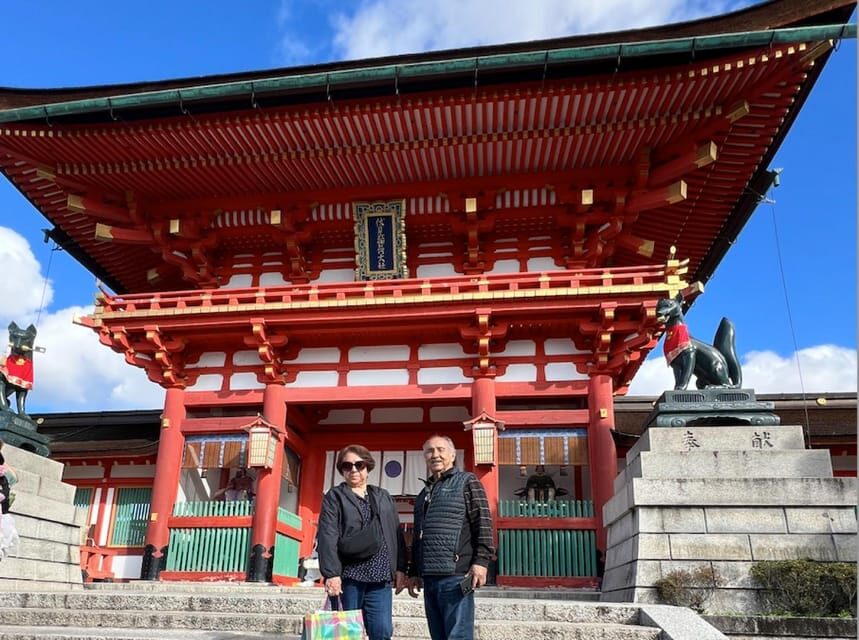
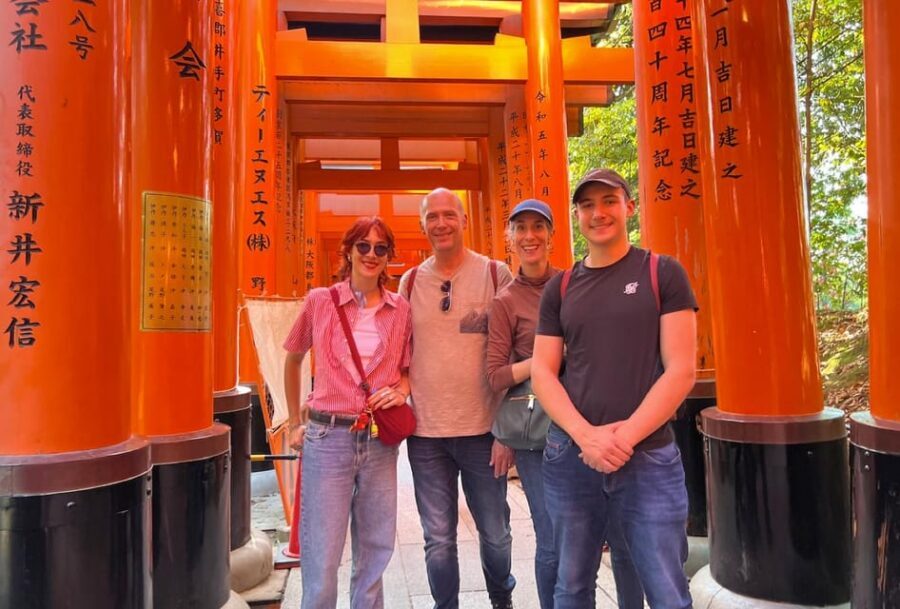
In the south of Kyoto, Fushimi Inari Taisha delivers something visually unforgettable: thousands of vermilion torii gates. You’ll also notice the fox statues scattered throughout the shrine grounds, which adds to the atmosphere as you follow paths that wind behind and around the main areas.
The guided value here isn’t only pointing out gates. It’s helping you understand the layout and how to experience it without turning it into an endurance hike. The tour is specifically described as not climbing mountains or long stairs, but temple interiors and shrine paths still involve walking.
Your guide will keep things moving, and you can choose how deep you want to go. If you’re someone who prefers “see the big stuff well” over “walk until your legs file for divorce,” Fushimi is a good fit because you can still enjoy the main feeling without losing your whole day.
Important cost note: Fushimi Inari entrance is free on this tour.
You can also read our reviews of more private tours in Kyoto
Kiyomizu-dera and the Sannenzaka/Ninenzaka streets: UNESCO plus classic Kyoto lanes
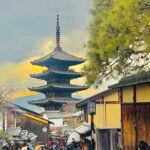
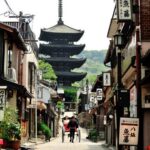
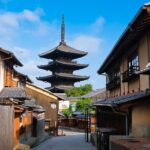
Kiyomizu-dera is a UNESCO World Heritage site and one of Japan’s most famous temples. Around it, the experience expands into the surrounding streets—especially Sannenzaka and Ninenzaka—which are known for shops selling Kyoto sweets, souvenirs, and traditional crafts.
The guided time at Kiyomizu-dera is about getting the temple’s place in Buddhist tradition and why it’s such a draw. Then the neighborhood streets give you the “Kyoto feeling” that many people chase: old-style lanes, local shops, and the sense that you’re not just touring, you’re wandering.
Entrance fees are not included for Kiyomizu-dera. The tour lists 500 yen (about US$3.10). If you’re doing this on a day with multiple paid temples, you’ll want to keep a small cash plan or a card plan ready.
Photo note: some places inside temples may restrict photography. This tour specifically flags that not every internal area allows pictures, so it’s smart to treat your camera like a polite tool—ready when allowed, not forced where it isn’t.
Gion with geiko and maiko: what to spot, and why timing matters
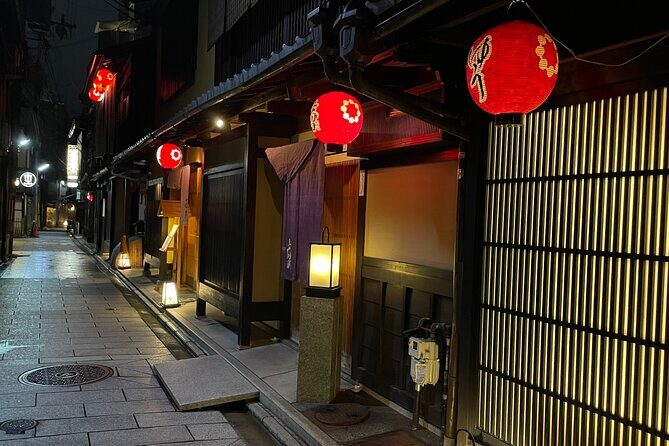
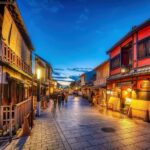
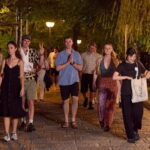
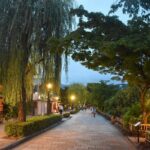
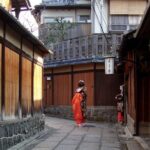
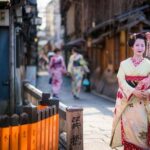
The day ends with a guided walk through Gion, Kyoto’s historic entertainment district. Here you’ll hear the Kyoto-specific terms geiko (Kyoto’s geisha) and maiko (apprentice geisha). The guide points out the traditional arts connection too—music, dance, and tea ceremonies—and you see the neighborhood structure: wooden machiya townhouses, tea houses (ochaya), and narrow cobblestone lanes.
The tour wording also notes that in the evening you might spot geiko or maiko in full attire heading to appointments. That’s not a guarantee, but it’s a big part of why this area works at the end of the day: people move differently near evening.
Even without spotting anyone, Gion is still a strong cultural experience because the streets help you feel Kyoto’s past. And since this tour is private, you can keep your pace steady instead of being dragged along for a photo stop every ten seconds.
Gion itself is described as free on this tour, so you’ll just pay any optional purchases you want to make.
Price and value: what you’re paying for (and what you still budget)
The price listed is $180 per person for about 510 minutes, and that includes a lot of the “hard parts” of sightseeing:
- A Kyoto city-certified licensed guide (Spanish language)
- Transportation support through the day’s route (the listing says you don’t need to pay for the guide’s entrance fees and transportation)
- Custom iPad explanations with images
- A photo-friendly guide approach (the guide can take as many pictures as you want)
What you should expect to pay separately:
- Temple entrance fees (Golden Pavilion 500 yen, Kiyomizu-dera 500 yen, Nijo Castle 1,300 yen)
- Food and drinks (not included)
- Transportation fee is listed as not included, so plan for transit costs between stops
When you compare this to doing everything on your own, the value is that you don’t just see famous places—you get guided interpretation at UNESCO sites, plus help staying oriented as you bounce between areas. That’s the difference between checking boxes and actually understanding what you’re looking at.
If you’re in a group where everyone has different interests—history, architecture, neighborhoods—this is also the kind of day that can keep everyone happy because the guide can explain what each place represents.
Practical tips so you don’t waste the day
This is a walking tour using public transportation. It’s described as not climbing mountains or long stairs, but temple and shrine grounds still require steady walking, and there are places where photos may not be allowed.
Bring:
- Comfortable shoes (seriously)
Plan for:
- Rain or shine
- Temple walking time inside complexes
- A day that may feel long if you need frequent rest
There are also clear limits for who it’s not suitable for: children under 7, people with back problems, people over 287 lbs (130 kg), and anyone with low fitness is warned against it. The tour also isn’t recommended if you rely on leg prosthetics because of the amount of walking inside temples.
My simplest advice: if you’re on the edge physically, choose a slower option instead. Kyoto is pretty; it’s not worth suffering to collect photos.
Who this tour is best for (and who should pick something else)
This private Kyoto tour makes the most sense for you if:
- You want Spanish guidance from a licensed city guide
- You want to cover multiple major highlights in one day
- You like understanding sites as you go, not after with a pile of notes
- You want the confidence to keep exploring after your guided portion
It may not be the best fit if:
- You need frequent breaks or you’re not comfortable with long walking stretches
- You have mobility or back concerns
- You want an unhurried, slow city day with lots of free time
Should you book this Kyoto private tour?
Book it if you want a structured day that hits Kyoto’s greatest hits and comes with clear explanations while you’re standing in front of the places. The iPad approach and licensed guide matter, especially if you like learning as you walk and you don’t want to spend your travel time decoding signs.
Skip it if you’re trying to do Kyoto in “minimum walking” mode. This is a full-day program with real walking time inside temple areas, and the tour itself warns it won’t fit everyone.
If you do book, go in with the right mindset: wear good shoes, bring patience for crowds, and treat each stop like a chapter instead of a quick photo.
FAQ
Is the tour guided in Spanish?
Yes. The live tour guide provides the tour in Spanish.
Where is the pickup location?
Pickup is included at Kyoto Station. The meeting point is described as in front of Seven Eleven, Kyoto Station.
How long is the tour?
The total duration is 510 minutes.
Which major sights are included?
The tour includes Kinkaku-ji (Golden Pavilion), Nijo Castle, Nishiki Market, Fushimi Inari Taisha, Kiyomizu-dera, and Gion.
Are entrance fees to the temples included?
No. Entrance fees are not included for Kinkaku-ji, Nijo Castle, and Kiyomizu-dera.
Is Fushimi Inari Taisha free on this tour?
Yes. Fushimi Inari is listed as free.
Is Gion included without a fee?
Yes. The Geisha District is listed as free.
Do I get lunch included?
No. Food and drinks are not included. There is a short break at Nishiki Market where you can buy food and drinks.
Is the tour okay for people who need to rest frequently?
It’s not recommended if you need to rest frequently due to overweight or age, and it’s also not recommended for people with low fitness or back problems. The tour is walking-focused and includes temple walking.