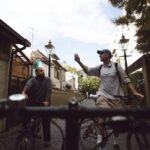
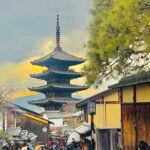
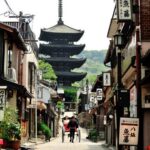
Kyoto’s creepy side has real roots. This Dark Kyoto Tour uses famous sites and lesser-known corners to connect spooky folklore with the city’s religious and historical background, guided by Atticus Sims. You also get a route that doesn’t just hit the usual photo spots, which makes the whole thing feel more like a guided story walk than a checklist.
I particularly like how the tour balances atmosphere and meaning. The stops are grounded in what those places were used for, like Yasaka Shrine’s role in attempts to ward off a plague in the 9th century, and Kennin-ji’s status as the oldest Zen temple in Japan. That context matters because it keeps the “dark” theme from turning into pure camp.
One consideration: this is set up for people who enjoy ghost-story vibes, but it may be too much if you’re very sensitive to scary ghost stories. The tour still stays fun and culture-focused, but the theme is clearly meant to feel creepy at times.
In This Review
- Key Highlights You’ll Feel Right Away
- A Small-Group Night Walk Through Kyoto’s Haunted Reputation
- Meeting at Yasaka Shrine: The Plague-Warding Story Starter
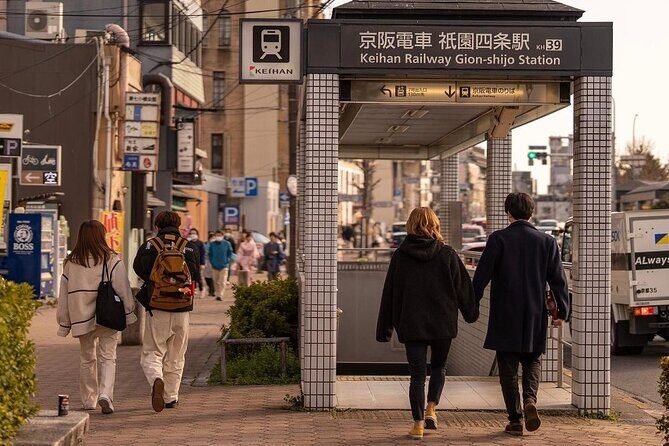
- Gion Back Streets: Where Haunting Tales Live Next to Real Life
- Kennin-ji Temple: Old Zen Roots Behind the Darker Mood
- Kiyomizudera: UNESCO Scale Plus a Local Dark Reputation
- Toyokuni Shrine and Hideyoshi’s Enshrinement: Power, Memory, and Myth
- Atticus Sims: The Guide Factor That Makes It Fun
- What Makes the “Dark” Theme Work (and When It Might Not)
- Price and Value: Is $175 Worth It?
- Best Fit: Who This Tour Is For
- Should You Book the Dark Kyoto Tour?
- FAQ
- Where does the Dark Kyoto Tour start?
- How long is the tour?
- What size is the group?
- Is admission included at any stops?
- Is this tour suitable if I do not like scary ghost stories?
- What if weather is poor or I need to cancel?
Key Highlights You’ll Feel Right Away
- Small group of up to 10 keeps the pace comfortable and the guide’s stories clear
- Mobile ticket makes it easy to show up without extra hassle
- Big-name Kyoto sites plus quieter stops like cemeteries and a haunted candy store-type detour (if included on the night)
- Ghost stories with cultural context instead of random scares
- Kiyomizudera admission included so you don’t have to hunt for tickets mid-walk
- Atticus Sims brings a fun, talkable style that works even for teenagers
A Small-Group Night Walk Through Kyoto’s Haunted Reputation
This is a 4-hour guided experience in Kyoto that leans into the city’s darker side: haunted, supernatural, and creepy tales tied to real places. The best part is that the route doesn’t treat Kyoto like a theme park. It uses location, religion, and history to explain why people in Japan told these kinds of stories in the first place.
You’ll be in a group that caps at 10 people, which makes a big difference here. With smaller groups, you get more time to ask questions and more chance for the guide to adjust the pace. It also makes photo stops feel less chaotic when you’re moving through shrine and temple areas.
The tour works for first-timers and repeat visitors. If it’s your first Kyoto trip, you’ll recognize major names like Gion and Kiyomizudera. If you’ve been before, you’ll still get value from the lesser-known edges of the city where people’s daily lives overlap with old beliefs and old fears.
You can also read our reviews of more tours and experiences in Kyoto.

Meeting at Yasaka Shrine: The Plague-Warding Story Starter
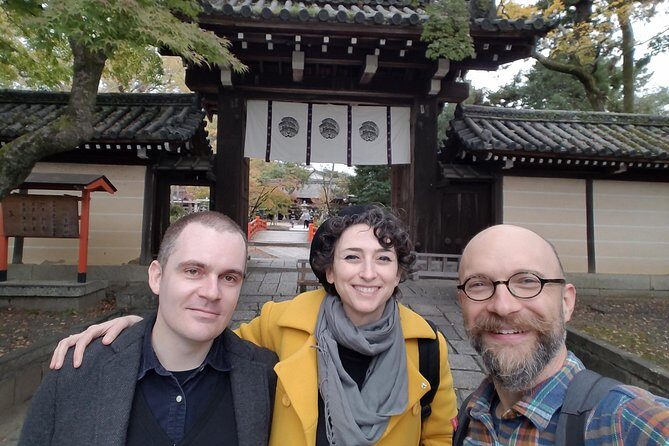
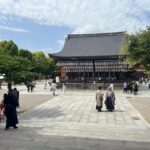
The tour starts at Yasaka Shrine, at 625 Gionmachi Kitagawa, Higashiyama Ward, Kyoto, 605-0073. It’s a fitting place to begin if you’re curious about how fear, ritual, and community history connect.
One of the strongest anchors at this first stop is the shrine’s role in attempts to ward off a plague that affected Kyoto in the 9th century CE. That’s not a vague ghost story. It’s a real historical hook that shows how communities responded to threats they couldn’t control—through ceremony, symbolism, and collective belief.
Practical note: the stop here is listed at about 15 minutes with admission free. That short time works well because it gets your brain in the right gear early. You learn how the guide will connect the spooky theme to why these places mattered.
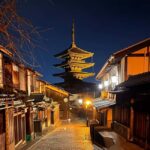
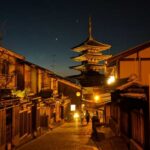
Gion Back Streets: Where Haunting Tales Live Next to Real Life
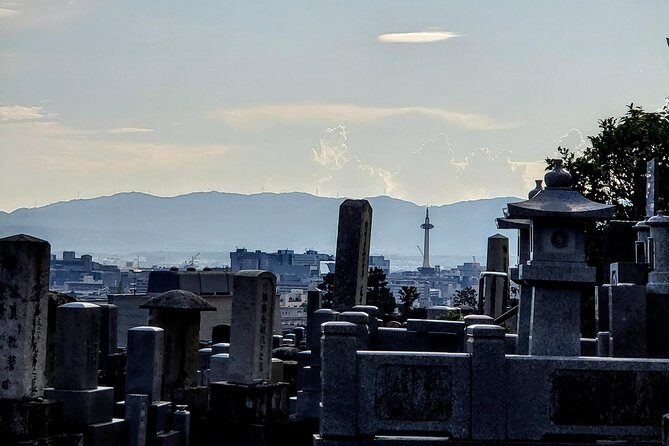
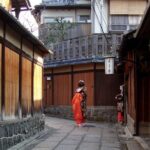
Next comes Gion, focused on the back streets instead of only the postcard lanes. The pitch here is simple: Gion’s smaller lanes are where haunting tales are said to hang around, passed down through storytelling.
This stop is about 30 minutes, and admission is free. What you should take from it isn’t just the idea of ghosts. It’s the way Kyoto’s traditions show up in the street layout itself—alleys, corners, and the feeling of moving through layers of time. Even if you’re not chasing supernatural thrills, Gion is one of the best neighborhoods in Kyoto for seeing how “old Kyoto” still operates alongside modern life.
A small but important consideration: if you’re expecting loud jump-scares, this isn’t that. The tour’s vibe is more about explanation and atmosphere—creepy tales paired with what the place represents.
Kennin-ji Temple: Old Zen Roots Behind the Darker Mood
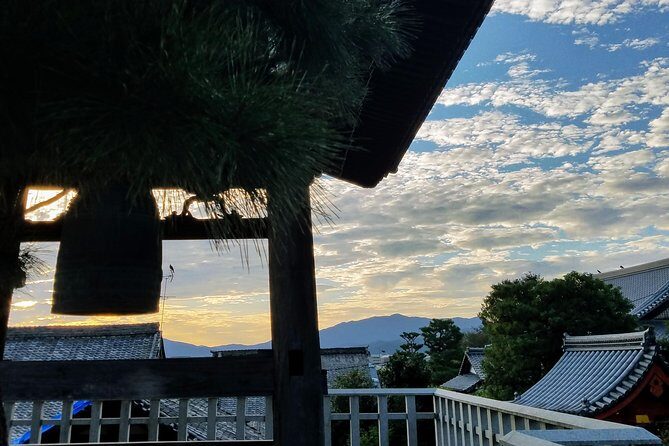
Then you move to Kennin-ji Temple, listed as the oldest Zen temple in Japan. Admission is free, and the stop is about 15 minutes.
This is where the tour’s tone becomes especially useful. The dark theme could easily become only spooky folklore, but Kennin-ji gives you a different kind of grounding: Zen traditions, temple practice, and the longevity of Kyoto’s religious landscape. The “dark” feeling here comes more from the weight of history and the seriousness of spiritual life than from cheap thrills.
If you like understanding Japan through religion rather than just through modern attractions, this stop is a real win. It also helps that the time is short enough to keep the evening moving without feeling rushed.
Kiyomizudera: UNESCO Scale Plus a Local Dark Reputation
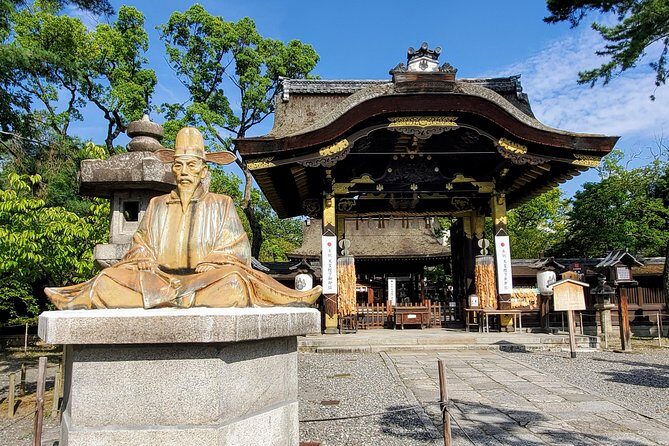
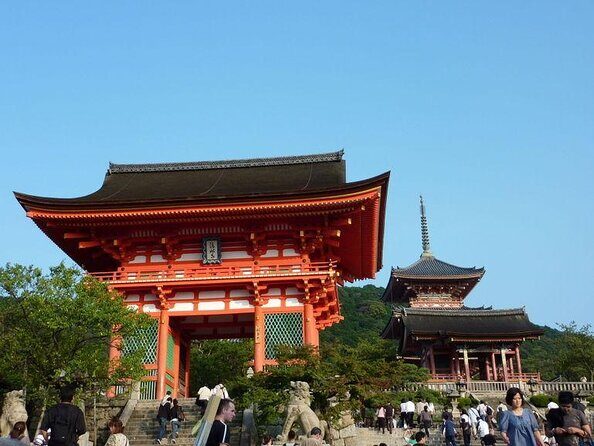
Your next bigger landmark is Kiyomizudera (Kiyomizu Temple), a UNESCO World Heritage Site and also known locally for its darker history. Admission is included, and the stop is about 30 minutes.
This is the kind of place where the tour’s concept clicks: a major “must-see” site plus an angle most casual visits don’t bother with. Kiyomizudera is famous for a reason—so when you add local stories tied to its past, the experience becomes more than sightseeing. It becomes story-based place literacy.
Here’s what you should consider: Kiyomizudera is a high-profile temple area, so expect it to feel more crowded than the smaller neighborhood stops. The tour’s small group size helps with navigation and timing, but you’ll still be sharing space with other visitors because this is one of Kyoto’s headline attractions.
Also, because admission is included, you avoid the small hassle of figuring out ticket timing mid-tour. That’s good value in practice, especially when your day is already packed.

Toyokuni Shrine and Hideyoshi’s Enshrinement: Power, Memory, and Myth
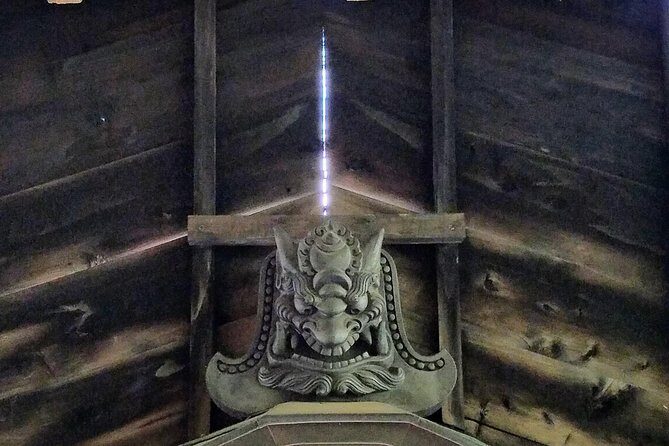
The final listed stop is Toyokuni Shrine, where shogun Hideyoshi is enshrined. This stop is short—about 10 minutes—and admission is free.
This is a smart closer because it ties supernatural storytelling to the way Japan remembers power. The tour’s theme isn’t only ghosts and horror. It also traces how beliefs, politics, and cultural memory overlap at shrines dedicated to important figures.
Even in just 10 minutes, this part can stick with you because it gives the “why” behind certain stories. It frames the dark side of Kyoto not as random entertainment, but as a reflection of how people make sense of life, fear, and authority.
Atticus Sims: The Guide Factor That Makes It Fun
The biggest strength of this tour is the human delivery. Atticus Sims comes through in the reviews as both fun to talk with and strong at giving context. You don’t just hear spooky lines. You get an explanation for meanings and history tied to each place.
That matters because it changes your whole relationship with the route. If you’re the type who likes stories but gets bored when they’re disconnected from real life, this style works. It turns creepy into curiosity instead of just creepy for creepy’s sake.
It’s also a tour that seems to hold attention across ages. One review mentioned that even teenagers were fully engaged. That’s a good sign if you’re traveling with family and want something that doesn’t feel like a lecture, but still feels like it has substance.
What Makes the “Dark” Theme Work (and When It Might Not)
The tour is aimed at people who aren’t too sensitive to scary ghost stories. That’s the key phrase. The “dark” approach is there, but it’s designed to stay within the boundaries of fun.
So what should you expect from the experience vibe? Think of it like this:
- You’ll hear supernatural-style tales tied to places.
- You’ll also get cultural and historical anchors so the stories feel purposeful.
- The goal isn’t to terrify you. It’s to entertain you and give you a different Kyoto angle.
If you know you get anxious with horror-themed storytelling, you might want to skip this. If you like spooky folklore but you also want it explained, this tour fits well.
Price and Value: Is $175 Worth It?
The price is $175 for about 4 hours with a mobile ticket and a maximum group size of 10. That’s not a low-cost add-on, so you should judge value by what you get besides the theme.
Here’s the practical value case:
- You’re getting a curated route that hits both big names (like Gion and Kiyomizudera) and smaller or less obvious places (like a Zen temple and shrine stops you might not choose on your own).
- Admission is included for Kiyomizudera, which helps offset costs in a very tangible way.
- You have a guide actively connecting religion, history, and “dark” folklore, so you’re not just paying for walking.
For me, the price makes sense if you want guided meaning. If you’re the type who likes to wander independently and only wants map-based logistics, you could probably DIY a “dark Kyoto” itinerary with research. But if you’d rather have a trained storyteller explain why these sites matter, the small-group format and stop selection justify the spend.
Best Fit: Who This Tour Is For
This tour is a strong match if:
- You want a Kyoto experience that goes beyond the usual highlights.
- You like the intersection of religion, history, and folklore.
- You enjoy a guide who tells stories with context, not just facts.
It’s also a good pick if you’re going with a partner or family and want an evening plan that feels structured but not stiff. The route includes multiple “major” sites, which keeps it satisfying, while still moving to quieter, more unusual stops.
If you hate spooky stories or you’re easily spooked, reconsider. The theme is built for people who can handle ghost-story vibes.
Should You Book the Dark Kyoto Tour?
I’d book it if you’re excited by Kyoto’s reputation as a city where people take spiritual beliefs seriously—and you want that reputation explained through real locations. The mixture of famous stops plus lesser-known corners makes it feel like more than a repeat of the same highlights you’ll see in guidebooks.
I’d skip it if you’re seeking a purely historical lecture without any creepy storytelling element, or if ghost-themed tales make you uncomfortable. And if you’re hoping for big-budget theatrical scares, that’s not the style.
If you’re in the sweet spot—spooky-curious, story-driven, and open to learning—you’ll likely leave with Kyoto feeling bigger, weirder, and more understandable at the same time.
FAQ
Where does the Dark Kyoto Tour start?
The tour starts at Yasaka Shrine, 625 Gionmachi Kitagawa, Higashiyama Ward, Kyoto, 605-0073, Japan.
How long is the tour?
It’s approximately 4 hours.
What size is the group?
The tour has a maximum of 10 travelers.
Is admission included at any stops?
Yes. Kiyomizudera admission is included. The other listed stops (Yasaka Shrine, Gion, Kennin-ji Temple, and Toyokuni Shrine) are listed as free.
Is this tour suitable if I do not like scary ghost stories?
It’s described as ideal for people who aren’t too sensitive to scary ghost stories. If you’re very sensitive, you may want to choose something else.
What if weather is poor or I need to cancel?
The experience requires good weather. If it’s canceled due to poor weather, you’ll be offered a different date or a full refund. There is free cancellation up to 24 hours in advance for a full refund.