REVIEW · KYOTO
Kyoto: Traditional Yuzen Dyeing Experience
Book on GetYourGuide →Operated by Cultural Edu-tourism Council · Bookable on GetYourGuide
Kyoto Yuzen is dyeing you can actually do. This small-group workshop takes place in a real machiya townhouse in Kyoto’s Nishijin area, where you’ll learn the craft, choose your palette, and create a take-home silk piece. I especially like how hands-on it is and how the artisan adjusts colors for harmony, not just for show.
Two hours sounds short, but the format gives you real focus: you paint your own design while seeing dyed samples and learning why the process works. The main thing to consider is that you’ll be working on the floor in a traditional home, and you should wear clothes you’re comfortable getting stained.
In This Review
- Key Highlights You’ll Notice Fast
- Kyoto Yuzen in a Real Machiya: What Makes This Workshop Different
- Price and Value: Why $161 Can Make Sense for a 2-Hour Class
- Before You Start: The Design and Color Plan
- Step-by-Step: Painting Silk in Kyoto Yuzen Style
- 1) See Kyoto Yuzen examples first
- 2) Your fabric is prepped with the design
- 3) You paint your colors with guidance
- 4) You finish and leave with the dried piece
- The Machiya Atmosphere: Why the Setting Changes the Craft
- Meet the People Who Make It Work: Artisan + Interpreter Support
- Comfort and Practical Tips: What to Wear and How to Avoid Mishaps
- What You Take Home: Your Silk Keepsake (and How to Value It)
- Who This Workshop Fits Best (and Who Should Skip It)
- Should You Book Kyoto Yuzen Dyeing in Nishijin?
- FAQ
- FAQ
- How long is the Kyoto Yuzen dyeing experience?
- Where does the workshop take place?
- What’s included in the price?
- What language is the guide/interpreter?
- Is transportation included?
- What should I wear or bring?
- Are there any health or chemical considerations?
- Is this experience suitable for children?
- What is the cancellation policy?
Key Highlights You’ll Notice Fast
- Machiya setting in Nishijin: experience the craft inside a traditional Kyoto residence
- Small group, up to 6 people: more attention from the artisan and interpreter
- You choose colors first: then the artisan builds the rest for balance
- English or Chinese interpreter: explanations stay clear throughout
- Take-home Kyoto Yuzen silk: you leave with your finished piece, not just a souvenir photo
- Calm, paced instruction: time is spent carefully, not rushed through
Kyoto Yuzen in a Real Machiya: What Makes This Workshop Different
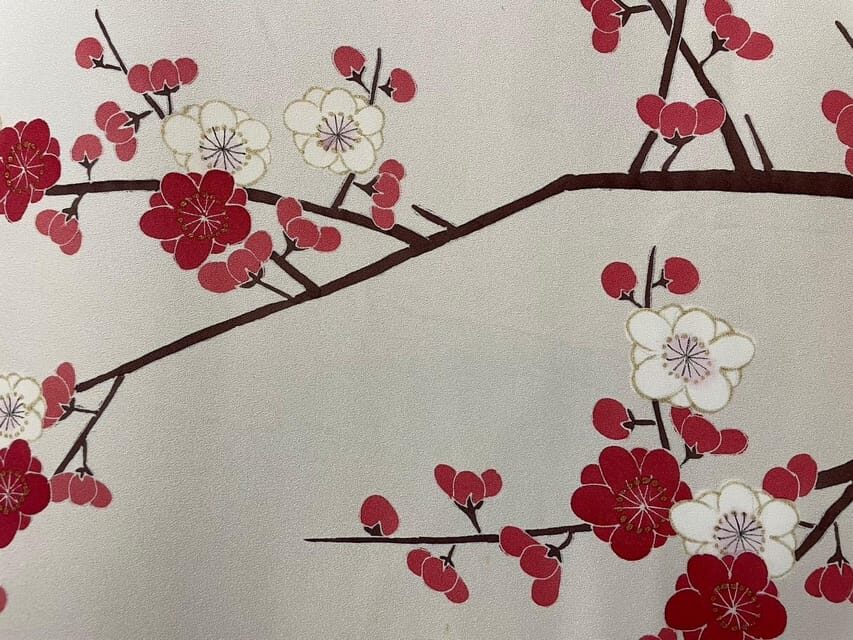
Kyoto Yuzen dyeing is one of those Japanese crafts that looks elegant from a distance, but feels very specific up close. Here, the point isn’t to watch someone else work. You get to participate in the actual dyeing-and-painting process on silk, under the guidance of the artisan.
The location matters. This class is held in the artisan’s own home in Kyoto’s historic Nishijin district, in a traditional machiya townhouse. That means you’re not trapped in a fluorescent classroom. You’re in a space built for everyday life, with a workshop feel—calm and methodical. Reviews also mention a studio view (including garden scenery in at least one session), which helps explain why the experience can feel surprisingly relaxing.
Because the setting is intimate, you also learn faster. When the artisan is right there, you can ask questions, and you can see how colors should look at different stages. That’s hard to replicate in a mass workshop.
You can also read our reviews of more tours and experiences in Kyoto.



Price and Value: Why $161 Can Make Sense for a 2-Hour Class
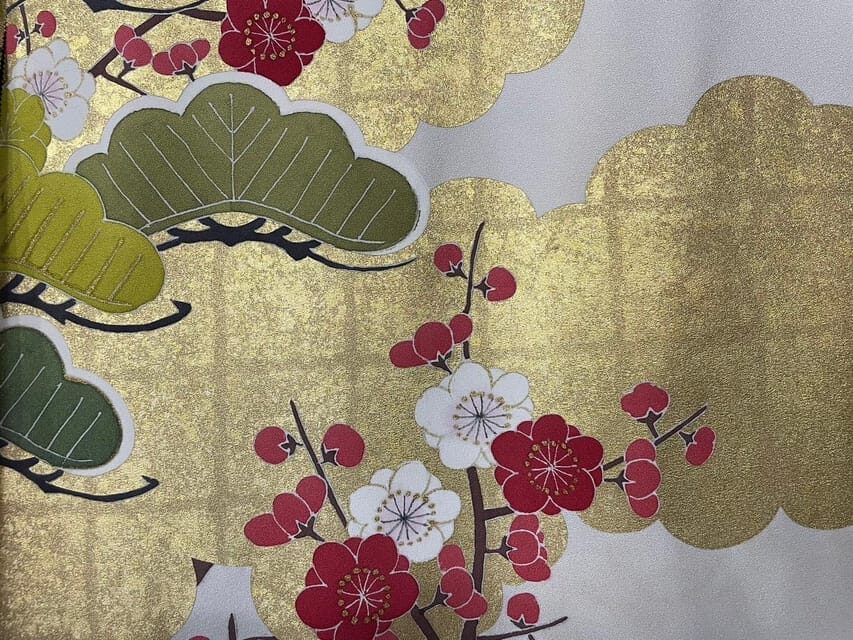
Let’s talk money without pretending it’s cheap. At $161 per person, this isn’t a casual activity. You’re paying for three things that are hard to replicate on your own:
- Access to a master artisan’s home studio rather than a generic classroom
- Instruction plus interpretation in English or Chinese, with explanations of tools and technique
- A finished, take-home silk piece that reflects your design and your color choices
You’re also paying for time. The workshop lasts about 2 hours, and the class is designed around making progress without rushing. In practice, that’s important with dyeing. If you try to “speed-run” color mixing and application, your results suffer. Here, the artisan helps with palette decisions and the application basics so your silk piece looks intentional.
Could you find cheaper arts and crafts classes? Yes. But if what you want is authenticity—silk painting guided by a Yuzen specialist in a traditional Kyoto house—this price is easier to justify.
Before You Start: The Design and Color Plan
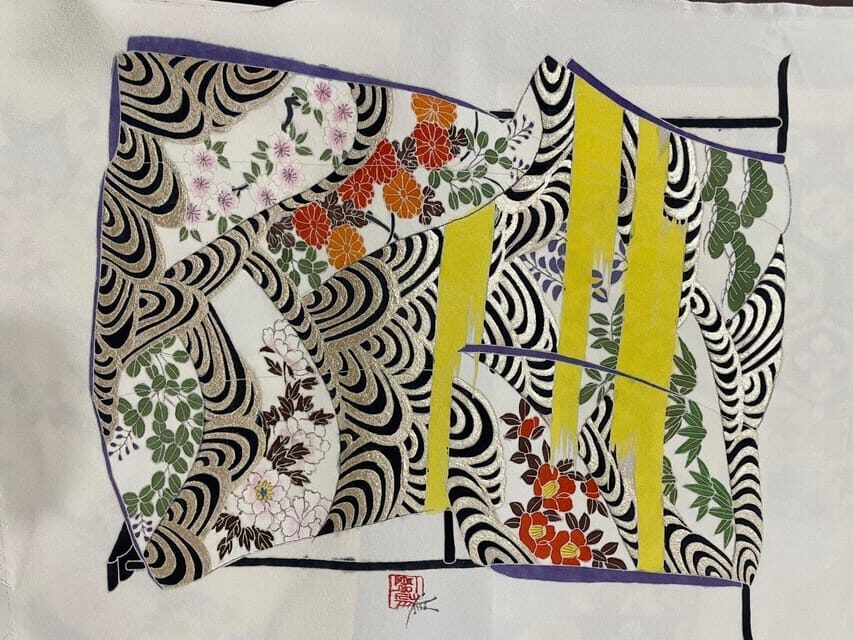
The session starts with a planning step that feels simple, but it’s actually a big deal in Yuzen. You’ll choose the look of your piece from available options, and then you’ll select one or two colors that you want.
After that, the artisan does the part most people would struggle with: choosing the remaining tones so everything looks harmonious. This is where Yuzen becomes more than coloring. The goal is balance—how light and dark spread across the design, and how the colors relate to each other on silk.
In the sessions described, the artisan may also mix colors directly in front of you and show you how particular shades come out. That live mixing helps you understand why you get certain results on fabric, not just on a color chart.
Step-by-Step: Painting Silk in Kyoto Yuzen Style
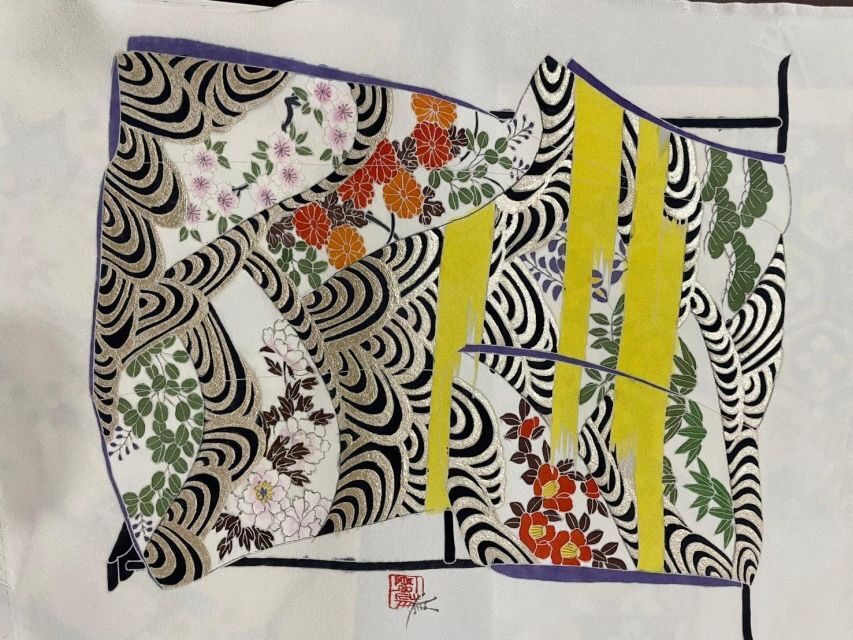
Once you’re set with a design and palette, the workshop becomes practical. You’ll be painting on silk as the instructor guides you through the technique.
Here’s what you should expect from the experience flow:
1) See Kyoto Yuzen examples first
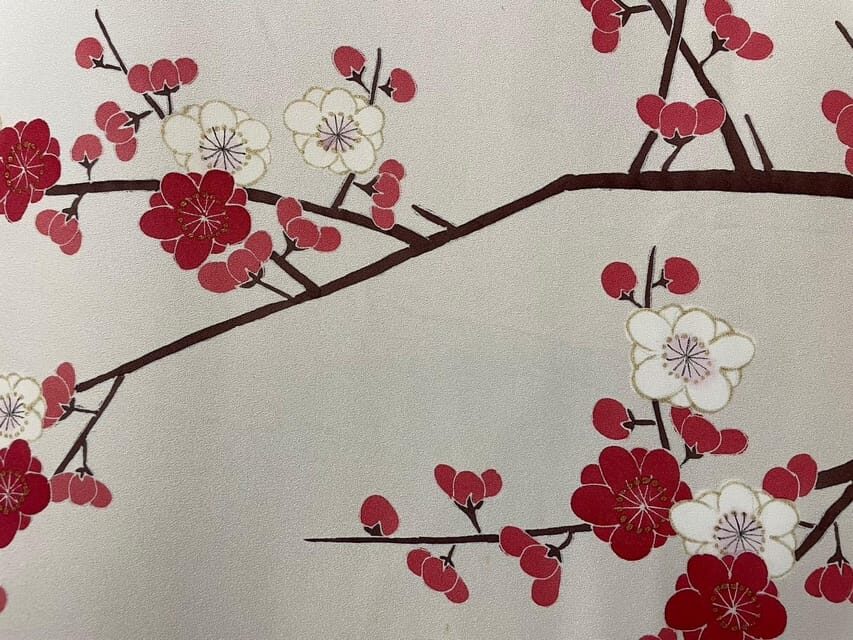
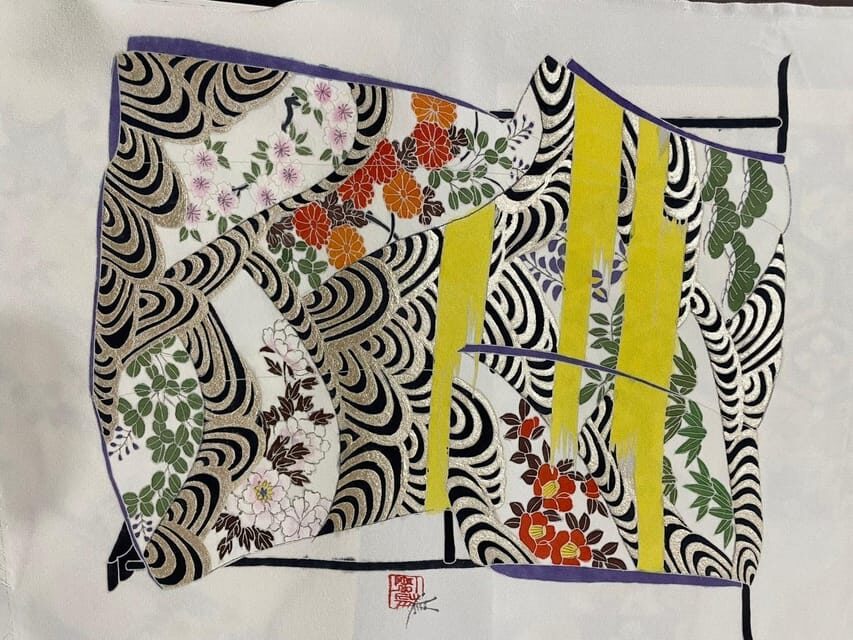
The class includes a display of Kyoto Yuzen works. Use this time to get your eye aligned. Look at how the lines guide the composition and how color transitions work. Even if you’re not an “art person,” you’ll start to understand the rules of the craft quickly.





2) Your fabric is prepped with the design
Your silk is provided with the outline work done ahead of time, so you’re not starting from blank fabric. That’s a relief. You’ll paint within the structure, which keeps the final piece looking like true Yuzen rather than a generic dye project.
3) You paint your colors with guidance
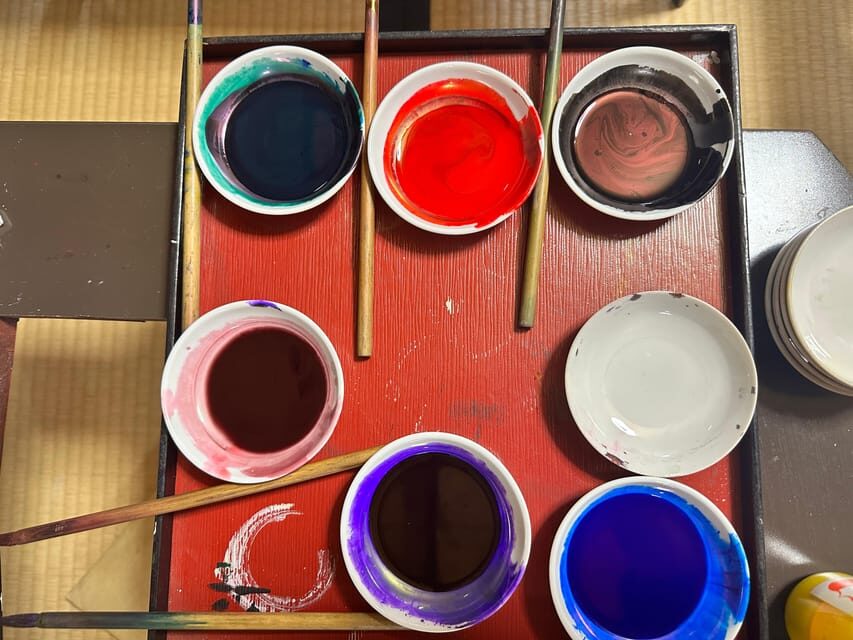
Your artisan and interpreter will walk you through the tools and technique as you go. Many people find this part calming and meditative because the process is careful and repetitive in a good way.
One practical tip that came up in feedback: don’t overload your brush. Too much dye can bleed. It’s the difference between crisp edges and a softer, less controlled look.
4) You finish and leave with the dried piece
After painting, your silk piece is finished so it’s ready to take home. Reviews note that the artisan irons the work to help ensure it is dry before you go.
The Machiya Atmosphere: Why the Setting Changes the Craft
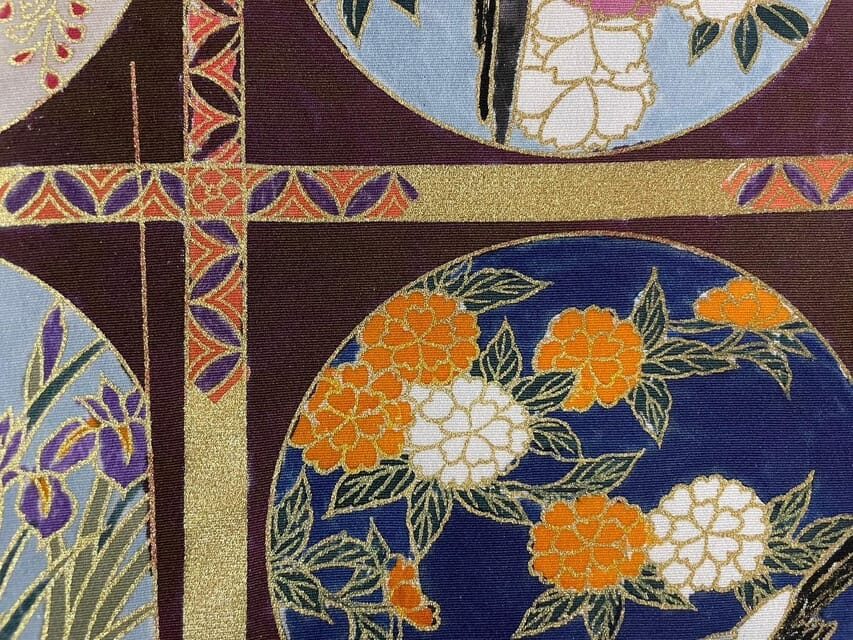
In a city full of busy schedules, a traditional workshop can feel like a reset. The machiya townhouse setting plays a real role here.
You’re inside a Kyoto residence in the Nishijin district, not in a storefront studio. That shifts the vibe from tourism to participation. The calm helps you slow down, and Yuzen dyeing rewards that pace. You’re not just doing art. You’re practicing a sequence of steps where timing and control matter.
Even if you’ve done crafts before, this feels different because the artisan is focused on the craft’s precision: how much liquid to use, how the color concentration behaves, and how the palette should feel overall.
Meet the People Who Make It Work: Artisan + Interpreter Support
This workshop is designed for communication. It includes an interpreter (English or Chinese), and that support makes a huge difference with a technique as hands-on as dyeing.
In feedback from actual sessions, the interpreter Ha has been mentioned as kind and helpful, including translating clearly and even taking photos during the process. Another name that shows up often is Master Shin’Ichiro, described as an experienced Yuzen artisan who helps with color selection and palette harmony.
What I like about this setup for your experience is simple: you’re not forced to “guess” what the artisan wants. You’ll hear the why behind the steps, not just the how.
Comfort and Practical Tips: What to Wear and How to Avoid Mishaps
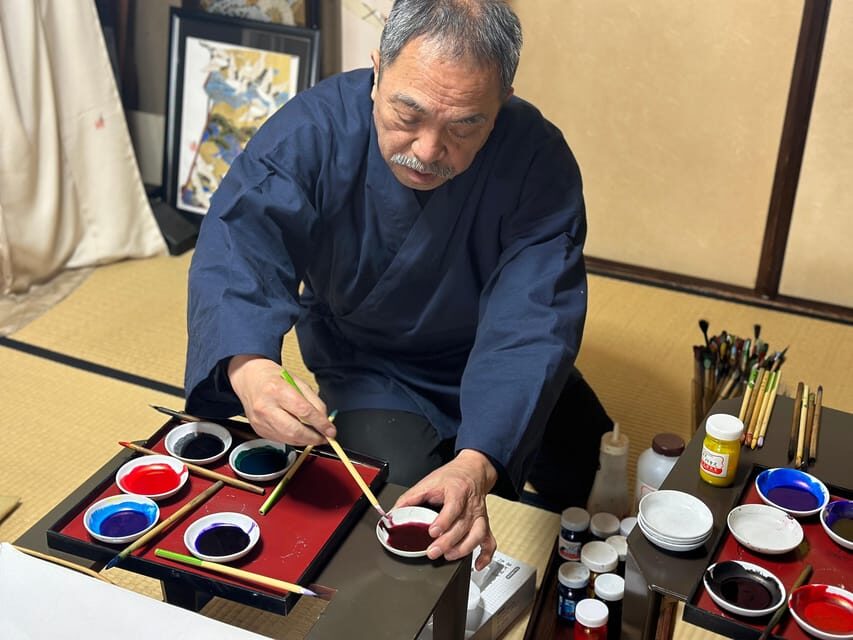
This is where you’ll thank yourself later. The workshop has a straightforward rule: wear clothes you don’t mind getting dye on.
Even if the instructor is careful, dye work is dye work. Also plan for the fact that you may need to sit and work in a traditional way for the full 2 hours. Feedback specifically warns it’s not ideal if you can’t sit on the floor that long.
A couple smart prep moves:
- Wear comfortable, washable clothing.
- If you have allergies or sensitivities, inform the provider in advance because chemicals may be involved.
- Stay focused on brush control; overloading dye is a common mistake.
Also note what’s not allowed: alcohol and drugs are prohibited. This keeps the work area consistent and safe.
What You Take Home: Your Silk Keepsake (and How to Value It)
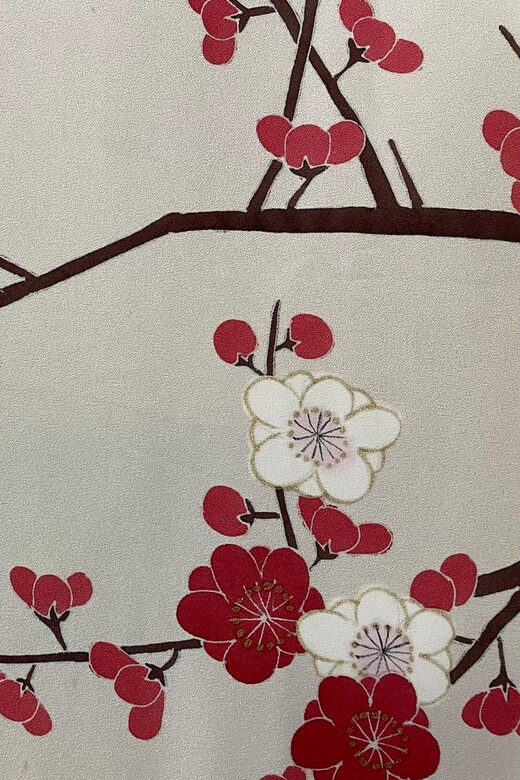
You leave with your own Kyoto Yuzen-dyed silk fabric piece. That’s the core value. You’re not buying a finished artwork from a gallery. You’re collaborating with a craftsperson on a piece that reflects your choices—especially your selected colors and how the artisan adjusted the final palette.
That makes the souvenir feel personal in a way that a printed postcard never will. It also means it can become something you actually display or use later, because it’s not just a prop from your trip.
Treat it like a finished art item. Your final piece is prepared and dried before you depart, which helps you avoid the “now what?” problem some workshops create.
Who This Workshop Fits Best (and Who Should Skip It)
This experience is a strong match if you:
- Love hands-on crafts and want a real artisan-led process
- Want a Kyoto cultural activity that isn’t a ticket-and-trolley stop
- Enjoy slow, careful work where guidance keeps you on track
- Want a meaningful souvenir you made yourself
It’s less ideal if you:
- Can’t sit on the floor for the session length
- Need a high-energy, fast-moving activity (this is calm and paced)
- Are bringing very young children (it’s not suitable for children under 10)
- Are traveling with babies under 1 year (also not suitable)
If you have mobility needs, good news: the experience is wheelchair accessible.
Should You Book Kyoto Yuzen Dyeing in Nishijin?
Yes, if you want a Kyoto craft that feels authentic and personal. The workshop checks the boxes most people care about: a small group, instruction from the artisan, interpretation support, and a take-home silk artwork made through your own painting choices.
I’d book it now if you’re the kind of person who likes learning a traditional technique and seeing how color mixing and application affect the final look. And if you’re worried about being rushed, the pacing described in sessions tends to be patient and supportive, which helps you produce something you’re proud to carry home.
I’d think twice if you know you can’t sit comfortably for around two hours, or if you’re not willing to wear clothes that might get stained.
FAQ
FAQ
How long is the Kyoto Yuzen dyeing experience?
The experience lasts about 2 hours.
Where does the workshop take place?
It takes place in Kyoto, in the Nishijin district, inside a traditional machiya townhouse.
What’s included in the price?
Included: the Yuzen dyeing experience, instruction directly from the artisan, an interpreter, and a view/display of Kyoto Yuzen works.
What language is the guide/interpreter?
English and Chinese.
Is transportation included?
No. Transportation to and from the meeting point is not included.
What should I wear or bring?
Wear comfortable clothes that you do not mind getting dye on.
Are there any health or chemical considerations?
The experience may involve the use of chemicals. Let the provider know in advance if you have allergies or sensitivities.
Is this experience suitable for children?
It is not suitable for children under 10 years old, and it is not suitable for babies under 1 year.
What is the cancellation policy?
Free cancellation is available up to 3 days in advance for a full refund.