REVIEW · GEISHA & MAIKO TOURS
Kyoto: The Original Geisha Walking Tour (established 2002)
Book on GetYourGuide →Operated by Kyoto Geisha Waling Tours · Bookable on GetYourGuide
Kyoto at 4:00 p.m. sets the mood fast. This is the original Kyoto Geisha Walking Tour, built around Hanamachi streets, honest talk about geisha life, and photography tips you can use right away. I like that the walk is guided by Peter MacIntosh, with decades of research behind the stories, and I also like the small-group pace that keeps questions from piling up. The one drawback to know up front: seeing maiko or geiko isn’t guaranteed, so come for the culture, not only the sightings.
The route starts at a very specific place, in front of the Minamiza Kabuki Theatre at the corner of Shijo and Kawabata, and then you move on foot through Kyoto’s famed geisha districts. You’ll get plain explanations, plus myth-busting context about what people get wrong about geisha and what’s accurate today. If you’re after a relaxed walk with a real specialist and clear photo guidance, this fits well.
One more consideration: you’ll be walking on city streets for about 105 minutes, and photography comes with rules. Bring comfortable shoes, a camera, and water, and skip anything bulky like tripods. You’ll enjoy it more if you’re ready to be respectful of privacy and local life while you look.
In This Review
- Key things I’d pay attention to
- Meet Peter MacIntosh at Minamiza Kabuki Theatre Corner
- Why Hanamachi Cobblestones Make Geisha Culture Feel Real
- Maiko, Geiko, and the Myths You Can Finally Set Straight
- Photography Tips That Help Without Getting You in Trouble
- The 105-Minute Flow: What to Expect From a Small-Group Stroll
- Price and Value: Why $54 Can Make Sense
- Weather, Shoes, and Etiquette: Stay Comfortable
- Who Should Book This Kyoto Geisha Walking Tour?
- Should You Book the Original Kyoto Geisha Walking Tour?
- FAQ
- Where does the Kyoto geisha walking tour start?
- What time does the tour start and when does it finish?
- How long is the tour?
- How much does the tour cost?
- Is the tour in English?
- How big is the group?
- What’s included in the price?
- What should I bring?
- Is it guaranteed to see maiko or geiko?
- What are the photography and recording rules?
Key things I’d pay attention to
- Peter MacIntosh leads the walk with long-term research and story-driven context
- Hanamachi’s cobblestone streets make the experience feel like Kyoto, not a theme park
- Photo tips + etiquette so you can take pictures without being intrusive
- Clear myth-busting about geisha culture, plus Q&A built into the stroll
- Small group size (max 9) keeps the pace calm and questions manageable
- No guarantee of maiko or geiko, so aim for learning first
Meet Peter MacIntosh at Minamiza Kabuki Theatre Corner
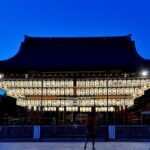
Your tour begins in the late afternoon, meeting at 4:00 p.m. in front of the Minamiza Kabuki Theatre at the corner of Shijo and Kawabata. That timing matters. Kyoto’s streets look different when the light softens, and the geisha districts feel more alive as the evening approach starts to settle in.
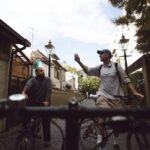
The first part of the tour sets expectations in a good way. You’re not just wandering while someone talks in the background. Peter MacIntosh is there to guide you through what you’re seeing and why it matters. You also get an early chance to ask questions, which is a big deal if you’ve ever wondered what the difference is between maiko and geiko, or why Western pop culture makes it confusing.
I also appreciate the tour’s “ask anything” vibe without turning it into a lecture hall. The idea is simple: learn how geisha culture works, then test your new understanding as you walk through Hanamachi.
You can also read our reviews of more walking tours in Kyoto

Why Hanamachi Cobblestones Make Geisha Culture Feel Real
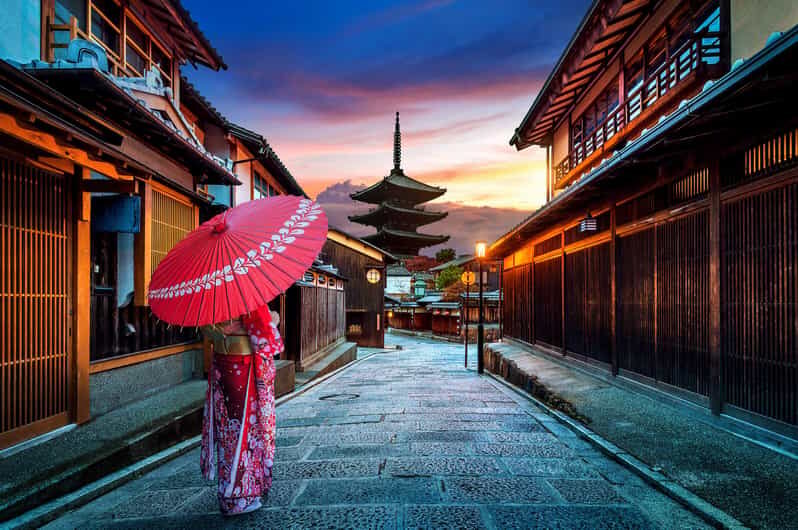
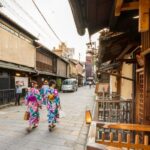
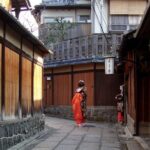
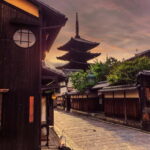
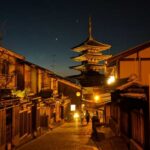
The core experience is a scenic stroll through Kyoto’s geisha districts, focusing on Hanamachi. The walk takes you along charming streets where traditional architecture and the neighborhood layout do a lot of the storytelling for you. This isn’t about rushing to a single photo spot. It’s about letting the district environment explain itself, one street corner at a time.
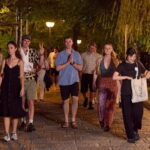
Because the group is limited to 9 participants, you can move at a human pace. That means you’re not constantly shoulder-to-shoulder, and it’s easier to pay attention to details like street design, building styles, and the flow of the area. It’s also easier to slow down for questions without derailing the whole group.
If you’re a photography person, you’ll likely notice that your guide treats pictures as part of learning, not just a souvenir hunt. You’ll get photography tips during the walk, which helps you frame what you’re seeing instead of only chasing what looks best on a phone.
The vibe is calm and observational. That’s a good thing. Geisha culture is a public-facing tradition, but it’s still a private, human one too. Seeing the district slowly is the point.
Maiko, Geiko, and the Myths You Can Finally Set Straight
One of the most useful parts of this tour is that you’re not left with only pretty streets and vague explanations. The focus is on accurate cultural context—plus correcting misconceptions that have been floating around for a long time.
You’ll learn about how geisha culture has been portrayed in woodblock prints, literature, and film, and you’ll also get the modern reality behind the imagery. If you’ve ever felt like you were getting a watered-down story from the internet, this is where you can reset your understanding.
You’ll also have a chance to ask direct questions about geisha life. The tour’s promise is that you’ll get truthful answers and myth-busting talk as you walk. That matters because geisha culture gets simplified into clichés far too easily. You’ll come away with a clearer sense of roles, tradition, and what people outside Japan often misunderstand.
And about those famous sightings: if you’re lucky, you might see real maiko or geiko. But the tour doesn’t pretend it’s guaranteed. That’s honest, and it also keeps you focused on what you can control—your learning, your walk, and your respectful behavior.
Photography Tips That Help Without Getting You in Trouble
Photography is allowed, but the tour has clear boundaries. You can bring your camera, but no tripods, no video recording, and no audio recording. Those rules exist for a reason: privacy and comfort for geishas and locals still come first.
What you’ll find helpful is that the photography guidance isn’t only technical. It’s also situational. You’ll learn how to photograph thoughtfully in a neighborhood where real people live and work. That means less intrusive behavior and more chances of capturing meaningful images without upsetting anyone.
Bring your camera and treat it like a tool for observation, not a way to park your body in one place. In practice, that makes the walk smoother for everyone, especially with a small group.
Also plan for the basics: water and time. You’ll be on your feet, and you’ll want your attention when the guide points out things worth seeing. When you’re guided well, you don’t need to spam every corner with photos—you know what to look for.
The 105-Minute Flow: What to Expect From a Small-Group Stroll
The tour runs 105 minutes (ending around 5:45 p.m.). That’s a sweet spot. Long enough for context and questions, short enough that you still feel energized after.
Because it’s a small group, the experience doesn’t feel like a conveyor belt. You can ask something when it’s relevant to what you’re looking at. You can also adjust your pace without slowing everyone down.
Here’s the practical rhythm you should expect:
- Start with an introduction at the theatre area, including orientation and cultural context
- Walk into the Hanamachi streets with traditional architecture and neighborhood cues
- Build your understanding through stories, research-backed facts, and myth corrections
- Receive photography tips along the way while learning the right etiquette
- Finish with a wrap-up around the late-afternoon time window
The tour also includes a set of souvenir postcards, which is a nice extra if you like sending something more personal than a random photo.
If you’re short on time in Kyoto, this is still a serious cultural experience. You’re not buying a quick glance. You’re buying a guided, guided-by-a-specialist walk through the geisha district.


Price and Value: Why $54 Can Make Sense
At $54 per person for about 105 minutes, this isn’t the cheapest thing you can do in Kyoto. But it’s also not trying to be a “one-size-fits-all sightseeing walk.”
You’re paying for three things that matter:
- A dedicated specialist guide, Peter MacIntosh, with decades of research and story experience
- Photography instruction that helps you take better pictures in a respectful way
- A small-group format capped at 9 participants, which improves the quality of conversation
The value becomes clearer when you think about what you’re skipping. You’re not spending time trying to decode geisha culture from confusing scraps online or from generic city info. You’re getting a structured walk that ties culture, history, and what you see in front of you into one experience.
You also get the souvenir postcards. That’s minor, but it rounds out the “I did something real” feeling.
If you care about culture and context more than “photo ops only,” this price lands more comfortably. If your only goal is to catch a maiko in the wild, you’ll want to manage expectations, because sightings can’t be promised.
Weather, Shoes, and Etiquette: Stay Comfortable
This tour is designed for walking, and it’s not suitable for children under 8. The good news is the pace is manageable and the group is small.
Plan for any weather. Kyoto can change fast, and you’ll still be out there. Wear comfortable shoes and bring water. Since photography is part of the experience, also bring your camera, but do it with the tour rules in mind.
There are also clear “don’t” items:
- No smoking
- No tripods
- No video recording
- No audio recording
And respect privacy. The guide’s job is to help you look and learn without intruding on locals. If you keep that mindset, you’ll enjoy the walk more and you’ll feel good about the photos you do take.
One more practical detail: this is a walking tour, so hotel pickup and drop-off aren’t included. You’ll want to be at the meeting point on time.
Who Should Book This Kyoto Geisha Walking Tour?
This tour fits best if you want geisha culture explained in plain, human terms while you walk through Kyoto’s Hanamachi.
I’d especially recommend it if:
- You’re the type who likes learning what you’re seeing, not only where to stand for a photo
- You care about respectful street photography and want rules that keep things considerate
- You’ve heard myths about geisha culture and want straight answers
- You want an English-language guide who can field questions
It’s also a strong pick if you’re traveling solo or as a couple and want small-group energy rather than a big bus tour. The group cap of 9 changes the whole feel.
If you’re traveling with anyone who can’t do a moderate walk, plan differently. And if your group includes kids under 8, this one isn’t a match.
Should You Book the Original Kyoto Geisha Walking Tour?
I think you should book it if your goal is to understand geisha culture and enjoy a guided walk through Hanamachi more than you’re chasing guaranteed sightings. The whole concept works best when you treat the tour as education with great street-level atmosphere.
Book it if you like a guide who blends research, stories, and photography advice into one flowing experience. Peter MacIntosh is the name attached to that, and the feedback you’ll see consistently points to the same strengths: clear information and an engaging, friendly guide who really knows the subject.
Skip it or adjust expectations if your only priority is seeing maiko or geiko. The tour makes it clear that a sighting can’t be promised. Also note the photography limits like no tripods and no video—those rules are part of the respectful setup.
If you’re in Kyoto and you want one activity that’s both cultural and practical, this is a solid choice.
FAQ
Where does the Kyoto geisha walking tour start?
It meets in front of the Minamiza Kabuki Theatre, on the corner of Shijo and Kawabata.
What time does the tour start and when does it finish?
It starts at 4:00 p.m. and finishes at about 5:45 p.m.
How long is the tour?
The duration is 105 minutes.
How much does the tour cost?
The price is $54 per person.
Is the tour in English?
Yes, it’s offered with a live English-speaking guide.
How big is the group?
The group is limited to 9 participants.
What’s included in the price?
It includes the walking tour, the guide, photography tips, and a set of souvenir postcards.
What should I bring?
Bring comfortable shoes, a camera, and water.
Is it guaranteed to see maiko or geiko?
No, there is no guarantee of seeing maiko and geiko along the way.
What are the photography and recording rules?
Photography is allowed, but tripods, video recording, and audio recording are not allowed.