REVIEW · HISTORICAL TOURS
Kyoto Highlights: Half Day Customized World Heritage Walking Tour
Book on Viator →Operated by TripGuru · Bookable on Viator
Kyoto is best when you pick your path. This half-day tour lets you choose where to go and when to start, then links each stop to the bigger story of the city’s World Heritage sites. I also like that it’s a private experience just for your group, with a guide who can steer you toward the Kyoto details you might otherwise miss.
One thing to plan for: while the guide and walking time are covered, entrance fees and getting there are not. That means your total cost can rise fast if you stack multiple paid sights in one go.
In This Review
- Key highlights that make this tour worth your time
- A half-day Kyoto plan you can actually control
- Choosing the World Heritage anchors: castles, temples, and the Golden Pavilion
- The Kyoto walking rhythm: what 30 minutes per stop feels like
- Northern Kyoto serenity: Kyoto Botanical Garden, Kamigamo Shrine, Ota Shrine
- Kyoto Botanical Garden (short, peaceful, seasonal)
- Kamigamo Shrine (ancient Shinto, UNESCO status)
- Ota Shrine (iris gardens when bloom season hits)
- Central Kyoto icons: Gion streets and Kiyomizudera views
- Gion (historic streets, machiya, and careful cultural etiquette)
- Kiyomizudera (the wooden stage and city panorama)
- Having a guide makes the difference: context and route help
- Price and value: why $125 can be a bargain or a cost hike
- Getting the most from the day: smart timing tips for 4 hours
- Who should book this Kyoto highlights tour?
- Should you book it?
- FAQ
- What is the duration of the Kyoto Highlights tour?
- Is this a private tour?
- Can I customize the attractions and set the start time?
- What’s included in the $125 per person price?
- What’s not included?
- Are entrance fees included for all stops?
- Is a mobile ticket provided?
- How far in advance do people usually book?
- What’s the cancellation rule?
- Is the tour near public transportation?
Key highlights that make this tour worth your time
- A truly customizable 4 hours: choose attractions and set your start time so the day fits your energy level
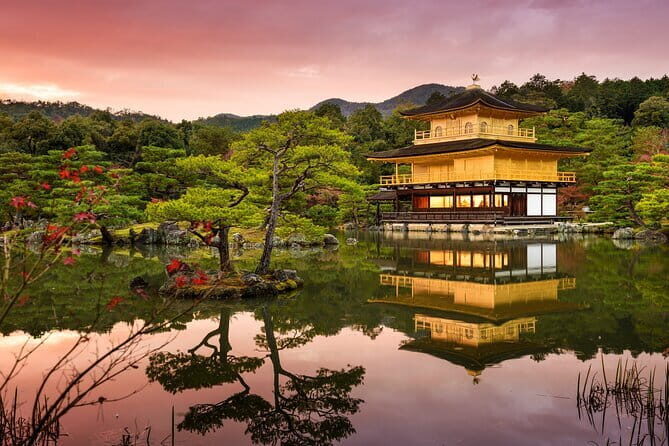
- World Heritage focused: route options can include Nijo Castle, Kiyomizudera, and even the Golden Pavilion area
- Private, language-led guide: your guide brings context and practical local tips in the language you select
- Two Kyoto “moods” to mix: calm shrine and garden time, plus classic city streets like Gion
- Seasonal value baked in: places like Ota Shrine are known for iris gardens when bloom season lines up
- Mobile ticket: helps keep things smooth once you’re on the move
A half-day Kyoto plan you can actually control
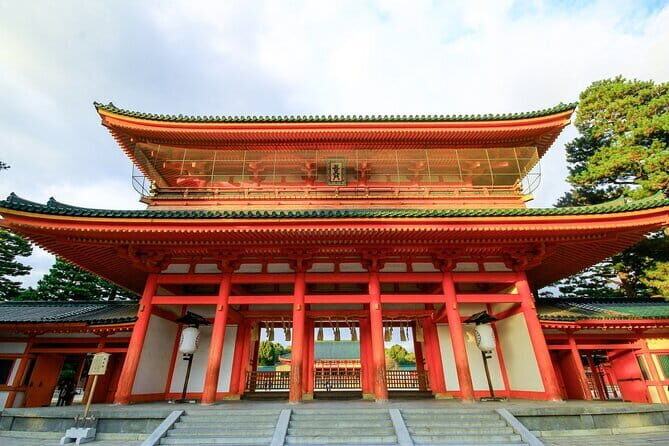
Kyoto can feel like a buffet of temples and streets. The problem is time. With only about four hours, you don’t want a plan that crushes you into the same “see it all” checklist.
This tour starts with the simple power to shape the day. You pick the attractions, and you set the start time. That matters because Kyoto’s best moments often depend on light, crowds, and how your feet feel after a morning of transit.
It also stays private. You’re not weaving through other groups at tight temple approaches or hearing five different audio guides at once. For me, that’s the difference between a rushed walk and a day that feels like it belongs to you.
You can also read our reviews of more walking tours in Kyoto


Choosing the World Heritage anchors: castles, temples, and the Golden Pavilion
A big reason to book a guide for Kyoto is that the landmarks are famous for a reason—but the “why” makes the experience. You’ll be able to build a route around major icons, including:
- Nijo Castle: known for the “nightingale floors,” wooden walkways that chirp as you move
- Kiyomizudera (Kiyomizu-dera): famous for its large wooden stage and city views
- Kinkakuji / Golden Pavilion: highlighted as an iconic option when you customize
Here’s what I like about having anchors like these. You get immediate visual payoff, but your guide can also connect each site to Kyoto’s feudal and religious traditions—so you’re not just collecting photos.
At the same time, you’ll want to be realistic. A 4-hour window makes “stacking everything” a trap. If you add too many major paid sites, your day can turn into line management. A smart route keeps the icons, then adds one or two supporting stops that give texture.
The Kyoto walking rhythm: what 30 minutes per stop feels like
The schedule is built for a walk-with-purpose pace. Some stops are around 30 minutes each, with an initial hour set aside for Kyoto orientation time.
That timing works well if you like:
- brief explanations, not lectures
- photo stops that don’t steal the whole hour
- time to pause and look back down the street
It’s also a good pace for first-timers. If you’re new to Kyoto, you’ll likely appreciate the guide’s routing—how to approach, what to notice, and when to move on.
If you’re someone who likes long, slow temple wandering, you might find 30-minute blocks feel tight. But that’s the trade: you’re buying focus and flexibility, not a full-day roam.
Northern Kyoto serenity: Kyoto Botanical Garden, Kamigamo Shrine, Ota Shrine

If you want Kyoto to slow down, build in northern stops. This route commonly pairs a gentle garden start with two shrines that feel like a breath of fresh air after busy streets.
Kyoto Botanical Garden (short, peaceful, seasonal)
The Kyoto Botanical Garden is positioned as a calm break—about 30 minutes—with seasonal blooms and a “pause here” atmosphere. Even if you’re not a plant person, gardens do something temples don’t: they give you space to reset your mind.
Do I think it’s worth adding? If your day includes crowded classics, yes. If you’re traveling in a season when blooms are limited, you might enjoy the structure and greenery more than the flowers.
You can also read our reviews of more historical tours in Kyoto


Kamigamo Shrine (ancient Shinto, UNESCO status)
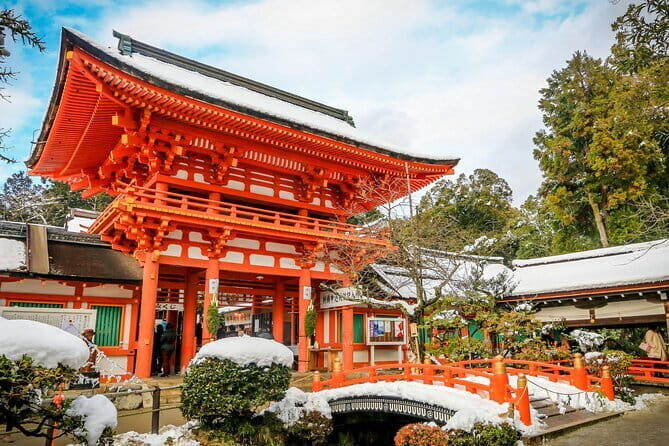
Next up is Kamigamo Shrine, described as one of Kyoto’s oldest Shinto shrines and a UNESCO World Heritage site. Expect a serene setting and traditional architecture.
This is the stop where context really helps. Shrines can look similar from afar, so I like having a guide who points out what makes this one older and more significant, rather than treating it like another photo spot.
Ota Shrine (iris gardens when bloom season hits)
Finally, Ota Shrine adds a very Kyoto kind of specialty: an iris garden that’s especially memorable during blooming season. The wooded surroundings are part of the appeal too.
This is a great “bonus” stop because it gives you something specific. Kyoto is full of big names, but iris gardens are the kind of detail that makes your day feel local.
The one consideration: if you’re traveling outside bloom season, the garden will be quieter. You’ll still get the shrine and wooded calm, but the big show depends on timing.
Central Kyoto icons: Gion streets and Kiyomizudera views
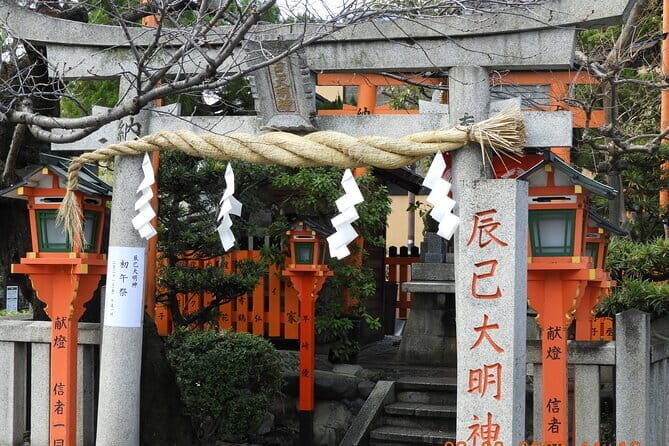
Central Kyoto is where your walk shifts from quiet grounds to neighborhood energy. Two stops often anchor this part of the route: Gion and Kiyomizudera.
Gion (historic streets, machiya, and careful cultural etiquette)
Gion District is a historic area known for traditional machiya houses and the surrounding world of geisha culture. You’ll also find teahouses and shops along the streets.
This is where I think a guide adds real value. Gion isn’t just scenery. It’s a neighborhood with people living and working there. Your guide can help you look without turning the place into a zoo.
Also, the schedule lists admission for Gion as free. That makes it an easy win for a half-day plan: you get atmosphere without adding paid-site time.
Kiyomizudera (the wooden stage and city panorama)
Kiyomizudera Temple is one of Kyoto’s headline temples, and the route sets aside about 30 minutes. The signature is the wooden stage and panoramic views over the city.
What makes this stop work in a short tour is timing and focus. You don’t need hours here to appreciate what you’re seeing—if someone helps you understand what the stage is and why it’s famous.
The drawback? If your route includes multiple “big names,” this can become a photo sprint. My advice is to treat the wooden stage as your main moment and let the smaller details come second.
Having a guide makes the difference: context and route help
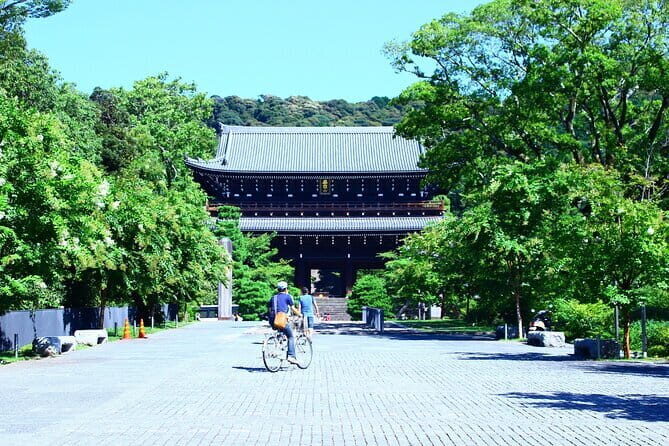
The biggest praise for this experience is the guide factor. One guide name that pops up clearly is Zied, praised for being full of knowledge about Japan’s history and for being flexible about what the group wanted to see.
Even if your guide isn’t Zied, the format is built to get you something more than directions. You’re getting cultural insights and local tips that help you read what you’re walking past:
- what a shrine or castle connection means
- how feudal power and religious sites shaped the city
- what to notice so your photos have a story behind them
This is also where customization shines. If you want more history, you can steer that way. If you want more streets and atmosphere, you can adjust. In a place like Kyoto, that flexibility often matters more than checking one more temple off a list.
Price and value: why $125 can be a bargain or a cost hike
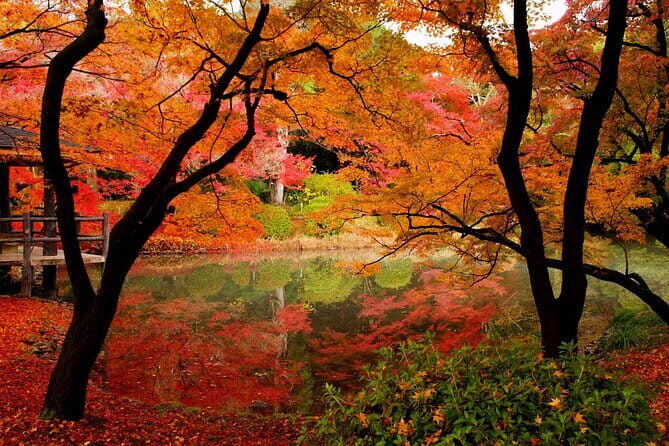
At $125 per person, you’re paying for a four-hour private, customized walk with a guide. That can be good value if you’ll use the customization and if you’re pairing several major sites in one route.
But here’s the honest math:
- the tour price covers the guide and the 4-hour experience
- entrance fees are not included
- transportation is also not included
- meals and drinks aren’t included
That last point is where totals creep up. If you choose Nijo Castle plus Kiyomizudera plus other paid sights, you’ll likely pay additional fees on top of the base price.
My take: this tour is best value when you treat it like a “smart route builder.” You’re not paying just to walk. You’re paying to pick the right mix of icons and supporting stops that fit four hours.
Getting the most from the day: smart timing tips for 4 hours
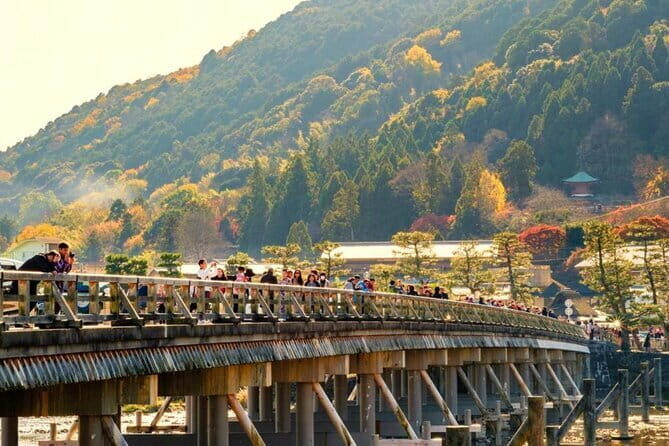
You’ll get the best experience if you manage expectations around walking time. Four hours in Kyoto can vanish fast if you add detours.
To keep it smooth:
- choose a start time that matches your stamina (and your hunger for crowds)
- pick one main anchor (castle or temple) and build around it
- use the guide to decide what to skip, not just what to add
Also, the tour is listed as being near public transportation. That helps because you won’t have to rely on long taxi rides for every leg. Still, since transportation isn’t included, plan your arrival and departure as part of your day budget.
Who should book this Kyoto highlights tour?
This fits best if you:
- want a World Heritage-focused Kyoto walk without spending a full day
- like flexibility and want a start time that matches your schedule
- prefer a private experience where your guide can respond to your interests
- are okay paying separate entrance fees for the sites you choose
It might not be the best match if you want:
- a long, slow day with no structure
- a heavy “dozens of stops” itinerary
- everything included, especially transit and tickets
For couples, small families, and history-minded visitors, it’s a strong way to make Kyoto feel personal instead of overwhelming.
Should you book it?
If you want a Kyoto day with control—where you choose the route, hit major icons, and get context while you walk—this is an easy yes. The private guide setup and the ability to shape your four hours are the core reasons to book, and the emphasis on Japanese history is a big bonus.
I’d book it if you’re aiming for quality over quantity. I’d rethink it if you hate planning entrance fees or you’re building a very ambitious “see everything” list that might turn four hours into a sprint.
FAQ
What is the duration of the Kyoto Highlights tour?
It lasts about 4 hours.
Is this a private tour?
Yes. It’s private, and only your group participates.
Can I customize the attractions and set the start time?
Yes. You can choose attractions and set when the tour starts.
What’s included in the $125 per person price?
The guide of your selected language and the 4-hour customized tour.
What’s not included?
Transportation, entrance fees, meals and other drinks, and personal expenses.
Are entrance fees included for all stops?
Not always. Some stops are listed as admission-free, while others are marked as admission tickets not included.
Is a mobile ticket provided?
Yes, it includes a mobile ticket feature.
How far in advance do people usually book?
On average, it’s booked 32 days in advance.
What’s the cancellation rule?
Free cancellation is available up to 24 hours before the experience start time for a full refund. After that window, refunds aren’t available.
Is the tour near public transportation?
Yes, it’s listed as near public transportation.
.jpg)