REVIEW · FULL-DAY
Iga: Full-Day Private and Unique Guided Ninja Experience
Book on GetYourGuide →Operated by Nara Guide · Bookable on GetYourGuide
A ninja day in Iga is pure atmosphere. This full-day private tour mixes ninja theater with real historical sites, from museums to Iga Ueno Castle. I especially like the hands-on ninja house segment with traps and hidden spots, and the chance to try shuriken throwing (if it’s part of the day’s program). One thing to consider: the schedule is tight, and a chunk of the cost comes from add-ons and your round-trip transport if you’re starting in Osaka or Kyoto.
The vibe is fun, but it’s not all costumes. You’ll wear a ninja outfit while you explore Iga, and you’ll get guided context for Japan’s ninja story through the Iga-ryu museums and related historic buildings. Guide Mouloud San (when he’s leading) stands out in the reviews for being warm, easy to talk to, and good at connecting the dots between what you’re seeing and what it meant.
4-6 key things to know before you go
- Ninja henshin start: you begin with a transformation moment called Ninja Henshin no Jutsu, setting the tone fast.
- Ninja house with real staging: expect traps, secret passages, and clever hiding places during the guided visit.
- Iga-ryu museum focus: you’ll spend time learning how ancestral arts and techniques fit into Iga’s reputation.
- Town-wide ninja feel: after the museums, you explore the city wearing a ninja outfit, not just one building.
- Private, guided, multi-language: it’s a private group with French/English/Japanese support.
- Cost add-ons are real: transport from Osaka/Kyoto, lunch, and some museum/castle fees are not fully included.
In This Review
- Price and what $245 really buys in an 8-hour Iga ninja day
- Meeting points and timing: how to not feel rushed at 8:00am
- Your ninja transformation: Ninja Henshin no Jutsu and why it sets the tone
- The ninja house: traps, secret passages, and clever hiding spots
- Danjiri Museum stop: a cultural palate cleanser
- Lunch in a local restaurant: where conversations make history stick
- Iga-ryu Ninja Museum, then again: why repetition works on this theme
- 忍者伝承館(上野城移築永倉): the built link to the story
- Iga Ueno Castle: history that frames the day’s ninja talk
- Trying ninja moves: shuriken practice and the real value of safe play
- Exploring Iga wearing your ninja outfit: why the town walk feels different
- Traditional town house stop: 赤井家住宅 and the texture of daily life
- What a private group changes (for better and for worse)
- Languages and accessibility: French, English, Japanese, and wheelchair access
- Who this tour is best for
- Should you book the Iga: Full-Day Private and Unique Guided Ninja Experience?
- FAQ
- How long is the Iga ninja tour?
- What does the tour cost?
- Where does the tour start?
- Is it a private tour?
- Which languages are available?
- Is lunch included in the tour price?
- Do I have to rent a ninja outfit?
- Is Iga Ueno Castle included?
- Are entrance fees included?
- What if my plans change?
Price and what $245 really buys in an 8-hour Iga ninja day
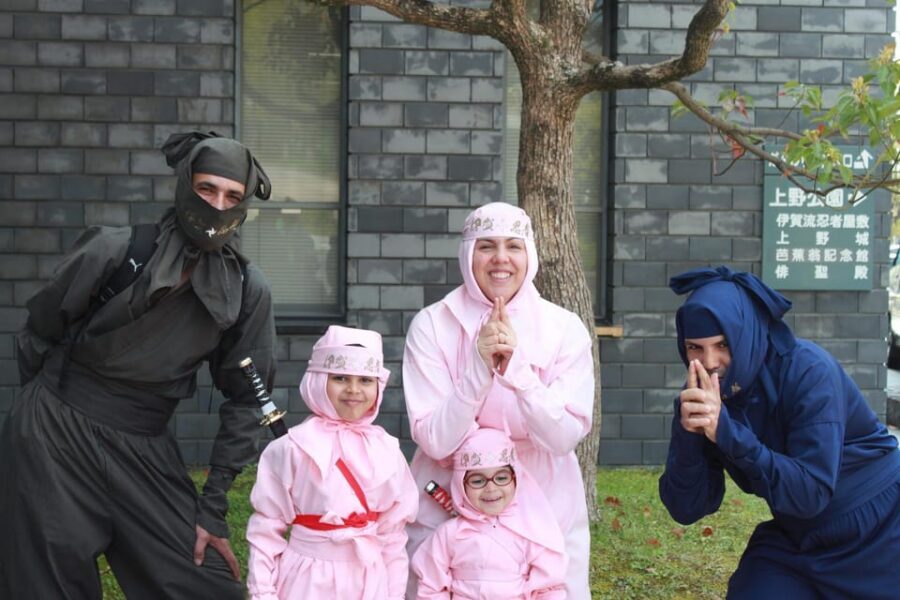
At $245 per person for an 8-hour private tour, you’re paying for two things: a guide who shepherds you through multiple sites in Iga and the extra production-style parts of the experience (ninja transformation, outfit, and staged ninja-house moments). You’re not just touring one museum and calling it a day.
Still, do the math early so it feels clear, not mysterious. Included in the price are the guide and guide fee (including the guide’s transport), plus lunch and entrance fees that are covered by the tour package. What’s not included typically includes:
- round-trip transport from Osaka or Kyoto (4,000 JPY per person)
- lunch fee if you’re looking at the tour’s stated around 2,000 JPY per person figure
- Danjiri Museum fee (500 JPY per person)
- ninja outfit rental (1,500 JPY per person, not mandatory)
- Ueno Castle fee (500 JPY per person, not mandatory)
If you’re starting in Iga already, the transport part may be less relevant because you can meet at Uenoshi Station. If you’re coming from Osaka or Kyoto, factor that extra 4,000 JPY into your budget and you’ll have a more accurate idea of your all-in cost.
Meeting points and timing: how to not feel rushed at 8:00am
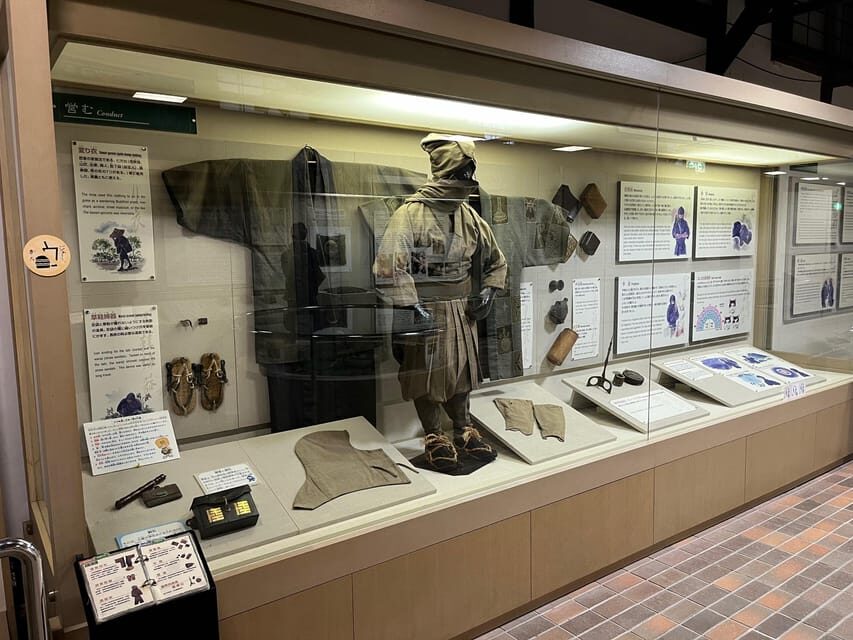
This tour is set up for a morning start. The default plan is pickup at 8:00am from your accommodation in Osaka or Kyoto. There’s also an option to meet at Uenoshi Station in Iga at 9:00am if you’re already in the area.
That timing matters because you’ll walk between stops and you’ll want to be ready when the day’s “ninja mode” begins. If you’re booking from Osaka/Kyoto, you’ll likely spend more of your day traveling, even though the tour includes guided movement once you arrive. For a smooth experience, I’d treat this as a full day, not a quick excursion.
Also note: you’ll be moving on foot and using public transport during the day, so comfortable shoes are not optional. You’re walking enough that you’ll feel it later if your footwear is wrong.
You can also read our reviews of more guided tours in Kyoto


Your ninja transformation: Ninja Henshin no Jutsu and why it sets the tone
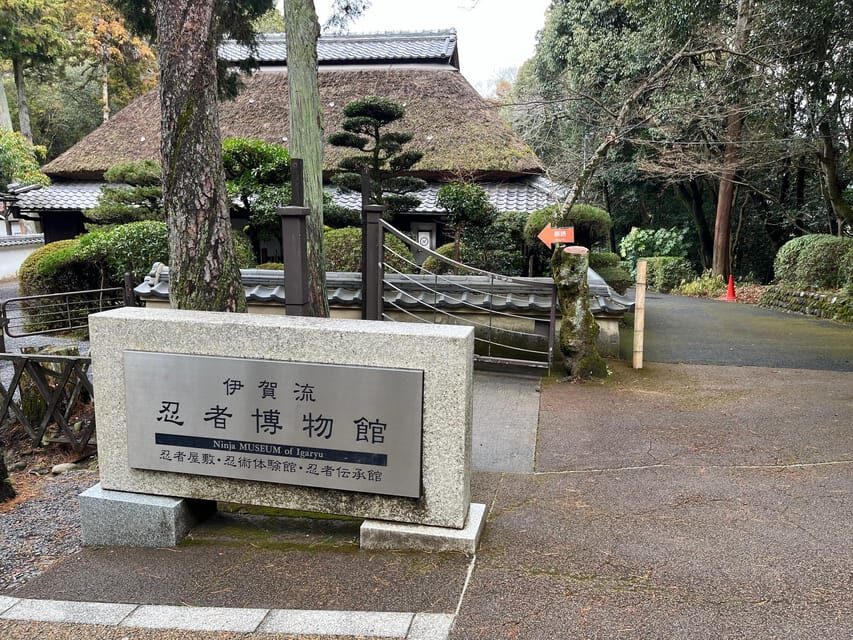
The first key moment is the transformation experience called Ninja Henshin no Jutsu. Instead of starting with facts and maps, you start with roleplay. That matters because it changes how you’ll absorb the rest of the day. When you’re already in character, the guided visits feel more like living history than a checklist of attractions.
From there, the tour heads to the ninja house section. Expect the guide to lead you through the spaces as a guided walkthrough, with the “how did they hide?” theme driving the narrative. This is where the tour’s playful side has purpose: you’re learning by noticing details.
If you like experiences that give you an immediate hook, this opener is a strong fit. If you prefer strictly academic sightseeing with no performance energy, this may feel a bit theatrical—though it’s still guided and tied to real Iga-ryu history.
The ninja house: traps, secret passages, and clever hiding spots
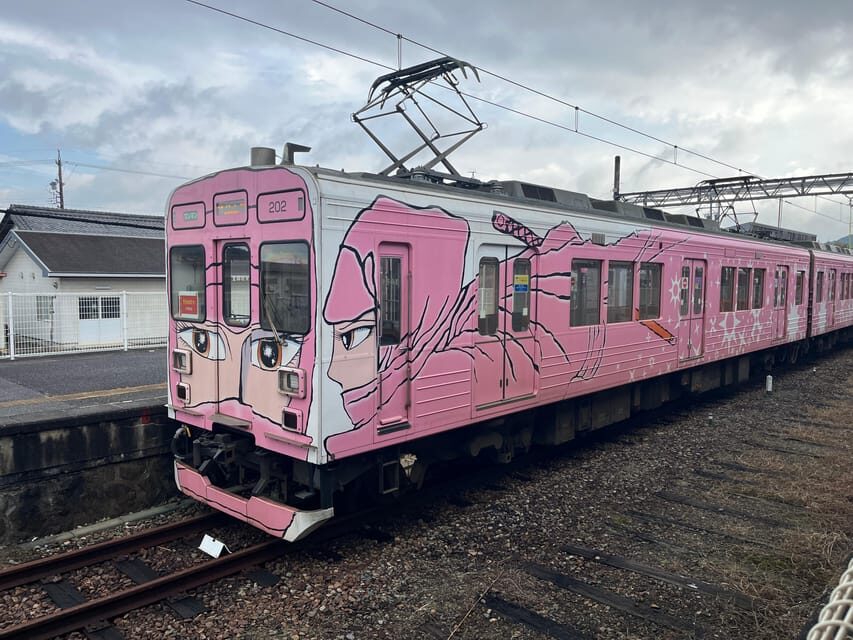
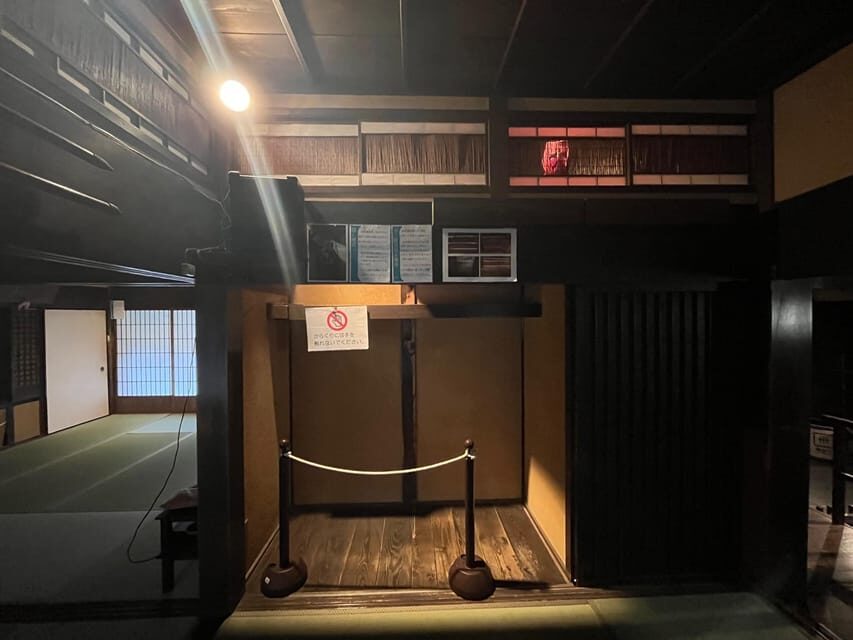
After transforming, you go into the ninja house and it’s built around the idea of surprise. The tour highlights traps, secret passages, and hiding places, and you’ll experience these as part of a guided visit rather than as a static display.
What I like about this segment is that it turns the ninja reputation into something concrete. Instead of generic “ninja did X,” you start thinking in terms of architecture and concealment: where you’d hide, how you’d move quietly, and what kind of layout makes trickery practical.
One practical consideration: these kinds of staged areas can involve tight spaces, uneven transitions, or standing still for explanations. The tour is listed as wheelchair accessible, but with caveat-style caveats in mind, you’ll still want to plan for areas that may not match the comfort you’d expect in a modern museum lobby.
Danjiri Museum stop: a cultural palate cleanser
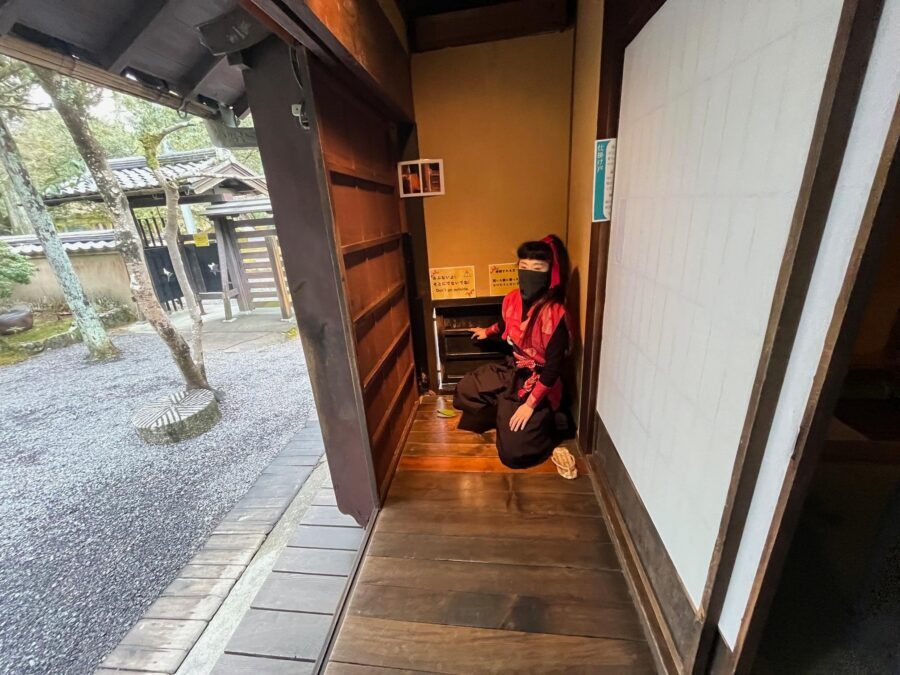
Next comes a Danjiri Museum visit with a guided tour and a walk (about 1 hour). This is a useful pause because it adds a different flavor of local culture between the ninja-heavy scenes.
It’s also a reminder that Iga isn’t only ninjas. Even when the day’s theme is ninja life, the wider context of local crafts and traditions helps the story feel less like a theme park and more like a real place with multiple identities.
Cost-wise, it’s listed as not included in the tour price (500 JPY per person), so if you’re budgeting tightly, this is one of the first small line items to anticipate.
Lunch in a local restaurant: where conversations make history stick
You’ll stop at a local restaurant for lunch (about 1 hour). Since lunch is part of the day’s structure and the guide is with you, you’re not just eating—you’re resetting, then getting the day’s context anchored in real conversation.
One reason I like tours that include lunch with the guide is simple: it turns your day into more than a sequence of entrances and exits. You’ll be able to ask questions about what you just saw, what to notice next, and how the ninja story connects to Japan’s broader history.
The lunch fee is listed as not included (around 2,000 JPY per person), so bring a bit of cash or confirm payment preferences. Either way, plan on spending time here, not just grabbing something fast.
You can also read our reviews of more private tours in Kyoto



Iga-ryu Ninja Museum, then again: why repetition works on this theme
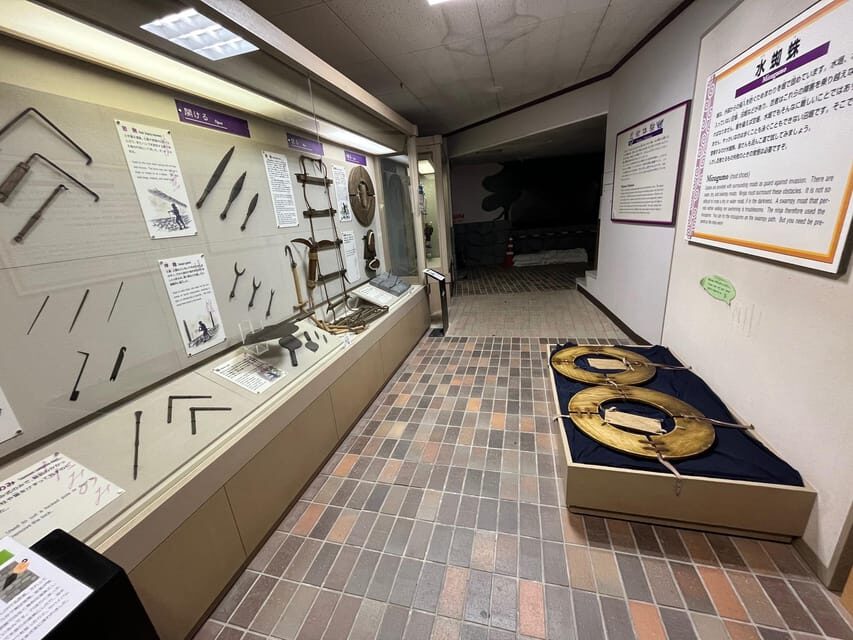
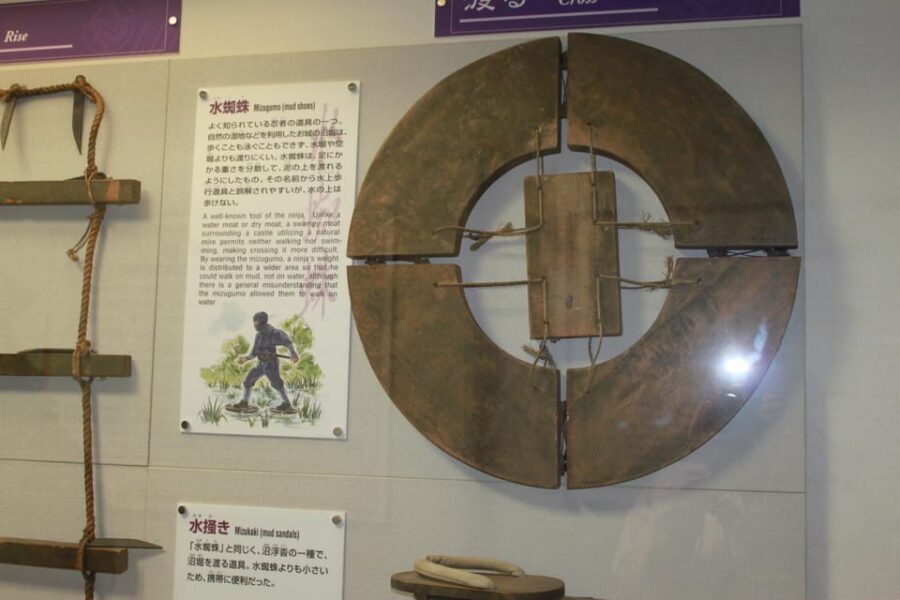
You visit the Iga-ryu Ninja Museum more than once during the day, including guided time with a walk (around 1 hour each time). That might sound repetitive, but in practice it can work in your favor.
Here’s why: when you start the day in ninja costume and then see the ninja house, you’ll look at the museum material with a different set of questions. A second museum visit lets you connect earlier “how would they hide or move?” ideas to the museum’s explanation of ancestral arts and techniques.
If you’re the type who likes to learn and then re-check your understanding, this pacing is a win. If you’re short on attention span, ask yourself whether you enjoy museum context, not just performance. This day is designed for the history-in-action crowd.
忍者伝承館(上野城移築永倉): the built link to the story
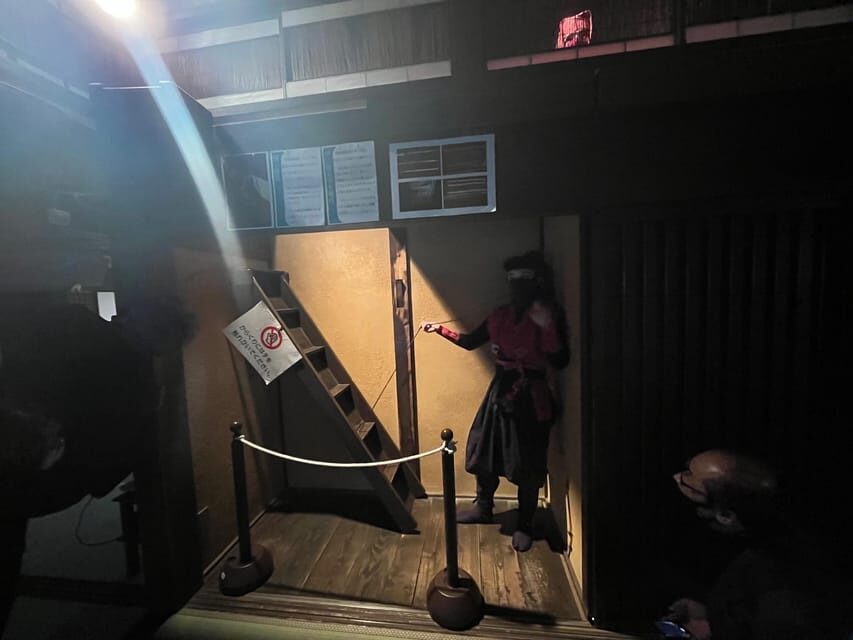
Another major stop is 忍者伝承館(上野城移築永倉), with a guided visit and about 1.5 hours on the ground.
The name alone tells you this is about transmission—ninja tradition as something preserved and carried forward. Since you’re touring with a guide, you’ll get the context behind why the site matters rather than only walking through rooms and reading labels.
This is also a good place to slow down. The day is performance-heavy at the start, then museum-focused, then costume-outfit exploring. This transfer site helps connect those modes into one continuous narrative.
Iga Ueno Castle: history that frames the day’s ninja talk
The tour includes a visit to Iga Ueno Castle, with guided time and around 1 hour of walking. Castle stops are valuable on ninja days because they add the “why” behind secrecy and strategy: power, control, and local geography.
In other words, it’s not just “a castle.” It’s a way to understand the world ninjas were associated with—an environment where intelligence, movement, and planning mattered.
Cost-wise, the castle fee is listed as not included (500 JPY per person), and it’s described as not mandatory. That means you should confirm with your guide whether you’re paying separately and whether the plan can adjust on the day you book.
Trying ninja moves: shuriken practice and the real value of safe play
If the schedule allows, you may see a ninja show by a troupe of real ninjas. The day may also include shuriken throws, with you having the chance to try some moves. This is one of the most memorable parts of the tour because it turns reputation into skill.
The practical value: it helps you understand why even a simple technique would be trained with precision. Even if you only get a small chance to throw, it changes the rest of the day. You’ll watch the next explanation with more respect for what it takes to do anything “ninja-like” well.
If you want maximum participation, plan to show up ready to be active. Wear shoes you can move in. And keep your expectations realistic: this isn’t a martial arts course, it’s a guided try-and-watch experience built into an 8-hour tour.
Exploring Iga wearing your ninja outfit: why the town walk feels different
One of the tour highlights is a ninja experience in an entire town. After the castle and historic stops, you explore the city wearing your ninja outfit. That’s a big deal for how the day feels, because the theme lives outside buildings and museum rooms.
Here’s what I like about this approach: you don’t just consume history, you experience how it changes your behavior. When you’re dressed like a ninja, you walk more quietly, you look for hiding spots, and you pay attention to layout—doors, corners, alley-like streets, and the rhythm of a traditional town.
It’s also where photo opportunities tend to happen naturally. You’ll see Iga not just as a place you pass through, but as a setting you can actually feel.
Traditional town house stop: 赤井家住宅 and the texture of daily life
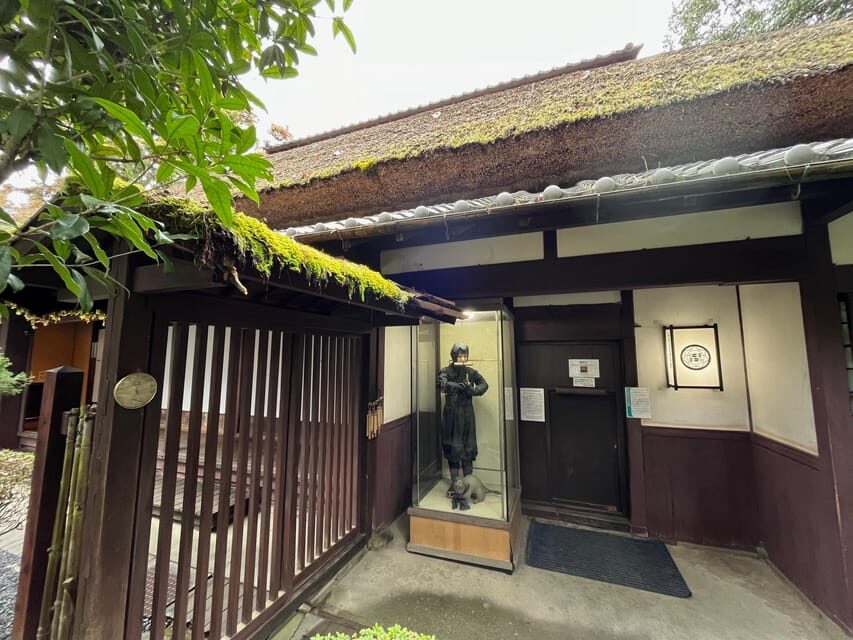
Another standout stop is 赤井家住宅, a guided visit and about 1.5 hours of walking. While the day’s headline is ninjas, this kind of traditional house stop adds texture. It pushes the narrative away from action-only stereotypes and toward how people lived and built their world.
This is the part of the day that helps you keep perspective. When the tour returns to stories about ninja techniques, you can better imagine the physical environment those techniques might have been used in—rooms, movement paths, and how privacy would work in daily life.
What a private group changes (for better and for worse)
Because it’s a private group, the day stays more flexible than a big group tour. You can ask questions directly, and the guide can adjust pacing so you aren’t stuck watching from behind a crowd.
The downside of private touring is simple: there’s less “hum” from other people to fill the silence. If you’re comfortable chatting, you’ll likely enjoy it more. The reviews mention guide Mouloud San in particular for warm conversations, and that kind of rapport can turn the tour into more than sightseeing.
Languages and accessibility: French, English, Japanese, and wheelchair access
The tour is offered in French, English, and Japanese with a live guide. That’s helpful in Iga, because you’ll get smoother explanations when you’re not relying on apps or reading alone.
It’s also listed as wheelchair accessible. You’ll still want to confirm with the operator about specific spaces at houses or indoor display areas, since historic sites sometimes create friction for mobility devices even when they’re broadly accessible.
Who this tour is best for
This is a strong match if you want:
- a full-day experience that mixes fun performance and historical context
- a guided day in Iga with multiple stops and real structure
- hands-on moments like the ninja house walkthrough and potential shuriken throws
It’s also a good choice for couples, small groups, and anyone who likes private guiding and doesn’t want to fight crowds.
If you’re only interested in castles and quiet museums, you may find the ninja transformation and show elements too theatrical. If you love action-flavored storytelling but still want real context, this tour fits your taste.
Should you book the Iga: Full-Day Private and Unique Guided Ninja Experience?
I’d book it if you want one organized, high-energy day that makes the ninja story feel physical. The combination of Ninja Henshin no Jutsu, the ninja house with traps and hiding spots, and the possibility of a ninja show and shuriken practice is the kind of lineup that turns “interesting” into “I’ll remember this.”
I’d hesitate only if you dislike costume/performance elements or if you’re on a tight budget after factoring in the extra transport from Osaka/Kyoto plus optional fees like the outfit rental and castle entry.
If you’re willing to walk, enjoy interactive history, and want Iga to feel like a place (not just a stop), this private ninja day is a solid value.
FAQ
How long is the Iga ninja tour?
It lasts 8 hours.
What does the tour cost?
It’s listed at $245 per person.
Where does the tour start?
You can be picked up at 8:00am from accommodations in Osaka or Kyoto, or meet at Uenoshi Station in Iga at 9:00am.
Is it a private tour?
Yes, it’s a private group.
Which languages are available?
The guide offers French, English, and Japanese.
Is lunch included in the tour price?
Lunch is listed as included in the guide’s fee, but the lunch fee is also listed as not included (around 2,000 JPY per person). I recommend confirming your exact package details when booking.
Do I have to rent a ninja outfit?
No. Ninja outfit rental is optional and listed at 1,500 JPY per person.
Is Iga Ueno Castle included?
Ueno Castle is listed as not mandatory, with a fee of 500 JPY per person.
Are entrance fees included?
Some entrance fees are included with the guide fee, but Danjiri Museum (500 JPY per person) is listed as not included.
What if my plans change?
Free cancellation is offered up to 24 hours in advance for a full refund.