REVIEW · TEA CEREMONY EXPERIENCES
Kyoto: Tea Ceremony Meditation – Make Matcha with Tea Master
Book on GetYourGuide →Operated by aeru · Bookable on GetYourGuide
Matcha tastes better when you slow down. In Kyoto, you step into a 100-year-old townhouse and learn the mindful Omotesenke way to whisk matcha.
I love the hands-on part, where you actually make your own bowl of matcha using traditional, handcrafted utensils. I also like the small group (max 10) setup, which leaves room for real English questions and a calmer pace than most quick workshops.
One thing to plan around: kimono and hair setting are not included, so don’t build that expectation into your budget or timing.
In This Review
- Key things I’d circle on your Kyoto to-do list
- Why this Kyoto matcha ceremony feels worth your time
- The 100-year-old townhouse: what the space asks of you
- Omotesenke tea ceremony basics: what you actually learn
- Making matcha with authentic tools (and getting the result right)
- The sweet pairing: your tea ceremony payoff
- Price and value: what $45 buys you in central Kyoto
- Finding the meeting point near Gojo (without going in circles)
- Who this is best for (and who might want another option)
- Souvenirs and take-home value beyond the cup
- The small-group difference: why your questions matter
- Should you book this Kyoto matcha tea ceremony workshop?
- FAQ
- How long is the Kyoto tea ceremony and matcha-making class?
- What’s included in the $45 per person price?
- Is the instructor speaking English?
- How many people are in the group?
- Is kimono rental or hair setting included?
- Are food and drinks allowed during the activity?
- Is pickup from the hotel provided?
- Where is the meeting point in Kyoto?
- What if I’m arriving by rental bicycle?
- Can I get a refund if I cancel?
Key things I’d circle on your Kyoto to-do list
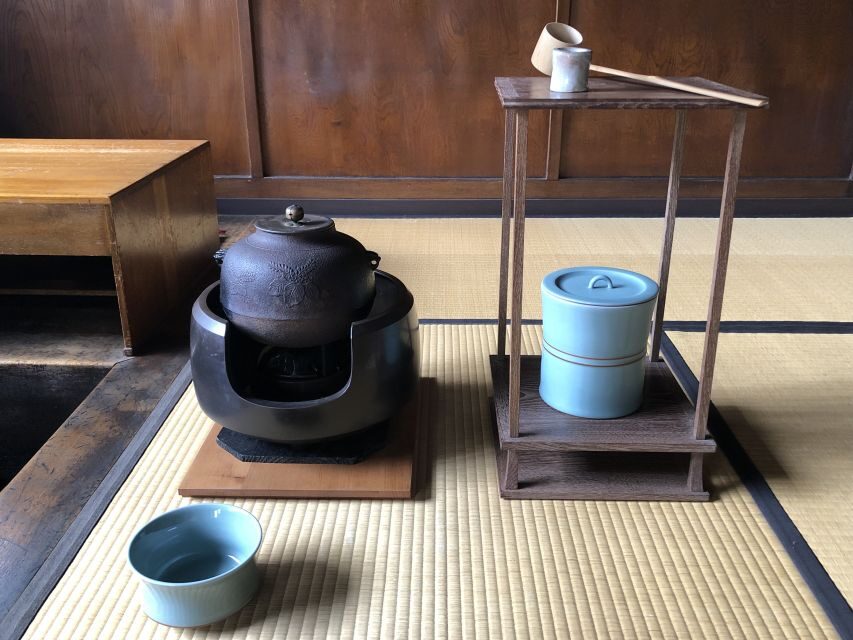
- Omotesenke-trained guidance from an English-speaking tea master
- Make your own matcha with authentic utensils made by skilled artisans
- A 45-minute format that feels focused, not rushed
- Small group atmosphere that makes questions actually work
- A sweet pairing served alongside your finished bowl of tea
Why this Kyoto matcha ceremony feels worth your time
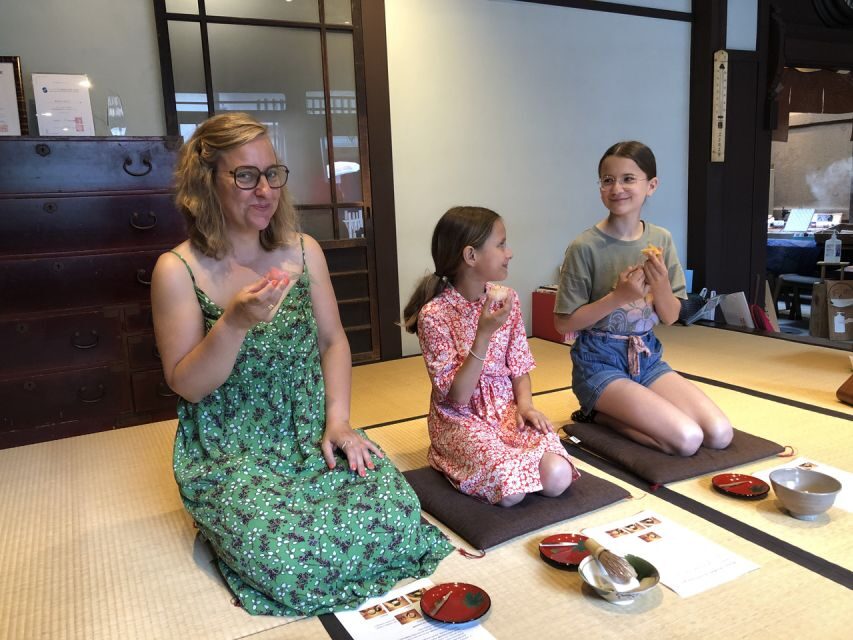
Kyoto has a lot of tea experiences. This one earns its spot because it is not just about tasting something green. You practice the movements, learn the etiquette behind them, and get to taste the result right after you make it.
The “meditation” part is not about chanting or anything theatrical. It’s more about how the room asks you to lower your voice, slow your hands, and pay attention to smell and texture. When you’re finished, you’re not left with a souvenir photo only. You have a memory you can recreate at home.
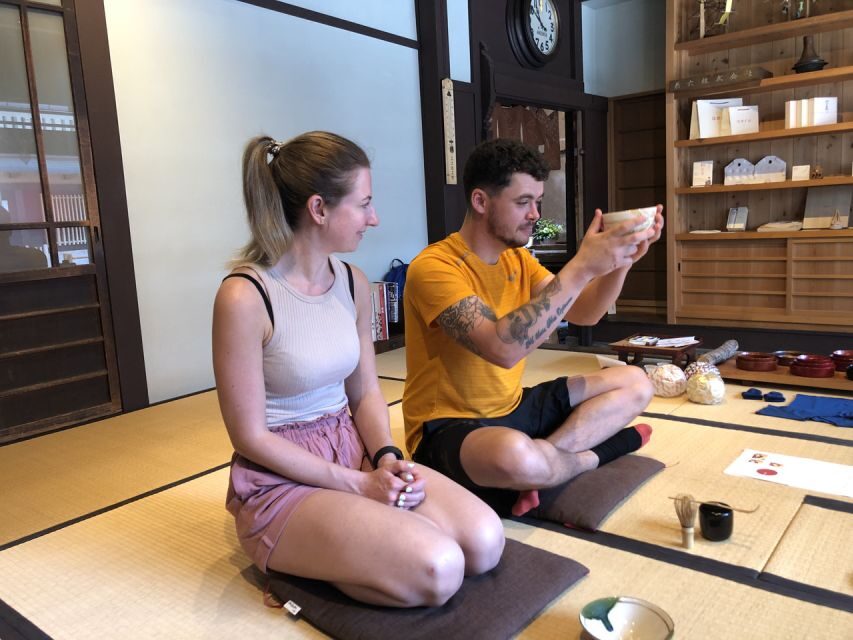
The setting helps. You meet in a traditional townhouse atmosphere where tatami scent and quiet do the heavy lifting. That matters more than people think, because tea ceremony is a senses-first ritual.
You can also read our reviews of more tours and experiences in Kyoto.



The 100-year-old townhouse: what the space asks of you
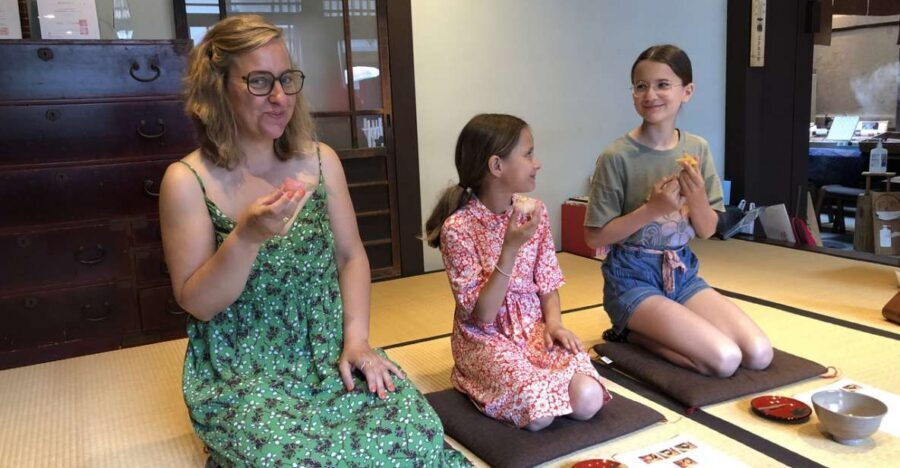
When you enter, expect a small, calm room where the focus stays on the ritual. This is not the kind of venue built for lingering conversations over snacks.
A few rules will shape your experience. Food and drinks aren’t allowed, and you should plan to enjoy the sweet that is part of the program, not bring your own bite. Also, you’re asked not to arrive early; aim to get there no earlier than 10 minutes before your scheduled time.
One more detail that’s easy to miss: please avoid perfume or cologne. Matcha is fragrant, and the ceremony is sensitive to scent. If you want your bowl to taste the way it should, keep your personal fragrance light or skip it.
Wheelchair accessible is listed, so if you use a chair, you’re not automatically shut out. Still, since it’s a townhouse setting, I recommend double-checking with the operator if you have a specific mobility concern.
Omotesenke tea ceremony basics: what you actually learn
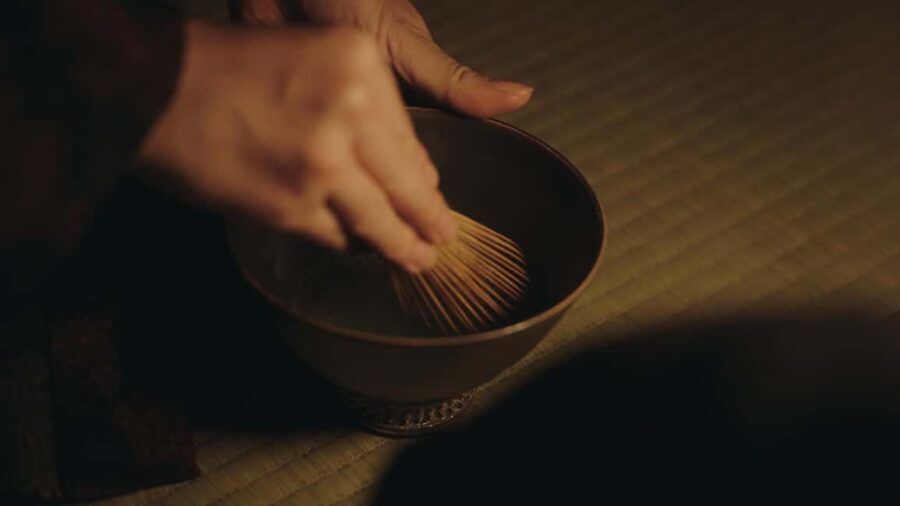
You’ll be guided by a tea host trained in the Omotesenke tradition. That name matters because it tells you the instruction isn’t random. It follows a respected school of ceremony, with clear etiquette and steps.
In practical terms, this means you learn the “why” behind what you do. You’ll be taught how each movement supports the overall feeling of the ritual. You also get a chance to ask questions about tea and Japanese culture, in English.
One reason I like this approach: it turns matcha from a trendy drink into something you understand. Instead of copying steps like a robot, you learn the meaning of the steps, which makes your own bowl feel more intentional.
In the reviews, many people praised how patiently the hosts explained things stage by stage. Names like Miki, Aki, Joko, Yoko, and Kiyoka show up in guest feedback, and the common thread is clear instruction with time for questions.
Making matcha with authentic tools (and getting the result right)
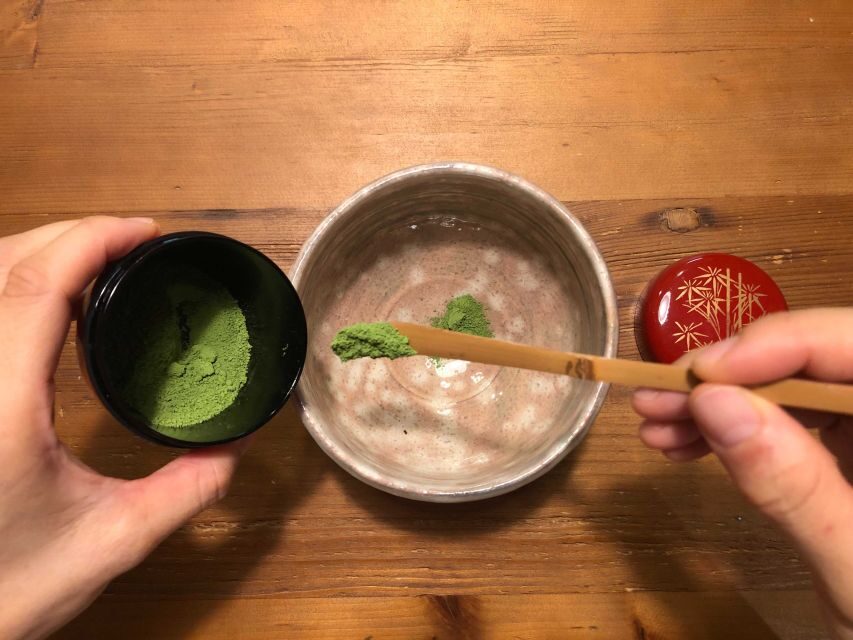
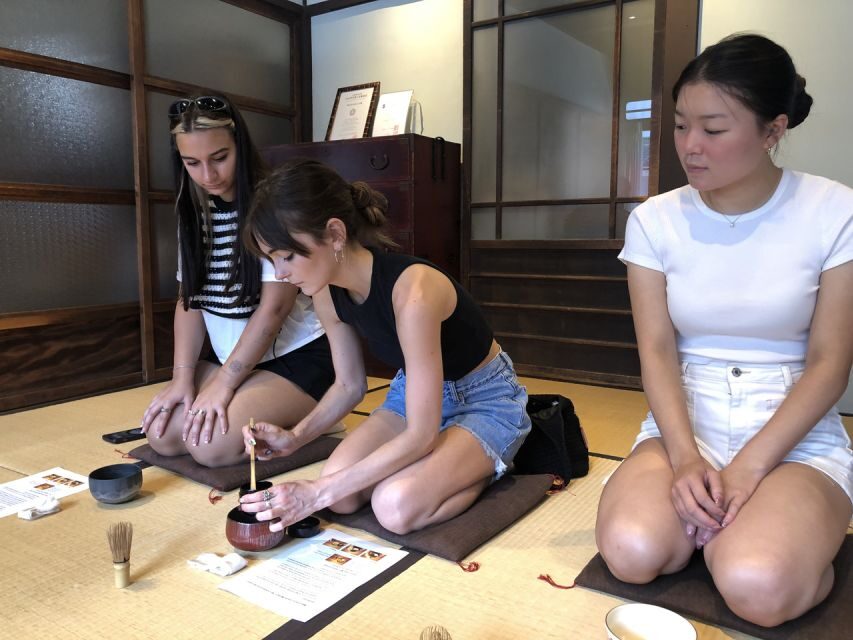
Your favorite moment will likely be the hands-on portion. You’ll move from watching to doing, then prepare your own bowl.
You use authentic, handcrafted utensils made by skilled artisans. That’s not just branding. The feel of the tools affects how you pour, whisk, and handle the tea space. When utensils are well-made, the technique is easier to pick up—and the texture you’re aiming for is easier to achieve.
Here’s what you’re really practicing:
- how to properly prepare the bowl for the ceremony
- how to whisk matcha so it comes together as intended
- basic etiquette so the ritual stays respectful and calm
The atmosphere during practice can feel almost meditative, based on guest comments. That’s a good sign. It means the host is not rushing you and isn’t treating this like a speed-run tourist stop.
When you’re done, you drink the matcha you made. That matters because you instantly learn whether your technique produced the flavor and mouthfeel you were taught to expect.
The sweet pairing: your tea ceremony payoff
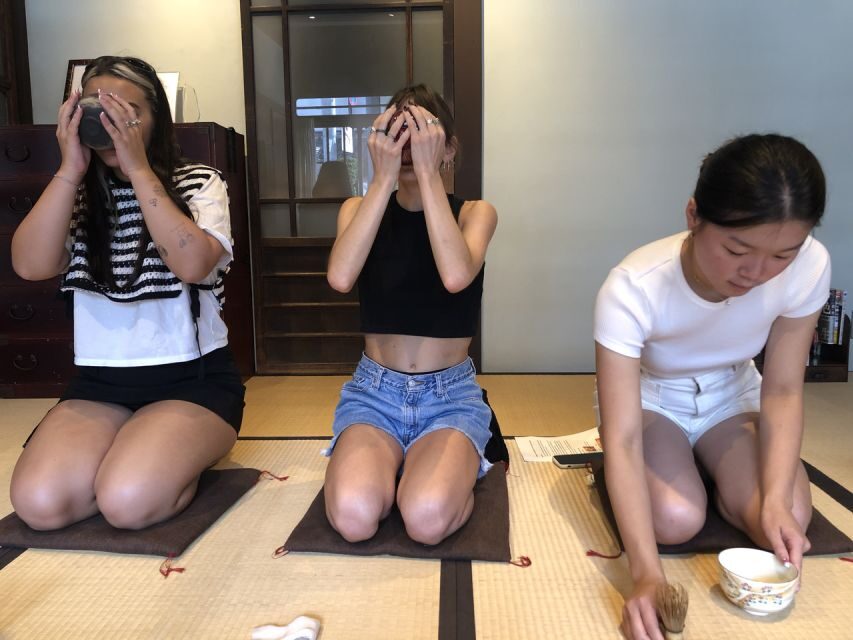
After you finish whisking, you’ll enjoy your freshly prepared matcha with a traditional Japanese sweet. Since the program includes the sweets, plan on this being part of your timing.
The pairing is a simple but smart idea. Matcha can taste bold and grassy, depending on the bowl and preparation. A sweet softens the experience and balances the ritual. It also gives you a short moment to slow down and let the experience settle in.
Many people in the feedback described the overall tone as soothing, especially with a small group. That tracks with what you’ll feel in a quiet townhouse setting: once the tea is in front of you, there isn’t much for your brain to do except be present.





Price and value: what $45 buys you in central Kyoto
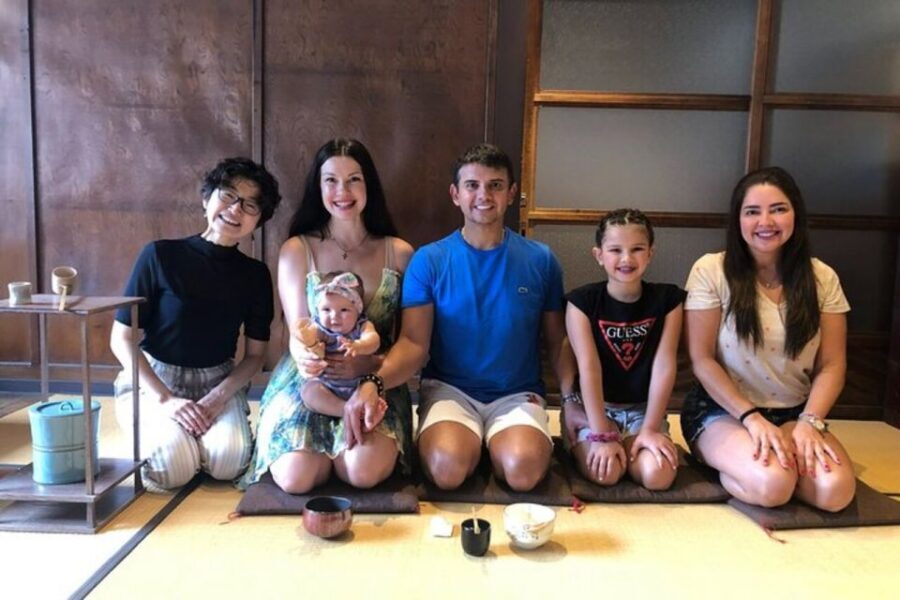
At $45 per person for 45 minutes, you’re paying for something more than a quick lesson. You’re paying for:
- an English-speaking instructor trained in a major tea school (Omotesenke)
- guided steps plus hands-on practice
- one cup of matcha plus a Japanese sweet
- small-group attention, capped at 10 participants
- access to high-quality, handcrafted ceremony tools
Is it cheap? No. But I’d call it good value when you look at what’s included. You’re not just tasting. You’re learning technique you can repeat, then you get a meaningful souvenir option at the end.
Also, the class is short enough that it fits into real sightseeing days. Kyoto can be tiring. A 45-minute calm break is easier to justify than a half-day workshop when you still have temples to hit.
Finding the meeting point near Gojo (without going in circles)
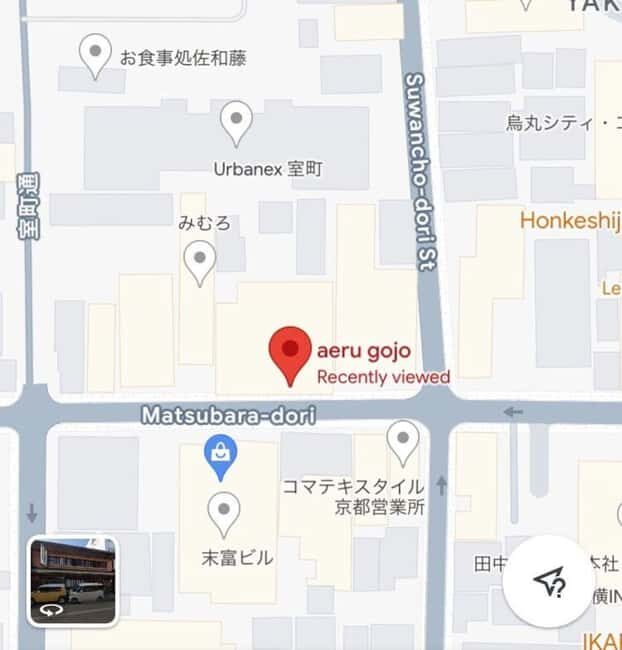
This activity is in a central Kyoto area. The instructions say: if you’re coming from Karasuma-dori Street, turn at the corner with Family Mart, then go straight for one block. Look for the sign for aeru gojo, next to Only Corporation and across from Zen Kyoto.
No parking lot is listed. If you arrive by rental bicycle, note that bikes aren’t allowed in the venue, but you should use public parking spaces. The closest one is linked in the directions, so I’d copy that link into your maps app before you leave.
In real life, this matters because Kyoto streets can confuse GPS. Having multiple visual clues (Family Mart, Only Corporation, Zen Kyoto) keeps you from wasting time.
Who this is best for (and who might want another option)
I think this works best for you if:
- you want something hands-on rather than just watching
- you prefer smaller groups, with time for questions
- you like cultural workshops that stay respectful and calm
- you enjoy learning etiquette and context, not just recipes
It can also work well for families in the sense that hosts frequently adapt. Reviews mention kids participating and that the tone was still welcoming. That said, this is still a quiet, rule-focused room. If you’re bringing very young children who can’t handle a calm setting, you might want to be realistic about how much patience the room requires.
Solo travelers often like this type of class because it’s interactive, not awkward. And since it’s in English, it’s one of the easier Kyoto traditions to enjoy without being stuck with a language barrier.
Souvenirs and take-home value beyond the cup
The experience includes time after the ceremony to explore Japanese crafts and take home meaningful souvenirs. That’s useful because tea ceremony isn’t only about the drink; it’s about the objects and the care behind them.
You’ll also see that many guests are drawn to the quality of the bowls and utensils. Even if you don’t buy anything, the chance to look at the craftsmanship helps you understand what you learned.
Just remember: the program includes your matcha and sweet, but souvenir purchases would be extra. Treat the end portion like a gentle market moment, not a requirement.
The small-group difference: why your questions matter
One repeated theme in the feedback is how much the small group size improves the experience. With a max of 10 people, you’re not just a face in the back row. You can ask why something matters, then get an answer that fits your question instead of a general explanation meant for everyone.
Hosts also seem comfortable going beyond tea ceremony facts into broader Japanese culture topics. That’s where the experience becomes personal. You might leave thinking less about a checklist and more about how traditions shape daily life.
If you’re the type who likes to understand how things work, this style fits you well. And if you’re not, it still works because you’re guided step by step while you practice.
Should you book this Kyoto matcha tea ceremony workshop?
Book it if you want a calm, hands-on Kyoto tradition with guided instruction, a small group vibe, and an experience that’s more than a photo stop. The combination of Omotesenke-style steps, authentic tools, and the chance to make and drink your own matcha is a solid value for 45 minutes.
Skip it if you’re hoping for a makeover with kimono and hair styling included, because that’s not part of this package. Also skip if you need a tour where eating your own snacks is part of the plan, because food and drinks aren’t allowed and the venue is not set up for that.
If you’re flexible, polite about the perfume and timing rules, and ready to slow down for tea, this is one of those Kyoto activities that sticks with you longer than the average attraction.
FAQ
How long is the Kyoto tea ceremony and matcha-making class?
It lasts 45 minutes.
What’s included in the $45 per person price?
The tea ceremony experience includes 1 cup of matcha tea and Japanese traditional sweets.
Is the instructor speaking English?
Yes. The instructor and class are in English.
How many people are in the group?
The group is small, limited to 10 participants.
Is kimono rental or hair setting included?
No. Kimono and hair setting are not included.
Are food and drinks allowed during the activity?
No. Food and drinks are not allowed.
Is pickup from the hotel provided?
No. Hotel pickup and drop-off aren’t included.
Where is the meeting point in Kyoto?
From Karasuma-dori Street, turn at the corner with Family Mart, then go straight one block. Look for a sign for aeru gojo next to Only Corporation and across from Zen Kyoto.
What if I’m arriving by rental bicycle?
Bikes are not allowed in the venue, but you can use public parking spaces. The closest one is provided via the nearby Google Maps link in the meeting instructions.
Can I get a refund if I cancel?
Yes. You can cancel up to 24 hours in advance for a full refund.