REVIEW · COOKING CLASSES
Kyoto Home Cooking Class &Supermarket tour near Fushimiinari
Book on GetYourGuide →Operated by iroHa cooking studio · Bookable on GetYourGuide
Cooking dashi in Kyoto homes feels personal.
You’ll cook about five dishes with a friendly instructor in an authentic Japanese room with garden views, then eat what you make like you’ve been invited over. The small group format (up to 6) keeps the teaching practical and clear in English, but you should know you’ll need socks and this experience isn’t set up for wheelchair users.
You start with the backbone of Japanese flavor: dashi, the soup stock used in everything from soups to savory dishes. After lunch, you’ll head to a local supermarket to find the exact ingredients you used, with an instructor guiding what to look for so you can recreate the meal back home.
In This Review
- Key Things You’ll Notice Right Away
- A Kyoto Home Cooking Class Starts With Dashi
- Cooking About Five Dishes Without Feeling Lost
- Lunch in a Traditional Tatami Room With Garden Views
- The Supermarket Tour Near Fushimiinari: Shop Like You Cook
- Getting Vegetables and Dashi Right (For Vegetarian and Vegan Meals)
- Price and What $127 Buys You in Real Value
- Logistics That Actually Affect Your Comfort: Socks, Timing, Season
- Who This Class Is Best For (And Who Might Prefer Something Else)
- Should You Book This Kyoto Home Cooking Class?
- FAQ
- How long is the Kyoto Home Cooking Class and Supermarket tour near Fushimiinari?
- What is included in the price?
- Is the class taught in English?
- How many people are in the group?
- Are vegetarian or vegan guests welcome?
- Do I need to bring anything?
- Is it suitable for children?
- What’s the cancellation policy?
Key Things You’ll Notice Right Away

- Dashi first, not last: you learn why this stock matters and how it supports many Japanese dishes
- Small group teaching: max 6 participants, entirely in English, with licensed guide interpreters
- A proper Japanese-room lunch: traditional room seating, paired with a garden-view meal
- Supermarket tour that matches the class: you shop for the ingredients used in your cooking
- Vegetarian-friendly options: vegetarian guests are welcomed using vegetarian dashi
- Recipes to take home: you get the dish recipes, so your cooking doesn’t end at the table
A Kyoto Home Cooking Class Starts With Dashi

If you’ve ever tasted Japanese food and thought, I love the flavor but can’t name it, dashi is the missing clue. In this class, you don’t just hear about it—you discover it early, and you understand how it shows up across Japanese cuisine.
That matters because dashi is more than a “soup base.” It’s a flavor organizer. Once you grasp the idea, Japanese dishes stop feeling random. You start recognizing how savory depth is built, even in lighter recipes.
The class also uses dashi for vegetarian guests. That’s a big deal if you eat plant-based. Instead of feeling like you’re getting a different, lesser version, you can learn the same core logic behind the dishes, just adapted.
You can also read our reviews of more cooking classes in Kyoto

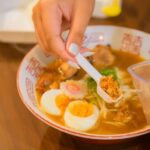
Cooking About Five Dishes Without Feeling Lost

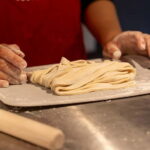
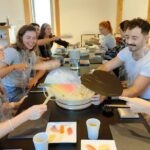
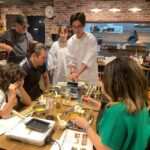
Here’s what I like: you’re not stuck watching someone else cook. The instructor demonstrates key steps, then you take over and prepare about five dishes either on your own or with a partner.
You’ll typically see a teaching rhythm like this:
- Instructor shows the technique clearly
- You practice the same steps at your station
- You adjust and finish your part of the meal
- You sit down and eat together afterward
That structure is why this works for beginners. Japanese cooking has specific motions and timing, and hands-on practice is the fastest way to understand what’s going on.
The class is also taught in English, and the instructors are licensed guide interpreters. That means they’re used to explaining details in a way that actually lands. It’s not just translation for the big picture—you get the cooking guidance you need.
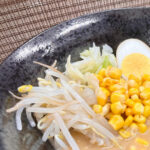
Menu changes by season, so you can’t count on the exact same dishes every time. Still, you’ll likely encounter classic home-style favorites. In past menus, people have cooked things like miso soup, tempura, sushi, a rolled egg, Japanese omelet-style dishes, and even dessert items such as mochi. The mix tends to balance comforting staples with a few signature Japanese techniques.
Lunch in a Traditional Tatami Room With Garden Views

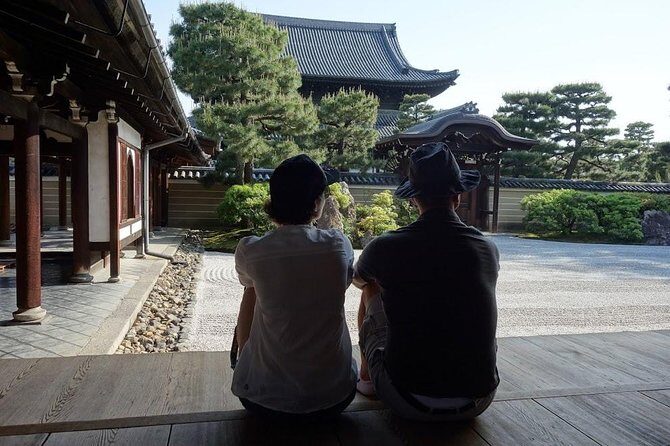
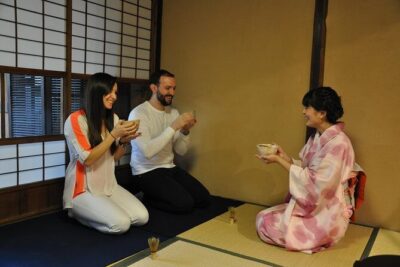
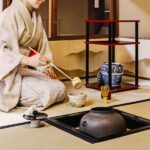
After you finish cooking, you eat in a traditional Japanese room. This isn’t a quick, plastic-chair meal. You’ll sit together in a proper Japanese setting, with garden views adding that calm Kyoto feeling you want after sightseeing.
This part is surprisingly important for learning. When you eat what you made right away, the flavors click faster. You taste the difference that techniques created—dashi depth, how seasoning lands, and how texture should feel—without needing to guess later at home.
Several people highlight how much better the meal feels than a restaurant version. I think that comes from two things: you’re paying attention while cooking, and you’ve created the flavor foundation yourself. Even if you only get a few steps right, the overall result is still yours.
The Supermarket Tour Near Fushimiinari: Shop Like You Cook

The best souvenir here isn’t a snack bag. It’s your ingredient list.
After lunch, you explore a local supermarket together, looking for the ingredients you used in class. The instructor explains what products are, how to find them, and what to select when you’re standing in the aisle deciding between options that look similar.
Why this matters: Japanese cooking is ingredient-sensitive. You can follow a recipe, but if you replace key items with the wrong equivalent, the dish won’t taste right. This supermarket walk helps you build confidence. You’ll know what to buy, what to skip, and what labels or product types usually match the dishes you cooked.
If you want to cook for family later, this is the shortcut. Bring your recipe sheet, then shop with purpose instead of wandering and hoping.
Getting Vegetables and Dashi Right (For Vegetarian and Vegan Meals)

Japanese food can look tricky if you avoid animal products, but the class is set up to welcome vegetarian and vegan guests. The key detail is that vegetarian dashi is used for vegetarian preparations.
That means you can learn the dish logic without being forced into a separate, totally different class. You still get the same core approach: savory base, seasoning balance, and technique. You’ll just use the adapted stock needed for plant-based eating.
If you have strict dietary needs, I’d recommend telling the organizers ahead of time so the class can prepare appropriately. The format is friendly to vegetarians in general, so planning ahead keeps your meal straightforward.
You can also read our reviews of more tours and experiences in Kyoto



Price and What $127 Buys You in Real Value
At $127 per person for about 4 hours, this isn’t a cheap activity. But it also isn’t overpriced in a “tourist souvenir” way.
You’re paying for:
- A small-group cooking class limited to 6 participants
- Instruction entirely in English, led by licensed guide interpreters
- Hands-on preparation of about five dishes
- Lunch (included) using the ingredients you cook
- Seasonings and ingredients provided
- A guided supermarket tour that matches your class cooking
- Recipe cards you can use after you get home
When you compare it to doing a cooking class with no meal, or a workshop where you don’t get a shopping roadmap, the supermarket component alone adds real value. You don’t just learn what to cook; you learn what to buy and how to recognize it. That’s the kind of knowledge that actually changes what you can make later.
Also, the time matters. Four hours is long enough to practice techniques and still have a calm, seated meal afterward, instead of rushing from station to station.
Logistics That Actually Affect Your Comfort: Socks, Timing, Season

A few practical points can make the difference between smooth and stressful.
Bring socks. Traditional indoor rooms often require sock-only comfort, and this class specifically asks for them.
The menu may differ by season. That’s not a drawback if you go in with the right mindset. It keeps the class from feeling copy-paste, and it means ingredients will be what’s likely available and freshest.
The experience is not suited for wheelchair users. If mobility access is a concern, you’ll want to choose something else that explicitly fits your needs.
Children can participate with limits. Children aged 12 and below need a guardian. The class is not suitable for children under 6. Families have reported that the teaching can be patient and adaptable for younger kids, but the safest approach is to follow the age guidance and bring a guardian when required.
Who This Class Is Best For (And Who Might Prefer Something Else)

I think this is a strong choice if you want Kyoto beyond temples and lanes—something hands-on that feels local.
Best fit for:
- Couples and small groups who want a calm, structured class with conversation
- Solo travelers who like learning with others around but still want attention
- Food-focused travelers who enjoy recreating dishes at home
- Vegetarian guests who want to learn Japanese flavor basics with vegetarian dashi
- People who don’t want a studio kitchen in a box, and prefer a real Japanese home setting
Who might hesitate:
- Anyone needing wheelchair access
- People who dislike supermarket-style shopping or prefer only cooking with no ingredient hunt afterward
- Travelers who want a very fast, minimalist activity (this one is a full 4-hour session with meal time)
Also, if you’re dreaming of Fushimi Inari-area convenience, the location near Fushimiinari makes the timing feel easier. You’re not stuck crisscrossing the city after a day of walking.
Should You Book This Kyoto Home Cooking Class?
If you want a cooking class that teaches you how Japanese flavor works, not just what to plate, I’d book it. The combination of hands-on cooking, a proper seated meal in a Japanese room with garden views, and a guided supermarket tour is a smart three-part setup. You leave knowing what to cook and what to buy.
Book it especially if you care about repeating the results at home. The recipes and the supermarket walk turn the class into a usable skill, not just a one-day memory.
If your main goal is sightseeing only, you might prefer a shorter food stop. But if you want to learn, taste, and come away with an ingredient list that actually matches your cooking, this one is worth your time.
FAQ
How long is the Kyoto Home Cooking Class and Supermarket tour near Fushimiinari?
It lasts about 4 hours.
What is included in the price?
Lunch is included, and all seasonings and ingredients are provided.
Is the class taught in English?
Yes. The class is conducted in English, and the instructors are licensed guide interpreters.
How many people are in the group?
The group is limited to a maximum of 6 participants.
Are vegetarian or vegan guests welcome?
Yes. The class uses dashi for vegetarian preparations, and vegetarian and vegan guests are welcomed. You may want to mention your needs ahead of time.
Do I need to bring anything?
You should bring socks.
Is it suitable for children?
Children 12 and under must participate with a guardian. It is not suitable for children under 6.
What’s the cancellation policy?
You can cancel up to 24 hours in advance for a full refund.