REVIEW · 1-DAY TOURS
Kyoto to Arashiyama Day Trip – Private & Personalized
Book on GetYourGuide →Operated by City Unscripted · Bookable on GetYourGuide
Arashiyama feels like another world at street level. This private Kyoto to Arashiyama day trip mixes the big sights like the bamboo with quieter temple stops, an elegant villa garden tied to imperial-style retreats, and time for river views along the Hozu-gawa.
I love how the day balances major icons with flexibility. You get Okochi Sanso Villa and Monkey Park Iwatayama as stand-out moments, plus Tenryū-ji’s garden and temple atmosphere for the slower, Zen-leaning pace.
The trade-off is simple: you’ll walk. The bamboo grove stretch has uphill sections, so wear shoes you trust for uneven paths and long stairs.
In This Review
- Key highlights to expect
- From Kyoto to Arashiyama by tram: the easy start
- Okochi Sanso Villa: elegance tied to status and retreat life
- Tenryū-ji Temple: Zen calm in a garden that hasn’t rushed
- The Bamboo Grove walk: famous, yes, but better with a plan
- Bamboo Grove surroundings: Katsura River views and river angles
- Monkey Park Iwatayama: macaques and a hilltop payoff
- The Hozu-gawa boat row: the calm between landmarks
- How your guide shapes the day (and why it matters)
- Tickets, price, and value: what you’re really paying for
- Getting meeting-point clarity and planning your route
- Who this tour is best for
- Should you book this Kyoto to Arashiyama private day trip?
- FAQ
- FAQ
- How long is the Kyoto to Arashiyama day trip?
- Is this tour private or shared?
- Where do we meet the guide?
- What attractions are included with tickets?
- Are transportation fees included?
- Are food and drinks included?
- What languages is the live guide available in?
- Is the tour wheelchair accessible?
Key highlights to expect
- Okochi Sanso Villa gardens with a staged, old-school elegance that feels movie-set ready
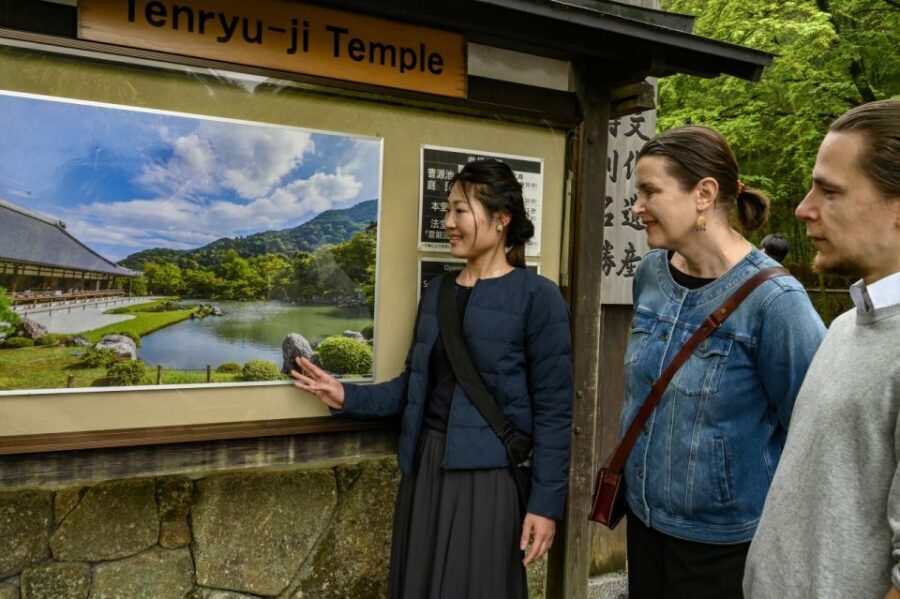
- Tenryū-ji Temple and its preserved garden that still carries that centuries-old calm
- Arashiyama Bamboo Grove on a guided route that’s easier to enjoy when you’re not herding with crowds
- Monkey Park Iwatayama for a hilltop view and a chance to spot macaques
- A Hozu-gawa river boat row in the lower river area, with green mountains all around
- Early start option if you want to reduce crowd time and take more photos
From Kyoto to Arashiyama by tram: the easy start
The day begins with a short tram ride out of Kyoto. That matters more than it sounds: you skip a chunk of the stress that comes with getting out of town, and you arrive with your head already in Arashiyama mode.
Once you’re there, your guide keeps the flow practical. You’re not just ticking off stops; you’re moving through the area in a way that helps you see the landmarks and still have time to notice the smaller details—garden textures, river angles, and temple quiet.
If you’re sensitive to crowds, ask for an early time slot. The bamboo grove and popular temple areas feel calmer earlier in the day, and you’ll likely get better pacing for photos and walking.
You can also read our reviews of more private tours in Kyoto
Okochi Sanso Villa: elegance tied to status and retreat life
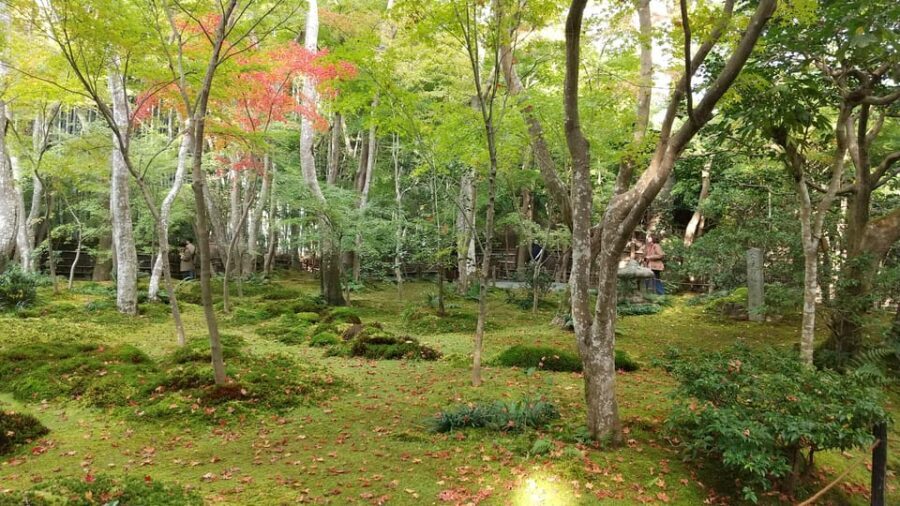
Okochi Sanso Villa is one of those places where the gardens do the talking. You’ll walk through cultivated grounds that feel designed for lingering—paths, views, and carefully framed scenes that show how leisure spaces were built for wealthy visitors.
In my view, this stop adds more than beauty. It gives you context for why Arashiyama became a retreat destination in the first place, including the sense that even high-status families came here to slow down, watch the seasons, and get away from the city.
You’ll likely also appreciate how the villa fits into the rest of the day. The garden mood transitions nicely into Tenryū-ji and the bamboo grove, so the day feels connected instead of random.
Tenryū-ji Temple: Zen calm in a garden that hasn’t rushed
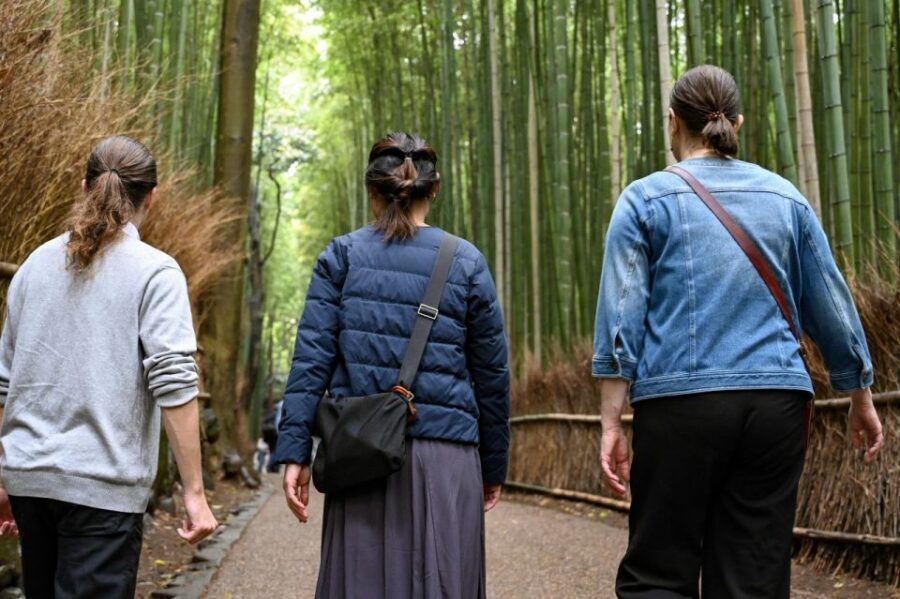
Tenryū-ji is the kind of place where you can feel the difference between sightseeing and actually visiting. The focus here is the temple and its garden, described as unchanged and faithful to the old design spirit—so you can slow down without feeling like you’re wasting time.
This is where the guide earns their keep. They can point out what to look for as you walk through the grounds, and you’ll get a better sense of what the space is trying to teach: restraint, attention, and that quiet rhythm you don’t get when you’re racing from one photo spot to another.
Even if you’re not a temple expert, you’ll likely enjoy it. Tenryū-ji gives you a break from the louder parts of Arashiyama and sets a calmer tone right before the bamboo grove walk.
The Bamboo Grove walk: famous, yes, but better with a plan
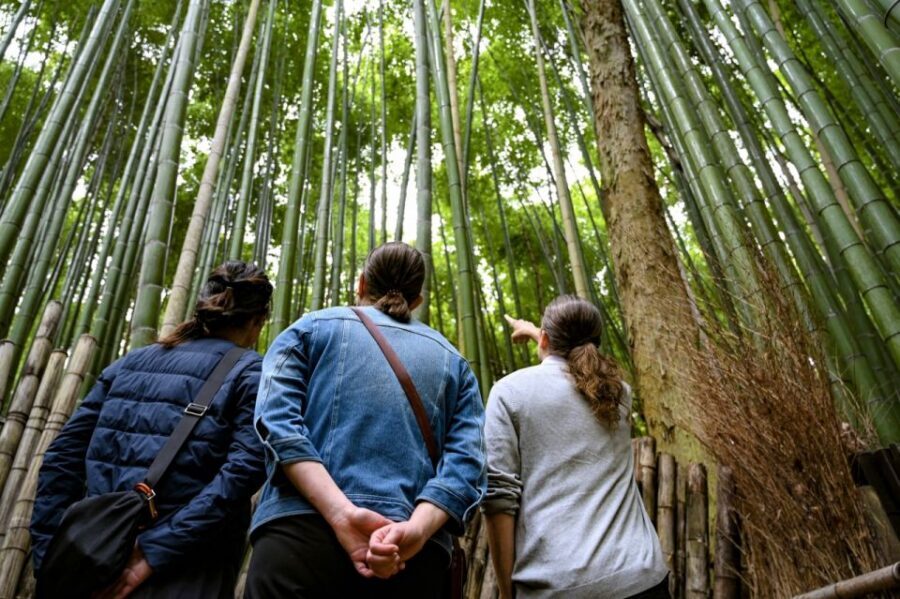
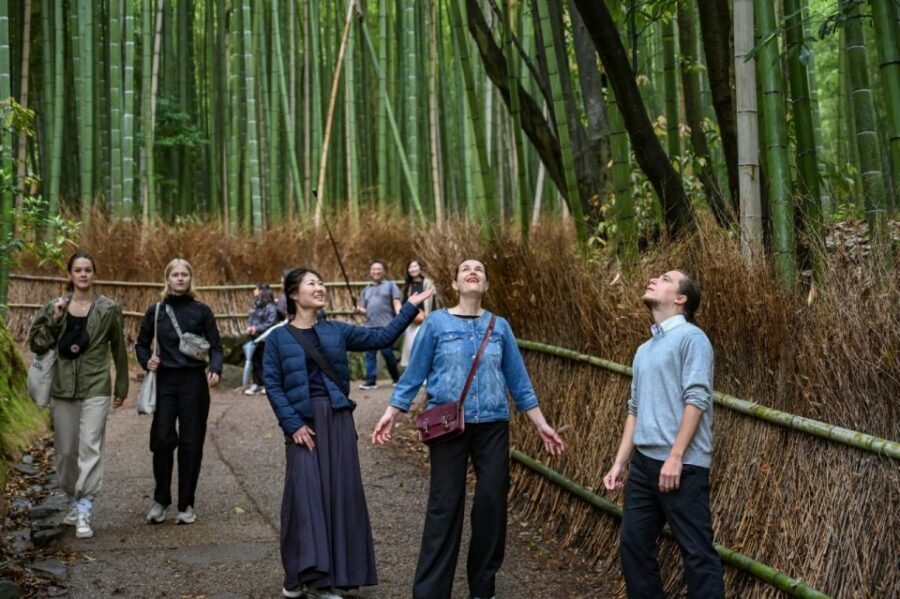
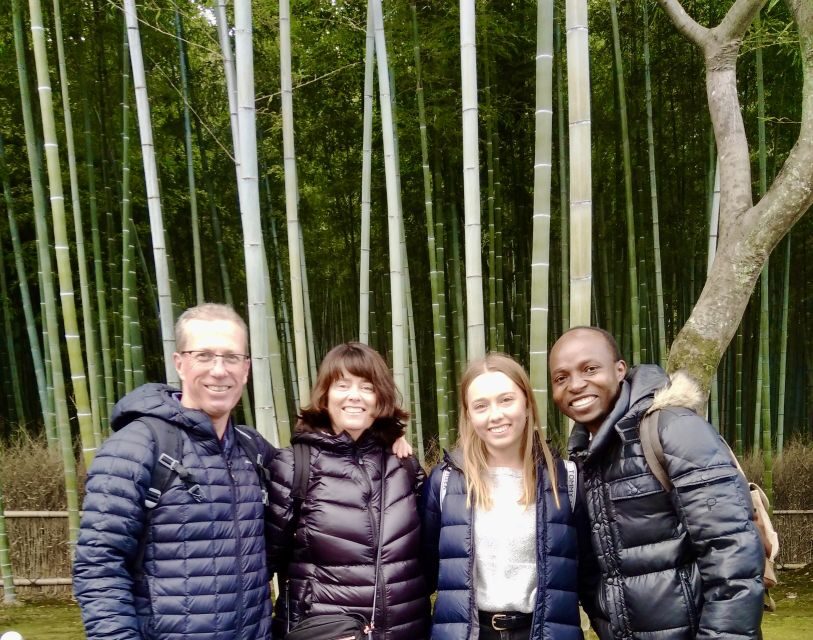
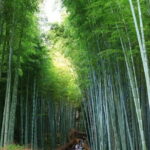
The Bamboo Grove is the headline for a reason. You’ll step into that long corridor of towering stalks, and it can feel almost unreal—especially when you’re walking uphill and the views change with every turn.
What makes a guided visit worthwhile is pacing. With a private guide, you’re less stuck in a slow shuffle with everyone else. You get a route that matches your preferences, and that can mean more breathing room for photos, pauses, and just taking it in.
There’s also a practical angle: the bamboo grove isn’t a flat stroll. If you have limited mobility or you don’t love uneven ground, tell your guide early so they can adjust how the day moves around the area.
Bamboo Grove surroundings: Katsura River views and river angles
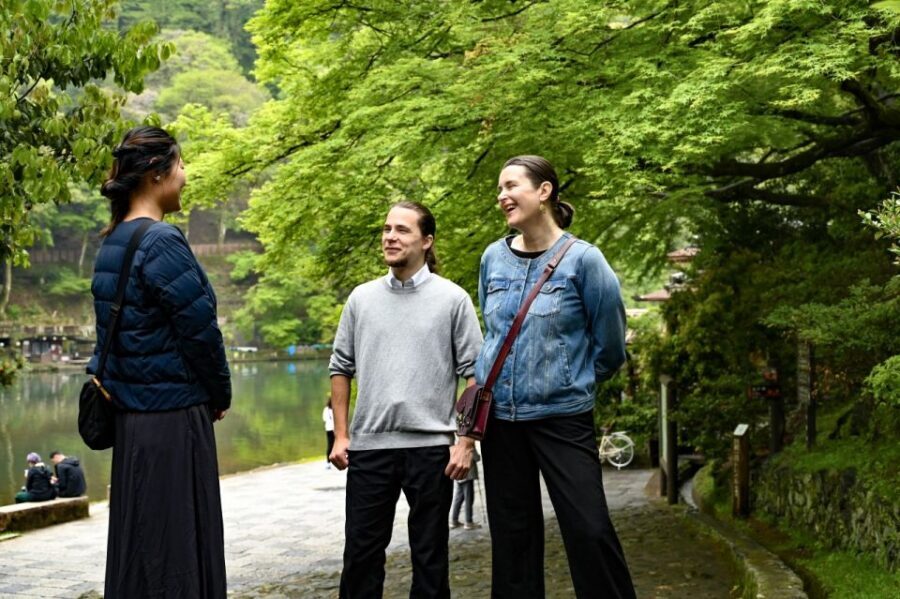
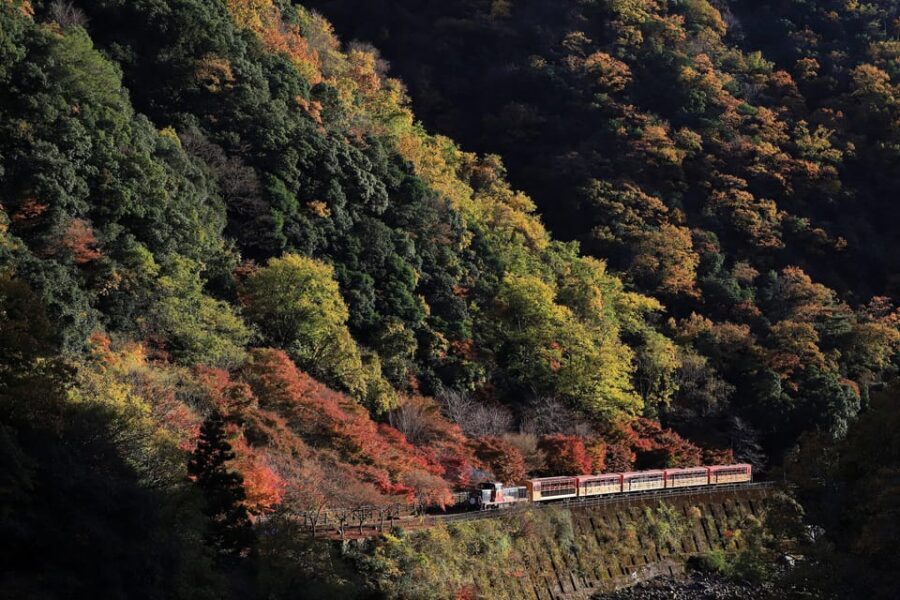
Arashiyama’s scenery isn’t only bamboo. The area also connects to river views, and you may have a chance to walk near or across the Katsura River, depending on your route and preferences.
I like these moments because they break up the heavy sightseeing energy. A river crossing or a viewpoint stop gives your eyes a rest and helps you understand the geography—how mountains, water, and temple grounds all fit together here.
If you want more of the landscape and fewer temples, bring that up during your planning message. Your itinerary is fully personalized, and your guide can steer the day toward the kind of views you’ll actually remember.
You can also read our reviews of more tours and experiences in Kyoto

Monkey Park Iwatayama: macaques and a hilltop payoff
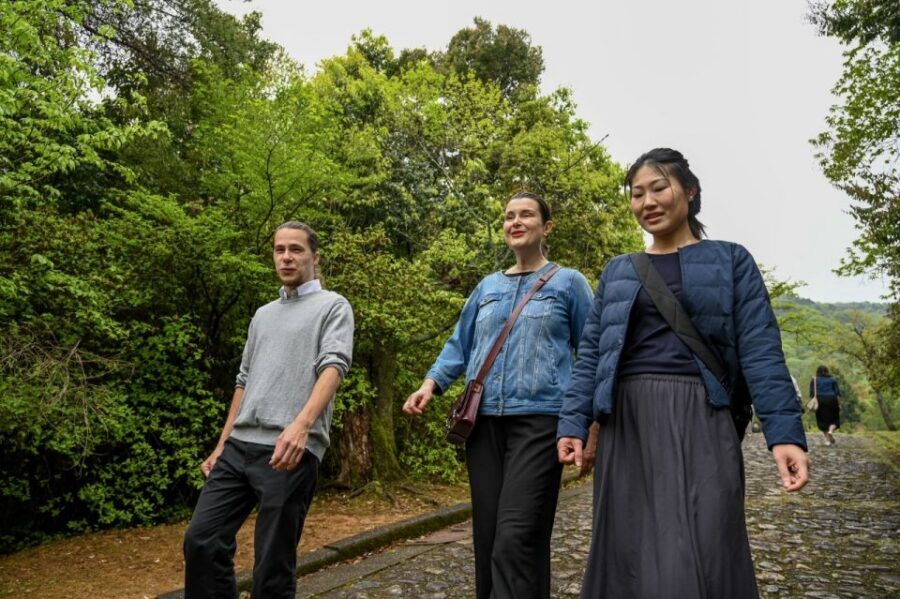
Monkey Park Iwatayama is a unique kind of payoff. You’ll head to the hilltop area where you can spot macaques, and the experience feels different from the bamboo and temple stops because it’s more animal-focused and a bit more adventurous.
This is also a great moment for perspective. From the park area, you’re not just looking at Arashiyama—you’re looking down on it, and that changes how the day feels. The cityscape and surrounding greenery look like part of a bigger picture instead of separate attractions.
One small consideration: the park visit involves walking to reach viewpoints. If your legs are already tired from temples and bamboo, you’ll want to pace carefully and plan breaks—especially if you’re traveling with anyone who tires fast.
The Hozu-gawa boat row: the calm between landmarks
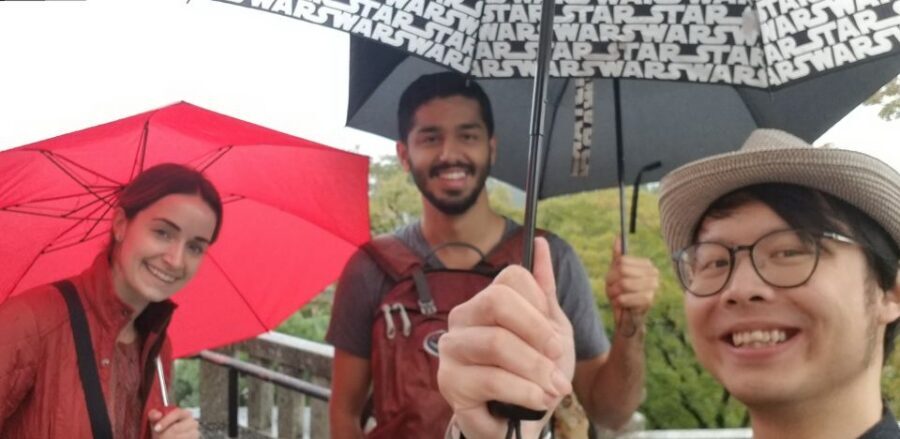
One of the highlights here is the Hozu-gawa boat experience. You’ll have the chance to rent a boat and row across the lower river area, with lush green mountains framing the water.
This part of the day is valuable because it changes your pace. After temples and bamboo paths, being on the river puts you in a slower, quieter rhythm where you can take in the scenery without dodging crowds or weaving through foot traffic.
One practical note: the included ticket list covers major sights, but transportation and food are not included. The boat is described as part of the experience, so if you’re budgeting carefully, I’d ask your local host how the boat portion works in practice and whether there are any extra costs tied to the rental.
How your guide shapes the day (and why it matters)
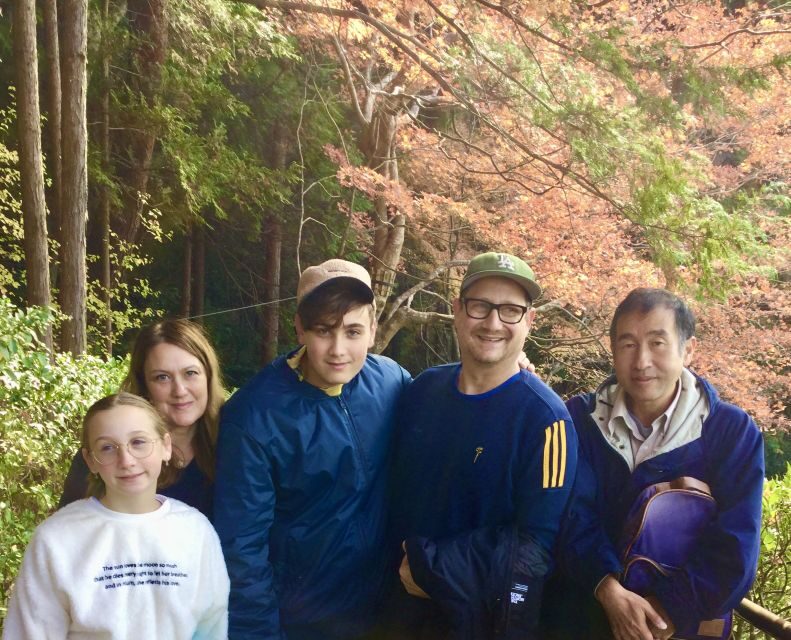
This is a private, personalized tour, and that changes the whole experience. Your guide can build your route around what you want most—temples, bamboo, animals, river views, or a mix that feels right for your group.
You’ll also get real value from a guide who can handle questions on the spot. In past experiences, guides such as Alex, Brenda, Hidetoshi, and Tess have led days with strong energy and helpful explanations. That kind of guidance makes the landmarks feel less like a checklist and more like a story you can understand.
Because tickets are included for multiple temple options, the day can adapt without you losing access. You’ll receive tickets to four temples selected from Tenryū-ji, Jojakko-ji, Gio-ji, Otagi Nenbutsuji, and Daikaku-ji, plus tickets to Okochi Sanso Villa and Monkey Park Iwatayama.
Tickets, price, and value: what you’re really paying for
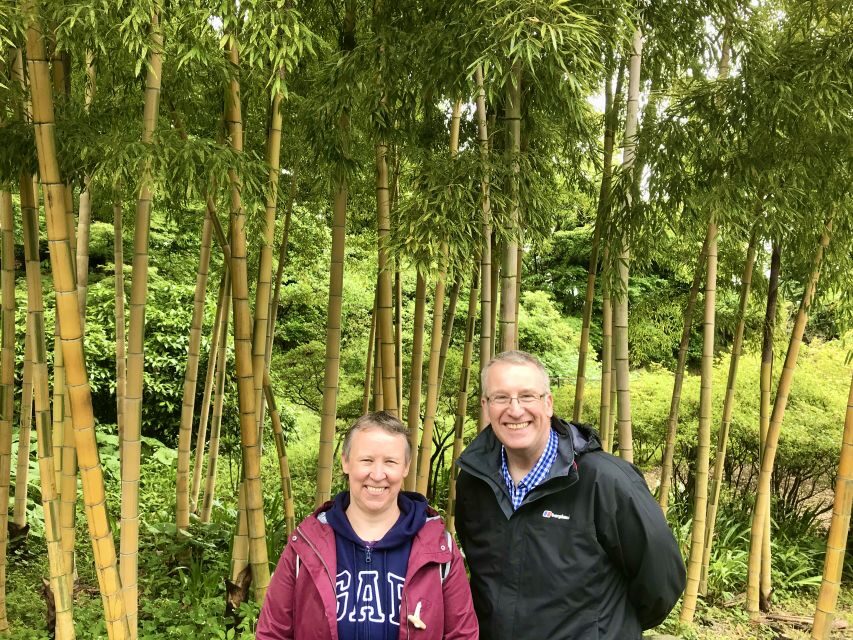
The price is $242 per person for a 6-hour private day. That’s not cheap, but it can make sense when you compare it to adding guide time plus attraction tickets and hoping you’ll navigate smoothly on your own.
Here’s what you’re getting:
- A tour guide
- Tickets to Okochi Sanso Villa
- Tickets to Monkey Park Iwatayama
- Tickets to 4 temples chosen from Tenryū-ji, Jojakko-ji, Gio-ji, Otagi Nenbutsuji, and Daikaku-ji
What’s not included: transportation fees and food or drinks. That means you should budget for local transit and meals separately, and plan your day so you don’t end up stuck searching for food between stops.
To me, the value is strongest if you care about structure and want to spend your time at the sights instead of figuring out timing. If you love wandering on your own, a DIY plan might feel cheaper. But if you want fewer headaches and more meaningful pacing, this private format often pays off.
Getting meeting-point clarity and planning your route
Your meeting point is straightforward: the host will be waiting in front of the Mister Donut. After you book, your local partner team contacts you to arrange the meeting time and location and to learn what kind of day you want.
I recommend you send a short note that includes:
- your top two priorities (bamboo, temples, macaques, river row, views)
- anyone’s walking limits or mobility needs
- whether you prefer a calmer early start to reduce crowd time
Wheelchair accessibility is listed, so if you need accommodations, flag it early. With a private guide, there’s usually more room to adjust the route than with fixed group tours.
Who this tour is best for
This works especially well if you want a classic Arashiyama highlights day with less rushing. It’s also a good match for couples, small groups, and anyone who enjoys a mix of temple atmosphere, scenic walks, and a bit of outdoorsy activity like the boat row.
If you’re chasing a Zen moment and want to step away from the busiest temple stampede, this format can help. The temple mix can include stops that are not as frequently visited, which changes the feel of the day from loud tourist corridors to quieter corners.
If you dislike walking, take the walking load seriously. The bamboo grove and the park both involve movement, and you’ll want to pace your energy so the day feels enjoyable rather than exhausting.
Should you book this Kyoto to Arashiyama private day trip?
Book it if you want a structured Arashiyama day with tickets handled, a guide to keep things flowing, and the flexibility to focus on what you care about most. The combination of Tenryū-ji, Okochi Sanso Villa, bamboo, macaques, and the Hozu-gawa row is a strong use of a single 6-hour window.
Skip it or reconsider if your top priority is minimal walking and long downtime. You’ll be on your feet for bamboo and hilltop areas, and the experience is designed as a full sightseeing day, not a slow sit-and-stroll itinerary.
FAQ
FAQ
How long is the Kyoto to Arashiyama day trip?
It lasts 6 hours.
Is this tour private or shared?
It’s a private group tour.
Where do we meet the guide?
The host will be waiting in front of the Mister Donut.
What attractions are included with tickets?
You get tickets to Okochi Sanso Villa and Monkey Park Iwatayama, plus tickets to 4 temples chosen from Tenryū-ji, Jojakko-ji, Gio-ji, Otagi Nenbutsuji, and Daikaku-ji.
Are transportation fees included?
No. Transportation fees are not included.
Are food and drinks included?
No. Food or drinks are not included.
What languages is the live guide available in?
The tour guide is available in English and Japanese.
Is the tour wheelchair accessible?
Yes, wheelchair accessibility is listed.
If you want, tell me your travel month and whether you care more about bamboo, temples, monkeys, or the river row—I can help you decide what to prioritize for the smoothest 6 hours.