REVIEW · COOKING CLASSES
Kyoto Family Kitchen Cooking Class
Book on Viator →Operated by Anthony · Bookable on Viator
Cooking dinner with a Kyoto family beats a classroom. I love how relaxed it feels from the first cup of tea—more like visiting a real home than doing an activity. I also love the practical focus on the core Japanese building blocks, especially dashi-based cooking and the flavor makers like soy sauce, mirin, and sake.
One thing to consider: this isn’t a fancy, studio-style class. You’re joining the family routine in a private home with kids and pets, so you’ll want the kind of comfort that comes with “family dinner,” not “perfect instruction.”
In This Review
- Key Highlights You’ll Actually Feel
- A Suburban Kyoto Home, Not a Workshop Kitchen
- How the Night Flows: Tea, Staples, and Cooking Together
- The Real Teaching: Dashi, Soy Sauce, Mirin, and Sake
- What You’ll Likely Cook (And How to Prepare Your Expectations)
- The Dinner Table Part: Conversation That Makes Sense
- Price and Value: When You’re Paying for Dinner, Not Just Instruction
- Meeting the Family: Location and Getting There Without Stress
- Who This Kyoto Family Kitchen Class Is Best For
- The Main Potential Downsides (So You Can Choose Confidently)
- Should You Book Kyoto Family Kitchen Cooking Class?
- FAQ
- How long is the Kyoto Family Kitchen cooking class?
- What’s the price per person?
- Where do we meet?
- What time does it run?
- Is it a private experience?
- What’s included in the price?
- Is alcohol included?
- Are tips included?
- Is there a minimum group size?
- What’s the cancellation policy?
- Is a mobile ticket used?
- Can service animals join?
Key Highlights You’ll Actually Feel
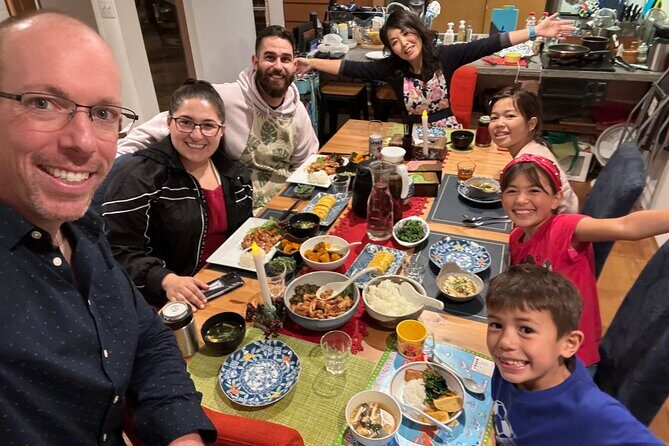
- Suburban Kyoto home setting: chat, tea, and then cooking in a real kitchen.
- Hands-on Japanese staples: dashi, soy sauce, mirin, and sake are taught as everyday tools.
- Family table dinner: you don’t just cook—you sit down together and share the meal.
- Kids and pets are part of the atmosphere: dogs and cats may be there, and it’s all pretty normal.
- Food needs get attention: vegetarian guests have been well accommodated.
- Small-group, private experience: only your group participates, so it stays personal.
A Suburban Kyoto Home, Not a Workshop Kitchen
Kyoto is full of cooking classes. Many are in bright teaching spaces with a fast rhythm and a crowd of strangers. This one keeps the mood quieter and more human because it happens in a family home just outside the city center.
The biggest difference for me is the pacing. You arrive, take a breather, and start with tea and conversation before anyone talks recipes. It changes the whole feel. Instead of jumping straight into technique, you ease into the night. That matters if you’re traveling with kids, or if you simply don’t want your evening to turn into a tight schedule.
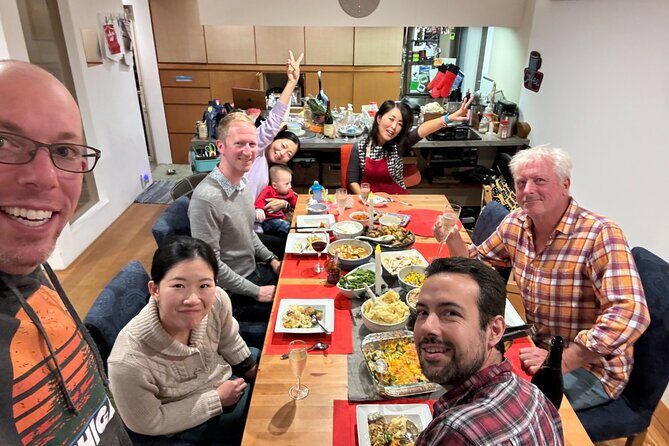
This is also where the experience becomes more than food instruction. In past evenings, the host family has welcomed guests alongside their kids and pets, including a dog and a cat. That means you’re seeing what daily life in Kyoto can look like inside a typical household—relaxed, a little messy, and honestly more interesting than a staged “culture show.”
If your idea of a cooking class is timed drills and step-by-step precision, you may find this style softer than expected. Still, that looseness is also the reason people remember the night.
You can also read our reviews of more cooking classes in Kyoto

How the Night Flows: Tea, Staples, and Cooking Together
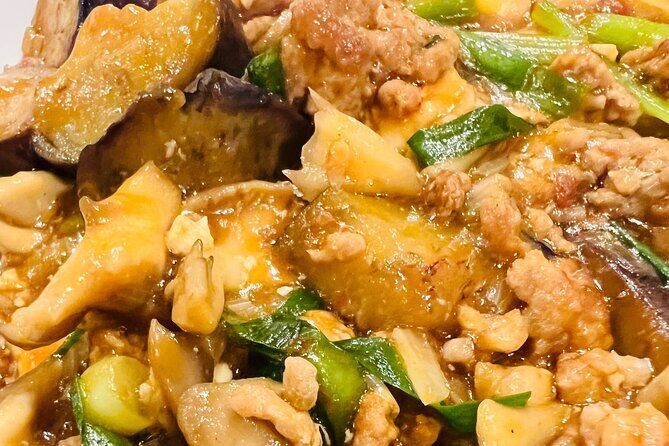
The session runs about 2 hours 30 minutes, and it has a simple arc: arrive, talk, cook, eat. The order isn’t random. It’s designed to help you connect to the food before you start making it.
First, there’s a welcome and a chat about your trip. Then you’ll preview the dishes you’ll cook that night. That preview step is small but smart—it gives you context for what you’re doing. When you slice, dice, mix, or stir, you’re not just following instructions blindly. You know what you’re aiming for.
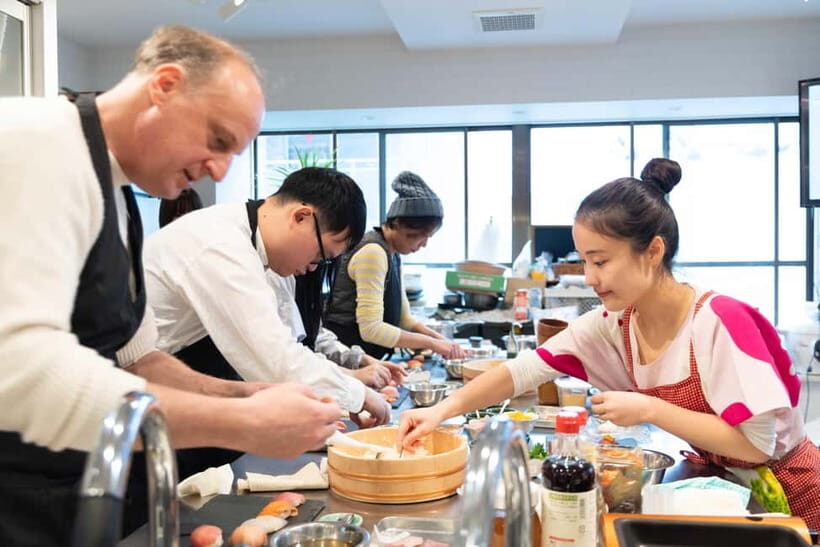
Next comes the hands-on cooking around the kitchen counter. Everyone in your group can participate, including kids—so you’re not stuck watching while someone else works. The goal isn’t to turn you into a Japanese chef in one night. It’s to give you the feel of the ingredients and how Japanese flavors are built in a home kitchen.
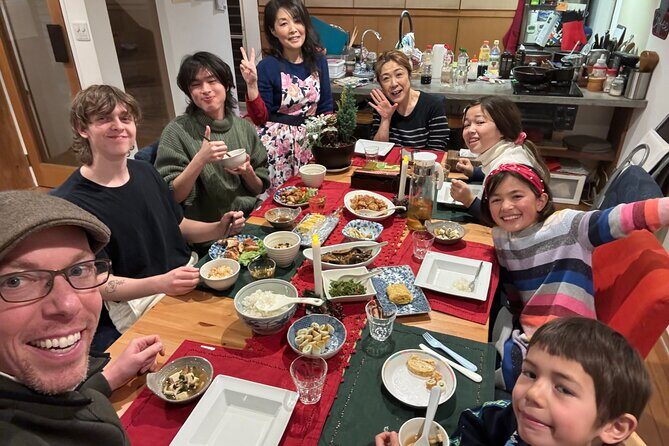
Finally, you gather for dinner. This is a key part of the value. You cook, then you sit down and share the meal as a group, with the hosts. That turns the class into a full evening—not a quick lesson you forget while walking back to your hotel.
Past guests have described it as feeling like you’re already friends by the time you start eating. That’s the point.
The Real Teaching: Dashi, Soy Sauce, Mirin, and Sake
If you take away one thing from this class, make it this: Japanese cooking is built on a few staples, and once you understand them, a lot of dishes make more sense.
You’ll learn about dashi, which is the flavor base behind many Japanese dishes. You’ll also get your bearings with soy sauce, mirin, and sake—ingredients that show up again and again in home cooking. The “why” matters here. These aren’t random seasonings. They’re the core rhythm of sweet, salty, and savory balance.
In practice, this makes the cooking feel easier. Instead of memorizing a long list of instructions, you start thinking in building blocks:
- Start with the flavor base (dashi)
- Add depth with soy sauce
- Use mirin and sake for sweetness, aroma, and roundness
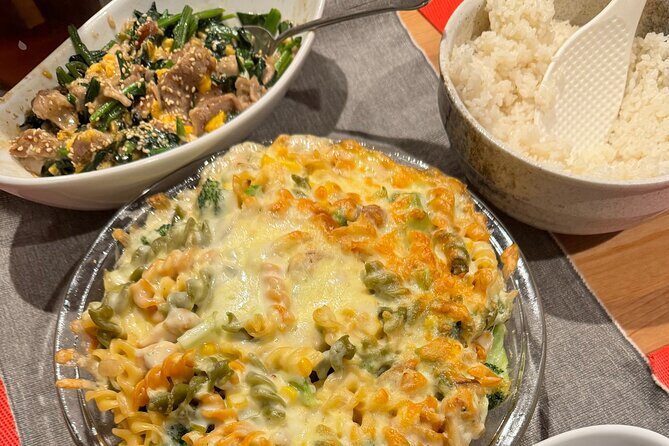
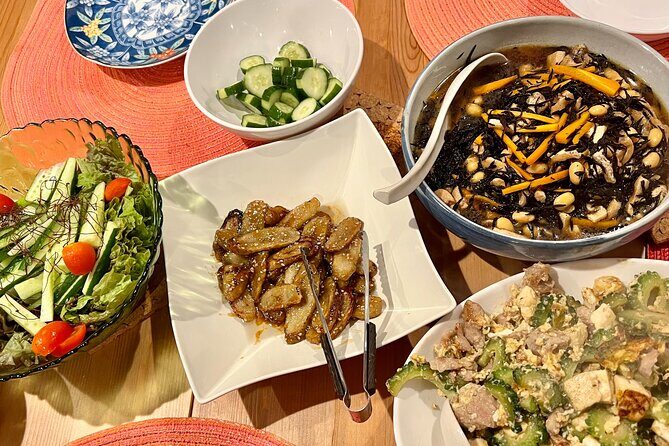
What you might cook can vary by night, but past sessions have included dishes like gyoza and tamago yaki, plus other home favorites such as okonomiyaki. The specific menu can change, so don’t count on the exact same dishes every time. But the training focus on staples is consistent with the way the hosts describe the experience.
That’s also why this class helps even if you’re not a confident cook. If you can recognize how these ingredients work, you’ll cook smarter at home later.
What You’ll Likely Cook (And How to Prepare Your Expectations)
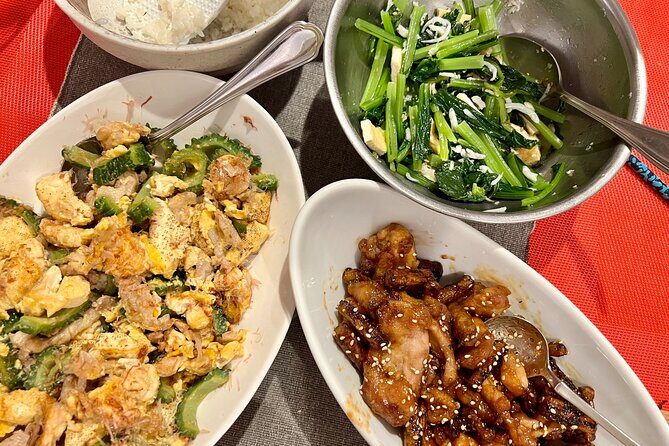
Even with a consistent teaching focus, the dishes can differ. One guest group has cooked gyoza and tamago yaki together. Another evening included okonomiyaki. Others have mentioned teriyaki chicken and sautéed vegetables as part of what they prepared.
So here’s how to set expectations without getting disappointed: think of this as a family dinner where you’re part of the team. The hosts will guide you through the cooking steps, but it may feel more like helping create dinner than like “learning a perfect recipe for certification.”
The good news: the family-style approach tends to make it easier for non-experts. And the reviews point to one consistent strength—hosts who are responsive. A vegetarian guest in one group was well taken care of, with plenty of food. That tells me the hosts plan ahead and adjust when needed.
Another thing I like is that you’ll get to actually eat what you made. Some classes teach, then send you off with a takeaway package. This one ends with you sitting down together for the meal, which is where flavors really land.
If you’re traveling with kids, this is a plus. There’s plenty of participation, and kids often enjoy helping with mixing and assembly even if they aren’t doing the most delicate tasks.
The Dinner Table Part: Conversation That Makes Sense
Cooking is only half the story. The other half is what happens when everyone sits down to eat.
In reviews, people keep coming back to the same feeling: lively conversation in a home setting, with time to share travel ideas and ask questions. It’s not one of those experiences where the host is constantly performing. They’re hosting. You’re guests.
There’s also a small but memorable cultural layer. Some guests have mentioned learning a few Japanese phrases to help with travel. That’s the kind of “useful souvenir” that actually gets used later—along with the skills and flavor ideas from what you made.
This meal format works well because it connects culture to normal life. You get the rhythm of family dining: shared dishes, relaxed pacing, and a focus on talking as much as eating.
And since the class includes coffee and/or tea, you’re not just fueled by food. You’re also given time to settle in, especially if you’re juggling sightseeing and kid energy all day.
If you want a Kyoto experience that feels personal instead of scripted, this dinner table part is the payoff.
You can also read our reviews of more tours and experiences in Kyoto



Price and Value: When You’re Paying for Dinner, Not Just Instruction
The price is $96.84 per person, and the session runs about 2 hours 30 minutes. On paper, that might look high if you compare it to kitchen-tour demos you can find in big cities. But here’s why it can be good value.
You’re paying for a complete evening meal experience:
- Dinner is included
- Coffee and/or tea are included
- An English-speaking instructor is included
- All seasonings and ingredients are included
- Taxes and fees are included
- Transportation to the Kokusaikaikan subway station is included
Also, the setting is private and home-based. You’re not sharing a cramped studio with strangers. Your group gets the attention of the host family.
Alcoholic beverages are not included, and tips aren’t included. That’s normal. The key is that the essentials for a full family dinner are already covered.
If you compare this to spending a similar amount on a sit-down meal plus paying separately for a cooking lesson, the math starts to make sense. You get both the meal and the cooking skills, plus the human interaction.
One more practical note: booking tends to be made about 43 days in advance on average, so if you’re traveling during busy seasons, you’ll want to plan ahead.
Meeting the Family: Location and Getting There Without Stress

The meeting point is: 33-50 Kamitakano Saimyōjiyama, Sakyo Ward, Kyoto, 606-0064, Japan. The experience ends back at the meeting point.
The hosts also include transportation to Kokusaikaikan subway station. That’s helpful because Kyoto can be a maze if you’re switching between sights and trains. The class gives you a built-in “anchor point” for getting there and back.
The class runs Monday through Friday, roughly 6:00 PM to 8:30 PM (based on the operating hours listed). After booking, you’ll finalize the meeting time and directions with the provider.
Since the class is in a residential area, give yourself a little buffer. Don’t plan a tough dinner sprint right before it. In this kind of home experience, arriving calmer leads to a better night.
One more detail that matters for comfort: this is described as private, meaning it’s only your group. That reduces uncertainty and keeps the experience from turning into crowd-management.
Who This Kyoto Family Kitchen Class Is Best For
This is one of those experiences that hits hardest when your travel style matches the setting.
It’s a great fit if you:
- Travel as a family with kids (the atmosphere is described as inclusive and hands-on)
- Want a meal experience that feels local and lived-in, not touristy
- Like cooking, but don’t need a formal “culinary school” structure
- Have dietary needs and want a host who will try to include everyone (vegetarian accommodation has been noted)
- Prefer smaller, personal settings over group tours
It can also work for couples who want a memorable evening. The best part is that you’re not just learning recipes—you’re getting dinner as an event.
If you’re a solo traveler, you might enjoy it too, but do note the experience requires a minimum number of guests (at least 2 guests). That usually just affects how the class gets scheduled rather than whether you can join.
The Main Potential Downsides (So You Can Choose Confidently)
Based on the format and the way guests describe it, there’s really one main “watch-out.”
This can feel more like joining a family meal and cooking alongside the hosts rather than receiving a tightly structured cooking lesson. One reviewer described it that way—more helping and informal participation, with a shorter focus on learning specific techniques.
So, ask yourself:
- Do you want a formal curriculum and strict step-by-step method?
- Or do you want a warm, interactive home experience where you help make dinner and learn through doing?
If you want the second, you’ll likely love it. If you want the first, you might feel a mismatch.
Also, remember the setting is a home with kids and pets. If you’re uncomfortable in that kind of environment, you might prefer a different class style.
But if you’re open-minded and you like the idea of cooking where people actually live, the trade-off is worth it. You’re buying time at the table and a real human connection, not just plating tricks.
Should You Book Kyoto Family Kitchen Cooking Class?
I’d book this if you’re chasing one specific kind of Kyoto memory: a relaxed evening where food is the center, and the culture is shared through everyday life.
Here’s my quick decision guide:
- Book it if you want Japanese home-cooked dinner, taught through staples like dashi, and you’re comfortable being in a family home.
- Skip it if you only want a professional, highly structured cooking class and prefer a classroom-style kitchen.
- Choose it if your group includes kids or someone who learns best by participating, not just watching.
For most travelers, the strongest reasons to book are simple: the evening format, the teaching focus on everyday Japanese ingredients, and the way the host family turns cooking into a genuine dinner experience.
FAQ
How long is the Kyoto Family Kitchen cooking class?
It runs about 2 hours 30 minutes (approx.).
What’s the price per person?
The price is $96.84 per person.
Where do we meet?
The meeting point is 33-50 Kamitakano Saimyōjiyama, Sakyo Ward, Kyoto, 606-0064, Japan.
What time does it run?
Monday through Friday, from about 6:00 PM to 8:30 PM.
Is it a private experience?
Yes. It’s a private tour/activity, and only your group participates.
What’s included in the price?
Dinner, coffee and/or tea, an English-speaking instructor, all seasonings and ingredients for cooking, and all fees and taxes. Transportation to Kokusaikaikan subway station is also included.
Is alcohol included?
No. Alcoholic beverages are not included.
Are tips included?
No. Tip/gratuity is not included.
Is there a minimum group size?
Yes. There is a minimum of 2 guests.
What’s the cancellation policy?
Free cancellation is available. You can cancel up to 24 hours in advance for a full refund. If you cancel less than 24 hours before the experience starts, the amount paid will not be refunded.
Is a mobile ticket used?
Yes, the experience uses a mobile ticket.
Can service animals join?
Yes, service animals are allowed.