REVIEW · 1-HOUR EXPERIENCES
One Hour Geisha Show in Gion Kyoto
Book on Viator →Operated by GuideMe Japan · Bookable on Viator
Spending one hour in Gion can teach you more than a full afternoon of wandering. This live maiko performance pairs traditional dances with tea, a light snack, and a Q&A that puts the rituals into context. Two things I especially like are seeing a maiko up close, and the fact that you also get a Japanese game plus photo time at the end. The one drawback to consider is that it’s a scheduled show in a controlled setting, so it won’t replace the thrill of spot-checking the streets for geisha appearances.
I think the biggest reason this works is simple: instead of relying on luck, you get a reliable window into Kyoto geisha culture in the atmospheric Gion district. You also get a rare chance to see how a maiko is introduced and perform in a format designed for questions, not just silent applause. If you’re expecting a street parade vibe or nonstop cultural stops, the one-hour structure may feel short—though it’s exactly why it’s an easy fit into a Kyoto itinerary.
In This Review
- Key Points You’ll Actually Care About
- One Hour in Gion: Why This Beats Chasing Geisha on Pure Luck
- Entering the Gion Experience at 4:00 pm: What Happens Once You Arrive
- The Maiko on Stage: Dances You Can Follow and Remember
- Tea and Snack Break: A Small Inclusion That Improves the Whole Evening
- Q&A That Actually Answers the Questions You’re Too Shy to Ask
- The Japanese Game: Playful Learning, Not Just Watching
- Photo Time at the End: How to Make It Count
- Price and Value: What You Get for $79.26
- Who This Is For (and Who Might Prefer Something Else)
- Should You Book This One-Hour Geisha Show in Gion?
- FAQ
- How long is the One Hour Geisha Show in Gion?
- What time does the experience start?
- Where is the meeting point?
- What’s included in the ticket price?
- What is not included?
- Is a mobile ticket provided?
- What if I need to cancel?
Key Points You’ll Actually Care About
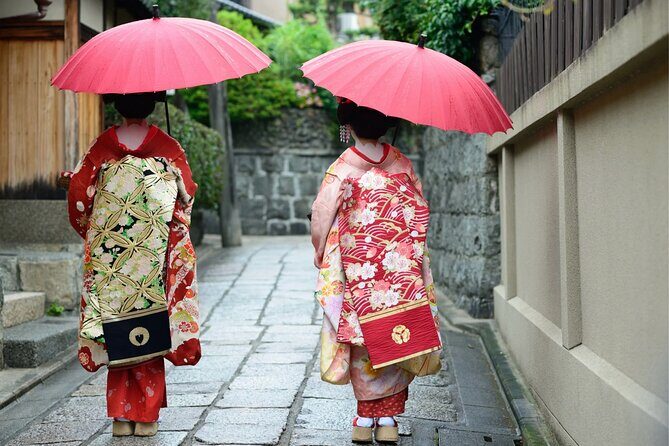
- Maiko visibility in Kyoto: the experience is built around meeting and watching a maiko, a rare chance since Kyoto has only about 40 maikos left
- Tea and a light snack included: you don’t have to budget time or money for a pre-show bite
- Q&A with context: the show includes a question-and-answer segment that most casual photo stops skip
- A Japanese game is part of the program: you get hands-on fun, not just watching
- Photos at the end: the format leaves time so you can capture the moment after the performance
One Hour in Gion: Why This Beats Chasing Geisha on Pure Luck
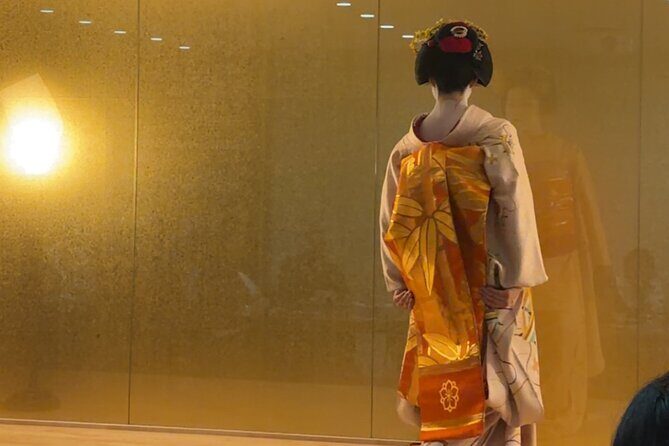
Kyoto’s Gion is famous for geisha culture, but it can also make you feel like you’re rolling dice. You might walk past the right-looking street at the wrong time, or you might see nothing at all. This show fixes that problem by putting the spotlight on a maiko and traditional performances right where you’re going.
I also like that this isn’t just entertainment with a pretty background. You get structure: dances, a Q&A session, and a playful Japanese game. That combination turns the experience from watch-and-forget into watch-and-understand, which is exactly what you want when you’re short on time.
One more practical point: it’s only about one hour. With Kyoto traffic and walking time, that matters. A short show is easier to slot in after temples, or before an evening stroll through Gion.
You can also read our reviews of more tours and experiences in Kyoto


Entering the Gion Experience at 4:00 pm: What Happens Once You Arrive
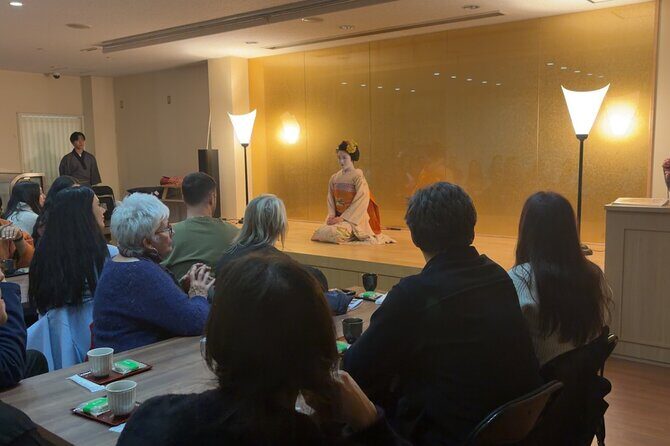
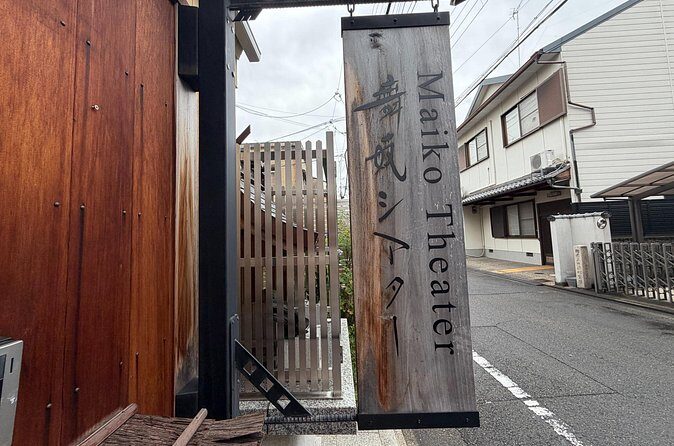
The experience starts at 4:00 pm and takes place in Gion. You meet at 302-2 Daikokuchō, Higashiyama Ward, Kyoto 605-0832, Japan, and it ends back at the meeting point. Since the start time is fixed, I recommend planning your afternoon so you arrive early enough to calm down and find your way.
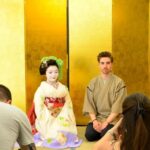
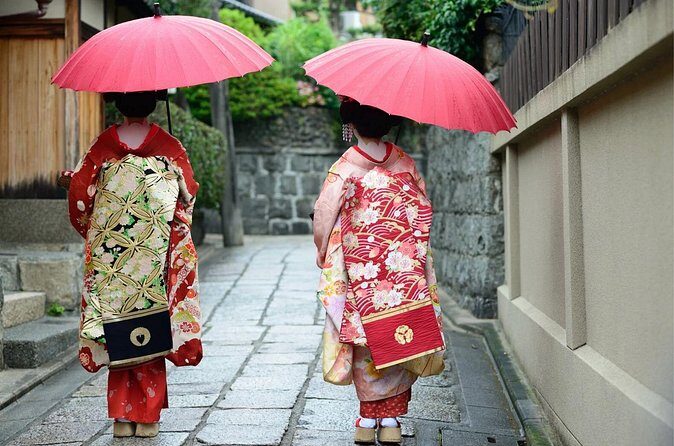
The core “Stop 1” moment is the up-close viewing of a real maiko (apprentice geisha). Even if you’ve read about geisha culture, watching a maiko in person is different. Body language, performance pace, and the way she’s presented all carry meaning, and a show like this is designed so you’re not craning your neck and guessing what you’re seeing.
One small detail that helps your expectations: this is a guided, intentional format. It’s not a roaming street encounter, so the environment is more controlled and easier to follow—especially if you’re traveling with limited Japanese.
The Maiko on Stage: Dances You Can Follow and Remember
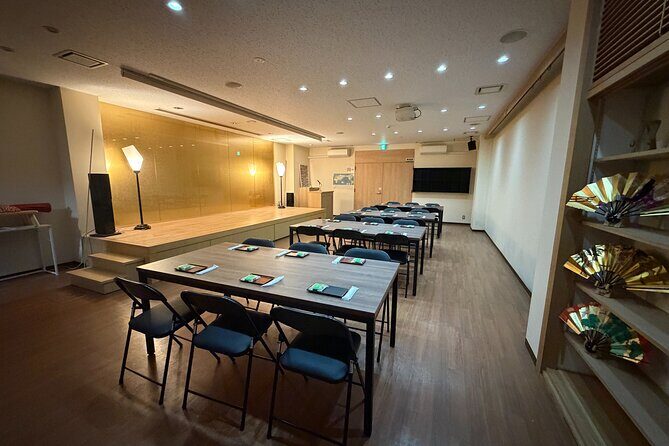
The program is built around watching the maiko perform traditional dance in an intimate setting. Seeing one is rare, and this experience leans hard into that rarity: Kyoto has only about 40 maikos left, so the chance to see one up close isn’t something you should assume you’ll stumble into later.
In the show, you’re not just observing one short sequence and then being released. You’ll watch dances as part of the flow, and then the program shifts into interaction. That structure matters because it keeps you engaged instead of sitting through something where you’re unsure what you’re looking at.
A review highlight that stuck with me is how the maiko performed multiple parts of the session. One guest specifically praised Kosome San, noting that she did two dances before moving into the Q&A and the game. That’s the kind of pacing you want: watch, then talk, then participate.
Tea and Snack Break: A Small Inclusion That Improves the Whole Evening
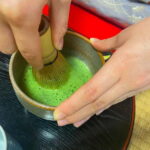
This isn’t a bare-bones cultural talk. You get tea and a light snack included, which sounds simple until you’re actually standing there at 4:00 pm and you’re thinking about dinner plans.
I like this inclusion because it smooths out the experience. If you’re touring Kyoto earlier in the day, food timing can get messy. Having a snack and tea means you can focus on the performance rather than hunting for something nearby at the last minute.
It also helps socially. Sharing tea in a small-group cultural setting makes the whole experience feel less like a ticketed show and more like a hosted introduction. And since additional food and drinks aren’t included, you’re not stuck paying for expensive add-ons just to feel comfortable.
Q&A That Actually Answers the Questions You’re Too Shy to Ask
The Q&A is where the experience goes beyond a quick performance. Most people come to Kyoto knowing the headlines—geisha, maiko, tradition, Gion—but then they leave with more photos than understanding. Here, the program includes a built-in Q&A segment, so you can ask what you truly want to know.
I like that the format makes it normal to ask. The show gives you permission to get specific, and that changes how you experience the dances. Once you understand what you’re seeing and why it’s performed, the performance becomes more than beautiful movement—it becomes a story with rules.
One guest called out that the setting felt intimate and that they had time to ask plenty of questions. Another praised the way the host communicated clearly. In practice, that means you’re more likely to walk away with real takeaways rather than just a memory.
If you want to ask something, keep your questions simple and direct. Even basic questions about costume, role, or what certain moments mean usually land well in a Q&A setting like this.
You can also read our reviews of more tours and experiences in Kyoto



The Japanese Game: Playful Learning, Not Just Watching
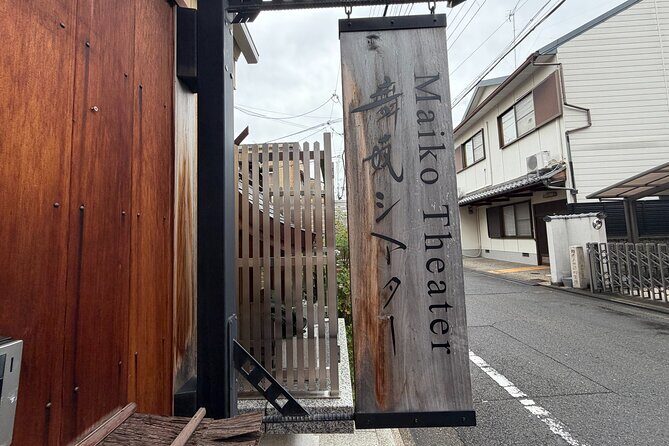
A Japanese game is part of the one-hour format, and I think that’s a clever design choice. After watching dance and listening to context, many tours end with a photo and goodbye. This one adds a short active moment, so you learn through doing.
This is also a good equalizer if you’re traveling with mixed interests. If someone in your group isn’t obsessed with traditional dance, the game gives them a reason to pay attention. It’s light, friendly, and it turns the show into a shared memory.
In one review, the guest emphasized that the dances, games, and the chance to ask questions were all brilliant. That’s exactly how the program is paced: it keeps the energy up while still delivering cultural context.
Photo Time at the End: How to Make It Count
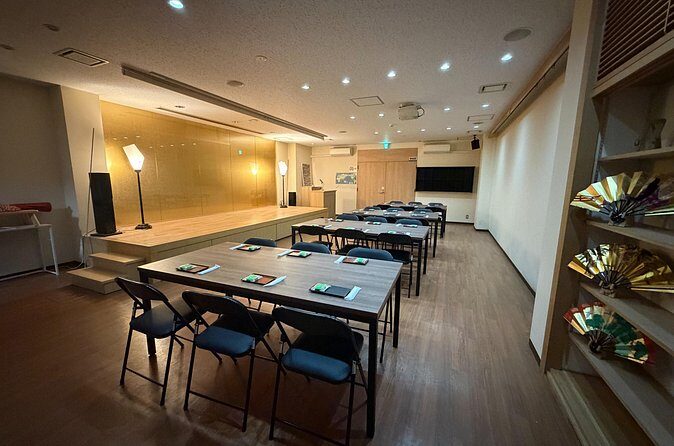
You’ll have the opportunity to take photos at the end of the experience. I find this is the best time for photos because the performance is complete, so you’re not trying to balance filming with respect and timing.
When your photo moment comes, keep expectations realistic. In a structured show, photos are usually meant as a keepsake, not a free-for-all. If you’re unsure how to proceed, just follow the cues from the host.
Also, this is a good moment to check your phone settings before you get there—battery, brightness, and storage. Don’t let “tech problems” steal the only time you’ll be able to capture the maiko after the performance.
Price and Value: What You Get for $79.26
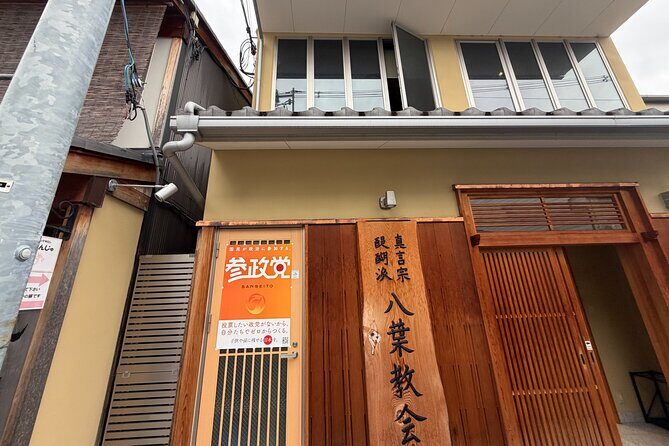
At $79.26 per person for about one hour, this is not a budget activity—but it also isn’t priced like a luxury dinner show. I see it as paying for three things that are hard to replicate on your own: access to a maiko performance, included tea and a light snack, and structured time for Q&A and a Japanese game.
If you’ve ever booked cultural experiences and felt like you mostly bought seats and a backdrop, this one is different. You’re not just watching a dance; you’re getting explanation and interaction built into the hour. That makes the price feel more reasonable because the experience is designed for understanding, not passive observation.
And since group discounts are mentioned and there’s a mobile ticket, you can often reduce cost further if you go with friends. If you’re traveling solo, it still works as a “one-and-done” Kyoto culture moment: you get a lot of value per hour.
Who This Is For (and Who Might Prefer Something Else)
This fits best if you want an efficient, clear way to experience Kyoto geisha traditions without relying on luck. It’s also ideal if you like guided context—especially the Q&A—and you don’t want to leave with only photos.
You’ll probably enjoy this if:
- You have limited time in Kyoto and want a focused cultural experience
- You want to see a maiko up close in Gion
- You like interactive moments like the Japanese game
- You appreciate having tea and a snack included so the timing feels smooth
You might hesitate if:
- You prefer purely street-based sightseeing with no set format
- You expect more than one major stop or multiple locations in the hour
- You want a long, slow cultural immersion rather than a tight program
Should You Book This One-Hour Geisha Show in Gion?
Yes—if you want a reliable way to see a maiko performance in Gion and you value the extra layers: tea and snack, Q&A, and the Japanese game. This is the kind of experience that feels purposeful, not just photogenic, and it’s short enough to fit into a busy Kyoto day without stress.
If you’re purely chasing street sightings and unpredictable surprises, you might feel more satisfied by free time exploring Gion on your own. But for most people, especially first-timers, this show is a smart purchase of clarity—and it gives you a memorable hour with real cultural context baked in.
FAQ
How long is the One Hour Geisha Show in Gion?
The show runs for about 1 hour.
What time does the experience start?
The start time is 4:00 pm.
Where is the meeting point?
You meet at 302-2 Daikokuchō, Higashiyama Ward, Kyoto 605-0832, Japan.
What’s included in the ticket price?
Included are the Geisha/Maiko Show plus a light snack and tea.
What is not included?
The experience does not include additional food and drinks.
Is a mobile ticket provided?
Yes, the experience includes a mobile ticket option.
What if I need to cancel?
You can cancel for a full refund up to 24 hours before the experience starts. If you cancel less than 24 hours in advance, the amount paid is not refunded.