REVIEW · KYOTO
Kyoto Private Tour with Customized Itinerary
Book on Viator →Operated by Flip Japan Guide · Bookable on Viator
Kyoto with a personal guide saves your sanity. This private tour is built around your interests, with a local host shaping your route while you hit the big sights like Fushimi Inari and Gion, plus quieter corners that feel less like a checklist. I like the flexibility most, and I also like that you get real context as you walk, not just directions.
One thing to plan for: you’ll likely pay some extra costs for temple entrances and any bus/subway rides, and the tour needs good weather. If you hate walking or your group has very tight mobility needs, this may feel like a lot, since it’s designed as a walking day.
In This Review
- Key things that make this Kyoto tour work
- How the Customized Kyoto Day Works
- Fushimi Inari-taisha: Torii Gates at Your Pace
- Kiyomizudera and Higashiyama Lanes: More Than a Main View
- Yasaka Shrine to Gion: Where a Shrine Becomes a District
- Arashiyama Bamboo Grove in Sagano: A Western Kyoto Reset
- Guide Quality: What Alejandra, Laura, Maya, and Milo Seem to Get Right
- What the Tour Costs in Real Life
- Timing, Pickup, and Getting Around Without Stress
- Stop-by-Stop Breakdown: What to Expect From Each Phase
- Who This Kyoto Private Tour Fits Best
- Should You Book This Kyoto Private Tour?
- FAQ
- How long is the Kyoto private tour?
- How many people can be in a group?
- What time does the tour start?
- Is hotel or accommodation pickup included?
- What’s included in the price?
- Are temple entrance fees included?
- Is transportation included?
- What if the weather is bad or I need to cancel?
Key things that make this Kyoto tour work
- Private and custom: your route shifts based on what you want to see and how fast you want to move
- 5 hours with a local host: enough time to feel Kyoto, not just photo-stop Kyoto
- Smart start at 10:00 am: a full morning plan before the late-day crowds
- Iconic stops plus pacing: Fushimi Inari, Kiyomizudera, Yasaka Shrine, Gion, then Arashiyama
- Off-main-street energy: guides aim to route you beyond the most obvious lanes when possible
- Guides with follow-through: names like Alejandra, Laura, Maya, and Milo come up for a reason
How the Customized Kyoto Day Works
This is a private walking tour (not a group bus day), so you’re not stuck with a fixed script. You tell the host what you care about—temples, backstreets, classic Kyoto vibes, or a mix of old and newer Kyoto—and the day is shaped around you.
The biggest practical win is pacing. Kyoto can feel intense if you try to plan alone: lines, map confusion, and the constant question of where to go next. With a host guiding you, you spend more energy actually looking at what’s in front of you.
You can also read our reviews of more private tours in Kyoto


Fushimi Inari-taisha: Torii Gates at Your Pace
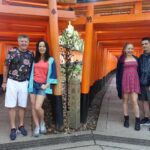
Fushimi Inari-taisha is the Kyoto moment most people come for. You’ll walk the famous path of red torii gates winding up Mount Inari. Even if you don’t go all the way, the views and the change in atmosphere as you rise are the whole point.
What I like here is the freedom to choose your level of effort. A good host can help you decide how far to push based on your group’s stamina. You’ll also get stories tied to the shrine—like the guardians and fox symbolism that show up all over the site—so the place makes sense beyond the photos.
If you’re visiting in warmer weather, think about hydration. It’s a long-ish walk even when you don’t climb to the top.
Kiyomizudera and Higashiyama Lanes: More Than a Main View
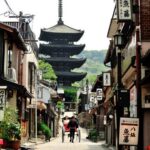
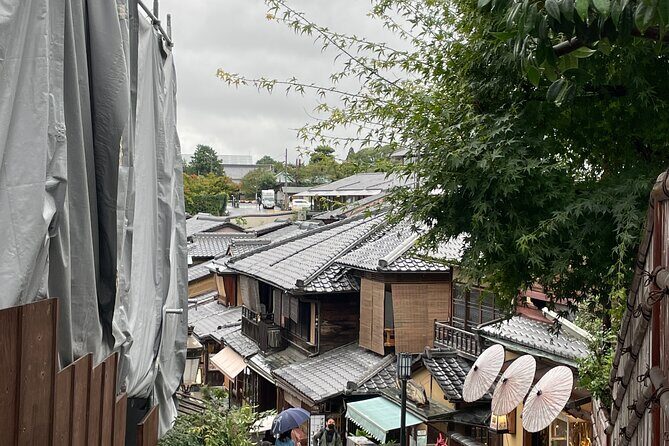
After Fushimi Inari, you move into the Higashiyama area, which is where Kyoto starts to feel like a set of old streets that somehow still work today. Kiyomizudera is a key stop, and from there you’re set up to enjoy the historic district: narrow lanes, wooden buildings, and traditional shops and cafes.
The temple itself is one hour of your time, and you should plan your energy for it. This isn’t a stop where you just glance and go. The real payoff is combining the temple moments with the surrounding neighborhood walk—so you see how the sights connect to everyday life.
One cost note: entrance for paid venues is not included, so budget for any temple entry fees you choose to cover on the day.
Yasaka Shrine to Gion: Where a Shrine Becomes a District
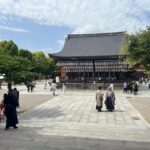
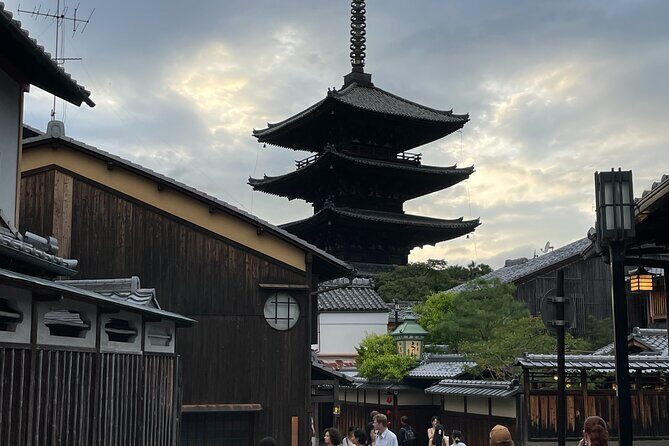
Yasaka Shrine is next, and it’s a quick stop by design: about 30 minutes. That short window matters because it keeps your morning from turning into a nonstop grind. The shrine’s age and role as a guardian of Kyoto’s Gion area are the kind of context that makes the district feel grounded, not just decorative.
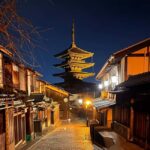
Then you step into Gion. This is the Geisha district people picture when they think of old Kyoto. You’ll have time to enjoy Hanami-koji street and also the Shimbashi area, where you’ll see traditional wooden houses tied to restaurants, cafes, and tea houses.
Practical tip: Gion can get crowded and photo-focused. A good host helps you slow down, choose better angles, and notice the details—street layout, signs, and the feel of the neighborhood—rather than only chasing the most obvious scenes.
Arashiyama Bamboo Grove in Sagano: A Western Kyoto Reset
Arashiyama shifts the mood. You’re on Kyoto’s western side, in the Sagano village area, and you’ll spend about 1 hour 10 minutes here. The bamboo grove path is the star, with light filtering through the stalks that creates that instantly recognizable atmosphere.
This is also a great spot for a different pace. If the first half of the day is temples and landmark navigation, Arashiyama gives you breathing room. Think slow walking and letting the visuals do their job.
Like Kiyomizudera, Arashiyama includes a stop where entrance isn’t automatically covered, so plan for potential fees depending on what you decide to enter on-site.


Guide Quality: What Alejandra, Laura, Maya, and Milo Seem to Get Right
The hosts are a big part of why this tour earns a strong 5-star rating. Several names come up repeatedly—Alejandra, Laura, Maya, and Milo—and the common theme is attention to your group’s needs.
From the feedback pattern, you can expect a few things that matter on a real day:
- They explain what you’re seeing in a way that connects culture and history to the physical place.
- They’re flexible with the route, so if you want a more quiet detour, you can usually make it happen.
- They show up prepared, including thoughtful outreach ahead of time, which helps your day start smoother.
- They help with small moments like photos—without turning the day into a photo shoot marathon.
This is the difference between a tour that looks good on paper and a tour that feels good in your feet.
What the Tour Costs in Real Life
The price is $293.19 per group, up to 6 people. That’s not cheap if you’re traveling solo, but it can be solid value when you split it. Here’s the math in plain terms:
- Up to 6 people: about $49 per person
- Up to 4 people: about $73 per person
- Up to 2 people: about $147 per person
Then there are the common add-ons you should expect:
- Entrance fees for paid venues: the estimate given is $8.00 per person
- Transportation (bus and subway when used): $5.00 per person
So if you’re a group of 4 to 6, you’re likely paying the base tour fee for the planning and private hosting, plus a modest extra for entries/transit. If you’re 1 or 2 people, it becomes more of a splurge—and you’ll want to be sure you’ll use the customization and local guidance to the fullest.
Timing, Pickup, and Getting Around Without Stress
The tour starts at 10:00 am and runs about 5 hours. You also get pickup at your hotel or accommodation, which removes one of the hardest parts of Kyoto for many people: finding the right meeting spot while you’re juggling bags, trains, and time.
You also get a mobile ticket, which is handy if you don’t want to manage paper confirmations.
Transportation is not included, but the host can use bus or subway when it makes sense. Budget that $5 per person figure if you’ll rely on transit. If you’re a group that prefers walking, you might use less transit than that estimate, but the tour is built around a walking style, so comfortable shoes are non-negotiable.
Stop-by-Stop Breakdown: What to Expect From Each Phase
Here’s how the day flows, and why the order helps:
- Fushimi Inari (about 1 hour 10 minutes): start with the signature torii gates while you’re still fresh
- Kiyomizudera + Higashiyama lanes (about 1 hour): switch from shrine views to neighborhood atmosphere
- Yasaka Shrine (about 30 minutes): a short context stop that feeds into the next district
- Gion (about 1 hour): district time where you can slow down and notice details
- Arashiyama (about 1 hour 10 minutes): a calmer, visual reset with bamboo and Sagano village vibes
The time allocations matter. Kyoto is easy to overstuff, and then you end up tired and cranky. This layout aims to balance iconic sights with enough breathing room to enjoy them.
Who This Kyoto Private Tour Fits Best
This works especially well if you:
- Want a custom route instead of a fixed group itinerary
- Travel as a small group (up to 6), so the cost per person makes sense
- Want someone to explain the meaning behind temples and neighborhoods
- Prefer a day that’s planned but still flexible—especially if you’re traveling with kids, multi-generational family members, or anyone who needs breaks
It may be less ideal if you’re expecting everything to be fully price-covered (entrances and transit can add up). Also, since it requires good weather, a rainy day can shift your plan.
On the practical side: service animals are allowed, and most travelers can participate. The experience is close to public transportation, which can help if you need to adjust your arrival or route outside pickup.
Should You Book This Kyoto Private Tour?
I’d book it if you want a Kyoto day that feels like it was made for you, not dragged through a checklist. The mix of major landmarks and district time gives you the classic highlights, while the private, interest-based approach helps you avoid the most common planning headaches.
Skip it only if:
- You’re traveling solo and want the lowest cost possible
- You strongly dislike walking and don’t want to handle temple/terrain steps
- You can’t be flexible with weather, since the experience requires good conditions
If your ideal Kyoto is part culture, part streets, and part quiet moments—this tour’s format is a great match.
FAQ
How long is the Kyoto private tour?
The tour lasts about 5 hours.
How many people can be in a group?
It’s priced for up to 6 people per group, and it’s private (only your group participates).
What time does the tour start?
The start time is 10:00 am.
Is hotel or accommodation pickup included?
Yes. Pickup from your hotel or accommodation is included.
What’s included in the price?
Included are the completely private and customizable walking tour, 5 hours with a local host, and hotel/accommodation pickup. You also receive a mobile ticket.
Are temple entrance fees included?
No. Entrance fees for paid venues are not included and are estimated at $8.00 per person, depending on where you choose to go.
Is transportation included?
Transportation is not included. If bus or subway is used, there’s an additional $5.00 per person.
What if the weather is bad or I need to cancel?
The experience requires good weather. You can cancel for a full refund up to 24 hours in advance, and you’ll be offered a different date or a full refund if the tour is canceled due to poor weather.