REVIEW · BIKE & E-BIKE TOURS
Pedal Adventure Kyoto’s iconic landmarks on an e-bike tour
Book on Viator →Operated by Pedal Adventure Kyoto · Bookable on Viator
Kyoto on an e-bike beats bus queues. You glide through back streets to famous spots like Fushimi Inari-taisha, with stops that mix Shinto, Buddhism, and samurai-era stories. You’ll also get the kind of guided context that helps you notice details most people rush past.
I especially like the small group size (max 8 people), which makes it easier to ask questions and keep the ride feeling calm. I also like how the route uses comfortable e-assist biking to cover ground without feeling like a workout.
The main drawback to plan for is time: the whole outing runs about 4 hours, so you get a taste at each site rather than an all-day wander. Also, the experience requires good weather, since the ride depends on being able to get around comfortably.
In This Review
- Key highlights worth your time
- E-bike Kyoto: why this route works better than walking
- Starting in Shōgoin Higashimachi: the practical stuff that makes it easy
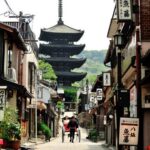
- Gion in the first 10 minutes: geisha culture without the overwhelm
- Higashiyama’s temple stop: where the city slows down
- Fushimi Inari-taisha: shrine gates, etiquette, and time to actually look
- Tōfuku-ji and the Kamogawa River finish: calmer Kyoto after the big sights
- Price and value: what $86.22 gets you in real terms
- Small-group feel: why max 8 people changes the whole experience
- The guide factor: stories that make Kyoto stick
- What to bring and how to ride comfortably
- Who should book this Kyoto e-bike tour
- Should you book Pedal Adventure Kyoto?
- FAQ
- How long is the e-bike tour in Kyoto?
- What does it cost per person?
- What’s included in the tour price?
- Are entrance tickets included?
- Is lunch included?
- Where does the tour start and end?
- What happens if the weather is bad?
- What’s the maximum group size?
Key highlights worth your time
- E-assist makes Kyoto manageable: big sights and quiet alleys without the leg-burn.
- Gion + Higashiyama are guided, not just seen: you learn what you’re looking at.
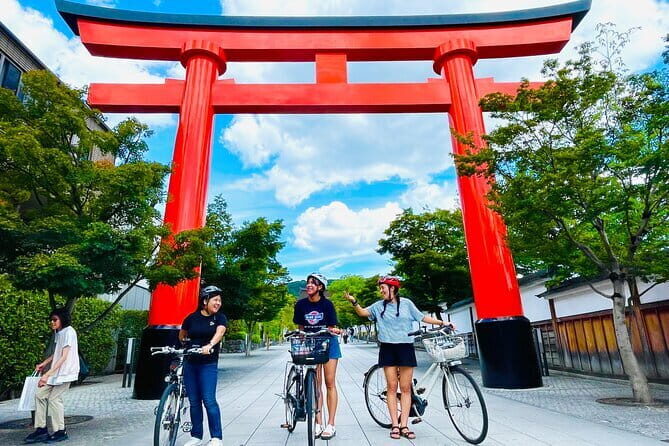
- Fushimi Inari has gates time: you get a focused window for the famous shrine walk.
- River return on the Kamogawa: a calmer, scenic finish after the busiest stop.
- Safety and pacing matter: helmets, hand signals, and a guide who adjusts the rhythm.
E-bike Kyoto: why this route works better than walking
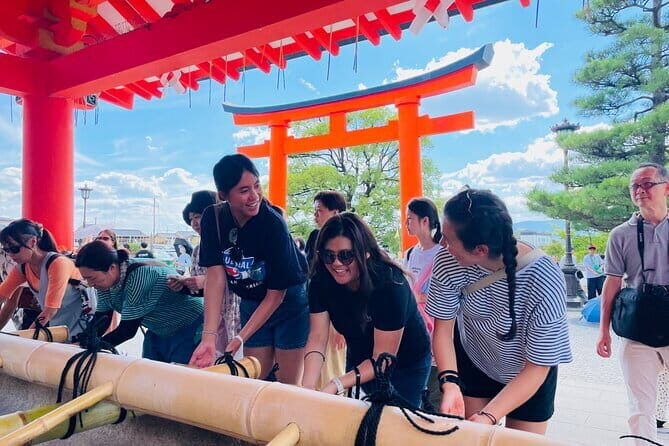
Kyoto is great on foot, but you can lose a lot of energy bouncing between neighborhoods—especially when you’re trying to hit the obvious landmarks and still see some everyday streets. This tour solves that problem with e-bikes and a ride plan that strings together the right mix of culture and movement.
What you’ll feel most is the pacing. You’re not constantly starting and stopping. You ride short stretches, then pause for a real look at a temple or shrine, then roll on to the next part of the city. It’s a smart way to get variety in a limited time window, and it fits well if you’re spending multiple days in Kyoto and don’t want to commit a whole morning to just one district.
You can also read our reviews of more cycling tours in Kyoto


Starting in Shōgoin Higashimachi: the practical stuff that makes it easy
The meeting point is 19 Shōgoin Higashimachi, Sakyo Ward, and the tour ends back there. It’s also described as near public transportation, so you shouldn’t have to plan a complicated arrival.
Before you roll, you’ll be kitted out with the essentials:
- E-bike use (with e-assist)
- Helmet
- Bottled water and snacks
- An English-speaking route coordinator
A small but important detail: the bikes are described as comfortable and well maintained, and they’re fitted with baskets. That means your backpack or jacket isn’t just getting tossed around during quick stops.
The ride style is also worth noting. You’ll pass through a mix of bigger roads, smaller side streets, and scenic bike paths. That variety keeps the route interesting, but it also means you should stay alert and follow the guide’s signals.
Gion in the first 10 minutes: geisha culture without the overwhelm
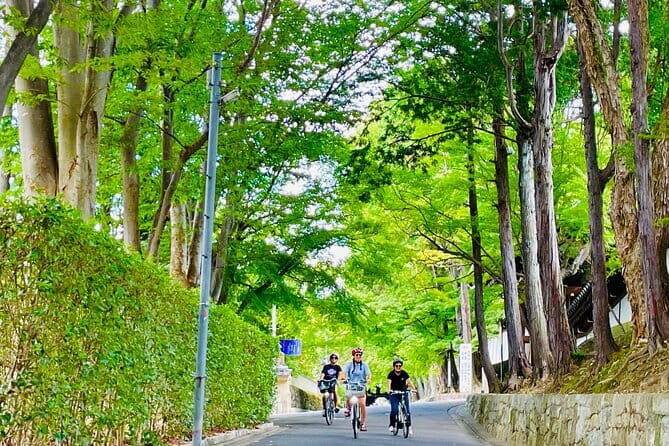
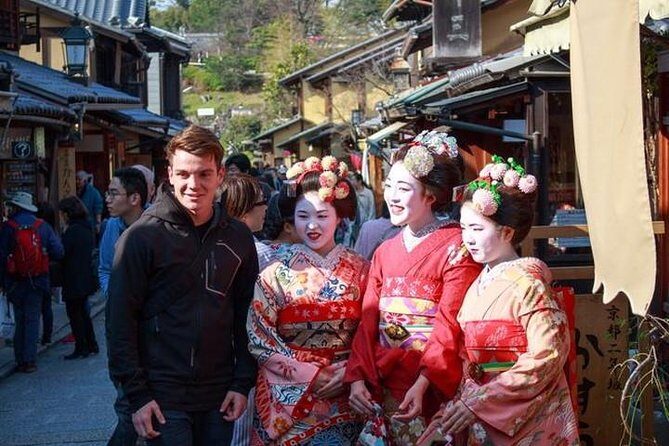
Your first stop is Gion, reached after a short ride—about 10 minutes once you get your e-bike.
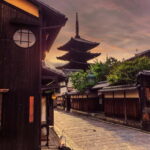
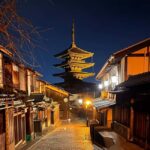
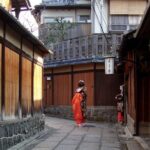
Gion is one of those places where the photos can look nice but the meaning can be lost if you just drift around. On this tour, you’re not only looking at the scenery—you’re getting explanations about Geisha culture, including what you’re seeing as you walk. The time here is brief, so it’s best suited for a quick orientation: you get a feel for the atmosphere, then you move on rather than getting stuck in a single spot.
What to consider: Gion can be busy, and this stop is timed to fit the overall flow. If you want a long, slow wander for shopping or extra street photography, you’ll probably need to return on another day.
Higashiyama’s temple stop: where the city slows down
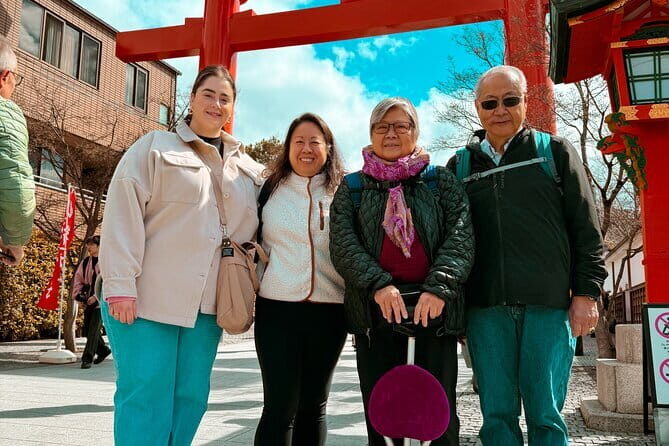
Next you bike for about 15 minutes to the Higashiyama area. This is where the tour leans into the quieter, more thoughtful side of Kyoto.
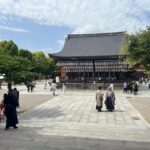
You’ll visit a temple and get guidance on what you’re looking at, including cultural context tied to Japanese religious life—plus a quick snack stop along the way. The emphasis here is on small details and interpretation: you learn why certain objects and behaviors show up, so the whole place makes more sense than just a list of buildings.
How this stop feels: shorter and gentler than Fushimi Inari, but still meaningful. You’ll likely appreciate it most if you like learning the logic behind what’s happening around you—like how people behave at shrines and temples and what certain features mean.
Fushimi Inari-taisha: shrine gates, etiquette, and time to actually look
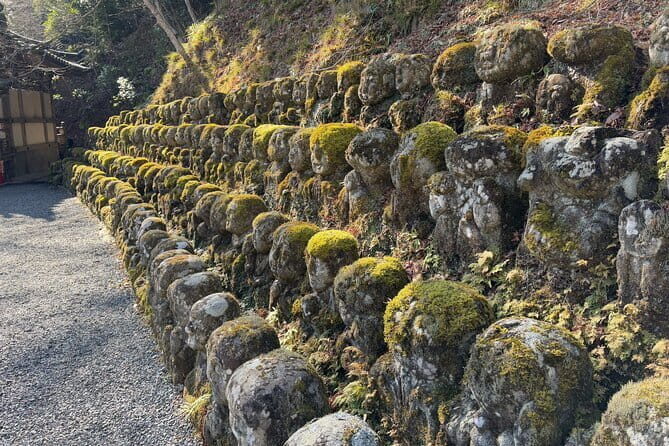
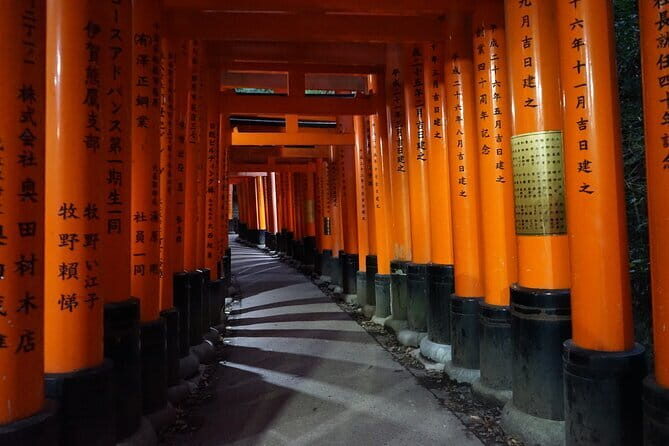
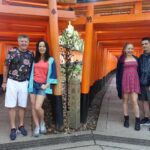
Then comes the signature stop: Fushimi Inari-taisha. The ride from here to the next area is short later, but at Fushimi you get real time—about 40 minutes—to explore the shrine grounds and see the famous torii gates.
This is the part where it’s easy for a tour to turn into a rushed photo line. Here, the plan is still focused, but you have enough time to slow down and notice the setting. You’ll also get cultural context related to Shinto practice and shrine customs, which helps you understand why the place feels so purposeful instead of just scenic.
A practical note: this stop is in one of Kyoto’s busiest areas. Even if you’re using an e-bike for most of the day, you’ll still be walking on site. Wear comfortable shoes and keep your energy steady—e-bikes help, but your legs still do the shrine exploring.
You can also read our reviews of more tours and experiences in Kyoto

Tōfuku-ji and the Kamogawa River finish: calmer Kyoto after the big sights
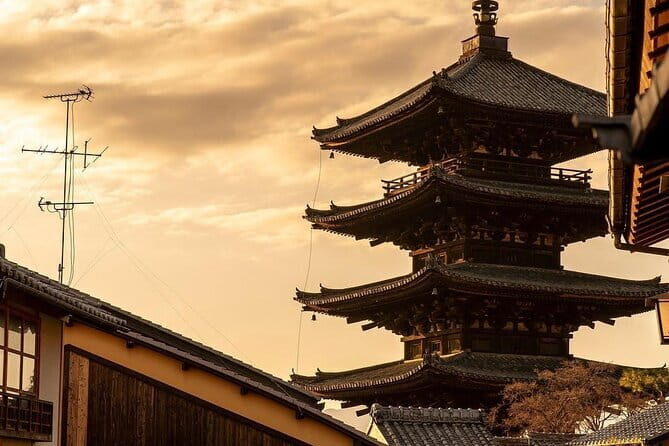
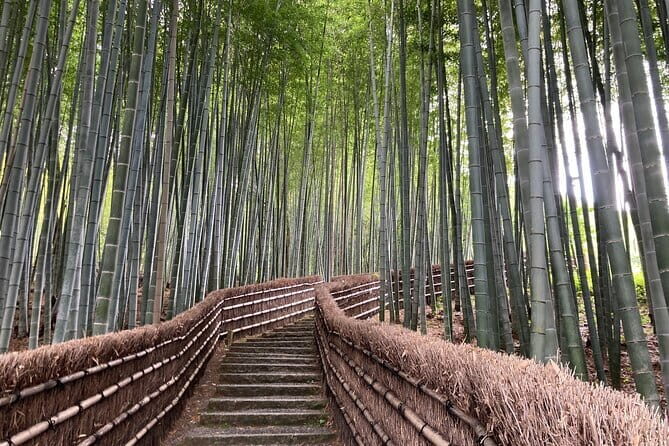
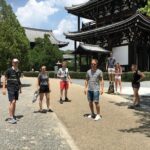
After Fushimi Inari, you bike roughly 10 minutes to the Tōfuku-ji Temple complex. This stop is shorter—around 20 minutes—but it’s a solid contrast. Instead of chasing only the most famous skyline views, you’re shifting into a different temple experience.
From there, you follow the Kamogawa River on the ride back to the start point. This ending matters more than you might think. Once you’ve hit the iconic gates and absorbed the shrine energy, a river path gives you breathing room. The ride feels more relaxed, and it’s a nice wrap-up after a day section that can feel more crowded.
In practical terms, it’s also a good moment to ask last-minute questions. The pace often feels easier at this stage, and you’re moving through scenery rather than rushing between major landmarks.
Price and value: what $86.22 gets you in real terms
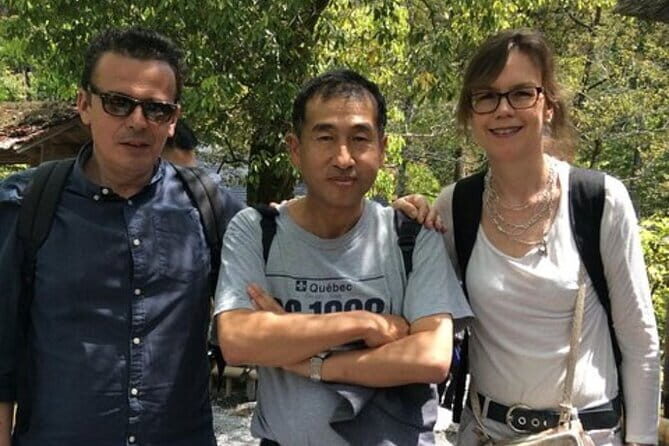
At $86.22 per person for about 4 hours, the value comes from what’s included and what it saves you.
You get:
- E-bike and helmet
- Bottled water and snacks
- An English-speaking route coordinator
- A route plan that covers multiple major areas in one sitting
And you also have an advantage that many self-guided plans miss: you’re not just hopping between stops. You’re getting explanations tied to the places you’re visiting—Buddhism, Shinto, and even samurai-related cultural framing. That turns the day from sightseeing into understanding.
What’s not included is lunch. That’s normal for a half-day tour, but it does change your planning. If you’ll be hungry afterward, consider a simple post-tour meal near your next activity, and don’t rely on the snacks to carry you the whole day.
Small-group feel: why max 8 people changes the whole experience
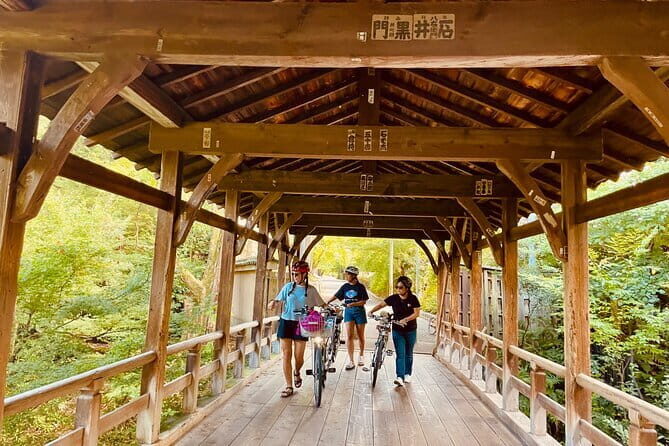
One of the biggest strengths is the group size: up to 8 people. That doesn’t sound glamorous on paper, but it affects everything.
- You can hear the guide better.
- Questions don’t get swallowed.
- The coordinator can keep an eye on how people are handling the bike.
- The pacing stays smoother.
You’ll also notice attention to safety details. Helmets are included, and the guide uses hand signals while biking, which helps keep movement predictable in traffic and at turns.
The guide factor: stories that make Kyoto stick
Guides make or break a tour like this, and the standout theme here is how personal and local the storytelling feels. Several tour outings center on a guide named Maki (sometimes spelled Mika). The common thread is strong English, lots of humor, and context pulled from personal life in Kyoto.
You might hear explanations that connect:
- how people learn to live within Shinto and Buddhist traditions
- what certain objects mean in everyday streetscapes
- cultural rules that can seem random until you understand the reason
For example, one of the more memorable kinds of lessons is food etiquette, like why passing food between two people with chopsticks is considered taboo. You may also get side stories that show how unusual cultural knowledge can be—from the basics to odd trivia. The point isn’t trivia for trivia’s sake. It’s that those little lessons make your eyes sharper as you walk.
What to bring and how to ride comfortably
Because this is biking plus shrine walking, your success comes down to basics.
Bring:
- comfortable walking shoes
- sunscreen or a light layer for sun and wind
- a small bag for phone, cash, and anything you want during stops (the bike basket helps, but you still need a plan)
If you’re visiting in warmer months, plan for heat. The experience includes water and snacks, and you may get additional help like cooling touches during hot weather. Still, treat hydration seriously and pace yourself through the day.
Also remember the tour requires good weather. If rain hits, you may get adjustments or shelter depending on conditions, but you should still pack like the weather can be changeable.
Who should book this Kyoto e-bike tour
This fits you well if:
- You want a fast but not rushed way to see Gion, Higashiyama, Fushimi Inari, and Tōfuku-ji
- You like understanding what you’re seeing, not just collecting photos
- You’d rather ride between neighborhoods than spend your day managing trains and walking long distances
It might be less ideal if:
- You want to spend lots of time inside only one major shrine/temple area
- You dislike biking in city conditions, even with e-assist
- You’re traveling during rainy weather and can’t be flexible
Should you book Pedal Adventure Kyoto?
Yes, I think you should book this if you’re aiming for a balanced Kyoto day: famous sights, quieter streets, and a guide who turns religious and cultural landmarks into something you can actually explain back later.
It’s not a full-day, slow-tempo deep dive into one temple. It’s a smart circuit that gives you a lot of Kyoto within a manageable timeframe, plus the comfort factor of e-bikes and the small-group attention that makes the explanations land.
If you’re the type who likes to learn while you go, this is one of the best ways to do it.
FAQ
How long is the e-bike tour in Kyoto?
The tour runs for about 4 hours.
What does it cost per person?
The price is $86.22 per person.
What’s included in the tour price?
It includes use of the bicycle, a helmet, bottled water, snacks, and an English-speaking route coordinator.
Are entrance tickets included?
Admission tickets are listed as free for the stops included on the tour.
Is lunch included?
No, lunch is not included.
Where does the tour start and end?
It starts at 19 Shōgoin Higashimachi, Sakyo Ward, Kyoto, and ends back at the same meeting point.
What happens if the weather is bad?
The experience requires good weather. If it’s canceled due to poor weather, you’ll be offered a different date or a full refund.
What’s the maximum group size?
The tour has a maximum of 8 people.