REVIEW · DRINKING TOURS
Private Tea Ceremony and Sake Tasting in Kyoto Samurai House
Book on Viator →Operated by KyotoSamuraiHouse · Bookable on Viator
A quiet tea room in a samurai house. What I like most is the setting: a 300-year-old Kyoto residence where the ceremony feels calm and real, not staged. The other big win is hands-on teaching, from matcha whisking in a traditional tea room to a tasting that actually explains what you’re drinking.
One thing to think about up front: if you want the photo time with kimono and katana, it can add extra time and extra cost, and that dress-up slot is limited.
In This Review
- Key Points to Know Before You Go
- Entering Kyoto Samurai House: 8-Minute Walk, Big Old-School Calm
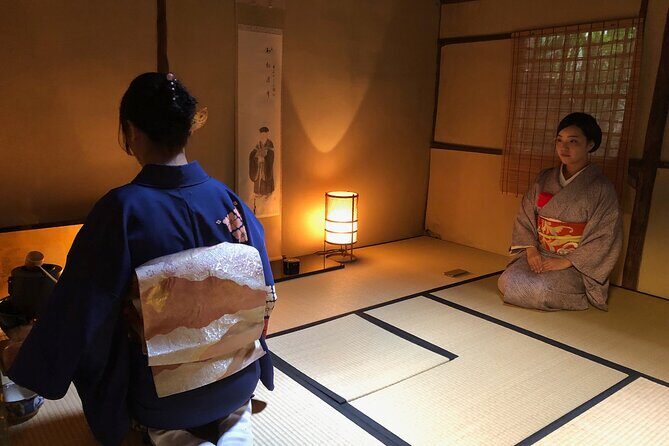
- Tea Ceremony in a Traditional Tea Room: What the Ritual Really Teaches
- Choose Your Hands-On Moment: Matcha, Sake, or Japanese Whisky
- Matcha First, Then Photos: The Samurai House Dressing-Up Part
- Sake and Whisky Tasting: Learning to Taste, Not Just Sample
- Why the Private Format Is Worth It
- Practical Details That Actually Matter
- Who Should Book This Kyoto Samurai Tea Experience?
- Price and Value: What $99 Buys You in Real Terms
- Should You Book This Kyoto Samurai Tea Ceremony?
- FAQ
- How long is the Private Tea Ceremony and Sake/Japanese whisky experience?
- Where does the experience start?
- Is this a private tour?
- Can I choose between matcha, sake, or whisky?
- Are alcohol tastings included for everyone?
- Is there an option to wear kimono and take sword photos?
Key Points to Know Before You Go
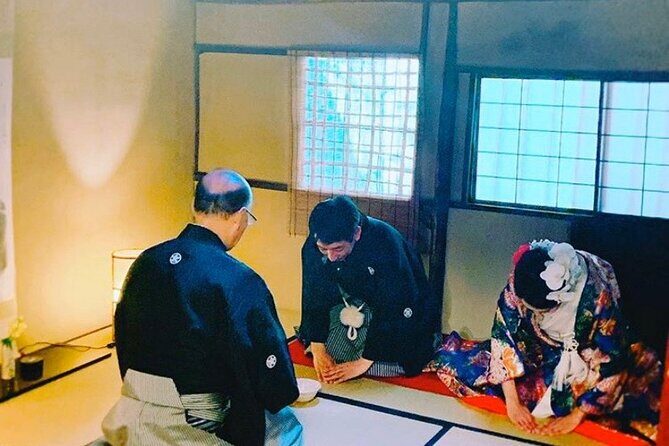
- 300-year-old samurai residence, private to your group for a quieter, more personal feel
- Matcha from Kyoto’s Uji used for a traditional tea ceremony in a dedicated tea room
- Choose what happens after tea: make matcha, or do sake (5 shots) or Japanese whisky (2 shots) if you’re 20+
- Photo session with samurai swords and kimono (wedding kimono for ladies), with an optional extended plan
- Hosts guide you step-by-step in English, so you’re not left guessing
- Practical warning: only one older restroom on-site, so plan ahead
Entering Kyoto Samurai House: 8-Minute Walk, Big Old-School Calm
Kyoto’s best moments are often off the main lanes, and this one starts right away. The Kyoto Samurai House meeting point is just an easy walk from Kyoto Station (about 8 minutes), so you can fit it into your day without playing transit roulette.
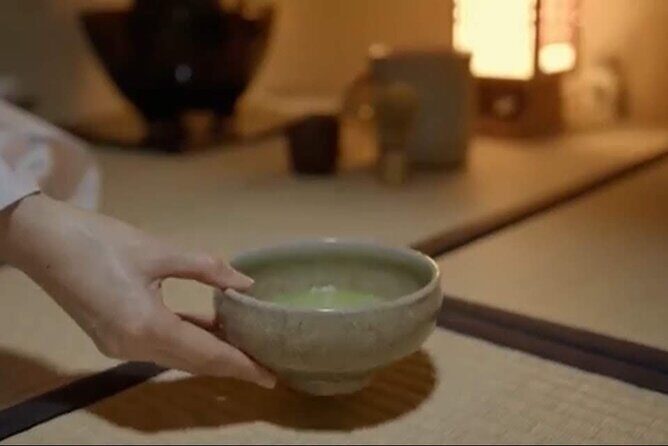
Once you arrive, you’re in a historic family property that’s meant for slower living. The ceremony is in a traditional tea room inside a home that’s been around for centuries, which changes how the time feels. Instead of a shop-front experience, it’s a residence setting with house-and-grounds atmosphere, the kind of place where you lower your voice without being told.
What makes the location work for you is flexibility. This is short (about 50 minutes), and it’s private, so it doesn’t eat your whole afternoon or force you into a crowded schedule.
You can also read our reviews of more food & drink experiences in Kyoto

Tea Ceremony in a Traditional Tea Room: What the Ritual Really Teaches
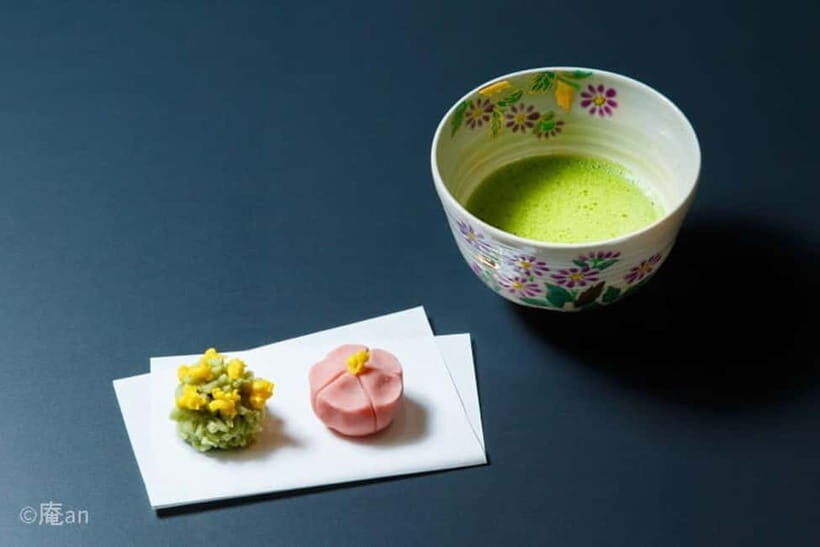
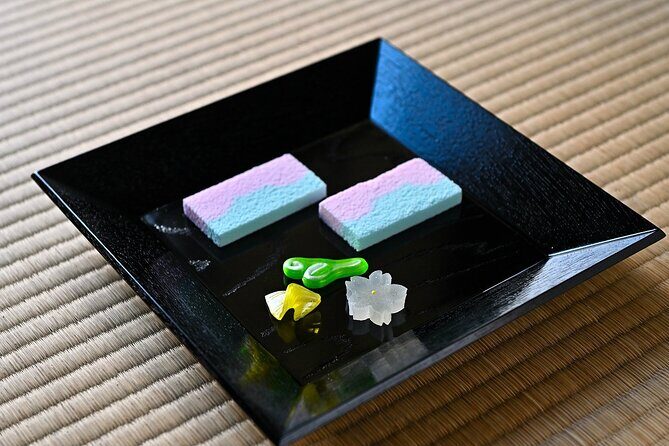
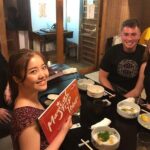
The main event is a tea ceremony centered on powdered green tea (matcha). You’ll be guided through the way matcha is prepared and enjoyed in a formal, ceremonial setting—less like a drink demo, more like a practice with rules and meaning.
I like that the tour keeps the focus on tea itself: the hosts explain how to appreciate the texture, aroma, and flavor of high-grade matcha from Kyoto (Uji), not just the mechanics. You also learn the approach behind it (often called the spirit of Cha-do), where attention and quiet are part of the product.
Then comes the best part: you participate. You may get to make your own matcha using a bamboo whisk, learning what small movements change in the final bowl. Even if you’re not a tea nerd, you’ll understand fast—because you’re doing it, not watching it.
If you’re bringing kids, this style of structured ritual tends to work well because it gives them a role and a reason to slow down. One family shared that the hosts made the experience friendly for younger visitors, including small playful touches during the sword-and-photo part.
Choose Your Hands-On Moment: Matcha, Sake, or Japanese Whisky
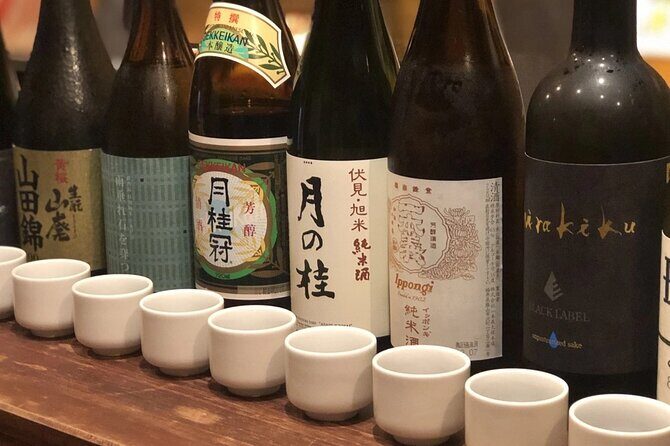
After the tea ceremony, the experience splits into options. For guests over 20, you choose one of three:
- Make matcha with a bamboo whisk
- Sake tasting (5 shots)
- Japanese whisky tasting (2 shots)
This choice matters for your value. If you pick sake or whisky, you’re paying for more than just tea—you’re getting guided tasting with context. If you pick matcha making, you’ll get extra participation, which can feel more memorable if you’re not focused on alcohol.
Age matters here. Alcohol is only provided to guests over 20. For guests under 20, the experience shifts so you still get a participation element: you do a matcha whisking lesson after the tea ceremony.
Matcha First, Then Photos: The Samurai House Dressing-Up Part
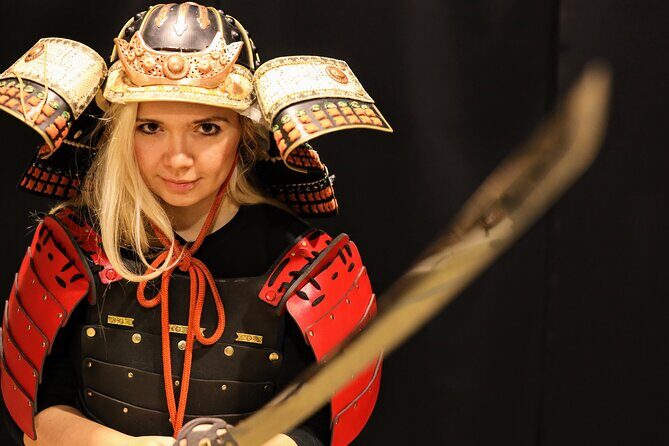
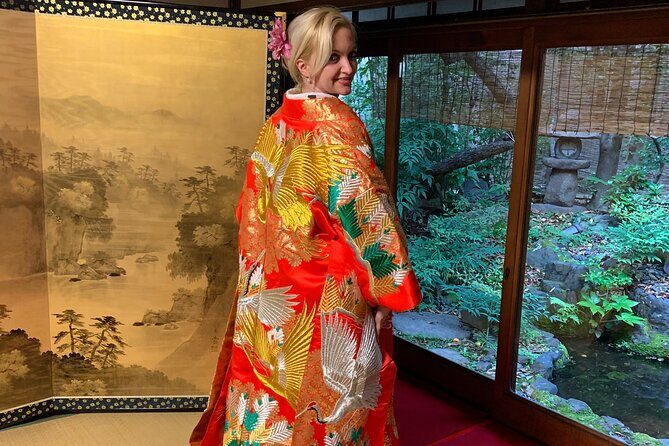
One of the reasons people remember this experience is the photo time. You can take photos during your visit, including time with samurai swords (katana) and traditional dress. For ladies, the kimono option is a wedding kimono, and it’s designed to be worn respectfully during the experience.
Here’s the practical planning point: the kimono dress-up plan can take extra time (an additional 30 minutes) and comes with extra cost, and it’s limited to one group per time slot for that extended setup. So if kimono photos are your top goal, you should treat the dress-up choice as a real decision—not an afterthought.
When you’re doing the photo session, the house setting is part of the benefit. Posing with a sword doesn’t feel like a gimmick when you’re on the grounds of an ancestral home. You also get guidance on photos during the session, which is helpful if you don’t normally know what to do with a katana in your hands.
Tip: wear comfortable shoes. You’ll move around a bit for the ceremony and then for photos, and you’ll want your feet to be happy.
Sake and Whisky Tasting: Learning to Taste, Not Just Sample
If you choose sake, you’ll do a tasting that includes 5 shots. If you choose whisky, you’ll do 2 shots. Either way, you’re not just drinking—you’re learning what different profiles taste like and how to notice them.
What you’re paying for here is guidance. The hosts explain differences among types and flavors in a way that turns random sips into an actual tasting experience. That’s why so many people call it a highlight after the ceremony.
Also, you’re tasting spirits that fit the Kyoto setting—served in a family-home context, not a bar atmosphere. It feels like a continuation of the ritual: careful attention continues from tea into alcohol.
One note for you: if you’re doing alcohol options, plan to take it slow after. This experience is short, but the tasting portion still puts you in a celebratory mode.
You can also read our reviews of more private tours in Kyoto



Why the Private Format Is Worth It
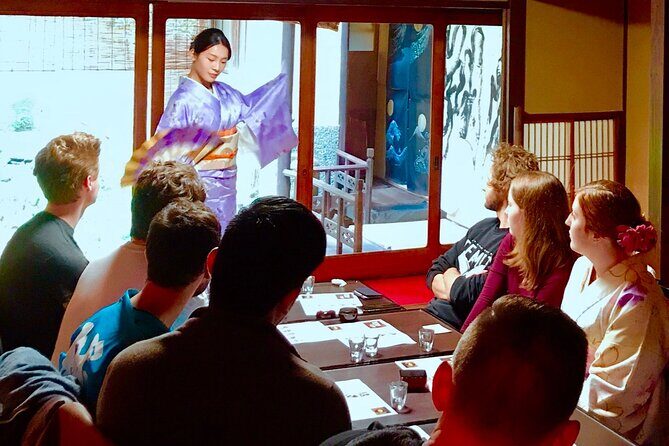
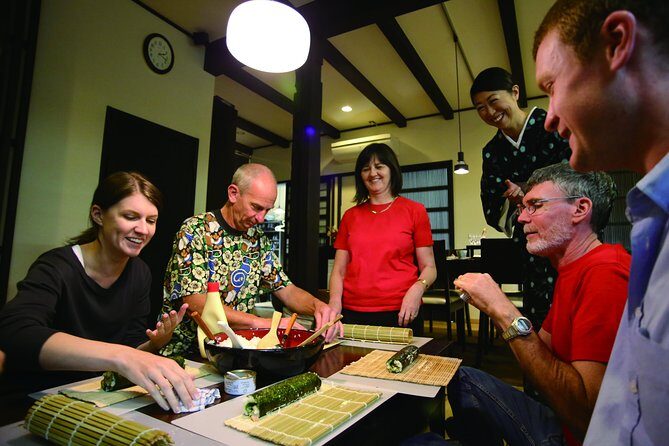
This is a private tour/activity, meaning only your group participates. That changes how the hosts teach. You can ask questions without worrying about the group moving on. The hosts can adapt pacing to your interests—especially if you’re learning tea basics for the first time.
You also get a more personal welcome. Multiple people describe the hosts as warm and conversational, with English that makes explanations easy to follow. When you can actually understand the why behind each step, the ceremony feels more meaningful.
And because it’s private, the timing stays calm. You aren’t watching a line of strangers go through the same steps while you wait.
Practical Details That Actually Matter
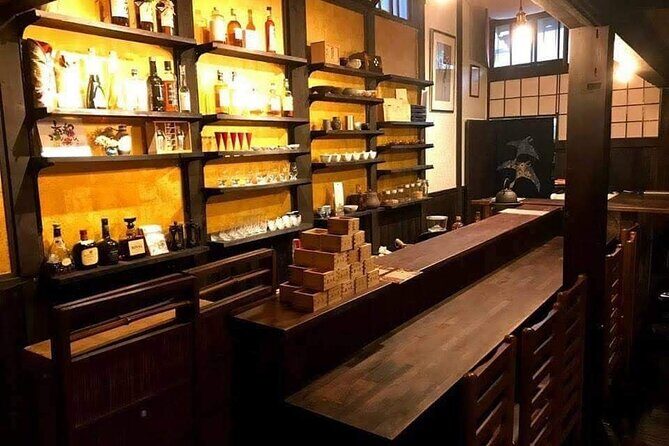
A few real-world points will make your visit smoother.
Restroom reality: This is a 300-year-old property, and there’s only one older toilet. If possible, use the restroom before you come.
Weight note: The experience is not recommended for people over 120 kg. If you’re near that range, consider asking the provider directly before booking.
Where you’ll spend your time: You’ll move through the tea room and then photo areas, and it’s all within the same residence setting. That means travel time is minimal once you arrive.
What you can take home: The hosts offer matcha tea bowls (chawan) and silk kimono for purchase. It’s not required, but it’s nice if you want something tangible from the ceremony—especially the bowl, since it’s the tool that connects you to the ritual.
Who Should Book This Kyoto Samurai Tea Experience?
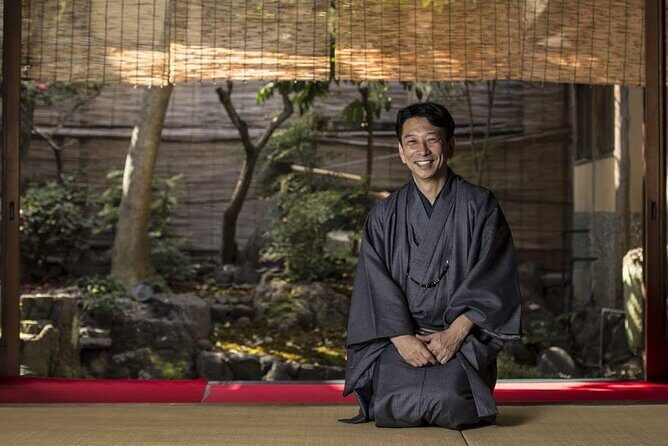
This is a strong fit if you want one of Kyoto’s cultural moments to feel personal and calm.
Book it if you:
- Like tea and want a traditional matcha ceremony setup
- Want a memorable photo moment without the chaos of crowded photo spots
- Prefer small, guided experiences where you can ask questions
- Want either sake or whisky tasting with explanations (not random samples)
It’s also a good choice for couples. The ceremony timing plus the dress-up photos plus the tasting creates a neat “one-and-done” highlight.
If you’re traveling with kids, it can work well because the hosts can accommodate younger visitors and keep the experience interactive.
The main mismatch is if you dislike anything involving dress-up planning. If you want kimono photos, you’ll need to choose the extended plan and accept the added time and limited slot.
Price and Value: What $99 Buys You in Real Terms
At $99 for about 50 minutes, this isn’t a budget activity. But it does land as good value if you care about three things: a private ceremony, a historic setting, and guided tasting (or guided extra participation).
Here’s the value math in plain terms:
- Private access to a traditional tea room in a centuries-old residence is hard to get cheaply in Kyoto.
- The matcha is high grade and locally sourced from Uji, and you’re guided on how to make it.
- If you choose sake or whisky, you’re adding a structured tasting with explanation—5 sake shots or 2 whisky shots.
- Photo time with swords and kimono gives you an experience you can’t replicate later in a normal restaurant.
Also, optional kimono time costs extra, so factor that in. If you skip the extended kimono plan, you’ll still get the tea ceremony (the core part). If kimono photos are a must, plan your budget accordingly.
Should You Book This Kyoto Samurai Tea Ceremony?
Yes—if you want a quieter, more personal Kyoto cultural stop where the ceremony is the focus and you’re treated like part of a household rhythm.
I’d book it when:
- You’re close to Kyoto Station and want something that fits easily into your schedule
- You care about doing the ritual (whisking matcha, learning the tasting basics)
- You want optional kimono and katana photos, and you’re comfortable planning the extended time slot
I’d pause if:
- You’re hoping kimono photos come for free or without extra time (they don’t)
- You need a guaranteed quick restroom break (there’s one older toilet)
- You’re above 120 kg and need a more suitable format
If your goal is one real Kyoto highlight—tea, spirits, and a historic home setting—this one is a strong bet.
FAQ
How long is the Private Tea Ceremony and Sake/Japanese whisky experience?
It runs for about 50 minutes.
Where does the experience start?
The meeting point is Kyoto Samurai House, 384 Mongakuchō, Shimogyo Ward, Kyoto, 600-8222, Japan.
Is this a private tour?
Yes. Only your group participates.
Can I choose between matcha, sake, or whisky?
Yes. For guests over 20, you choose one option: make matcha, do sake tasting (5 shots), or do Japanese whisky tasting (2 shots). For guests under 20, you’ll do a matcha whisking lesson after the tea ceremony.
Are alcohol tastings included for everyone?
No. Only guests over 20 can be served alcohol.
Is there an option to wear kimono and take sword photos?
You can take photos during your visit, including with samurai swords and kimono. If you want to wear kimono during the tea ceremony, it takes extra 30 minutes and has extra cost, and it’s limited. Also, the property has only one older toilet, so it’s best to use the restroom before you arrive.