REVIEW · BREWERIES
Kyoto Sake Brewery & Tasting Walking Tour
Book on Viator →Operated by MagicalTrip Inc. · Bookable on Viator
A Kyoto sake tour can be more than drinking. In Fushimi, you get guided history, brewery-district walking, and a structured tasting set that makes sake feel understandable, not mysterious. I especially like the small-group size and the way the tour links what you see in museums to what you taste.
Two things I really like: the stop at the Gekkeikan Okura Sake Museum (with admission included) and the amount of tasting you do in one afternoon. One consideration: the route is built around a museum + a curated tasting bar experience, so if you’re expecting many separate behind-the-scenes brewery tours of tiny makers, you may feel a bit under-fulfilled.
In This Review
- Kyoto’s Fushimi Sake District in 3 Hours
- Chushojima to Gekkeikan Okura Sake Museum: Where Sake Gets Explained
- Kappa Gallery Stop: A Fun Break in the Brewery-District Walk
- The Tasting at the Local Sake Spot: 18+ Samples, Guided Taste Tests
- What You Actually Learn: Sake History Plus Brewing Techniques
- Photos, Small-Group Flow, and the Little Help at the End
- Price and Value: Does $98.82 Make Sense?
- Who Should Book This Sake Walking Tour
- Book It or Skip It: My Bottom Line
- FAQ
- How long is the Kyoto sake brewery and tasting walking tour?
- What’s included in the sake tasting?
- Where does the tour start and end?
- What are the main stops during the tour?
- Is there admission included for the museums?
- Can anyone under 20 participate in the tasting?
- Do I need to buy extra food or drinks during the tour?
- Is the tour suitable for people with mobility issues?
- What about allergies or dietary restrictions?
- What’s the cancellation policy?
- Is good weather required?
Kyoto’s Fushimi Sake District in 3 Hours
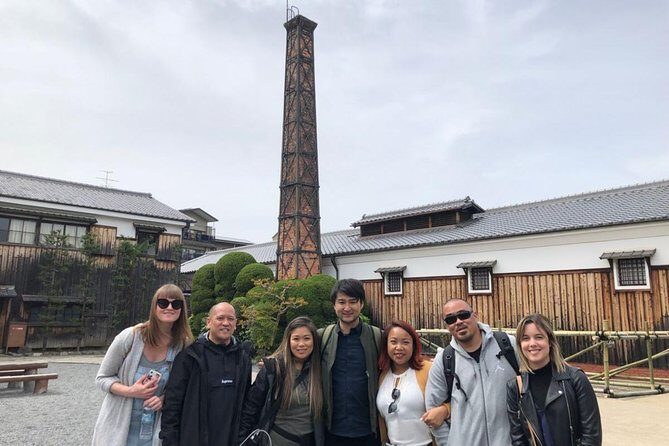
This is a tight, well-paced 3-hour walking tour in Kyoto’s Fushimi area, the city’s classic sake neighborhood. You’ll start at Chushojima Station and finish near Fushimi-Momoyama Station, so you can plug it into the rest of your day without backtracking too much.
The group stays small, with a maximum of 7 travelers, which matters more than it sounds. With fewer people, your guide can actually slow down when you ask how sake is made or why certain styles taste the way they do. It also keeps the tasting session from turning into a noisy scramble.
You’ll use a mobile ticket, and the tour is near public transportation. Plan on walking (it is a walking tour), and in summer Japan you’ll want to bring water and a hat—Kyoto heat and humidity can sneak up fast. Also note: the experience requires good weather, so if conditions are bad, you may get a different date or a refund.
Chushojima to Gekkeikan Okura Sake Museum: Where Sake Gets Explained
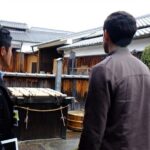
Your first real stop is the Gekkeikan Okura Sake Museum, with about 30 minutes there and admission included. This is the part that turns sake from a label into a story.
You’ll learn about the history of Gekkeikan and see exhibits that explain sake brewing processes. The big value here is sequencing. You taste later, but you start by learning the basics first. That order makes your palate pay attention. You’re not just drinking samples. You’re connecting smell and flavor to methods the guide points out.
Even if you already know what you like, museums like this help you put words to it. Guides at this tour also tend to connect sake styles to real sensory differences. One common theme you’ll hear is how the staff explain styles such as dry vs. sweet, and how those differences show up in the glass.
There’s also a bit of local texture while you’re moving around. You’ll pass by Teradaya, a famous Fushimi landmark tied to the end of the Edo period. The story is tied to the Teradaya Disturbance and Sakamoto Ryoma, which gives the area more context than a standard “walk-and-taste” tour.
A small drawback to keep in mind: museum time is fixed at around 30 minutes. If you’re the type who could spend hours reading every panel, you’ll still leave with a good foundation, but it won’t be a slow, browse-at-your-own-pace museum day.
You can also read our reviews of more walking tours in Kyoto

Kappa Gallery Stop: A Fun Break in the Brewery-District Walk
After Gekkeikan, you keep walking through the neighborhood vibe of Fushimi’s brewery district. One scheduled stop is Kappa Gallery (also about 30 minutes), where the focus is on kappa—a playful creature from Japanese folklore that’s been popular in the country for a long time.
That might sound like a random detour if you booked specifically for sake, but it actually works for a couple reasons:
- It breaks up the pacing so your tasting brain doesn’t feel like it’s working non-stop.
- It adds cultural color to the same area that produces sake, so the district feels lived-in rather than just industrial.
This stop is also a nice example of how Kyoto can layer fun into craft. You’re still in the same neighborhood story, but the tour doesn’t treat you like you only exist to drink.
If you’re a hardcore history lover, you might wish the cultural stop had more time. But the tour overall stays on schedule for a reason: it protects your tasting experience later, when you want to be fresh enough to notice differences.
The Tasting at the Local Sake Spot: 18+ Samples, Guided Taste Tests
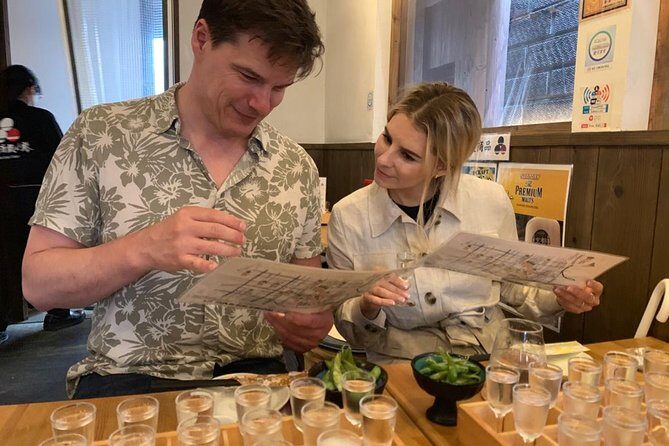
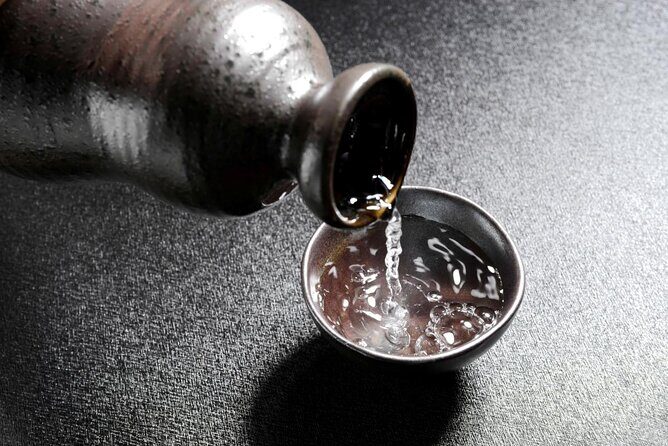
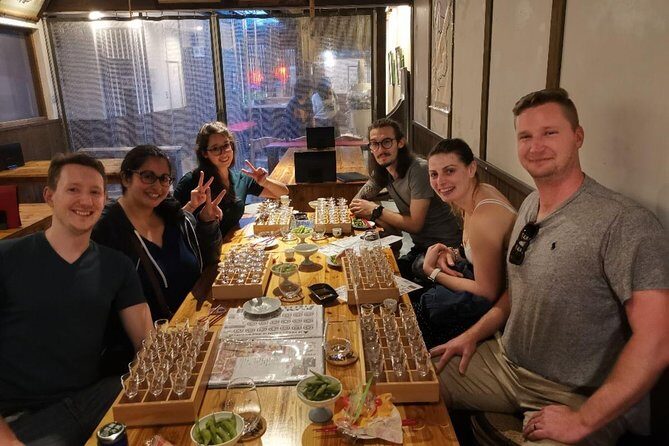
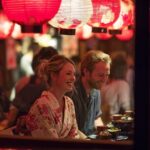
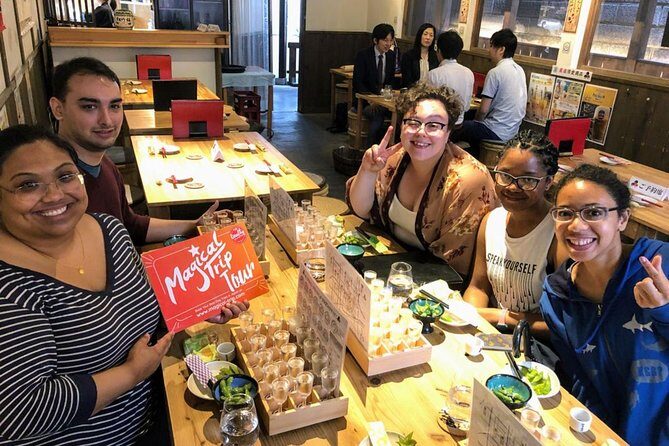
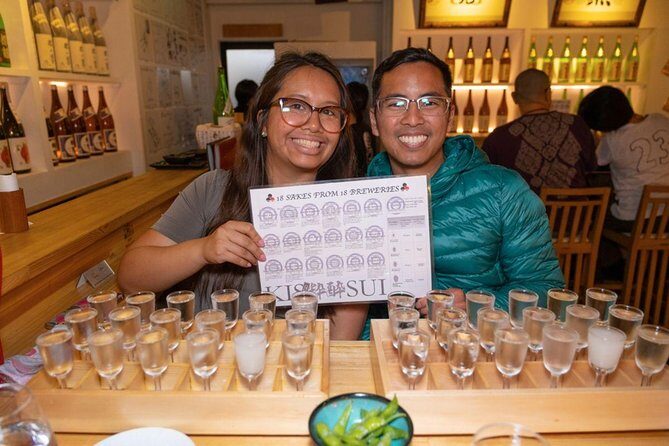
The main event is the tasting set at a sake restaurant/bar. Your ticket includes sake tasting—18 kinds of sake are listed as part of the experience set. In real life, you may end up sampling around 18–22 depending on the tasting setup at the restaurant, but the core point is the same: you’ll taste a lot in a short time.
Here’s what makes this section worth your money: the tasting isn’t just free pours. Your guide talks you through what you’re tasting and how to tell styles apart. Many guides focus on practical tasting cues rather than fancy lectures. That’s great for beginners, but it can also help experienced drinkers refine how they describe what they like.
You’ll also have time to ask questions while you’re in the flow of tasting. Some guides on past tours were especially noted for being friendly and for taking time to explain. A few guides have even come with extra credentials, such as sake sommelier experience, which tends to make the explanation feel more precise.
Food is handled separately. Additional food or drinks are available for purchase at the tasting location, and this matters because sake tastes better when you can balance it. If you want a calmer experience, consider grabbing food options to smooth out stronger styles. One nice perk mentioned in reviews is that tasting locations often have food options you can buy, which can pair nicely with the different sake profiles.
A consideration: tasting 18 styles can feel like a lot. The tour is designed to teach, but there’s no way to make that many samples feel light. If you’re sensitive to alcohol or you’re not used to tasting flights, take it slow. Use your guide’s pacing cues. Stop and breathe between pours.
Important for underage participants: anyone under 20 gets foods or snacks instead of the sake tasting set, so the tour can still work as a family outing if the group includes younger members.
What You Actually Learn: Sake History Plus Brewing Techniques
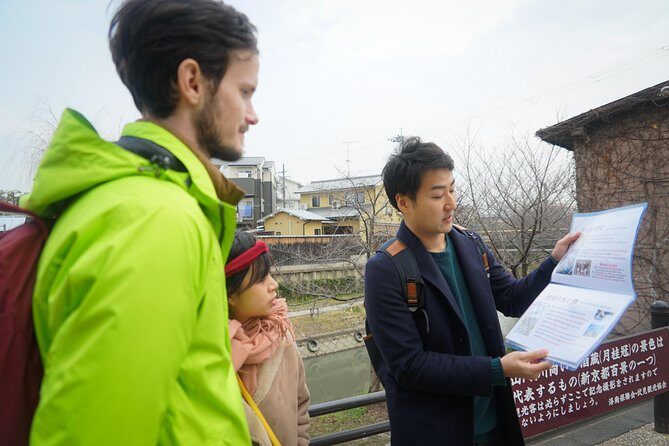
This tour’s strength is the pairing of history and production. You learn about sake not just as a drink, but as a process with specific steps that create specific outcomes.
At the Gekkeikan museum, you’re learning what’s happening behind the scenes—how sake brewing works and what makes different results possible. Then you carry that understanding into the tasting, where the guide helps you connect what you learned to what’s in your cup.
One of the most useful parts is learning how to distinguish sake styles by taste rather than by reputation. The museum staff explanations cover styles like dry vs. sweet, and the guide often helps you map that to aroma and flavor. In other words, you don’t leave only knowing what to buy. You leave with a method for choosing.
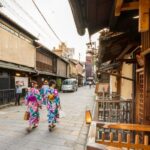
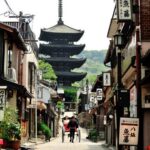
You’ll also get local context. This is Fushimi, and Fushimi matters for sake. Walking between stops makes the neighborhood feel like part of the story, not just a backdrop. Passing Teradaya and then moving through the brewery-district area adds a layer of Kyoto life that you don’t get from tastings that happen behind a counter only.
If you want to get the most out of the learning, bring a simple question:
- Which style do you recommend for someone who likes crisp, clean flavors
- Or which one best shows the difference between dry and sweet
Your guide will usually steer you toward a comparison that’s easy to taste immediately.
Photos, Small-Group Flow, and the Little Help at the End
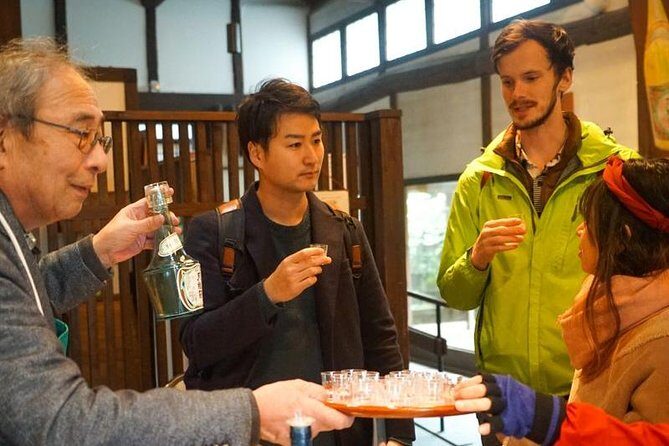
Two included perks that help the experience feel smoother: photos during the tour and a guided pace that keeps the tasting organized.
Because the group is capped at 7, you’re less likely to spend time waiting in awkward clusters. The tour has a built-in flow: museum first, a cultural/folklore stop next, then the tasting session where you can actually relax and focus.
Another small but practical point: the tour ends near a train station area. That makes it easier to continue your day. Some guides have also helped with practical directions afterward, so if you’re trying to jump to another area quickly, it helps to ask your guide at the end for your best next transit move.
You can also read our reviews of more food & drink experiences in Kyoto

Price and Value: Does $98.82 Make Sense?
At $98.82 per person for about 3 hours, this isn’t a cheap lunch-and-walk. But the value is built into what’s included:
- Admission to the Gekkeikan Okura Sake Museum
- The structured tasting portion (18 kinds listed)
- A guide certified by MagicalTrip
- Photos during the tour
- A guided route in the Fushimi brewery area
If you tried to piece this together yourself—museum entry plus guided tasting plus a tasting spot—costs usually creep up quickly. Here, you’re paying for coordination and for the guide turning sampling into learning. That’s the difference between buying bottles and understanding what you like.
Also consider the group size. Paying for a tour where you’re not squeezed into a large crowd can be worth real money, especially during a tasting where spacing affects comfort and attention.
One caution on value: the tour is focused on learning and sampling rather than a long chain of multiple brewery tours. If your top goal is maximum brewery access and behind-the-scenes production viewing across many facilities, you might feel the structure is too curated. If your goal is learning how to taste sake and leaving with a stronger sense of what you prefer, the price reads as fair.
Who Should Book This Sake Walking Tour
This one fits best if you:
- Want a guided introduction to sake without doing homework first
- Like learning while you taste (not just tastings with no context)
- Enjoy Kyoto neighborhoods on foot, not only inside venues
- Prefer a small-group format for better conversation
It’s also great for people who already like sake but want better tools. The tour helps you put names to taste differences and understand why one style might feel crisp while another feels softer.
Skip or reconsider if you:
- Have mobility limitations and know you need an easier route. The tour is not recommended for people with mobility issues, though you can contact the operator to see if a private version can be arranged.
- Have allergies or strict dietary needs. The tour data notes that allergies can’t be guaranteed allergy-free, and the food is prepared in kitchens not belonging to MagicalTrip. Substitutions might not be possible at certain stops.
And if you don’t want any alcohol, double-check whether the tasting portion works for your situation. The tour data covers under-20 participants with snacks, but it doesn’t say what happens for adults who want no sake.
Book It or Skip It: My Bottom Line
I think you should book this tour if you want an easy, high-signal way to understand Kyoto sake. The museum stop plus a guided, multi-style tasting set is a strong combo. With a max of 7 people, you’ll actually get your questions answered instead of listening from the back.
I’d be cautious if you’re chasing a huge number of separate brewery tours or you know you dislike tasting flights that move quickly. The tasting amount can feel like a lot, and the structure is intentionally museum-led and tasting-led rather than production-tour marathon.
FAQ
How long is the Kyoto sake brewery and tasting walking tour?
It runs for about 3 hours.
What’s included in the sake tasting?
The tour includes a sake tasting set featuring 18 kinds of sake at the tasting restaurant.
Where does the tour start and end?
It starts at Chushojima Station in Fushimi and ends at Fushimi-Momoyama Station.
What are the main stops during the tour?
You’ll visit the Gekkeikan Okura Sake Museum, pass by Teradaya, and stop at Kappa Gallery before finishing at the tasting location.
Is there admission included for the museums?
Yes. The admission fee for the Gekkeikan Okura Sake Museum is included.
Can anyone under 20 participate in the tasting?
The tour notes that anyone under 20 will get foods or snacks instead of the sake tasting set.
Do I need to buy extra food or drinks during the tour?
Additional food or drinks are not included and are available for purchase.
Is the tour suitable for people with mobility issues?
The tour is not recommended for people with mobility issues. If you have trouble walking, you can contact the operator to see if a private option is possible.
What about allergies or dietary restrictions?
Allergy-free meals are not guaranteed, and dietary restrictions may not be accommodated because the food is prepared in kitchens not belonging to the operator. Substitutions may not be possible at certain stops, though the team will try to compensate at other stops.
What’s the cancellation policy?
You can cancel up to 24 hours in advance for a full refund. If canceled less than 24 hours before the start time, the amount paid is not refunded.
Is good weather required?
Yes. The experience requires good weather. If it’s canceled due to poor weather, you’ll be offered a different date or a full refund.