REVIEW · ARASHIYAMA TOURS
Arashiyama Bamboo, Temple, Monkeys, or Secret Sake Brewery
Book on GetYourGuide →Operated by Japan Tour Adventure · Bookable on GetYourGuide
Arashiyama feels like a film set you can actually touch, and this guided route turns the famous sights into an easy, well-timed walking day. I especially love the slow-motion effect of the bamboo grove (it’s shockingly atmospheric even in daylight) and how the tour adds real context at Tenryuji and other stops, so you’re not just taking photos. One thing to plan for: it’s a rain-or-shine walking tour, and the climb to the Monkey Park viewpoint takes a steep hike, so comfy shoes and a bit of stamina matter.
You’ll start at Saga-Arashiyama Station and spend about five hours moving through classic Kyoto scenery: bamboo, shrines, a private garden, a Zen temple with koi, and then that hilltop viewpoint for Kyoto views. I also like that the day has breathing room—time for snacks, photos, and the kind of stops where your guide can explain what you’re seeing without rushing you along.
If you’re deciding between crowding in “must-see” lanes and actually understanding the area, this tour is built for that sweet spot. It also gives you an either/or choice later, which helps you tailor the day to your tastes—shopping-and-bridge scenery, or a local-style lunch plus sake tasting.
In This Review
- Key things to know before you go
- Entering Arashiyama from Saga-Arashiyama Station
- Bamboo Forest and Nonomiya Shrine: the Kyoto feeling starts fast
- Okochi Sanso Garden: private space and a real breather
- Tenryuji Temple and the koi pond moment
- Arashiyama neighborhood time: shopping street and snack stops
- Option A: Kimono Forest, Togetsukyo Bridge, and Iwatayama views
- Option B: mountain ride back and Tanzan Brewery sake tasting
- Iwatayama Monkey Park: the short steep hike that pays off
- Price and value: what your $87 buys you
- How the guides actually make the day better
- Practical tips for a comfortable walking day
- Who should book this Arashiyama tour
- Should you book this Arashiyama Bamboo, Temple, Monkeys, or Sake tour?
- FAQ
- How long is the tour?
- Where do I meet the guide?
- Is the tour walking only?
- What’s included in the price?
- Do I have to choose between the monkey and sake parts?
- Is there a lot of walking and a hike?
- What should I bring?
Key things to know before you go
- Small but focused route: You cover a lot of ground in a few hours without spending the day on a bus.
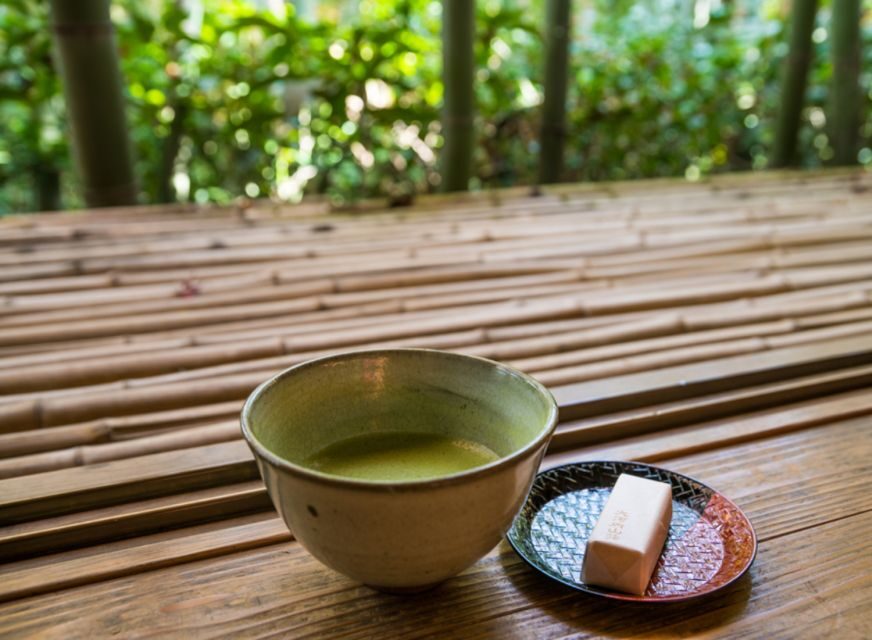
- Okochi Sanso Garden time: A private garden visit plus a beverage in a rest area that used to be a tea house.
- Tenryuji Temple with koi: Not just a quick pass—there’s time to look carefully at the pond area.
- Monkey Park hilltop hike: A steep, short climb leads to excellent views over the Katsura River area.
- Two late-tour options: Shopping and Togetsukyo Bridge, or a local lunch plus Tanzan Brewery sake tasting.
- Guides bring stories: In past groups, guides like Karim, Francis, Toru, and Tom have been praised for pacing, friendly conversation, and practical help on where to eat and how to avoid stress.
Entering Arashiyama from Saga-Arashiyama Station
This tour starts at Saga-Arashiyama Station near the map on the north side of JR Saga-Arashiyama. When you come up from the platform, pass the gates, turn right, go downstairs, and meet your guide by the map next to the vending machines. The guide is typically wearing a red polo shirt or red jacket with the JTA logo.
That first setup matters more than you’d think. In areas like Arashiyama, you can lose 20 minutes just figuring out where your group is. This meeting point is designed to get you moving fast and keep the day feeling smooth.
Once you link up, you head to the bamboo area as the first “wow” moment. Expect a steady walking rhythm with photo stops. Your guide will help keep the group together, and you’ll get breaks built into the route.
You can also read our reviews of more food & drink experiences in Kyoto

Bamboo Forest and Nonomiya Shrine: the Kyoto feeling starts fast
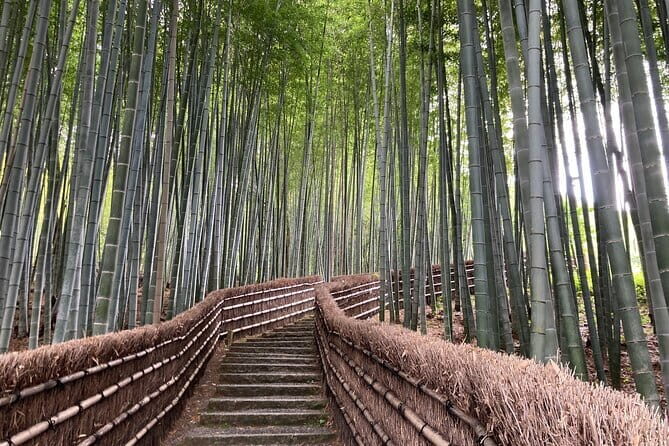
The bamboo stop is exactly what you hope it will be—tall stalks, narrow sight lines, and light that changes as you walk. At ground level it’s visually dense, and if you look up, you’ll notice how the trees form a canopy-like grid. This isn’t a quick glance; you’re given time to walk through and take photos at your own pace.
Then the route adds a quieter cultural layer with Nonomiya Shrine. You’ll have a photo stop and time to look around on your own. The value here is balance: after the bamboo spectacle, you get a calmer, more human-scale stop where shrines feel less like a “checkpoint” and more like part of local life.
If you like tours that explain what you’re seeing, this is where your guide’s stories help. Guides such as Francis and Toru have been highlighted for putting the shrines and temples into context without turning it into a lecture.
Okochi Sanso Garden: private space and a real breather
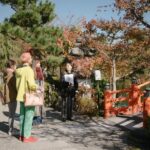
This is one of the stops that makes the tour feel like more than a hits-and-photos day. You visit Okochi Sanso Garden with an entry ticket, and the pace gives you time to enjoy the garden rather than rushing past it.
What I like most is the contrast. Kyoto’s famous outdoor sights can get crowded fast, but a garden visit inside a dedicated property gives you a calmer feel. You also get a beverage at the rest area—there’s a drink bar, and it’s located in a former tea house. That small detail matters on a walking tour: you’re not just viewing; you’re also resetting.
On hot days, this kind of pause is a lifesaver. On rainy days, it still gives you something pleasant to do besides sprint between covered spots.
Tenryuji Temple and the koi pond moment
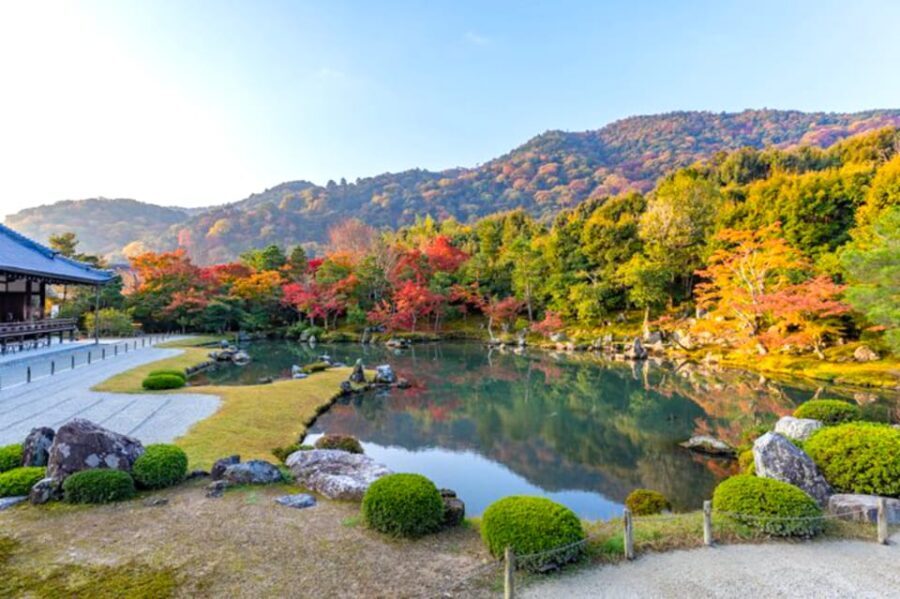
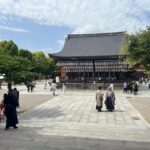
Next comes Tenryuji Temple, where you get entry and time for a self-guided look. You’re also in the right place for one of Kyoto’s easiest “slow down” moments: time to admire the koi fish in the pond.
Tenryuji is often described through famous images, but what works best in person is how your eyes adjust. First you notice the architecture lines, then the details, then the pond. A guide’s explanation can make you look longer—how gardens and temple spaces are designed to shape what you notice and when.
This is another stop where people frequently praise guides like Tom and Alice for pacing and explanations. The day feels more human when someone can answer your question in plain terms, whether you’re curious about shrine traditions or just wondering why a pond is such a big deal here.
Arashiyama neighborhood time: shopping street and snack stops
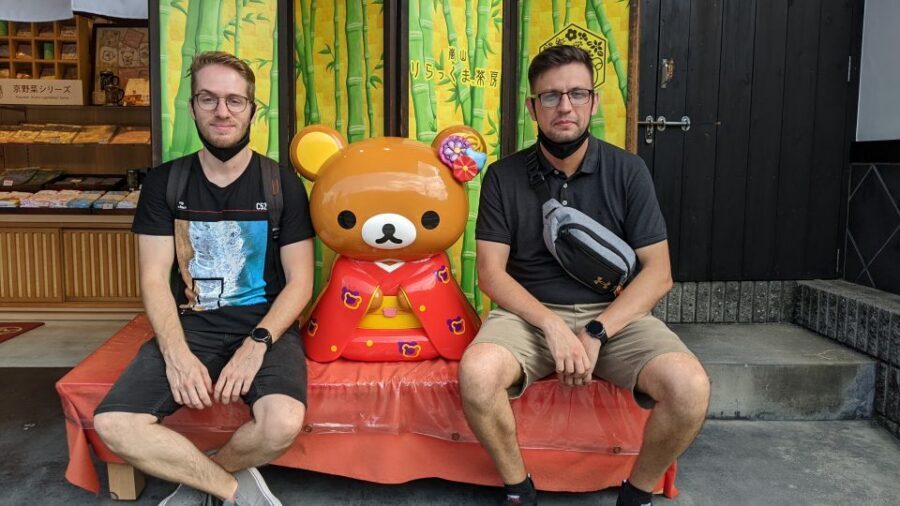
After the temple, you’ll spend time in Arashiyama around the shopping and snack areas. You’ll get time for shopping and food tasting, which is a smart addition to this kind of tour. It keeps the day from turning into only “sightseeing blocks,” and it gives you a chance to try a few local bites without needing to guess where to go.
You also get the option to add iconic scenery depending on which path you choose later. This flexibility helps if you’re the type who wants either maximum postcard views or something more food-and-locale focused.
You can also read our reviews of more drinking tours in Kyoto



Option A: Kimono Forest, Togetsukyo Bridge, and Iwatayama views
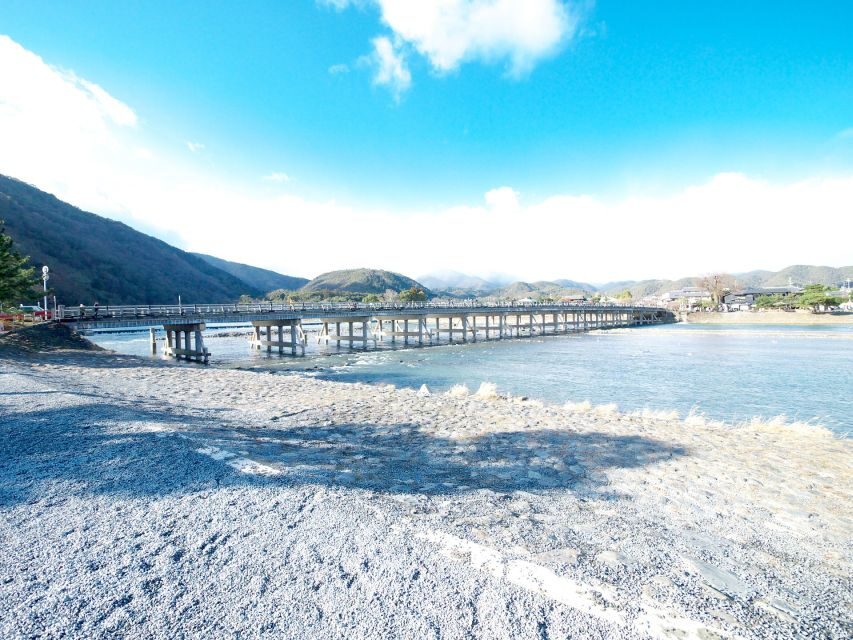
If you pick Option A, the later part of the day leans into classic Arashiyama scenery.
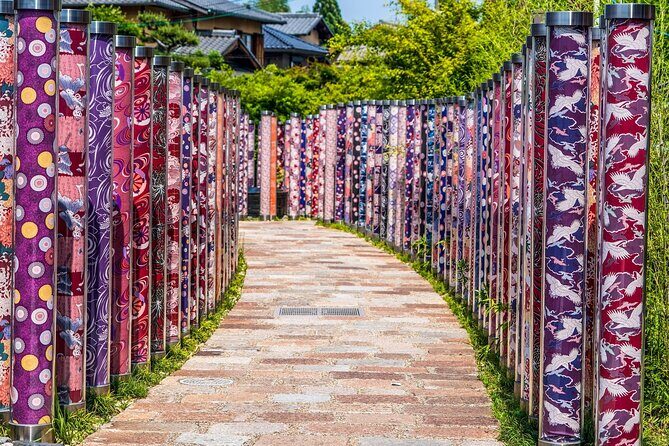
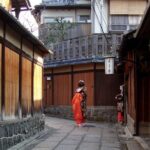
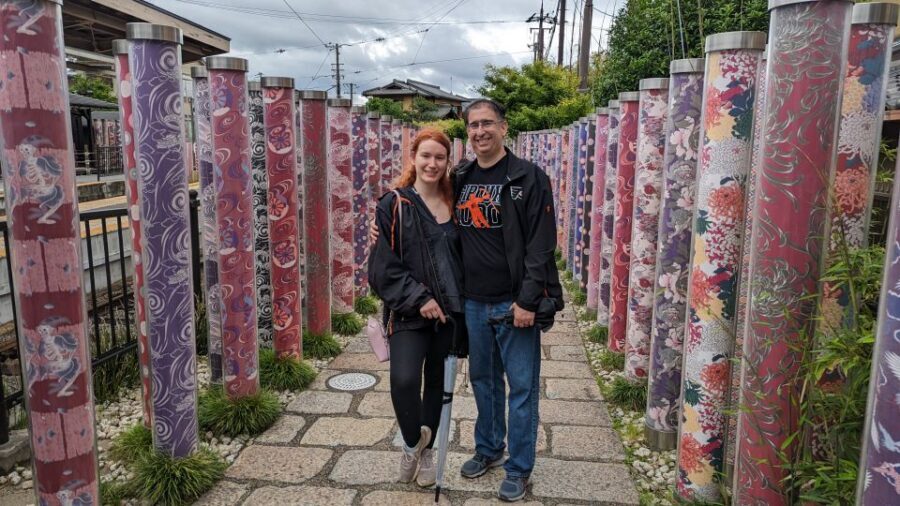
You’ll stroll the Arashiyama Shopping Street, grab a snack, and look for the colorful Kimono Forest (a photo magnet, but fun to see in person). Then you cross the Togetsukyo Bridge—it’s one of those Kyoto moments where the scenery changes as soon as you step onto the bridge.
After that, you head toward the Iwatayama Monkey Park area and the hilltop views. Even if you’re not obsessed with monkeys, the viewpoint portion is worth it. The river and surrounding scenery open up in a way that feels like a reward for the walking.
This option is best if you want the most famous visual loop in the area and you’d rather keep your day centered on scenery, photos, and light food.
Option B: mountain ride back and Tanzan Brewery sake tasting
If you choose Option B, the day shifts toward something more local.
You ride back through the mountains for a short trip, then you head for lunch among locals with zero tourists. The idea is simple: you get a break from the busiest zones and a chance to eat where the rhythm feels more like everyday Kyoto.
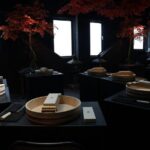
Then there’s the bonus stop: Tanzan Brewery, with sake tasting included. If you like understanding Japan through food and drink, this is where the tour adds a different kind of cultural context. It also gives your group a structured activity beyond walking and looking.
This option fits best if you want a more food-and-drink day and you’re not only chasing the postcard bridge shot.
Iwatayama Monkey Park: the short steep hike that pays off
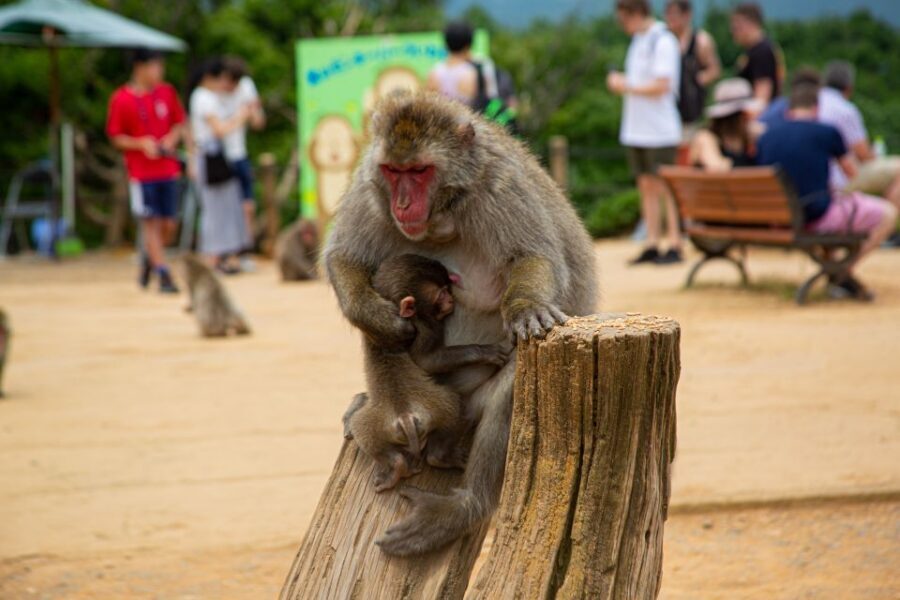
This is the part of the tour with the biggest physical punch: access to the top involves a short hike (about 15–20 minutes) on a steep path. You’ll want comfortable shoes with grip, especially if it has rained.
Once you reach the Monkey Park area, you’ll see Japanese macaques in their habitat. The experience isn’t just watching animals from behind a fence—it feels more like observing a place where wildlife actually lives their day.
The hilltop views add the final payoff. People often remember the viewpoint first because it’s dramatic: Kyoto stretches out below, and the Katsura River area ties the scenery together.
Your guide will give instructions and make sure you have the correct ticket. After that, you’re free to take your time and even leave the park whenever you want, so you’re not stuck on a rigid clock at the end.
Price and value: what your $87 buys you
At about $87 per person for a five-hour walking experience, the value comes from what’s included, not just the guide.
You get:
- a bilingual local guide
- entry tickets for Okochi Sanso Garden, Tenryuji Temple, and the Monkey Park
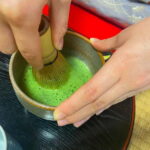
- green tea plus a beverage break at the garden rest area
- souvenir photo pictures
Add those entry fees and basic refreshments up, and the tour stops feeling like “paying for a walk.” You’re paying for logistics, timing, and interpretation—plus the best part, which is not having to figure out how everything connects on your own in a busy neighborhood.
In practical terms: if you’re the kind of traveler who likes to see a lot but also wants to spend less time guessing, this pricing makes sense.
How the guides actually make the day better
The biggest difference between a decent day and a great day in Kyoto is usually your guide’s energy and their ability to read the group. In past groups, guides like Karim and Francis have been praised for being energetic, fun, and flexible with pace, plus for pointing out where to stand for good photos and where to eat.
Other guides such as Toru and Tom have been singled out for organization and clear explanations. You can feel the benefit when you’re not constantly asking questions because the guide has already set you up with simple directions—like where the bathrooms are, where to get water, and when to take shade breaks.
Even if you come in with no plan beyond bamboo and monkeys, the day gets more satisfying because your guide turns random stops into connected stories.
Practical tips for a comfortable walking day
This is a walking tour, not a bus tour, and it runs rain or shine. That means the smart gear matters.
Bring:
- comfortable shoes for the steep Monkey Park path
- cash (the tour notes it, and in Japan it helps for small purchases)
- a basic weather plan: a light umbrella or rain layer if the forecast looks questionable
Also, plan your expectations. This route isn’t slow tourism with long sit-down meals every hour. It’s a well-paced walk with breaks, snacks, and viewpoint time. If you pace yourself early—especially around the garden and temple—you’ll feel better when the hill hike comes later.
Who should book this Arashiyama tour
You’ll enjoy this tour most if:
- you want the “big Arashiyama hits” but with context and smoother logistics
- you like temples and gardens, not only crowds and landmarks
- you’re okay with walking for about five hours and a steep but short climb
- you want your day shaped by two different paths (shopping/bridge or lunch plus sake)
If you have mobility limitations or you dislike steep paths, you’ll want to think carefully because the Monkey Park access is not flat.
Should you book this Arashiyama Bamboo, Temple, Monkeys, or Sake tour?
I’d book it if you want a one-day Arashiyama plan that feels guided, not frantic. The combination of bamboo, a private garden, Tenryuji’s pond area, and the Monkey Park viewpoint is exactly the kind of Kyoto mix that’s hard to assemble well on your own without losing time.
Choose Option A if you want the bridge-and-photo loop plus the monkey viewpoint as your finale. Choose Option B if you’d rather prioritize food with a local feel and add a structured sake tasting at Tanzan Brewery.
If you dread steep climbs, or you need step-free access, then this tour might not be your best match.
FAQ
How long is the tour?
The tour runs about 5 hours.
Where do I meet the guide?
Meet at the map down the stairs on the north side of JR Saga-Arashiyama Station. Pass the gates, turn right, go downstairs, and meet your guide near the map by the vending machines. The guide wears a red polo shirt or red jacket with the JTA logo.
Is the tour walking only?
Yes. This is a walking tour and not a bus tour.
What’s included in the price?
Your tour includes entry tickets to Okochi Sanso Garden, Tenryuji Temple, and the Monkey Park, plus green tea, a beverage at the garden rest area, and souvenir photo pictures. A bilingual local guide is also included.
Do I have to choose between the monkey and sake parts?
You choose between two options later in the day: Option A focuses on shopping street scenery and bridge views, while Option B includes a local lunch direction and sake tasting at Tanzan Brewery. The Monkey Park portion is part of the overall experience timing.
Is there a lot of walking and a hike?
There is a hike to reach the top of the Monkey Park area, described as about 15–20 minutes on a steep path. Comfortable shoes and reasonable physical condition help a lot.
What should I bring?
Bring passport or ID, comfortable shoes, and cash. The tour runs rain or shine, so plan for weather.