REVIEW · FOOD
Kyoto Nishiki Market Food and Culture Walking Tour
Book on Viator →Operated by Japan Wonder Travel · Bookable on Viator
Kyoto’s Kitchen has a lot of surprises. This small-group Nishiki Market Food and Culture Walking Tour strings together food sampling, temple/shrine stops, and surrounding shopping streets so you’re not guessing what to order or where to go.
I especially like how the tour is built for eating on the move: food samples are enough to stand in for a meal, not just a few “pretty bites.” I also like the way the guide connects what you’re tasting to everyday Kyoto—market life, shrine basics, and shopping-street culture, so it feels more than a snack crawl.
One thing to weigh: dietary restrictions aren’t accommodated, including vegetarian, halal, kosher, gluten-free, or allergy-related requests. If you need strict food options, you’ll have a hard time making this work.
In This Review
- Key takeaways before you go
- Nishiki Market: Kyoto’s Kitchen in a 400-Year-Old Lane
- The Food-Focused Route: Shrines, Arcades, and Temple Corners
- Nishiki Tenmangu shrine stop (Shinto basics)
- Shinkyogoku Shopping District (a pedestrian arcade in action)
- Takoyakushido Eifukuji Temple (a temple corner you might miss)
- Teramachi-dori Street (traditional meets modern shopping)
- The timing makes sense
- What You Actually Eat (and Why the Bites Add Up)
- A pace that works even on tough days
- Guide Quality Makes or Breaks a Food Walk
- Price and Logistics: Is $80.92 a Good Deal?
- When This Tour Works Best for You
- Should You Book the Kyoto Nishiki Market Food and Culture Walking Tour?
- FAQ
- How long is the Kyoto Nishiki Market Food and Culture Walking Tour?
- How many people are in the group?
- What does the tour include food-wise?
- Are dietary restrictions accommodated, like vegetarian or gluten-free?
- Does the tour run in bad weather?
- Is the meeting location close to public transportation?
- Is it okay to bring a stroller?
- What is the legal drinking age in Japan for this tour?
Key takeaways before you go
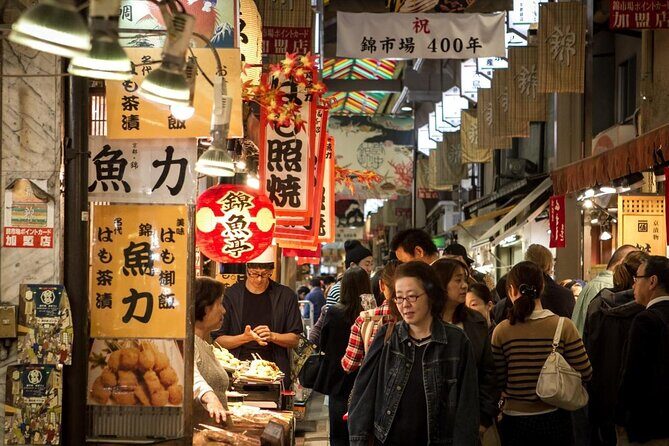
- Nishiki Market first: You start in the 400-year-old “Kyoto’s Kitchen” area with about 130 shops along a narrow street.
- Max 6 people: Small group size means quicker answers and less time getting separated.
- Food-first pacing: The sampling plan is meant to fill you up without requiring restaurant reservations.
- More than snacks: A Shinto shrine stop plus a couple of neighborhood streets/temple corners add context.
- Rain or shine: The tour runs in all weather, so pack for wet or hot conditions.
- No diet customization: The tour can’t reliably handle vegetarian, halal, kosher, gluten-free, or allergy needs.
Nishiki Market: Kyoto’s Kitchen in a 400-Year-Old Lane
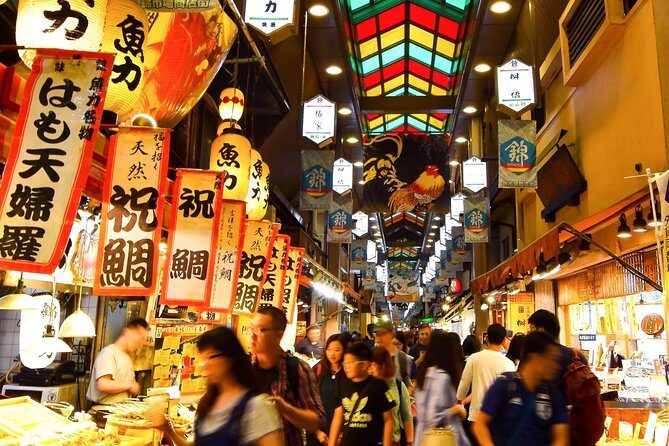
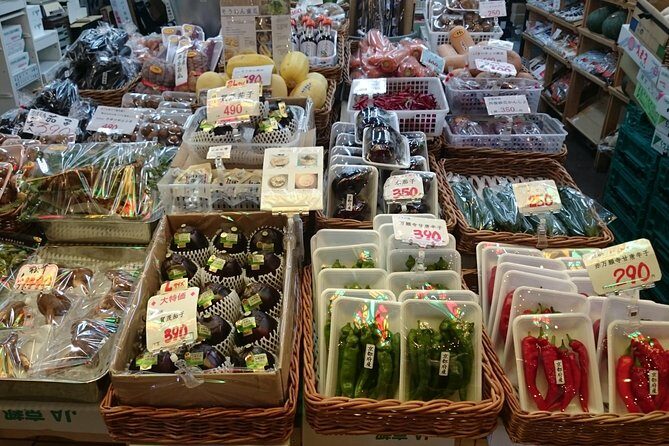
Nishiki Market is famous for a reason. You’re walking a narrow, short stretch with a lot going on at once—stands, counters, scents, and people comparing notes in rapid-fire Japanese. It’s exactly the kind of place where a guide helps you get your bearings fast, because menus are often oral, signage can be minimal, and “what’s good” isn’t always obvious if you don’t know the local staples.
The tour begins right in the shopping strip with its long-running food culture. You get time to browse as you go—about 1 hour 40 minutes in the market area. That’s a sweet spot: long enough to notice how shops differ (seafood versus sweets versus pickles and snacks), but not so long that you lose momentum—or your appetite—to pure decision fatigue.
And yes, it’s not just about being surrounded by food. The best value here is that you’re learning what to look for while you taste. You’re not only buying; you’re training your palate. That matters in Kyoto, where even a simple bite can come with a story about seasonality, preparation, or what locals consider everyday comfort food.
A quick practical note: Nishiki can get very crowded, and the tour specifically warns that strollers can be tricky. If you’re pushing one, tell the operator in advance. If you’re traveling with kids, plan for narrow walkways and short pauses while you regroup.
You can also read our reviews of more walking tours in Kyoto
The Food-Focused Route: Shrines, Arcades, and Temple Corners
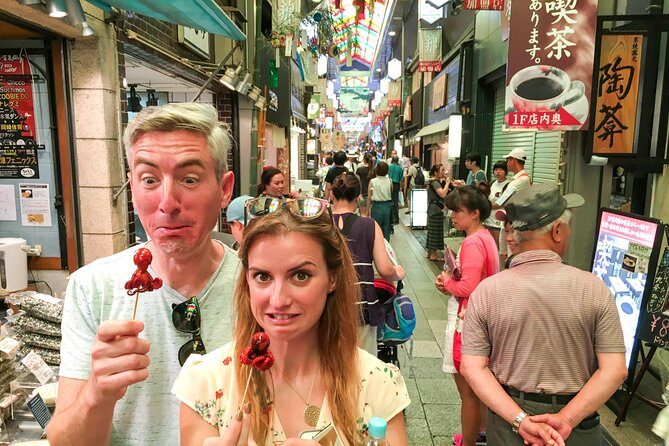
This isn’t a “stand in a line and eat” tour. It’s a walking route through the surrounding neighborhood so Kyoto’s food culture sits inside real street life—not a museum version of it.
Here’s how the stops work, and what each adds:
Nishiki Tenmangu shrine stop (Shinto basics)
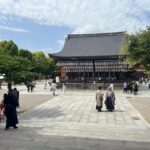
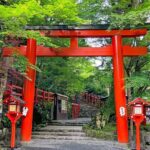
After the market, you head to Nishiki Tenmangu, a Shinto shrine. The value isn’t that you’ll become a priest by the end. It’s that the guide explains how shrine visits work in daily Japanese life—what people do, and what you’re seeing when you notice rituals around you. If you’ve ever felt like shrines are “pretty but confusing,” this kind of stop makes them feel understandable instead of mysterious.
Shinkyogoku Shopping District (a pedestrian arcade in action)
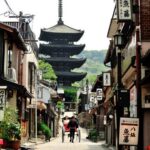
Next is Shinkyogoku, a pedestrian-only shopping arcade. This is where you see Kyoto shifting from food counters to street commerce—smaller shops, everyday browsing, and the feel of a working neighborhood. The guide’s presence helps you notice what’s targeted at locals versus tourists. It also gives your feet a break from the densest market crush while keeping you in the flow of the city.
Takoyakushido Eifukuji Temple (a temple corner you might miss)
You’ll also pause at Takoyakushido Eifukuji Temple, a smaller Buddhist temple set right into the corner of the shopping area. In Kyoto, temples appear everywhere, but many visitors never stop at the smaller ones because the location doesn’t shout at you. This is the kind of stop that rounds out the culture side without turning your tour into a sightseeing marathon.
You can also read our reviews of more food & drink experiences in Kyoto

Teramachi-dori Street (traditional meets modern shopping)
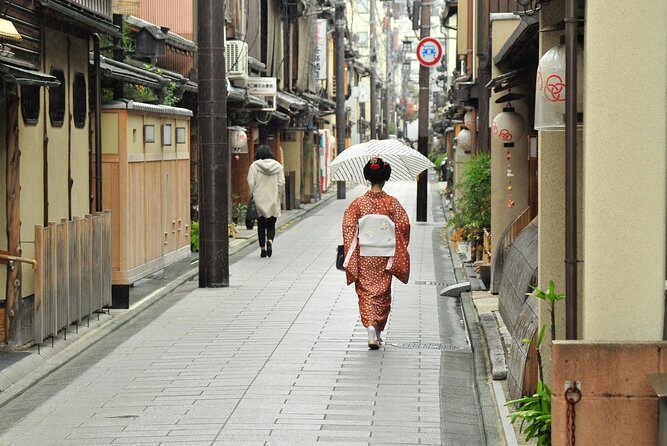
Finally, there’s time on Teramachi-dori, another shopping street lined with long-established stores and newer storefronts. This segment is useful because it helps you connect the dots: you learn where the market fits inside the larger downtown rhythm. It’s also a natural place to pick up souvenirs that don’t feel like mass-market tourist junk—seasonings, snackable gifts, and Kyoto-leaning items you can actually use.
The timing makes sense
The tour is designed for about 3 hours total. That’s a practical length: enough to cover Nishiki and still feel like you did more than one market stall session, but short enough that you can keep your day moving to other sights.
Also, the tour runs rain or shine. If Kyoto is pouring, you’ll still be out there—so bring a light rain layer and plan for slippery spots on crowded streets.
What You Actually Eat (and Why the Bites Add Up)
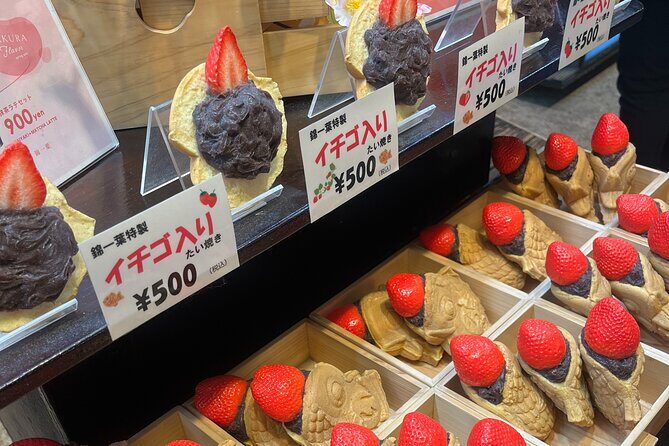
The big selling point is right there in the way the tour is structured: you get enough food samples to fill you up like a meal. That’s what makes the price easier to swallow, because you’re not paying $80-plus and then leaving hungry.
Now, there’s a catch you should know before you book: this experience uses a fixed sampling plan. Some people love that structure. Others wish for more stops and more bite variety. Based on the range of feedback you can see from both happy and disappointed customers, the tour’s approach isn’t “maximum number of tastings at any cost.” It’s a balance of tasting, walking, and cultural context.
So how should you set expectations?
- If you’re coming hungry and you enjoy trying a selection of Kyoto favorites, you’ll likely feel satisfied.
- If you’re a true volume-eater who wants 20-plus different bites and unlimited shop-hopping, you may feel the tasting count is more limited than an open-ended self-guided visit.
Still, the best part is that you’re not stuck with the hard parts of ordering—what to choose, how much is too much, and where to stand. Your guide’s job is to steer you toward items that make sense together, so you taste variety without wasting time.
A nice bonus from the reviews: many guests singled out the guide’s ability to explain food choices and cultural context, not just hand you a sample and disappear. That’s how a tasting tour becomes more than sugar-and-salt.
A pace that works even on tough days
A few reviews noted the tour felt comfortable, including for people with back issues, because it combines walking with sitting/short pauses. That balance matters when you’re in Japan and the weather can go from warm to miserable in a hurry.
Guide Quality Makes or Breaks a Food Walk
For tours like this, the guide is the product. And the names you’ll hear repeated in guest feedback are a good sign.
You’ll see high praise for guides like:
- Keiko, for an upbeat mix of food and Kyoto context
- Takuma, praised for clear English and a pace that doesn’t feel rushed
- Miku, noted for making the market feel lively and memorable
- Toshi and Naoko, praised for cultural explanations alongside tastings
- Annie, recognized for helping guests find specific items like matcha salt for take-home shopping
- Yasuko, noted for linking market food with shrine and temple culture
- Saeko, praised for adjusting when guests had specific tastes and shopping goals
- Chizuko, praised for connecting culinary interests to the surrounding shopping areas
What I take from this (and what you can use when deciding): the tour works best when you communicate what you want from it. If you’re the type who likes learning why something is eaten or when a food is popular, tell your guide. If you want more time shopping for seasonings and drink concentrates, that’s also the kind of request the guides can often accommodate.
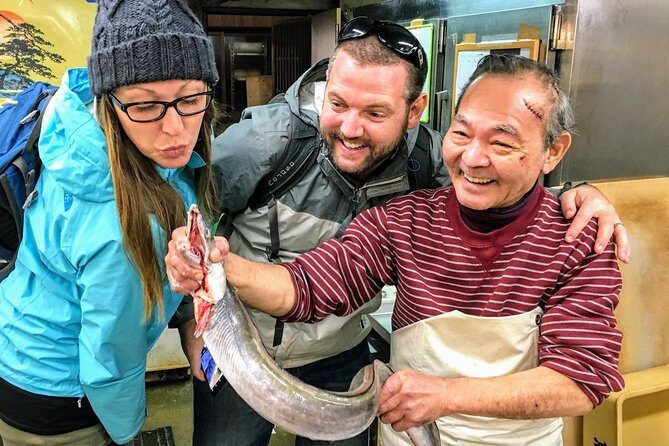
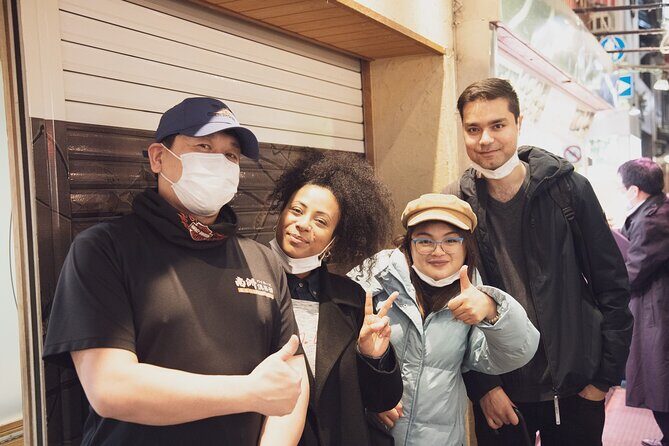
And because the group is small (up to 6), you’re more likely to get personal attention rather than waiting your turn.
Price and Logistics: Is $80.92 a Good Deal?
Let’s talk value, because food tours can be a gamble.
At $80.92 per person for about 3 hours, this is priced like a guided experience with a set menu of tastings and multiple stops. You’re paying for:
- someone to guide you through Nishiki’s dense street layout,
- access to food sampling without reservation stress,
- and added culture stops outside the market itself.
If you only compare it to buying snacks on your own, it will feel expensive. If you compare it to how hard it can be to choose well in a crowded market (especially when you don’t read every sign), the price starts to make more sense.
Here’s the most honest way to judge the value for you:
- If you want an easy start, a plan for what to try, and you enjoy cultural context, this price can feel fair.
- If you’re the “show me everything” type who wants nonstop tastings at every stall, you might leave wishing you had just paid for a few items yourself and walked longer.
One logistics tip that matters: meeting points can be confusing because nearby areas can look similar on maps. If the directions don’t click instantly, message the operator before you head out. You don’t need chaos on your first day in Kyoto.
When This Tour Works Best for You
This tour fits best if you:
- want a low-stress way to explore Nishiki Market without spending your whole time deciding what to buy,
- enjoy food plus quick cultural context (shrine/temple basics and everyday street life),
- like small groups and direct guide attention,
- are okay with rain or shine walking,
- and plan to come with an appetite.
It’s also a good option for solo travelers who want local direction. Multiple reviews mentioned solo-friendly experiences, plus families and mixed-age groups.
But you should think twice if:
- you need strict dietary accommodations (vegetarian, halal, kosher, gluten-free, and allergy-related needs aren’t supported),
- you’re traveling with a stroller and can’t handle crowds and narrow sidewalks,
- or you know you’ll be disappointed if you get fewer tastings than a self-guided “eat everywhere” plan.
Should You Book the Kyoto Nishiki Market Food and Culture Walking Tour?
I’d book this if you want a guided way to experience Nishiki Market and the surrounding downtown streets without the mental overhead of figuring it all out. The mix of market time + shrine/temple/shopping stops is a smart way to learn Kyoto beyond just tasting food.
I wouldn’t book it if you’re relying on strict dietary rules, or if your #1 goal is maximum food volume with as many vendors as possible. In that case, you’ll probably get better results building your own Nishiki plan.
If you do book, come hungry, wear comfortable shoes, and plan to ask your guide for help choosing. That’s where the tour earns its keep—turning a chaotic market street into an enjoyable route with food that actually makes sense together.
FAQ
How long is the Kyoto Nishiki Market Food and Culture Walking Tour?
It’s about 3 hours.
How many people are in the group?
The tour has a maximum of 6 travelers.
What does the tour include food-wise?
It includes food enough samples to fill you up in place of a meal.
Are dietary restrictions accommodated, like vegetarian or gluten-free?
No. The tour is unfortunately unable to accommodate dietary restrictions, including vegetarian, halal, kosher, gluten-free, or allergy-related requests.
Does the tour run in bad weather?
Yes, the tour will take place rain or shine.
Is the meeting location close to public transportation?
Yes, it is near public transportation.
Is it okay to bring a stroller?
You can bring a stroller, but Nishiki Market is very crowded at times. Let the operator know in advance.
What is the legal drinking age in Japan for this tour?
The legal drinking age in Japan is 20 years.