REVIEW · DINING EXPERIENCES
Kyoto Gion Cultural Walk & Geisha Show with Dining Options
Book on Viator →Operated by Ken's Tours Kyoto · Bookable on Viator
Geisha country, explained on foot. This Kyoto Gion walk pairs street-level history with a 45-minute apprentice geisha meet-and-show, with your guide helping you connect what you see to the deeper traditions behind it. You’ll also get smart cultural commentary as you move through famous corners of Higashiyama, from theater roots to the riverfront atmosphere.
I like the way the tour is led with a light but confident hand, so you’re not stuck guessing where to go next. With guides such as Akari or Ken/Kenta, the storytelling tends to correct common misunderstandings as you go, and ends in a real question-and-answer moment. One possible drawback: if you choose the option that includes a meal, make sure you know what’s actually served, since at least one guest felt the dining portion didn’t match the price.
In This Review
- Key highlights I’d circle on your Kyoto plan
- Gion After Dark: What This Walk-and-Show Really Gives You
- Your First Stops: Izumo-no-Okuni and Minamiza Theater
- Gion Shirakawa and Hanamikoji: Streets Where Geiko Life Is the Point
- Tatsumi-jinja and Kennin-ji: Shinto and Zen in the Middle of Gion
- The Apprentice Geisha Meet and Show: What the 45 Minutes Is Like
- Price and Logistics: Is $121.37 a Good Deal?
- Food and Dining Options: How Dinner Changes the Evening
- What You’ll Learn on the Route (and Why It Matters)
- Tips Before You Go: Shoes, Questions, and Weather Sense
- Who This Tour Fits Best
- Should You Book This Kyoto Gion Walk and Geisha Show?
- FAQ
- How long is the Kyoto Gion Cultural Walk & Geisha Show?
- What’s included in the geisha portion?
- Is it a small group?
- Where does the tour start?
- Where does the tour end?
- Are there admission fees at the stops?
- Is the tour good for people with mobility issues?
- Does it include dining?
- What should I know about weather?
- What’s the cancellation policy?
- Does it mention a tip?
Key highlights I’d circle on your Kyoto plan
- Small group (max 9), which makes it easier to ask questions during the geisha/apprentice session
- 45-minute apprentice geisha show with dance (one or two songs) plus time to ask questions
- Gion Shirakawa + Hanamikoji coverage, including the best-known streets people come to Kyoto for
- Theater history stops focused on Kabuki origins and Minamiza Theater’s setting
- Shinto and Zen context at Tatsumi-jinja and Kennin-ji sub-areas, so geisha culture sits in its real world
- Mobile ticket and guided pacing over a ~3-hour evening block
Gion After Dark: What This Walk-and-Show Really Gives You
This tour is built for people who want more than photos. You’re in Kyoto’s Gion district, yes, but the point is to understand the cultural “why” behind the performances and the rituals you’ll hear about. You get that through a guided route plus a live apprentice geisha (maiko) dance session with Q&A.
The timing matters. It’s listed as about 3 hours, with roughly 1.5–2 hours of guided walking in Gion and then the 45-minute meet-and-show portion. That shape is useful: you learn the terminology and context while you’re still walking, so the final performance feels like it has a spine instead of being just a show.
Also, it’s a max-9-person format. In a district like Gion, that size helps you move without getting swallowed by the crowds, and it gives your guide a chance to answer questions at normal volume—not “tour guide yelling into a sea of heads.”
You can also read our reviews of more walking tours in Kyoto
Your First Stops: Izumo-no-Okuni and Minamiza Theater
You start at the Statue of Izumo-no-Okuni. This matters because it frames an idea most people miss: modern Kabuki is performed by men, but its earliest roots included women. Your guide ties theater origins to the broader theme of how performance traditions evolve over time. Even if you already know Kabuki by name, this starting point gives you a better lens for why certain aesthetics and roles developed the way they did.
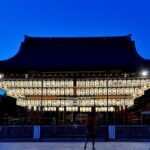
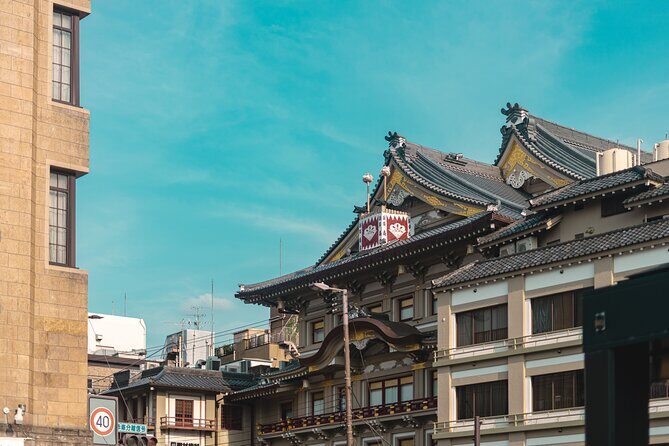
Next is Minamiza Theater, Kyoto’s older Kabuki theater building. The stop is short, but the payoff is big: you see architecture up close and hear the story connecting Kabuki to modern tech—specifically a mention of VR and Kabuki. Even if you don’t care about VR, the bigger lesson is how traditions keep getting re-presented in new forms, without losing their core identity.
If you’re picky about logistics, these early stops are also a smart way to “get your eyes calibrated.” You’ll notice the district’s performance vibe right away, instead of trying to learn it after you’ve already walked past the key streets.
Gion Shirakawa and Hanamikoji: Streets Where Geiko Life Is the Point
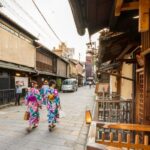
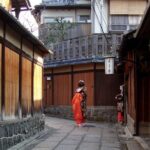
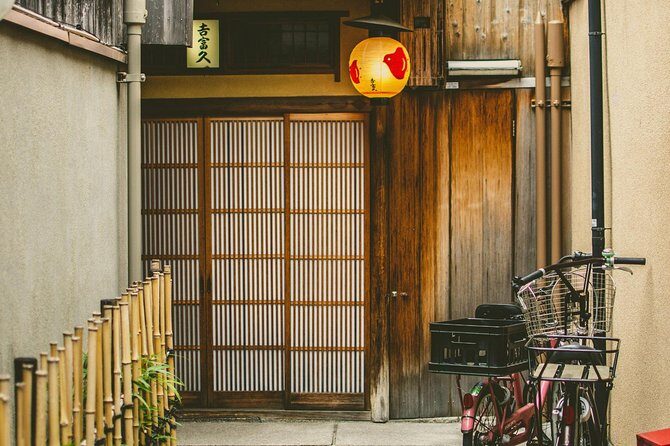
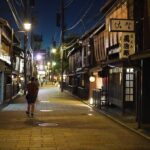
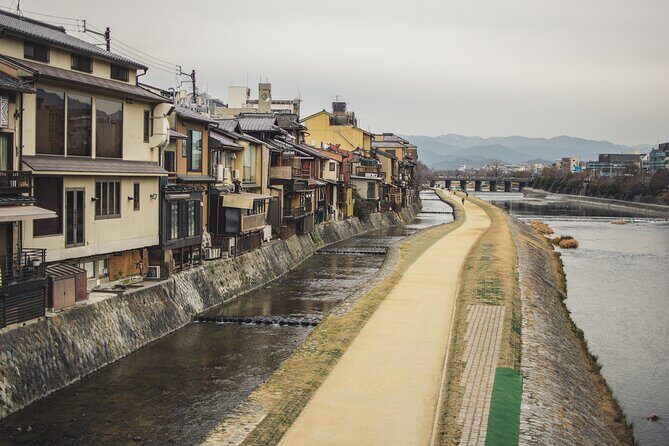
Then you hit what most people picture when they hear Gion: the Gion Shirakawa area. It’s described as the larger geisha district and especially beautiful, with old-fashioned streets, traditional buildings, and riverside atmosphere. This is one of the best stretches for atmosphere because it feels less like a shopping corridor and more like you’re watching history at human scale.
From there you continue to Hanamikoji Street, the famous main street in Gion. The practical value here is that it’s a controlled way to experience the “you might spot geisha” idea. I’d treat it as: use the street as a location for learning and observing, not as a guaranteed sighting.
A quick reality check for your expectations: you’ll hear about geiko and geisha traditions, but the district itself is still a working neighborhood. That means you’ll want to stay respectful, keep your pace steady, and follow your guide’s lead on where to stand and how to look.
Tatsumi-jinja and Kennin-ji: Shinto and Zen in the Middle of Gion
Not every Gion walk explains the spiritual landscape that shaped Japanese arts and public rituals. This one includes two stops that broaden the frame.
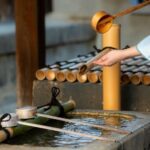
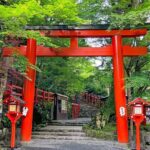
At Tatsumi-jinja (Tatsumi Dai-myojin), you get a mini grounding in Shinto. The tour notes that Japan is said to have 8 million gods. You don’t need a theology degree to get the point: Shinto shrine culture is part of the background rhythm of daily life, and it influences how people relate to place, seasons, and offerings.
Then you visit Kennin-ji Temple, a Zen Buddhist temple built in 1202. This stop shifts the tone from shrine rituals to Zen Buddhism and the longer arc of religious practice in Kyoto. There’s also a related sub-temple stop, Zenkyoan (Marishitendo), noted for boar guardians tied to luck and safety.
Here’s what I like about including these stops: they help you stop thinking of geisha culture as a standalone “performance industry.” Instead, you see it as part of a bigger Kyoto world—where art, religion, and community all overlap.
One consideration: Kennin-ji and Zenkyoan admission aren’t included. If you want full budgeting accuracy, plan for possible entry fees at those points, since the other listed stops are free.
The Apprentice Geisha Meet and Show: What the 45 Minutes Is Like
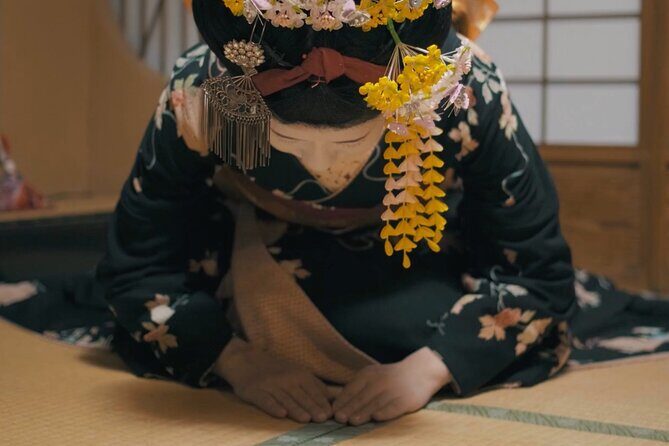
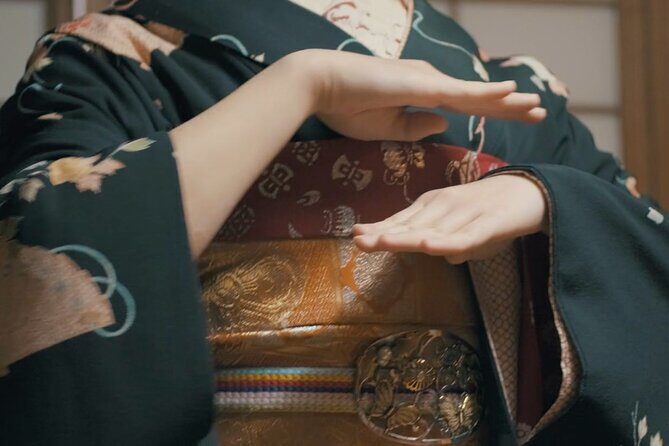
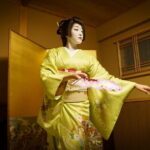
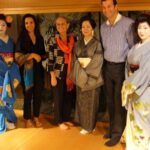
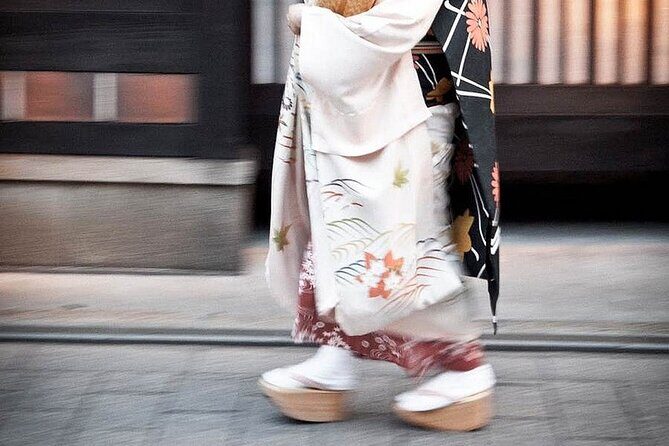
The tour’s center of gravity is the apprentice geisha encounter. You get a 45-minute session described as an apprentice geisha dance with one or two songs, plus the chance to ask questions. That Q&A is the part that makes this feel like more than a ticketed performance.
I also think this format is smart for learning. Walking around teaches you the geography and vocabulary. The meet-and-show gives you an emotional and human connection. When the conversation opens up, you can ask practical questions that build understanding fast—like how roles work, what training or discipline means, and what visitors often misunderstand.
One small note from the guest experience pattern: there’s a reminder that you might not be able to share photos from the meet-and-greet on social media. If that matters to you, don’t assume you’ll post everything. Even if you get permission for some images, it’s best to treat the session as something to witness quietly and respectfully.
If you’re traveling with teens or older kids who want “real stuff,” this part usually lands well. It’s not just watching; it’s also talking with an apprentice in a structured setting.
You can also read our reviews of more tours and experiences in Kyoto

Price and Logistics: Is $121.37 a Good Deal?
At $121.37 per person, this isn’t a “cheap walking tour.” So the value question is simple: are you getting both the guided Gion context and a real, live performance moment?
Here’s what you do get, on paper:
- About 3 hours total
- 1.5–2 hours guiding through Gion
- 45 minutes with an apprentice geisha dance and Q&A
- A small group capped at 9
- Mobile ticket
- Multiple stops with free entry noted along the way (except temple admissions at Kennin-ji and Zenkyoan)
Now the “real life” value angle is dining options. The tour name includes dining, and the experience is described with meal moments in multiple guest accounts, including notes about family-style service and dietary considerations. But there’s at least one important warning signal: one guest felt the meal portion was too small for the money and left unhappy.
So my advice: if you’re comparing this to other Kyoto tours, don’t only price-check the walking portion. The bigger value driver is the apprentice geisha session. If your plan includes a meal, treat it as a bonus—not a promise—until you’ve read what’s included on your specific booking.
Food and Dining Options: How Dinner Changes the Evening
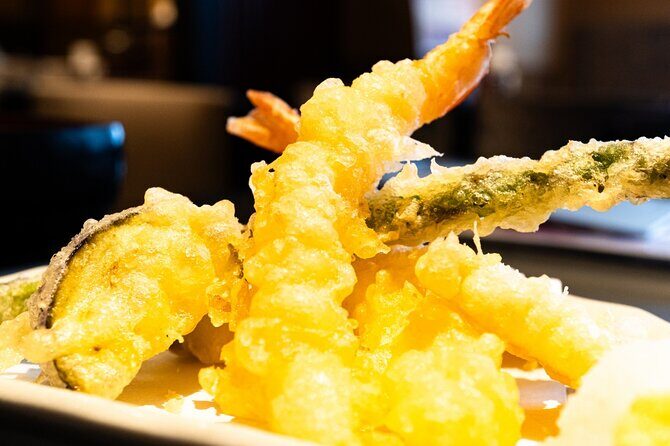
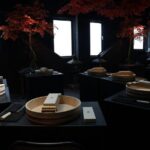
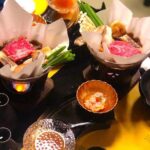
Because the experience is marketed with dining options, some versions include a meal served during the geisha/apprentice segment. In accounts you’ll read, the meal is described as family style with multiple options and attention to dietary restrictions.
That can be a win. Meal timing turns the evening into a longer cultural conversation, not just a performance stop. It also gives you another “normal human” setting where you can see how the event is hosted.
But dining is also where value can get tricky. When a meal portion feels light, the whole package can feel overpriced even if the performance part is excellent. If you tend to judge experiences by how full you leave, double-check the dining details for your specific ticket and be ready with a snack plan.
Even without the meal, you’re walking in Gion and temple areas. I’d plan to eat before you start unless you know your version includes dinner at the end.
What You’ll Learn on the Route (and Why It Matters)
This tour is built around connections you usually miss:
- Kabuki origins via Izumo-no-Okuni, including the early feminine beginning of theater roles
- Performance tradition evolution, hinted at through Minamiza Theater and the VR-and-Kabuki story
- Gion geography via Shirakawa and Hanamikoji so the district feels map-shaped in your mind
- Religious context via Shinto at Tatsumi-jinja and Zen at Kennin-ji and Zenkyoan (boar guardians, luck, and safety)
The learning isn’t academic. Your guide is there to help you connect details you’d otherwise pass by: why certain arts developed, why shrines and temples are part of the same “evening Kyoto” experience, and how geiko and maiko traditions are described in a way that cuts through myths.
And yes—having a guide with a lively style helps. Multiple guest comments highlight guides such as Akari and Ken/Kenta answering questions, translating, and making space for interaction rather than rushing people through.
Tips Before You Go: Shoes, Questions, and Weather Sense
This is a walking tour, and it’s not recommended for travelers with leg problems. So if stairs or uneven pavement are an issue for you, consider that up front.
Also, it requires good weather. Kyoto evenings can shift fast, and rain changes everything in terms of comfort and pacing. If weather is bad, the tour says you’ll be offered a different date or a full refund.
What to do to make the evening smoother:
- Wear comfortable shoes you trust on Kyoto’s uneven sidewalks.
- Bring a light layer. Gion evenings can feel cool once you’re out longer.
- Come with 2–3 questions you genuinely want answered about geiko/maiko life. The Q&A time is only 45 minutes, so you’ll get more if you’re ready.
- If the experience includes a meal, ask about timing and dietary needs when you confirm.
Who This Tour Fits Best
This works best if you:
- Want a guided Gion experience without getting lost in a neighborhood that rewards wandering but punishes clueless timing
- Are interested in the arts side of Kyoto—Kabuki, Zen, Shinto, and the performance world all in one evening
- Enjoy small-group conversation, especially when there’s a live Q&A at the end
- Want respectful access to an apprentice geisha moment, not just a sightseeing checklist
If you’re purely chasing geisha sightings and don’t care about context, you may feel frustrated. But if you like meaning—history, tradition, and what people actually learn in training—this is the kind of evening you’ll remember.
Should You Book This Kyoto Gion Walk and Geisha Show?
I’d book it if your top goal is a structured introduction to Gion and geiko/maiko culture, capped by a real apprentice geisha dance and Q&A. The small group size and the way the route links theater, religion, and the district’s geography makes it feel more like understanding Kyoto than just passing through it.
I’d pause before booking only if:
- You’re counting hard on the included meal and need a hearty portion, because dining value can vary by package
- Your mobility is limited, since this is designed as a walking tour
Overall, at this price point, you’re paying for the combination: guided cultural context + a live apprentice geisha moment. If that matches what you want, it’s a strong Kyoto night plan.
FAQ
How long is the Kyoto Gion Cultural Walk & Geisha Show?
It’s listed at about 3 hours.
What’s included in the geisha portion?
The tour includes a geisha show and meeting with an apprentice geisha, with a dance performance and time to ask questions (described as about 45 minutes).
Is it a small group?
Yes. The maximum group size is listed as 9 travelers.
Where does the tour start?
The start point is the Statue of Izumo-no-Okuni in Kawabatacho, Higashiyama Ward, Kyoto.
Where does the tour end?
The tour ends in a different location than the start. The exact end details are provided after booking.
Are there admission fees at the stops?
Some stops are listed as free (including the Izumo-no-Okuni statue area and Minamiza Theater, for example). Admission for Kennin-ji and Zenkyoan is listed as not included.
Is the tour good for people with mobility issues?
It’s not recommended for travelers with leg problems.
Does it include dining?
The experience name includes dining options, but dining isn’t listed in the included section you provided. Check what your specific booking includes.
What should I know about weather?
It requires good weather. If it’s canceled due to poor weather, you’ll be offered a different date or a full refund.
What’s the cancellation policy?
You can cancel up to 24 hours in advance for a full refund. Cancellation less than 24 hours before start time isn’t refundable.
Does it mention a tip?
A tip for maiko is listed as not included.