REVIEW · COOKING CLASSES
Private Kyoto Cooking Class with Aki in a Beautiful Wooden House
Book on Viator →Operated by Traveling Spoon · Bookable on Viator
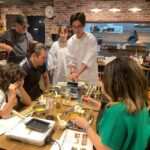
Kyoto cooking gets real when it’s in a home kitchen. This private class with Aki happens in a beautiful wooden house, so you get calmer attention than the big group studios.
What I love most is the hands-on format. You’re not just watching. You’re cooking, asking questions, and learning dishes like miso soup with tips that don’t show up in restaurant scripts.
One possible consideration: there’s no hotel pickup. You’ll need to make it to the meeting area under your own steam.
In This Review
- Key Things That Make This Class Worth Your Morning
- A Private Wooden-House Kitchen in Kyoto
- Where You Meet and Why Getting There Matters
- The Hands-On Cooking Time: English Recipes and Real Questions
- What You Actually Cook: Seasonal Home-Style Dishes
- Cooking Skills You’ll Use After the Class
- Meal Time: Eat Together in the Same Home Where You Cook
- Drinks: What’s Included and What to Confirm
- Price and Value: Is $95 a Smart Deal?
- Who Should Book This Class (and Who Might Not)
- Making It Work With Your Kyoto Day Plan
- Quick FAQ
- FAQ
- How long is the cooking class?
- Is it a private class?
- Where does it start, and do I need to get there on my own?
- What kind of food will we cook?
- Are recipes provided, and what language are they in?
- Are vegetarian or allergy accommodations possible?
- What beverages are included?
- Should You Book This Kyoto Cooking Class With Aki?
Key Things That Make This Class Worth Your Morning
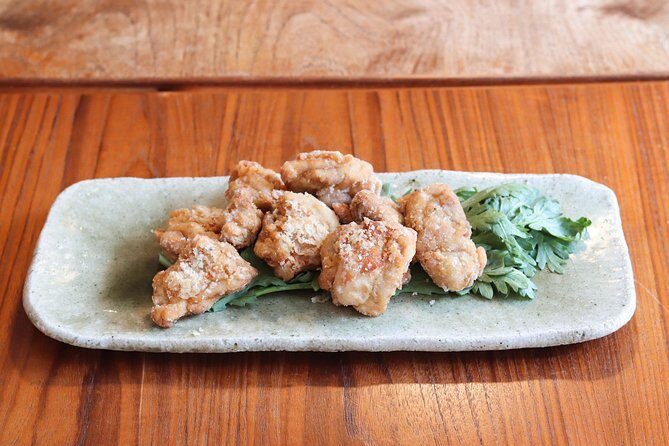
- Aki’s home kitchen setting instead of a crowded cooking room
- English recipes and step-by-step guidance as you cook
- Seasonal dish variety with a choice of home-style items
- About an hour of cooking, then you sit down to eat what you made
- Included non-alcoholic beverages with the meal (alcohol details are less clear, so confirm if it matters)
A Private Wooden-House Kitchen in Kyoto
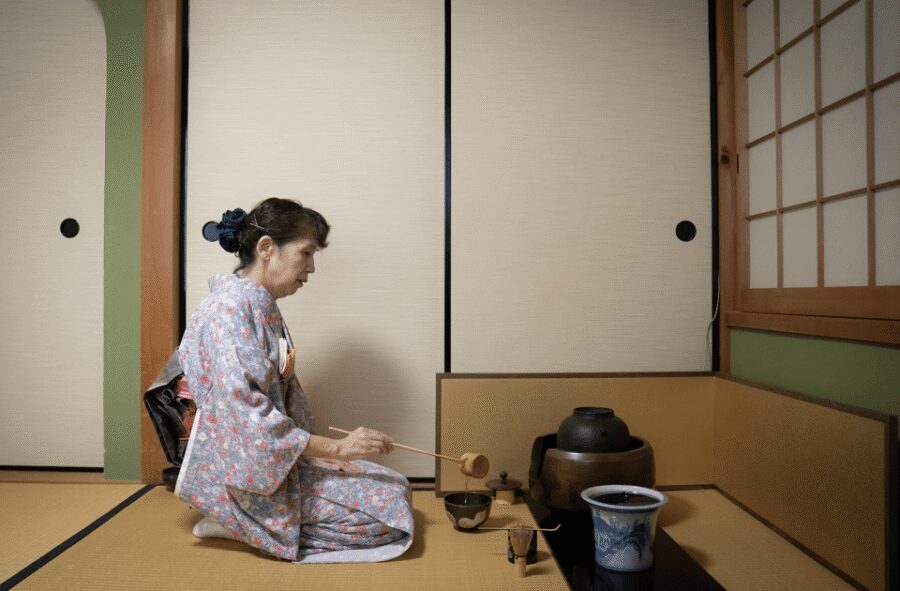
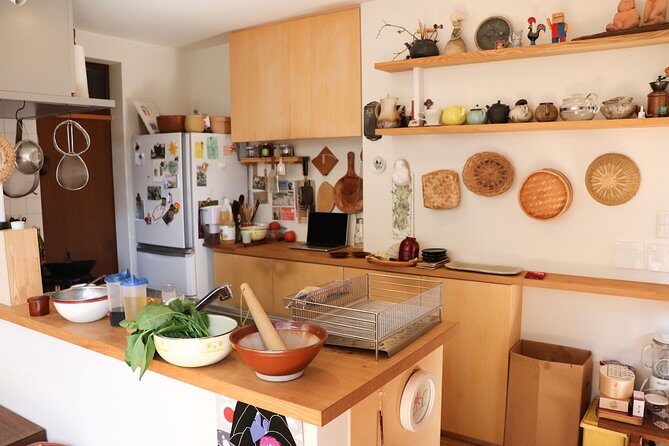
If you’ve done the classic tour circuit in Kyoto, you’ve probably noticed how often food experience means a stop-and-sample model. This is different. It’s a private, hands-on cooking class that takes place in a traditional-style wooden house kitchen, not a classroom with rows of people.
That setting matters. In a home environment, the pace is slower and the questions are easier to ask. You’re more likely to understand what you’re doing, not just follow a set of moves. And because it’s private, Aki can tailor the flow to your group and the specific dishes you choose.
Aki is also the key ingredient here. The instruction is in English, and the overall tone is welcoming and patient. That combo is huge if you’re not confident in the kitchen or your Japanese is limited. You’ll still leave with the practical feel for Japanese home cooking, not just a few photos.
You can also read our reviews of more private tours in Kyoto


Where You Meet and Why Getting There Matters
The experience starts at 10:30 am in the Shimogamo area (Kyoto’s Sakyo Ward). The meeting point is listed around Ipponmatsu / Shimogamo Matsunokicho, and the activity ends back at that same meeting area.
Two practical notes for planning:
- No hotel pickup means you’ll want a realistic transport plan. Kyoto taxis can work, but public transport is usually easiest in the city center and around neighborhoods like this.
- It’s near public transportation, so even if you’re not staying nearby, you should be able to reach it without a big hassle.
The class also runs about 3 hours total, and it follows a simple rhythm: cooking first, then eating. Because it’s fixed-length, build the rest of your day around it.
If you’re the type who likes to stack Kyoto sights into a tight schedule, this is one to anchor early. A 10:30 start gives you a real morning activity, then you’re free for an afternoon walk without feeling rushed.
The Hands-On Cooking Time: English Recipes and Real Questions
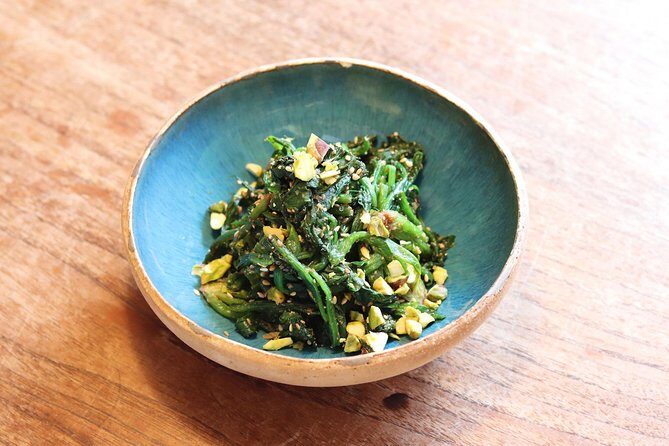
About an hour goes to cooking. That portion is structured to help you participate, not just assist. Expect a guided workflow where Aki provides recipes in English, then leads you through the cooking steps while you do the work.
This is where a private class pays off. In larger classes, you might get quick explanations and then be left to figure out the rest. Here, you can stop and ask what’s happening—why a seasoning goes in at a certain time, what texture you should aim for, or how miso soup should taste as it’s warming.
You’ll also get instruction tied to Japanese home-style techniques passed down through Aki’s family cooking approach. That kind of “how we do it at home” knowledge is exactly what makes this class feel more authentic than typical restaurant-style demonstrations.
What You Actually Cook: Seasonal Home-Style Dishes
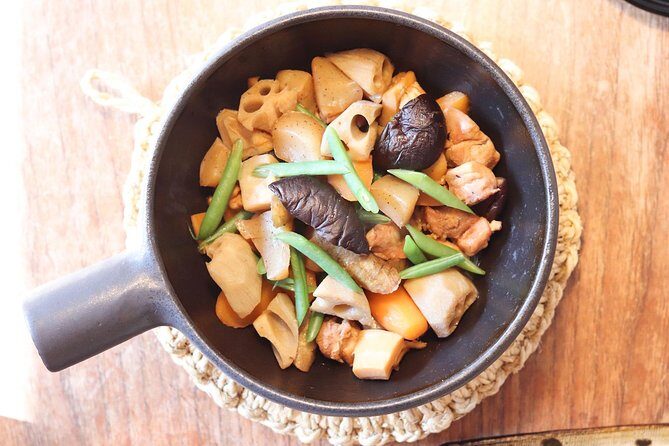
The menu is seasonal, so you shouldn’t expect the exact same set of dishes year-round. Still, the kinds of dishes you can anticipate are very classic Kyoto/Japanese home targets—braises, soups, and familiar comfort foods made with care.
Some example dishes that may appear include:
- chikuzenni (braised chicken and vegetables)
- braised burdock root
- miso soup
What I like about this style of menu is that it teaches technique, not just ingredients. Braised dishes show you timing and texture. Burdock root gives you a chance to learn how earthy ingredients become tender and flavorful. And miso soup is the kind of dish where small choices matter a lot—miso type, temperature, and how you balance flavor without overcomplicating it.
Also note that you’ll make a selection of seasonal home-style dishes rather than being locked into one rigid set. That flexibility helps if you want a particular taste profile (for example, more soup vs. more braised items).
Vegetarian is available if you ask ahead. And if anyone in your group has allergies or dietary restrictions, you should share them at booking so Aki can adjust what’s possible.
Cooking Skills You’ll Use After the Class
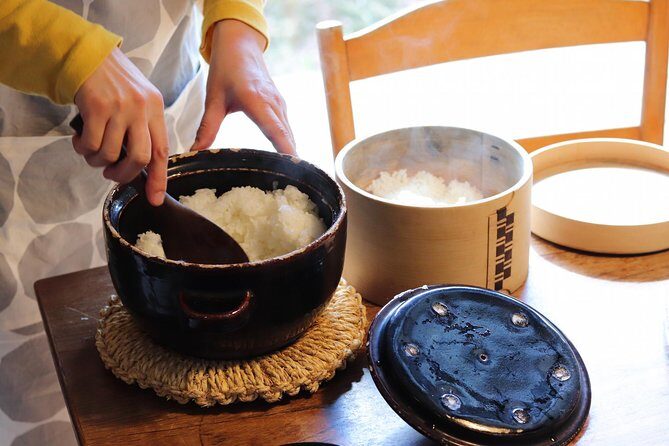
A cooking class is only valuable if it changes what you can do later. The best part of this one is that it’s designed so you can recreate what you learn at home.
You’ll get:
- an English recipe guide, so you’re not trying to reverse-engineer flavors later
- a clear sense of sequence, like what you do first and what you save for later
- practical guidance that makes you comfortable enough to cook these dishes again
There’s something reassuring about learning familiar classics in a home context. Miso soup is a perfect example. It’s common, but the “correct” version is less about fancy ingredients and more about restraint and timing. When you cook it with guidance, you start to understand how to make it taste right for your own kitchen.
And with braised dishes, you learn that the real win is texture. You’re not chasing showy plating. You’re learning how to get ingredients tender and flavorful, then serve them as a grounded, comforting meal.
You can also read our reviews of more cooking classes in Kyoto

Meal Time: Eat Together in the Same Home Where You Cook
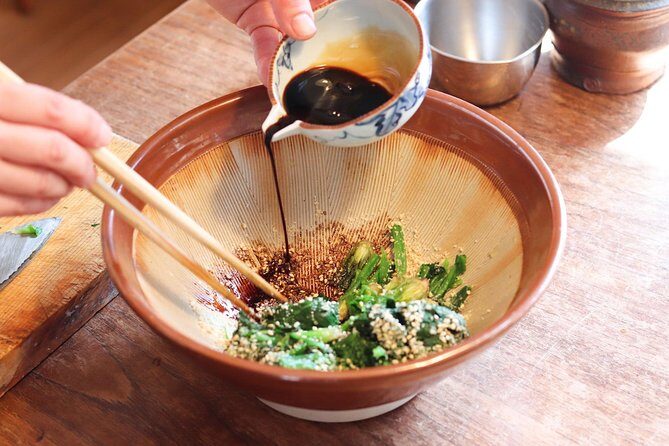
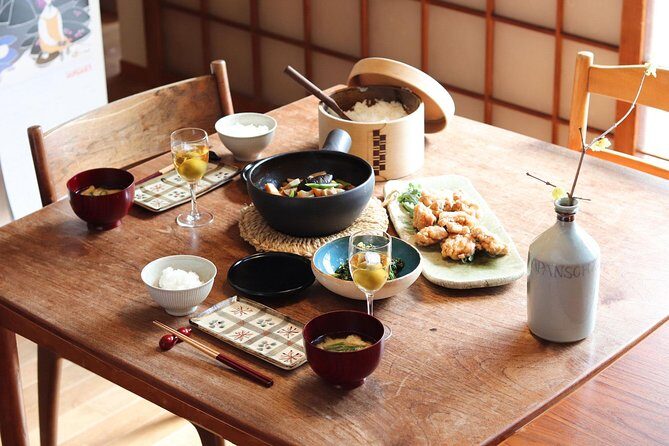
Once the cooking portion is done, you’ll enjoy the meal you prepared together. This happens after about an hour of hands-on work, with the overall experience lasting roughly three hours.
This is where you stop thinking like a student and start tasting like a guest. You get to evaluate what your choices did—salt balance, sweetness, tenderness, and how the soup tastes once everything settles.
One extra practical bonus: you’ll often end up with lots of food. Because the class involves cooking at home scale, it tends to produce more than just a single portion per person. If you love leftovers, this is a real advantage. If you don’t, just be ready to pack something up.
Drinks: What’s Included and What to Confirm
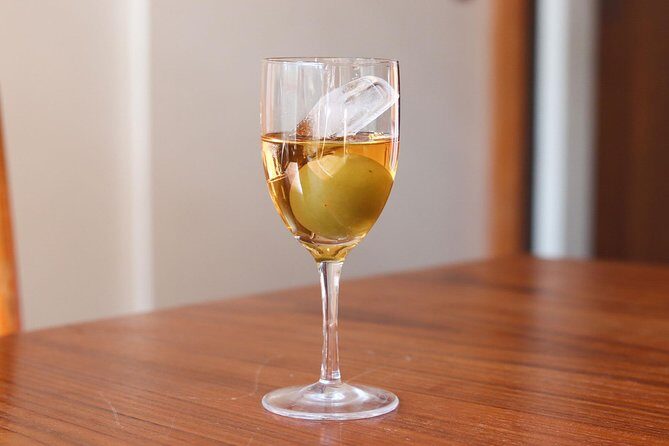
The experience description includes a meal and also mentions alcoholic drinks. But the included items list explicitly notes non-alcoholic beverages.
So here’s the smart move: if alcohol is important to your plan, confirm directly with the provider ahead of time. Don’t assume it’s included just because it’s mentioned in the overview. You don’t want a surprise at the table.
Price and Value: Is $95 a Smart Deal?
At $95 per person, this class isn’t the cheapest way to eat in Kyoto. But it can be a strong value if you care about learning, not just sampling.
Here’s why the price can make sense:
- It’s private, meaning you’re not competing for attention in a big group.
- It lasts about 3 hours, with hands-on cooking and a sit-down meal.
- You’re taught seasonal home-style dishes, including items like miso soup that are easy to get wrong without guidance.
- Recipes are provided in English, which extends the value beyond the day you take the class.
Compare that to a typical cooking demo where you watch, eat a small sample, and leave with one “fun” memory. This experience is built around you doing the work. For food lovers, that’s the main reason it’s worth paying more.
Also, it’s commonly booked ahead (about 38 days on average). If you have a specific week in mind, I’d book early so you don’t end up stuck choosing a different time.
Who Should Book This Class (and Who Might Not)
This is a great fit if you:
- want a quiet, local-feeling experience instead of a crowded workshop
- like learning how to cook, not just eating prepared food
- want recipes you can actually follow later (in English)
- enjoy braised dishes and classic Japanese comfort flavors
It’s not the best fit if you:
- need a super flexible schedule with lots of stops and time for sightseeing
- strongly prefer street-food wandering over home cooking
- don’t want to handle transportation to a specific meeting area
If you’re traveling with limited time in Kyoto, this class is still worth considering because it replaces one big chunk of your day with a skill-building activity plus a meal.
Making It Work With Your Kyoto Day Plan
Starting at 10:30 am is practical. You get an early cultural activity without sacrificing your afternoon.
A simple strategy:
- Arrive a little early so you can settle in and get comfortable before cooking starts.
- Treat it like your main event meal. Once you leave, you’ll likely want to keep the rest of the day lighter.
- If you’re the type who walks a lot in Kyoto, remember you’ve got active cooking time first. Wear comfy shoes, not stiff ones.
Because the class ends back at the meeting point, you’re not stuck far from your transport options. That keeps the rest of your day easier to plan.
Quick FAQ
FAQ
How long is the cooking class?
It runs about 3 hours total, with the cooking portion lasting around an hour before you eat.
Is it a private class?
Yes. It’s private and personalized, and only your group participates.
Where does it start, and do I need to get there on my own?
It starts at the meeting point in the Shimogamo area of Kyoto (Ipponmatsu / Shimogamo Matsunokicho, Sakyo Ward). Hotel pickup and drop-off aren’t included, so you’ll need to reach the meeting spot yourself.
What kind of food will we cook?
The menu varies by season, but it can include dishes like chikuzenni (braised chicken and vegetables), braised burdock root, and miso soup. You’ll make a selection of seasonal home-style dishes.
Are recipes provided, and what language are they in?
Yes. Aki provides recipes in English and guides you through the cooking process.
Are vegetarian or allergy accommodations possible?
A vegetarian option is available if you request it at booking. If anyone has allergies or dietary restrictions, you should advise at booking so adjustments can be made.
What beverages are included?
Non-alcoholic beverages are included. The description also mentions alcoholic drinks, so if you specifically care about alcohol, confirm what’s actually included for your session.
Should You Book This Kyoto Cooking Class With Aki?
If you want a Kyoto food experience with real learning—done in a home kitchen, guided in English, and capped with the meal you helped make—this one is a strong choice. The private format and Aki’s patient, clear instruction make it feel comfortable rather than intimidating.
Book it if your morning is flexible, you can get yourself to the meeting point, and you like the idea of cooking classic Japanese home-style dishes like braises and miso soup. Skip it if you’re only looking for quick tastings or you’d rather spend that time on a different kind of Kyoto tour.
If you’re on the fence, I’d say lean yes—especially if you value leaving with both a full belly and a recipe you can repeat back home.