REVIEW · TEA CEREMONY EXPERIENCES
Kyoto: Tea Ceremony Experience in a Small Tea Room
Book on GetYourGuide →Operated by Travel Japan Together · Bookable on GetYourGuide
Matcha time in Kyoto feels like slow motion. You get a hands-on tea ceremony with a teacher who’s been at it for 30 years, and you do it in a calm little setting by the Kamogawa Delta. The two best parts for me are the patient step-by-step matcha coaching and the way the whole experience slows your day right down near the riverside.
One thing to consider: it’s only one hour, so if you’re looking for a long, multi-stop sightseeing day, this is more about the tea than extra walking or lectures.
In This Review
- Key points
- Where the Ceremony Fits in Kyoto (And Why That Matters)
- Finding the Tisato House Near Kamogawa Delta
- How the 60-Minute Tea Ceremony Actually Flows
- Matcha by Hand: What You Learn (Beyond the Basics)
- The Setting: Calm Kyoto, Not Performance Mode
- Price and Value: Is $38 Worth It?
- Who This Tea Ceremony Suits Best (And Who Might Skip It)
- Quick Practical Advice Before You Go
- Should You Book This Kyoto Tea Ceremony?
- FAQ
- How long is the Kyoto tea ceremony experience?
- How much does the tea ceremony cost?
- Is it a small group?
- Is the instruction available in English?
- Do I need prior experience with tea ceremonies?
- Will I be able to make matcha myself?
- What is included besides the tea?
- What is the cancellation policy?
Key points
- Small group (up to 6) means you’re not lost in the crowd
- 30 years of tea expertise behind the teaching
- 15-minute walk from Kamogawa Delta for a peaceful pre- or post-ceremony stroll
- English instruction that welcomes beginners
- Hands-on matcha prep, with you making your own if you want
- Traditional dried sweets included with the tea
Where the Ceremony Fits in Kyoto (And Why That Matters)
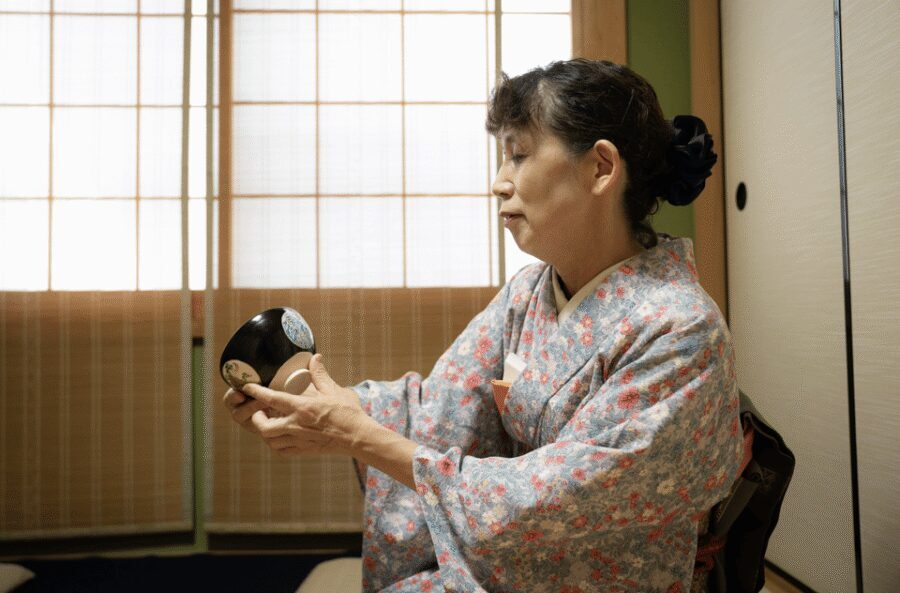
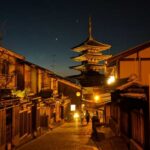
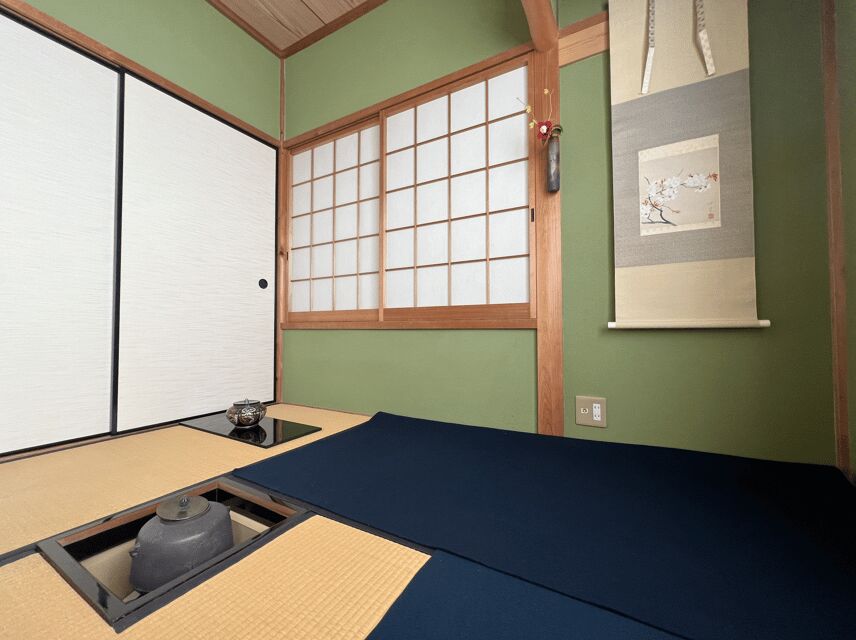
Kyoto can be loud, even when it’s beautiful. This experience is designed to counter that. Instead of racing between temples, you step into a small tea room for a focused, one-hour ritual that turns all the senses up a notch: smell, sound, texture, and the slow rhythm of making matcha.
I especially like that this isn’t presented as a museum performance. You’ll learn from a seasoned tea master (30 years of experience) and you’re guided through what you’re doing, not just watching. That keeps it relaxing, even if you’ve never touched a whisk before.
And the location helps. Being a short walk from the Kamogawa Delta means you can pair the ceremony with an easy walk by the river. It’s a great way to anchor a day that otherwise might feel like nonstop temple photos.
You can also read our reviews of more tours and experiences in Kyoto.

Finding the Tisato House Near Kamogawa Delta
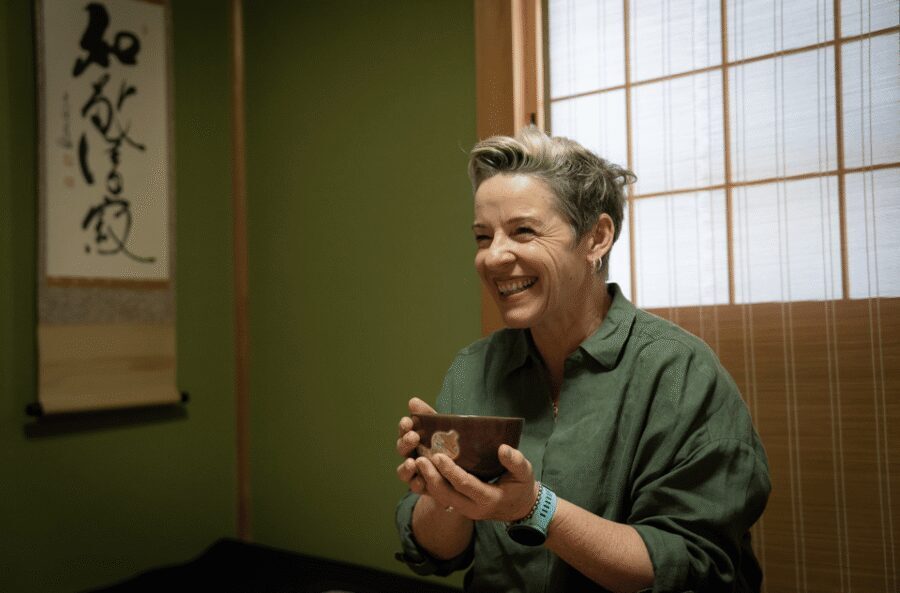
Meeting up is straightforward, but do plan to be on time. You’ll look for a Japanese house with a sign that says Tisato.
The ceremony spot is also close to two useful landmarks:
- about a 15-minute walk from Kamogawa Delta
- about a 15-minute walk from Demachiyanagi Station
That second detail is practical. Demachiyanagi Station is a convenient base for the day if you’re also planning to explore Kibune Shrine and Rurikou Temple afterward (they’re specifically called out as things you can head toward from there). So the tea ceremony can work like a calm “pause button” in the middle of your Kyoto itinerary.
Tip: if your schedule is tight, think of the ceremony as a fixed time. Then build your walk around it, not the other way around.
How the 60-Minute Tea Ceremony Actually Flows
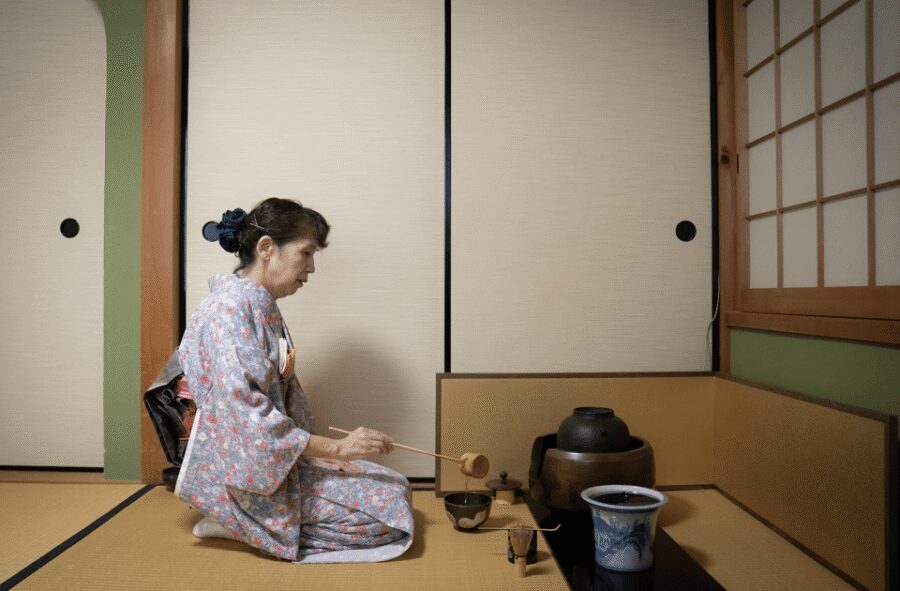
This isn’t a vague experience where you sit quietly and hope for the best. The structure is built around instruction and doing.
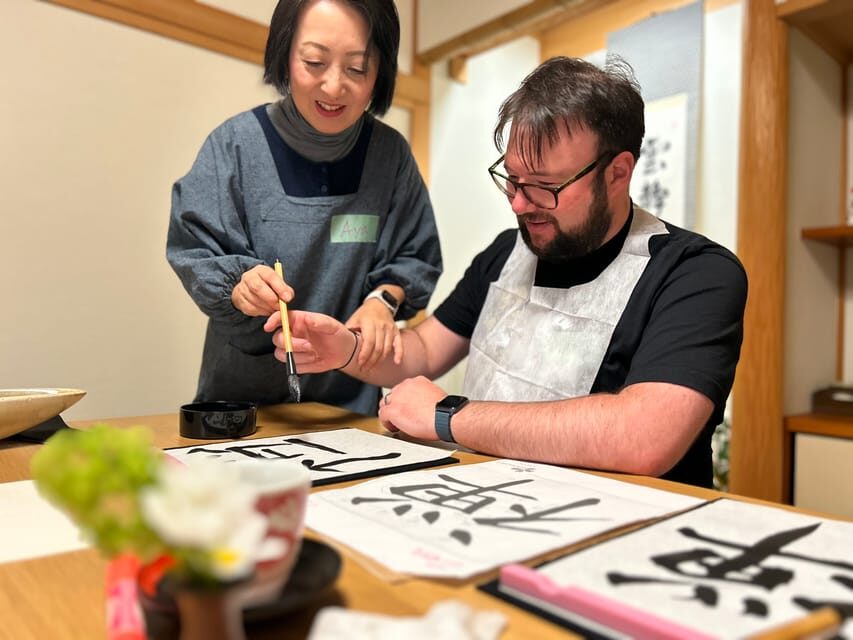
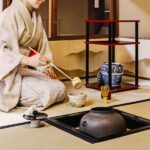
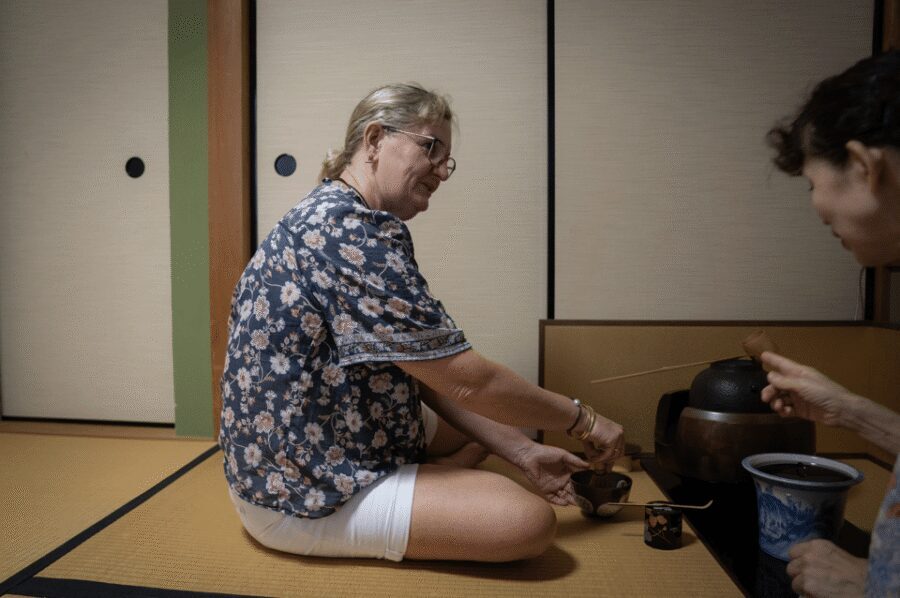
In the session, you’ll follow an instructor’s guidance on the steps of Japanese tea practice, with a focus on matcha preparation. The important part is that you’re not stuck observing. The experience is set up so you can make your own tea if you wish, and you’ll learn the practical actions behind it.
Here’s the rhythm you can expect, in plain terms:
- You start with an explanation of what’s happening and why the steps matter.
- You watch (and learn the logic of) the matcha-making process.
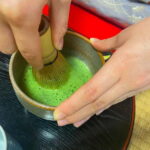
- Then you get hands-on guidance, including how to whisk powdered matcha using the movements that support the ceremony’s mindfulness.
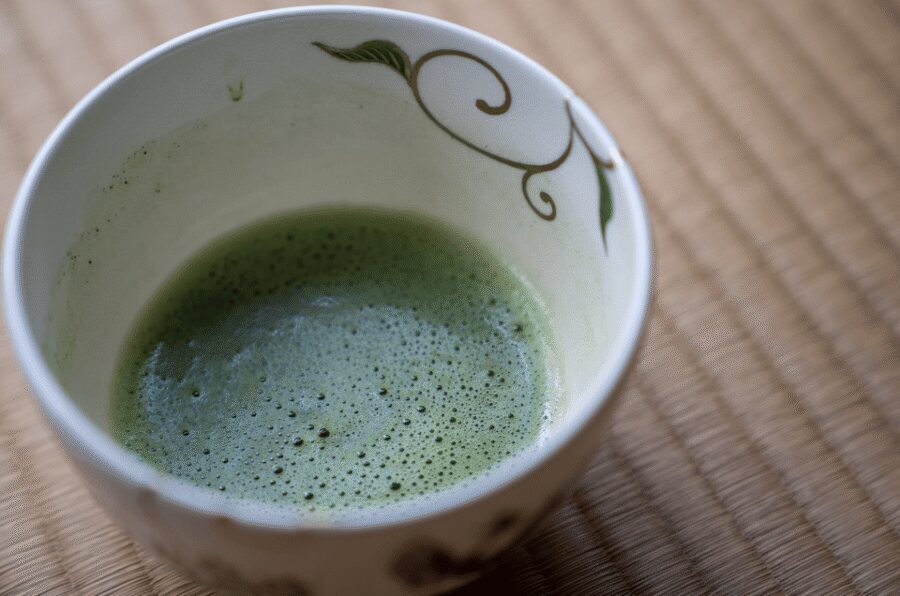
- You finish by enjoying the tea with traditional dried sweets.
The “mindfulness” angle isn’t delivered like a lecture. It’s embedded in the pace. Kyoto is full of sites with rules—this one’s gentler and more human. You’re learning something real, not just being told to respect something from a distance.
Also, because the group is capped at 6 participants, the instructor can correct your form and timing without rushing you.
Matcha by Hand: What You Learn (Beyond the Basics)
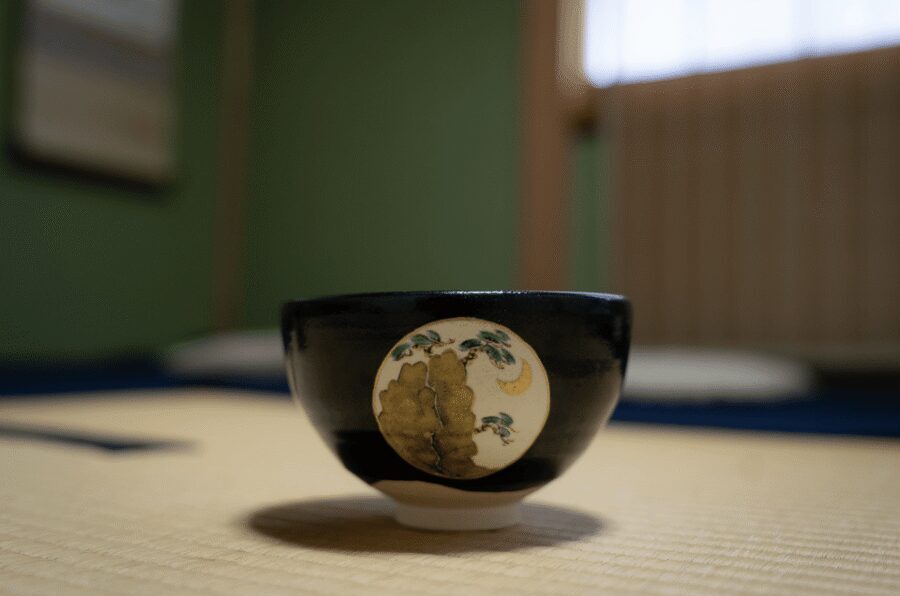
There’s a huge difference between drinking matcha and making it. Drinking tells you the flavor. Making it teaches you how technique affects texture and overall feel.
In this ceremony, you’ll get guided instruction on:
- the steps involved in preparing matcha
- whisking the powdered tea
- the precise movements that reflect harmony and mindfulness at the heart of the ritual
That “precise movements” piece is worth paying attention to because it’s not just for tradition’s sake. Good whisking creates a smoother experience, and it helps you understand why matcha isn’t treated like ordinary green tea.
And I like that the session is designed to be welcoming to beginners. You’re not expected to arrive already knowing utensils, etiquette, or terminology. The instructor’s 30-year experience shows in how the steps are explained—clear enough that first-timers can follow along without feeling behind.
One detail I took from the general feedback: the teaching style tends to land well with people who want patience and clarity. In particular, one instructor name that comes up is Ms Yamazaki, praised for being kind and knowledgeable, with a lot of patience during the session.
The Setting: Calm Kyoto, Not Performance Mode
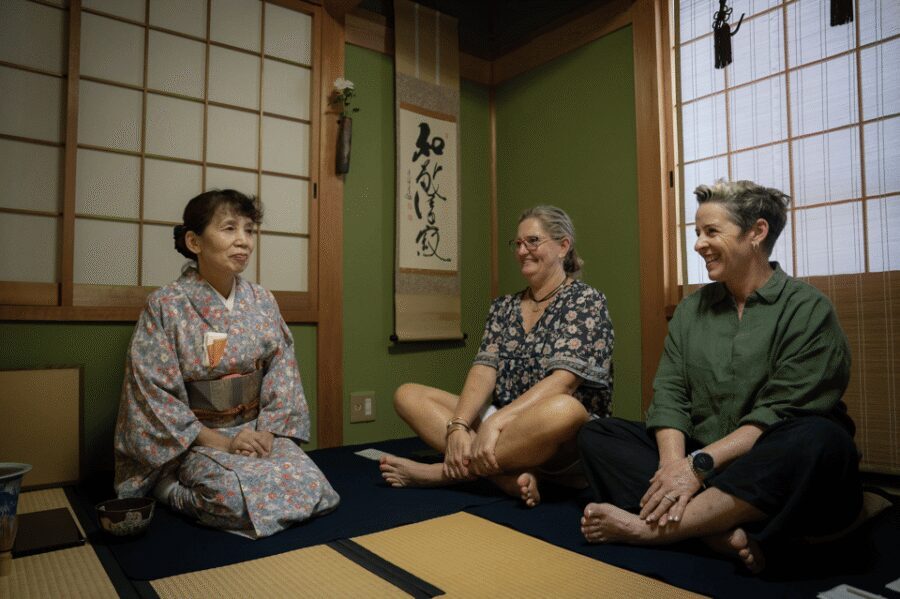
You might come to Kyoto wanting the famous sites, and you should. But you also need moments that don’t ask you to “do” anything.
This ceremony gives you that reset. Even before the tea arrives, the format nudges you into a slower state. You’re guided in a small room, you’re using your hands, and your attention has somewhere to go besides your next photo stop.
The Kamogawa Delta proximity makes this easier to buy into. After the ceremony, a short walk along the river area feels like a natural extension of the calm. Before the ceremony, it works the other way too: you can arrive a little early and let the riverside scenery settle your brain.
It’s also a nice change of pace from the more formal sides of Kyoto tourism. This one keeps the focus on the experience and your participation, not on looking perfect.

Price and Value: Is $38 Worth It?
Let’s be practical about money. At $38 per person for a 1-hour session, you’re paying for more than tea.
You’re getting:
- instruction in English
- a small group (max 6)
- guidance from a teacher with 30 years of expertise
- included matcha tea plus traditional dried sweets
- hands-on matcha preparation (with you able to make your own tea if you want)
For me, the value comes from the combination: small group + experienced instructor + you actually doing the whisking. If it were a long lecture, or if you were just watching, $38 would be harder to justify. But when you get real participation in the craft, it feels like paying for time with a skilled teacher, not paying for a ticket to sit still.
Also, one hour in Kyoto is rarely “cheap,” especially if you’d otherwise spend that time waiting in lines or bouncing between crowded attractions. This is structured time that feels calming and purposeful.
Who This Tea Ceremony Suits Best (And Who Might Skip It)
This is a strong fit if you want a Kyoto experience that’s:
- hands-on, not passive
- calm and focused
- beginner-friendly
- delivered in English
- small group, with room for questions and corrections
It’s also great if your day includes Demachiyanagi Station-area sightseeing and you want a break that doesn’t require more travel time. The proximity to Kamogawa Delta and the connection to plans toward Kibune Shrine and Rurikou Temple makes it easy to slot in.
You might consider skipping (or pairing it with other activities) if you’re the kind of traveler who wants a bigger sightseeing payoff—longer walkabouts, multiple stops, and lots of external exploring. This one is about the ceremony itself, not a tour of nearby sites.
Quick Practical Advice Before You Go
A few things will make the hour smoother:
- Come prepared to slow down. You’re doing a ritual, not rushing through a checklist.
- Expect instruction to be step-by-step. That’s the point, especially if you’re new.
- If you want to make your own tea, be ready to participate. The session is designed so you can choose that option.
- Plan your day so you’re not sprinting afterward. The ceremony works best when you can keep the mood going.
If your Kyoto itinerary already feels packed, this is one of the best ways to add culture without adding stress.
Should You Book This Kyoto Tea Ceremony?
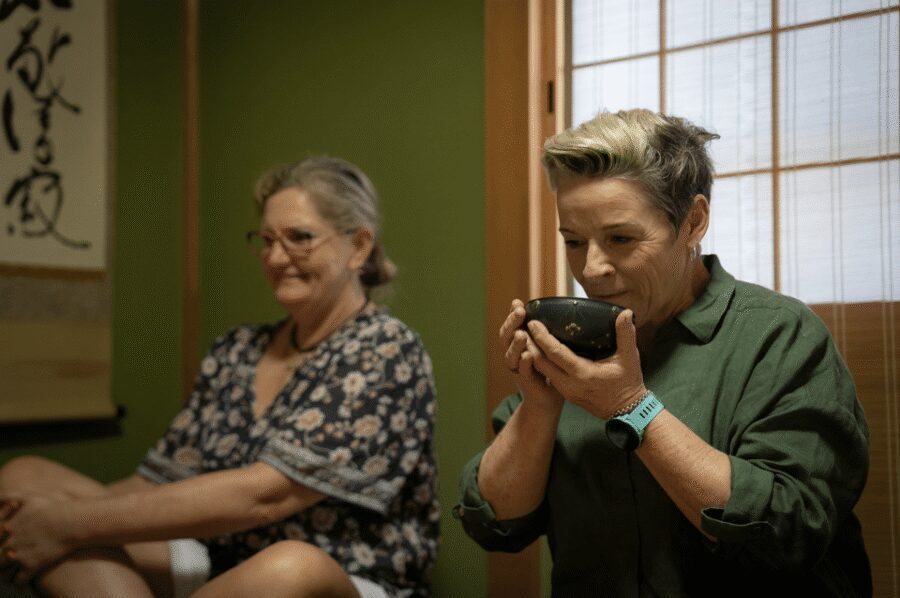
If you want a Kyoto experience that’s calm, hands-on, and explained clearly in English, I’d book it. The strongest reasons are practical: small group size, an instructor with 30 years of tea expertise, and the chance to whisk matcha yourself with guidance. Add included sweets and you’ve got a one-hour cultural experience that feels complete.
Book it especially if you’re near Kamogawa Delta or Demachiyanagi Station and you want a pause in your day. Skip it only if you’re chasing a long sightseeing itinerary. This is a one-hour ritual, and it works best when you let it be the main event.
FAQ
How long is the Kyoto tea ceremony experience?
The experience lasts 1 hour.
How much does the tea ceremony cost?
The price is $38 per person.
Is it a small group?
Yes. It’s a small group limited to 6 participants.
Is the instruction available in English?
Yes. The instructor provides English instruction.
Do I need prior experience with tea ceremonies?
No. The experience is designed to be welcoming to all levels, including complete beginners.
Will I be able to make matcha myself?
Yes. You can make your own tea if you wish, guided by the instructor.
What is included besides the tea?
You’ll have matcha tea and traditional dried sweets included.
What is the cancellation policy?
You can cancel up to 24 hours in advance for a full refund.