REVIEW · GEISHA & MAIKO TOURS
Kyoto Samurai and Geisha Town Private Walking Tour
Book on Viator →Operated by KAMNAVI Tours · Bookable on Viator
Kyoto feels different at 8 a.m. This private walking tour links Kyoto’s samurai past to its surviving geisha culture, with an early start designed to help you beat the worst crowd pressure. You’ll also get a clear story thread as you move between temples and historic headquarters tied to real shoguns.
I love the shogun-connected route, especially the stop at Nijo Castle, where the shogun stayed when visiting Kyoto. I also like how Gion is handled as more than a photo spot, giving you a focused window into one of Kyoto’s five geisha districts.
One consideration: it’s about a 7-hour stretch, and food & drink aren’t included, so you’ll want to plan for energy and hydration before you start.
In This Review
- Key highlights to look for
- Kyoto’s shogun-and-geisha story makes a 7-hour morning worth it
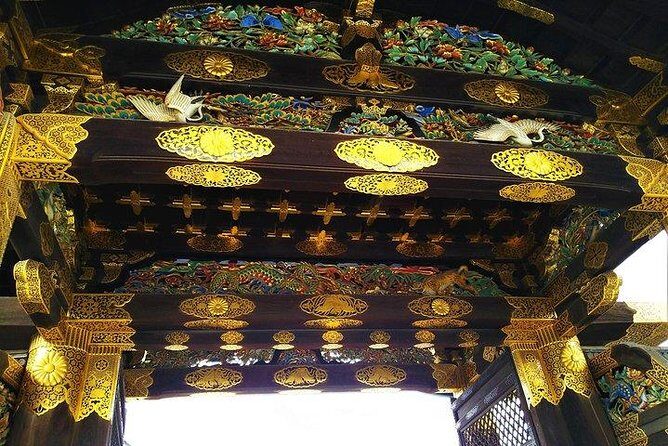
- Nijo Castle: where the shogun stayed when visiting Kyoto
- Kinkakuji Temple: Golden Pavilion reflections, framed by Zen timing
- Gion: a short, concentrated walk in Kyoto’s biggest geisha district
- Kennin-ji Temple: early Zen roots and the dry garden detail
- Getting from stop to stop without losing your day
- Price and value at $135.59 per person
- Who should book this private walking tour
- Should you book Kyoto Samurai and Geisha Town Private Walking Tour?
- FAQ
- What time does the tour start?
- Where is the meeting point?
- How long is the tour?
- What stops are included?
- Is admission included?
- What does the price include?
- Is food included?
- Is this tour private?
- What is the cancellation policy?
- Can I bring a stroller or a pet?
Key highlights to look for
- Shogun-era storyline from Kyoto’s power centers: Nijo Castle sets the tone, then you move through temples shaped by different shogunates
- Nijo Castle as a shogun stop in Kyoto: a practical “how power worked” kind of visit
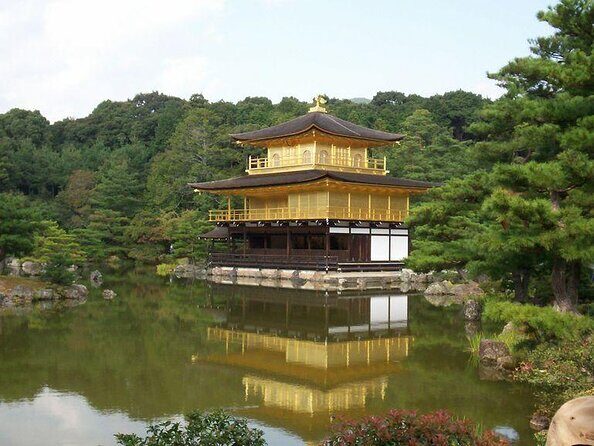
- Kinkakuji Temple’s golden pavilion and pond reflections: iconic Zen imagery in a timed, guided block
- Gion, Kyoto’s biggest kagai: a short but concentrated walk in the geisha district area
- Kennin-ji Temple and its dry garden: early Zen roots (founded in 1202) with a must-see garden feature
- Private pacing with efficient movement: you’re not stuck waiting in a big crush of people
Kyoto’s shogun-and-geisha story makes a 7-hour morning worth it
Kyoto has been Japan’s capital for over 1,000 years, but power didn’t only live in palaces. For generations, samurais—especially shoguns—kept ties to Kyoto, even when the seat of government shifted away. This tour is built around that reality. You’re not bouncing randomly; you’re walking through places that help explain why Kyoto mattered to the people who ran Japan.
Starting at 8:00 a.m. from Kyoto Station works in your favor. You’ll get morning light and calmer streets for at least part of the day, which makes a huge difference at temple and sightseeing hotspots. It also keeps you from feeling like Kyoto is one long queue.
Because it’s a private tour, you won’t be swallowed by a large group’s pace. Your guide can keep you moving efficiently between stops, and you still get time to actually look at what’s in front of you instead of just sprinting for the next picture.
You can also read our reviews of more walking tours in Kyoto
Nijo Castle: where the shogun stayed when visiting Kyoto
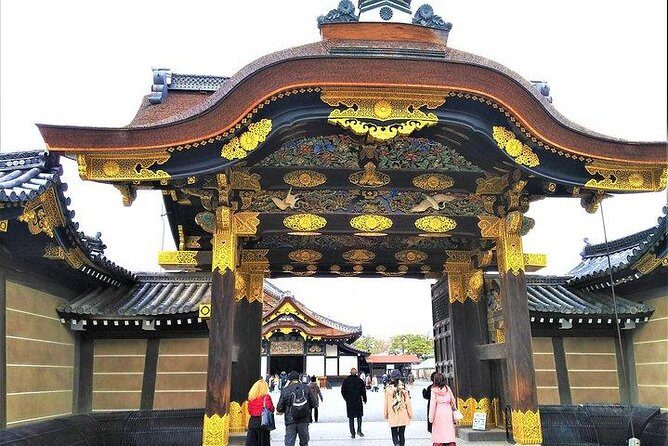
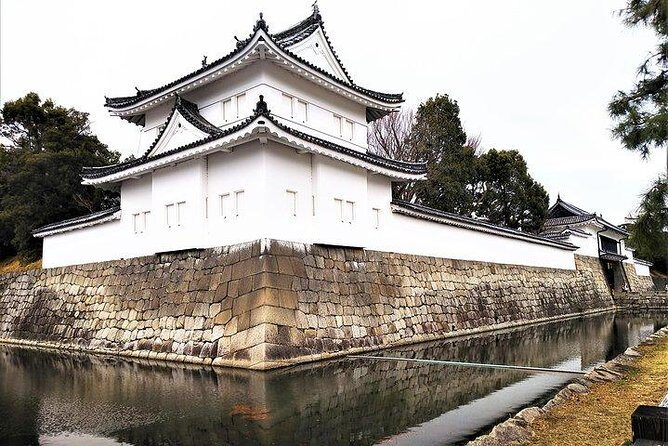
Nijo Castle is your first “anchoring point.” In 1603, the shogun relocated the shogunate to Edo (today’s Tokyo). Even with that shift, Kyoto remained important—so Kyoto got visits, and the shogun needed a place to stay when he came through.
That’s what makes this stop click. You’re not just seeing a pretty castle. You’re getting a sense of how political power traveled and how it showed itself in architecture and ceremony. Your visit runs about an hour, and admission is included, which is nice because it prevents the usual scramble to sort tickets and timing.
What to focus on during the hour:
- Think about function: a castle used for high-level stays, not a casual viewpoint.
- Keep your eyes open for details that communicate status. Castles in Japan are full of messages, even when you’re just walking the corridors.
Drawback to expect: castles can involve a fair amount of standing and moving through interior spaces. If your plan is mostly “sit and view,” you might find the walking pace a bit more active than you’d like. Still, the payoff is strong if you enjoy historical context.
Kinkakuji Temple: Golden Pavilion reflections, framed by Zen timing
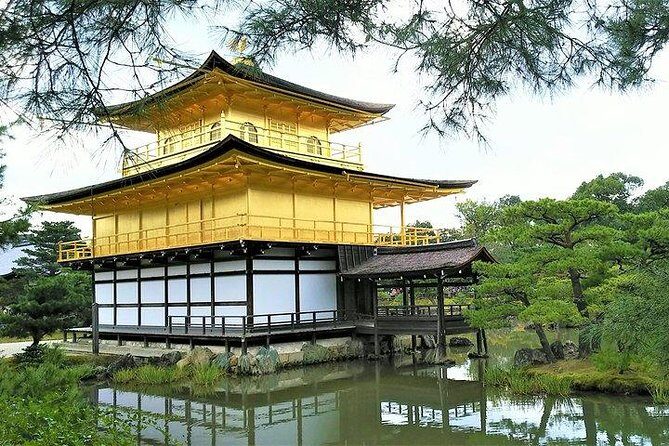
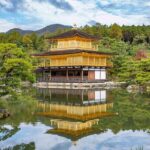
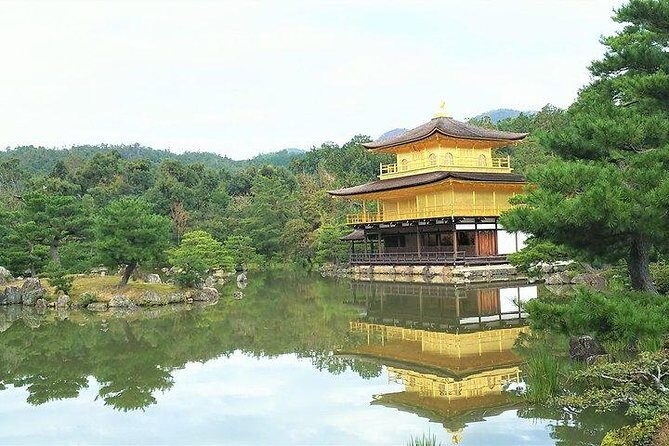
Kinkakuji Temple (the Golden Pavilion) is one of those places that’s famous for a reason. It’s a Zen temple, built in 1397 by the 3rd shogun of the Ashikaga shogunate. That date matters: you’re standing in a space tied to a real era of samurai rule, not just a generic cultural stop.
Your visit is about an hour with admission included. This is a good length. It gives you time to see the pavilion and then settle in on the pond-side views that create that iconic reflection effect.
Practical advice:
- Go in expecting a classic “compose the scene” spot. If you’re trying to photograph the pavilion and reflection, timing and angles matter.
- Use the guided context to connect what you see to Zen values (the temple’s purpose, not just its appearance).
Possible snag: Kinkakuji can be visually packed. Even with the early start, you may encounter people at the main viewpoint areas. If you’re sensitive to tight crowds, give yourself a moment to step back, look, and then return rather than forcing yourself to stay in the thickest zone the whole time.
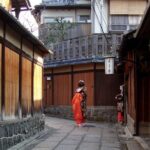
Gion: a short, concentrated walk in Kyoto’s biggest geisha district
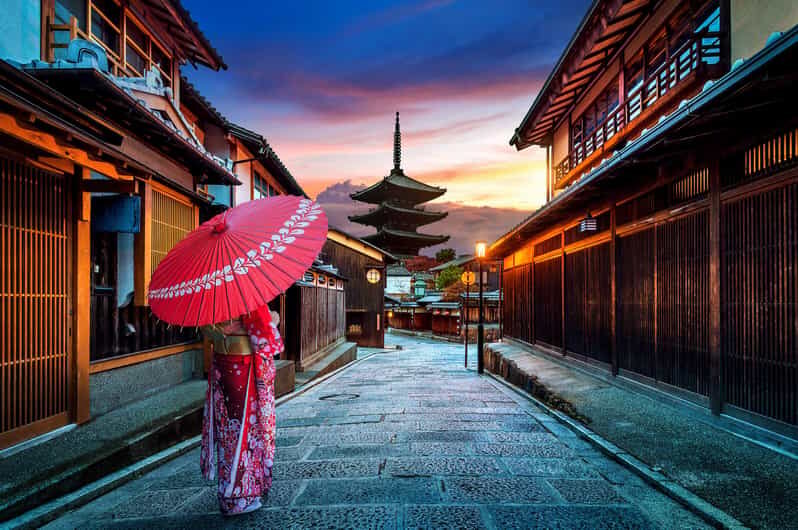
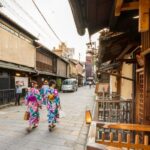
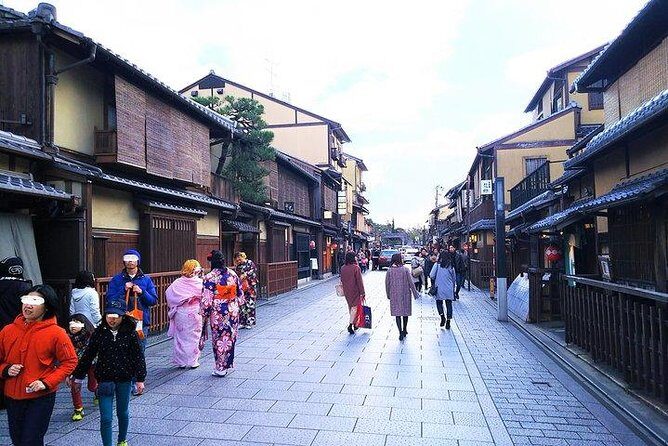
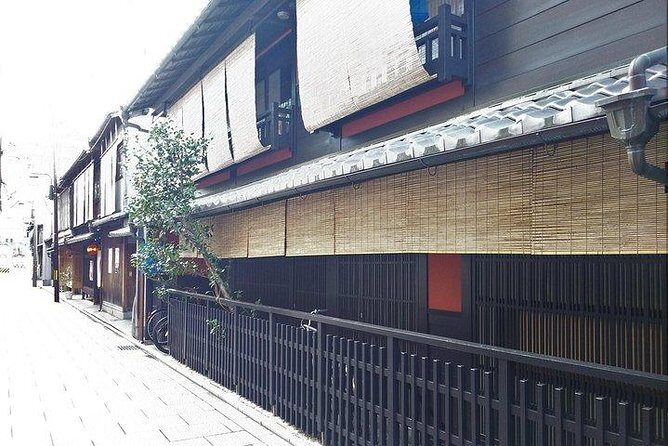
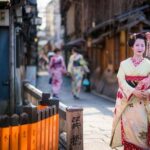
Gion is Kyoto’s biggest of its five kagai (geisha districts). This stop is only about 40 minutes and it’s free, so treat it like a guided orientation walk rather than a long hangout.
The value here is context. Geishas are trained professional performers and successors of traditional Japanese culture. Even if you don’t plan to chase sightings, you can still learn how this district fits into Kyoto’s identity—how preservation and everyday life coexist in the same streets.
What I find useful about a time-boxed Gion stop:
- You get a focused pass through the area without turning it into a whole-day detour.
- You have enough time to notice street layout and atmosphere, then move on before you lose momentum for the next temple.
Gion also tends to be where people start getting “stuck for hours,” usually because the streets feel like a living set. Forty minutes keeps you from overcommitting, which helps you keep the shogun-to-geisha storyline intact.
Kennin-ji Temple: early Zen roots and the dry garden detail
Kennin-ji Temple sits in the Gion area and was founded in 1202 by the 3rd shogun of the Kamakura shogunate. It’s described as the first Zen temple in Kyoto, which gives it a special “origin story” feeling. Instead of only seeing famous later landmarks, you’re also touching the start of Zen’s presence in the city.
Your time here is about 40 minutes and admission is included. The tour highlights two must-not-miss elements, and it points out one clearly: the temple’s dry garden. That kind of garden is designed to create a sense of landscape without water, using stones and careful arrangement. Even if you’re not the type who reads garden design like a textbook, it’s a great breather after castle and pavilion intensity.
How to get more out of the dry garden visit:
- Slow down. This is the stop where your eyes need time to reset.
- Let the guide point out what to look for first, so you’re not wandering aimlessly.
Possible drawback: because this is a short temple block, you won’t get a long, fully unhurried stroll. If you want deep time for photos, sketches, or sitting quietly, you’ll likely wish you had more than 40 minutes here. The upside is that you also won’t lose the rest of your day.
You can also read our reviews of more private tours in Kyoto
Getting from stop to stop without losing your day
This tour is designed as a walking day supported by public transportation, and that combination is a big part of the value. You’re not only dragging yourself between far-apart locations on foot, and you also aren’t stuck with a bus that disconnects you from the streets.
The whole experience is about 7 hours and ends back at the meeting point near Kyoto Station. That matters because Kyoto days can sprawl. Returning to your starting area makes it easier to plan the rest of your evening—dinner, transit back to your hotel, or a second walk.
Pace-wise, the tour is meant to feel efficient without feeling rushed. You’ll move between sights in a structured way, and you should expect your guide to keep the day flowing with context while you’re on the move.
Good to know before you go:
- This experience is listed for moderate physical fitness.
- It’s a private format, so the pace should match your group more closely than a large fixed-group tour.
Price and value at $135.59 per person
At $135.59 per person, this tour isn’t the cheapest way to sightsee. But it can be a strong value if you add up what you’d otherwise pay and plan on your own.
Here’s what you’re getting:
- Admission fees included (at Nijo Castle, Kinkakuji Temple, and Kennin-ji Temple)
- Guide fare included
- Public transportation included
- Mobile ticket included
- Group discounts available (if you book with more people)
What’s not included:
- Food & drink
So the real question isn’t just the ticket price—it’s whether you’d spend your time juggling admissions, transit timing, and interpretation. On a day structured around major sites, interpretation is often what turns a checklist into something that makes sense.
For me, this tour is most compelling if you want:
- a guided storyline connecting samurai-era power and Kyoto’s preserved culture
- a schedule that protects your morning energy
- fewer decision points (where to go, how to time it, and what matters at each stop)
If you already know Kyoto well and you’re comfortable building an itinerary with tickets and transit on your own, you might not need a guide. But if you’d rather buy clarity than spend your day solving logistics, this price starts to make sense.
Who should book this private walking tour
This experience fits best if you want a historically themed Kyoto day with real stops tied to specific shogun eras. It’s also a good match if you like walking in the morning and prefer a plan that avoids the worst crowd crush.
You’ll probably enjoy it if:
- you’re interested in Kyoto’s samurai connections and how power shaped the city
- you like guided context for major landmarks (castle, Golden Pavilion, early Zen temple)
- you want Gion without turning it into a vague wandering session
It may feel less ideal if:
- your day is built around lots of food breaks (since food isn’t included)
- you need stroller-friendly access, because it’s listed as not stroller accessible
- you want a very flexible stop-by-stop choose-your-own-adventure plan, since the schedule is organized around set blocks
Should you book Kyoto Samurai and Geisha Town Private Walking Tour?
My take: book it if you want a well-structured Kyoto day that ties together power and tradition. The big wins are the sequence—shogun-focused Nijo Castle, the signature Zen icon at Kinkakuji, a short Gion orientation in Kyoto’s biggest kagai area, and an early Zen anchor at Kennin-ji with its dry garden.
Skip it if you’re mainly after long unstructured strolling or you’d rather control every minute yourself. Also, if food breaks are central to your sightseeing style, plan to eat before you go or right after you finish, since food and drink aren’t part of the tour.
FAQ
What time does the tour start?
It starts at 8:00 a.m.
Where is the meeting point?
You meet at Kyoto Station Building, 901 Higashishiokōjichō, Shimogyo Ward, Kyoto 600-8216, Japan.
How long is the tour?
The duration is about 7 hours.
What stops are included?
The tour visits Nijo Castle, Kinkakuji Temple, Gion, and Kennin-ji Temple.
Is admission included?
Yes—admission fees are included for the stops where tickets apply (Nijo Castle, Kinkakuji Temple, and Kennin-ji Temple). Gion is free.
What does the price include?
The price includes admission fees, guide fare, and public transportation.
Is food included?
No. Food and drink aren’t included.
Is this tour private?
Yes. It’s a private tour/activity, so only your group participates.
What is the cancellation policy?
Free cancellation is available up to 24 hours in advance for a full refund. The experience requires good weather; if it’s canceled due to poor weather, you’ll be offered another date or a full refund.
Can I bring a stroller or a pet?
It’s listed as not stroller accessible. For pets, the information is mixed (it notes animals or pets allowed, but also says not suitable for pets), so you should confirm with the provider before booking.