REVIEW · BIKE & E-BIKE TOURS
Private eBike Tour Exploring Fushimi with Torii Red Gate Ride
Book on Viator →Operated by KCTP · Bookable on Viator
Red torii gates, on an e-bike, yes. This private eBike ride connects Kyoto Station to Fushimi-Inari and its famous red-gate paths, with quiet backstreets that feel calmer than walking. I like that your English guide helps you understand what you’re seeing as you go, so the stops feel planned instead of random.
My favorite part is the mix of big sights and breathing space. You get a guided visit inside Sanjusangendo, including time in the corridors where you can take in the sheer scale of the Thousand Buddha statues, and the vibe is slow enough to actually settle. Guides like Kaz, Yuichi, and JJ are repeatedly praised for humor, patience, and even photo help when you want images that look like you meant them.
One thing to consider: the tour operates in rain, and snacks aren’t included. A rain poncho helps, but you’ll still be outside for multiple stops, so plan to bring your own water or light bites.
In This Review
- Key highlights before you book
- Fushimi-Inari by e-Bike: why this loop feels easier than walking
- Price and value: what $111.05 includes (and why it matters)
- Meeting at Kyoto Station: getting ready at the Cycle Terminal
- Stop 1: Nintendo Original Building pass-by photos and local context
- Sanjusangendo Temple: 1 hour of calm among the Thousand Buddhas
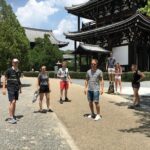
- Tofuku-ji: a quick Zen-photo break before the big gates
- Fushimi-Inari Torii gates: walking the red tunnels with explanations
- The ride back along Kamo River: wildlife and a softer ending
- Best timing, pace, and photo tips for a 3.5-hour day
- Who this tour fits best (and who might prefer something else)
- Should you book this Fushimi-Inari eBike tour?
- FAQ
- How long is the tour?
- Where does the tour start and end?
- Is the tour private?
- How many people can be in a group per guide?
- Is the guide available in English?
- Does the tour include admission fees?
- Does the tour run in rain?
- What safety gear is included?
- What should I know about children and height requirements?
- Are snacks included?
- What happens if I need to cancel?
Key highlights before you book
- Private group pace (up to 6 per guide): easier turns, fewer bottlenecks, more time to ask questions.
- Sanjusangendo with a guide inside: history and significance are explained while you’re there, not just at the entrance.
- Fushimi-Inari torii-gate path with guidance: you’ll learn what you’re walking through while still getting time to wander.
- Helmet, rain poncho, and accident insurance included: practical safety items that make a difference on a 3.5-hour ride.
- Return along the Kamo River embankment: a calmer finish with nature and wildlife along the way.
Fushimi-Inari by e-Bike: why this loop feels easier than walking
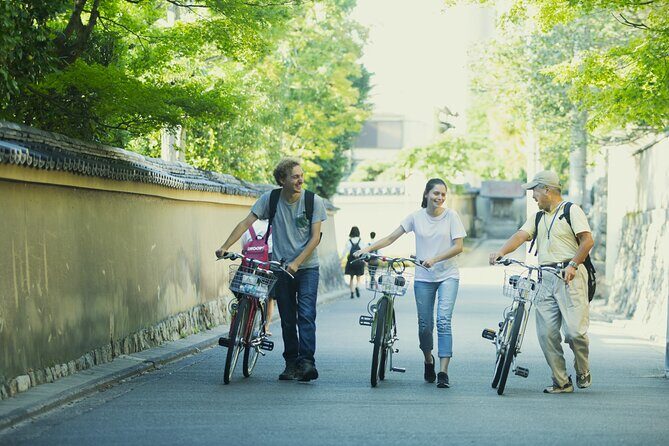
The star here is Fushimi-Inari-taisha, but the magic is how you reach it. Instead of only dealing with the shrine area, you get a cycling approach that uses Kyoto’s side streets, where traffic is usually lighter and the ride feels more like moving through neighborhoods than crossing a busy tourist route.
An e-bike also changes how you experience the gates. You still walk the famous paths, but you’re not doing all the effort on foot—so you arrive at Fushimi with energy left for photos, explanations, and a slower turn down the torii trails. The tour keeps a leisurely rhythm and includes cycling time between sites, so it feels like a single continuous day instead of a series of rushed transfers.
And because it’s private, you’re not stuck in a rigid herd pace. Your guide can help set expectations at the start, so you know when to slow down for walking sections and when to enjoy the ride sections.
You can also read our reviews of more cycling tours in Kyoto


Price and value: what $111.05 includes (and why it matters)
At $111.05 per person for about 3 hours 30 minutes, you’re paying for more than a bike. This price covers the licensed or certified English-speaking guide, the bicycle itself (with e-bike support as part of the experience), and practical extras that make day-of comfort much easier, including a helmet and a rain poncho.
It’s also valuable that the main temple time is guided. Sanjusangendo includes admission, and the itinerary is built around stops where a guide’s context adds real meaning—especially at religious sites where labels only tell half the story. Even the shorter photo/ride-by stop is paired with explanation, so you’re not just sightseeing from the saddle.
The only clear miss in the inclusions is simple: snacks aren’t included. If you’re someone who likes to nibble while walking, bring a small plan for water and a light snack so you’re not hunting for something mid-ride.
Meeting at Kyoto Station: getting ready at the Cycle Terminal
You start and end at Kyoto Cycling Tour Project (Kyoto Station Cycle Terminal), near Kyoto Station. That location matters because it’s central and makes the day easier to plug into the rest of your itinerary—especially if you’re staying near the station area or using trains before and after.
Plan to arrive a bit early so you’re not stressed about turning in helmets and getting fitted. The tour includes an original cycling map, which is a nice practical touch: even after you finish, it can help you re-create your route or get your bearings for the next day.
This is also a rain-operates tour. You’ll get a rain poncho, but I still recommend dressing in layers and wearing shoes you feel good walking in if surfaces get slick around temple entrances.
Stop 1: Nintendo Original Building pass-by photos and local context
Right at the start, you cycle past the former offices of one of Kyoto’s famous companies: the Nintendo Original Building area. The stop is short—about 10 minutes—and it’s set up more like a guided orientation and photo moment than a long visit.
Why it’s worth it: it anchors your ride in modern Kyoto, not only the classic shrine-and-temple circuit. Even if you’re not a tech fan, it helps you see Kyoto as a city with layers—old religious spaces and equally important contemporary history in the streets around them.
Because the stop is brief, you won’t lose time you’d rather spend on Fushimi-Inari or the temple corridors later.
Sanjusangendo Temple: 1 hour of calm among the Thousand Buddhas

The longest guided stop is Sanjusangendo Temple, where you spend about 1 hour and the guide stays with you inside. This is the part of the tour where the experience shifts from cycling momentum to a quieter pace, so your timing feels intentional rather than just efficient.
Sanjusangendo is known for its corridors and the sight of a large number of Buddha statues. Here’s what I like about doing it with a guide: you’re not standing there trying to interpret everything at once. Explanations about significance help you notice details you might otherwise walk past, and the guided timing gives you a chance to actually look, not just take one quick photo and move on.
If you’re traveling with kids, this is also a good stop for asking questions. In feedback from past tours, guides have been described as patient and kind with families, which makes the temple visit feel less like a test of attention and more like shared discovery.
You can also read our reviews of more private tours in Kyoto
Tofuku-ji: a quick Zen-photo break before the big gates
Next is Tofuku-ji Temple, a shorter 15-minute stop aimed at photos and a calmer breath before Fushimi-Inari. The tour description frames it as quiet and imposing, which is a great match for this part of the day: you don’t want another long building visit right before the most famous shrine walks.
Take this time for a few photos and a short pause. You’ll be walking later, so use the break to reset—check your phone battery, wipe condensation off your lens if it’s rainy, and regroup with your group before the gate paths.
Because this stop is brief and admission is listed as free, it feels like a low-stress way to add another temple to your day without stealing hours from the main highlights.
Fushimi-Inari Torii gates: walking the red tunnels with explanations
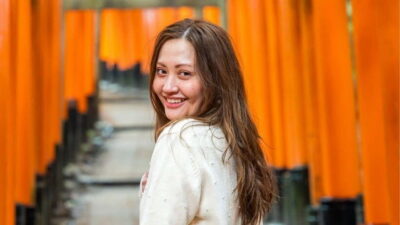
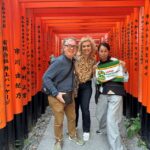
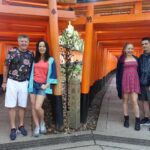
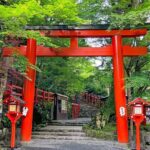
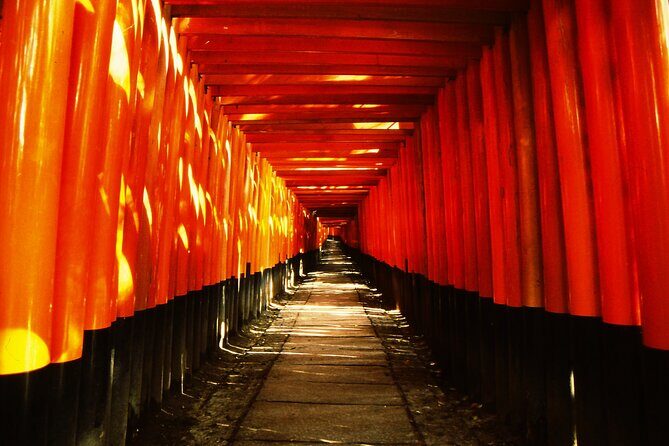
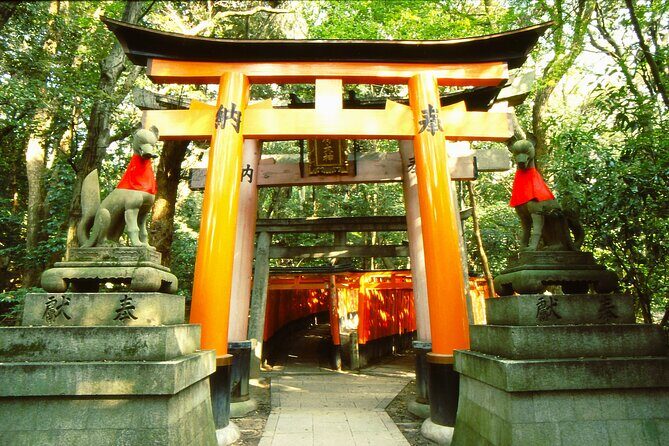
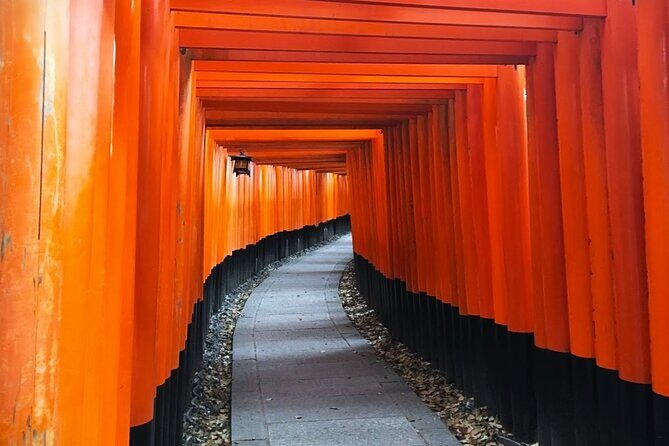
Now you reach Fushimi Inari-taisha Shrine for about 1 hour. This is where your guide’s role really earns its place. You’ll walk along the thousand-gate paths, and the guide provides explanations as you go—so you understand what you’re walking through instead of only seeing the famous red scenery.
Here’s the practical benefit: torii paths can feel repetitive if you don’t know what to look for. With context, you’re more likely to notice how the paths relate to the shrine’s traditions and how the route can shape your experience. You also get enough time to wander without feeling like you’re doing it alone.
Even if you’ve seen photos before, do not rush it. The gates are the spectacle, but the value is the walk itself—your senses slow down, and that’s where the shrine turns from a backdrop into an experience.
The ride back along Kamo River: wildlife and a softer ending
The tour finishes with a cycling return to the Kyoto Station area, including a stretch along the Kamo River embankment. This is one of those “you’ll appreciate it later” parts of the itinerary.
After temple walking and gate-path time, the river ride gives you a change of pace. The tour description specifically calls out nature and wildlife, and that makes a difference: the return doesn’t feel like the same route you came on. Instead, it feels like a calm glide back into city life.
This also helps with the day’s flow. You’re not left with the stress of immediately heading to trains while still wound up from shrine crowds or crowded walking lanes.
Best timing, pace, and photo tips for a 3.5-hour day
The tour lasts about 3 hours 30 minutes, and that includes cycling between stops. With a tight time window, pacing is everything, so keep your expectations realistic: you’ll have time to look and take photos, but you won’t linger for long in every single location.
Rain can change how you photograph, so be ready. A poncho covers you, but camera setups and gloves still matter—bring something to protect your phone or small camera. If you’re using a backpack, keep quick-access items within reach so you’re not stopping mid-path to dig.
For photos, use the guide’s help strategically. In feedback from prior tours, guides like Yuichi have been praised for taking photos for people, and that can save time and help you get shots where you’re not stuck cropping out your feet or missing the gates’ lines.
Also remember: cycling sections are slower than you might expect when turns and tight streets are involved. Keep a relaxed mindset. The goal is enjoyment and context, not a speed record.
Who this tour fits best (and who might prefer something else)
This tour suits you if you want a guided religious-city day without the hassle of figuring out routes and timing on your own. The private format helps a lot if you’re traveling as a couple or small family and want room to move at your own pace.
It’s also a good choice if you like temples but don’t want only temples. The plan mixes modern Kyoto (Nintendo building pass-by) with two temple experiences and then ends with a river ride, so the day feels balanced.
On the flip side, consider your comfort with biking. The tour is designed for people who can ride safely on public roads unassisted. Children must be at least 10 years old, 145 cm or above, and able to ride safely on the road without help. And there’s also a group rule: one-person participation isn’t accepted, because the minimum group size is 2.
Should you book this Fushimi-Inari eBike tour?
Book it if you want a stress-free way to connect Fushimi-Inari, Sanjusangendo, and Tofuku-ji with a guide who can explain what matters while you ride through quieter Kyoto streets. The value is strongest if you care about context at sacred sites and want practical comfort items like helmets and ponchos included.
Skip it or consider alternatives if you hate being outside in rain or if you want a flexible stop plan with lots of downtime. Also, if you’re traveling solo, this format won’t work because it requires a minimum of two people.
If you’re okay with that, this is a smart, efficient way to see Kyoto’s most famous torii scenery while still getting a calmer, human-paced day.
FAQ
How long is the tour?
The tour lasts about 3 hours 30 minutes, including cycling time between the stops.
Where does the tour start and end?
It starts at Kyoto Cycling Tour Project (Kyoto Station Cycle Terminal), and it ends back at the same meeting point.
Is the tour private?
Yes. It’s a private tour/activity, with only your group participating.
How many people can be in a group per guide?
A guide can accept a minimum of 2 and a maximum of 6 guests. If your group is 7–12 people, an extra guide can be arranged with no extra fee.
Is the guide available in English?
Yes. You’ll have a licensed or certified English-speaking guide.
Does the tour include admission fees?
Admission for Sanjusangendo Temple is included. The other listed stops (Nintendo Original Building pass, Tofuku-ji, and Fushimi Inari-taisha) are shown as free admission.
Does the tour run in rain?
Yes. The tour will operate in rain, and rain ponchos are provided.
What safety gear is included?
The tour includes a helmet, and it also includes accident insurance.
What should I know about children and height requirements?
Children must be at least 10 years old, 145 cm or above, and able to ride a bicycle safely on the road unassisted.
Are snacks included?
No. Snacks aren’t included.
What happens if I need to cancel?
This experience is non-refundable and cannot be changed for any reason. If the minimum number of travelers isn’t met and the tour is canceled, you’ll be offered a different date or a full refund.