REVIEW · BIKE & E-BIKE TOURS
Bike Tour Exploring North Kyoto plus Lunch
Book on Viator →Operated by Cycle Kyoto · Bookable on Viator
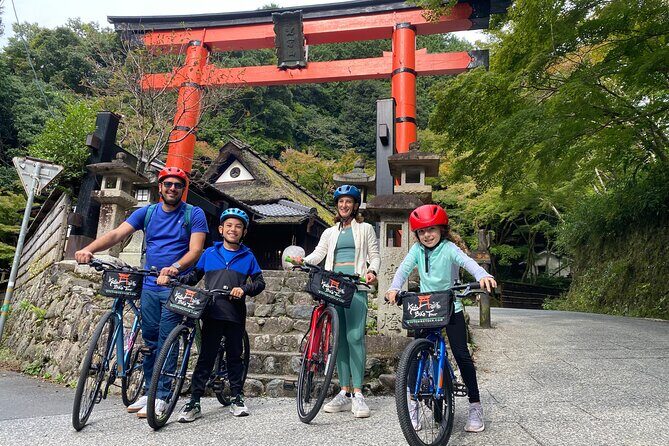
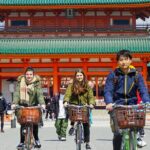
North Kyoto feels different on two wheels. This small-group ride strings together major shrines, calmer side streets, and the kind of commentary you can’t get from a ticket line, then finishes with lunch and time to soak up Kyoto’s iconic neighborhoods. I like that Cycle Kyoto handles everything you need at the start, including an included Cannondale bike setup and a guide who keeps the group moving smoothly (I’ve seen guides such as Mayco and Julian praised for making the day feel organized without being stiff).
I also like that temple entrance fees are folded into the price, so stops like Nishi Honganji and Kitano Tenmangu don’t turn into surprise add-ons. One thing to keep in mind: the ride is meant for active travelers, and while it’s generally easy-to-moderate, you’ll still be cycling for a good stretch—and there can be some effort on the way toward Kinkakuji.
In This Review
- Key things you’ll notice on this north Kyoto bike tour
- Why north Kyoto on a bike is such a smart first-day plan
- The included Cannondale bike setup is the real time-saver
- Meet at Cycle Kyoto, get fitted, and start riding at 10:00
- Stop 1: Cycle Kyoto shop start—where the day clicks into place
- Stop 2: Nishi Honganji—wood, scale, and a quieter kind of wow
- Stop 3: Kitano Tenmangu—local shrine atmosphere, not just sightseeing
- Stop 4: Kinkakuji Golden Pavilion—famous, yes, but handled well
- The ride through the former imperial family grounds—less famous, good momentum
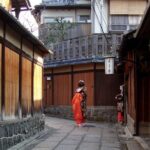
- Stop 5: Gion—quick taste of geisha district energy
- Pacing, safety, and the reality of cycling in Kyoto
- Lunch is included, and the style is very Kyoto
- Price and value: why $106.12 can make sense
- Logistics that help: mobile ticket, transit access, and max 8 riders
- Who should book this north Kyoto bike tour?
- Should you book this bike tour through North Kyoto with lunch?
- FAQ
- What time does the tour start?
- How long is the tour?
- What’s included in the price?
- Is lunch included, and do they handle dietary needs?
- Do I need to pay extra for temple entrances?
- How many people are in the group?
- What fitness level do I need?
- Is there a minimum number of travelers?
- What happens if weather is bad?
Key things you’ll notice on this north Kyoto bike tour
- Included Cannondale bike and all cycling gear means you can travel light and still ride comfortably.
- Temple entrance fees included so you can focus on the sights, not the budgeting.
- Small group size (max 8) helps you get personal attention and safer pacing on city streets.
- Kinkakuji Golden Pavilion stop with an ice cream break keeps a top sight from feeling rushed.
- Lunch included, with dietary needs requested ahead of time.
- Bottled water included and frequent short pauses make longer days feel manageable.
Why north Kyoto on a bike is such a smart first-day plan
If Kyoto feels like a list of places you should see, this tour gives you a way to make that list make sense. The route is built to mix famous religious sites with calmer neighborhoods, so you get that “wow, I’m really in Kyoto” feeling instead of only seeing the busiest hotspots.
I also like how the day is structured for flow: you meet, get fitted with your bike, and then you’re off on a loop that keeps you moving between stops. It’s a good match for people who want a guided orientation—especially if it’s one of your first days in town.
You can also read our reviews of more cycling tours in Kyoto
The included Cannondale bike setup is the real time-saver
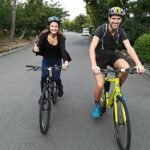
This is not a rent-and-figure-it-out situation. You’re given a high-quality Cannondale bike, guidance from your leader, bottled water, and included lunch. That bundle matters because biking in Kyoto isn’t just about having wheels—it’s about having the right fit so your back and legs don’t hate you by stop three.
Most importantly, you’re not expected to already be a cyclist. You do need to be comfortable riding a bike, and the tour is aimed at travelers with moderate fitness, but the pace is managed by the guide. In practice, that means frequent sight breaks and an easy rhythm between temples and neighborhoods.
One practical detail: the tour runs about 5 to 6 hours, and the mix of riding plus stops adds up to a meaningful chunk of ground. Plan on time on the saddle and on photos.
Meet at Cycle Kyoto, get fitted, and start riding at 10:00
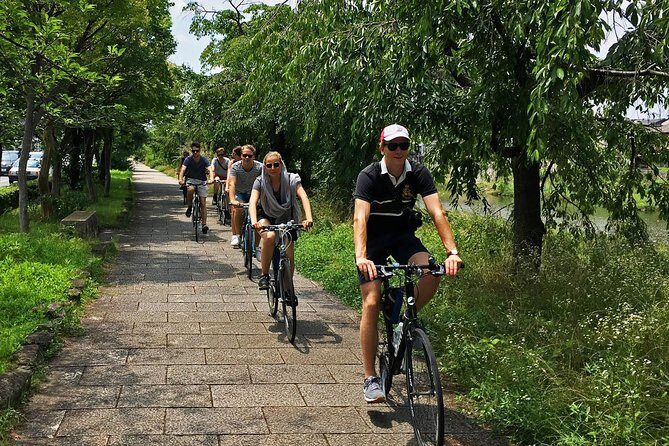
The tour begins at Cycle Kyoto, located at 7 Higashikujō Nishisannōchō, Minami Ward, Kyoto (postcode 601-8003). You meet your guide and the other riders, get your bike fitted, and then roll out for the first stop. The start time is 10:00 am, and the tour ends back at the meeting point.
If you hate first-day surprises, this schedule helps. Morning starts generally feel cooler and give you more energy for the heavier sightseeing stops later. Also, since it’s a mobile-ticket experience, you’re not juggling paper while trying not to look lost in a foreign city.
Stop 1: Cycle Kyoto shop start—where the day clicks into place
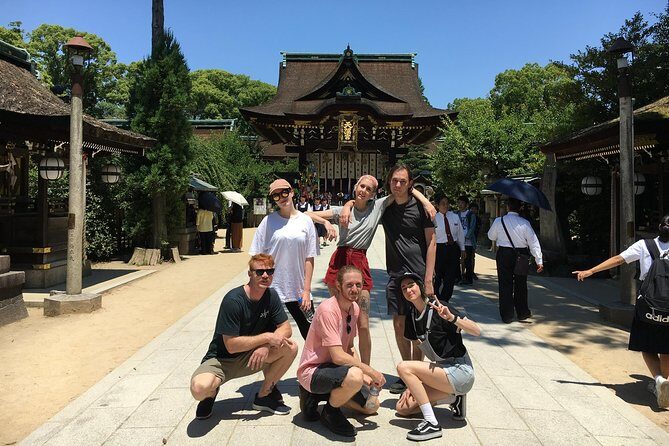
Your first stop is the shop itself: meet your guide and group, get your bike fitted, and get ready for the day. This sounds basic, but it’s actually one of the most valuable parts of the experience.
A good fit can turn an all-day ride from exhausting to enjoyable. You’ll also get early guidance on how the tour moves through streets and around traffic. If your comfort level depends on having clear instruction, this first step sets that tone.
Stop 2: Nishi Honganji—wood, scale, and a quieter kind of wow
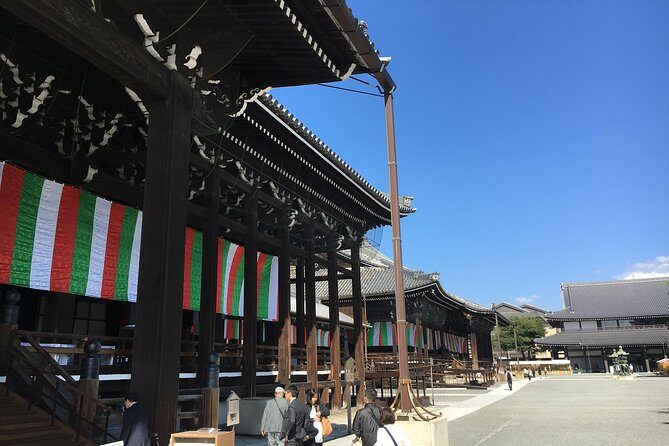
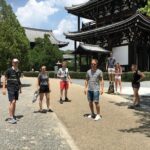
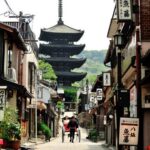
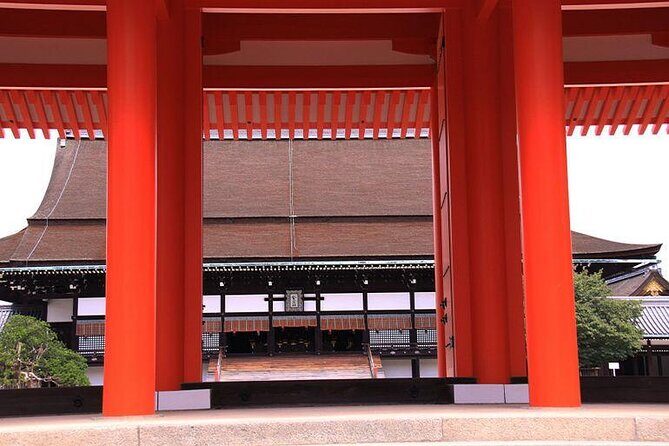
Next up is Nishi Honganji. You enter a site that’s described as one of the least visited religious places in the city, and also one of the largest wooden buildings worldwide. That pairing is the point: you get scale without the same crush you might see at more famous places.
This stop is short—about 15 minutes—so you won’t “tour a museum.” Instead, think of it as a tonal reset. The guide’s commentary helps you notice what you’d otherwise miss: how the architecture and religious setting shape what people feel when they’re inside.
If you’re the type who likes to understand what you’re looking at, this is a strong early anchor stop.
You can also read our reviews of more tours and experiences in Kyoto
Stop 3: Kitano Tenmangu—local shrine atmosphere, not just sightseeing
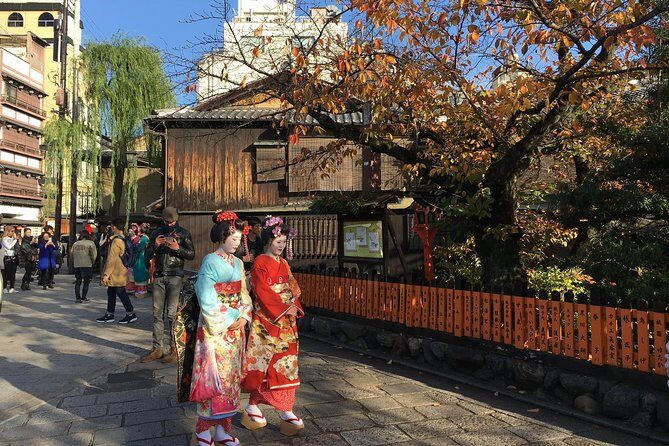
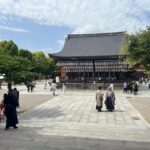
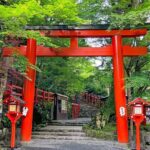
At Kitano Tenmangu Shrine, you join local shrine-goers and get the tranquil mood that makes this kind of Kyoto visit so satisfying. The stop is around 20 minutes, which is enough time to look around calmly without feeling like the ride is leaving you behind.
Here’s the benefit of having a guide: you’re not just reading signs. Your leader can explain the shrine’s background and what to pay attention to while people are actively visiting. That changes the experience from check-box tourism into something more human.
Stop 4: Kinkakuji Golden Pavilion—famous, yes, but handled well
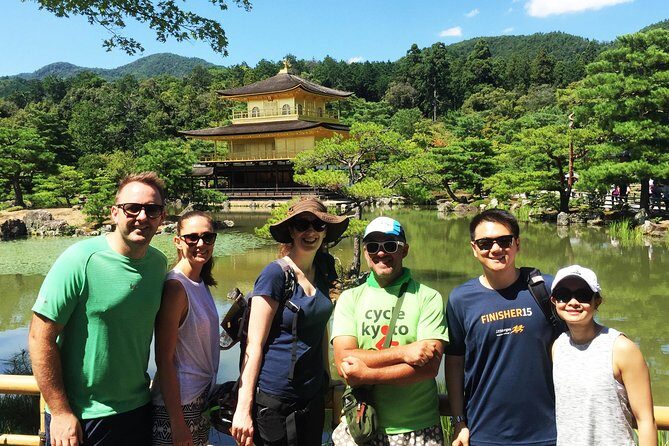
Then comes the star: Kinkakuji Temple, the world-famous Golden Pavilion. It’s one of Japan’s most visited attractions, so you’ll see crowds—but this tour builds in time for commentary and a brief break instead of only rushing through.
You get about 30 minutes here, including an ice cream moment and time to relax. That’s a small thing that matters. When you’re on a bike tour, your day is already active; having a built-in treat and a pause gives your brain room to absorb what you’re seeing.
A realistic consideration: Kinkakuji is a magnet, so expect busier surroundings. If you don’t love crowds, focus on enjoying the pavilion view, the guide’s points of emphasis, and the slower moments—then get back on the bike without dwelling on the lines.
The ride through the former imperial family grounds—less famous, good momentum
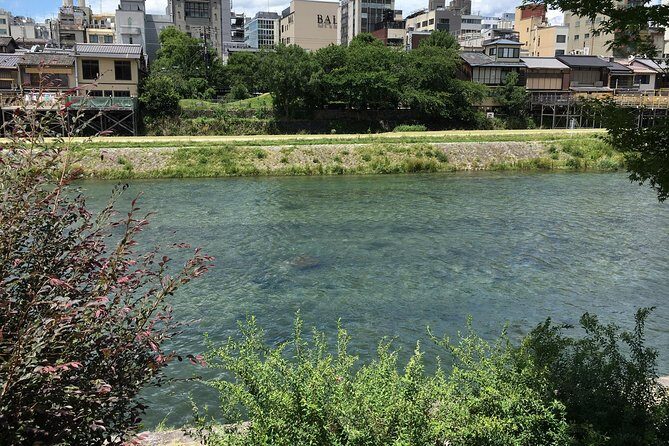
Between Kinkakuji and Gion, you cycle through the grounds of the former seat of Japan’s imperial family. The tour data doesn’t give a named stop here, but the function of this segment is clear: it’s a stretch that keeps your momentum while still tying you to Kyoto’s power and tradition.
This part can also be a useful “breather.” You’re still moving, but you’re not stuck in a single crowd zone. It helps the day feel like a route through Kyoto’s layers rather than a single sightseeing checklist.
Stop 5: Gion—quick taste of geisha district energy
Finally, you reach Gion, Kyoto’s geisha district. The stop is short—about 10 minutes—so treat it as a glimpse rather than a deep hangout.
Even with the brief time, your guide can help you read the area. Expect stories and context about how geisha culture developed and what you’re seeing when you look down streets in Gion. The guide can also point out the kinds of details that help you notice Kyoto’s etiquette and neighborhood rhythms.
If you want a longer Gion wander after the tour, you’ll be in the right mood to do it. If you mainly want that iconic district photo, the time here is enough.
Pacing, safety, and the reality of cycling in Kyoto
This tour is designed for active travelers, with a stated requirement of moderate physical fitness. You also must be at least 13 years old and comfortable riding a bike.
What does that mean day-of? Reviews and guidance trends point to a ride that feels manageable, with adjustments for the group’s ability. Guides are described as looking out for safety, keeping hydration in mind on hot days, and tailoring the route and speed so nobody gets left behind.
Still, don’t treat this as an easy stroll. Some riders found it harder than they expected, and the ride can include a push toward Kinkakuji. If you’re recovering from jet lag or you haven’t cycled in a while, plan on taking the pace seriously and resting when your guide stops.
Helpful tip: wear shoes you can pedal in comfortably and bring clothing that handles Kyoto heat. The tour includes bottled water, but you’ll still feel better if you dress for the weather.
Lunch is included, and the style is very Kyoto
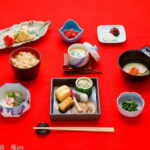
Lunch is part of the package, with dietary requirements needing to be known ahead of time. That’s important because a tour that can’t handle simple diet changes becomes a hassle fast.
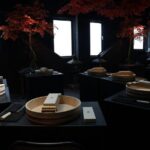
In practice, the lunch experience tends to be real Japanese food rather than a generic set meal. One meal described was sushi-train style, while another was noodles at an older restaurant. There’s also an example of a lunch swap when a planned noodle house wasn’t operating—so keep a little flexibility in mind for your expectations.
Either way, lunch is timed as a recovery stop. You’ll eat, refill your energy, and then finish the day with enough stamina to enjoy Gion rather than just getting through it.
Price and value: why $106.12 can make sense
At $106.12 per person, this tour is not the cheapest way to see Kyoto—but it’s far from overpriced when you look at what’s included.
You’re paying for:
- a high quality bike (not a basic rental)
- guidance and route management
- bottled water
- lunch
- temple entrance fees (so key stops aren’t extra on-site)
When you add up those pieces separately—especially bike rental plus entry fees plus a guided day—it often comes out to similar or higher than a packaged tour. The small group cap (max 8) is also part of that value. It helps keep the experience safer and more personal.
Not included: extra drinks and optional gratuities. If you want to budget tightly, plan to purchase drinks separately, and carry a little cash just in case.
Logistics that help: mobile ticket, transit access, and max 8 riders
The tour uses a mobile ticket, and the meeting point is near public transportation. That matters in Kyoto, where you don’t want to lose time commuting back and forth.
The max group size—8 travelers—changes the whole feel. In a smaller group, your guide can manage pacing, learn names, and handle questions without turning the ride into a traffic jam. It also tends to feel more like a shared day than an assembly line.
Who should book this north Kyoto bike tour?
You’ll like this most if you:
- want a guided orientation to Kyoto’s religious sites
- enjoy moving between stops rather than standing in long lines all day
- prefer small groups and a route plan that takes care of the hard parts
- want an active day that still includes time to rest and eat
It’s also a great pick if you’re traveling with teens who can ride comfortably. The minimum age is 13, and the day is structured with stops and breaks.
If you hate biking completely or have serious mobility limits, this may not be your match. But if you’re willing to pedal for a few hours and listen to a guide’s stories, it’s a very efficient way to see real Kyoto.
Should you book this bike tour through North Kyoto with lunch?
I’d book it if you want a first-day plan that covers major temples plus a taste of Gion, without spending your whole trip wrestling with transport and entrances. The included bike, included temple fees, and included lunch are the big reasons this feels like value, not just another activity.
I’d hesitate only if you’re very sensitive to cycling effort or if you’re unsure you can comfortably ride for a multi-hour outing. Consider also that it’s weather-dependent—good weather is required—so pick your day wisely.
If you’re deciding between doing Kyoto on your own versus with a guide, this is the kind of tour where the guidance saves time and makes the stops more meaningful. And once you’ve seen north Kyoto from the saddle, you’ll probably want to explore more on two wheels.
FAQ
What time does the tour start?
The tour starts at 10:00 am.
How long is the tour?
It runs about 5 to 6 hours.
What’s included in the price?
You get the bike and cycling equipment, guidance, bottled water, lunch, and temple entrance fees.
Is lunch included, and do they handle dietary needs?
Yes, lunch is included. Dietary requirements need to be known ahead of time.
Do I need to pay extra for temple entrances?
No. Temple entrance fees are included.
How many people are in the group?
The tour has a maximum of 8 travelers.
What fitness level do I need?
The tour is for travelers with moderate physical fitness. You should also be comfortable riding a bike.
Is there a minimum number of travelers?
Yes. If the minimum isn’t met, the tour may be canceled, and you’ll be offered a different date/experience or a full refund.
What happens if weather is bad?
This experience requires good weather. If it’s canceled due to poor weather, you’ll be offered a different date or a full refund.