REVIEW · BIKE & E-BIKE TOURS
4.5-hr Kyoto Historical Highlights Bike Tour with UNESCO
Book on GetYourGuide →Operated by MagicalTrip · Bookable on GetYourGuide
Kyoto is best seen on two wheels. This 4.5-hour bike tour layers an easy ride with real temple context, starting along the Kamo River and ending with a calm riverbank finish. I really like the Zen explanations at Kennin-ji and the fact that bikes, helmet, and lunch are handled for you. One thing to consider: you’ll be on the road and you must follow local cycling rules, including no phone use while moving.
Even with a city of more than a million people, the pace feels human. You ride, stop, and listen in a small group capped at 5, with an English guide who explains what you’re seeing and gives you ideas for what to check out next.
If you’re shopping for the fastest “greatest hits” route, this might feel a bit slower. It spends a lot of time at the temple sites (so plan your energy), and weather can affect whether the tour runs.
In This Review
- Key things I’d circle on your Kyoto plan
- Why a 4.5-Hour Kyoto Bike Tour Makes Sense
- Meeting at Kyoto Station: Easy Start, Small-Group Pace
- Kamo River Morning Ride: Calm Kyoto Even in a Big City
- Gion and Kennin-ji: Geisha Culture Meets Zen Rock Gardens
- Nanzen-ji (and Heian Shrine): Temple Time With Real Atmosphere
- Lunch in a Traditional Japanese House: Soba, Matcha, Mochi, and Yatsuhashi
- The Bike Setup at KYOTO ECO TRIP: What You Get Before You Ride
- Cycling in Kyoto: The Rules That Keep You Safe
- Price and Value: Does $96 Add Up in Kyoto?
- Who This Tour Fits Best (and Who Should Skip It)
- My honest take: what makes the experience worth your time
- Should You Book It?
- FAQ
- Where is the meeting point?
- What time does the tour run?
- Is the bike rental included?
- What’s included in the lunch?
- Are there any rules about phones or headphones?
- Do I need to pay entrance fees?
- Can I bring dietary requests or allergies?
- Who can join the tour?
Key things I’d circle on your Kyoto plan
- Bike rental and safety gear included so you don’t waste time shopping or figuring out parking
- Gion + Zen culture context (including geisha and temple traditions) explained by your guide
- Big temple time at Kennin-ji and Nanzen-ji with time to look carefully, not just walk past
- Lunch in a traditional Japanese house with soba, matcha, mochi, and options for vegetable/vegan
- A relaxing Kamo River finish that feels like a Kyoto exhale
Why a 4.5-Hour Kyoto Bike Tour Makes Sense
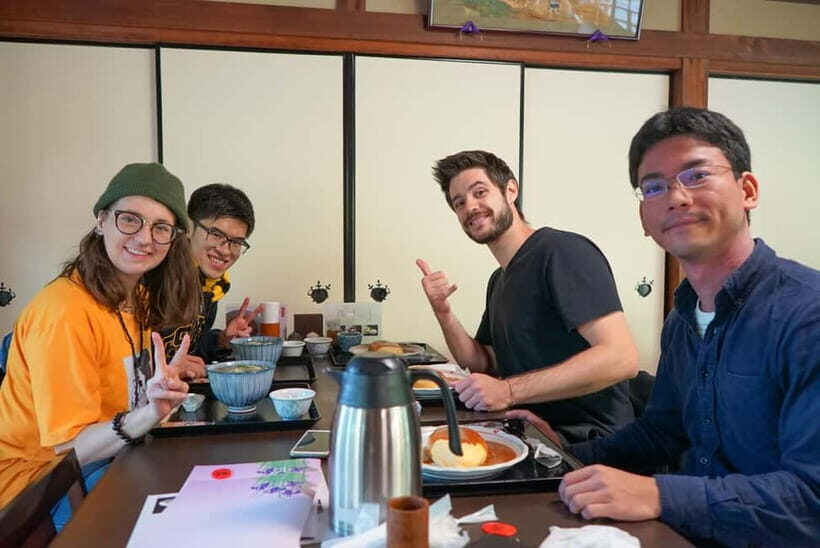
Kyoto can feel like a maze when you’re moving on your own. This is a smart fix. You get a route that strings together the city’s most iconic cultural areas—Gion, temple compounds like Kennin-ji and Nanzen-ji, plus a quiet ride by the Kamo River—without forcing you to navigate every turn.
The timing also helps. At about 270 minutes, it’s long enough to feel like you learned something and saw a meaningful slice of Kyoto, but short enough that you’re not spent by afternoon. That matters in hot summers and even more in rainy seasons, when “one more stop” turns into “why did I do this to myself.”
You can also read our reviews of more cycling tours in Kyoto
Meeting at Kyoto Station: Easy Start, Small-Group Pace
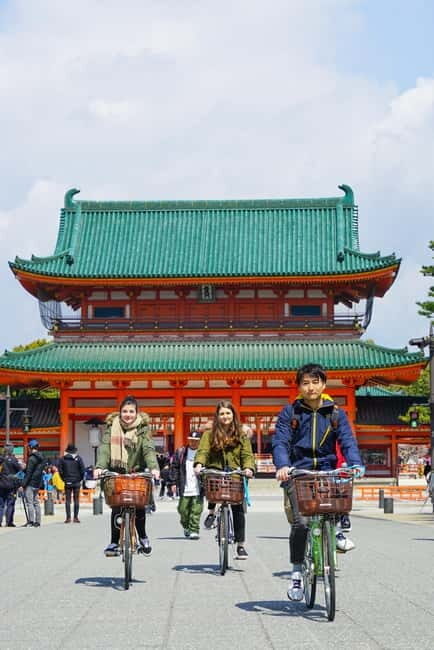
You meet in front of a Seven-Eleven convenience store outside Kyoto Station Exit Hachijo guchi (next to Hotel Via Inn Prime). The guide waits holding a Magical Trip sign board.
That’s practical for two reasons. First, it’s a recognizable meeting area in a transit hub. Second, it reduces the chance you show up sweating in the wrong corner of Kyoto. The tour is also designed for a small group of up to 5, which keeps the vibe from turning into a rushed stampede.
If you’re arriving by train, do yourself a favor: give yourself a little buffer. One review flagged the meeting point as occasionally confusing, even though they still found it in time.
Kamo River Morning Ride: Calm Kyoto Even in a Big City
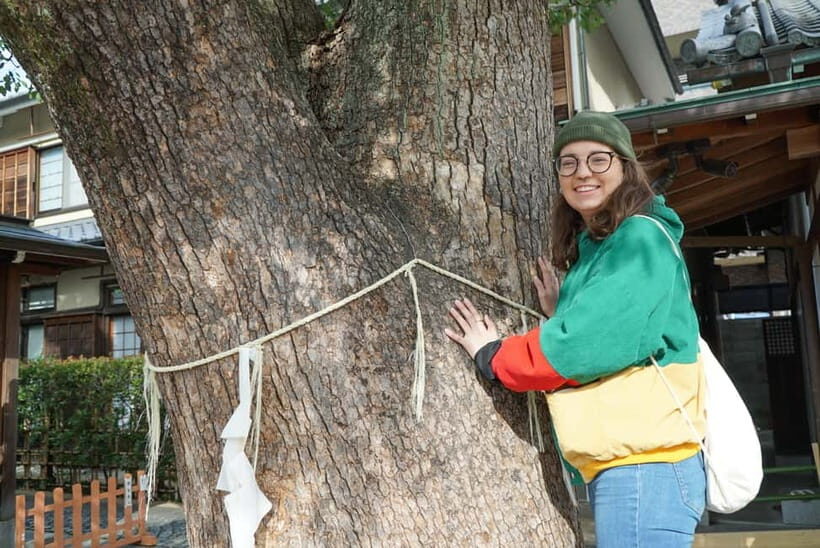
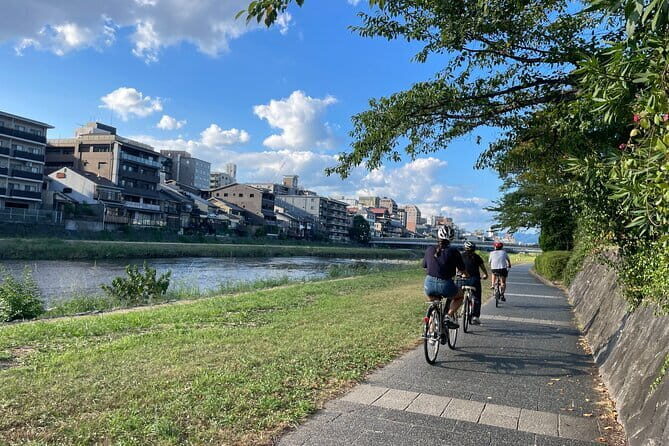
The tour kicks off by cycling along the Kamo River. This is the kind of Kyoto contrast I love: on a map, Kyoto is busy; on the ground, certain stretches feel peaceful. Riding the riverbanks sets the tone. Your brain starts switching from sightseeing mode to “slow down and notice” mode.
It also helps that you’re not starting at a temple gate immediately. You get rolling, get your bearings, and settle into the rhythm of bike travel in Japan.
Tip for you: bring patience for traffic rules. In Japan, road behavior is strict, and your guide’s instructions matter. You’re expected to follow the traffic rules they give you, not just bike “roughly safely.”
Gion and Kennin-ji: Geisha Culture Meets Zen Rock Gardens
After the river, you head toward Gion and then into Kennin-ji Temple. This is where the tour starts feeling more than scenic—it becomes interpretive.
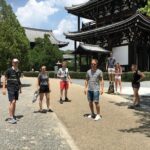
Kennin-ji is especially memorable because you get a guided introduction to Zen culture and you get to see the temple’s famous Karesansui style rock garden (dry landscape garden). Even if you’ve seen temple gardens before, the explanation changes how you look. Instead of scanning for pretty details, you start thinking about the ideas behind the design.
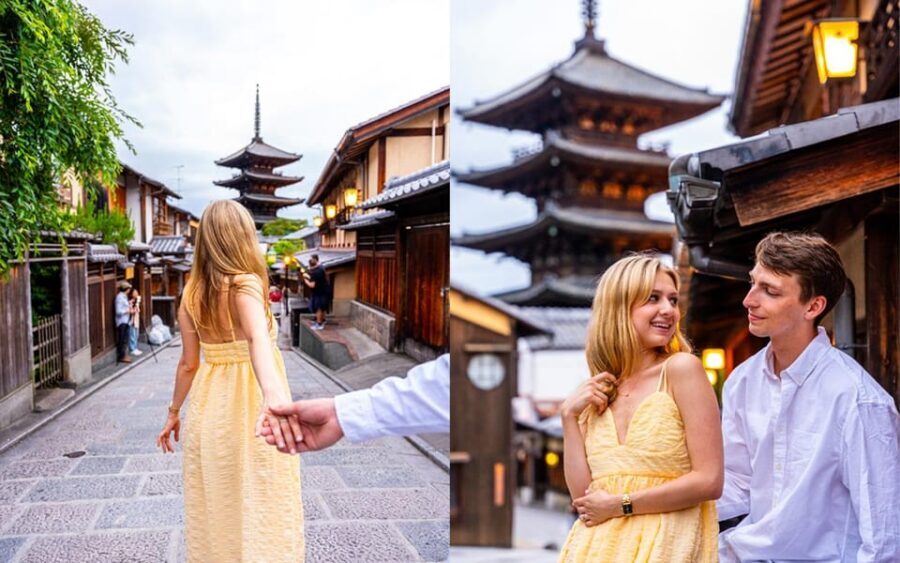
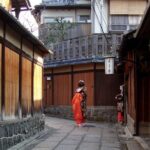
Gion also adds the cultural context. You learn about Gion and geisha, and how Zen traditions connect to the broader cultural story of Kyoto. The guide doesn’t just name things; they give you a framework for understanding what you’re seeing. In guides I’ve seen leading the tour—Woohee, Tobu, and Karin—the common strength is clear cultural explanation and practical suggestions for what to explore on your own afterward.
One practical note: the tour includes entry to Kennin-ji, so you don’t need to hunt tickets mid-day.
Nanzen-ji (and Heian Shrine): Temple Time With Real Atmosphere
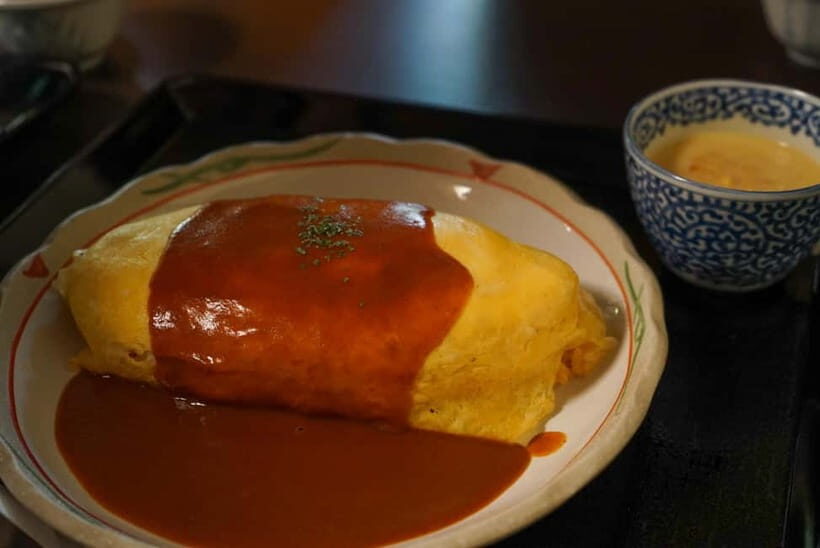
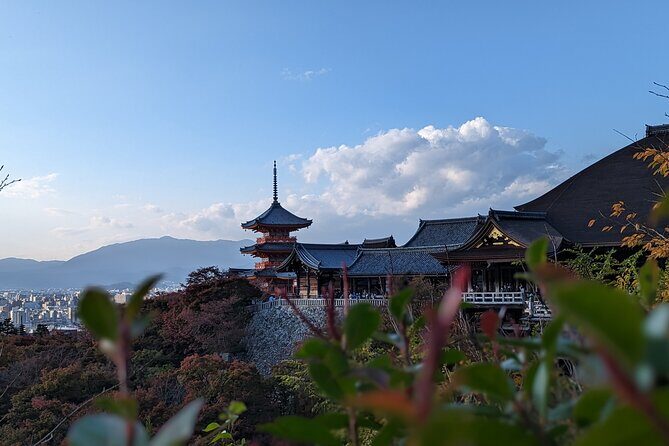
Next up is Nanzen-ji, with a long enough visit to actually walk, pause, and take in the feel of the grounds rather than speed-watching. The tour also weaves in insights about Zen and Kyoto in earlier times—useful because Kyoto isn’t just one era. It’s layers.
You also stop at Heian Shrine for a shorter visit. Even if you treat it as a breather on the ride, it helps keep the day balanced. You get both heavyweight temple focus and a lighter stop that breaks up long walking patches.
Photogenic moments matter here, too. The experience includes time for you to take photos and look around at temple highlights, not only move from point A to point B.
You can also read our reviews of more historical tours in Kyoto
Lunch in a Traditional Japanese House: Soba, Matcha, Mochi, and Yatsuhashi
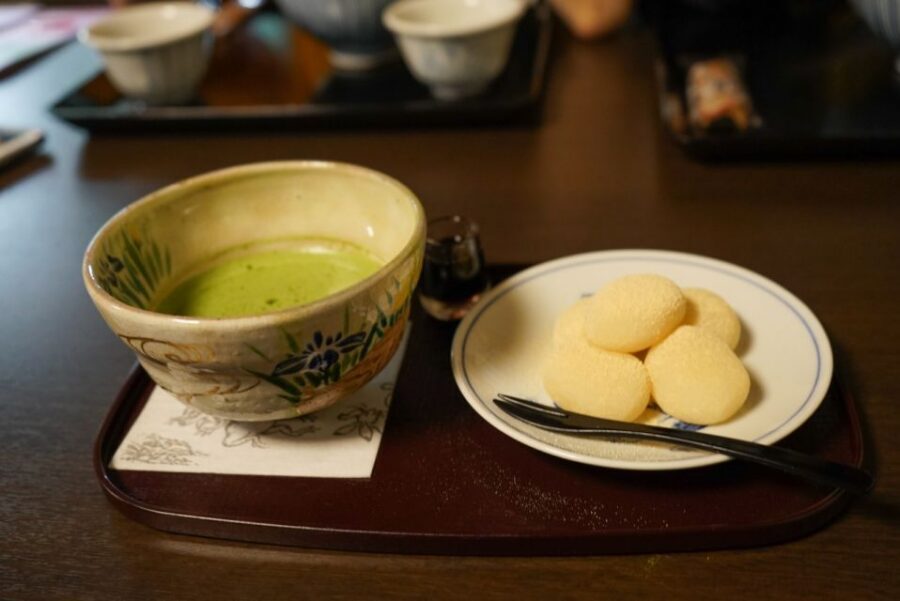
If you’re choosing between a tour that’s “mostly cycling” and one that actually feeds you well, this one wins. Lunch happens at a traditional-style Japanese place, and it’s part of the tour price.
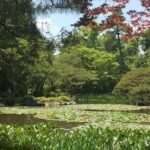
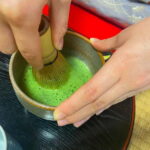
What you can expect: soba dishes, and desserts like matcha and mochi. There’s also time to check out a Japanese garden and a souvenir shop next door where you can try sweets like yatsuhashi.
Diet note for you: vegetable/vegan lunch is available, but fish stock is still used. That’s a big detail. If you’re strictly avoiding fish-based ingredients (or you have a serious allergy), you need to be extra careful.
They ask that you inform them at least one day in advance about dietary requests or allergies. Requests made on the tour day can’t be accommodated, and they can’t guarantee allergy-free meals because the food is prepared in kitchens they don’t control. In other words: don’t treat this as a last-minute fix.
Also, drinks aren’t included. So if you tend to get thirsty on bike days, plan ahead.
The Bike Setup at KYOTO ECO TRIP: What You Get Before You Ride
Bikes are handled for you. The tour includes rental bikes plus a helmet and bike lock. There’s also bike insurance included (bodily injury liability insurance).
At some point, you also visit the Rental Bicycle KYOTO ECO TRIP Flagship shop for a guided portion. This matters because you can ask quick questions about the bike and how to handle the route. Even if you’re an experienced rider, it’s nice not to start the day guessing.
And here’s an important reassurance: the tour isn’t only for race-ready cyclists. It’s designed for people who can comfortably ride, even if you’re not a hardcore biker.
Cycling in Kyoto: The Rules That Keep You Safe
Kyoto riding rules are not suggestions. They’re laws you’ll feel. The tour specifically notes:
- No alcohol while cycling.
- No smartphone use while cycling. You can use a smartphone only when the bicycle is stopped.
- Headphones aren’t allowed.
- You must follow traffic rules as instructed by your guide.
If you’ve ever gotten lazy with phone use while walking, think of that habit as a trap. Even if you’re careful, it’s still considered prohibited while moving. So for your comfort and your tour’s flow, keep your phone put away until you stop.
The other safety factor is weather. The tour might be cancelled if conditions are unsafe. That’s not a dealbreaker; it’s the responsible approach for a city-day that includes road cycling.
Price and Value: Does $96 Add Up in Kyoto?
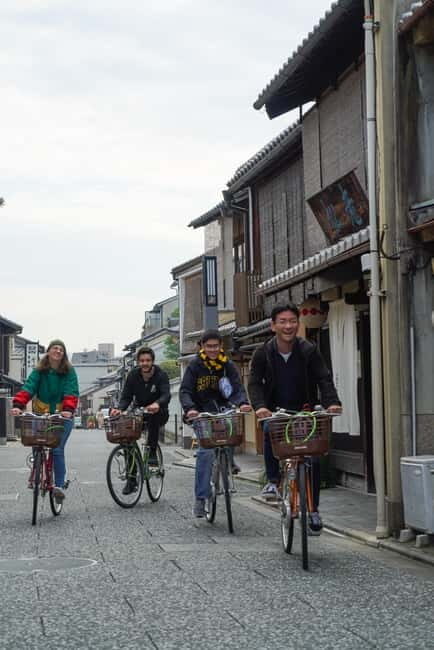
At $96 per person for about 270 minutes, the value is strongest when you compare what you’d otherwise piece together.
You’re paying for:
- Bike rental plus helmet and bike lock
- Entrance fee to Kennin-ji
- Lunch (with vegetable/vegan available, but fish stock still used)
- Tour photos
- Guided English tour for a small group (up to 5)
- Bike insurance (bodily injury liability)
The only clear extra costs are additional drinks and food. If you go in knowing lunch is covered and you bring or plan for water, this price feels fair for a day that combines guided temple time with actual transport logistics.
A small-group pace is also a hidden value. When the group is limited, the guide can slow down for questions and make sure you’re lined up at stops.
Who This Tour Fits Best (and Who Should Skip It)
This is a good match if you want to see multiple Kyoto highlights without being stuck in transit lines or doing complicated route planning. You’ll like it if you enjoy:
- Temple and Zen context (not just photos)
- Guided explanations you can carry into future sightseeing
- Easy-to-moderate cycling along calmer areas like the Kamo River
You also don’t need to be a cycling expert, which is rare for “bike tours” that sometimes quietly expect strong skills.
It’s not a fit for:
- Wheelchair users
- Anyone under 150 cm (4 ft 9 in) tall
And if you’re very phone-dependent while moving, this tour’s smartphone rule may annoy you.
My honest take: what makes the experience worth your time
This tour works because it balances three things that Kyoto often makes hard to balance: movement, meaning, and food.
You move by bike in a way that keeps fatigue down, you get context when you hit big spiritual sites, and lunch gives you a real break instead of a quick bite on the sidewalk. The long temple time at Kennin-ji and Nanzen-ji is the heart of the day, and the Kamo River finish keeps it from ending on a sprint.
Just go in knowing it’s not a grab-and-go “tick off 10 places” tour. It’s a ride through Kyoto that’s trying to teach you how the city thinks.
Should You Book It?
I’d book this tour if you’re doing Kyoto for the first time (or the first few days) and you want a guided route that makes sense. Bikes, lunch, and temple entry are included, the group stays small, and the Zen and Gion context turns iconic stops into something you actually understand.
I’d skip it if:
- You can’t handle road cycling or strict smartphone rules
- You have allergies that require allergy-free guarantees (fish stock is part of the standard kitchen reality here)
- Weather issues would make you cancel plans anyway and you hate that uncertainty
If your goal is a thoughtful Kyoto day that still feels fun, this is a solid bet.
FAQ
Where is the meeting point?
You meet in front of a Seven-Eleven convenience store outside Kyoto Station Exit Hachijo guchi, next to Hotel Via Inn Prime. The guide holds a Magical Trip sign.
What time does the tour run?
The duration is about 270 minutes (4.5 hours). Starting times depend on availability.
Is the bike rental included?
Yes. The tour includes a rental bike, along with a helmet and a bike lock.
What’s included in the lunch?
Lunch is included, with vegetable/vegan options available. However, fish stock is still used. Additional drinks and extra food are not included.
Are there any rules about phones or headphones?
Headphones are not allowed. Smartphone use while cycling is strictly prohibited; smartphone use is allowed only when the bicycle is stopped.
Do I need to pay entrance fees?
The entrance fee to Kennin-ji is included. No separate payment for that stop is needed.
Can I bring dietary requests or allergies?
You should inform them at least one day before the tour about dietary requests or allergies. Requests made on the tour day cannot be accommodated, and they can’t guarantee allergy-free meals.
Who can join the tour?
Anyone over 150 cm (4 ft 9 in) tall can join. It’s not suitable for wheelchair users. The tour is in English with a live guide, and the group is limited to 5 participants.