REVIEW · BIKE & E-BIKE TOURS
5 Top Highlights of Kyoto Full Day Bike Tour (E-bike option)
Book on Viator →Operated by Kyoto Bike Tour · Bookable on Viator
Kyoto is best when you move like locals. This full-day bike tour links Kyoto’s biggest sights with quieter side streets so you get both wow moments and real neighborhoods.
I especially like the way the day is paced for a small group (max 8). You also get solid value built into the price: bike, helmet, bottled water, a light lunch, snacks, and temple/shrine admission fees.
The main consideration is stamina. It’s a full 7 to 8 hours with moderate physical fitness needed, plus some walking at stops—so plan for a long day in the heat and sun.
In This Review
- Key things to know before you pedal Kyoto
- Why bike Kyoto’s icons beats buses and taxis
- E-bike vs traditional bike: what to choose for a 7–8 hour day
- Where your Kyoto day starts (Saga-Arashiyama) and how the route flows
- Stop 1: Bamboo Forest Street and Japan’s famous soundscape
- Stop 2: Fushimi Inari-taisha and the red torii tunnel photos
- Stop 3: Gion and the geisha district atmosphere
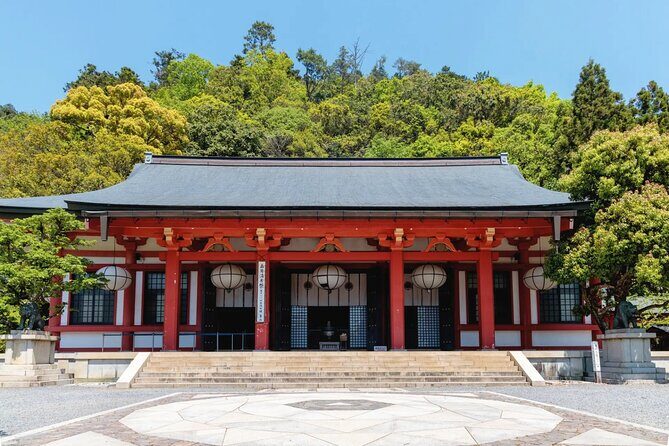
- Stop 4: Kiyomizu-dera for the iconic city views
- Stop 5: Kinkakuji (Golden Pavilion) in a tight 30 minutes
- Included value: what you actually get for $172.44
- The ride itself: distance, pacing, and “moderate fitness”
- A small gear checklist I’d follow
- How the guide makes the difference in Kyoto
- Who should book this Kyoto bike day (and who should skip it)
- Should you book the 5 Top Highlights of Kyoto Full Day Bike Tour?
- FAQ
- How long is the Kyoto full day bike tour?
- Where does the tour start and end?
- What sights are included?
- Can I ride an e-bike?
- What’s included in the price?
- Is hotel pickup or drop-off included?
- What is the group size?
- What fitness level do I need?
- What’s the cancellation policy and what if weather is bad?
Key things to know before you pedal Kyoto
- Two ride options: traditional bike or an additional-fee e-bike (confirmation required)
- One-day hit list, smart routing: five major attractions plus local streets
- Distance target: up to 27 miles (44 km), with short breaks built in
- All-in basics: bike + helmet + water + light lunch + snacks + admission fees
- Small-group feel: personalized attention with a max of 8 people
Why bike Kyoto’s icons beats buses and taxis

Kyoto’s famous sights are scattered. If you try to connect them by bus or taxi, you spend a lot of time stuck in traffic and lines, and you lose the in-between moments that make the city feel like a city.
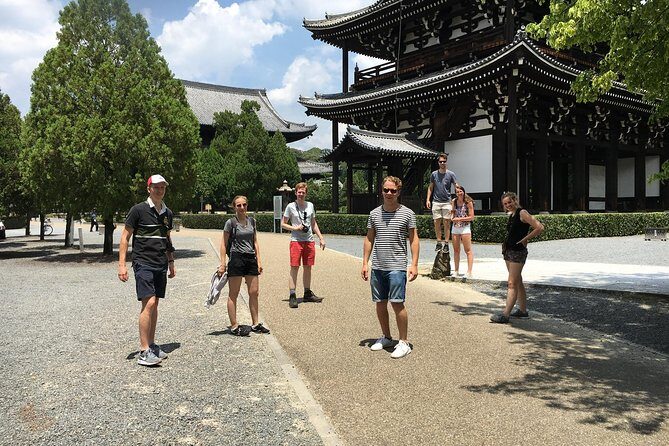
Cycling changes the whole rhythm. You get quick access to major landmarks—Kinkakuji (the Golden Pavilion), Kiyomizu-dera, and Fushimi Inari—and you also pass through stretches where daily life continues: residential lanes, riverside paths, and neighborhood streets with less chaos. That mix is the point.
The small-group setup matters too. With a maximum of 8 people, you’re not just being carried from stop to stop. Your guide can slow down for questions, adjust the pace, and keep everyone together without turning the day into a sprint.
You can also read our reviews of more cycling tours in Kyoto

E-bike vs traditional bike: what to choose for a 7–8 hour day
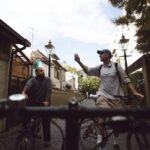
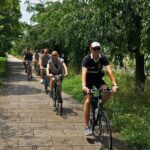
This tour offers a choice: ride a traditional bike or upgrade to an e-bike. The e-bike is extra and needs confirmation, but it’s a big deal if you want to enjoy Kyoto instead of white-knuckling every incline.
The distance can reach 27 miles (44 km) in a full day. Even if you’re active, the real challenge is that biking and walking both happen. You’re not just sitting on a bike looking at things; you’ll get off to explore each highlight.
Here’s the simple way to decide:
- Choose traditional bike if you’re comfortable riding for hours and don’t mind some uphill effort.
- Choose the e-bike if you want to stay social, take photos without arriving drenched in sweat, or you’re planning for older knees and calves.
One useful note from past experiences: even riders who didn’t start with e-bikes sometimes still found it manageable. But if you’re on the fence, the e-bike option often feels like the difference between a workout day and a sightseeing day.
Where your Kyoto day starts (Saga-Arashiyama) and how the route flows
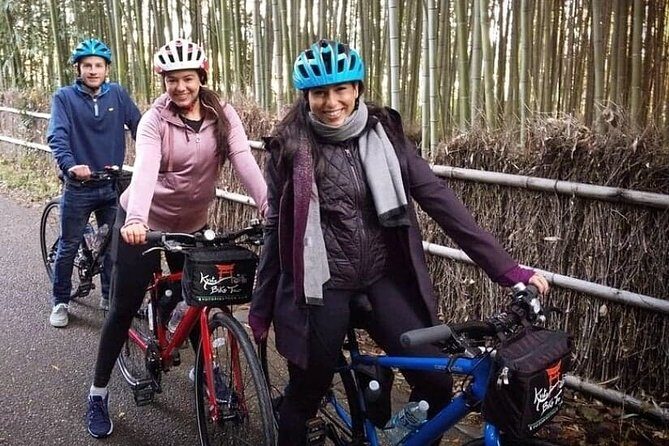
You meet at Saga-Arashiyama Station (11-1 Sagatenryūji Kurumamichichō, Ukyo Ward, Kyoto). The start time is 8:30 am, and you ride until roughly 7 to 8 hours later, returning back to the meeting point.
Starting in the morning is not a luxury here—it’s strategy. Kyoto gets crowded fast, and earlier hours make it easier to enjoy the big names without feeling like you’re constantly shoulder-checking your way through.
Also, there’s no hotel pick-up or drop-off. You’ll need to get yourself to the station on your own (public transportation is close by).
The tour ends where it began. That’s practical: no last-mile scramble, no guessing where you’ll end up when your legs are negotiating a ceasefire.
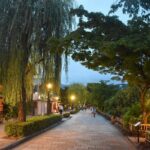
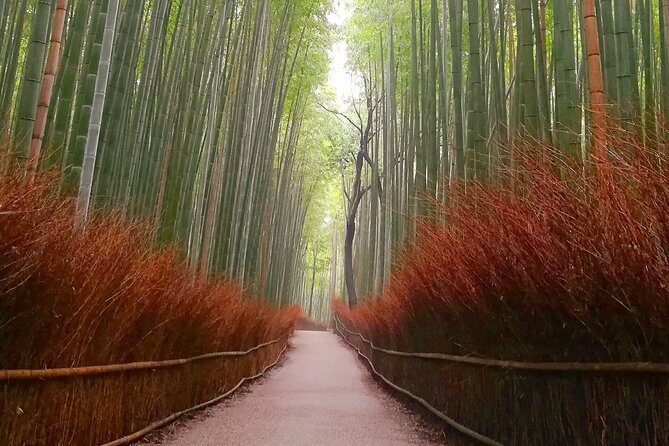
Stop 1: Bamboo Forest Street and Japan’s famous soundscape
Your first stop is Bamboo Forest Street, with about 20 minutes there and admission included.
This is one of those Kyoto places where the sensory details do the heavy lifting. The bamboo isn’t just scenery. You’ll notice the way sound changes around the stalks, plus the way light filters through the grove. It’s early in the day, so you’re more likely to experience it at a slower pace than if you hit it later.
Practical tip: use this time to settle into the day. Stand, listen, take your first photos, and take a few minutes to stretch your legs before you start climbing toward the next crowds.
What could slow you down: bamboo areas can be tight for walking and photo angles, so don’t assume you’ll be able to linger in one spot for long.
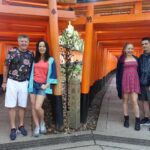
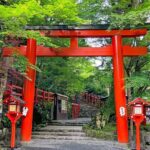
Stop 2: Fushimi Inari-taisha and the red torii tunnel photos
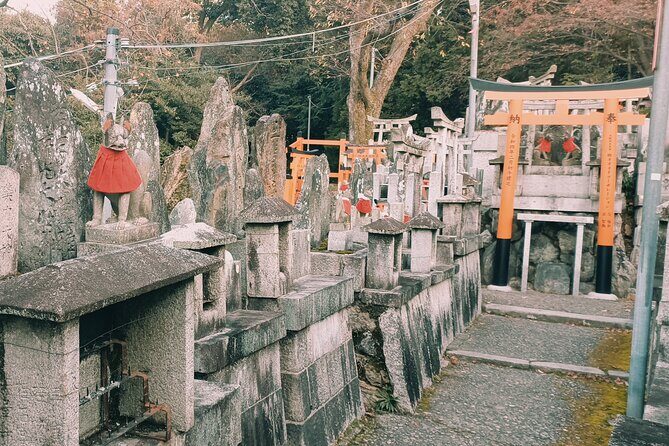
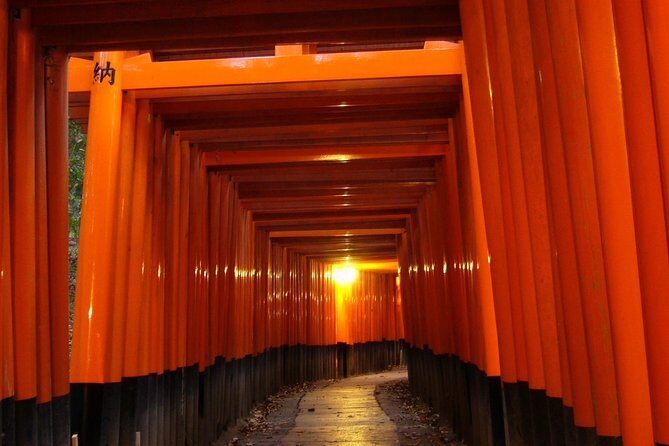
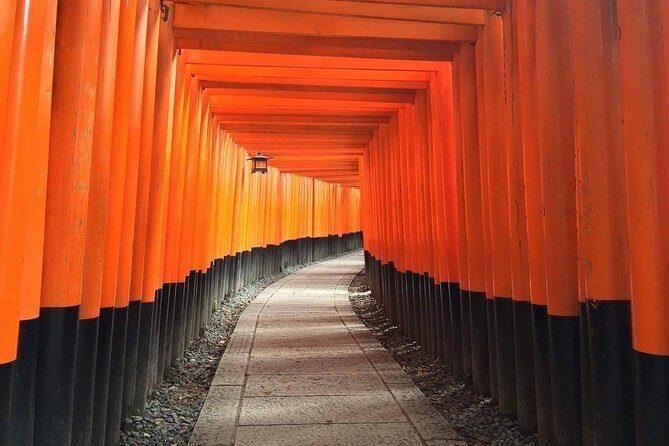
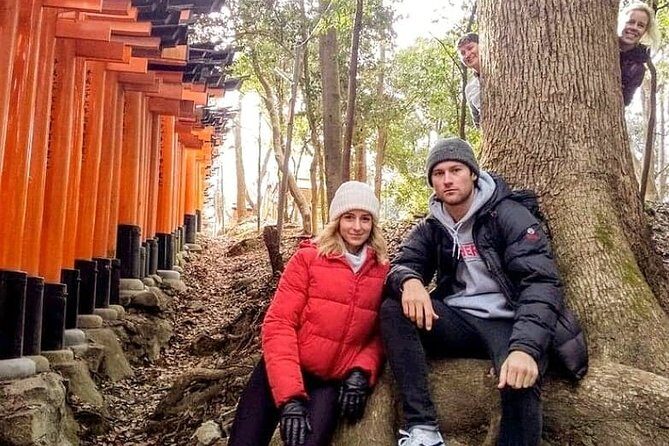
Next up is Fushimi Inari-taisha, with around 30 minutes on site (admission included).
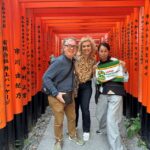
The signature experience is the long path through the red torii gates. It’s instantly recognizable, but it’s also easy to feel like you’re just passing through if you rush. With a limited time window, you want to aim for a “best viewpoint” plan instead of trying to walk every step.
What I like about this stop in a guided bike format: you’re not wasting time figuring out logistics or getting stuck in transit. You go straight there, take in the torii corridor, and you still have energy left for the rest of the day.
Possible drawback: 30 minutes sounds short (because it is), so if you’re hoping to do a long, deep walk up the hill, you may not finish everything. This stop is best for the iconic experience and smart photo spots.
You can also read our reviews of more tours and experiences in Kyoto
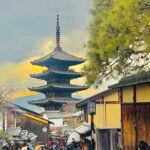
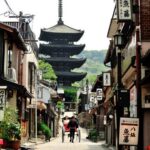
Stop 3: Gion and the geisha district atmosphere
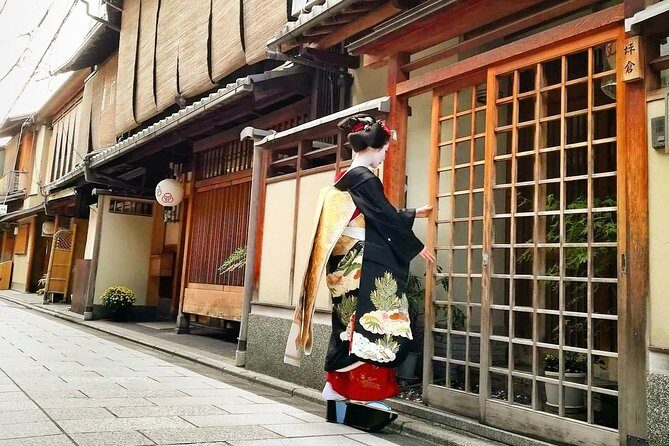
Your third stop is Gion, with about 20 minutes there and admission included.
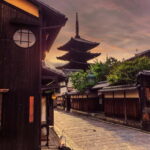
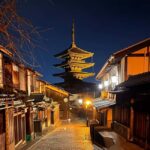
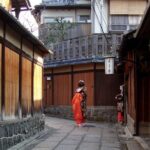
Gion is one of those Kyoto neighborhoods where the vibe hits you before you can explain it. Traditional streets, careful storefronts, and the kind of history you feel in the layout—especially when you’re moving on foot and slowing down after riding.
With a short stop like this, your goal should be texture over checklist. Look for the small details: street rhythm, wooden facades, and the way pedestrians move through the lanes. If you care about photography, this is also a great chance to reset your camera settings after the darker bamboo and red torii.
Watch-out: this area can be busy, and time is tight. You’ll get a feel for Gion rather than an all-evening stroll.
Stop 4: Kiyomizu-dera for the iconic city views
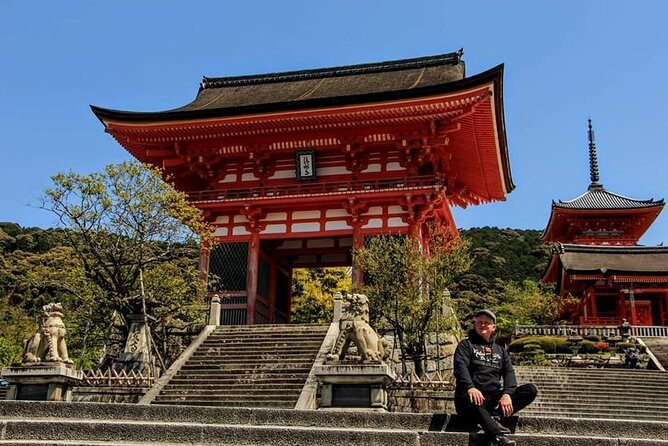
Then comes Kiyomizu-dera, the big one. You get about 1 hour here, with admission included.
This is the stop people remember from Kyoto. It’s not just the temple buildings; it’s the layout and the view angles. Even if you’ve seen photos online, being there in person gives you scale—Kyoto’s hills and rooftops make the city feel real.
One of the smartest things about having a guide for this: they can help you make sense of what you’re seeing and how to time your walking paths. In a full-day bike setup, you’re also less likely to waste time hunting for entry points or lingering too long in the wrong area.
Potential drawback: plan for walking. Temple areas have steps and uneven surfaces. If it’s hot, you’ll feel it more than you expect.
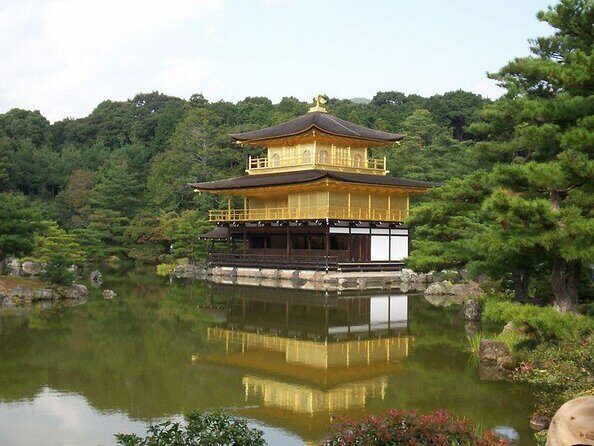
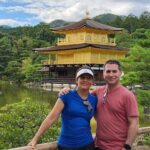
Stop 5: Kinkakuji (Golden Pavilion) in a tight 30 minutes
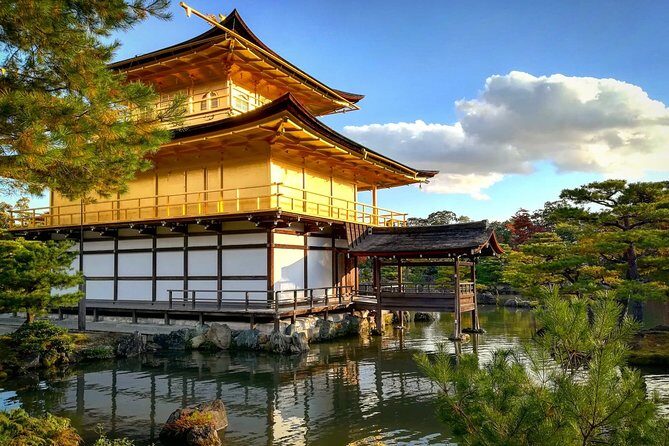
Your final major stop is Kinkakuji Temple, with about 30 minutes there and admission included.
The Golden Pavilion is famous for a reason. When the light hits just right, the whole scene looks like it’s made for postcards. But 30 minutes works best if you treat it like a focused photo-and-stroll stop rather than a slow museum hour.
What makes the bike format valuable here: you arrive with enough energy left to enjoy the pavilion, but you’re not trapped there longer than you need. You finish the last stop and still make it back without the stress of figuring out transportation.
What to watch: if you’re sensitive to crowds, arrive with a plan for where you want to stand for photos. This is a popular place, so angles change quickly as people flow through.
Included value: what you actually get for $172.44
At $172.44 per person, this tour is priced like a “serious day out,” but the math makes sense if you compare it to paying entrance fees and arranging bikes separately.
What’s included:
- Bicycle + helmet
- Bottled water
- Light lunch
- Snacks
- Admission fees for the scheduled stops
- A native English-speaking bilingual guide
That matters more than it sounds. Entrance fees plus food plus bike rental is where your day quietly adds up on your own. Here, you don’t have to budget on the fly or chase separate receipts.
Also, the guide is the multiplier. In past days, guides like Cass, Rob, Peter, Ray, and Kes have been praised for making people feel safe, explaining culture clearly, and sharing practical route decisions. Some also acted like unofficial photographers, helping with photo timing and angles.
The ride itself: distance, pacing, and “moderate fitness”
You can cover up to 27 miles (44 km) across the day. That sounds like a lot until you remember it’s spread out with stops and time off the bike.
The tour is listed for people with moderate physical fitness and a minimum age of 16. In real life, that usually means you should be comfortable riding long enough to feel warm, plus walking around temple and shrine areas.
If you’re a novice cyclist, you’ll still have a good shot. Multiple guides in past outings were described as patient and safety-focused. Helmets are provided, and you’ll have bottled water on hand, which is a lifesaver when Kyoto sun shows up.
A small gear checklist I’d follow
This tour includes key basics, but you should still bring your own essentials:
- sunscreen
- water-resistant shoes (if you have them)
- a light layer for shade
- phone charged enough for photos
And yes, weather can change fast. In one experience, torrential rain hit late in the day and the guide found shelter and waited until it was safe to ride again. So keep an eye on skies even if the morning looks perfect.
How the guide makes the difference in Kyoto
Kyoto is full of places where the “meaning” isn’t obvious unless someone explains it. This tour’s guide brings that context, and it’s not just dates and facts.
The best part is how your guide connects the dots between stops. They help you see why a shrine gate matters, what the streets of Gion are about, and how Kiyomizu-dera’s viewpoint fits Kyoto’s geography.
Guides have also been credited with:
- guiding people safely around traffic and pedestrians
- finding better photo spots
- helping the group manage heat and pacing
- adding local context beyond the big monuments
Names that come up again and again in past departures include Rob, Cass, Peter, Ray, and Kes. Even if you don’t know them before you meet, the pattern is clear: safety and clarity are treated as part of the service, not an afterthought.
Who should book this Kyoto bike day (and who should skip it)
This tour is a great fit if you want:
- a fast, high-impact Kyoto day without spending hours on transit
- a mix of top highlights and calmer streets
- a guide to handle pacing and explanations
- an easy way to cover a lot of distance without renting multiple transport pieces
It’s also a smart choice if you like active travel, because the day naturally includes both riding and walking.
You might want to skip it if:
- you hate the idea of spending 7 to 8 hours moving
- you’re dealing with mobility limits that make temple steps difficult
- you expect a fully relaxing day with minimal physical effort
Should you book the 5 Top Highlights of Kyoto Full Day Bike Tour?
Book it if you want to maximize Kyoto in one day and you’re okay with a real active schedule. The value is strong because it bundles bikes, helmets, lunch, snacks, water, and admission fees into one price, and it starts early from Saga-Arashiyama Station with a tight plan through Bamboo Forest Street, Fushimi Inari, Gion, Kiyomizu-dera, and Kinkakuji.
Skip it if you want a low-effort day or if you don’t think you can handle moderate fitness demands. In that case, an easier sightseeing plan might suit you better.
FAQ
How long is the Kyoto full day bike tour?
The tour runs about 7 to 8 hours.
Where does the tour start and end?
It starts at Saga-Arashiyama Station (11-1 Sagatenryūji Kurumamichichō, Ukyo Ward, Kyoto, 616-8373, Japan) at 8:30 am, and it ends back at the meeting point.
What sights are included?
The tour includes Bamboo Forest Street, Fushimi Inari-taisha Shrine, Gion, Kiyomizu-dera Temple, and Kinkakuji Temple.
Can I ride an e-bike?
Yes, you can choose an e-bike option, but it’s not included in the base price. It has an additional fee and confirmation is required.
What’s included in the price?
Included are the bicycle, helmet, bottled water, admission fees, a light lunch, snacks, and a native English speaking bilingual guide.
Is hotel pickup or drop-off included?
No. Hotel pickup or drop-off is not included.
What is the group size?
The tour has a maximum of 8 travelers.
What fitness level do I need?
The tour requires moderate physical fitness, since it includes biking and walking throughout the day.
What’s the cancellation policy and what if weather is bad?
You can cancel for free up to 24 hours in advance for a full refund. The experience requires good weather, and if it’s canceled due to poor weather, you’ll be offered a different date or a full refund.