REVIEW · BREWERIES
Japanese Sake Breweries Tour in Kyoto Fushimi
Book on GetYourGuide →Operated by 888TOURS · Bookable on GetYourGuide
Sake alley in Kyoto is a shortcut to flavor. You’ll walk through the Fushimi sake district with a local guide and sample different types of sake across major producers and specialty stops, including hands-on tastings. I especially like that you get two separate sake tasting sets (not just one) plus a Kyoto beer glass and sake ice cream, so you can actually compare flavors with your tongue.
One thing to keep in mind: this is a walking tour with several indoor stops, so if you’re hoping for nonstop, classroom-style explanations the whole time, pay attention to how your guide leads the day. The price can feel steep if you mainly want deep theory and not much else.
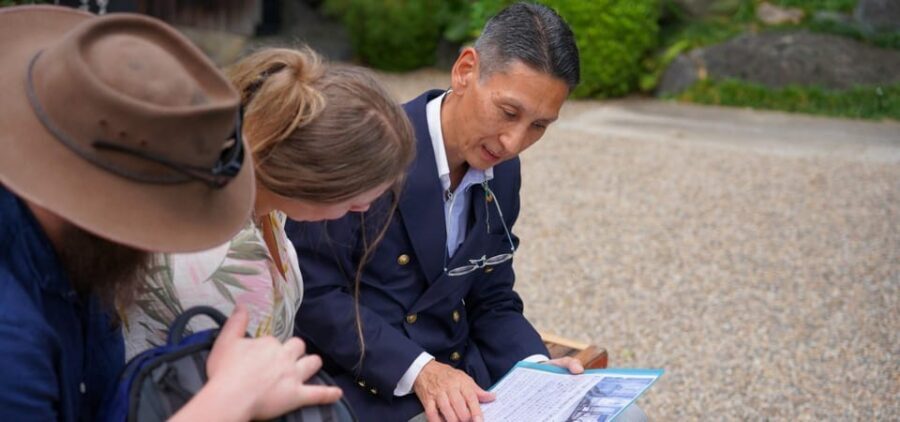
If you get a strong guide, it really clicks. One guide I’d call out is Musaki (Bob), who clearly enjoys the subject and can point you to the small details that make sake make sense, even when the weather is gloomy.
In This Review
- Key takeaways before you go
- Kyoto Fushimi and why this tour starts with real sake culture
- How the 3-hour route flows: from museum rooms to tasting counters
- Gekkeikan Ōkura Sake Museum: where the story gets practical
- Kizakura Kappa Country: quick stop, local flavor, and a beer connection
- Fushimi Saka Gura Kouji: walking the brewery alley feeling
- Fushimi Yume Hyakushu Café: the 17-breweries vibe and a Taisho-period setting
- Ginjo Shubo Aburacho: your final tasting set and what to focus on
- Price and value: where the $80 really goes
- What to watch for with guides (and how to get the most from yours)
- Who should book this Kyoto Fushimi sake tour
- Should you book this Kyoto Fushimi sake breweries tour?
- FAQ
- How long is the Japanese Sake Breweries Tour in Kyoto Fushimi?
- How much does the Kyoto Fushimi sake tour cost?
- Where do I meet the guide?
- What tastings and items are included?
- Is the Jukkokubune boat ride included?
- Can people under 20 join if alcohol is served?
Key takeaways before you go
- Six sake tastings in one afternoon: two tasting sets of three types each, plus a Kyoto beer glass and sake ice cream.
- Gekkeikan’s long timeline: you’ll visit the Gekkeikan Brewery world with roots going back to 1637.
- Fushimi Brewery Alley connections: the area is tied to the Fushimi Sake Brewers Association, supported by 17 breweries.
- You’ll see different “styles” up close: ginjo-focused stops and other producers help you compare aroma and taste.
- Optional boat costs are on you: the Jukkokubune boarding fee is not included (1500 yen at the dock), if your day includes it.
- Alcohol rules are respected: under-20 participants can join, but alcohol isn’t served; juices and non-alcohol options are available.
Kyoto Fushimi and why this tour starts with real sake culture
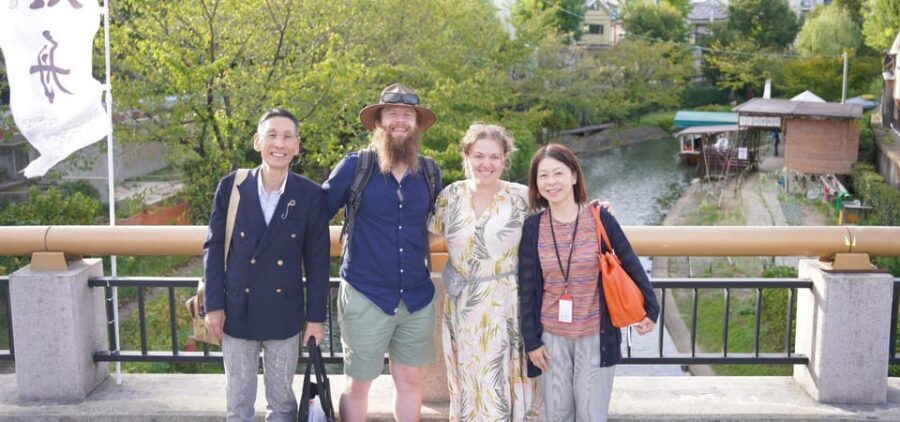
Fushimi is the place in Kyoto where sake stops being an abstract drink and turns into a local craft you can read on the walls. The neighborhood is built around breweries, old warehouses, and the kind of street layout that makes walking feel like part of the tasting. You’re not stuck in a museum room the whole time either: you’ll move between stops in short hops, then land in places where brewing history and current production are both visible.
This matters because sake isn’t one flavor. It’s a family of styles, and it’s hard to understand those differences if you only ever get one sample. This tour is set up to help you compare. You’ll taste multiple types, learn the basics of production along the way, and then do the practical thing: notice what’s sweet, what feels dry, what smells fruity, what tastes more rounded, and what feels sharper.
I also like the way the tour ties sake to Kyoto’s historical layers. Fushimi sits in a bigger story that includes Edo-period commerce routes, rice movement, and the way breweries fit into daily life. That context is useful because it helps you understand why Fushimi became such a top region for sake—not just that it is.
You can also read our reviews of more food & drink experiences in Kyoto
How the 3-hour route flows: from museum rooms to tasting counters
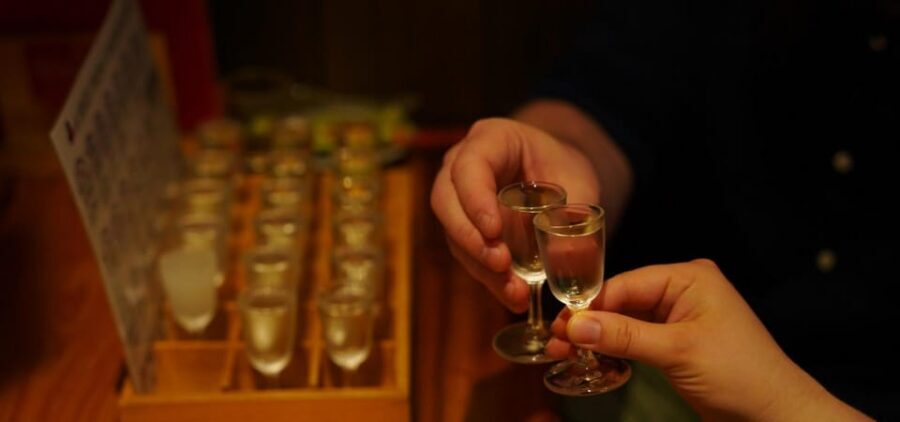
This tour is paced as a loop. You start at 中書島駅 (Nakashijima Station) and then the day alternates between short outdoor walks and guided time inside key stops. Expect roughly 5 minutes of walking between most points, which keeps the pace friendly and reduces “lost time” when you’re trying to keep up with signage, side streets, and train-subway confusion.
The structure works best if you’re the type of traveler who likes variety in one afternoon: a museum visit for grounding, a quick brewery-area stop for atmosphere, and then more tasting-focused sites where you can compare what you just learned.
Here’s what the flow feels like in practice:
- You begin with the Gekkeikan Ōkura Sake Museum guided visit, where you get the foundation.
- You then hit Kizakura Kappa Country, where the tour keeps things moving and connects brewing heritage to beer and local production.
- After that, you walk into Fushimi Saka Gura Kouji, a brewery alley style stop built to show you the district’s character.
- Next is Fushimi Yume Hyakushu Café, which blends history and tasting in a location with big-time backstory.
- You end with Ginjo Shubo Aburacho, where the tasting payoff lands and you finish at 吟醸酒房 油長.
If you’re traveling with friends, this is also a good structure to keep everyone interested. One person might love the tasting part; another might geek out over the museum details. The route doesn’t force everyone into one mood for too long.
Gekkeikan Ōkura Sake Museum: where the story gets practical
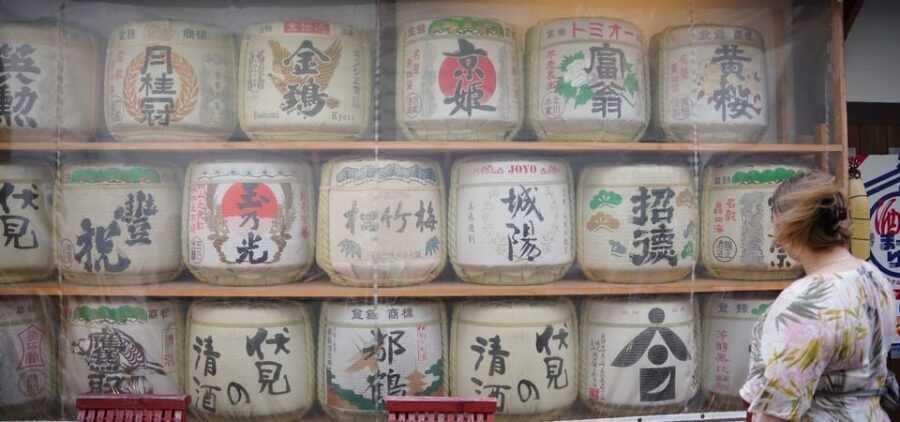
Your first guided stop is the Gekkeikan Ōkura Sake Museum. This is the grounding piece of the afternoon, the “why sake tastes the way it does” portion. You’ll be led through the museum by your guide, which means you’re not just reading display signs on your own.
What I like here is the balance: Gekkeikan is one of Japan’s best-known names, but the museum visit is about understanding production basics and how the brewery’s tradition shaped its approach. The tour’s spotlight on Gekkeikan is also smart because it gives you a reference point. Even if later tastings are from different producers, you can use the first stop as your mental anchor.
Also, you receive a commemorative sake cup tied to the Gekkeikan Brewery. Small souvenir, but it gives you something to connect to the day, and it’s useful if you’re the type who likes to remember a tasting session by a real object.
Kizakura Kappa Country: quick stop, local flavor, and a beer connection
After the museum, you move to Kizakura Kappa Country. This is shorter in guided time, so it’s best thought of as an atmosphere-and-context stop rather than a deep dive. You’re looking for the “local production” vibe and the sense that brewing and fermentation aren’t separate worlds here.
One of the standout details tied to this stop is the reference to Kizakura making the first local beer, plus the chance to sample sake and beer as part of the experience. That’s helpful if you’re new to Japanese drinks. You get to feel how the neighborhood treats fermentation culture as something broader than just sake.
This is also a good point to ask questions about what you’re tasting later. When you’re learning the basics, you’ll get more out of the tastings if you go in with one question in your head, like:
- What kind of aroma should I catch first?
- How does dryness show up on the tongue?
- Does the aftertaste feel clean or heavy?
Fushimi Saka Gura Kouji: walking the brewery alley feeling
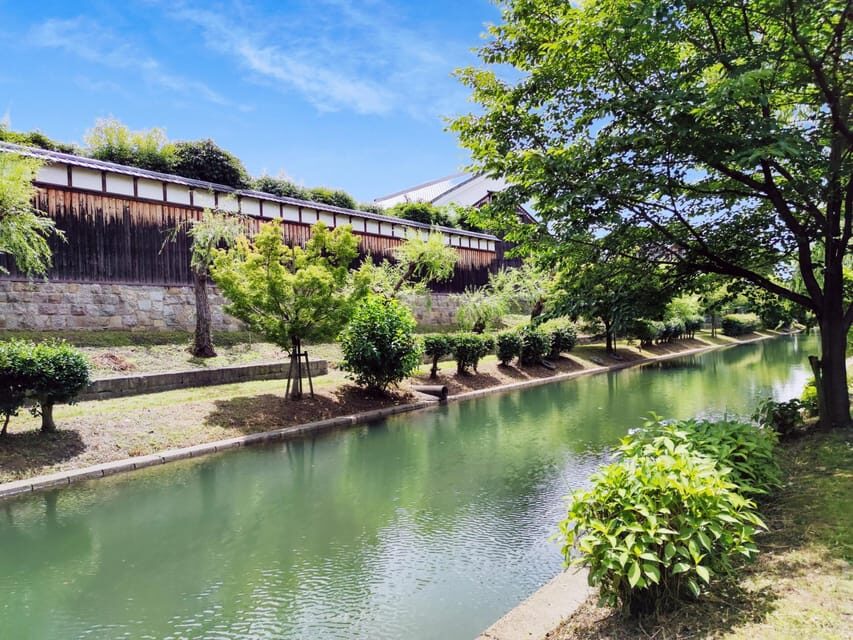
Then comes Fushimi Saka Gura Kouji, where the focus shifts toward the district itself. This stop is guided, so you’re not just sightseeing; you’re getting a sense of why this place has the reputation it does and what made it work historically.
Brewery alleys like this are more than pretty streets. They’re the result of how warehouses, transport, and brewing neighbors clustered together. When you walk, you also get something you can’t get from a single museum exhibit: scale and layout. You start to see how many facilities would have been involved in production and distribution.
The tour description also connects this alley to the Fushimi Sake Brewers Association and notes that the area is supported by 17 breweries. Even without counting buildings yourself, that detail helps you understand why Fushimi feels like a dedicated sake zone rather than a random handful of shops.
If you’re visiting in rain, this kind of stop also helps. It’s not a long outdoor slog, because most walking segments are brief and the day includes multiple indoor guided visits.
You can also read our reviews of more drinking tours in Kyoto


Fushimi Yume Hyakushu Café: the 17-breweries vibe and a Taisho-period setting
Next you’ll reach Fushimi Yume Hyakushu Café, with guided time that gives you space to settle in. This is one of the stops where the tour leans into the district identity more than production mechanics.
Here’s the historical angle that’s worth noting: the tour info ties the location to the former head office of Gekkeikan, built in the Taisho period. That matters because it’s a reminder that breweries weren’t only about fermentation. They were part of business, shipping, and local infrastructure.
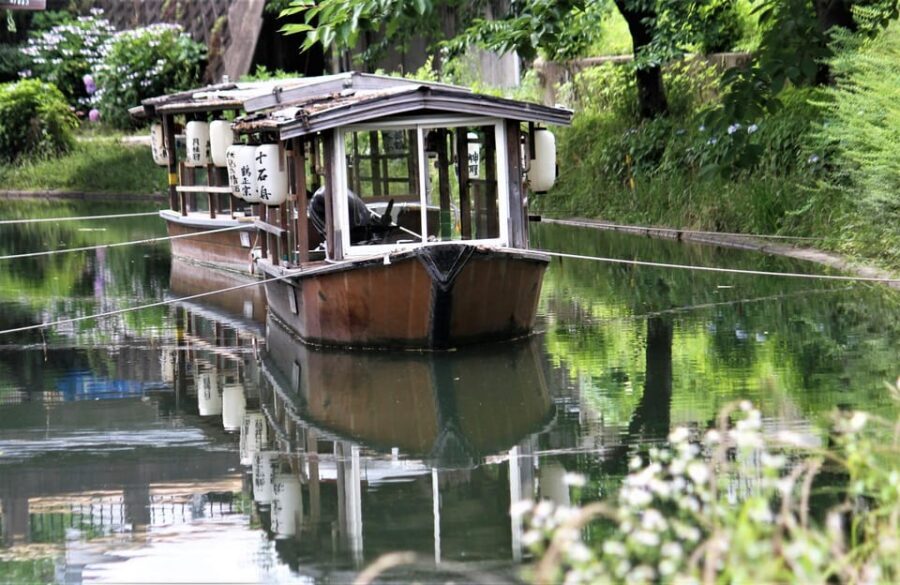
The experience also references a ship role from the Edo period through the end of the Meiji era, describing how logistics connected Fushimi and Osaka while moving people and goods like sake and rice. It’s not a museum lesson in shipbuilding, but it gives you the “how it traveled” context that explains why certain regions became powerhouses.
And yes, this stop includes a snack element in your package: sake ice cream. It’s a fun contrast to alcohol tastings. Even if you’re not sure about sake flavors yet, ice cream helps your brain map sweetness and aroma to something comfortable.
Ginjo Shubo Aburacho: your final tasting set and what to focus on
The last major guided stop is Ginjo Shubo Aburacho, and you finish at 吟醸酒房 油長. This ending is where the tour’s tasting goals usually land, so it’s a good time to slow down mentally.
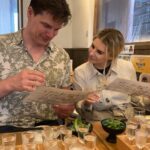
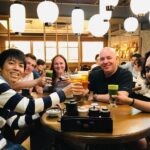
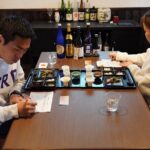
Your included tastings here are a set of three types of Japanese sake. Earlier you also get another set of three types at Gekkeikan, so by the time you reach Aburacho, you’ve already tasted a range. That’s the point. You can start comparing:
- Do some sakes feel more fruity while others feel more dry?
- Does the finish feel clean and light, or heavier?
- Which one tastes best on its own versus with food (even if you’re not pairing on this tour)?
If you’re new to sake, this is where you should trust your own notes. Don’t overthink labels. Taste first, then let the guide’s explanations help you put words to what your tongue already figured out.
Also, the package includes one glass of Kyoto Beer (from Kizakura) earlier, so you’ll have a chance to compare fermentation styles across categories. You don’t need to be a beer expert for that to be interesting; it’s more about seeing how different brewing traditions show up in your glass.
Price and value: where the $80 really goes
At around $80 per person for about 3 hours, the biggest value question is: do you get enough tasting and guidance to justify it?
In your included package, you get:
- Admission to the Gekkeikan Sake Brewery Museum
- A commemorative sake cup
- Kyoto Beer: one glass
- Sake ice cream
- Two sake tasting sets, each with three types (one at Aburacho, one at Gekkeikan)
That’s a lot of “paid experiences” bundled together. If you tried to recreate it on your own, you’d likely spend more time lining up tickets, finding places, and paying for tastings one by one.
Where the value can wobble is if you mainly want lots of detailed explanations at every step. Even when the day is well-led, the schedule is tight: short walks, multiple locations, and tastings that you have to experience in the moment. If you’re the type who learns best from long, uninterrupted talking, you might feel impatient.
So I’d frame it like this: this is a tasting-focused tour with guided context, not a full lecture marathon.
What to watch for with guides (and how to get the most from yours)
The quality of this kind of tour rises and falls with the guide’s energy and explanation style. One guide associated with the experience is Musaki (Bob), who has the background to speak from experience in sake brewing and can connect local points in a way that feels personal. That kind of guide helps you turn “tasting” into real learning.
But there’s a practical caution too: on a group tour, not showing up for a stop or not explaining tastings clearly can make the day feel like movement without meaning. If you’re paying for education as well as drinking, it’s worth doing one simple thing early in the day: set a question with your guide.
For example:
- Ask how to tell the difference in flavor profiles between the sakes you’re about to taste.
- Ask what to pay attention to first: aroma, body, dryness, or finish.
If your guide answers those questions well, you’ll get far more out of the samples. If they keep it general, at least you’ve given yourself a framework for what to look for.
Who should book this Kyoto Fushimi sake tour
This fits best if you want:
- Multiple sake tastings in one afternoon
- A local guide walking you through the Fushimi district
- A balance of museum context and tasting payoff
- A route that includes major names like Gekkeikan and specialty stops tied to ginjo tasting
You’ll also like it if you enjoy learning by doing. The tour doesn’t just hand you information; it asks your tongue to participate.
It may be less ideal if:
- You prefer totally slow pacing and deep explanations with no movement between stops
- You’re sensitive to alcohol tastings as part of the experience (even with options, the day is centered on sake and beer culture)
- You need accessibility accommodations beyond what you typically expect from short walking segments
One more note from the tour rules: it’s not suitable for people over 80.
Should you book this Kyoto Fushimi sake breweries tour?
If you’re new to sake, this is a strong way to start. You’ll get enough tastings to learn your personal preferences without needing to plan tickets, hop between shops, and figure out what’s open. The inclusion of multiple tasting sets, plus beer and sake ice cream, makes it feel like more than a casual stroll for the money.
If you’re already very deep into sake and you mainly want technical detail, you might still enjoy the settings, but you should go in expecting a guided day with practical tastings rather than a long, lab-style breakdown.
My simple decision rule: if you want to leave Fushimi with a few “this tastes like X to me” memories, and you’re happy to walk short distances between guided stops, book it.
FAQ
How long is the Japanese Sake Breweries Tour in Kyoto Fushimi?
The tour lasts about 3 hours.
How much does the Kyoto Fushimi sake tour cost?
It costs $80 per person.
Where do I meet the guide?
Meet just outside the north exit ticket gate at Nakashijima Station, at the sake barrel object. Your guide will be holding a sign with 888. Be careful not to confuse it with JR Sumiyoshi Station, which has a similar name.
What tastings and items are included?
Included items are admission to the Gekkeikan Sake Brewery Museum, a commemorative sake cup, one glass of Kyoto Beer, sake ice cream, and two tasting sets of sake (three types at ABURACYO and three types at Gekkeikan).
Is the Jukkokubune boat ride included?
No. The Jukkokubune boarding fee is not included, and you’re asked to pay 1500 yen at the boat dock.
Can people under 20 join if alcohol is served?
Yes, participants under 20 can join, but drinking alcohol is illegal under Japanese law. The tour states that non-alcoholic options and juices are available.