REVIEW · BIKE & E-BIKE TOURS
Full Day Biking Tour Exploring the Best of Kyoto
Book on Viator →Operated by Cycle Kyoto · Bookable on Viator
Kyoto by bike turns streets into stories. This full-day ride strings together major sights with quieter lanes, using a small-group format and regular guide commentary so you actually understand what you’re seeing, not just snapping photos. You’ll cover more ground than walking and still get that human, stop-by-stop feel of a tour that isn’t racing you.
I love two things most: the Cannondale bike and helmet setup (you get them included, fitted for you at the start), and the fact that lunch plus bottled water are built in. It’s a 7 to 8 hour plan that feels practical because you’re not constantly hunting for food or hauling supplies around.
One possible drawback: this is still a bike day. You need moderate physical fitness, and you should be comfortable riding for sustained stretches, since the time on the saddle adds up even if the route is mostly easy.
In This Review
- Quick highlights
- Price and value: what $119.38 really buys in Kyoto
- Meet Cycle Kyoto and get fitted fast near Kyoto Station
- Why biking works for Kyoto: more sights, less stress than buses
- The route that pairs big icons with calmer corners
- Stop 1: Cycle Kyoto and the bike-fit start
- Stop 2: Nishi Honganji’s huge wooden scale
- Stop 3: Kitano Tenmangu and local shrine life
- Stop 4: Kinkaku-ji (Golden Pavilion) and its built-in break
- The imperial grounds ride segment
- Stop 5: Gion’s geisha district without staying in it too long
- Stop 6: Tofuku-ji Temple and quick bridge views
- Stop 7: Fushimi Inari-taisha and managing the torii crowd
- Lunch and timing: why the included meal matters on an 7–8 hour ride
- Bike comfort: what to expect in real life
- Guides, storytelling, and the small-group advantage
- Who this Kyoto bike tour is for (and who should skip it)
- Should you book this full-day Kyoto biking tour?
- FAQ
- How long is the full-day Kyoto biking tour?
- What’s included in the tour price?
- What sights does the tour visit?
- Is admission included for temple or shrine entry?
- How many people are in a group?
- Do I need any particular fitness level?
- What’s the minimum age to join?
- What should I do about dietary needs?
- Where do I meet the tour?
- What’s the cancellation plan if weather or plans change?
Quick highlights
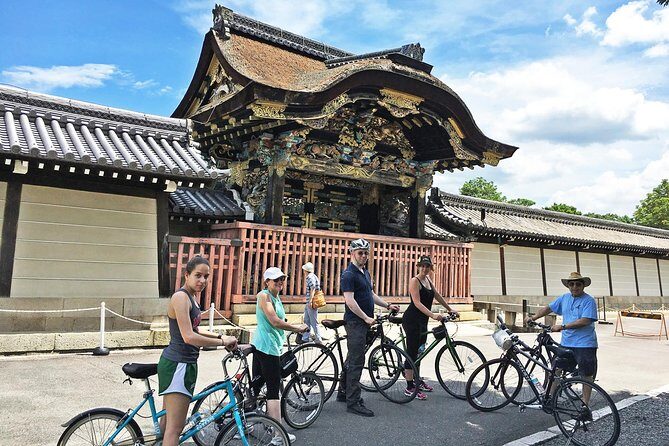
- Max 8 people keeps the group manageable and makes it easier to hear your guide.
- Bike, helmet, water, and lunch included so you can plan your day without surprise costs.
- Iconic stops without the worst crowd pressure, especially around Fushimi Inari.
- A strong mix of Buddhist temples, Shinto shrines, and Gion for variety in one day.
- Real guidance at every major stop, so you know where you’re going and why it matters.
Price and value: what $119.38 really buys in Kyoto
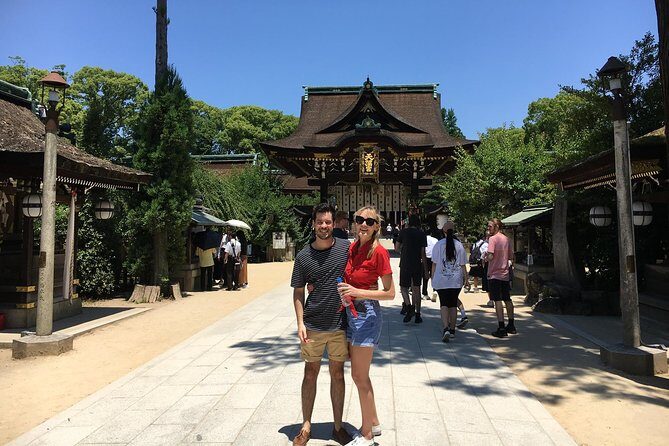
At $119.38 per person, this is priced like a full experience, not just a “rent a bike and go.” You’re getting a quality bike (Cannondale) plus a helmet, and you’re also getting lunch and bottled water. That matters in Kyoto, because a long day of transit, entry fees, and meals can add up fast.
The other value piece is time. A full day covering Kinkaku-ji (Golden Pavilion), Gion, and Fushimi Inari is a lot for one outing. Add the stops that sit a bit off the main crush—like Nishi Honganji and Tofuku-ji—and you get a plan that feels more like seeing Kyoto “in layers” than checking boxes.
Is it perfect value for everyone? Not necessarily. If you’re the kind of traveler who wants maximum freedom to linger at one place for hours, a structured day can feel like you’re moving before you’re ready. But if you want a smart overview with the hard parts (crowds, navigation, timing) handled for you, this price starts to look fair.
You can also read our reviews of more cycling tours in Kyoto
Meet Cycle Kyoto and get fitted fast near Kyoto Station
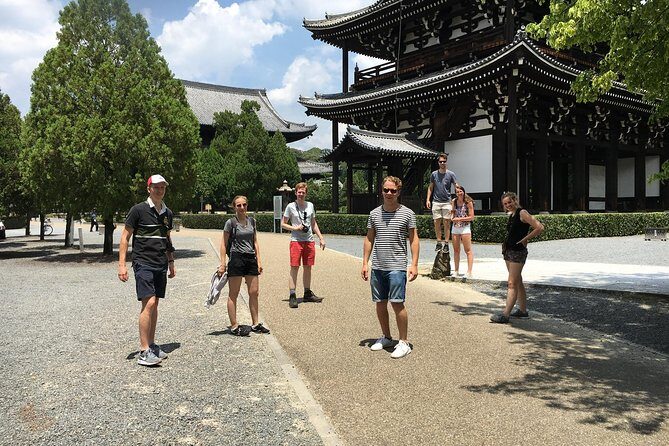
The day starts at Cycle Kyoto, located in Minami Ward near Kyoto Station (it’s close to public transportation). You meet your guide, meet the other riders, then get your bike fitted and ready to go.
This setup is more important than it sounds. A comfortable fit changes everything once the route stretches into late afternoon. The tour uses high-quality bikes and provides helmets, so you’re not dealing with bargain rentals or figuring out helmet sizes yourself.
From what I can tell, the shop also acts like a reset point—think of it as a place where the day’s pace gets explained before you roll out. That’s a big help if you’re new to cycling in Japan’s city streets.
Why biking works for Kyoto: more sights, less stress than buses
Kyoto has the “sounds easy on paper” problem. It’s packed with major attractions, but many of them are separated by neighborhoods that aren’t ideal for quick walking hops. The bike solves that.
Most riders find the route manageable, and the tour is built around smaller roads rather than turning the whole day into traffic-and-lights stress. You get the mobility advantage of a bike—more ground than walking—while still getting a human-guided plan that beats the chaos of trying to stitch together a perfect day on your own.
You also get a better feel for Kyoto because you’re moving through everyday streets, not just arriving at sights like scenes in a video. Even the brief ride segments help you connect the geography. It’s one of those “you understand the city after” days.
And yes, you’ll sweat a little depending on the season. But that’s part of the bargain: exercise with sightseeing. You’re not just transported; you’re active.
The route that pairs big icons with calmer corners
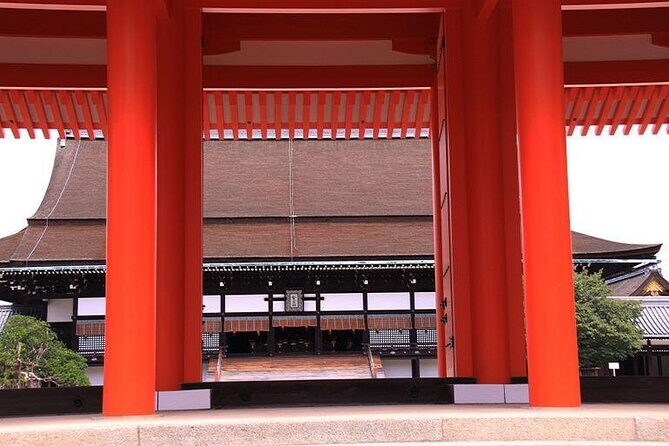
The itinerary is designed like a story arc: you start with Buddhist landmarks, head into shrine atmosphere, hit the Golden Pavilion, then shift into culture streets in Gion and finish with one of Kyoto’s biggest crowds—handled with a smarter plan.
The pacing also tries to stay fair. Stops range from quick bursts (about 5 to 15 minutes) to a longer viewpoint-style stop (about 20 to 30 minutes). That’s ideal for first-timers who want an overview, and it helps the whole group stay together.
One more practical detail: if you’re the type who carries a backpack, plan for it. There’s no mention that you can stash a large bag on the bike. In fact, one rider noted the bike only has a small front pouch, so you may need to keep your day bag with you. On a long day, that matters for comfort.
Stop 1: Cycle Kyoto and the bike-fit start
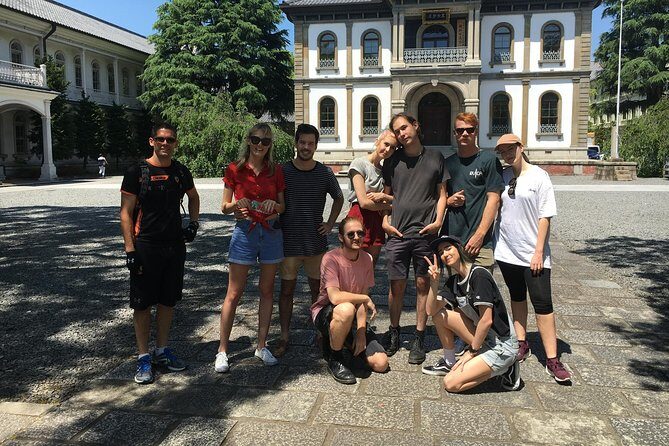
The first stop isn’t a landmark, but it’s where the success of the day is decided. You start at Cycle Kyoto, where your guide helps you get settled, fitted, and oriented. This is the moment to speak up if something feels off—seat height, handlebar comfort, or how your helmet sits.
This is also where the tone of the tour gets set: small-group, guided, and paced for steady progress without sprinting between places.
If you’re even slightly nervous about riding, tell your guide before you leave the shop. That way, you can get attention early rather than trying to fix things after the group has already moved.
You can also read our reviews of more tours and experiences in Kyoto
Stop 2: Nishi Honganji’s huge wooden scale
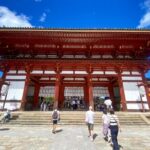
Next up is Nishi Honganji, described as one of the least visited religious sites in the city and also one of the largest wooden buildings in the world. That combination is a rare win: you get a major structural presence without the same level of crowd pressure you might feel at Kyoto’s headline attractions.
Because the stop is short—about 15 minutes—you’ll want to treat it like a quick orientation visit: look, listen, and note details you can later revisit. A guided stop helps here, because it’s easy to walk past architecture and miss why it’s impressive.
Possible drawback: if you prefer long temple wandering sessions, this one may feel too brief. But it’s also part of why the day stays packed with variety.
Stop 3: Kitano Tenmangu and local shrine life
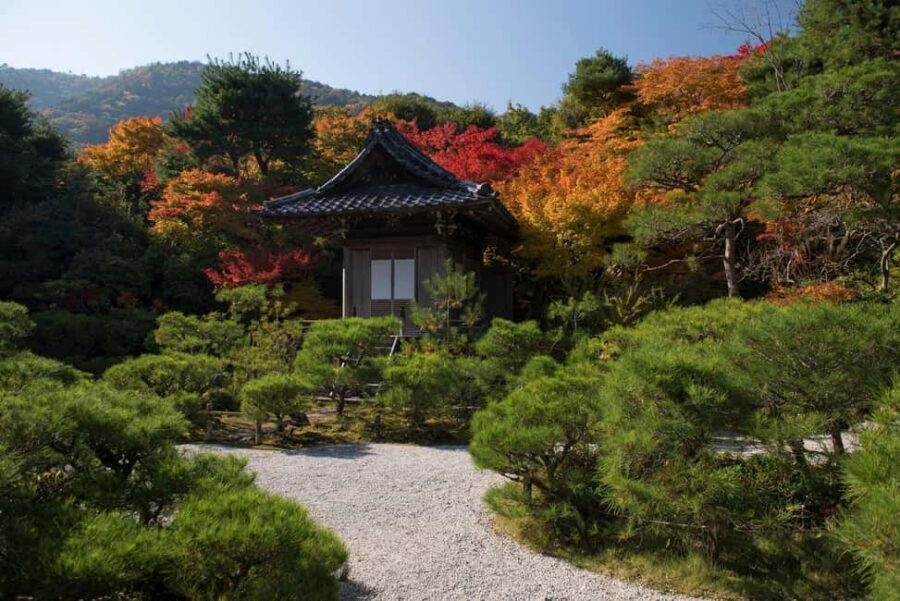
Then comes Kitano Tenmangu Shrine. This stop has a different feel than big-ticket sights. You join local shrine goers, you learn about the shrine’s past, and you get a calmer mood.
At about 20 minutes, it gives you room to slow down and pay attention. The best use of this stop is to watch how people behave—how they move, how they participate—because that’s often where the cultural lesson lands.
If you’re someone who hates crowd crush, this is a good early “breather” before the day turns into iconic Kyoto mode.
Stop 4: Kinkaku-ji (Golden Pavilion) and its built-in break
Kinkaku-ji Temple, the Golden Pavilion, is the star here. Admission is included, and you get about 30 minutes. That’s enough time to see the pavilion, take in the setting, and still have breathing room.
There’s even a small comfort bonus: grab an ice cream and relax. It sounds minor, but on a long bike day, tiny pauses keep your energy steady.
One practical note: Kinkaku-ji is one of Japan’s most visited attractions, so crowd levels can be intense. The stop duration helps, and guidance helps you avoid wasting time wandering in the wrong directions.
While the pavilion is the headline, the real value is learning how this scene fits into the broader Kyoto story you’re building across the day.
The imperial grounds ride segment
Between major stops, you’ll also ride through the grounds of the former seat of Japan’s imperial family and learn about its past. Even if you only get brief time at any single place, these ride-and-learn segments are useful because they connect the dots. They turn “Kyoto sightseeing” into an actual geography lesson.
Stop 5: Gion’s geisha district without staying in it too long
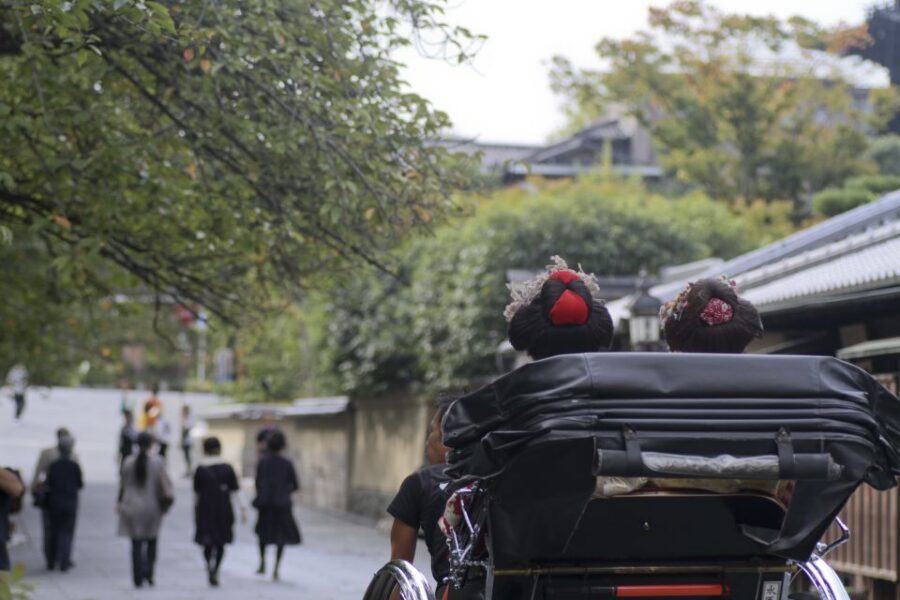
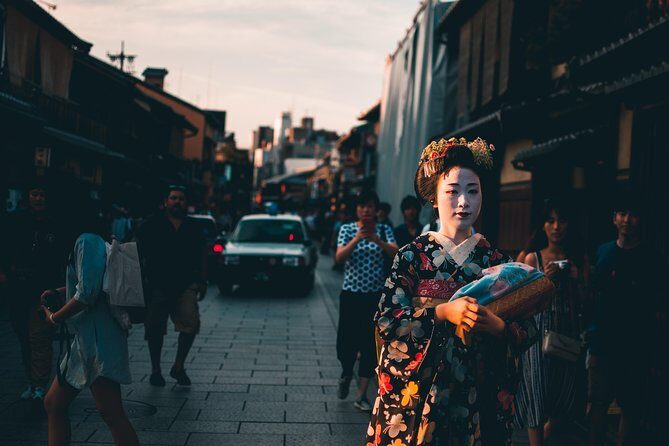
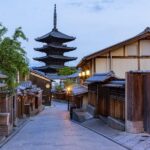
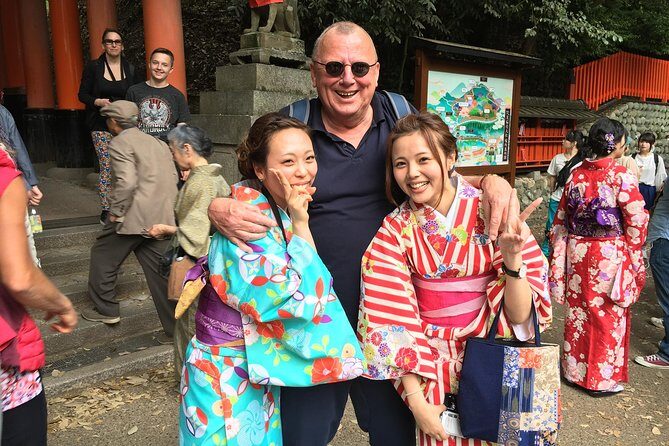
Next is Gion, Kyoto’s famous geisha district. You get about 15 minutes to discover it and maybe catch a glimpse of entertainers. This is one of those stops where you can either get lost in the tourist scene or get something more human—your guide’s direction makes a difference.
At this point in the day, Gion can feel like a “pretty street maze.” A short guided stop prevents you from spending the entire time stuck in the densest lanes. It also gives you a chance to look at details—architecture, street layout, the rhythm of people moving—without forcing you to linger.
Possible drawback: if you came specifically for Gion and want a long photo session, 15 minutes may feel rushed. But it’s a solid primer that helps you decide if you want to return later under your own schedule.
Stop 6: Tofuku-ji Temple and quick bridge views
Tofuku-ji Temple is next, and the timing is short—about 5 minutes. That sounds too quick until you realize what it’s built for: quick, high-impact views.
You’ll swing by and enjoy stunning views from the bridge while admiring the spacious surroundings of one of the oldest and largest Zen temples in the country. A bridge viewpoint is a smart way to see a lot fast. It’s the kind of stop that works even on a tired day because it doesn’t require endless walking.
If you’re the type who likes slow, long temple exploration, you’ll probably want to revisit Tofuku-ji after the tour. But as part of a full-day cycling overview, it delivers.
Stop 7: Fushimi Inari-taisha and managing the torii crowd
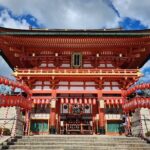
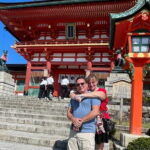
Finally, Fushimi Inari-taisha Shrine. This is the most visited attraction in Kyoto and can be tough to navigate because the crowd can slow everything down. The tour’s advantage is that your guides pick a path between crowds so you can enjoy the experience without getting trapped in the densest flow.
You get about 20 minutes here. That’s enough to see the scale and feel the torii atmosphere, especially with guidance on where to go and what to notice.
One thing that stands out from guide-style stories shared on similar departures: the explanation can go beyond the postcard look and into the meaning and even the economics of the torii gates—something that makes the place feel more grounded than just a photo stop.
At the end of the day, this stop is also a strong closer. It’s dramatic, iconic, and memorable, and it wraps the tour in Kyoto’s most recognizable shrine vibe.
Lunch and timing: why the included meal matters on an 7–8 hour ride
Lunch is included, and that’s a big deal. A lot of group tours include a meal that’s fine, but on a cycling day you need food that actually keeps you going. Here, the lunch is described as delicious, and it’s often the kind of place where locals also eat. That adds a layer of authenticity you don’t get from a rushed, touristy set meal.
Bottled water is included too. On a long day, hydration is the least fun topic until you need it.
Timing-wise, the tour balances ride time with short sightseeing chunks. The day feels like a sequence: arrive, look, listen, move on. It keeps momentum, which is great if you’re trying to maximize sightseeing but don’t want to run yourself into the ground.
Bike comfort: what to expect in real life
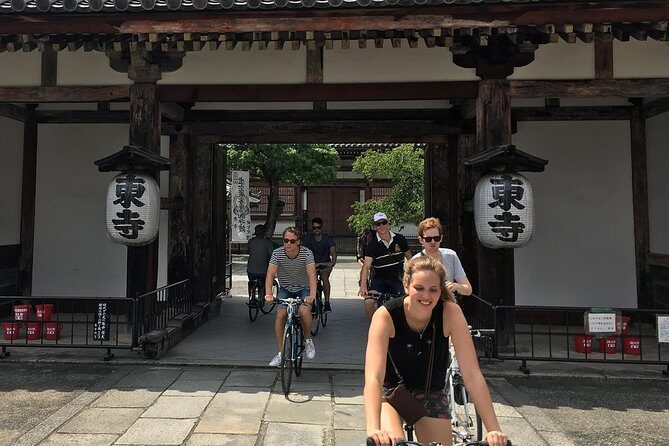
The bikes are high quality Cannondales, and the ride is generally described as safe and easy to follow. Most routes tend to be flat or at least manageable, and the guides help you stay on track.
Still, this is not a “sit and coast” experience. Even with an easy route, you’re riding for miles, and you may feel it by the end of the day. One rider noted the day can leave you exhausted even after a flat-feeling ride, which is totally believable for 7 to 8 hours.
Practical tips to keep your comfort under control:
- Wear clothing you’re willing to sweat in. You won’t freeze on a bike day.
- If you bring a backpack, plan for carrying it since bike storage is limited to a small pouch.
- If you’re offered any bike comfort option at the shop, try it quickly. Seat comfort is personal.
Group size helps here too. With a small group (max 8), it’s easier for your guide to keep an eye on everyone’s pacing.
Guides, storytelling, and the small-group advantage
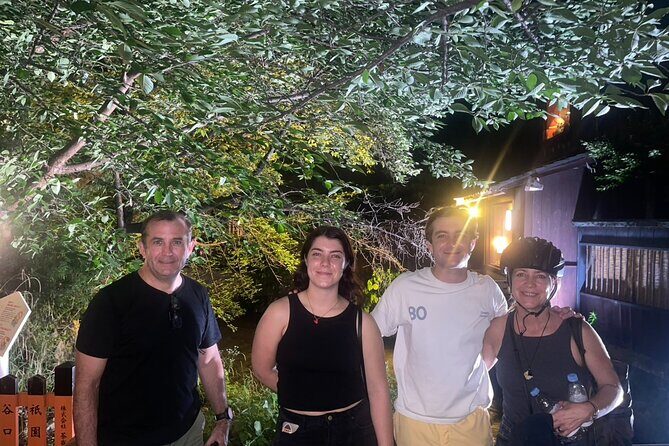
A theme in the feedback is that guide personality and storytelling shape the experience. On past departures, you might ride with guides such as Quinn, Juan, Paul, Karl, Indra, Jay, and Carl, each bringing their own style—humor, history threads, and practical tips.
What stays consistent is that you get explanation at each stop, not just a handout and a “have fun.” That matters in Kyoto, where it’s easy to stand in front of a temple or shrine and miss why it looks the way it does.
Guides also handle detours when something interesting happens. In one reported example, a guide took the group off the main plan to watch a Shinto street ceremony that was happening nearby. That’s the kind of moment that only works when you have a human lead and a small group, not a fixed bus schedule.
Who this Kyoto bike tour is for (and who should skip it)
This tour is best for people who want an overview of Kyoto in one day and don’t mind a moderate amount of riding. If you enjoy temples, shrines, and cultural neighborhoods and you like moving through a city actively, you’ll probably love the way the stops connect.
It also suits families with older kids, since the tour requires riders to be at least 13 and comfortable on a bike. Several guides in past groups handled kids and teens well because the pacing is structured and the route is controlled.
Skip it if any of these describe you:
- You hate cycling for hours, even on easy routes.
- You want to spend long, quiet time in one place.
- You need to bring a lot of gear and don’t want to manage a backpack while riding.
Should you book this full-day Kyoto biking tour?
I’d book it if you want a smart, guided day that hits Kyoto’s big names—Kinkaku-ji and Fushimi Inari—while also giving time to quieter stops like Nishi Honganji and Tofuku-ji. The included bike, helmet, lunch, and water make it a lower-stress way to do a long route. And the small group size (max 8) means you’re not lost in a crowd of cyclists.
I’d think twice if you’re mostly chasing relaxed strolling or you’re not comfortable riding for most of the day. In that case, you’d be happier with a lighter half-day plan or a walking-focused itinerary.
If you’re aiming for value and momentum—this is one of the better ways to see Kyoto without turning the day into a logistics puzzle.
FAQ
How long is the full-day Kyoto biking tour?
It’s listed as 7 to 8 hours approximately.
What’s included in the tour price?
The tour includes use of a bicycle and helmet, plus bottled water and lunch.
What sights does the tour visit?
You’ll visit stops including Nishi Honganji, Kitano Tenmangu Shrine, Kinkaku-ji (Golden Pavilion), Gion, Tofuku-ji Temple, and Fushimi Inari-taisha Shrine. The route also includes a ride through the former imperial family grounds.
Is admission included for temple or shrine entry?
Kinkaku-ji’s admission is included. The other stops are listed as free during the tour.
How many people are in a group?
The tour lists a maximum of 8 travelers.
Do I need any particular fitness level?
You should have a moderate physical fitness level.
What’s the minimum age to join?
Riders must be at least 13 years old and be comfortable riding a bike.
What should I do about dietary needs?
Dietary requirements need to be known ahead of time, so let them know when booking.
Where do I meet the tour?
The meeting point is Cycle Kyoto, at 7 Higashikujō Nishisannōchō, Minami Ward, Kyoto, 601-8003, Japan. The tour ends back at the meeting point.
What’s the cancellation plan if weather or plans change?
You can cancel for a full refund up to 24 hours in advance. The experience requires good weather; if it’s canceled due to poor weather, you’ll be offered a different date or a full refund.