REVIEW · COOKING CLASSES
Private Cooking Class Udon in Kyoto Japan
Book on Viator →Operated by 創作料亭出雲 Kyoto Izumo · Bookable on Viator
Udon gets personal in this Kyoto house. You’ll make handmade udon step by step inside a renovated 130-year-old kyomachiya, then sit down to eat what you made in the same historic setting. I like that the local teachers (like Tanaka and Hisayu) explain the process clearly and keep it fun, even for kids.
The main catch is that this is a noodle-focused class. You don’t make the tempura, and you also don’t boil the noodles yourself, since the teachers handle that part for safety and timing.
In This Review
- Key things to know before you go
- A 130-Year-Old Kyomachiya Meets Kyoto Udon Basics
- Your Hour of Handmade Udon: Saltwater, Stretch, Cut
- The small moments that make it memorable
- Tempura Set and Dashi Lunch: What You Eat After
- Can you repeat this at home?
- Private Class Value at $60.43 and How It Feels Worth It
- Getting There Near Kyoto Station and Nishi Honganji Temple
- Who Should Book This Udon Cooking Class in Kyoto
- Should You Book This Private Udon Cooking Class in Kyoto?
- FAQ
- How long is the Private Cooking Class Udon experience?
- Is this class private or shared?
- What time does the class start?
- Where do we meet?
- Do I make the tempura too?
- Do I boil the udon noodles myself?
- What do we eat after the udon class?
- Is there a mobile ticket?
- Who teaches, and is there English support?
- What if the weather is bad, or I need to cancel?
Key things to know before you go
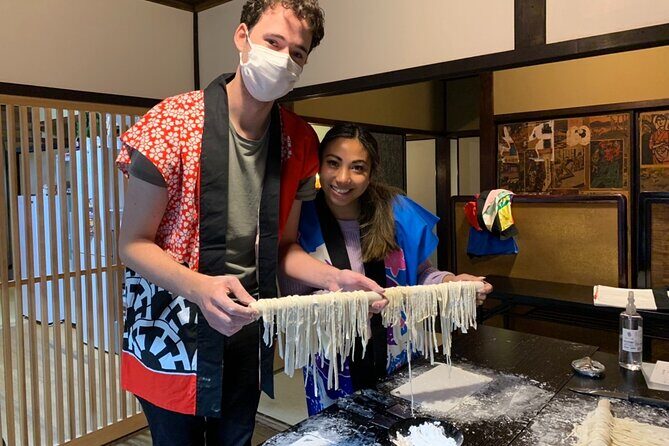
- 130-year-old kyomachiya classroom near Nishi Honganji and Kyoto Station
- Handmade udon from scratch, with simple steps and English explanations
- Child-friendly flow because you make noodles, teachers boil them
- Tempura set included with sauces/dashi and classic toppings
- Private class means you only cook with your group
- Take-home recipe so you can try again later
A 130-Year-Old Kyomachiya Meets Kyoto Udon Basics
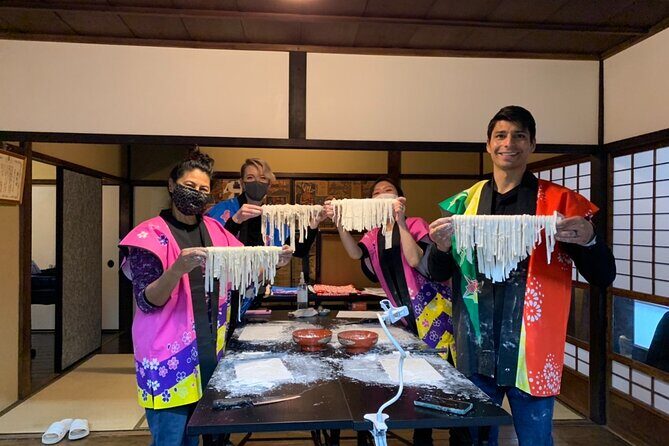
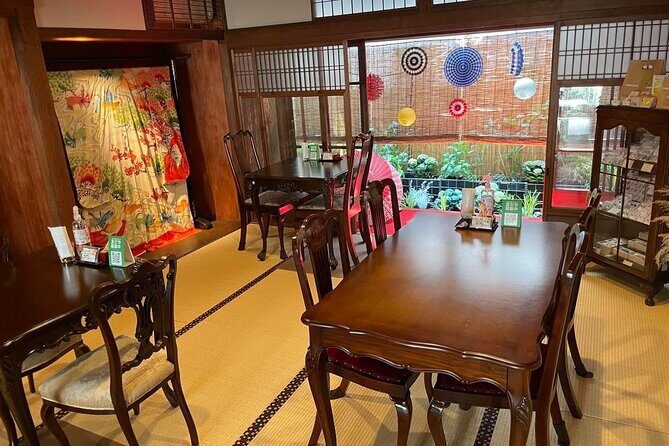
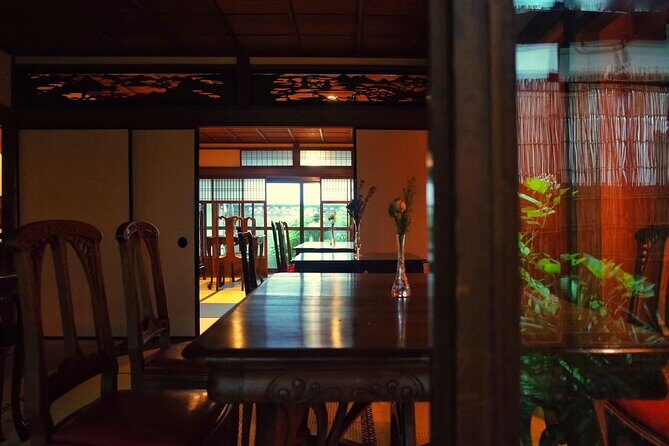
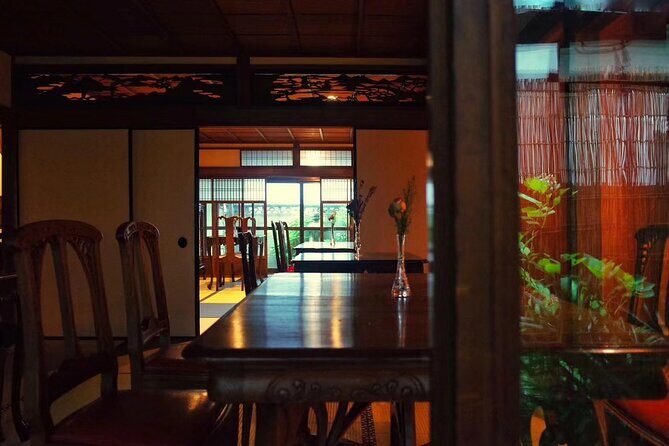
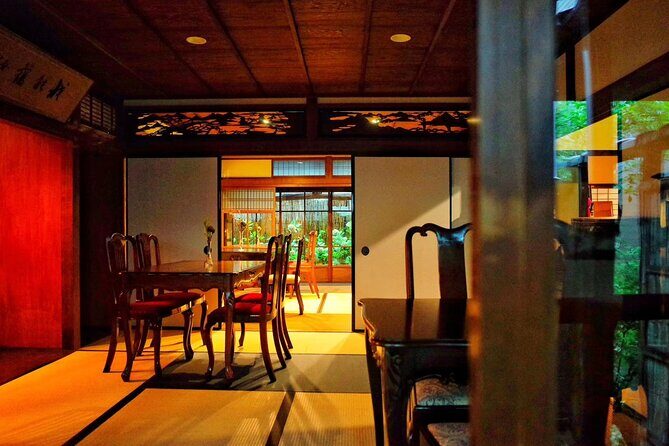
Kyoto cooking classes can turn into a conveyor belt of stations and rushed bites. This one starts with a different vibe: a traditional Japanese house that dates back about 130 years, renovated into a classroom. It’s the kind of place where the antiques and old wood don’t feel like decoration. They shape the mood before you even touch flour.
The location is practical, too. You’re about a 12-minute walk from Kyoto Station and only around 2 minutes from Nishi Honganji Temple. That matters when you want a hands-on activity without the hassle of extra transfers.
Inside, you’ll be working in a room full of very old furniture and artifacts, plus traditional Japanese music. It’s not just atmosphere. It helps you slow down and focus, because you’re learning something tactile: dough, stretching, and cutting. When the steps feel physical, the whole class sticks better in your brain.
You can also read our reviews of more private tours in Kyoto

Your Hour of Handmade Udon: Saltwater, Stretch, Cut
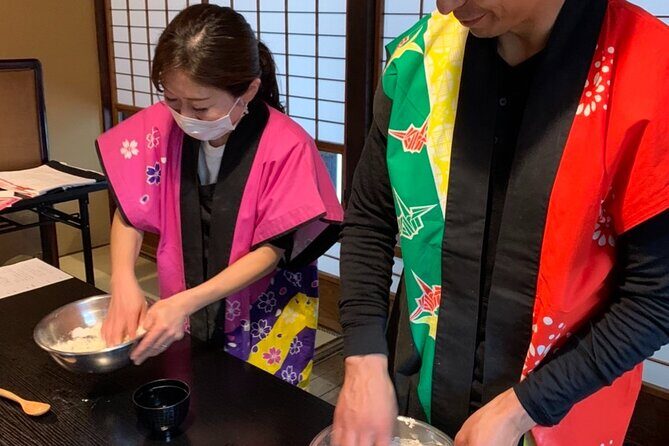
The class is about 1 hour long, but the real experience often runs longer once you eat and relax. The flow is built around guided noodle-making. Ingredients are laid out and (in English) you get clear demonstrations and instructions.
Here’s the rough sequence you’ll follow:
- You start with saltwater steps and rinsing
- Then comes kneading/resting, with an emphasis on texture and timing
- You stretch the dough into the right thickness
- Next is a knife cut into noodles
- Finally, the noodles go to boiling, handled by the teachers
One reason this class earns a near-perfect rating is what you don’t do. You don’t boil the noodles yourself. The teachers do the hot work while you focus on making the dough and shaping the noodles. That keeps things safer, and it also makes the class more kid-friendly than many cooking workshops.
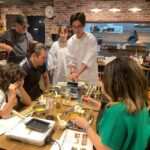
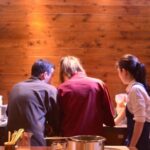
Expect a hands-on rhythm rather than a lecture. People mention aprons and roomy worktables, plus the sense that you’re doing real work, not watching. The teacher(s) are local to Kyoto, and the lesson is paced so you can participate fully instead of feeling lost.
The small moments that make it memorable
A couple of touches show up in how people describe the experience:
- You might get little teaching extras, like an udon dance
- After you finish shaping, you can wander the wooden home while the teachers boil and prep the meal
Those details turn the class into more than a quick food demo. They’re also why the noodles you make feel like yours, not like something assembled for you.
Tempura Set and Dashi Lunch: What You Eat After
The best part of any cooking class is eating right away. Here, the payoff is built in: after your udon is made, you sit down and enjoy it with a full set of accompaniments.
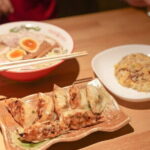
You’ll get a meal that typically includes:
- Tempura vegetables (handled by the kitchen; you don’t make it)
- Dashi or dipping broth for flavor
- Classic toppings like grated ginger and minced green onion
- A serving setup that lets your udon feel fresh and warm
Some descriptions mention sauce alongside the tempura, but the key idea is consistent: you’re not waiting later to taste your work. You make the noodles, then you eat them as part of the same experience.
Also, because tempura is separate, you’re not juggling too many tasks at once. That’s a big value point for a short class. You focus on getting udon right, and you still leave with a complete Kyoto-style meal.
Can you repeat this at home?
This is one of the quiet strengths of the class. You’ll receive a recipe so you can try making udon again later. I love that approach. It turns the class into a skill, not just a one-time meal.
And because the steps are broken down (saltwater, rinse, stretching, cutting), you’re more likely to recreate the texture you enjoyed. If you’ve ever tried to copy a recipe and ended up with something too thick, too thin, or too springy, this kind of guided process usually helps you troubleshoot.
You can also read our reviews of more cooking classes in Kyoto

Private Class Value at $60.43 and How It Feels Worth It
At $60.43 per person, you might be thinking, Is this a bargain, or just a nice activity? Here’s how I’d judge it for real-world value.
You’re paying for:
- A private setting where only your group participates
- Time with a local teacher who explains in English and supervises the steps
- A historic 130-year-old house turned into a real classroom
- Ingredients and the full meal afterward, including a tempura set
The price also makes sense because it’s not just “watch and taste.” You actively make the noodles, and you get enough guidance that most people can feel confident afterward. Reviews emphasize that people leave feeling like they could cook udon at home, and that’s the difference between a souvenir activity and a skill-building one.
One more value point: the class length is efficient. It’s about an hour for making the noodles, then you eat. That’s ideal for lunch-time plans. You get a meaningful activity without losing half a day.
Getting There Near Kyoto Station and Nishi Honganji Temple
Meeting point matters, especially in Kyoto where lanes can be narrow and signs can blend together. You’ll meet at:
364 Momijichō, Shimogyo Ward, Kyoto, 600-8345, Japan.
The start time is 12:00 pm, and the activity ends back at the meeting point. The location is near public transportation, and it’s close enough to Kyoto Station to be manageable even if you’re arriving on foot.
If you’re pairing this with other sights, treat it like an anchor around midday. Start at 12:00, make noodles, eat, then head out refreshed instead of hungry.
Also, the experience uses a mobile ticket. That’s handy if you’re bouncing between temples and train stations.
Who Should Book This Udon Cooking Class in Kyoto
This is especially good for people who want something hands-on and cultural without needing fancy knife skills or long cooking lessons.
It’s a strong fit if you:
- Want a private activity with your family or small group
- Travel with kids (the class is structured so children can participate, and the teacher handles boiling)
- Like learning techniques you can actually repeat later with a recipe in hand
- Prefer a noodle-focused workshop over a multi-course cooking marathon
Reviews point out that children can fully join, because the process is designed so you’re doing the shaping and cutting while adults handle the hot step. A teen group also tends to enjoy it because the work feels real and satisfying, like a mini craft project with edible results.
If your goal is to learn every part of a full meal from scratch, including broth and tempura, this might feel narrow. The class deliberately keeps tempura separate and keeps boiling in the teacher’s hands, which is great for safety and time. Just know it’s not a full cook-from-start-to-finish production.
Should You Book This Private Udon Cooking Class in Kyoto?
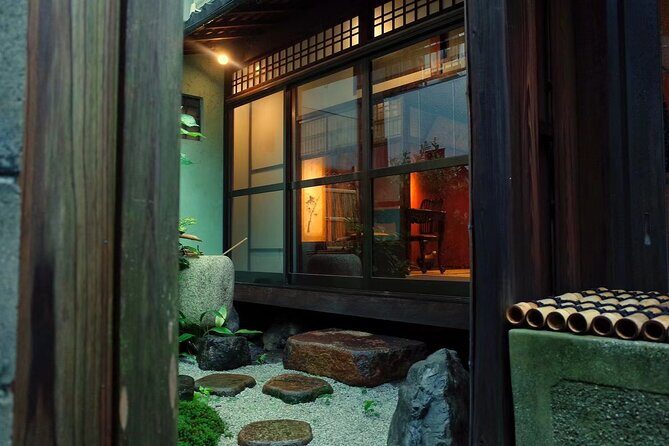
Book it if you want a Kyoto experience that’s practical, hands-on, and set in a real old house, not a modern studio. The 130-year-old kyomachiya setting adds atmosphere, while the structured noodle steps give you a skill you can take home. The included tempura set means you leave fed, not just flour-covered.
Skip it or consider another option if you’re specifically hunting for a class where you cook everything yourself, including broth and deep-frying. This one is about udon technique and guided participation, with the teachers handling the hot parts.
If you’re deciding between “nice meal” and “learn something,” I’d choose the learning. It’s one of those Kyoto activities that feels small on the calendar but satisfying in the memory.
FAQ
How long is the Private Cooking Class Udon experience?
It’s about 1 hour long (approx.). After the class, you’ll also eat the udon you made, so the total time at the location may feel longer.
Is this class private or shared?
This is a private tour/activity. Only your group participates.
What time does the class start?
The start time is 12:00 pm.
Where do we meet?
You’ll meet at 364 Momijichō, Shimogyo Ward, Kyoto, 600-8345, Japan. The activity ends back at the meeting point.
Do I make the tempura too?
No. A separate tempura set is provided for the meal, so you do not need to make the tempura.
Do I boil the udon noodles myself?
No. The teaching process focuses on making the noodles, and the teachers handle the boiling.
What do we eat after the udon class?
You can relax and enjoy the udon you made yourself. The meal includes the udon plus a tempura set and accompaniments like dipping broth/sauce and toppings such as grated ginger and minced green onion.
Is there a mobile ticket?
Yes. The experience uses a mobile ticket.
Who teaches, and is there English support?
The teachers are local to Kyoto, and instructions are provided in English during the class.
What if the weather is bad, or I need to cancel?
The experience requires good weather. If it’s canceled due to poor weather, you’ll be offered a different date or a full refund. You can cancel for a full refund up to 24 hours in advance of the experience start time.