REVIEW · GEISHA & MAIKO TOURS
Kyoto: Maiko Happy Hour at a Historic Machiya
Book on GetYourGuide →Operated by Tondaya, Co., Ltd. · Bookable on GetYourGuide
Watching maiko culture up close is rare. This Kyoto experience happens inside a 140-year-old machiya at Tondaya, a nationally registered cultural landmark, and it mixes guided history with live performance. I like the way the setting makes everything feel real, not staged—wood beams, quiet rooms, and the sense you’ve stepped into another pace of life.
I also like the core performance time: a maiko leads a tea ceremony with Uji matcha and Japanese sweets, followed by buyō dance with classical music. One thing to keep in mind, though: the event is priced high for a 2-hour program, and language support can be uneven depending on the interpreter situation that day.
In This Review
- Key takeaways before you go
- A 140-year-old Kyoto machiya sets the tone fast
- Guided history at Tondaya: the building is part of the show
- The maiko-led tea ceremony: matcha, sweets, and quiet etiquette
- Buyō dance in a wooden townhouse: precision with atmosphere
- Maiko party games and the Q&A you can actually use
- Photos with a maiko: rare access, so plan your moments
- Price and value: when “happy hour” is culture time
- Who this is best for (and who should reconsider)
- Practical tips: socks matter, and timing matters more
- The bottom line: should you book?
- FAQ
- What is the duration of the Kyoto maiko happy hour?
- Where does the experience meet?
- How much does it cost?
- What’s included in the experience?
- Is alcohol included?
- Do I need to bring anything?
- Can I take photos with the maiko?
- What languages are available for the live guide?
- Is the experience wheelchair accessible?
Key takeaways before you go
- Tondaya machiya first, performance second: you start with a guided look at a 140-year-old townhouse landmark, then shift into maiko arts.
- Tea ceremony led by the maiko: you don’t just watch—this includes matcha and sweets as part of the program.
- Buyō dance in a historic wooden setting: a traditional form of dance performed with classical music.
- Maiko party games + Q&A time: you get explanations of games and a chance to ask questions about maiko culture.
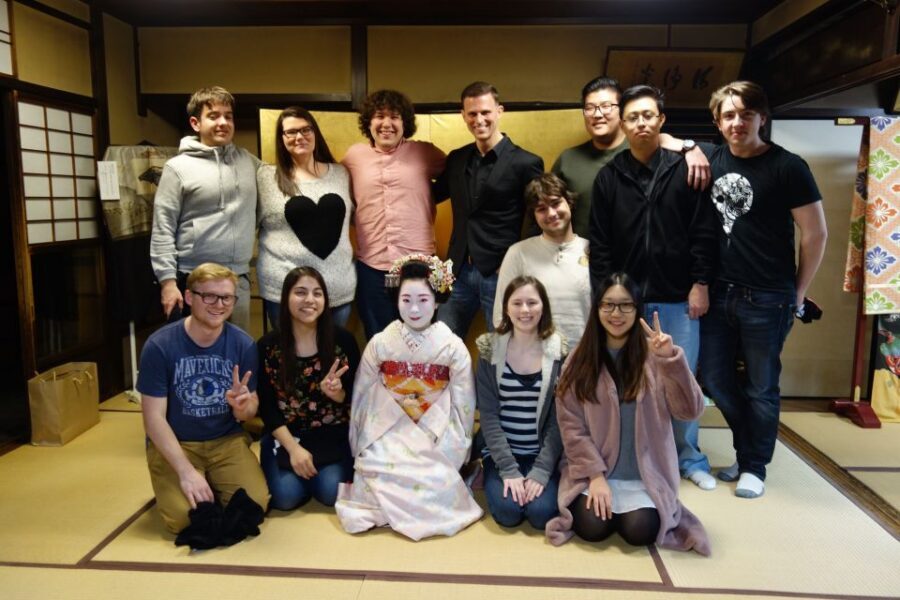
- Photography opportunity with a maiko: unusually rare, because public photo time is generally restricted.
- No cocktails included: the “happy hour” name is about the relaxed hangout, not alcohol.
A 140-year-old Kyoto machiya sets the tone fast
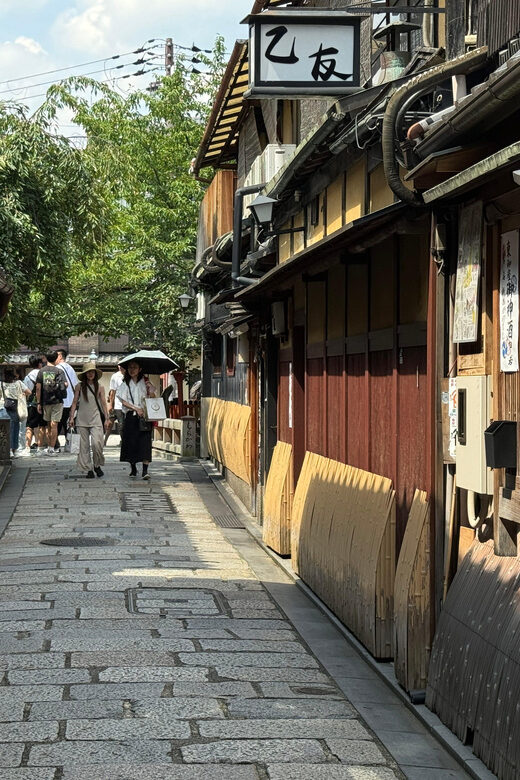
If you like Kyoto that feels quiet and specific, this is a strong start. Your first stop is Tondaya, a machiya (traditional Kyoto townhouse) that’s about 140 years old and designated as a culturally significant landmark. Instead of being rushed into a theater seat, you’re guided through the building first—learning what’s there and why it matters.
I like that this opening reframes the whole evening. Machiya aren’t just pretty buildings. They were built for daily life: the way rooms connect, how wood shapes sound, how spaces guide movement. Even if you only catch bits of the stories, the physical setting does a lot of the work. You feel the “late Edo period” atmosphere the program is aiming for, because you’re literally inside the kind of house where arts and hosting traditions would have played out.
The only drawback: because it’s an indoor, performance-focused event, it’s not a substitute for general Kyoto sightseeing. Think of it as a cultural arts appointment. If you want big outdoor views and lots of walking, you’ll want to plan separate time for that.
You can also read our reviews of more historical tours in Kyoto

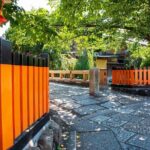

Guided history at Tondaya: the building is part of the show
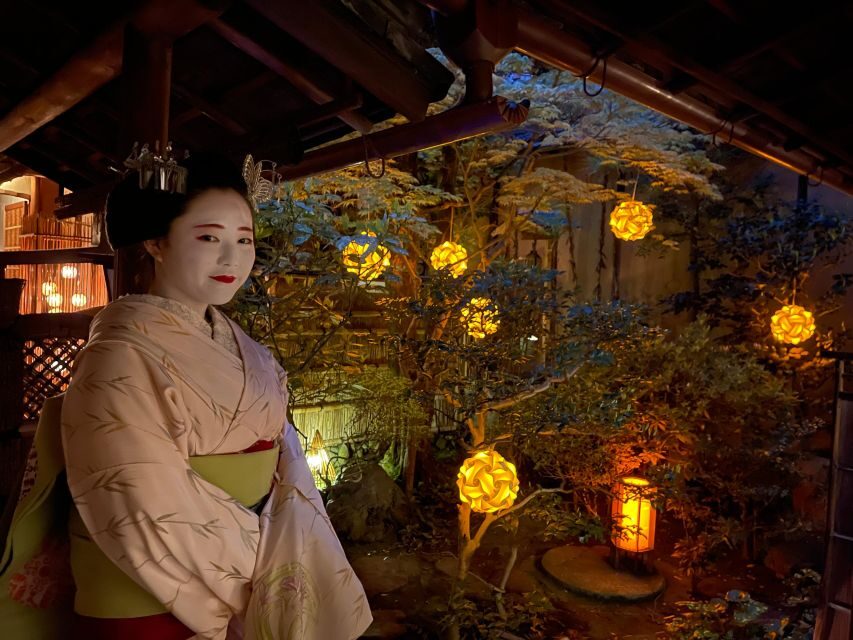
The tour portion is more than a few photos and a quick explanation. You’re led through Tondaya with staff who share artifacts and stories tied to the townhouse. It’s the kind of pre-show that pays off later, because you’ll be watching the dance and tea ceremony with a clearer sense of context.
What makes this valuable for you is timing. Many Kyoto experiences throw you into performance first and context later. Here, you get the space and meaning before you meet the main character of the night. That order helps the whole evening land better, especially if you’re new to maiko culture.
One practical note: not all staff members speak English, so you may be matched with an interpreter, and a translation device may be used when needed. That’s normal for Japan tours, but it’s also the kind of thing that can change how much you personally get out of the experience—more on that in the “Price and value” section.
The maiko-led tea ceremony: matcha, sweets, and quiet etiquette
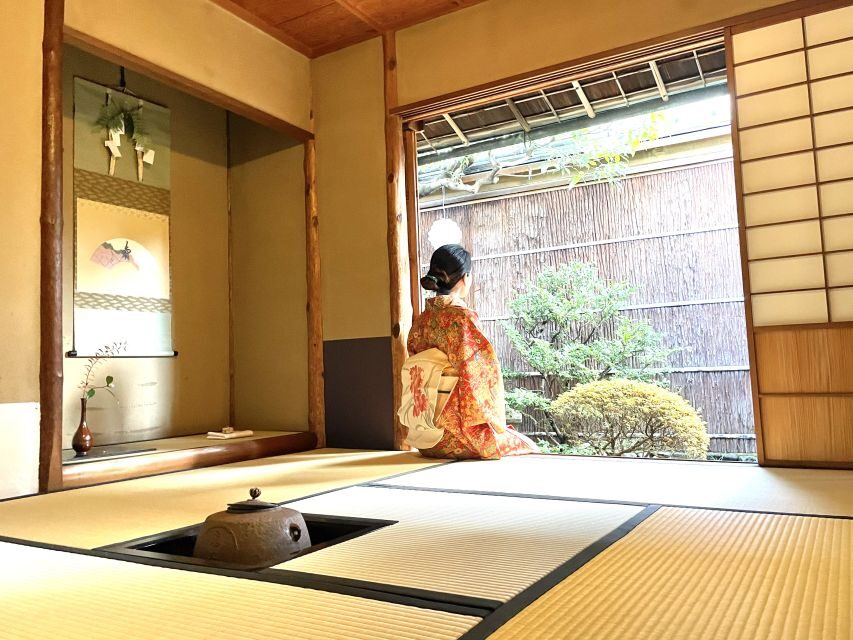
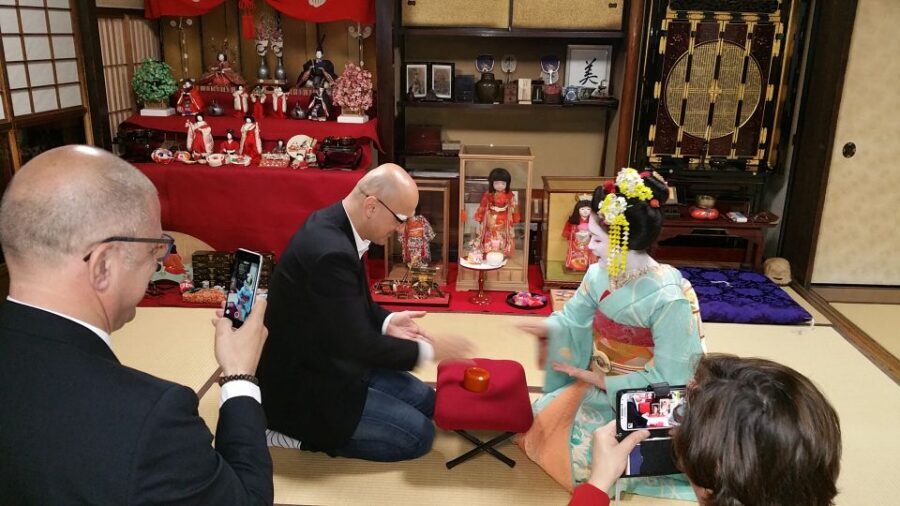
Then comes the heart of the program: you’re introduced to an authentic maiko who performs a tea ceremony. You’ll be served Uji matcha along with Japanese sweets. This isn’t a hands-off demo where you sit at the back and watch. The structure is built so you experience it as part of the evening’s flow—listen, observe, and then receive the tea and sweets.
I love how this part is both refined and human. Tea ceremony is precise, but the feeling here is relaxed—more “welcome into a tradition” than “perform for tourists.” You also get a chance to watch the maiko while she’s doing something functional, not only dancing or posing.
A realistic consideration: the tea ceremony time plus the dance and games are all packed into about two hours. If you’re the type who wants a long, slow tea lesson where you can ask every question about technique, you might wish there was more time. Still, it’s a strong sampler that explains the mood and manners of the world you’re stepping into.
Buyō dance in a wooden townhouse: precision with atmosphere
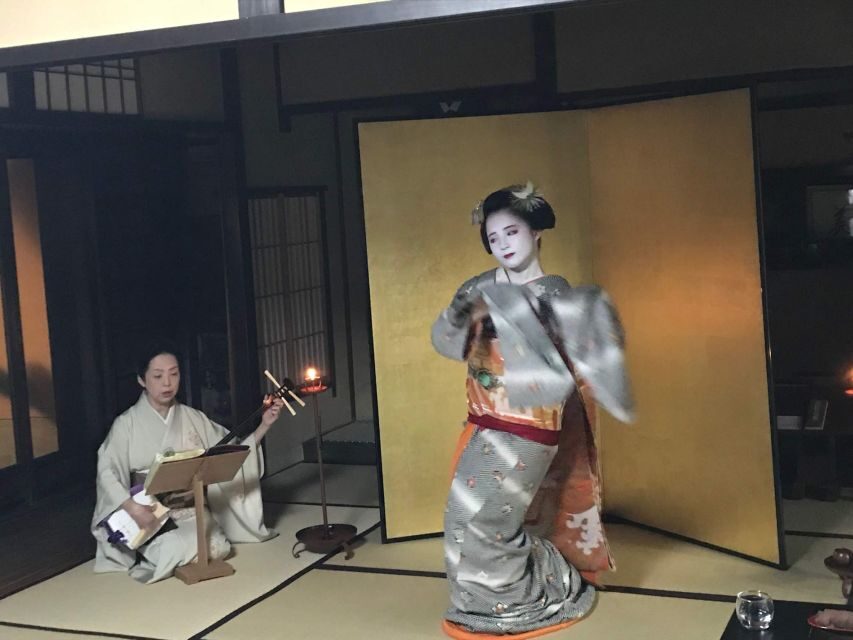
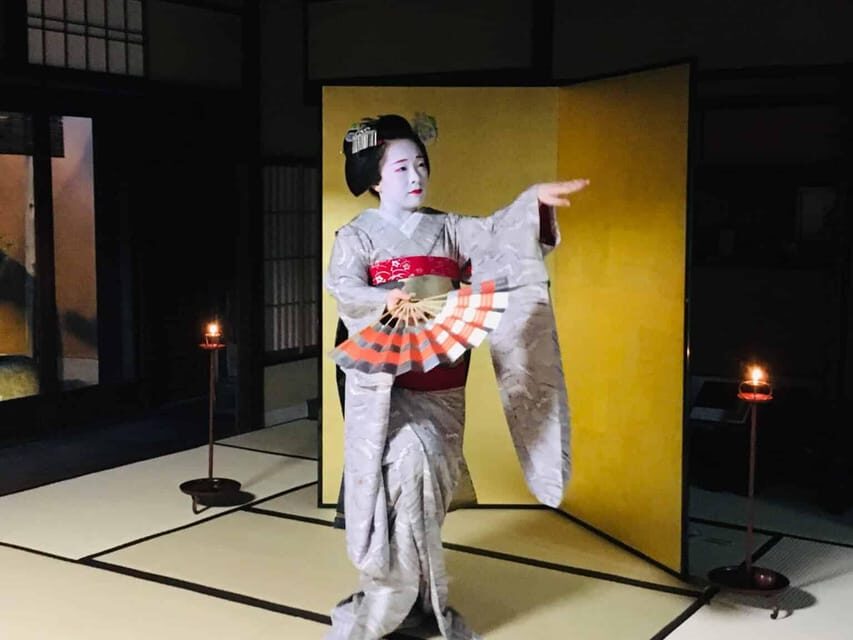
After the tea, the program shifts to buyō, a refined form of traditional Japanese dance. It’s performed with classical music, which matters more than you’d think. Dance forms like this often feel different depending on whether the music is live and whether the room carries sound well.
In a machiya, the acoustics and sightlines create a more intimate performance effect than a modern venue. Even if you’re not catching every musical cue, you’ll feel how the dance is shaped by that sound. The result is that the performance reads as part of a living tradition rather than an exhibit.
There’s also an emotional payoff: the program is designed to evoke that feeling of watching a performance from an older era, not just watching a stage show in Kyoto today. That’s why the order works—history first, then performance.
Maiko party games and the Q&A you can actually use
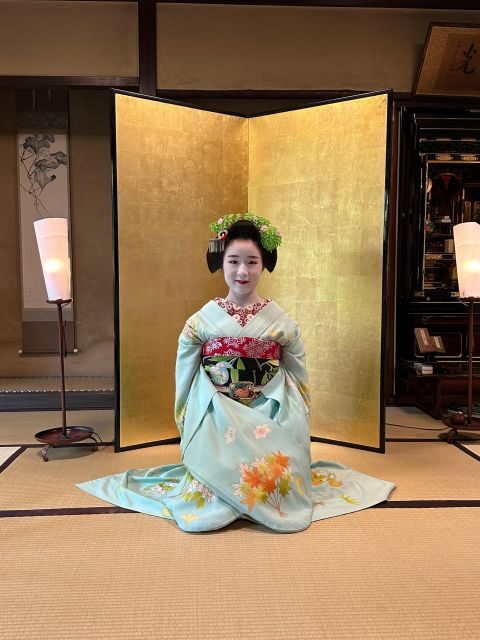
After the dance, you get time for maiko party games. The maiko explains how each game is played, and you can join in together. This is one of the most fun parts because it shifts the experience away from passive watching.
I like the way this section turns questions into something practical. When you’re in a culture setting like this, it’s easy to have curiosities that stay stuck in your head. Here, you’re given a moment where asking about maiko culture is part of the program rhythm. If you’re fascinated by what makes maiko training unique, what rules apply, or how traditions are taught, this is your window.
Keep expectations realistic: you’re not getting a full crash course in Kyoto society. But you are getting direct explanations while the maiko is still in performer mode, which makes answers feel more grounded than general lectures.

Photos with a maiko: rare access, so plan your moments
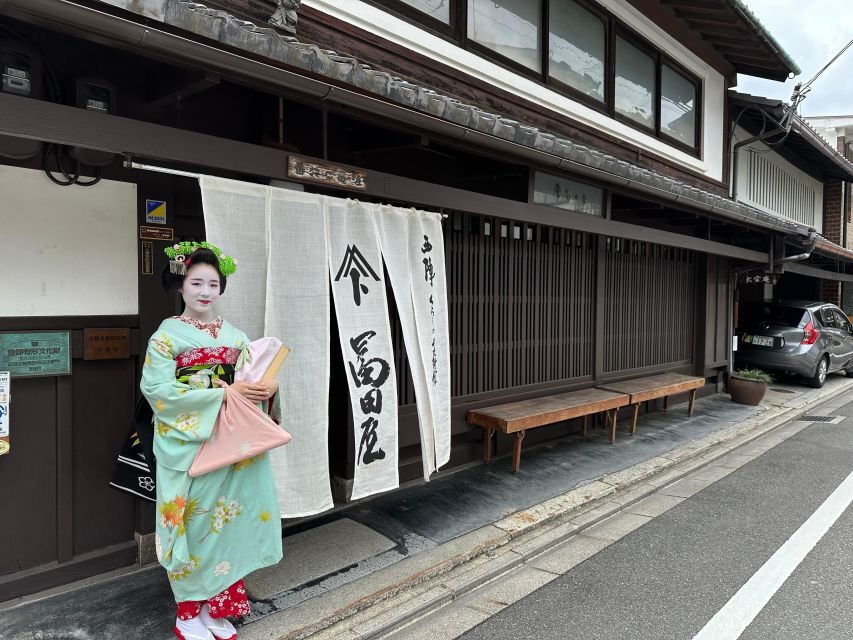
At the end, you’ll have time for commemorative photos with the maiko. This is especially noteworthy because maiko are generally not allowed to take photos with the public. When access like this is available, it’s not something you should treat like a quick snapshot and move on.
If you want to make the most of it, think about your photo plan before you step up. Decide what you want: a couple portraits for your group, a more formal photo, and then one relaxed shot. Don’t crowd the moment or block others. You want it to feel respectful, because it is.
Also, this photo time is part of the total experience. If your goal is only photos, you may feel disappointed by how much of the 2-hour schedule is focused on tea, dance, and games. But if your goal is to see and understand the culture, the photos become the icing, not the meal.
Price and value: when “happy hour” is culture time
Let’s talk money plainly. The listed price is $709 per person for a 2-hour experience. That’s not casual spending, and it’s fair to ask whether it’s worth it.
Here’s how I’d evaluate the value for you:
- You’re paying for a nationally registered cultural landmark setting (Tondaya) plus guided history.
- You’re paying for a performance package that includes tea ceremony with Uji matcha and sweets, buyō dance, and interactive party games.
- You’re paying for rare maiko access, including photo time that is generally restricted.
So the price isn’t just for “watching.” It’s for access plus structure plus a specific historic environment.
That said, there are two ways value can feel off. First, if language support doesn’t work smoothly for you that day, you can miss explanations that make the experience click. Second, since no alcohol is included, some people may assume “happy hour” means drinks and longer social time. Here, alcohol is not part of the deal. The relaxed vibe is real, but it’s still a timed cultural program.
If you’re someone who values performance quality and historic atmosphere more than length, this can feel worth it. If you’re expecting a long sit-down evening with lots of extras, the 2 hours might feel tight for the cost.
Who this is best for (and who should reconsider)
This experience is a great fit if you:
- Want a focused, cultural evening in Kyoto with hands-on moments like tea tasting and party games.
- Care about tradition and atmosphere—how arts connect to place, not just the performance itself.
- Get excited by the idea of seeing a maiko in a special setting, especially with the unusual photo opportunity.
You might hesitate if you:
- Want heavy sightseeing or an all-day Kyoto plan (this is only 2 hours).
- Need very reliable English narration the whole time. The program uses interpreters and may use translation devices, but real-world clarity can vary.
- Feel strongly that maiko access should automatically come with more included amenities. Tea and sweets are included, but there’s no mention of a full meal, and alcohol isn’t included.
Practical tips: socks matter, and timing matters more
A few details can make your night smoother:
- Bring socks and plan to wear them. You shouldn’t wear stockings.
- Be on time for your appointment. This is a timed experience, and arriving late can disrupt the flow.
- If you’re sensitive to logistics, note that it’s not suitable for wheelchair users.
- Expect that the live guide may work in Japanese, English, or Chinese, and you may get help via an interpreter or translation device when needed.
One more thing worth knowing before you book: depending on availability, a geiko may be arranged instead of a maiko, and preferences can’t be accepted. That doesn’t mean the experience is bad—it means the main performer might differ.
And if you’re traveling during late December, check the calendar carefully: Tondaya is closed from December 31 to January 1, and maiko reservations can’t be made during December 29 to January 10. Also, the maiko reservation requires being made at least ten days in advance, and cancellations have strict rules.
The bottom line: should you book?
I’d recommend booking Kyoto: Maiko Happy Hour at a Historic Machiya if you want a compact, high-impact evening where the machiya setting, maiko-led tea ceremony, buyō performance, and interactive games all fit together—and you’ll appreciate the rare chance for photos with a maiko.
I wouldn’t book it if you’re shopping mainly for value per minute or you expect an all-inclusive night with lots of food and drink. This is culture-first, and the two-hour structure is part of the deal.
If you’re the type who loves Kyoto for the craft, manners, and quiet rules behind public art, this is the kind of evening that can become a standout memory.
FAQ
What is the duration of the Kyoto maiko happy hour?
It runs for about 2 hours.
Where does the experience meet?
Meet at Tondaya-Nishijin Japanese Cultural Experience Museum.
How much does it cost?
The price is listed as $709 per person.
What’s included in the experience?
You’ll get a guided tour of the machiya, a maiko dance performance, party games, a tea ceremony, photography opportunities, and a lesson on Kyoto and maiko culture.
Is alcohol included?
No. Alcoholic drinks are not included.
Do I need to bring anything?
Yes—bring socks. You should refrain from wearing stockings.
Can I take photos with the maiko?
Yes, photography opportunities are included, and this is especially rare because maiko are generally not allowed to take photos with the public.
What languages are available for the live guide?
The live tour guide can be in Japanese, English, and Chinese. Translation support may also be arranged.
Is the experience wheelchair accessible?
No. It is not suitable for wheelchair users.