REVIEW · FULL-DAY
Full Day Guided Tour to Kyoto and Nara from Osaka by Van
Book on Viator →Operated by Explorer Tours · Bookable on Viator
Torii gates, deer, and one air-conditioned van. This full-day guided loop is built for speed with pickup from Osaka and a small-group ride that keeps you out of the transit hassle. I also like that entry fees are included, so the day feels smoother and less pay-and-queue. The one thing to plan for is the pace: it is a long, full-day outing with walking at multiple stops.
Guides on this tour often bring the context to life, like Taka, Woody, or Jin, and drivers such as Toru or Tom keep the schedule moving. You get WiFi on board and bottled water too, which makes the ride less of a chore. If you want deep, slow soaking time in just one temple or neighborhood, this won’t be your best fit.
In This Review
- Key highlights at a glance
- Why This Kyoto and Nara Van Day From Osaka Makes Sense
- Meeting in Osaka: Shinsaibashi or Umeda DT Tower at 9:45
- Fushimi Inari-Taisha: Torii Gates, Rice God Lore, and Photo Rhythm
- Gion Walk-Through and Lunch Time: Traditional Streets With Breathing Room
- Nara Park Deer Time: Fun, Fast, and Pay Attention
- Todai-ji and the Great Buddha Hall: The Stop That Changes the Scale
- Nandaimon South Gate and the Quick Reset at Yumekaze Plaza
- Price, Included Fees, and What You Really Save
- Comfort, Group Size, and Photo-Friendly Guidance
- What This Day Trip Does Best (and Where It Might Fall Short)
- Should You Book This Kyoto and Nara Van Tour?
- FAQ
- How long is the Kyoto and Nara tour from Osaka?
- Where do we meet in Osaka?
- What’s included in the price?
- Is lunch included?
- What major sights are covered?
- What if the weather is poor?
Key highlights at a glance
- Small-group size (up to 12 people / 11 travelers listed) keeps the vibe relaxed
- Included admission fees across major sights means fewer time drains
- Fushimi Inari, Gion, Nara Park, and Todai-ji in one day without transfers
- Nara deer feeding and photo time with a guide’s help
- Comfort boosts like an air-conditioned van, onboard WiFi, and bottled water
Why This Kyoto and Nara Van Day From Osaka Makes Sense
Kyoto and Nara are famous for a reason, but getting there and between sights can eat half your day when you rely on trains and buses. This tour solves that problem with a van plan that moves you directly from Osaka to Kyoto, then on to Nara, then back again.
The big win for me is how efficient it feels. You’re not just riding around; you’re dropping into the top hits, with a guide who gives you the story so the sites make more sense than a quick photo stop.
Also, this is not a giant bus situation. The group size is kept small, and that matters when you’re trying to hear the guide, take photos without constant stop-and-go, and stay flexible when crowds spike.
You can also read our reviews of more guided tours in Kyoto


Meeting in Osaka: Shinsaibashi or Umeda DT Tower at 9:45
You start at 9:45 am, with a conductor meeting you in central Osaka at either Shinsaibashi or Umeda DT Tower. That matters because getting to the meeting point should be easy if you are staying in the main sightseeing areas.
Once you’re on board, you’re looking at about an hour to reach Kyoto. The tour includes an English-speaking guide, plus a driver, so you’re not left guessing where you should be standing or what comes next.
Practical tip: plan to arrive a few minutes early. One passenger issue noted was confusion around meeting instructions, so giving yourself a buffer helps your day start smooth.
Fushimi Inari-Taisha: Torii Gates, Rice God Lore, and Photo Rhythm
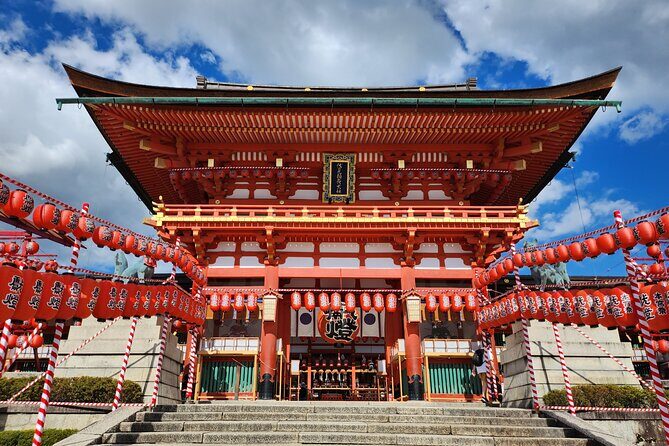
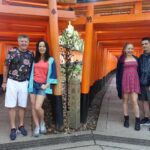
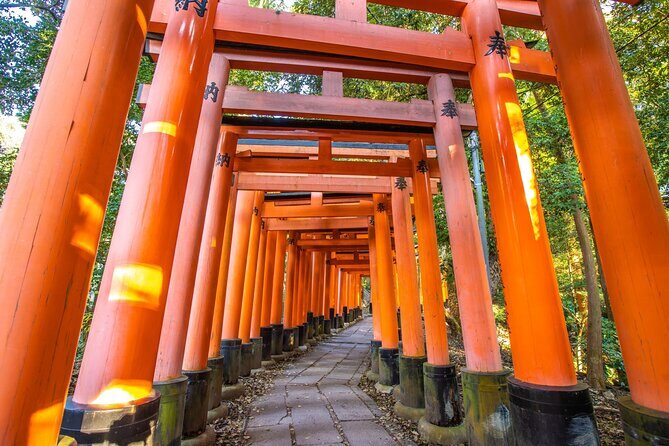
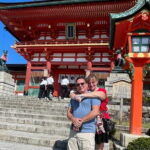
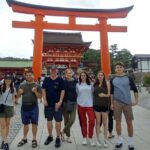
Your first major shrine stop is Fushimi Inari-taisha, a shrine founded in 711 and famous as the most visited shrine in Japan. If you only know it from photos, it can still surprise you in person because the torii gates feel like a moving pattern rather than a single monument.
You get about 1.5 hours here. That time is enough to walk into the main torii tunnel and snap photos without feeling like you’re sprinting the whole way. Just keep your expectations realistic: this is a popular spot, so you’ll be sharing the path.
What makes the stop work well with a guide is the added meaning behind the walk. The shrine is dedicated to Inari, the Shinto god of rice. When you understand what you’re looking at, the whole torii experience turns from scenery into a cultural route.
A small consideration: depending on the season, this place can mean some uneven walking and crowds. You’ll want comfortable shoes and a phone camera ready.
Gion Walk-Through and Lunch Time: Traditional Streets With Breathing Room
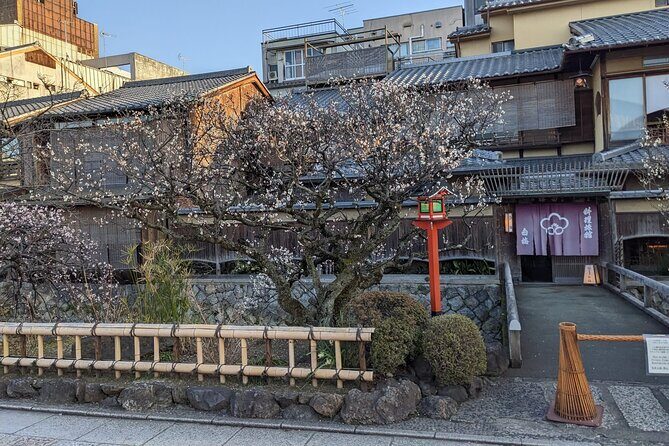
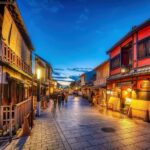
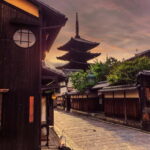
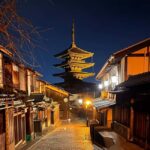
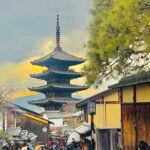
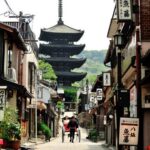
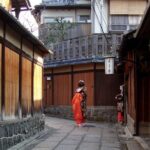
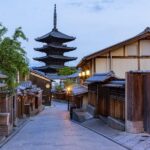
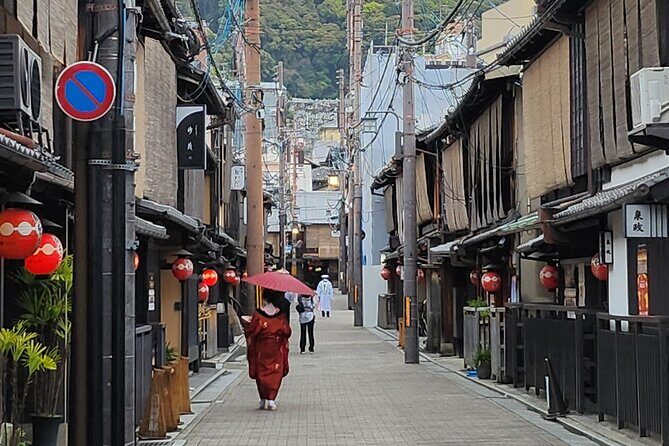
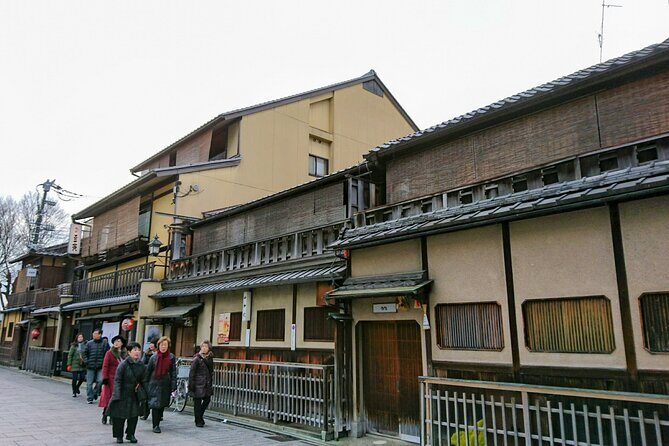
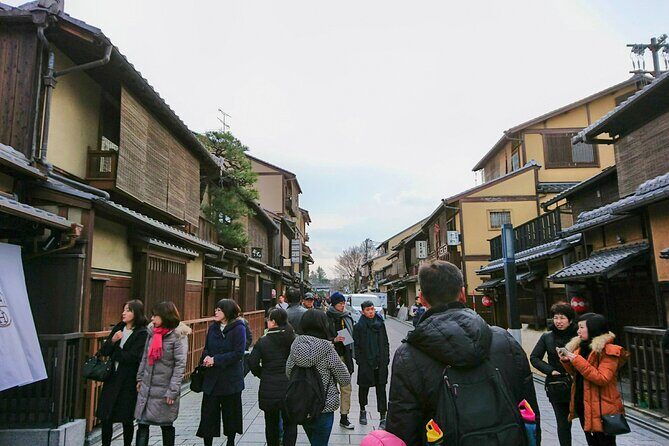
After Fushimi Inari, you head to Gion, Kyoto’s classic old-street area. You get around 1.5 hours, which is a workable chunk for a first-time stroll: admire the traditional townscape, wander a bit, and still have time to eat.
Lunch is not included as a set meal. Instead, you’ll have free time in a designated area where you can choose your own spot. That is a plus if you have dietary needs or just want to pick what looks good in the moment.
In past experiences with this guide style, I’ve found that the best part is the human layer: advice on where to eat and what to pay attention to while walking. One group even mentioned a lunch stop suggested by their guide, showing how often the guide will steer you toward an option that fits your pace.
One note: Gion is a neighborhood you can overdo quickly if you treat it like a checklist. Use the time to enjoy the street vibe, not just chase the next photo angle.
Nara Park Deer Time: Fun, Fast, and Pay Attention
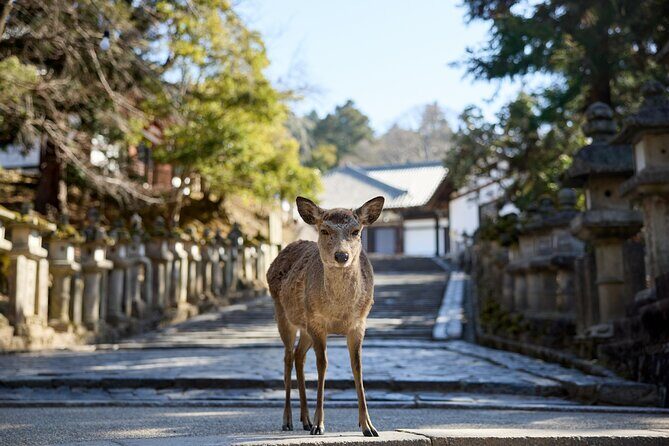
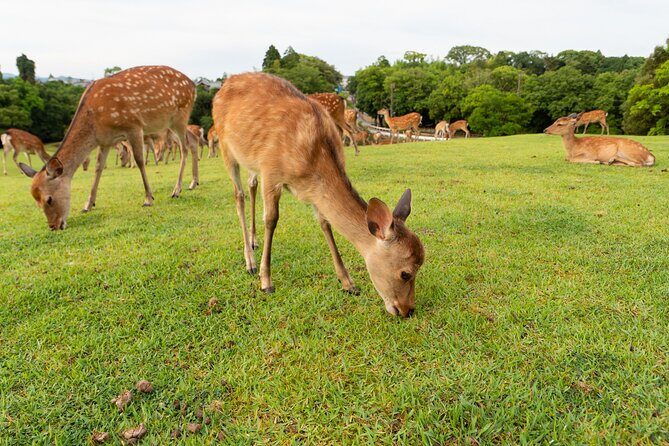
Then you’re in Nara Park, where the star attraction is the deer. You get time for feeding and interaction, with a guide talking about the area and nearby temples while helping you with the experience. The feeding crackers are sold by vendors, so you can grab what you need on-site.
This stop is short, around 20 minutes, so think of it as your deer-and-photos window rather than a long nature walk. The payoff is huge because the animals are right there, and the scene is unmistakably Nara.
The best practical advice I can give here is also the simplest: watch your hands and keep a respectful distance when a deer is acting bold. One caution that comes up often is that not all deer behave the same. If one approaches fast, don’t panic and don’t try to outsmart it. Move calmly, keep space, and let the guide guide.
You can also read our reviews of more tours and experiences in Kyoto
Todai-ji and the Great Buddha Hall: The Stop That Changes the Scale
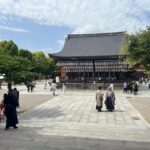
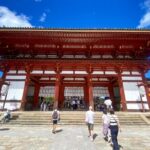
Your Nara anchor sight is Todai-ji Temple, including time at the Great Buddha Hall. You’ll spend about 40 minutes here, which is long enough to look up, take in the sheer scale, and still fit in a few thoughtful minutes without rushing.
Todai-ji is described as a temple built for peace for the country. The Great Buddha Hall is one of the largest wooden structures in the world, and the hall’s width is listed at about 57 meters. When you stand inside, that number turns real fast.
If you only do one “wow” monument in Nara, this is the one. Many people remember the combination: the deer outside and the big, calm awe inside the temple. It’s a strong contrast, and it works even if you only have one day.
Nandaimon South Gate and the Quick Reset at Yumekaze Plaza

After Todai-ji, there’s a short walk toward Todai-ji Namdaimon (the Grand South Gate / Nandaimon). It’s about 10 minutes, but it’s still worth it because the gate gives you context for the approach to the temple complex. It’s the kind of stop that helps your photos look more like a place you actually visited, not just a single building.
Then you get 15 minutes at Yumekaze Plaza for a quick bathroom stop before returning to Osaka. This kind of pause is more important than it sounds. After temples and crowds, having a chance to reset keeps the later return ride from feeling unpleasant.
Price, Included Fees, and What You Really Save
The price is $106.12 per person, and here’s how that turns into value.
You’re paying for more than a ride. The tour includes:
- air-conditioned vehicle
- all fees and taxes
- English-speaking guide
- WiFi on board
- bottled water
Skipping public transit is a real savings too, not just in money but in stress. Osaka-to-Kyoto and Kyoto-to-Nara can involve connections, timed transfers, and more walking between stations. A van day trade-offs some freedom for less friction, and that’s often the right deal when your vacation calendar is tight.
Also, included admission fees matter. When entrance costs are handled, you spend less time figuring out tickets at each stop and more time actually looking at things.
Is it expensive compared to going solo? Sure. But if your goal is to see both Kyoto and Nara without losing half the day to logistics, this is priced in a way that often feels fair.
Comfort, Group Size, and Photo-Friendly Guidance
A big reason this tour gets strong feedback is the comfort layer. The vehicle is air-conditioned, which can be a lifesaver in warmer months. You also get bottled water, and WiFi on board helps if you’re checking directions, maps, or translating as you go.
Group size is small, and that affects the quality of your time. In a crowded setting, you don’t want a tour where you’re always being herded. With a small van group, you’re more likely to get an organized experience that still feels human.
Guides often help with more than facts. People mention guidance for good photo spots, crowd timing, and even practical advice like what to watch for on the deer interaction. One recurring practical suggestion is to use bug spray if you’re going to be around shrine grounds and greenery, since nature is part of the experience.
And yes, you’ll walk. One downside you should expect is energy. You are combining shrines, streets, and temple grounds in one day, so comfortable shoes are not optional.
What This Day Trip Does Best (and Where It Might Fall Short)
This tour is best for:
- first-timers who want highlights of Kyoto + Nara
- people short on time who want minimal transit hassle
- anyone who values a guide’s context alongside the big monuments
- travelers who like a small-group pace rather than solo route planning
It might not be ideal if:
- you want long, quiet time at just one site
- you hate tight scheduling and short stop windows
- you prefer serene, empty-feeling experiences rather than popular, photo-heavy destinations
One fair consideration from real-world feedback is that some parts feel rushed, and that certain travel time can pass with limited narration. This is the nature of a tight route: the tour is built to hit multiple must-sees, so not every segment gets the same attention.
Also, Kyoto’s Gion and city feel can be more urban than expected. If you’re chasing a calm, off-the-beaten-path mood, you might find the day mixes postcard scenes with the reality of living cities.
Should You Book This Kyoto and Nara Van Tour?
I’d book it if you want the high-impact highlights with low planning stress. The combination of included entry fees, onboard comfort, and a small-group setup makes this feel like a smart use of limited time.
I’d skip or consider a different format if you want slow travel, long stays, or a deeper dive into fewer places. This day trip is designed for seeing a lot, not lingering forever.
If you’re on the fence, here’s an easy decision rule: if your priority is ticking off the big names—Fushimi Inari, Gion, Nara deer, and Todai-ji—this tour fits. If your priority is quiet, unhurried, and highly flexible wandering, you may want a slower plan with fewer stops.
FAQ
How long is the Kyoto and Nara tour from Osaka?
It runs about 7 to 8 hours.
Where do we meet in Osaka?
Pickup is offered, and the meeting points listed are Shinsaibashi or Umeda DT Tower. Start time is 9:45 am.
What’s included in the price?
The tour includes an air-conditioned vehicle, all fees and taxes, WiFi on board, an English-speaking guide, and bottled water.
Is lunch included?
Lunch is not included. You’ll have free time in a designated area to walk around and choose your own lunch spot.
What major sights are covered?
You’ll visit Fushimi Inari-taisha Shrine, Gion, Nara Park (including deer feeding time), and Todai-ji Temple, plus a quick stop at Todai-ji Namdaimon (Nandaimon).
What if the weather is poor?
The experience requires good weather. If it’s canceled due to poor weather, you’ll be offered a different date or a full refund.