REVIEW · NARA DAY TRIPS
Nara 8hr Private Tour – Kyoto DEP. with Licensed Guide
Book on Viator →Operated by Japan Guide Agency · Bookable on Viator
Nara is the perfect day trip when planned well. This Kyoto-to-Nara private tour pairs a licensed English-speaking guide with a flexible plan where you choose 3–4 sites from the Nara classics. I like the way the day mixes big landmarks with the in-between moments, especially the easy joy of Nara Park deer.
I love the focus on “how to see it right,” not just “see everything.” Guides like Ken Yokozuka, Haru, Junichi, Yuka, and Taku are repeatedly praised for organizing the route, explaining what you’re looking at, and adjusting when the day gets crowded or rainy.
One drawback to consider: this is a walking plan with entrance fees and transport not included, so you’ll want comfortable shoes and a little patience with timing and crowds.
In This Review
- Key things to know before you go
- How a private Nara day trip from Kyoto feels (and why it works)
- The stops that turn Nara from a checklist into a story
- Todai-ji Temple: the big first punch
- Nara Park: deer watching as a real cultural scene
- Kasuga Taisha: the shrine that changes the mood
- Wakakusayama Hill: views that connect the dots
- Horyu-ji: for the early-Buddhism history nerds (and everyone else)
- Kofuku-ji and Yakushiji: the temple-complex character stops
- Shinyakushiji and the Nara side of “medicine Buddhism”
- Nara National Museum and Heijō Palace Site: when you want context
- Toshodai-ji and Isuien/Yoshikien: calm options when you want a break
- Naramachi: the old merchant-district texture
- Why the licensed guide matters more than you think
- Logistics that affect your comfort: walking, no private vehicle, and entrances
- Price and value: what you’re paying for
- What I’d plan for your schedule (so Nara stays fun)
- Who should book this Nara private tour
- Should you book it? My straight answer
- FAQ
- How long is the Nara private tour?
- How many sites can I choose to visit?
- Is this a private tour?
- Where do we meet the guide in Kyoto?
- Are entrance fees included?
- Is transportation from Kyoto to Nara included?
- Is lunch included?
- Will the guide speak English?
- FAQ
- Do I get a mobile ticket?
- Can I pick different sites based on my interests?
- FAQ
- Can I cancel for a full refund?
Key things to know before you go
- Pick 3–4 stops so the day stays enjoyable instead of rushed.
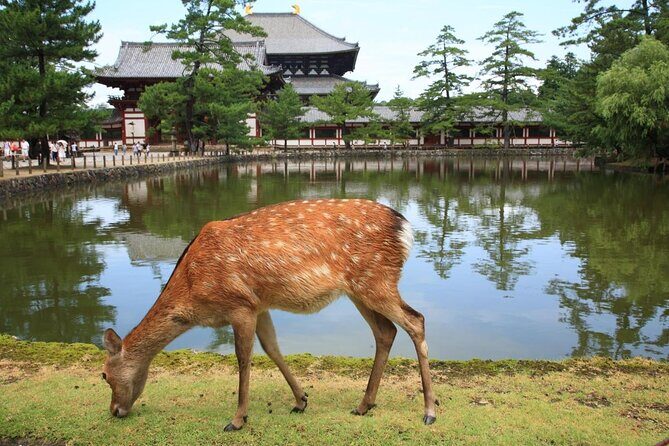
- Todaiji + Nara Park gives you the instant wow factor early, with deer you can actually watch.
- Shrine and temple depth varies by guide, with pros like Haru and Yuka tailoring the story you hear.
- Old-town Naramachi adds atmosphere beyond the headline sights.
- Optional temples and gardens (like Horyu-ji, Yakushiji, Isuien) help you shift from busy to calm.
- Rain happens and the better guides keep the schedule moving without turning it into chaos.
How a private Nara day trip from Kyoto feels (and why it works)
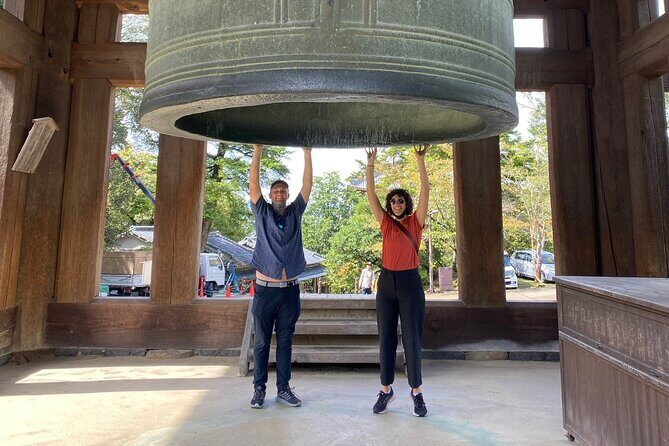
This tour is built for people who want Nara to feel clear and coherent, not like a scatter of temples and photos. You spend about 8 hours on the ground with a government-licensed, multilingual English guide, and the key is that you don’t have to force every stop into one day. Instead, you choose 3–4 sites, so your guide can pace the day based on your interests and energy level.
It’s also a smart way to handle “first-timers in Japan” logistics. Nara’s sites cluster tightly, but getting from Kyoto requires a bit of real-world navigation. The guide is there to help you use public transit and keep the day flowing—something praised again and again by people who mention that their guide had a plan, knew where to go, and helped them avoid time sink confusion.
One more thing I appreciate: this is truly private. That means your guide can slow down for questions, speed up when you’re ready, and make adjustments without negotiating with strangers who all want different pacing.
You can also read our reviews of more guided tours in Kyoto


The stops that turn Nara from a checklist into a story
Because you pick 3–4 sites, the best strategy is to choose a mix: one “anchor” temple, one or two nature/spiritual moments, and one “texture” stop (old town streets or a garden). Here’s what each option delivers, so you can choose confidently.
Todai-ji Temple: the big first punch
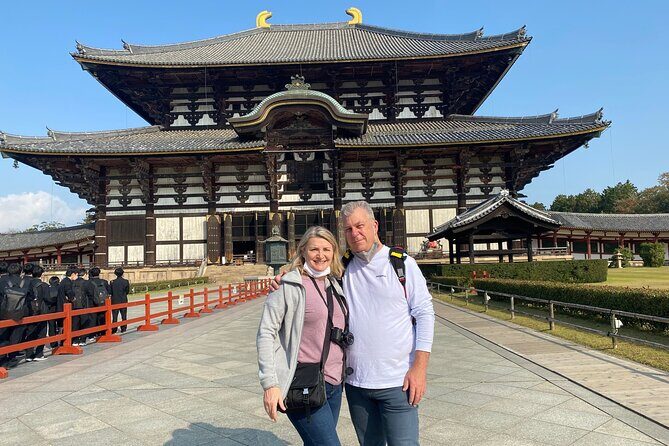
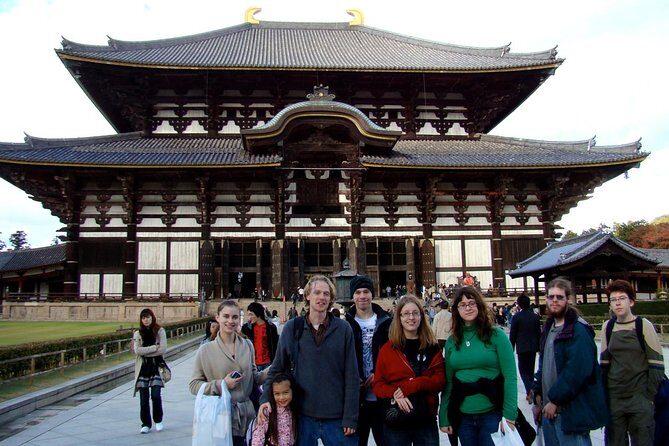
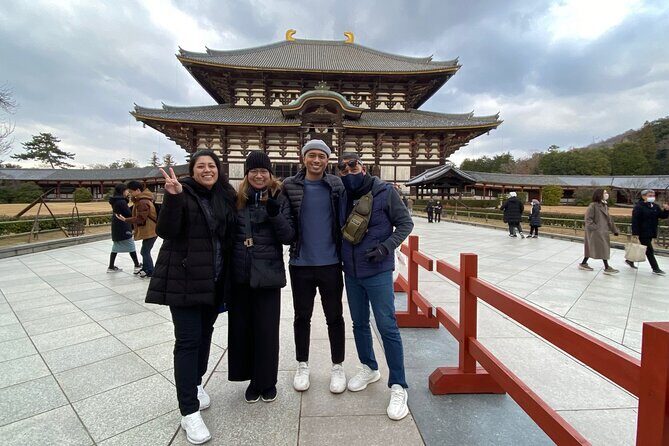
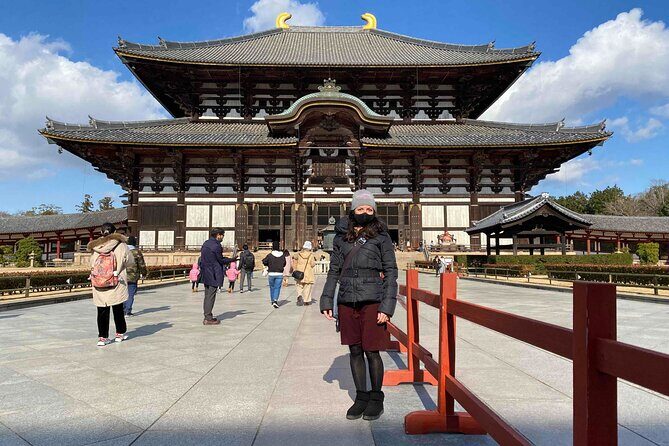
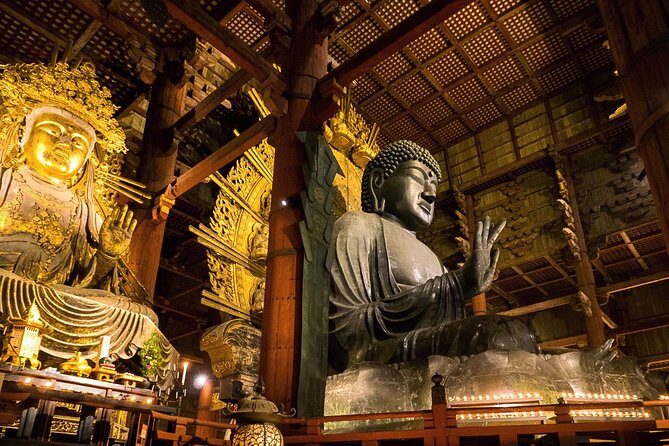
If you want the famous Nara moment, this is where it starts. Todai-ji (the Great Eastern Temple) is one of Japan’s most important temple complexes, known for the monumental scale of its Great Buddha Hall area. It’s the kind of place where your brain needs a guide’s pacing because there’s a lot to take in at once—structure, history, symbolism, and how the space is arranged for worship.
A practical note: it can be crowded, especially with school groups. That’s exactly where a guide’s timing matters. People in past tours specifically noted Todaiji being busy and wished they could spend more time admiring the Buddha in a quieter rhythm, so if you’re sensitive to crowds, consider choosing this as an early stop if your schedule allows it.
Nara Park: deer watching as a real cultural scene
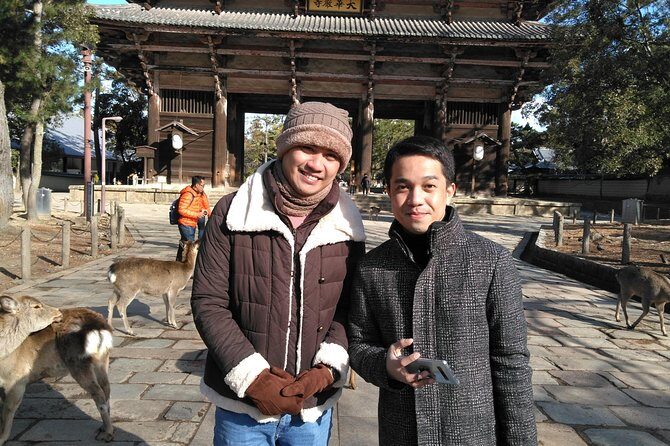
Nara Park isn’t just scenery. The deer are part of the place’s identity, and watching them graze (and noticing how people interact respectfully) becomes its own mini-event. This is one of the simplest joys in Japan—especially for families—because it’s not staged. You can stand back, observe, and let the park do its thing.
I like that the tour gives you time here without overcomplicating it. You’re not sent running across the park. You’re there long enough to watch the rhythm of the animals and feel the open space between major sights.
Kasuga Taisha: the shrine that changes the mood
Kasuga Taisha is Nara’s most celebrated shrine, dedicated to a deity long connected to the protection of the city. What makes this stop special is the atmosphere of the approach—paths lined with stone lanterns and the feeling of stepping into a quieter, more ritual space.
It also pairs well with a viewpoint option if your legs are up for it.
You can also read our reviews of more private tours in Kyoto


Wakakusayama Hill: views that connect the dots
Mount Wakakusayama (behind Nara Park) is a grass-covered hill with a classic “look over Nara” perspective. If you want your day to feel less like walking between buildings and more like understanding geography, this is a good choice.
You’re not just grabbing a view. You’re linking the temple area, the park, and the shrine landscape into one mental map—handy later when you try to remember what you saw and why it’s arranged where it is.
Horyu-ji: for the early-Buddhism history nerds (and everyone else)
Horyu-ji is one of Japan’s oldest temples, associated with Prince Shotoku and early Buddhist development. It’s a strong pick if you want a step further back than the usual “Nara postcard” version of history.
If you’ve already seen lots of temples in Kyoto, Horyu-ji gives your brain a different angle: older structures, older timelines, and a sense of continuity.
Kofuku-ji and Yakushiji: the temple-complex character stops
Kofuku-ji connects to the Fujiwara clan and the political power of the Nara and Heian eras. Yakushiji was built in the late 7th century, with a strictly symmetric layout, which makes it a nice contrast to the more sprawling-feeling areas.
People also highlighted how guides explained architecture details rather than just reciting dates. If you like looking closely at how buildings are planned, this is where a good guide pays off.
Shinyakushiji and the Nara side of “medicine Buddhism”
Shin-Yakushiji is devoted to Yakushi Buddha, patron of medicine in Japanese Buddhism. If you want your Nara day to include more spiritual themes (not only famous buildings), this option can make the day feel more layered.
Nara National Museum and Heijō Palace Site: when you want context
The Nara National Museum focuses on Japanese Buddhist art and is located in the Nara Park area. Heijō Palace Site Historical Park is tied to the period when Nara was the capital (Heijō-kyo). If you’re the type who likes your photos paired with meaning, these stops help you “connect story to objects and place.”
These aren’t as instantly photogenic as a main hall, but they can make the entire day click. Think of it as turning “I saw a temple” into “I understand what it was for.”
Toshodai-ji and Isuien/Yoshikien: calm options when you want a break
Toshodai-ji is associated with Ganjin, a Chinese priest invited to Japan to train priests and strengthen Buddhist practice. If your guide leans history-and-text, this is a satisfying stop.
Isuien Garden uses the idea of borrow scenery, using Mount Wakakusayama and elements like the Todaiji Nandaimon Gate as visual tools. Yoshikien is another garden option tied to the Yoshikigawa river. If you’re visiting in a season when gardens feel worth it, these stops can break up temple intensity with quiet pacing.
Naramachi: the old merchant-district texture
Naramachi is the former merchant district of Nara, where traditional homes and warehouses remain. This is the “walk me through daily life” part of the day—boutiques, cafes, and preserved residential spaces. I like this stop because it rounds out the day: temples explain belief; old-town streets show the human side of the city.
If you want a balanced day, Naramachi is your best bet for a change of pace after temple complexes.
Why the licensed guide matters more than you think
The tour’s headline is the sites, but the real differentiator is how the guide shapes your attention. A good guide helps you answer questions like:
- What am I looking at, specifically?
- Why is this place important in Nara’s timeline?
- What details matter (and which ones are just decorations)?
In the past, guides such as Junichi were praised for organizing a tight schedule around what people cared about, Haru for sharing facts that made history feel real, and Taku for helping with both structure and comfort (including being responsive to sore feet and jet lag). People also mentioned guides providing navigation help and practical tips for public transportation.
One caution: English comfort can vary. There was at least one past complaint about unclear English and reliance on translation. The agency’s response claimed guides are government-certified as Tour Guide Interpreters, but that doesn’t guarantee an easy listening experience for every accent or speaking style. If clear communication is your top priority, message your expectations early and be ready with a couple of topics you want covered (architecture, religion, history timeline, food stops).
Logistics that affect your comfort: walking, no private vehicle, and entrances
This is a walking tour. Even though pickup is offered, the meeting happens on foot in a designated area in Kyoto. There’s no private vehicle provided, and transportation fees aren’t included—so you’ll rely on trains or buses for the Kyoto-to-Nara movement.
Entrance fees aren’t included either. Some major stops typically have tickets, and others may be free depending on the site. Your guide will help you pick from the options, but you should still budget for admissions and expect that your day can’t be perfectly “all-in” for one set price.
Also, the day is about 3–4 major stops, not 14. That’s good news if you dislike sprinting between highlights, but it means you should pick your favorites carefully. If you try to choose everything, you’ll end up with a list—not a day.
Price and value: what you’re paying for
At about $201.51 per person for an 8-hour private tour, the value comes from three places:
- Time saved: your guide helps you move efficiently between sites. People specifically credited guides for saving them time by knowing exactly where to go and how to get there.
- Interpretation: temples and shrines are more meaningful when you understand what’s in front of you. The best guide days get remembered because they change what the buildings mean.
- Customization: you choose 3–4 sites, so the day matches your interests instead of forcing a generic route.
Is it a “cheap day trip”? No. But if you care about history explanations, want someone to keep pacing under control, and don’t want to spend your day battling transit confusion alone, it can feel like money well spent—especially in a small group where the private format matters.
What I’d plan for your schedule (so Nara stays fun)
Here’s how to make the day feel smooth:
- Choose an anchor + a contrast. Anchor at Todai-ji. Add a contrast like Nara Park deer or a viewpoint (Wakakusayama). Then add one texture stop (Naramachi) or one calmer option (a garden).
- Name your priorities early. Past tours mention guides asking preferences and building the itinerary around them. If you care about architecture, say so. If you care more about temples and spiritual themes, say that too.
- Expect a bit of crowd friction. Even with great timing, major areas can be busy (Todai-ji especially). Build your day choices around how you handle crowds.
- Bring water and real walking shoes. This is an 8-hour walk day. Even an excellent itinerary can feel tiring if your shoes aren’t up to it.
Who should book this Nara private tour
This tour is a great fit if you:
- Want a private guide for one day in Nara and don’t want to make the itinerary yourself.
- Prefer seeing a few places well rather than rushing through many.
- Like temple and shrine context, not just photos.
- Enjoy adding an old-town stroll like Naramachi to balance the spiritual sites.
It might be less ideal if you:
- Want a “transport included” package. You’ll be paying for transportation on your own.
- Don’t like walking for long stretches.
- Need very specific English delivery styles. It’s licensed and supported, but communication comfort can still vary by guide.
Should you book it? My straight answer
If your goal is a high-quality Nara day trip from Kyoto, I’d say book it—with intention. Pick 3–4 stops that match your interests (Todai-ji plus deer is a strong start), and communicate what you care about so your guide can steer the story.
If you’re price-sensitive, compare what you’d spend on a DIY day: transit, admissions, and the time cost of figuring it out. This tour is priced for the value of a guide who can manage a tight day and explain what you’re seeing—people like Ken, Junichi, Haru, Yuka, and Taku have repeatedly been praised for doing exactly that.
FAQ
How long is the Nara private tour?
It runs for about 8 hours.
How many sites can I choose to visit?
You can choose 3 to 4 sites from the options provided.
Is this a private tour?
Yes. It’s private, so only your group participates.
Where do we meet the guide in Kyoto?
You meet the guide on foot within a designated area in Kyoto.
Are entrance fees included?
No. Entrance fees are not included in the tour price.
Is transportation from Kyoto to Nara included?
No. Transportation fees are not included, and a private vehicle is not provided.
Is lunch included?
No. Lunch is not included.
Will the guide speak English?
The tour includes a licensed local English-speaking guide.
FAQ
Do I get a mobile ticket?
Yes. The experience includes a mobile ticket.
Can I pick different sites based on my interests?
Yes. The tour is customizable, and the guide builds your plan from the site options you select.
FAQ
Can I cancel for a full refund?
You can cancel up to 24 hours in advance for a full refund.